

Introduction
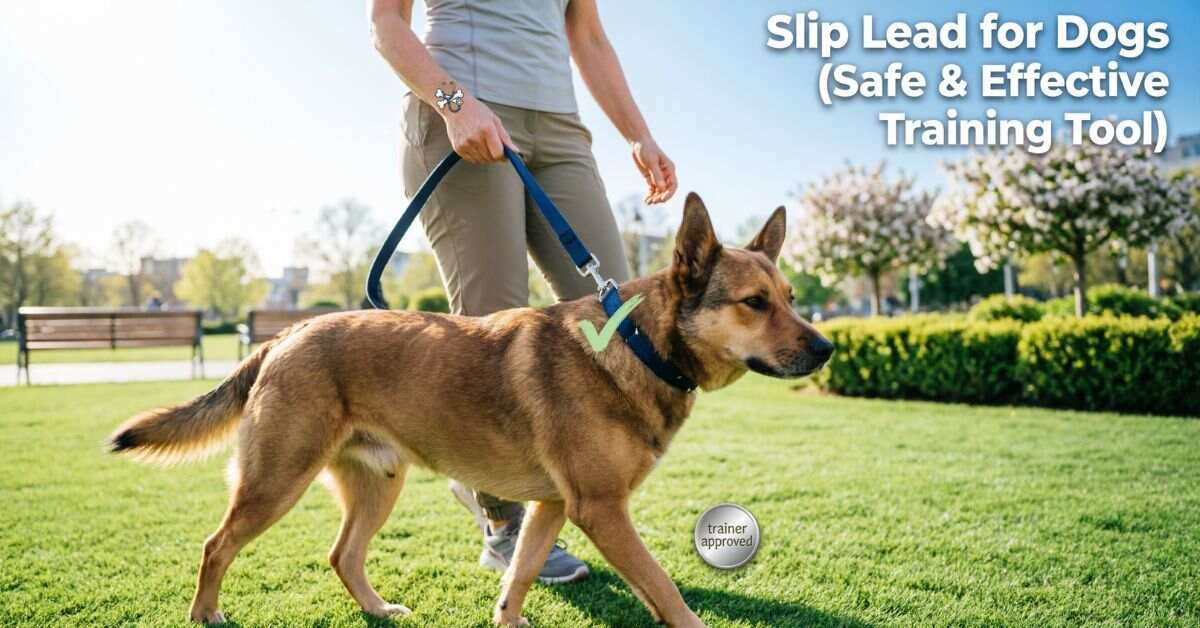
A slip lead for dogs is a simple leash and collar in one. It forms a loop that goes over your dog’s head. The loop tightens when your dog pulls and loosens when they stop. Many dog owners and trainers use it for quick control during walks or training sessions.
Is it the right choice for your dog? Some people say it is a helpful training tool. Others worry it can be unsafe if used the wrong way. This makes many dog owners confused about when and how to use it properly.
In this guide, you will learn the pros and cons of a slip lead for dogs. You will also discover simple training tips and safety advice. This will help you decide if it is a good option for your dog and how to use it the right way.
What Is a Slip Lead for Dogs?
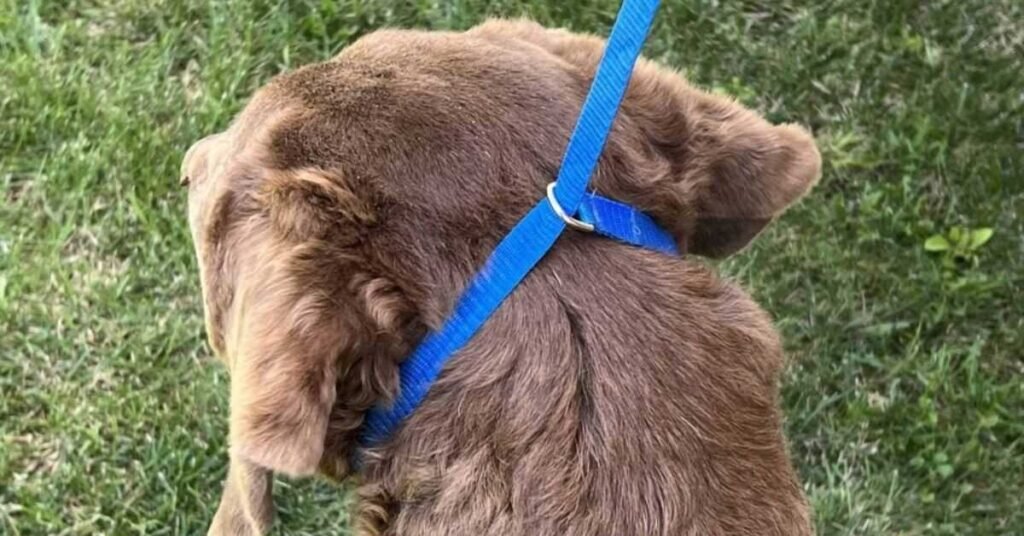
It is both a leash and a collar in one piece of equipment. It creates a loop that goes over your dog’s head and sits around the neck. When your dog pulls forward, the loop tightens slightly. When they stop pulling, it loosens on its own. This makes it a simple tool for guiding your dog during walks.
People often use slip leads for training or quick outings. They are easy to put on and remove, which makes them convenient for many dog owners. Trainers sometimes use them to improve leash behavior. Still, they need to be handled with care so the dog stays comfortable and safe.
How a Slip Lead Works
A slip lead works by using a simple loop that goes around your dog’s neck. When your dog moves forward or pulls, the loop tightens gently. When your dog relaxes or walks beside you, the loop loosens again. This creates a quick feedback system that helps guide your dog’s movement.
The design is very basic, but it depends on proper use. The lead should sit high on the neck, just behind the ears, for better control. It should never stay tight all the time. The goal is to guide, not to choke or hurt your dog.
Key points to understand:
- Tightens when the dog pulls
- Loosens when the dog stops pulling
- Works on pressure and release
- Should be placed high on the neck
- Requires gentle handling and proper timing
Why Trainers Prefer Slip Leads
Many dog trainers prefer slip leads because they are simple and effective. There is no need for a separate collar or extra clips. This makes it quick to put on and remove. Trainers can easily control the dog during short sessions or walks. It also helps them give clear signals to the dog.
Slip leads also support basic leash training when used correctly. Trainers use them to teach dogs how to walk calmly without pulling. The quick tightening and loosening gives instant feedback. This helps the dog understand what behavior is right.
Reasons trainers use slip leads:
- Easy to use and carry
- Quick to put on and remove
- Gives better control during training
- Helps teach leash manners
- Provides clear and instant feedback
Benefits of Using a Slip Lead for Dogs
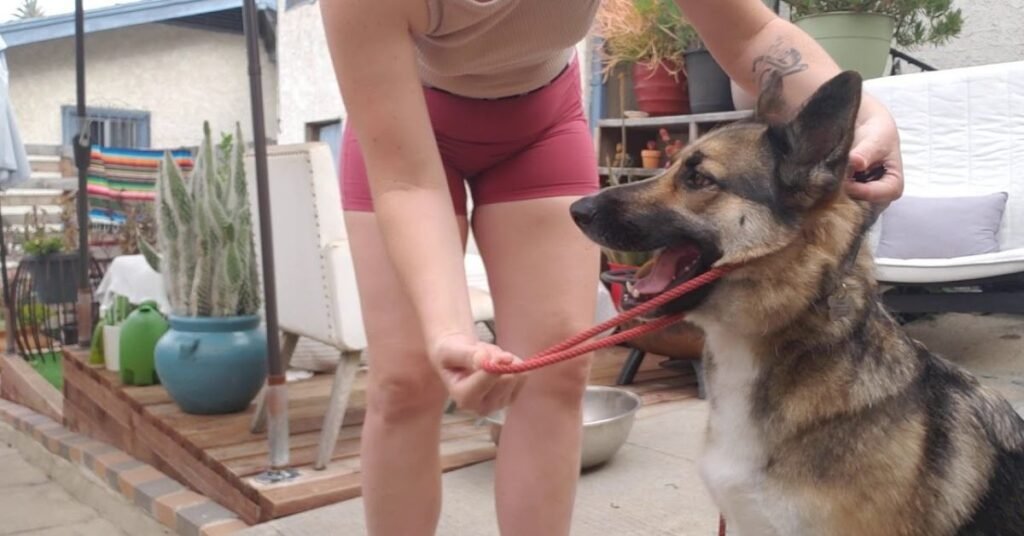
A slip lead for dogs offers a simple and practical way to manage your dog during walks. It combines a leash and collar into one, so you don’t need extra equipment. This makes it very convenient, especially for quick outings. It also allows you to guide your dog more easily if they tend to pull.
Another benefit is how it helps with basic training. The gentle tightening and loosening give your dog quick feedback. This can improve leash manners over time when used correctly. Many dog owners find it helpful for teaching calm walking and better control.
Key benefits of using a slip lead:
- Simple all-in-one design
- Easy to use and carry
- Helps improve leash control
- Useful for basic training
- Quick to put on and remove
- Gives instant feedback to the dog
Better Control and Quick Handling
A slip lead gives you better control during walks. It sits high on your dog’s neck, which makes it easier to guide their movement. When your dog pulls, you can quickly correct the direction. This helps keep your dog close and focused while walking.
It also allows quick handling in different situations. You can put it on and remove it in seconds. This is very helpful in busy areas or when you need fast control. It saves time and effort for dog owners.
| Feature | How It Helps You | Benefit for Your Dog |
| All-in-one design | No need for separate collar and leash | Less confusion and quick setup |
| High neck placement | Better control of direction | Clear guidance while walking |
| Quick tightening action | Immediate response to pulling | Learns to reduce pulling |
| Fast to put on/remove | Saves time in daily use | Less stress during handling |
| Lightweight and simple | Easy to carry anywhere | Comfortable for short walks |
| Direct control | Helps manage strong or active dogs | Safer movement in crowded places |
| Minimal equipment needed | No extra gear required | Simple and easy experience |
Useful Tool for Dog Training
A slip lead can be a helpful tool for basic dog training. It allows you to guide your dog with small and clear movements. When used gently, it helps your dog understand what you expect. This makes it easier to teach simple commands during walks.
Trainers often use slip leads to improve leash behavior. The quick response from the lead helps the dog learn faster. It works best when combined with calm handling and rewards. With practice, your dog can learn to walk politely and stay focused.
How it helps in training:
- Gives clear signals to the dog
- Helps teach loose leash walking
- Improves focus during walks
- Supports basic obedience training
- Works well with reward-based training
Risks and Safety Concerns of Slip Leads
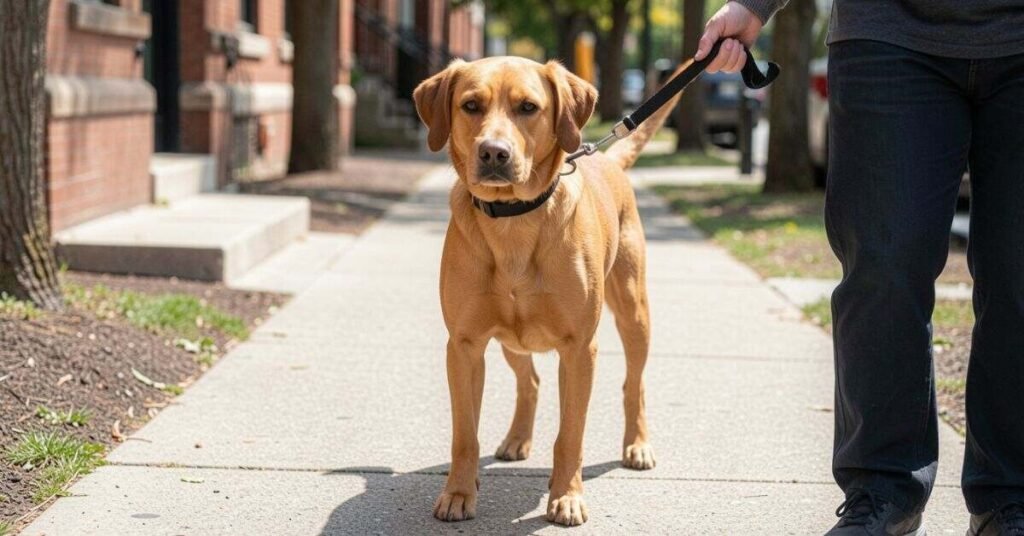
Slip leads can be helpful, but they also come with risks if used the wrong way. The loop tightens around the dog’s neck, so too much pressure can cause discomfort. If the lead stays tight for too long, it may affect breathing. This is why proper use and gentle handling are very important.
They are not suitable for every dog. Puppies, small breeds, or dogs with neck problems may get hurt easily. Dogs that pull hard can also be at risk if the lead is used without training. It is important to watch your dog closely and use the slip lead only when needed.
| Risk / Issue | What Can Happen | How to Prevent It |
| Too much tightening | Can cause pain or choking | Use gentle pressure and release |
| Incorrect placement | Less control and more strain | Keep lead high on the neck |
| Constant pressure | Breathing discomfort | Always allow the lead to loosen |
| Strong pulling | Neck injury risk | Train dog not to pull |
| Use on puppies | Can harm delicate neck | Avoid using on young dogs |
| Lack of training | Dog may become confused or stressed | Learn proper handling techniques |
| Overuse | Can create fear or negative behavior | Use only when necessary |
| Not monitoring the dog | Delayed reaction to discomfort | Stay alert during walks |
Can Slip Leads Hurt Dogs?
Yes, slip leads can hurt dogs if they are used the wrong way. The loop tightens around the neck, so too much force can cause pain. If a dog pulls hard or the lead stays tight, it may lead to choking or discomfort. This is more risky for small dogs or those with sensitive necks.
However, slip leads are not harmful when used correctly. Gentle handling and proper timing are very important. The lead should tighten only for a moment and then loosen right away. When used with care and training, it can be safe and helpful for guiding your dog.
When You Should Avoid Using a Slip Lead
A slip lead is not the right choice for every dog. Some dogs are more sensitive and can get hurt easily. Puppies have soft necks, so they need safer options. Dogs with breathing or neck problems should also avoid this tool. If your dog pulls very hard, a slip lead can increase the risk of injury.
You should also avoid using it if you are not trained in handling it. Incorrect use can confuse or stress your dog. It is better to choose a safer leash or harness in these cases. Always think about your dog’s comfort and safety first.
Avoid using a slip lead when:
- Your dog is a young puppy
- Your dog has neck or throat issues
- Your dog pulls strongly on the leash
- Your dog has breathing problems
- You are not familiar with proper use
- Your dog shows fear or stress with it
How to Use a Slip Lead for Dogs Correctly
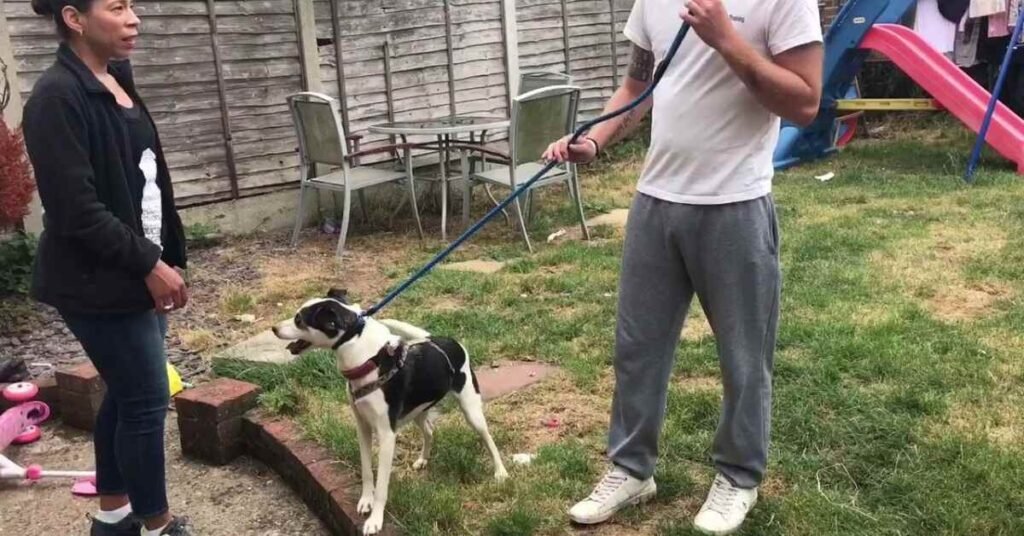
For your dog’s safety, you must use a slip lead correctly. First, place the loop over your dog’s head and position it high on the neck, just behind the ears. This gives you better control and clear guidance. The lead should not stay tight all the time. It should only tighten slightly when needed and loosen right away.
Always use gentle movements when guiding your dog. Do not pull hard or keep constant pressure. The goal is to guide your dog, not to cause pain. With calm handling and practice, your dog will start to understand how to walk properly.
Steps to use a slip lead correctly:
- Place the loop high on the neck
- Make sure it can tighten and loosen easily
- Use light and gentle pressure
- Release tension quickly after correction
- Keep the lead loose when the dog walks calmly
- Stay calm and consistent during walks
Proper Placement on a Dog’s Neck
A slip lead must be placed carefully for safety and comfort. The loop should sit high on the neck, right behind the ears. This gives you control while reducing strain on your dog’s throat. Putting it too low can cause choking or discomfort.
Before starting a walk, make sure the lead fits correctly. It should move freely but not be too loose. The loop tightens slightly when the dog pulls and loosens as soon as they stop. Correct placement helps your dog walk calmly and safely.
Common Mistakes When Using a Slip Lead
Many dog owners make mistakes when using a slip lead. One common error is placing the loop too low on the neck. This can cause choking or discomfort. Another mistake is keeping the lead tight all the time. The lead should only tighten briefly when guiding the dog.
Using the slip lead without proper training is also a problem. Dogs may get confused or stressed if handled incorrectly. Consistency and gentle pressure are key to safe use.
Common mistakes to avoid:
- Placing the loop too low on the neck
- Keeping constant tension on the lead
- Pulling too hard or harshly
- Using it without proper guidance
- Ignoring the dog’s comfort or stress signals
- Overusing it during long walks
Over-Tightening and Incorrect Fit
Over-tightening a slip lead is a common problem that can hurt your dog. If the loop is too tight, it can cause choking, pain, or discomfort. An incorrect fit can also reduce control and make training harder. It is important to keep the lead snug but gentle.
Checking the fit before every walk is essential. The loop should tighten only slightly when your dog pulls and loosen immediately when they stop. Proper fit keeps your dog safe and comfortable while improving leash manners.
| Problem | What Can Happen | How to Fix It |
| Loop too tight | Choking or discomfort | Keep the loop gentle and adjustable |
| Loop too loose | Less control, dog may slip out | Adjust loop to sit high on neck |
| Constant tension | Stress or fear | Release tension when dog walks calmly |
| Wrong position on neck | Reduced control, possible injury | Place loop high, behind the ears |
| Pulling too hard | Neck strain or injury | Use light, gentle corrections |
| Using on puppies/small dogs | Neck injury | Avoid or supervise closely |
| Inconsistent use | Confuses the dog | Always handle consistently |
How to Train Your Dog with a Slip Lead
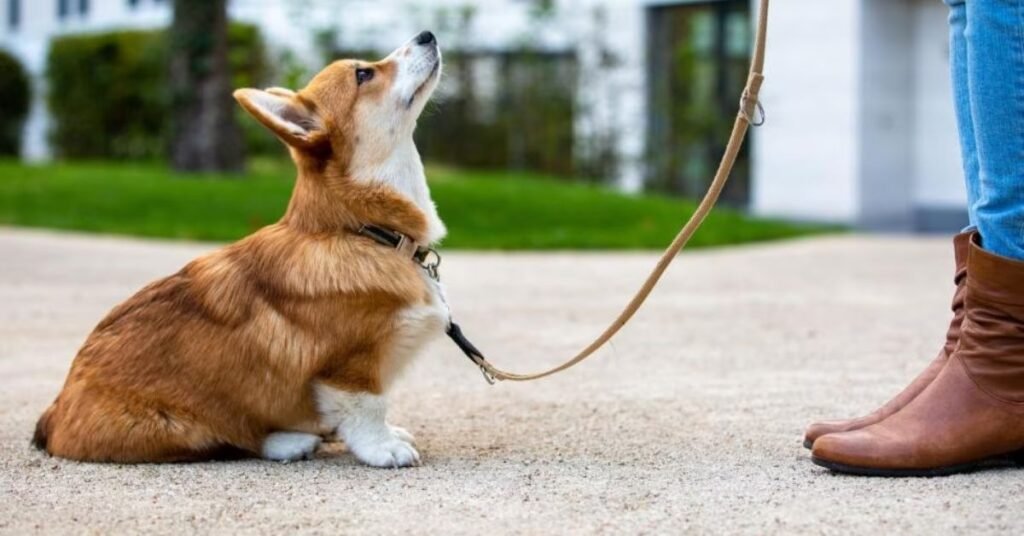
Training your dog with a slip lead is simple if done correctly. Start by keeping the lead loose while walking. Only tighten the loop gently when your dog pulls. Release immediately when they stop. This teaches the dog to walk calmly by your side.
Consistency and patience are important. Reward good behavior with treats or praise. Short, regular training sessions work best. Over time, your dog will learn leash manners and stay focused during walks.
Training tips with a slip lead:
- Keep the lead loose during calm walking
- Gently tighten when the dog pulls
- Release tension as soon as they stop
- Use treats and praise as positive reinforcement
- Keep sessions short and frequent
- Stay calm and consistent throughout training
Using Positive Reinforcement
Positive reinforcement helps your dog learn better with a slip lead. Give treats, praise, or gentle petting when your dog walks nicely. This teaches them which behavior is correct. Dogs respond faster when training is rewarding and enjoyable.
Never use harsh pulling or punishment. Gentle guidance along with rewards works much better. Over time, your dog will walk calmly and stay focused. This approach builds trust and makes walks safer and more fun for both of you.
How to Choose the Best Slip Lead for Dogs
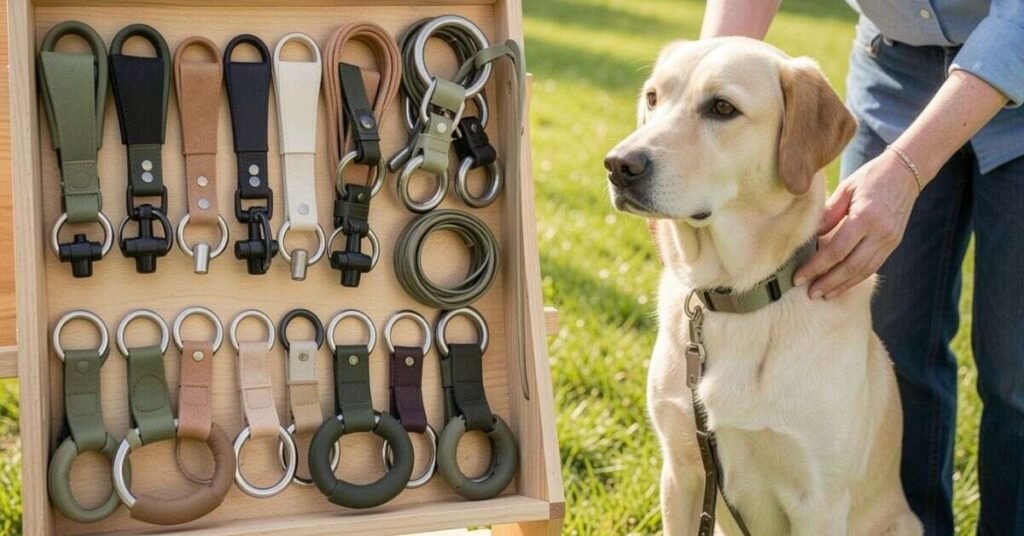
Choosing the right slip lead is important for your dog’s safety and comfort. Look for a lead made of strong, durable material. It should be lightweight and easy to handle. The loop should move smoothly and tighten gently when needed. A well-fitting lead makes training and walking easier for both you and your dog.
Consider your dog’s size, breed, and strength when selecting a lead. Some leads are thicker for strong dogs and thinner for small breeds. Check the handle for comfort, especially if you walk long distances.
Tips for choosing a slip lead:
- Pick a durable and strong material
- Choose the right thickness for your dog’s size
- Ensure the loop slides easily but stays secure
- Look for a comfortable handle
- Avoid leads that are too stiff or heavy
- Check for extra features like padded grips or reflective material
Conclusion
A slip lead for dogs can be a simple and useful tool. It works well for training and quick walks. Many dog owners like it because it is easy to use. It also gives better control in some situations.
You should always use a slip lead with care. It tightens when your dog pulls, so gentle handling is important. Proper use helps keep your dog safe and comfortable. Learning the right way makes a big difference.
Not every dog needs a slip lead for dogs. Some dogs may do better with a harness or regular collar. It depends on your dog’s size, behavior, and needs. Always choose what keeps your dog calm and happy.
In the end, a slip lead for dogs can be a helpful option. It is best when used correctly and with patience. Focus on your dog’s comfort and safety at all times. This will help build trust and a better bond with your pet.
FAQs
1. What is a Slip Lead for Dogs?
A Slip Lead for Dogs is a leash and collar combined into one. It forms a loop that goes around your dog’s neck. When the dog pulls, the loop tightens slightly. It is simple and easy to use for quick control.
2. Is a Slip Lead for Dogs safe to use?
Yes, a Slip Lead for Dogs can be safe if used properly. You should avoid pulling too hard or keeping it too tight. Gentle handling is very important. It is best used for short walks or training sessions.
3. When should I use a Slip Lead for Dogs?
A Slip Lead for Dogs is useful for training, vet visits, or quick outings. It helps manage dogs that pull or get excited. Many trainers use it for better control. However, it should not be used all the time.
4. Can puppies use a Slip Lead for Dogs?
Puppies can use a Slip Lead for Dogs, but with extra care. Their necks are more sensitive, so gentle use is needed. Short training sessions are best. Always watch your puppy’s comfort and behavior.
5. How do I choose the right Slip Lead for Dogs?
Choose a Slip Lead for Dogs based on your dog’s size and strength. Look for soft, strong material that feels comfortable. The length should allow good control without being too short. A good fit makes walks safer and easier.

DogsVibes Editorial Team creates trusted, research-based dog care content to help pet owners keep their dogs healthy, happy, and safe.