


Introduction
Brewers yeast for dogs is a natural supplement made from a type of fungus called Saccharomyces cerevisiae. Baking and brewing use it frequently. For dogs, it is valued for its rich nutrients. It contains B vitamins, protein, and important minerals. Many pet owners add it to their dog’s diet to support overall health.
But is brewers yeast really as good as people say? Some dog owners use it to improve skin and coat. Others believe it can help keep fleas away. At the same time, there are concerns about allergies and side effects. This makes many pet owners confused about whether they should use it or not.
The following guide will tell you everything you need to know about brewers yeast for dogs. We will cover its benefits, possible risks, and the right way to use it. You will also understand how much to give and which dogs may benefit the most. This will help you make a safe and informed decision for your pet.
What Is Brewers Yeast for Dogs?
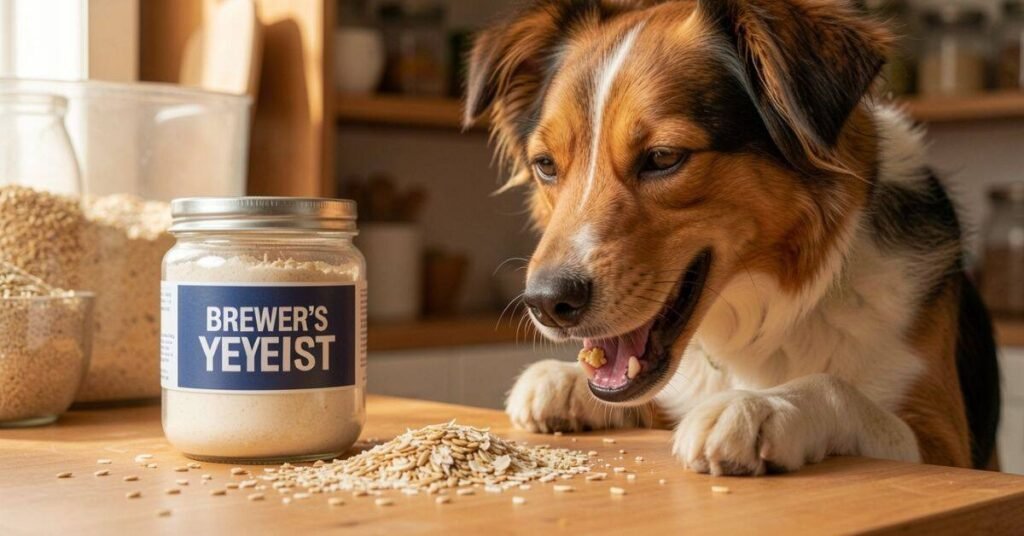
Brewers yeast for dogs is a natural supplement made from a type of fungus called Saccharomyces cerevisiae. Beer brewing produces it as a by-product. After processing, it becomes a dry powder or flakes. This form is safe and easy to add to dog food. It is rich in B vitamins, protein, and minerals like selenium and chromium. These nutrients help support a dog’s overall health.
Many pet owners use brewers yeast to improve their dog’s skin and coat.Digestive health and energy levels can also be supported by it. Some people believe it helps with flea control, though this is still debated. Brewers yeast is usually added to meals or given as tablets or treats. It is simple to use, but the right amount is important for safety.
How Brewers Yeast Is Made and Used in Dog Nutrition
Brewers yeast comes from the process of making beer. After the liquid is prepared, the leftover yeast is collected. It is cleaned and dried carefully. Then it is turned into a fine powder or small flakes. This makes it safe for dogs and easy to store. The final product keeps many natural nutrients that are good for health.
Dog owners use brewers yeast as a daily food add-on. It is usually mixed into regular meals in small amounts. Some people prefer tablets or ready-made treats. It is often used to support healthy skin and improve a dog’s coat. Many also use it to help with energy and overall wellness.
Simple ways to use it:
- Add a small amount to your dog’s food
- Add it to home-cooked meals
- Give it as a supplement tablet
- Choose dog treats that already include it
- Use it regularly in safe amounts for better results
Is Brewers Yeast Safe for Dogs?
Brewers yeast is usually safe for most dogs. It is a natural supplement that provides vitamins, minerals, and protein. Many dog owners add it to their dog’s food to help with skin, coat, and energy. Most healthy adult dogs can take it without problems.
However, some dogs may have reactions. It can cause itching, upset stomach, or gas in sensitive dogs. Dogs with allergies or certain health problems may need to avoid it. Always start with a small amount and watch your dog closely. If unsure, check with a vet before giving it regularly.
When Brewers Yeast Is Safe and When to Avoid It
Brewers yeast is safe for most healthy dogs. It can be given in small amounts daily to support skin, coat, and digestion. Adult dogs without allergies usually tolerate it well. It is also safe for dogs who need extra nutrients in their diet.
However, some dogs should avoid it or use it carefully. Dogs with allergies, sensitive stomachs, or certain health problems may have reactions. Puppies or very small dogs should only get it under a vet’s advice. Always start slowly and watch for any signs of discomfort.
Safe to use:
- Healthy adult dogs
- Dogs needing skin, coat, or digestion support
- Small or moderate daily doses
Avoid or use with caution:
- Dogs with yeast allergies
- Dogs with sensitive stomachs
- Dogs on certain medications
- Puppies or very small dogs without vet guidance
Top Benefits of Brewers Yeast for Dogs
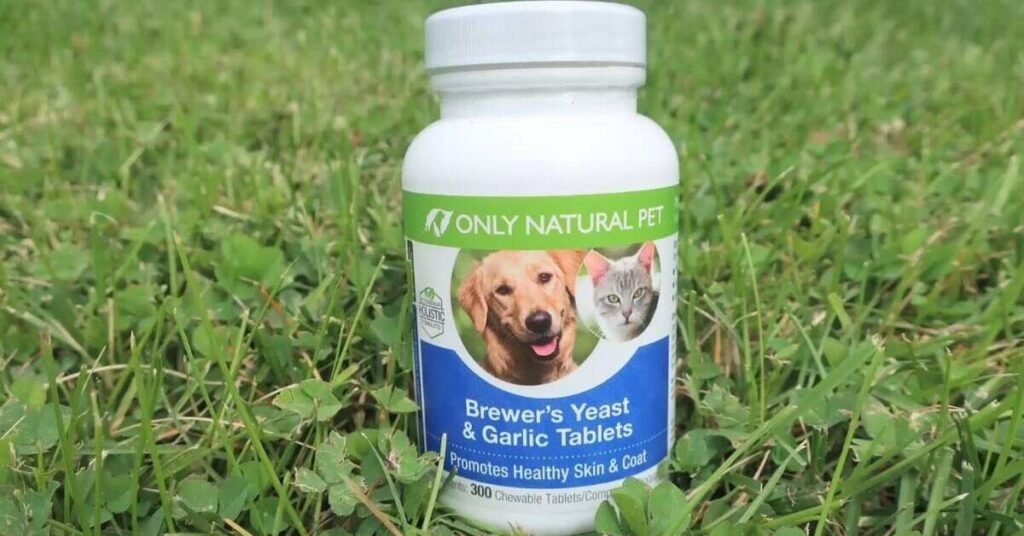
Brewers yeast is a natural supplement that helps dogs stay healthy. It is full of vitamins, protein, and minerals. These nutrients can support a dog’s overall health. Many pet owners give it to improve their dog’s skin and coat. It can also help dogs have more energy and better digestion.
You can easily add brewers yeast to your dog’s daily meals. It can be mixed with dry food, wet food, or homemade meals. Some dogs may take it as a tablet or chew.
Benefits of brewers yeast for dogs:
- Makes skin healthier and coat shinier
- Supports good digestion
- Boosts energy and vitality
- Strengthens the immune system
- Makes food more appealing to dogs
Supports Healthy Skin and a Shiny Coat
Brewers yeast is well known for helping dogs have healthy skin and a shiny coat. It is rich in B vitamins, which are important for skin health. When used regularly, dryness, itching, and flakiness can be reduced. Dogs with dull or rough coats often show improvement after adding brewers yeast to their diet.
It also provides protein and minerals that support hair growth and strength. Many pet owners notice softer fur and a glossy appearance after a few weeks. Brewers yeast can be given as a powder, flakes, or tablet. It can be mixed with food easily for daily use.
How Brewers Yeast Helps Skin and Coat Health:
| Nutrient | Role for Dogs | Effect on Skin & Coat |
| B Vitamins | Supports cell growth | Reduces dryness and flakiness |
| Protein | Builds strong hair | Promotes thicker, healthier fur |
| Zinc | Supports skin repair | Helps heal minor irritations |
| Selenium | Antioxidant support | Protects skin from damage |
| Biotin | Hair growth support | Improves shine and softness |
Boosts Immune System Naturally
Brewers yeast is a natural way to help dogs stay healthy. It contains vitamins, minerals, and other nutrients that support the body’s defenses. Giving it regularly can help dogs fight off sickness and stay strong. A healthy immune system also helps them recover faster from minor illnesses.
This supplement works best for dogs with weaker immunity or older dogs. It can be mixed into meals or given as a small tablet each day. Over time, dogs may show better energy, improved health, and fewer signs of illness.
Improves Digestion and Gut Health
Brewers yeast can help dogs digest food better. It contains nutrients that support healthy gut bacteria. This can reduce bloating, gas, and stomach upset. Dogs with sensitive stomachs often benefit from regular use. Adding it to meals can make digestion smoother and more efficient.
It also helps the gut absorb more nutrients from food. Regular use can improve overall digestive health and comfort. Brewers yeast can be added as powder, flakes, or tablets depending on what your dog prefers.
How Brewers Yeast Supports Digestion:
| Nutrient/Component | Role in Digestion | Benefit for Dogs |
| B Vitamins | Helps break down food | Improves nutrient absorption |
| Protein | Supports gut lining | Keeps intestines healthy |
| Minerals (Zinc, Selenium) | Supports enzymes | Aids smooth digestion |
| Prebiotics | Feeds good gut bacteria | Reduces bloating and gas |
| Fiber | Promotes bowel movement | Maintains regularity |
Helps Maintain Energy and Metabolism
Brewers yeast can help dogs stay active and energetic. It contains B vitamins, protein, and minerals that support the body’s metabolism. These nutrients help convert food into energy. Dogs that are active or working dogs can benefit the most. Regular use may improve stamina and overall vitality.
It also helps maintain a healthy weight and proper muscle function. Dogs with low energy or slow metabolism may feel more lively with small daily doses. Brewers yeast can be added to meals as powder, flakes, or tablets depending on what your dog likes.
How Brewers Yeast Supports Energy and Metabolism:
| Nutrient | Role in Energy & Metabolism | Benefit for Dogs |
| B Vitamins | Converts food into energy | Keeps dogs active throughout the day |
| Protein | Builds and repairs muscles | Supports strength and stamina |
| Chromium | Helps regulate blood sugar | Provides steady energy levels |
| Minerals (Magnesium, Zinc) | Supports enzyme functions | Boosts metabolic efficiency |
| Amino Acids | Supports muscle function | Helps maintain healthy weight |
Can Brewers Yeast Help with Fleas and Ticks?

Some dog owners use brewers yeast to help reduce fleas and ticks. It contains natural compounds that may make a dog’s skin less attractive to these pests. While it can help a little, it is not a full-proof solution. Dogs still need proper flea and tick treatments to stay protected.
Adding brewer’s yeast to daily meals is easy. Small regular amounts may support overall skin health and make the dog less appealing to insects. Always watch your dog for any reactions, especially if they have allergies or sensitive skin.
Key points about brewers yeast for fleas and ticks:
- May help naturally reduce flea attraction
- Should not replace flea or tick medicine
- Works best when added regularly to the diet
- Start with small amounts for dogs with sensitive skin
- Consult a vet for heavy flea or tick problems
Myth vs Fact About Flea Prevention
There are many myths about using brewers yeast to prevent fleas in dogs. Some people think it can completely stop fleas and ticks. This is not true. Brewers yeast may help a little, but it cannot replace proper flea control methods. It works best as a small supplement alongside other treatments.
Knowing the facts can help you protect your dog better. Flea prevention needs a combination of safe supplements, regular baths, and vet-recommended medications. Understanding what works and what doesn’t will keep your dog safe and healthy.
Common Myths and Facts About Flea Prevention:
| Myth | Fact | Notes |
| Brewers yeast alone can stop fleas | It may help a little, but does not replace flea medicine | Always use vet-approved treatments |
| Natural supplements are enough | Supplements support health but do not remove fleas | Combine with other preventive measures |
| Fleas only appear in summer | Fleas can live year-round indoors | Regular prevention is necessary |
| Dogs with healthy skin don’t get fleas | Fleas can affect any dog | Prevention is important for all dogs |
| Flea collars alone are enough | Some collars help, but not all | Use multiple preventive methods for best results |
How Much Brewers Yeast Should You Give a Dog?
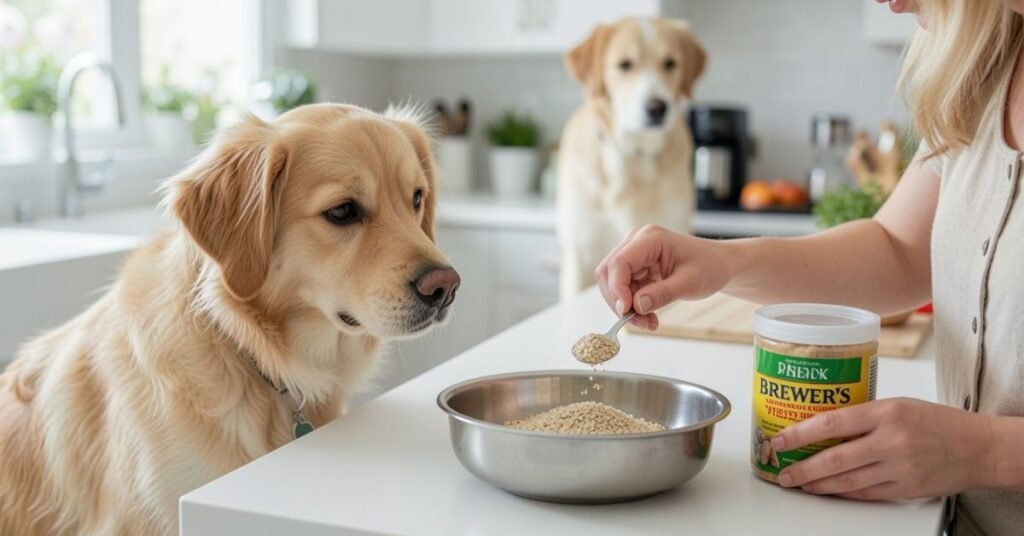
The amount of brewers yeast your dog can have depends on their size and needs. Small dogs need only a little, while bigger dogs can handle more. Giving too much at once may upset their stomach or cause gas. It is best to start with a small portion and increase it slowly if needed.
Brewers yeast can be added to meals as powder, flakes, or tablets. Check the product’s instructions before using it. Keep an eye out for any signs of discomfort in your dog. If you are unsure about the right amount, ask your vet for guidance.
General daily guideline for brewers yeast:
- Small dogs (under 20 lbs) – ¼ to ½ teaspoon
- Medium dogs (20–50 lbs) – ½ to 1 teaspoon
- Large dogs (50–100 lbs) – 1 to 2 teaspoons
- Extra-large dogs (over 100 lbs) – 2 to 3 teaspoons
- Start slowly and adjust as your dog tolerates it
Dosage Guide Based on Weight and Size
Giving the right amount of brewers yeast is important for your dog’s health. The dosage mainly depends on your dog’s weight and size. The needs of smaller dogs are lower, while those of larger dogs are higher. It is always better to begin with a small amount and slowly increase it. This helps avoid stomach problems and keeps your dog comfortable.
You can mix brewers yeast into your dog’s daily meals. It can be given as powder, flakes, or tablets. Always follow the product label if available. Keep an eye on your dog after starting it. If you notice any issues, reduce the amount or stop using it.
Brewers Yeast Dosage Based on Dog Size:
| Dog Weight | Dog Size | Recommended Daily Amount | Notes |
| Up to 10 lbs | Very Small | 1/8 to 1/4 teaspoon | Start with a tiny amount |
| 10–20 lbs | Small | 1/4 to 1/2 teaspoon | Monitor for any reaction |
| 20–50 lbs | Medium | 1/2 to 1 teaspoon | Safe for regular use |
| 50–80 lbs | Large | 1 to 1.5 teaspoons | Adjust based on tolerance |
| 80–100 lbs | Very Large | 1.5 to 2 teaspoons | Use gradually |
| Over 100 lbs | Extra Large | 2 to 3 teaspoons | Do not exceed recommended amount |
Best Ways to Add Brewers Yeast to Your Dog’s Diet
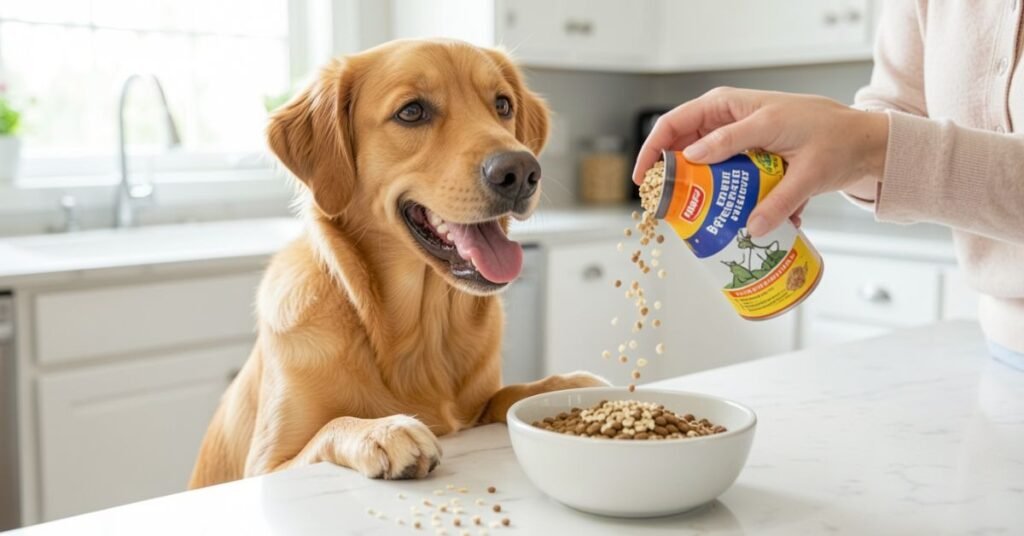
Adding brewers yeast to your dog’s food is simple and easy. It comes in different forms like powder, flakes, and tablets. Many dog owners prefer powder because it mixes well with food. You can add it to your dog’s regular meals without changing their routine. Start with a small amount so your dog can adjust to the taste.
Some dogs may like it more than others. If your dog is picky, you can mix it with wet food or treats. You can also use ready-made supplements that already contain brewers yeast. The key is to make it part of your dog’s daily diet in a safe and consistent way.
Easy ways to use brewers yeast:
- Sprinkle powder over dry or wet food
- Mix it into homemade dog meals
- Give tablets or chewable supplements
- Use dog treats that include brewers yeast
- Combine with favorite foods to improve taste
Powders, Tablets, and Treat Options Explained
Brewers yeast comes in different forms, so you can choose what works best for your dog. Powder and flakes are easy to mix into food. They blend well with both dry and wet meals. Tablets are simple to give and are good for exact dosing. Some dogs may prefer chewable treats because they taste better and feel like a reward.
Each option has its own benefits depending on your dog’s needs and habits. Picky eaters may like treats more than powder. Dogs on strict diets may do better with tablets for better control. The right choice depends on convenience, taste, and how easily your dog accepts it.
Comparison of Brewers Yeast Forms for Dogs:
| Form | How It Is Used | Best For | Pros | Cons |
| Powder | Mixed into food | Most dogs | Easy to mix, flexible dosage | Some dogs may not like taste |
| Flakes | Sprinkled on meals | Dogs that like texture | Simple to use, natural form | Can be messy |
| Tablets | Given directly or with food | Accurate dosing | Easy to measure, no mixing needed | Some dogs may refuse tablets |
| Chewable Treats | Given as snacks | Picky eaters | Tasty and easy to give | May contain extra ingredients |
| Capsules | Opened and mixed or swallowed | Controlled feeding | Clean and simple use | Not all dogs accept capsules |
Side Effects of Brewers Yeast for Dogs
Brewers yeast can be helpful, but it may not suit every dog. Some dogs can show mild side effects, especially if given too much. These problems are usually not serious and can go away when the amount is reduced. It is always better to introduce it slowly and see how your dog responds.
Dogs with sensitive stomachs or allergies may react more quickly. You might notice changes in digestion or skin condition. If any unusual symptoms appear, it is best to stop using it and monitor your dog. Noticing these signs early can help you avoid more serious problems.
Possible side effects to watch for:
- Gas or bloating
- Loose stools or stomach discomfort
- Itching or skin changes
- Allergic reaction in some dogs
- Weight gain with overuse
Common Reactions Like Itching and Upset Stomach
Some dogs may show mild reactions after taking brewers yeast. These reactions are usually not serious and can happen if the dog is sensitive. Itching is one of the most common signs. Dogs may scratch more or have slightly red skin. Stomach issues can also appear, especially if too much is given at once.
Upset stomach, gas, or loose stools may happen in some dogs. These signs often improve when the amount is reduced or stopped. It is important to watch your dog closely when starting something new. Early signs can help you take quick action and keep your dog comfortable.
Common Reactions and What They Mean:
| Reaction | Possible Cause | What It Looks Like | What You Should Do |
| Itching | Sensitivity or mild allergy | Scratching, licking paws | Reduce amount or stop use |
| Red Skin | Skin irritation | Red patches or slight swelling | Monitor and stop if it worsens |
| Gas | Digestive adjustment | Bloating, passing gas | Lower the dosage |
| Loose Stools | Stomach sensitivity | Soft or watery stool | Pause use and reintroduce slowly |
| Upset Stomach | Too much intake | Discomfort, restlessness | Give smaller amounts |
| Loss of Appetite | Taste or reaction | Eating less than usual | Try different form or stop use |
Which Dogs Benefit the Most from Brewers Yeast?

Brewers yeast can be helpful for many types of dogs. It is especially useful for dogs that need extra nutrients in their diet. Dogs with dry skin or dull coats may show clear improvement over time. Active dogs may also benefit because it supports energy and overall health.
Some dogs need more support than others. Older dogs or dogs with weak immunity may gain the most benefits. It can also help dogs with mild digestion issues. However, not every dog needs it, so it should be used based on your dog’s condition.
Dogs that may benefit the most:
- Dogs with dry skin or poor coat condition
- Active or working dogs needing more energy
- Older dogs needing extra support
- Dogs with mild digestion problems
- Dogs with low appetite or picky eating habits
Puppies, Active Dogs, and Dogs with Skin Issues
Brewers yeast can be useful for puppies, active dogs, and dogs with skin problems. Puppies may benefit from its nutrients, but only in very small amounts and with proper guidance. Active dogs need more energy, and brewers yeast can help support their daily activity. Dogs with dry or itchy skin may also see improvement with regular use.
Each group has different needs, so the amount and use should be adjusted carefully. Puppies need extra care, while active dogs may need slightly higher amounts. Dogs with skin issues may benefit from consistent use over time. It is always important to watch your dog’s response and make changes if needed.
How Brewers Yeast Helps Different Types of Dogs:
| Dog Type | Main Need | How Brewers Yeast Helps | Usage Tip |
| Puppies | Growth and development | Provides nutrients for early health | Use very small amounts with care |
| Active Dogs | Energy and stamina | Supports metabolism and energy levels | Add regularly in balanced amounts |
| Dogs with Skin Issues | Skin and coat health | Helps reduce dryness and improve coat | Use consistently for best results |
| Senior Dogs | Overall support | Helps with energy and general health | Start slow and monitor closely |
| Picky Eaters | Better appetite | Improves taste of food | Mix with meals they enjoy |
What to Look for When Buying Brewers Yeast for Dogs

When buying brewers yeast for your dog, quality is very important. Choose products made specifically for dogs. Check the ingredients to avoid anything harmful, like artificial additives or fillers. Some brewers yeast also includes extra vitamins and minerals, which can be a bonus for your dog’s health.
Think about the form that will work best for your dog. Options include powder, flakes, tablets, or chewable treats. Make sure the product has clear instructions for the right amount. If your dog has allergies or health issues, talk to your vet first. Picking the right product helps your dog stay healthy and safe.
Ingredients to Avoid and Quality Tips
Not all brewers yeast products are safe for dogs. Some may contain ingredients that can cause allergies or digestive problems. Artificial flavors, colors, and preservatives should be avoided. Some products may also contain added sugar or salt, which is not good for dogs. Choosing a high-quality product ensures your dog gets benefits without risks.
Looking at labels carefully can help you pick the best option. Products made specifically for dogs are usually safer. Organic or natural ingredients are often better. Always check the source of the yeast and the extra vitamins included. Using trusted brands and reading reviews can also help you make a safe choice.
Ingredients to Avoid and Tips for Quality Brewers Yeast:
| Ingredient to Avoid | Reason | Quality Tip |
| Artificial colors | Can cause allergic reactions | Choose color-free options |
| Artificial flavors | May upset digestion | Look for natural flavoring or plain yeast |
| Preservatives | Can affect liver or stomach | Pick preservative-free products |
| Added sugar | Can cause weight gain | Avoid sweetened products |
| Added salt | May affect blood pressure | Select low or no-salt options |
| Unclear source | Risk of low-quality yeast | Choose trusted brands with clear labels |
| Non-pet grade | May contain harmful fillers | Buy only pet-specific products |
Conclusion
Brewers yeast can be a helpful supplement for many dogs. It supports healthy skin, shiny coat, digestion, and immunity. It may also help with energy and metabolism. Some owners use it to reduce flea and tick attraction.
Not every dog will need brewers yeast. Puppies, active dogs, and dogs with skin problems may benefit the most. Older dogs or picky eaters can also gain advantages. Always start with small amounts and increase slowly.
It is important to choose a high-quality product. Avoid artificial additives, sugar, and salt. Check the label carefully and pick a form your dog likes. Powder, flakes, tablets, or treats all work if used properly.
Watch your dog for reactions like itching, gas, or loose stools. If any problems appear, reduce the amount or stop using it. Consulting a vet is always a safe choice. With proper use, brewers yeast can be a natural way to support your dog’s health and happiness.
FAQs
1. Is brewers yeast safe for all dogs?
Brewers yeast is safe for most dogs when given in the right amount. Small amounts are best to start, especially for sensitive dogs. Dogs with allergies or certain health issues should consult a vet first.
2. How much brewers yeast should I give my dog?
It depends on the size and weight of your dog. Small dogs need less, while larger dogs need more. Start with a small dose and increase slowly, following product instructions.
3. Can brewers yeast help with fleas and ticks?
Brewers yeast may help make your dog less attractive to fleas, but it does not replace flea medications. It works best as a supplement alongside regular vet-recommended flea prevention.
4. What are the common side effects of brewers yeast?
Some dogs may have mild reactions like gas, bloating, loose stools, or itching. These effects usually go away if the amount is reduced. Always watch your dog after introducing it.
5. Which dogs benefit the most from brewers yeast?
Puppies, active dogs, and dogs with skin or coat issues often benefit the most. Older dogs or picky eaters may also see improvements. Not all dogs need it, so use based on your dog’s needs.

DogsVibes Editorial Team creates trusted, research-based dog care content to help pet owners keep their dogs healthy, happy, and safe.