

Introduction
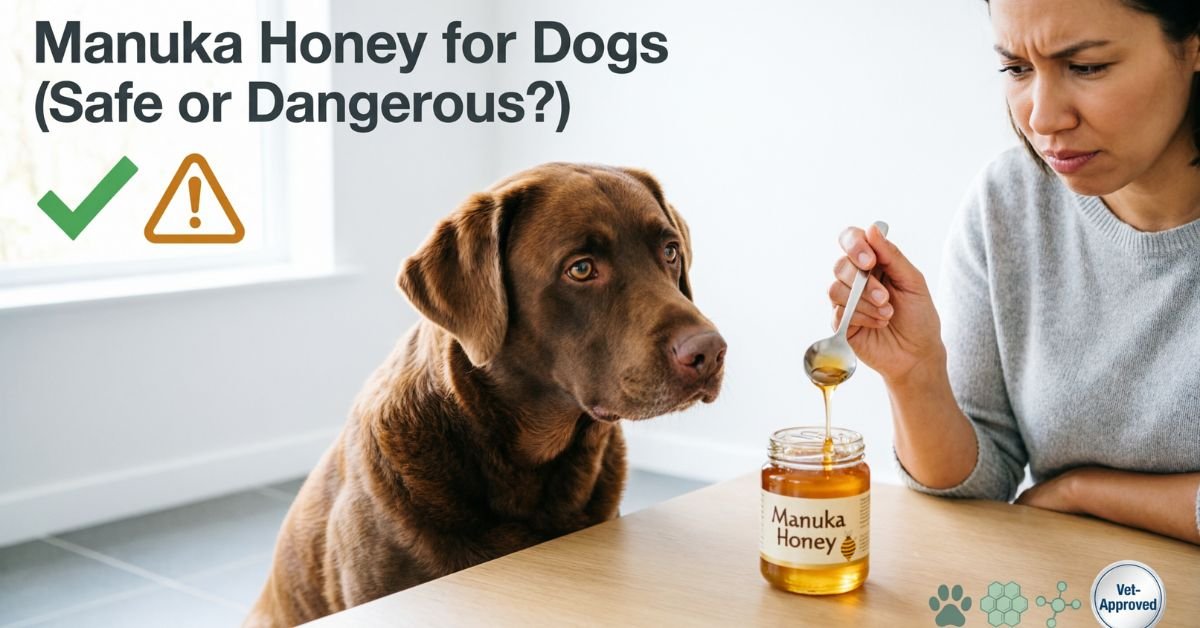
Manuka honey for dogs is a special type of honey made from the nectar of the Manuka plant. It comes from New Zealand and is known for its strong antibacterial and healing properties. Unlike regular honey, it contains natural compounds that help fight infections and support overall health. Many pet owners use it as a natural remedy for common dog health issues.
You might be surprised to learn that something as simple as honey can help your dog feel better. From soothing a cough to healing small wounds, Manuka honey is becoming a popular choice among dog owners. But is it really safe for every dog? And how do you use it the right way without causing harm?
In this guide, you will learn about the key benefits, safe uses, and proper dosage of Manuka honey for dogs. We will also cover when to avoid it and how to choose the best quality product. This will help you make a smart and safe decision for your pet’s health.
What Is Manuka Honey for Dogs?

Manuka honey for dogs is a natural honey made from the nectar of the Manuka plant found in New Zealand. It is different from regular honey because it has stronger antibacterial and healing properties. This is due to a special compound called MGO, which helps fight bacteria and support healing. Because of this, many pet owners use it as a natural remedy for their dogs.
This honey can be used in small amounts to support your dog’s health. It may help with minor wounds, skin issues, digestion, and even cough. Some people also use it to boost their dog’s immune system. However, it should always be given in the right amount and used carefully to keep your dog safe.
What Makes Manuka Honey Different from Regular Honey
Manuka honey is different from regular honey because it comes from the Manuka plant in New Zealand. It contains a special compound called MGO, which gives it strong antibacterial properties. Regular honey does not have this high level of strength. That is why Manuka honey is often used for healing and health support.
Another key difference is how it is used and valued. Manuka honey is more powerful for treating wounds, skin issues, and infections. It is also tested and graded for quality, which makes it more reliable. Regular honey is still healthy, but it is mostly used as a natural sweetener and has milder benefits.
| Feature | Manuka Honey | Regular Honey |
| Source | Manuka plant (New Zealand) | Various flowers from different regions |
| Key Compound | High MGO (Methylglyoxal) | Very low or no MGO |
| Antibacterial Strength | Very strong | Mild to moderate |
| Healing Properties | Highly effective for wounds and infections | Limited healing support |
| Use for Dogs | Used for health and healing | Mostly used as a treat |
| Skin Care Benefits | Helps with wounds, hot spots, and infections | Basic soothing only |
| Digestive Support | Strong support for gut health | Mild digestive benefits |
| Immune Support | Helps boost immunity | Some support but weaker |
| Quality Grading | Rated by MGO or UMF levels | No standard grading system |
| Price | Expensive due to high quality | Affordable and widely available |
| Availability | Limited and imported | Easily available everywhere |
| Consistency | Thick and rich | Varies depending on source |
| Taste | Strong and slightly medicinal | Sweet and mild taste |
Unique Healing Properties of Manuka Honey
Manuka honey is known for its strong healing power. It contains natural compounds that help fight bacteria and reduce infections. One of the main reasons is MGO, which gives it extra strength compared to regular honey. This makes it useful for treating wounds, skin problems, and minor infections in dogs.
It also has soothing and protective effects on the body. This honey can help reduce swelling and support faster healing. Many pet owners use it to improve their dog’s overall health in a natural way. When used in the right amount, it can be a safe and helpful remedy.
Key healing properties include:
- Strong antibacterial action to fight harmful germs
- Anti-inflammatory effects to reduce swelling and irritation
- Supports faster wound healing and skin repair
- Helps improve digestion and gut health
- Boosts the immune system naturally
- Provides antioxidant support for overall wellness
Is Manuka Honey Safe for Dogs?

Manuka honey is generally safe for dogs when given in small amounts. It is a natural product and can offer health benefits like better immunity and healing support. Many pet owners use it for minor issues such as cough, wounds, or digestion. However, it should not be given in large amounts because it is still high in natural sugar.
Not all dogs should have Manuka honey. Some dogs may have health conditions that make it unsafe. It is always best to start with a small amount and watch your dog’s reaction. If your dog has any medical condition, it is a good idea to ask a vet before using it.
Safety tips to follow:
- Give only small amounts based on your dog’s size
- Avoid giving it to diabetic or overweight dogs
- Do not give to puppies under 1 year old
- After first use, check for allergic reactions
- Use high-quality, pure Manuka honey only
Which Dogs Should Not Have Manuka Honey
Manuka honey is not suitable for every dog. While it has many benefits, some dogs may face health risks if they consume it. This is mainly because it contains natural sugars and active compounds. Pet owners should be careful and understand when it is better to avoid giving it.
It is always important to think about your dog’s health condition before adding anything new to their diet. If your dog has a medical issue, it is safer to talk to a vet first. Giving the wrong food, even natural ones, can sometimes cause problems.
Dogs that should avoid Manuka honey include:
- Dogs with diabetes, because it can raise blood sugar levels
- Overweight dogs, as it adds extra calories
- Puppies under 1 year old, due to sensitive immune systems
- Dogs with weak or compromised immunity
- Dogs allergic to honey or bee-related products
- Dogs on special or restricted diets
- Dogs with serious or chronic health conditions
Potential Risks and Side Effects
Manuka honey can be helpful, but it is not completely risk-free. It contains natural sugars, which may cause problems if your dog eats too much. Some dogs may not tolerate it well, especially if they already have health issues. That is why it is important to use it carefully and in small amounts.
Each dog reacts differently, so you should always observe your pet after giving it for the first time. Small signs like stomach discomfort or itching should not be ignored. If anything unusual happens, it is better to stop using it and get advice from a vet. Safe use is the key to avoiding unwanted problems.
| Risk / Side Effect | What It Means | Dogs Most at Risk | How to Reduce the Risk |
| High Sugar Levels | Can increase blood sugar quickly | Diabetic dogs | Avoid or use only with vet advice |
| Extra Calories | May lead to weight gain over time | Overweight or inactive dogs | Give very small portions only |
| Allergic Reaction | Itching, swelling, or skin irritation | Dogs sensitive to bee products | Test with a tiny amount first |
| Stomach Issues | May cause gas, diarrhea, or discomfort | Dogs with weak digestion | Introduce slowly in diet |
| Dental Problems | Sugar can affect teeth health | Dogs with poor oral care | Maintain regular teeth cleaning |
| Health Complications | May not suit certain medical conditions | Dogs with chronic diseases | Consult a vet before use |
| Bacteria Exposure | Raw honey may carry natural bacteria | Puppies under 1 year | Do not give to young puppies |
| Overuse Effects | Too much can cause multiple issues | All dogs | Follow proper dosage guidelines |
Benefits of Manuka Honey for Dogs

Manuka honey offers many health benefits for dogs when used in the right amount. It has strong antibacterial and healing properties. Many pet owners use it as a natural way to support their dog’s health. It can help with small health issues and improve overall well-being.
This honey is also gentle and easy to use. It can be added to food or applied to the skin for certain problems. When used properly, it can support your dog’s body in different ways. However, it should always be given in moderation for safe results.
Key benefits of Manuka honey for dogs include:
- Helps fight bacteria and prevent infections
- Supports faster healing of wounds and cuts
- Soothes itchy skin and skin irritation
- Aids digestion and improves gut health
- Boosts the immune system naturally
- Provides antioxidant support for overall health
- May help reduce cough and throat irritation
Supports Immune System and Overall Health
Manuka honey can help support your dog’s immune system in a natural way. It contains antioxidants and antibacterial compounds that protect the body from harmful germs. These properties help your dog stay stronger and healthier. When used in small amounts, it can be a simple addition to your dog’s routine.
It also supports overall health by helping the body recover and stay balanced. Dogs that have a strong immune system are less likely to get sick often. Manuka honey may also help improve energy levels and general well-being. However, it should always be given in moderation for the best results.
| Benefit Area | How Manuka Honey Helps | Result for Dogs | Usage Tip |
| Immune Support | Fights bacteria and harmful microbes | Stronger defense against illness | Give small daily amounts |
| Antioxidant Protection | Reduces damage from free radicals | Better overall health | Use high-quality Manuka honey |
| Energy Levels | Provides natural sugars for energy | More active and energetic dogs | Use occasionally, not excessively |
| Recovery Support | Helps body heal faster | Quicker recovery from minor issues | Add during recovery period |
| Gut Health | Supports healthy digestion | Improved nutrient absorption | Mix with food in small quantity |
| Skin Health | Helps reduce infections and irritation | Healthier coat and skin | Can be used internally or externally |
| General Wellness | Supports multiple body functions | Balanced and healthier lifestyle | Follow proper dosage guidelines |
Helps with Digestion and Gut Health
Manuka honey can support your dog’s digestion in a gentle way. It has natural prebiotic properties that help good bacteria grow in the gut. This can improve how your dog processes food and absorbs nutrients. A healthy gut also helps reduce common issues like gas, bloating, and mild stomach discomfort.
It may also help soothe the digestive system and keep it balanced. Dogs with better gut health often feel more active and comfortable. When used in small amounts, Manuka honey can be a simple addition to your dog’s diet. However, it should always be introduced slowly to avoid any stomach upset.
| Digestive Benefit | How It Works | Result for Dogs | Usage Tip |
| Prebiotic Support | Feeds good gut bacteria | Better gut balance | Add a small amount to food |
| Improved Digestion | Helps break down food more easily | Less bloating and discomfort | Use regularly in small doses |
| Nutrient Absorption | Supports healthy gut lining | Better absorption of vitamins and minerals | Mix with meals |
| Soothing Effect | Calms the digestive tract | Relief from mild irritation | Introduce slowly |
| Reduced Gas | Balances gut bacteria | Less gas and bloating | Monitor your dog’s response |
| Stool Quality | Supports regular digestion | Healthier and more consistent stools | Maintain proper dosage |
| Overall Gut Health | Improves gut environment | Happier and more active dog | Use high-quality Manuka honey |
Improves Skin, Allergies, and Itchy Skin
Manuka honey can help improve your dog’s skin health in a natural way. It has antibacterial and anti-inflammatory properties that support healing. This can be useful for small cuts, dry patches, and irritated skin. When applied gently or given in small amounts, it may help reduce discomfort.
It may also help with allergies and constant itching. Some dogs suffer from skin problems due to environmental or food allergies. Manuka honey can soothe the skin and support faster recovery. Regular and careful use can help keep your dog’s skin healthy and calm.
| Skin Benefit | How It Helps | Result for Dogs | Usage Tip |
| Wound Healing | Fights bacteria and supports repair | Faster healing of cuts and wounds | Apply a thin layer on affected area |
| Itch Relief | Reduces irritation and inflammation | Less scratching and discomfort | Use in small amounts |
| Allergy Support | Helps calm skin reactions | Reduced redness and swelling | Combine with proper care |
| Skin Hydration | Locks in moisture | Softer and healthier skin | Apply lightly on dry areas |
| Hot Spot Care | Protects and soothes infected spots | Quick relief from hot spots | Clean area before applying |
| Coat Health | Supports skin from within | Shinier and healthier coat | Add small amount to diet |
| Infection Control | Prevents bacterial growth | Lower risk of skin infections | Use high-quality Manuka honey |
Manuka Honey for Dogs Wounds and Infections

Manuka honey is often used as a natural remedy for minor wounds and infections in dogs. It has strong antibacterial properties that help stop the growth of harmful bacteria. This makes it useful for cuts, scrapes, and small open wounds. When applied correctly, it can help keep the area clean and support faster healing.
It also creates a protective layer over the wound. This helps reduce the risk of infection and keeps the skin moist, which is important for healing. Many pet owners use it as a simple and gentle treatment at home. However, it should only be used for minor issues, and serious wounds should always be checked by a vet.
| Condition | How Manuka Honey Helps | Result for Dogs | Usage Tip |
| Minor Cuts | Kills bacteria and protects wound | Faster healing | Clean area before applying |
| Scrapes and Abrasions | Soothes and repairs damaged skin | Reduced irritation | Apply a thin layer |
| Open Wounds | Creates a protective barrier | Lower risk of infection | Cover with light bandage if needed |
| Skin Infections | Fights bacterial growth | Helps control infection | Use regularly in small amounts |
| Hot Spots | Reduces redness and itching | Quick relief from discomfort | Keep area clean and dry |
| Burns (Minor) | Soothes and cools the skin | Less pain and faster recovery | Use only on mild burns |
| Post-Surgery Care (Mild cases) | Supports healing process | Better recovery support | Use only with vet advice |
| Insect Bites | Reduces swelling and irritation | Calmer skin | Apply gently on affected area |
How to Apply Manuka Honey on Dog Wounds
Applying Manuka honey on dog wounds is simple, but it should be done carefully. First, make sure the wound is clean and free from dirt. You can gently wash the area with clean water and pat it dry. After that, apply a thin layer of Manuka honey directly on the wound.
It is important to keep the area protected after applying the honey. This helps prevent dirt and bacteria from entering the wound again. You can cover it with a light bandage if needed. Always check the wound daily and reapply as required for proper healing.
Steps to follow:
- Clean the wound gently with water
- Dry the area using a soft cloth
- Apply a thin layer of Manuka honey
- Cover with a clean bandage if needed
- Repeat once or twice daily
- Monitor for any signs of infection or irritation
Using Manuka Honey for Ear Infections and Hot Spots
Manuka honey can help dogs with mild ear infections and hot spots. Its antibacterial and anti-inflammatory properties fight infection and reduce irritation. For ear infections, it can soothe the inner ear when applied carefully. Hot spots can be relieved as it soothes redness, reduces itching, and eases discomfort.
It is important to use it correctly to avoid making the problem worse. Always clean the area before applying the honey. Use small amounts and monitor your dog’s reaction. If the infection is severe or does not improve, consult a vet immediately.
| Condition | How Manuka Honey Helps | Result for Dogs | Application Tip |
| Ear Infections | Fights bacteria and reduces inflammation | Less pain and irritation | Clean ear first; apply a small amount gently |
| Hot Spots | Soothes itchy, red, or inflamed skin | Reduced scratching and faster healing | Apply thin layer to affected area |
| Minor Skin Infections | Antibacterial effect prevents infection spread | Healthier skin | Reapply 1–2 times daily |
| Itch Relief | Reduces irritation caused by allergies or bites | Calmer and more comfortable dog | Monitor area for signs of improvement |
| Moisturizing Effect | Keeps skin soft and supports healing | Faster recovery and less cracking | Do not overapply; thin layer is enough |
| Protective Barrier | Shields affected area from dirt and bacteria | Lower risk of infection | Cover with light bandage if needed |
| Healing Support | Encourages faster tissue repair | Wounds and hot spots heal quicker | Use consistently but in moderation |
Manuka Honey for Dogs Cough and Respiratory Issues
Manuka honey can help soothe mild coughs and respiratory problems in dogs. Its natural antibacterial and anti-inflammatory properties help calm the throat and reduce irritation. Many pet owners use it as a gentle remedy to support their dog’s breathing and overall comfort. It is especially helpful for minor coughs caused by allergies or kennel cough.
Careful use of Manuka honey is essential when addressing respiratory issues. Only small amounts should be given at a time. If your dog’s cough is severe or persistent, a vet should check it. Regular, moderate use can help support your dog’s throat and reduce discomfort naturally.
| Respiratory Issue | How Manuka Honey Helps | Result for Dogs | Usage Tip |
| Mild Cough | Soothes throat and reduces irritation | Less coughing and discomfort | Give small spoonfuls 1–2 times daily |
| Kennel Cough | Antibacterial properties support recovery | Faster relief from mild infection | Mix with food or give directly |
| Throat Irritation | Reduces inflammation | Comfortable and calmer breathing | Avoid giving too much at once |
| Allergies Affecting Breathing | Helps calm irritation in the airways | Less coughing and sneezing | Introduce slowly and monitor reactions |
| Dry Throat | Moisturizes and protects tissues | Relieves scratchy throat | Use small, controlled doses |
| Immune Support | Boosts natural defense system | Stronger resistance to respiratory issues | Combine with overall care and healthy diet |
| Mild Respiratory Infections | Antibacterial action supports healing | Speeds up recovery | Consult vet if symptoms persist |
How It Helps with Kennel Cough
Manuka honey can help dogs with mild kennel cough. Its antibacterial and soothing properties calm the throat and reduce irritation. May help reduce coughing and improve your dog’s overall comfort. Many pet owners use it as a gentle, natural remedy alongside proper care.
It also supports the immune system to fight infections. While it does not replace veterinary treatment, it can help your dog recover faster from minor symptoms. Small, controlled doses are best, and always monitor your dog’s reaction to ensure safety.
How to Give Manuka Honey for Cough Relief
Giving Manuka honey for cough relief is simple, but it should be done carefully. You can mix a small amount into your dog’s food or give it directly by spoon. Start with very small doses, especially for small dogs. This helps avoid stomach upset or too much sugar intake.
It is important to give it regularly but in moderation. One or two small servings per day are usually enough for mild coughs. Always observe your dog’s response. If the cough does not improve or gets worse, contact a vet immediately. Manuka honey works best as a supportive, natural remedy.
Safe Dosage Guidelines by Dog Size
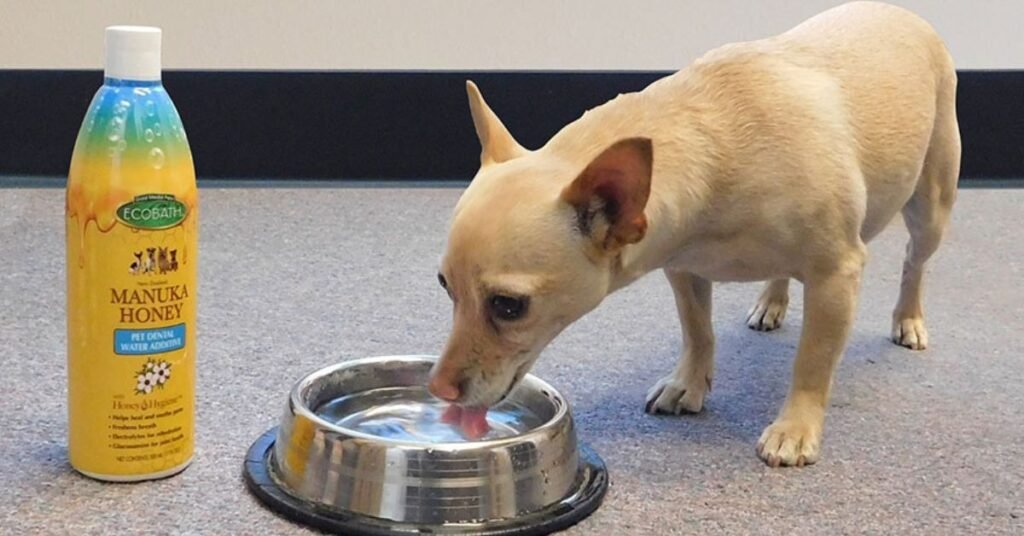
Manuka honey is safe for dogs when given in the right amount. The correct dose depends on your dog’s size and weight. Small dogs need less, while larger dogs can have a slightly higher amount. Giving too much can cause stomach upset or add extra sugar to their diet.
It is best to start with a small amount and gradually increase if needed. Always monitor your dog’s reaction after the first doses. Manuka honey should be given in moderation for the best results. Following safe dosage guidelines ensures your dog stays healthy and benefits from its natural healing properties.
| Dog Size | Recommended Daily Dosage | How to Give | Notes |
| Small Dogs (under 10 lbs) | ¼ teaspoon | Mix with food or give directly | Start slow and monitor for reactions |
| Medium Dogs (10–30 lbs) | ½ teaspoon | Mix with food or on a spoon | Can be given once or twice daily |
| Large Dogs (30–60 lbs) | 1 teaspoon | Mix with meals or give directly | Divide into 2 servings if needed |
| Extra Large Dogs (60+ lbs) | 1–2 teaspoons | Mix with food or spoon-fed | Avoid giving all at once; monitor for sugar effects |
| Puppies (under 1 year) | Not recommended | N/A | Avoid due to sensitive immune system |
| Dogs with Diabetes | Consult vet | N/A | Honey may raise blood sugar levels |
| Overweight Dogs | Small, occasional amounts | Mix with meals | Use only as a treat to avoid extra calories |
Best Ways to Add Manuka Honey to Your Dog’s Diet
Manuka honey can be added to your dog’s diet in simple and safe ways. It can be mixed with their regular food or given directly on a spoon. Additionally, if your dog tolerates it well, start with small amounts and increase gradually. Also, always use high-quality, pure Manuka honey for the best benefits.
Adding it correctly can help your dog enjoy its health benefits without any side effects. It is also important to give it in moderation and observe how your dog reacts. Manuka honey can be a tasty treat and also a natural supplement for their overall health.
Ways to add Manuka honey to your dog’s diet:
- Mix a small amount into dry kibble or wet food
- Spread a thin layer on a dog treat or biscuit
- Give directly by spoon for small doses
- For a healthy snack, combine with natural yogurt
- Use as a topping on homemade dog meals or treats
- Ensure it is given in moderation, once or twice a day
Conclusion
Manuka honey is a natural and safe option for dogs when used correctly. It has many benefits, including supporting the immune system, improving digestion, and helping with skin problems. Also helps soothe minor coughs and supports wound healing.
It is important to give it in small amounts based on your dog’s size. Overuse can cause stomach upset or extra sugar intake. Always observe your dog after giving Manuka honey for the first time. This ensures it is well-tolerated and safe.
Manuka honey is not for every dog. For example, puppies under one year, diabetic dogs, or those with certain health issues should avoid it or get vet approval first. Additionally, using high-quality honey is essential for both effectiveness and safety.
Overall, Manuka honey can be a helpful addition to your dog’s diet and care routine. When used carefully, it supports overall health naturally. As a result, it offers a simple, natural way to help keep your dog happy, healthy, and comfortable.
FAQs
1. Can all dogs have Manuka honey?
Not all dogs should have it. Puppies under 1 year, diabetic dogs, or dogs with certain health issues may need to avoid it. Always consult a vet before giving it to dogs with medical conditions.
2. How much Manuka honey can I give my dog?
The amount depends on your dog’s size. Small dogs usually get ¼ teaspoon, medium dogs ½ teaspoon, and large dogs 1–2 teaspoons per day.Start with a small dose and monitor your dog closely.
3. Can Manuka honey help with dog wounds and skin problems?
Yes, it has antibacterial and anti-inflammatory properties. It can support healing of minor cuts, scrapes, hot spots, and irritated skin. Apply a thin layer to the affected area and monitor for improvement.
4. Is Manuka honey safe for dogs with coughs?
Yes, in small amounts it can help soothe mild coughs and respiratory irritation. It does not replace veterinary care but can support comfort and recovery for minor symptoms.
5. How do I choose the best Manuka honey for my dog?
Look for high-quality, pure Manuka honey with a clear MGO or UMF rating. Also, avoid blended or low-grade honey, as it may not provide the same benefits. Additionally, always store it properly and give it in moderation.

DogsVibes Editorial Team creates trusted, research-based dog care content to help pet owners keep their dogs healthy, happy, and safe.