


Introduction
A hematoma in a dog’s ear is a swelling filled with blood inside the ear flap. It happens when tiny blood vessels break, usually from repeated shaking or scratching. The ear may look puffy, warm, and tender to touch. This condition is quite common in dogs and needs attention.
Many pet owners think ear scratching is normal, but it can be a warning sign. If ignored, a hematoma can grow larger and cause pain or long-term damage to the ear. Acting early can make treatment easier and help your dog recover faster.
In this guide, you will find simple and clear information about the causes, symptoms, and treatment of hematoma in dogs ear. It will help you understand the problem and know what steps to take to keep your dog safe and comfortable.
What is a Hematoma in a Dog’s Ear?
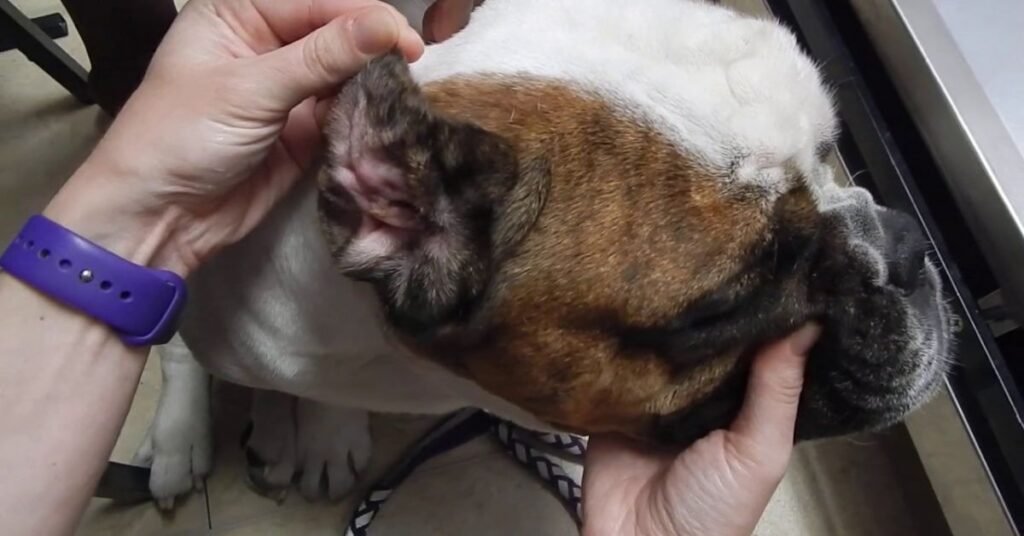
A hematoma in a dog’s ear is a swelling that forms when blood collects inside the ear flap. It happens when small blood vessels break under the skin. This is often caused by head shaking, scratching, or irritation. The ear may look swollen, soft, and filled like a balloon.
This condition can be uncomfortable or even painful for dogs. Some dogs may shake their head more or avoid being touched on the ear. If not treated, the ear can harden and change shape over time. That is why it is important to notice the signs early and take action.
Difference Between Ear Hematomas and Other Ear Conditions
An ear hematoma is not the same as other ear problems in dogs. It is mainly a swelling filled with blood inside the ear flap. Other ear conditions, like infections or mites, affect the inside of the ear canal. A hematoma often happens because of these problems, but it is a separate issue. It usually appears as a soft, puffy lump on the ear.
Other ear conditions show different signs. Infections may cause bad smell, discharge, or redness inside the ear. Ear mites can cause intense itching and dark debris. A hematoma, on the other hand, is more about visible swelling and fluid buildup. Knowing the difference helps in choosing the right treatment for your dog.
Comparison Between Ear Hematomas and Other Ear Conditions
| Condition | What It Is | Main Cause | Common Symptoms | Where It Appears | Pain Level | Treatment Type |
| Ear Hematoma | Blood-filled swelling in ear flap | Head shaking, trauma | Swollen, soft ear, warmth | Ear flap (outer ear) | Moderate to high | Draining, surgery, medication |
| Ear Infection | Bacterial or yeast infection | Moisture, allergies | Bad smell, discharge, redness | Inside ear canal | Moderate | Ear drops, cleaning, meds |
| Ear Mites | Tiny parasites in ear | Contact with infected animals | Intense itching, dark debris | Inside ear canal | Mild to moderate | Anti-parasitic medication |
| Allergies | Reaction to food or environment | Food, pollen, dust | Itching, redness, inflammation | Ears and other body parts | Mild to moderate | Allergy control, medication |
| Foreign Object | Object stuck in ear | Grass seeds, dirt | Sudden irritation, head shaking | Inside ear canal | Moderate | Removal by vet |
| Yeast Infection | Fungal overgrowth | Warm, moist environment | Smell, discharge, itching | Inside ear canal | Moderate | Antifungal treatment |
| Trauma Injury | Physical damage to ear | Bites, accidents | Swelling, cuts, bleeding | Outer or inner ear | Varies | Cleaning, medication, care |
Signs and Symptoms of Ear Hematomas in Dogs
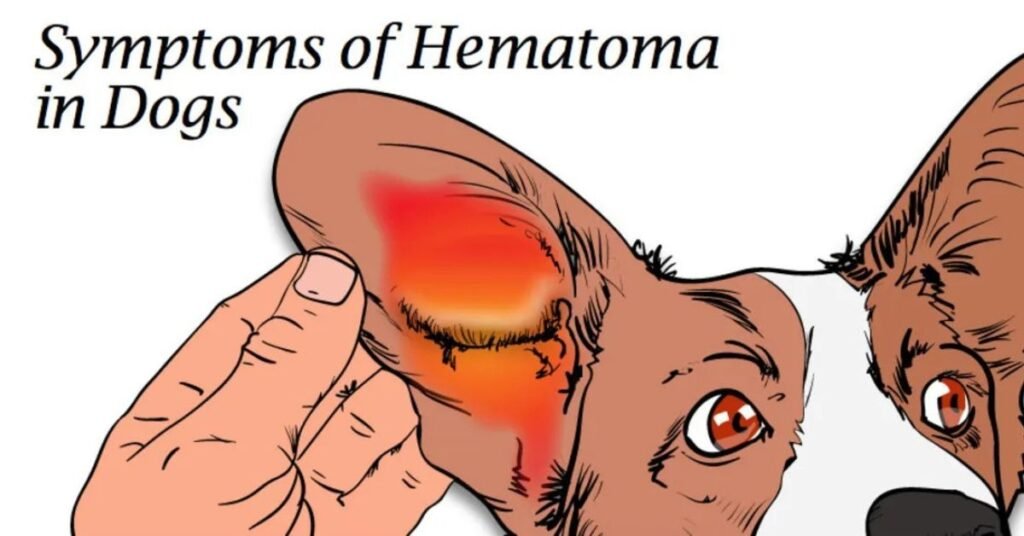
Ear hematomas in dogs often start with visible swelling on the ear flap. The ear may look enlarged and feel soft, like it has fluid inside. It can also feel warm and sensitive to touch. Some dogs may pull away or react when their ear is handled, showing discomfort.
You may also notice changes in your dog’s behavior. Dogs with this condition often shake their head or scratch their ears more than usual. The ear can become red or slightly bruised over time. These signs can appear suddenly and may get worse if not treated.
Common signs to watch for:
- Swollen or puffy ear flap
- Soft, fluid-filled feeling
- Warm or sensitive ear
- Frequent head shaking
- Constant scratching
- Redness or mild bruising
- Pain when the ear is touched
Swelling, Redness, and Pain
Swelling is one of the first signs of an ear hematoma in dogs. The ear flap may look larger than normal and feel soft or filled with fluid. This swelling happens when blood collects under the skin. It can appear quickly and may keep growing if not treated.
Redness and pain often come with the swelling. The ear may look irritated or slightly bruised. Dogs may feel discomfort and avoid touch. Some may whine, shake their head, or scratch more due to pain. These signs show that the ear needs attention.
| Symptom | What It Looks Like | Why It Happens | How Severe It Can Be | Dog’s Behavior | When to Worry |
| Swelling | Puffy, enlarged ear flap | Blood or fluid buildup | Mild to severe | Head shaking, discomfort | If it grows quickly or feels very soft |
| Redness | Pink to deep red skin | Irritation or inflammation | Mild to moderate | Scratching, rubbing ear | If redness spreads or worsens |
| Pain | Sensitive or painful ear | Pressure from swelling | Moderate to high | Avoids touch, whining | If dog reacts strongly to touch |
| Warmth | Ear feels warmer than usual | Increased blood flow | Mild to moderate | Restlessness | If combined with swelling and pain |
| Bruising | Dark or purple patches | Broken blood vessels | Mild to moderate | Less active | If it spreads or deepens in color |
| Itching | Frequent scratching | Irritation or infection | Mild to moderate | Constant scratching | If it leads to injury or swelling |
Head Shaking and Discomfort
Head shaking is a very common sign of ear problems in dogs. Dogs shake their heads to try to relieve irritation inside the ear. When a hematoma starts to form, this shaking can become more frequent and forceful. It can make the swelling worse by damaging more blood vessels.
Discomfort also increases as the ear becomes more swollen. Dogs may scratch their ears or rub their head against furniture or the floor. Some dogs may seem restless or less active than usual. These signs show that your dog is not feeling comfortable and may need care.
Head Shaking and Discomfort in Dogs
| Sign | What It Looks Like | Possible Cause | Dog’s Behavior | Severity Level | When to Take Action |
| Head Shaking | Repeated, fast shaking of head | Ear irritation or pain | Frequent shaking, sudden movements | Mild to severe | If it happens often or gets worse |
| Ear Scratching | Scratching ears with paws | Itching or discomfort | Constant scratching | Mild to moderate | If it causes redness or injury |
| Head Rubbing | Rubbing head on surfaces | Trying to relieve irritation | Rubbing on floor or furniture | Mild to moderate | If it becomes frequent |
| Restlessness | Unable to stay calm | Ongoing discomfort | Moving around, not settling | Mild to moderate | If behavior changes suddenly |
| Sensitivity to Touch | Reacting when ear is touched | Pain in ear | Pulling away, whining | Moderate to high | If dog avoids any contact |
| Reduced Activity | Less playful or active | Pain or discomfort | Sleeping more, low energy | Mild to moderate | If it continues for days |
Common Causes of Ear Hematomas in Dogs
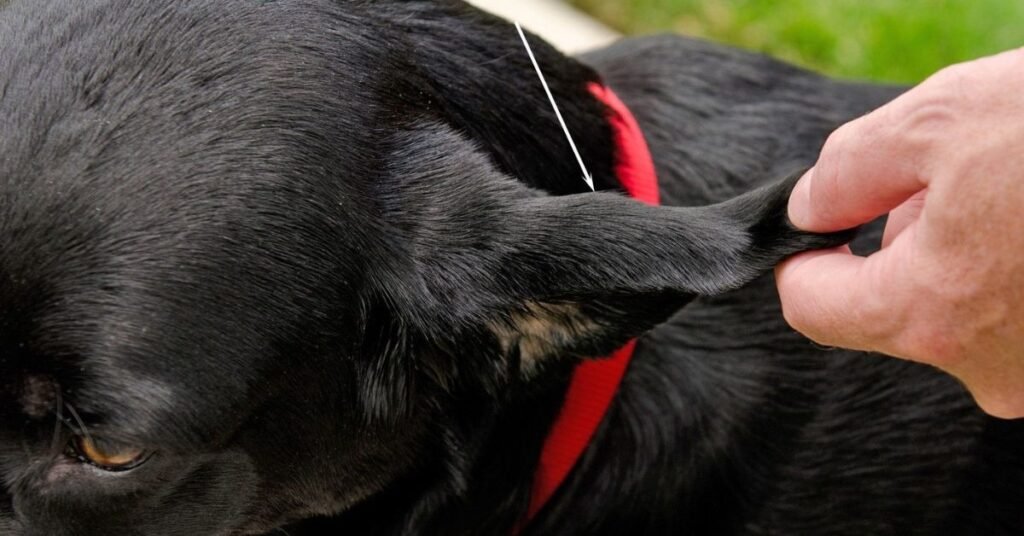
Ear hematomas in dogs usually happen because of repeated head shaking or scratching. This can damage small blood vessels inside the ear flap. When these vessels break, blood collects and causes swelling. Most of the time, this is linked to another ear problem that is causing irritation.
There are several reasons why dogs shake or scratch their ears so much. Infections, allergies, and parasites are very common triggers. Sometimes, even a small injury or rough play can lead to a hematoma. Finding the main cause is important to prevent the problem from coming back.
Common causes include:
- Ear infections (bacterial or yeast)
- Allergies (food or environmental)
- Ear mites or other parasites
- Injury or trauma to the ear
- Excessive head shaking
- Foreign objects in the ear
- Skin conditions affecting the ear
Ear Infections and Allergies
Ear infections and allergies are major reasons dogs develop ear hematomas. Infections can be caused by bacteria or yeast. They make the ear itchy, red, and uncomfortable. Allergies, such as food or environmental triggers, can also cause irritation. Dogs often scratch or shake their heads, which can lead to bleeding inside the ear flap.
These conditions need to be treated along with the hematoma. Ignoring them can make the problem worse or cause it to come back. Early treatment helps the ear heal faster and keeps your dog comfortable.
Ear Infections and Allergies in Dogs
| Condition | Cause | Common Symptoms | Dog’s Behavior | Severity | Treatment | Prevention |
| Bacterial Ear Infection | Overgrowth of bacteria in the ear canal | Redness, discharge, bad smell, itching | Scratching, head shaking | Mild to severe | Antibiotic ear drops or oral meds | Keep ears dry and clean |
| Yeast Infection | Overgrowth of yeast in warm, moist ear | Brown discharge, odor, itching | Frequent scratching, rubbing ear | Mild to moderate | Antifungal drops or meds | Clean ears regularly, avoid moisture |
| Food Allergy | Reaction to certain foods | Itching, redness, ear inflammation | Scratching, restlessness | Mild to moderate | Identify and remove trigger food | Balanced diet, allergy testing |
| Environmental Allergy | Pollen, dust, or grass | Red ears, itching, watery eyes | Head shaking, scratching | Mild to moderate | Antihistamines, allergy control | Minimize exposure, regular grooming |
| Combination (Infection + Allergy) | Infection worsened by allergy | Swollen, red, itchy ear | Scratching, head shaking, discomfort | Moderate to severe | Treat both infection and allergy | Follow vet’s care plan, maintain ear hygiene |
Trauma, Head Shaking, and Parasites
Trauma, frequent head shaking, and parasites are common triggers for ear hematomas in dogs. It can happen from rough play, accidents, or bites, which can damage blood vessels in the ear flap. Dogs often shake their heads to relieve discomfort, but this motion can make small tears bleed and form a hematoma.
Parasites like ear mites also cause intense itching. Dogs scratch their ears constantly to feel relief, which can worsen the swelling. Treating the underlying cause is important to prevent the hematoma from coming back.
Trauma, Head Shaking, and Parasites in Dogs
| Cause | How It Happens | Symptoms | Dog’s Behavior | Severity | Treatment | Prevention |
| Trauma | Injury from accidents, bites, or rough play | Swelling, bruising, pain | Avoids ear touch, head shaking | Mild to severe | Vet examination, wound care, possible surgery | Supervise play, safe environment |
| Head Shaking | Response to irritation or discomfort | Redness, swelling, fluid buildup | Frequent head shaking, pawing at ears | Mild to moderate | Treat underlying cause (infection/allergy) | Early detection of ear issues |
| Ear Mites | Tiny parasites living in ear canal | Itching, dark debris, irritation | Scratching, rubbing head | Mild to moderate | Anti-parasitic ear drops or oral meds | Regular ear checks, hygiene |
| Combination | Trauma + scratching + parasites | Swollen, puffy ear, redness, discomfort | Head shaking, scratching, restlessness | Moderate to severe | Treat all underlying issues, possible drainage | Regular vet visits, prevent mites, minimize trauma |
How Veterinarians Diagnose Ear Hematomas
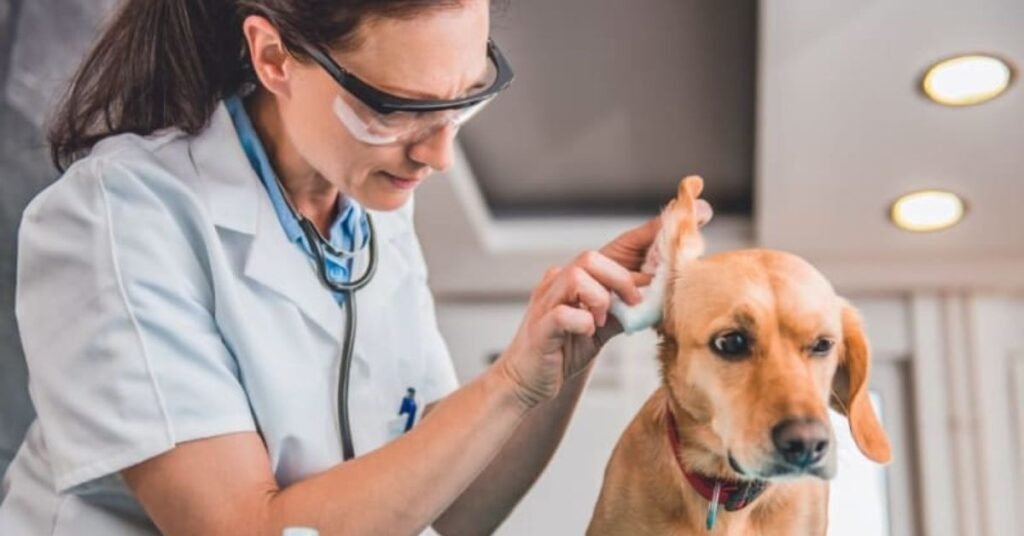
Veterinarians diagnose ear hematomas by carefully examining the dog’s ear. They check for swelling, redness, and fluid buildup in the ear flap. The vet may also look for signs of infection, mites, or injuries that could have caused the hematoma. Sometimes, the ear is gently palpated to feel the fluid and check the severity of the swelling.
In some cases, additional tests are needed to find the underlying cause. These tests help prevent the hematoma from coming back after treatment. Treatment and recovery are easier and faster when diagnosed early.
Steps veterinarians take to diagnose ear hematomas:
- Physical examination of the ear flap
- Checking for pain, warmth, and swelling
- Looking for signs of infection or mites
- Reviewing the dog’s medical history and behavior
- Performing tests like cytology, blood work, or imaging if needed
- Identifying underlying causes such as allergies or trauma
Physical Examination and Medical History
When diagnosing an ear hematoma, veterinarians start with a physical examination. They carefully look at the ear flap for swelling, redness, or fluid buildup. The vet may gently press the ear to feel how soft or firm the swelling is. This helps them understand the severity of the hematoma.
Medical history is also very important. The vet asks about your dog’s behavior, like head shaking, scratching, or signs of pain. They also check for past ear infections, allergies, or injuries. Knowing the history helps the vet find the root cause and plan the best treatment.
Physical Examination and Medical History Checklist
| Step | What the Vet Does | Purpose | What to Watch For |
| Visual Inspection | Look at ear flap and surrounding areas | Check for swelling, redness, bruising | Puffy or red ear, abnormal shape |
| Palpation | Gently press the ear flap | Assess fluid buildup and pain | Soft, squishy swelling, tenderness |
| Check Ear Canal | Look inside the ear | Identify infections or debris | Discharge, odor, redness |
| Behavior Observation | Watch dog’s reactions | See signs of discomfort | Head shaking, scratching, pulling away |
| Medical History | Ask owner about past problems | Identify triggers or recurring issues | Ear infections, allergies, trauma |
| Previous Treatments | Review past medications or surgeries | Determine what worked or caused issues | Antibiotics, ear drops, surgery |
| Underlying Conditions | Evaluate for systemic issues | Rule out health problems causing ear issues | Allergies, clotting disorders |
Treatment Options for Ear Hematomas in Dogs
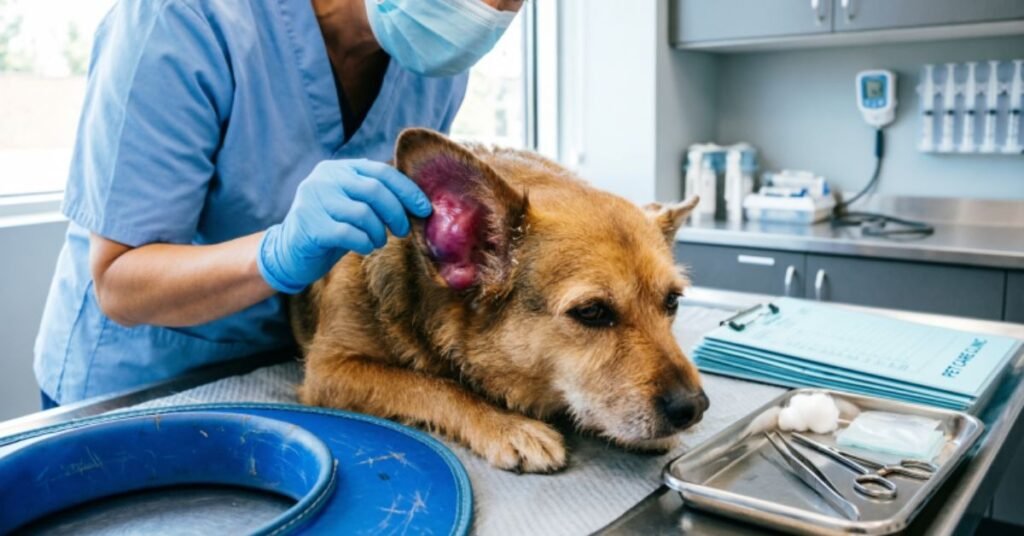
Treating an ear hematoma in dogs usually involves reducing the swelling and addressing the cause. The vet may drain the blood from the ear to relieve pressure. Sometimes, surgery is needed to prevent the hematoma from returning. Treating any underlying problems like infections, allergies, or parasites is also important.
Recovery requires home care and follow-up. Dogs may need medication for pain or inflammation. The ear should be protected to stop the dog from scratching or shaking it. Early treatment makes healing faster and reduces the risk of permanent ear changes.
Common treatment options include:
- Draining the hematoma with a needle (aspiration)
- Surgical repair to remove fluid and prevent recurrence
- Medications for pain and inflammation
- Treating underlying causes such as infections or allergies
- Using an E-collar to prevent scratching
- Regular follow-up checks with the veterinarian
Non-Surgical Treatments and Medications
Not all ear hematomas require surgery. In mild cases, veterinarians may use non-surgical methods to reduce swelling. This often includes draining the fluid with a needle and applying pressure to help the ear heal. Medications are also given to manage pain and inflammation. Treating the underlying cause, like an infection or allergy, is important to prevent recurrence.
Non-surgical treatment requires careful monitoring at home. Dogs may need an E-collar to stop scratching. The ear should be kept clean and dry during recovery. Regular check-ups with the vet ensure the ear heals properly and the hematoma does not come back.
Non-Surgical Treatments and Medications for Ear Hematomas
| Treatment | How It Works | Purpose | Dog Care Tips |
| Needle Aspiration | Fluid is drained using a syringe | Reduces swelling and pressure | Avoid touching or scratching the ear |
| Pressure Bandage | A bandage is applied after draining | Helps prevent fluid from returning | Keep it in place and check daily |
| Anti-Inflammatory Medication | Pills or injections | Reduces pain and swelling | Follow vet dosage carefully |
| Pain Relief | Medication prescribed by vet | Keeps dog comfortable | Monitor for side effects |
| Treat Underlying Infection | Antibiotic or antifungal treatment | Removes cause of irritation | Complete full course |
| Allergy Management | Antihistamines or diet changes | Reduces itching and inflammation | Follow vet recommendations |
| E-Collar | Prevents scratching and head shaking | Protects healing ear | Make sure it fits properly |
Surgical Treatments and Post-Operative Care
In severe or large ear hematomas, surgery is often the best option. The veterinarian removes the collected blood and repairs the ear flap to prevent it from swelling again. Surgery helps maintain the ear’s shape and reduces the risk of permanent damage. Pain relief and anti-inflammatory medications are usually given during and after the procedure.
Post-operative care is important for fast recovery. Dogs may need an E-collar to stop scratching or shaking the ear. The vet may schedule follow-up visits to check healing and remove stitches if needed. Keeping the ear clean and monitoring for infection ensures the hematoma heals properly.
Surgical Treatments and Post-Operative Care
| Step | What It Involves | Purpose | Dog Care Tips |
| Surgery | Incision and drainage of hematoma | Remove fluid and prevent recurrence | Keep dog calm before procedure |
| Ear Flap Repair | Sutures or special techniques | Maintain ear shape | Follow vet instructions for care |
| Pain Relief | Medication during and after surgery | Reduce discomfort | Administer as prescribed |
| Anti-Inflammatory | Medication to reduce swelling | Speed up healing | Monitor for side effects |
| E-Collar | Prevents scratching and shaking | Protects surgical site | Ensure proper fit and comfort |
| Follow-Up Visits | Vet checks healing and removes stitches | Ensure proper recovery | Attend all scheduled appointments |
| Ear Cleaning | Gentle cleaning as advised by vet | Prevent infection | Use recommended solutions only |
| Treat Underlying Causes | Antibiotics or allergy management | Stop hematoma from returning | Complete full course of treatment |
Tips for Preventing Recurrence
After an ear hematoma, it is important to prevent it from happening again. First of all, treating the underlying cause, such as infections, allergies, or parasites, is essential. In addition, regular ear care and monitoring can help keep your dog’s ears healthy and reduce the risk of new hematomas.
Dogs should also avoid excessive scratching or head shaking. For example, using an E-collar when needed can protect the ears during recovery. Moreover, keeping the ears clean and dry can support faster healing. Finally, regular veterinary check-ups can help detect problems early and prevent future complications.
Tips to prevent ear hematomas:
- Regularly check your dog’s ears for swelling or redness
- Treat ear infections promptly
- Manage allergies with diet or medication
- Control parasites like ear mites
- Keep ears clean and dry
- Prevent rough play or trauma to the ears
- Use an E-collar if the dog scratches or shakes the ear excessively
- Schedule regular veterinary check-ups
Conclusion
Ear hematoma in dogs ear is a common but treatable condition. It usually appears as a swollen, soft, and sometimes painful ear flap. In most cases, hematoma in dogs ear happens because of head shaking, scratching, infections, or allergies. As a result, early recognition is important to prevent complications.
Both surgical and non-surgical treatments can help manage hematoma in dogs ear. For example, mild cases may heal with medication and careful monitoring. However, severe cases often require surgery to remove fluid and restore the ear’s normal shape. In addition, the underlying cause must be treated to prevent hematoma in dogs ear from returning.
Home care and follow-up are also important during recovery from hematoma in dogs ear. For instance, dogs may need E-collars to stop scratching and reduce further irritation. Moreover, keeping the ear clean and dry can support faster healing. Regular vet visits can also ensure hematoma in dogs ear heals properly and lowers the risk of future problems.
By understanding the causes, signs, and treatments, dog owners can respond quickly and confidently. Most importantly, early care helps reduce pain and prevent long-term damage. With proper treatment and prevention, hematoma in dogs ear can heal completely, allowing dogs to maintain healthy and comfortable ears.
FAQs
1. Can hematomas in dogs’ ears heal on their own?
Small hematomas may reduce in size over time. However, most do not heal completely without treatment. If left untreated, the ear can harden or become deformed. Therefore, it is best to consult a vet for proper care.
2. What causes ear hematomas in dogs?
Ear hematomas are often caused by trauma, excessive scratching, head shaking, infections, or allergies. As a result, small blood vessels in the ear flap can break, causing blood to collect and form swelling.
3. How long does it take for a dog to recover from an ear hematoma?
Recovery depends on the treatment method. In general, non-surgical treatments may take a few weeks, while surgical repair can take several weeks to heal fully. Additionally, follow-up care and treating the underlying cause can speed up recovery.
4. Is surgery always necessary for ear hematomas?
Not always. In fact, surgery is mainly recommended for large or recurring hematomas to prevent permanent ear damage. On the other hand, mild cases may be treated with draining, medications, and home care. A vet will decide the best treatment based on the severity.
5. Can ear hematomas come back in dogs?
Yes, ear hematomas can return if the underlying cause, such as infections or allergies, is not treated. Therefore, proper ear hygiene, preventive care, and regular vet checkups are important to reduce the risk of recurrence.
