

Introduction
Vanilla is a flavor that comes from the beans of the vanilla plant. People use it in desserts, drinks, and many sweet treats. It can also be found as extract, powder, or in baked goods.
Many dog owners wonder if it’s safe to share vanilla with their pets. Dogs are curious and may taste foods they shouldn’t. This can make you worry about their health. Knowing the risks is important before giving them anything with vanilla.
In this article, we will explain whether dogs can have vanilla. You will learn about the safety, possible health risks, and expert tips. By the end, you will know how to protect your dog while still enjoying treats together.
Can Dogs Have Vanilla?

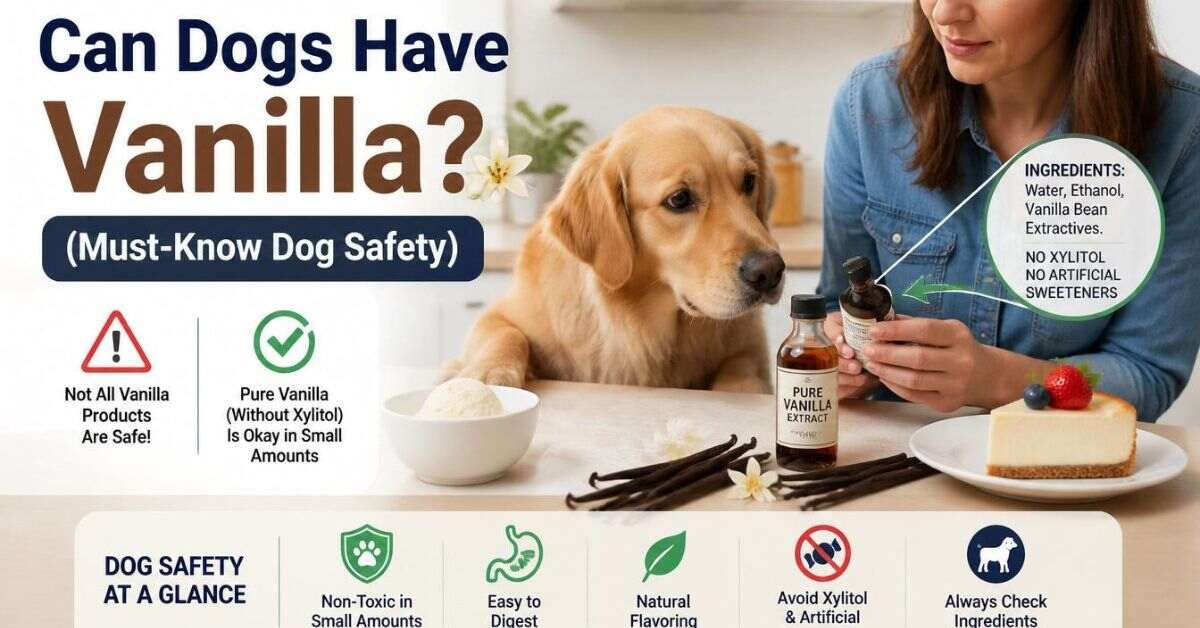
Dogs can have a tiny bit of vanilla in some cases, but it depends on the form. Natural vanilla in small amounts is usually safe. Vanilla extract, however, can be dangerous because it contains alcohol. Even a small sip can make a dog sick.
It’s important to know the risks before giving your dog anything with vanilla. Sweet treats like ice cream, cakes, or cookies often have sugar and additives that are not good for dogs. Always check the ingredients first. When in doubt, it’s better to avoid vanilla altogether.
Is Vanilla Safe or Toxic for Dogs?
Vanilla on its own is not highly toxic to dogs. If it is pure and given in a very tiny amount, it usually does not cause serious harm. But most vanilla products are not pure. They often include other ingredients that can be unsafe for dogs.
The main problem is vanilla extract. It contains alcohol, which is harmful to dogs even in small amounts. Dogs cannot handle alcohol the way humans can. This can lead to symptoms like weakness, vomiting, or more serious issues if too much is consumed.
Things that can make vanilla unsafe for dogs:
- Alcohol in vanilla extract can be toxic
- High sugar can lead to stomach problems
- Artificial flavors may not be safe
- Added ingredients like chocolate or xylitol are dangerous
What Is Vanilla?
Vanilla is a popular flavor that comes from the pods of the vanilla plant. These pods are often called vanilla beans. They are dried and processed to create the sweet smell and taste people enjoy. Vanilla is commonly used in baking, desserts, and drinks.
There are different forms of vanilla available. These include vanilla extract, vanilla powder, and artificial vanilla flavor. Vanilla extract is made by soaking the beans in alcohol. Artificial vanilla is made in a lab and is often cheaper. Both types are used in many foods, but they are not the same when it comes to safety for dogs.
Natural vs Artificial Vanilla
Natural vanilla comes from real vanilla beans. These beans are taken from a plant and processed to create flavor. It has a rich smell and is often used in high-quality foods. Even though it is natural, it is still not always safe for dogs, especially when mixed with other ingredients.
Artificial vanilla is made in a lab. It is cheaper and widely used in processed foods. It may not contain real vanilla at all. Some artificial flavors can include chemicals that are not good for dogs. This makes it important to check what type of vanilla is used before sharing any food.
Comparison: Natural vs Artificial Vanilla
| Feature | Natural Vanilla | Artificial Vanilla |
| Source | Comes from real vanilla beans | Made in a lab using chemicals |
| Taste | Rich and complex flavor | Simpler, less deep flavor |
| Cost | More expensive | Cheaper |
| Common Use | Premium desserts and products | Processed and packaged foods |
| Ingredients | May include alcohol (in extract form) | May contain synthetic compounds |
| Safety for Dogs | Small plain amounts may be safer, but not recommended | Can contain harmful additives |
| Risk Level | Moderate (due to extract/alcohol) | Higher (due to chemicals and additives) |
| Availability | Less common | Very common |
Types of Vanilla Dogs May Consume

Dogs may come into contact with vanilla in different forms. Some are more common in homes, like desserts or flavored snacks. Each type of vanilla is different, and some can be more harmful than others. It is important to understand these types before sharing any food with your dog.
Most vanilla products are made for human use, not for pets. They often include extra ingredients like sugar, alcohol, or artificial flavors. These can upset your dog’s stomach or cause more serious problems. Knowing what your dog is eating can help you keep them safe.
Common types of vanilla dogs may consume:
- Vanilla extract (contains alcohol and is risky)
- Vanilla ice cream (high in sugar and dairy)
- Baked goods like cakes and cookies
- Vanilla-flavored yogurt or snacks
- Artificial vanilla flavoring in processed foods
Vanilla Extract
Vanilla extract is a liquid flavor made by soaking vanilla beans in alcohol. It is commonly used in baking to give a sweet aroma and taste. While it is safe for people, it is not a good option for dogs. The presence of alcohol makes it unsafe, even if the amount seems small.
Dogs cannot process alcohol properly. If they consume vanilla extract, they may feel sick or weak. Some dogs may show signs like vomiting, low energy, or trouble walking. To keep your pet safe, it is best to avoid giving anything that contains vanilla extract.
Vanilla Ice Cream
Vanilla ice cream is a sweet treat that many people enjoy. It is made with milk, sugar, and vanilla flavor. While it may seem harmless, it is not a good choice for dogs. Most dogs have trouble digesting dairy, which can upset their stomach.
Ice cream also contains a lot of sugar, which is not healthy for dogs. Some brands may include harmful ingredients like artificial sweeteners. These can be dangerous and should be avoided. It is better to choose dog-safe treats instead of sharing vanilla ice cream.
Why Vanilla Extract Is Dangerous for Dogs
Vanilla extract can be harmful to dogs because it contains alcohol. Even a small amount can affect a dog’s body. Dogs are more sensitive to alcohol than humans, so it can quickly lead to health problems. What seems like a tiny amount to you may be too much for your pet.
Another issue is that vanilla extract is often used in sweet foods. These foods may also contain sugar and other additives. Together, these ingredients can upset your dog’s stomach and cause discomfort. It is always safer to keep vanilla extract away from dogs.
Why vanilla extract is risky for dogs:
- High alcohol content can lead to poisoning
- Dogs cannot process alcohol properly
- May cause vomiting, weakness, or confusion
- Often mixed with sugar and other harmful ingredients
Alcohol Content and Toxicity
Alcohol is the main reason vanilla extract is not safe for dogs. It is used to pull out the flavor from vanilla beans, but it stays in the liquid. Even a very small amount can be harmful to a dog. Their bodies are not built to handle alcohol like humans can.
When a dog takes in alcohol, it can affect the brain and slow down body functions. You may notice signs like low energy, poor balance, or vomiting. In serious situations, it can lead to breathing trouble or other dangerous effects. This is why any food or product with alcohol should always be kept away from dogs.
Alcohol Toxicity in Dogs
| Factor | Details |
| Common Sources | Vanilla extract, alcoholic drinks, fermented foods |
| Main Risk | Alcohol enters the bloodstream quickly |
| Early Signs | Tiredness, drooling, mild stomach upset |
| Moderate Signs | Vomiting, lack of balance, confusion |
| Severe Signs | Slow breathing, seizures, unconsciousness |
| Timeframe | Effects can start within an hour |
| Body Systems Affected | Brain, liver, nervous system |
| Danger Level | Very high, even in small amounts |
| What To Do | Seek veterinary help right away |
| Prevention Tip | Store alcohol-based items safely away |
Symptoms of Vanilla Toxicity in Dogs
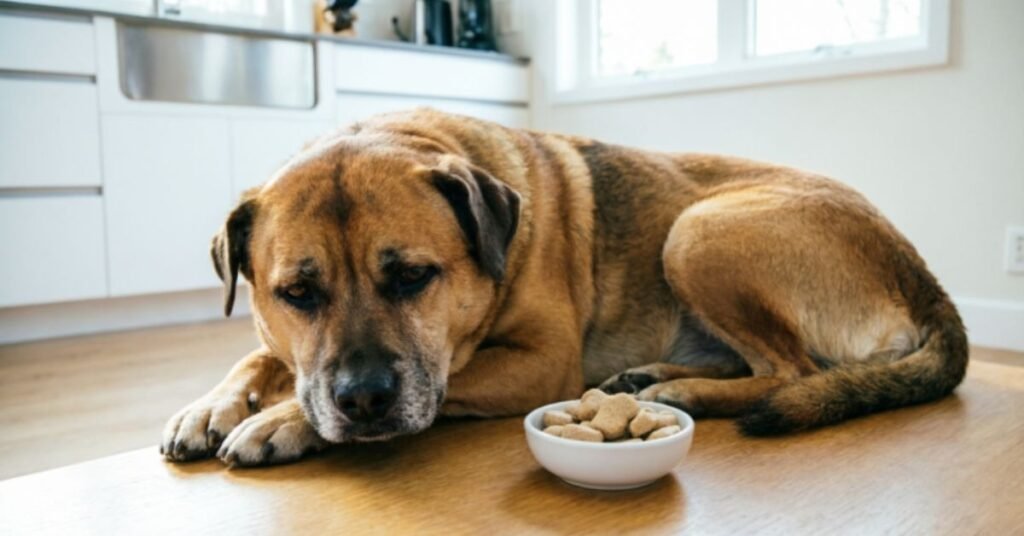
Dogs may show different signs if they consume too much vanilla, especially vanilla extract. The symptoms often depend on how much they ate and their size. Mild cases may only cause small stomach problems, but stronger exposure can affect their behavior and energy levels.
In more serious cases, the alcohol and added ingredients in vanilla can impact the nervous system. This can make your dog feel weak or confused. It is important to watch your dog closely if you think they have eaten something with vanilla. Quick action can help prevent bigger problems.
Common symptoms of vanilla toxicity in dogs:
- Vomiting or upset stomach
- Low energy or unusual tiredness
- Loss of balance or trouble walking
- Confusion or strange behavior
- Drooling more than usual
- In severe cases, breathing problems or seizures
Mild Symptoms
Mild symptoms can appear when a dog eats a small amount of vanilla or a food that contains it. These signs are usually not severe, but they still show that something is not right. Your dog may act a little different than usual and may not feel fully comfortable.
These symptoms often affect the stomach and energy levels. They may go away on their own, but it is still important to watch your dog closely. If the signs get worse or do not improve, you should contact a vet.
Common mild symptoms include:
- Slight vomiting or upset stomach
- Low energy or tiredness
- Reduced appetite
- Mild drooling
- Temporary discomfort or restlessness
Severe Symptoms
Severe symptoms can happen if a dog consumes a large amount of vanilla extract or foods with harmful ingredients. These signs are more serious and can affect the whole body. Your dog may not be able to move properly or may act very unusual. This is a medical emergency and needs quick attention.
Alcohol and other additives can slow down the brain and body functions. This can lead to dangerous changes in breathing, heart rate, and behavior. If you notice any of these signs, you should contact a vet immediately. Your dog’s life can be saved if you act quickly.
Severe symptoms may include:
- Difficulty breathing
- Loss of balance or inability to stand
- Seizures or shaking
- Extreme weakness or collapse
- Unconsciousness
- Slow or irregular heartbeat
What to Do If Your Dog Eats Vanilla
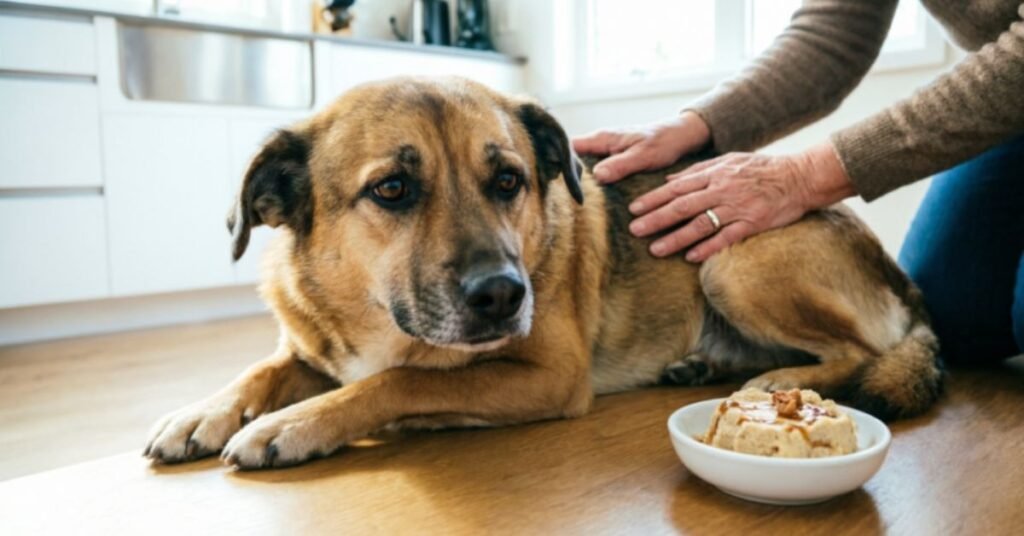
If your dog eats something with vanilla, stay calm and check what they consumed. Look at the ingredients and try to estimate how much they ate. Small amounts may not cause serious harm, but products with vanilla extract or added chemicals can be risky. Keep your dog under close watch for any unusual signs.
If you notice symptoms like vomiting, weakness, or strange behavior, contact your vet right away. Do not try to treat your dog at home without advice. It is always safer to get professional help, especially if alcohol or harmful ingredients are involved. Quick action can make a big difference.
Immediate Steps to Take
Act quickly if your dog eats something with vanilla. Stay calm and remove any remaining food from their reach. Try to find out what they ate and how much. This helps you decide the next step and gives useful information to your vet.
Be aware of any changes in your dog’s behavior or health. Even small symptoms can get worse over time. If you are unsure, it is always better to contact a vet for advice. You can keep your dog safe by taking quick action.
Immediate steps to take:
- Remove the food or product from your dog
- Check the ingredients, especially for alcohol or harmful additives
- Note how much your dog may have eaten
- Monitor for symptoms like vomiting or weakness
- Offer fresh water, but do not force food
- If you notice any unusual symptoms, contact your veterinarian
Safe Alternatives and Benefits of Vanilla
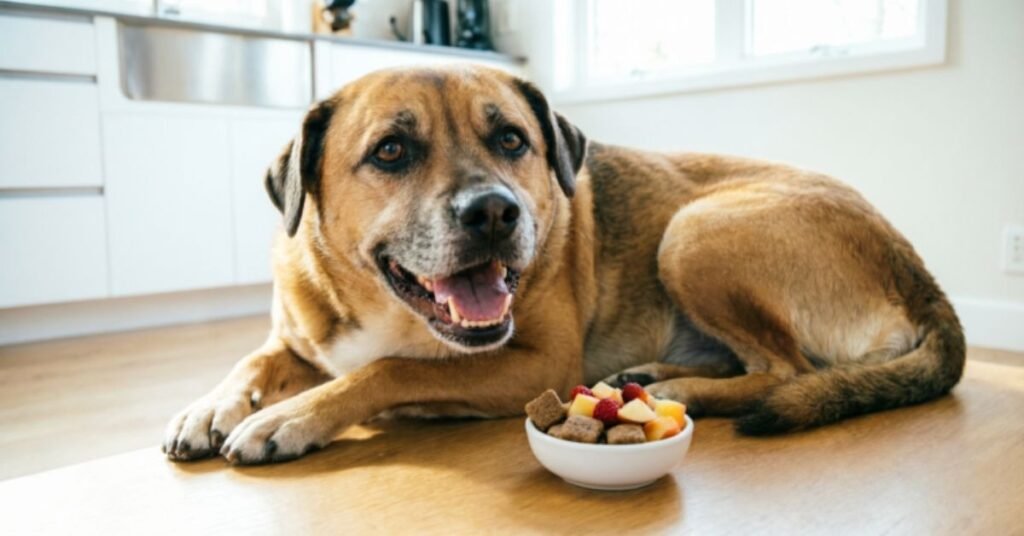
Dogs do not need vanilla in their diet, but there are safer ways to give them tasty treats. Plain, dog-friendly foods can be a better option. These choices avoid harmful ingredients like alcohol and too much sugar. They can still make your dog happy without risking their health.
Vanilla itself does not offer real health benefits to dogs. The main goal should be safety and proper nutrition. Choosing natural and simple treats can support your dog’s well-being. Always pick options made for dogs instead of sharing human desserts.
Safe Alternatives for Dogs
| Alternative | Benefits | Why It’s Safer |
| Plain Yogurt (unsweetened) | Good for digestion | No added sugar or harmful flavoring |
| Peanut Butter (xylitol-free) | Tasty and high in protein | Safe when it has no artificial sweeteners |
| Pumpkin (plain) | Supports digestion | Natural and easy on the stomach |
| Apples (no seeds) | Vitamins and fiber | Fresh and low in fat |
| Bananas | Energy and nutrients | Soft and easy to digest |
| Carrots | Good for teeth | Low calorie and crunchy |
| Blueberries | Antioxidants | Safe in small amounts |
| Dog Treats (store-bought) | Made for dog health | Balanced and vet-approved |
| Homemade Dog Snacks | Controlled ingredients | No harmful additives |
| Plain Cooked Chicken | Protein source | Simple and safe food option |
Dog-Friendly Treat Options
Dog-friendly treats are made to keep your pet safe and healthy. These treats use simple ingredients and avoid harmful additives. They are a better choice than sharing human desserts. Giving the right treats can support your dog’s energy and overall health.
You can choose from store-bought options or make simple treats at home. Always check the ingredients before giving anything new. Keep portions small and use treats as a reward, not a full meal. This helps maintain a balanced diet for your dog.
Safe dog-friendly treat options:
- Plain yogurt (unsweetened and in small amounts)
- Peanut butter (make sure it is xylitol-free)
- Fresh fruits like apples (no seeds) and bananas
- Vegetables like carrots or cucumbers
- Plain cooked chicken or turkey
- Commercial dog treats made for pets
Can dogs have vanilla in small amounts?
Dogs might tolerate tiny amounts of plain vanilla, but it is generally not recommended. Pure vanilla without alcohol or sugar is less dangerous, but most products contain harmful ingredients. Even a small taste of vanilla extract or sweet treats can upset your dog’s stomach.
Dogs react differently depending on their size and health. Some may be fine, while others can show mild symptoms like vomiting or tiredness. To stay safe, it is better to offer dog-safe treats instead of vanilla. This keeps your pet healthy and avoids unnecessary risks.
Conclusion
Vanilla is not safe for dogs in most forms. Extracts, ice cream, and baked goods can contain alcohol, sugar, or other harmful ingredients. Even small amounts may cause health problems.
Dogs react differently to vanilla. Some may get mild stomach upset, while others could experience more serious symptoms. It is important to know the risks before giving your dog any vanilla product.
If your dog eats something with vanilla, watch them closely. Look for signs like vomiting, tiredness, or confusion. If the symptoms are severe, contact a veterinarian right away. Quick action can protect your dog’s health.
The best choice is to avoid vanilla altogether. Use safe, dog-friendly treats instead. Healthy treats help your dog stay happy and prevent any unnecessary health issues.
FAQs
1. Can dogs eat vanilla extract?
No, dogs should not eat vanilla extract. It contains alcohol, which is toxic to dogs. Even small amounts can cause vomiting, weakness, or more serious health issues.
2. Is vanilla ice cream safe for dogs?
Vanilla ice cream is not safe for most dogs. It contains sugar and dairy, which can upset their stomach. Some ice cream may also have harmful additives or artificial sweeteners.
3. Can dogs have small amounts of plain vanilla?
Small amounts of plain, alcohol-free vanilla are less risky, but it is still not necessary for dogs. Dogs can react differently, so it is safer to avoid it altogether.
4. What should I do if my dog eats vanilla extract?
Watch your dog closely for symptoms like vomiting, weakness, or confusion. Contact a veterinarian immediately, especially if the amount consumed was significant.
5. Are there safe alternatives to vanilla for dogs?
Yes, safe alternatives include plain yogurt, peanut butter (xylitol-free), small pieces of fruit like apples or bananas, and dog-friendly treats. These are tasty and safe for your pet.

DogsVibes Editorial Team creates trusted, research-based dog care content to help pet owners keep their dogs healthy, happy, and safe.