


Introduction
Healthy weight dog food is specially made to help dogs stay fit and avoid extra fat. It has fewer calories but still gives complete nutrition. These foods include high-quality protein, healthy fiber, and balanced nutrients. They support weight control while keeping your dog strong and active.
Many dogs gain weight without owners noticing at first. A little extra food or less exercise can quickly lead to obesity. This can cause serious health problems over time. The good news is that choosing the right diet can greatly improve your dog’s health. Choosing proper food can help your dog lose weight safely and feel better every day.
In this guide, you will learn how healthy weight dog food works and why it matters. We will cover key ingredients, feeding tips, and the best options to choose from. You will also discover simple ways to manage your dog’s weight at home. This will help you keep your dog happy, healthy, and full of energy.
What Is Healthy Weight Dog Food & Why It Matters
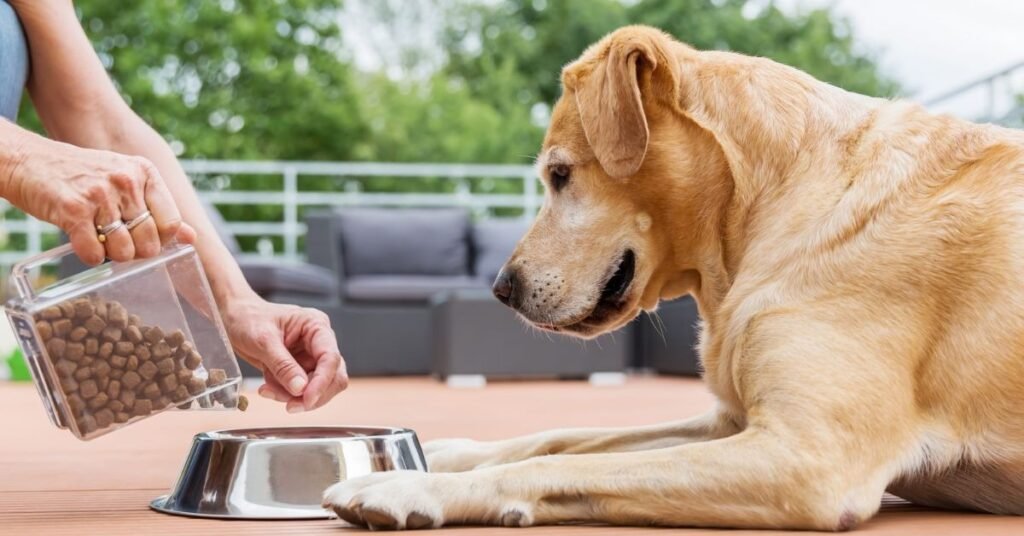
Healthy weight dog food is made to help dogs stay fit and not gain extra fat. It usually has fewer calories but still gives full nutrition. These foods include high-quality protein to keep muscles strong. They also have the right balance of fiber to help dogs feel full for longer. This way, your dog eats less but still feels satisfied and active.
Keeping your dog at a healthy weight is very important for its overall health. Extra weight can lead to serious problems like joint pain, heart issues, and low energy. A proper diet helps improve movement, mood, and lifespan. When your dog eats the right food, it can enjoy a happier and more active life every day.
Key Nutrients That Support Safe Weight Loss
Protein is very important for safe weight loss in dogs. It helps keep muscles strong while your dog loses fat. Good protein sources include chicken, fish, and turkey. Fiber is also important because it helps your dog feel full for longer. This means your dog eats less but still feels satisfied after meals.
Healthy fats and essential vitamins also play a key role. Omega fatty acids support skin and coat health during weight loss. Vitamins and minerals keep your dog’s body working properly. Low calories with balanced nutrients help your dog lose weight safely without feeling weak or tired.
How Calorie Control Impacts Your Dog’s Health
Calorie control helps your dog stay at a healthy weight. Too many calories can lead to fat gain and obesity. When you manage portions, your dog gets just enough energy for daily needs. This supports better movement and keeps your dog active. It also reduces the risk of health problems linked to excess weight.
Balanced calorie intake also protects your dog’s overall health. It helps prevent issues like joint pain and low stamina. Your dog can breathe easier and enjoy playtime more. Proper portions also improve digestion and energy levels. Over time, calorie control can help your dog live a longer and healthier life.
Signs Your Dog Needs a Healthy Weight Diet
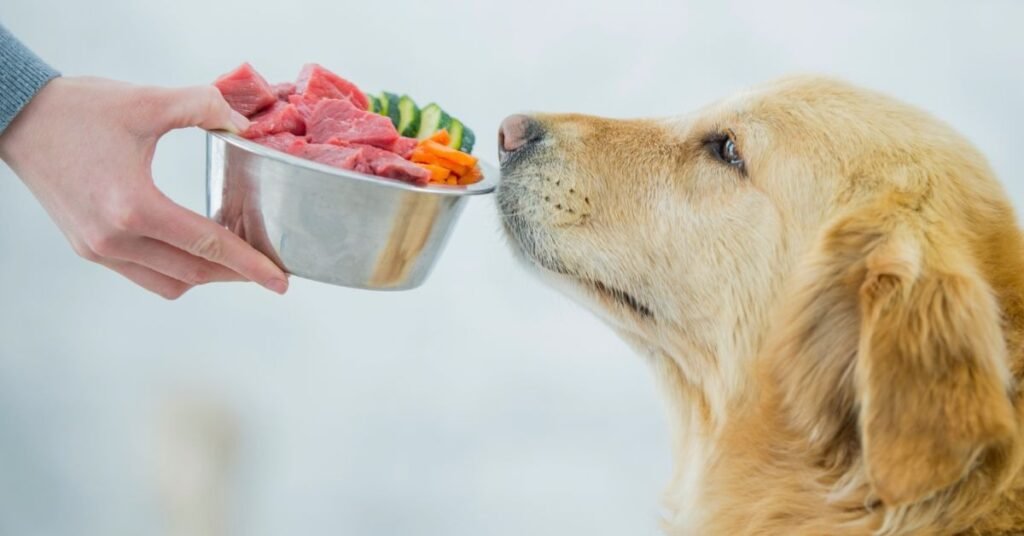
Some signs show that your dog may need a healthy weight diet. These signs are often easy to notice at home. Over time, your dog may slowly put on extra weight. You may notice more fat around the ribs and belly. In addition, your dog might become tired more quickly during walks or playtime.
Look for these common warning signs:
- You cannot easily feel your dog’s ribs
- Your dog has no clear waistline
- Belly looks round or hanging
- Gets tired after short activity
- Breathes heavily even at rest
Physical Signs of Overweight Dogs
Overweight dogs often show clear changes in their body shape. Their body starts looking wider and less defined. You may notice that the waist disappears when viewed from above. The chest and belly area may feel soft and thick instead of firm. Even when standing, the dog may look round instead of athletic.
These physical signs also affect daily movement and comfort. Dogs may struggle to move freely or get up quickly. Short walks can make them tired more easily than before. You may also see extra fat around the neck, back, or hind legs. Early observation of these signs helps prevent serious health issues later.
| Physical Area | Visible Change | What It Indicates |
| Waist | No inward curve from top view | Excess body fat buildup |
| Abdomen | Rounded or sagging belly | Fat stored in midsection |
| Rib Area | Ribs hard to feel under skin | Layer of fat covering bones |
| Back Line | No clear body shape definition | Loss of lean structure |
| Neck | Thick or bulky appearance | Fat accumulation around neck |
| Hind Legs | Less muscle, more softness | Reduced fitness level |
| Movement | Stiff or slow walking style | Joint pressure from weight |
| Breathing | Heavier breathing after mild activity | Lower stamina |
| Posture | Standing wide or unbalanced | Extra body load affecting stance |
Behavioral Changes Linked to Excess Weight
When a dog gains extra weight, its behavior often changes in small but clear ways. You may notice your dog becomes less active during the day. It may prefer lying down instead of moving around or playing. Walks can feel harder, and your dog may stop showing the same excitement as before. These changes usually happen slowly over time.
Look for these common behavior signs:
- Less interest in play or toys
- Sleeps more than usual
- Avoids long walks or exercise
- Gets tired very quickly
- Shows low excitement for outdoor activities
How to Choose the Best Healthy Weight Dog Food
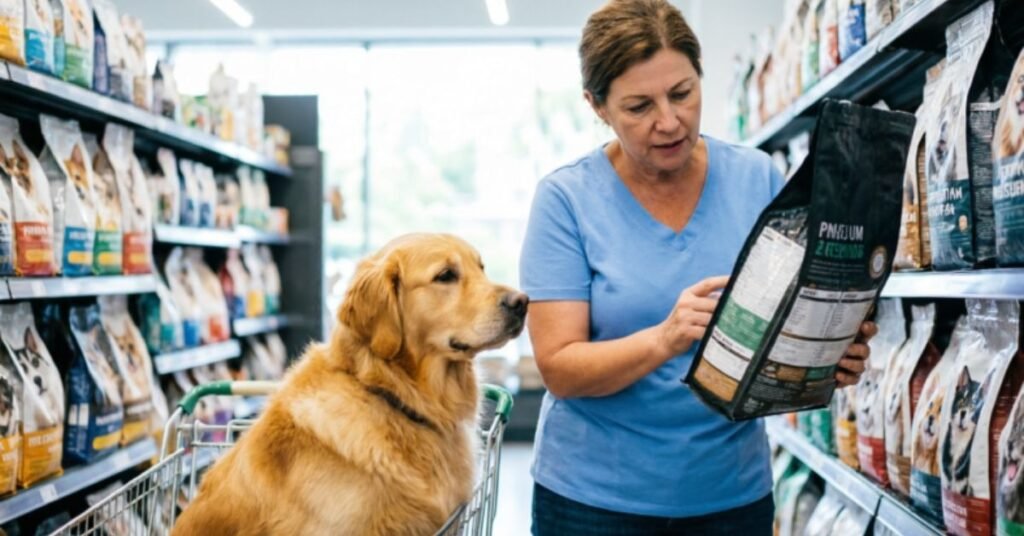
Choosing the best healthy weight dog food is very important for your dog’s health. Start by checking the calorie content on the label. Lower calories help support weight loss without reducing nutrition. Look for high-quality protein like chicken, turkey, or fish. Protein helps keep your dog strong while losing fat.
Also, read the ingredient list carefully. Choose food with natural ingredients and added fiber for better digestion and fullness. Avoid foods with too many fillers, artificial colors, or unhealthy fats. A balanced formula with vitamins and minerals will support overall health. The right food should help your dog lose weight safely and feel active every day.
Ingredients to Look For in Weight Management Formulas
Good weight management dog food should have simple and healthy ingredients. High-quality protein is the most important part. It helps your dog stay strong while losing fat. Natural fiber is also important because it keeps your dog full for longer. This helps reduce overeating and supports better digestion.
Look for these key ingredients in the food label:
- Lean proteins like chicken, turkey, or fish
- Whole grains like brown rice or oats
- Vegetables such as carrots, peas, or spinach
- Natural fiber sources like beet pulp or pumpkin
- Healthy fats in small amounts like fish oil
Ingredients to Avoid for Overweight Dogs
When choosing food for overweight dogs, some ingredients should be avoided. These can add extra calories without real nutrition. They may also make weight loss harder and affect your dog’s overall health. Reading the label carefully helps you make a better choice.
Try to avoid these harmful or unnecessary ingredients:
- Artificial flavors and colors
- High amounts of corn, wheat, or soy fillers
- Sugars and sweeteners added for taste
- Unhealthy fats like generic animal fat or grease
- By-products with low nutritional value
Best Types of Dog Food for Weight Management
Different types of dog food can help with weight management. Each type works in a slightly different way. Choosing the right food depends on your dog’s age, activity level, and overall health. The goal is to lower calorie intake without reducing essential nutrients. This supports safe weight loss while keeping your dog healthy.
Common types of weight management dog food include:
- Dry kibble with low calories and high fiber
- Wet food with controlled portions and moisture support
- Fresh or lightly cooked meals with balanced nutrients
- High-protein formulas that support muscle maintenance
- Prescription diet foods recommended by vets
Dry vs Wet vs Fresh: Which Is Better?
Several types of dog food can help with weight control. Dry, wet, and fresh options each have their own advantages. Among them, dry food is easy to store and helps you measure accurate portions. Wet food has more moisture, which can help dogs feel full faster. Fresh food is often more natural and highly digestible, but it can be more expensive. The best option depends on your dog’s needs and lifestyle.
Here is a simple comparison:
| Type of Food | Main Benefits | Best For | Possible Drawbacks |
| Dry Food | Easy to measure, budget-friendly | Daily weight control | Lower moisture content |
| Wet Food | High moisture, helps fullness | Picky eaters, hydration support | Can be higher in cost |
| Fresh Food | Natural ingredients, high digestibility | Sensitive stomachs, premium nutrition | More expensive, needs storage care |
| Mixed Feeding | Balanced nutrition from multiple types | Flexible feeding plans | Requires proper portion control |
Grain-Free vs Whole Grain Options Explained
Both grain-free and whole grain dog foods can support weight management. Grain-free formulas replace grains such as wheat, corn, and rice with other carbohydrate sources. It often uses ingredients like potatoes or peas instead. Whole grain food includes healthy grains that give energy and fiber. Both can support weight control when balanced correctly.
Here is a simple comparison to understand both options:
| Type | What It Contains | Benefits | Best For | Possible Concerns |
| Grain-Free | No wheat, corn, or rice | Good for sensitive dogs, easier digestion | Dogs with grain allergies | Can be higher in calories if not balanced |
| Whole Grain | Brown rice, oats, barley | Provides fiber, steady energy | Most healthy dogs | May not suit grain-sensitive dogs |
| Mixed Formulas | Combination of grains and alternatives | Balanced nutrition and energy | General weight management | Needs proper portion control |
| High-Fiber Grain Options | Whole grains + added fiber | Helps dogs feel full longer | Overweight dogs | Must avoid overfeeding |
Top Healthy Weight Dog Food Options Vet-Recommended
Veterinarians recommend healthy weight dog food that is low in calories, high in fiber, and rich in lean protein. These formulas help dogs lose fat while keeping muscle strong. They also support better digestion and long-lasting energy. Choosing the right food depends on your dog’s breed, age, and activity level.
Common vet-recommended options include:
- Prescription weight management diets for obese dogs
- High-protein, low-fat dry kibble formulas
- Fiber-rich foods that help dogs feel full longer
- Wet food options for better hydration and satiety
- Balanced fresh diets with controlled calories
Best Overall Healthy Weight Dog Food
The best overall healthy weight dog food should offer a perfect balance of low calories and full nutrition. It must include high-quality protein to maintain strong muscles. It should also have fiber to help your dog feel full for longer. A good formula supports steady weight loss without making your dog weak or tired.
Key features of the best overall option include:
- Lean protein like chicken, turkey, or fish
- Controlled calories for safe weight loss
- Natural fiber for better digestion and fullness
- Essential vitamins and minerals for overall health
- No artificial colors, flavors, or fillers
Best Budget-Friendly Weight Control Options
Budget-friendly weight control dog foods are a good choice for pet owners who want quality nutrition at a lower cost. These foods are designed to reduce calories while still providing enough protein and fiber. They help dogs lose weight slowly and safely without spending too much money. Many trusted brands now offer affordable weight management formulas.
Common affordable options include:
- Dry kibble with lower fat and balanced nutrition
- Store-brand weight management formulas from trusted companies
- High-fiber foods that help dogs feel full longer
- Protein-rich recipes with chicken, turkey, or fish
- Large-bag options that reduce overall feeding cost
Feeding Guide for Healthy Weight Management
Feeding your dog the right amount of food is very important for healthy weight control. Start by following the feeding guide on the food package. These portions are based on your dog’s weight and activity level. Avoid overfeeding, even if your dog looks hungry. Small, controlled meals help prevent extra fat gain.
It is also important to keep a regular feeding schedule. Feed your dog at the same time every day. Most dogs do well with two meals per day. Always measure food instead of guessing portions. This simple routine helps your dog stay full, active, and at a healthy weight.
How Much Should You Feed Your Dog Daily?
The amount of food your dog needs each day depends on its weight, age, and activity level. Active dogs may need more calories, while less active dogs need fewer. Always check the feeding chart on the dog food package for a starting point. This helps you avoid overfeeding or underfeeding your dog.
You can adjust the portion based on your dog’s body condition. If your dog is gaining weight, reduce the food slightly. If your dog looks too thin or low on energy, increase it a little. Always measure food carefully using a cup or scale. Small adjustments over time help maintain a healthy weight safely.
Ideal Feeding Schedule for Weight Loss
A proper feeding schedule is very important for dog weight loss. Most dogs do well with two meals per day. You can feed once in the morning and once in the evening. This helps control hunger and prevents overeating. It also keeps energy levels stable throughout the day.
Try to feed your dog at the same time every day. Do not free-feed your dog or keep food available all day. Measured meals help you control calories better. You can also avoid giving too many treats between meals. A consistent routine makes weight loss easier and safer for your dog.
Homemade Healthy Weight Dog Food Ideas
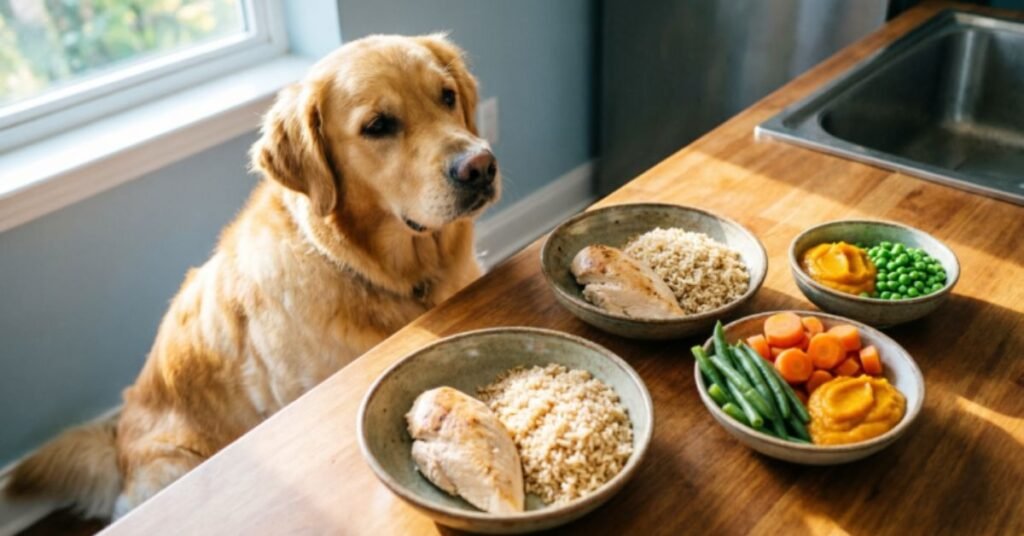
Homemade healthy weight dog food can be a good option when prepared correctly. It allows you to control ingredients and calories. You can use lean meats, vegetables, and small amounts of healthy grains. The goal is to keep meals simple, balanced, and low in fat. Always avoid adding salt, spices, or unhealthy oils.
These homemade meals should focus on nutrition and weight control. You can mix boiled chicken with carrots, peas, or pumpkin. Fish with sweet potatoes is also a healthy choice. Portion control is very important for weight loss. Always make sure the food is fresh and properly cooked before serving.
Simple Low-Calorie Recipes for Dogs
Simple low-calorie recipes can help your dog healthily lose weight. These meals use fresh and natural ingredients. They are easy to prepare at home and support better digestion. Always keep the recipes plain and avoid salt, spices, or oil. Portion control is very important for good results.
You can try these easy meal ideas:
- Boiled chicken with carrots and green beans
- Cooked fish with pumpkin and sweet potato
- Lean turkey with peas and brown rice
- Boiled egg with steamed vegetables (small amount)
Common Mistakes to Avoid in Homemade Diets
Homemade dog food can be healthy, but many owners make simple mistakes. One common mistake is not balancing nutrients properly. Dogs need protein, fiber, vitamins, and healthy fats in the right amounts. Another mistake is using too much fat or calorie-heavy ingredients, which can lead to weight gain instead of weight loss.
Some owners also forget portion control. Even healthy food can cause weight gain if given in large amounts. Adding salt, spices, or human sauces is also harmful for dogs. It is important to keep meals simple and clean. Always follow a proper recipe or ask a vet for guidance to avoid health problems.
Expert Tips to Help Your Dog Lose Weight Safely
Veterinarians recommend a slow and controlled approach for dog weight loss. Rapid changes in diet can stress your dog’s body. The safest results come from balanced meals, portion control, and daily activity. It is important to stay consistent and patient throughout the process. Healthy habits build better long-term results.
Follow these expert-backed steps:
- Feed measured portions at fixed meal times
- Choose high-protein, low-fat food formulas
- Replace high-calorie treats with healthy snacks like carrots
- Add short but regular walks every day
- Monitor weight every 1–2 weeks for progress
Exercise and Activity Recommendations
Regular exercise is very important for healthy weight loss in dogs. It helps burn extra calories and improves muscle strength. Start with short walks and gradually increase the duration over time. Playtime also helps keep your dog active and happy. Always match exercise with your dog’s age and health condition.
Here is a simple activity guide for dogs:
| Activity Type | Duration | Best For | Benefits |
| Short Walks | 10–20 minutes | Overweight or older dogs | Gentle calorie burning |
| Brisk Walks | 20–40 minutes | Healthy adult dogs | Fat loss and stamina |
| Play Fetch | 10–15 minutes | Active dogs | Burns energy quickly |
| Swimming | 10–30 minutes | Joint problems or overweight dogs | Low-impact full-body exercise |
| Light Jogging | 15–25 minutes | Fit and active dogs | Improves endurance |
| Indoor Play | 10–20 minutes | Bad weather days | Keeps dog mentally active |
Long-Term Weight Maintenance Strategies
Keeping your dog at a healthy weight is a long-term commitment. After your dog reaches the ideal weight, it is important to maintain a balanced diet. Continue feeding measured portions every day. Avoid sudden changes in food or overfeeding during treats. Consistency is the key to preventing weight gain again.
Regular exercise should also remain part of your dog’s routine. Daily walks and active play help burn calories and keep muscles strong. Check your dog’s weight every few weeks to track changes. If you notice weight gain, adjust food and activity early. Small, steady habits help your dog stay healthy for life.
Veterinary Insights on Healthy Weight Dog Food
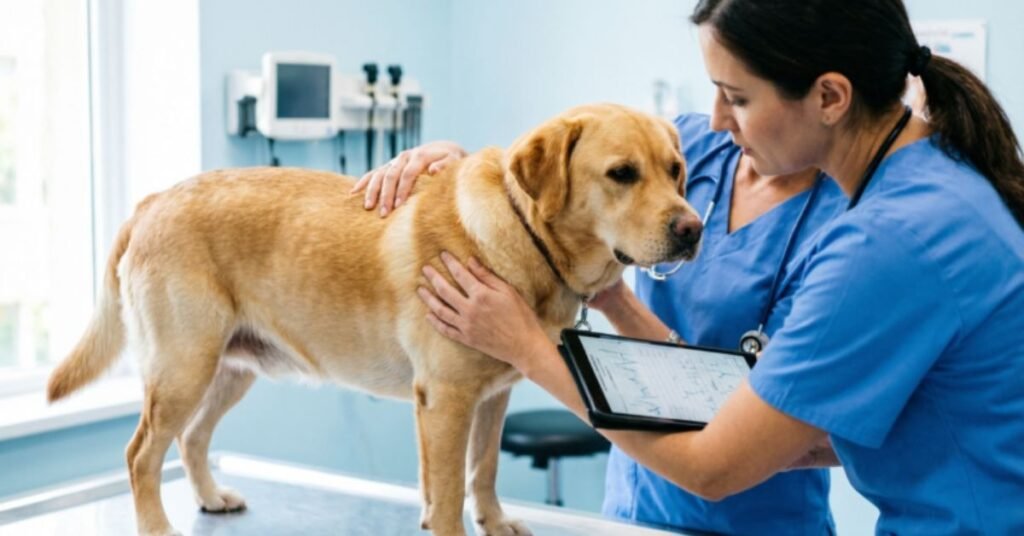
Veterinarians say healthy weight dog food plays a key role in preventing obesity in dogs. It helps control calories while still providing complete nutrition. Vets often recommend high-protein and low-fat formulas. These diets support muscle health and steady energy levels. They also reduce the risk of joint and heart problems linked to excess weight.
Experts also stress the importance of proper feeding habits. They advise measuring food portions instead of guessing. Regular check-ups help track a dog’s weight and overall health. Vets may suggest prescription diets for dogs with severe weight issues. Following veterinary guidance ensures safe and effective weight management.
What Vets Recommend for Safe Weight Loss
Veterinarians always focus on slow and controlled weight loss for dogs. They warn that fast weight reduction can weaken the body and affect metabolism. A proper plan includes balanced meals, controlled calories, and steady lifestyle changes. Vets also stress patience, as safe results take time.
Common veterinary advice includes:
- Set a target weight based on breed and body condition
- Feed precise portions at fixed meal times
- Choose lean protein-based, low-calorie food
- Replace high-calorie treats with healthy snacks like vegetables
- Add daily movement such as walks or light play
When to Switch to a Prescription Diet
A prescription diet may be needed when a dog has serious weight problems. If normal weight control food is not working, a vet may recommend a special formula. These diets are designed for faster but safe weight loss. They are carefully balanced to protect your dog’s health during the process.
You should consider a switch if your dog has health issues like obesity, diabetes, or joint pain. A vet may also suggest it if your dog is gaining weight even with controlled feeding. Always use prescription food under veterinary guidance. This ensures your dog loses weight safely and avoids any nutritional imbalance.
Conclusion
In conclusion, healthy weight dog food is very important for your dog’s overall health. It helps control body weight while still giving full nutrition. The right food can improve energy, mood, and daily activity. It also helps prevent many health problems caused by extra weight.
Choosing the right diet is not difficult when you understand your dog’s needs. Look for balanced ingredients like lean protein, fiber, and essential vitamins. Avoid foods with too many fillers or unhealthy fats. Small changes in diet can bring big improvements over time.
Feeding habits also play a major role in weight management. Measured portions and a fixed feeding schedule help control calories. Regular exercise supports better results and keeps your dog active. Consistency is the key to long-term success.
With the right care, your dog can reach and maintain a healthy weight. Always monitor progress and adjust food when needed. If you are unsure, a veterinarian can guide you. A healthy routine will help your dog live a longer, happier life.
FAQs
What is healthy weight dog food?
Healthy weight dog food is specially made to help dogs maintain or lose weight safely. It contains fewer calories but still provides full nutrition. These foods usually include lean protein, fiber, and essential vitamins. They help dogs stay active while avoiding extra fat gain.
How do I know if my dog is overweight?
You may notice your dog has no visible waistline or hard-to-feel ribs. Overweight dogs also get tired quickly and may avoid exercise. Their belly may look round or hang lower than normal. A vet check can confirm the ideal body weight.
How fast can a dog safely lose weight?
Dogs should lose weight slowly and steadily. A safe rate is usually 1–2% of body weight per week. Rapid weight loss can be harmful and lead to health issues. Always follow a vet-guided plan for best results.
Can I feed my dog homemade weight loss food?
Yes, but it must be balanced and properly planned. Homemade food should include lean protein, vegetables, and controlled calories. Avoid salt, spices, and fatty ingredients. It is best to ask a vet before starting a homemade diet.
Do I need to exercise my dog for weight loss?
Yes, exercise is very important for weight control. Daily walks and light play help burn calories and improve fitness. Start slowly and increase activity over time. A mix of diet and exercise gives the best results.

DogsVibes Editorial Team creates trusted, research-based dog care content to help pet owners keep their dogs healthy, happy, and safe.