
Introduction
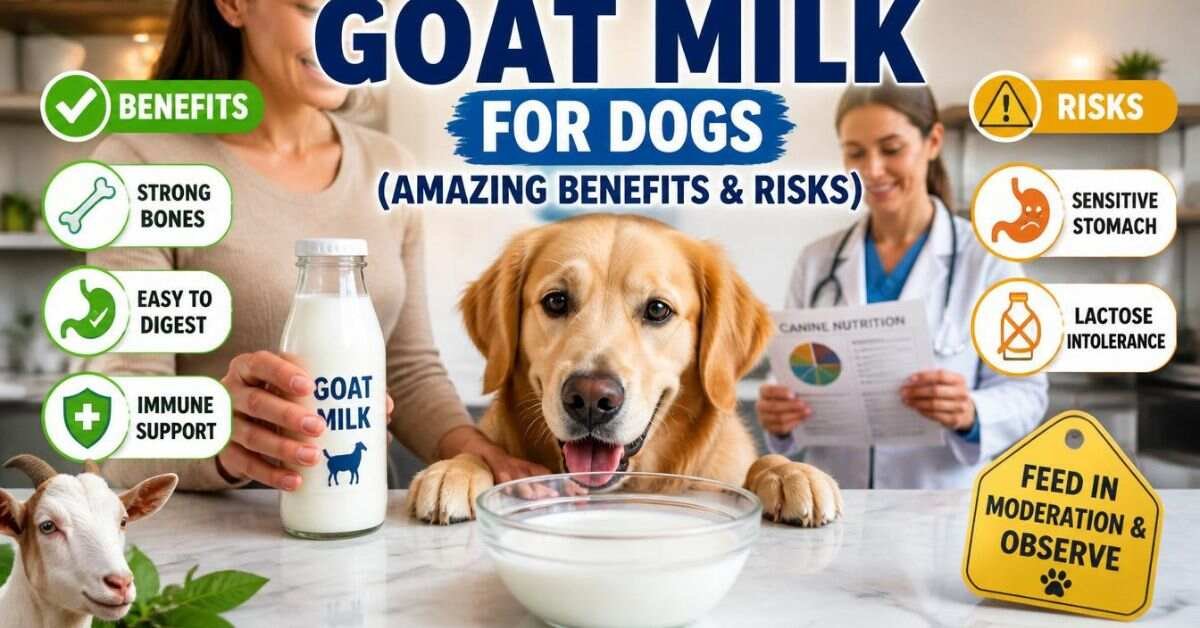
Goat milk is a natural liquid produced by goats. It contains water, protein, fat, vitamins, and minerals. People have used it for thousands of years as a food and a remedy. Today, many dog owners are giving it to their pets, too. It is not a medicine. Instead, it is simply a whole food that supports the body gently.
Here is something interesting. Many dogs struggle with digestion, dry skin, low energy, or poor appetite. Owners try different foods, supplements, and treatments. Some spend a lot of money. But a simple food like goat milk has been helping dogs feel better for years. It is affordable, natural, and easy to find. If you have never considered it for your dog, this guide will change the way you think.
Goat milk is packed with nutrients that dogs can absorb quickly. Probiotics help support a healthy digestive system. Calcium strengthens bones and teeth. Healthy fatty acids improve skin and coat condition. Raw or fermented goat milk is especially popular among pet owners who prefer natural feeding. In this guide, you will learn exactly what goat milk does for dogs, how to give it safely, and why so many vets and pet owners recommend it.
What Is Goat Milk for Dogs?
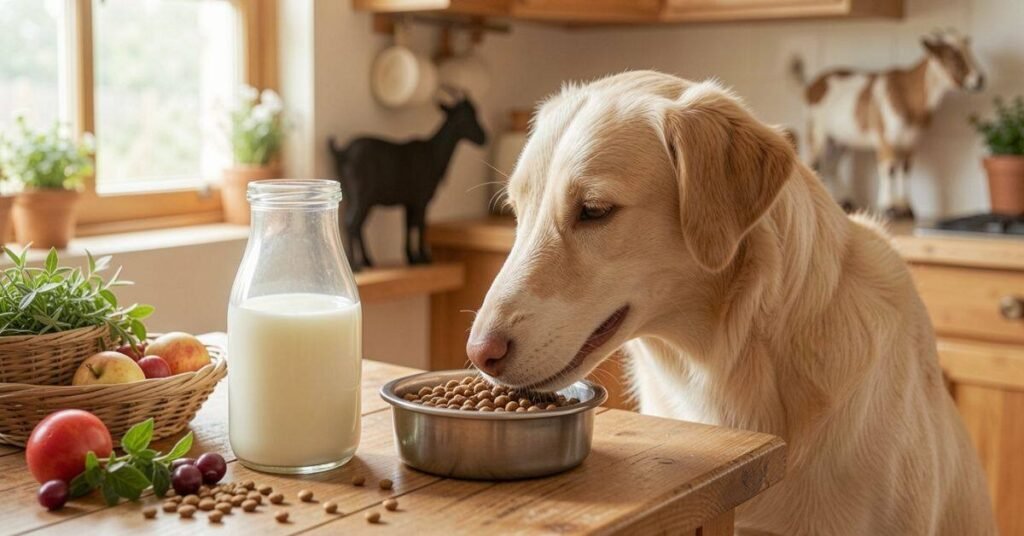
Goat milk is a natural liquid food. A goat’s milk product, it has been used for centuries. Dogs can drink it safely in most cases. The milk contains proteins, healthy fats, vitamins, and minerals. However, it also carries natural enzymes that support digestion. Many pet owners choose raw or fermented versions for extra gut benefits.
In addition, this milk is easier to digest than cow milk. It has smaller fat molecules, so the stomach breaks it down faster. Dogs with sensitive stomachs often handle it better than other dairy options. Besides that, it contains probiotics that feed good bacteria in the gut. Therefore, many vets and holistic pet care experts recommend it as a supplement. Adding a small amount to your dog’s bowl a few times a week can support immunity, coat health, and digestion.
Why Goat Milk Is Different From Regular Milk
Goat milk and cow milk look similar, but work very differently in the body. Cow milk has larger fat globules that are harder to break down. Goat milk, on the other hand, has smaller fat molecules that digest quickly. The protein structure is also softer and less irritating to the gut lining. Therefore, dogs that react badly to cow milk often tolerate goat milk just fine.
Another important difference is its unique fatty acid profile. It contains more medium-chain fatty acids, which the body absorbs faster. These fats also support brain function and energy levels in dogs. Likewise, the natural A2 protein in goat milk causes less inflammation than the A1 protein found in most cow milk. So for dogs with food sensitivities, this difference matters a lot.
Here is what makes goat milk stand out:
- Lower lactose levels than cow milk
- Smaller fat globules for faster digestion
- Natural enzymes that support gut health
- A2 protein that is gentler on the gut
- Higher levels of calcium and potassium
- Gentle on sensitive or inflamed stomachs
Is Goat Milk Good for Dogs?

Goat milk can be very good for dogs when given in the right amount. It supports digestion, boosts immunity, and feeds healthy gut bacteria. Many dogs with stomach issues show clear improvement after adding it to their diet. As a result, the natural probiotics in goat milk help balance the digestive system over time. Vets and pet nutritionists often recommend it as a whole food supplement. So yes, most dogs can benefit from it regularly.
It is important to note, however, that not every dog will react the same way. Some dogs may experience loose stools when they first try goat milk. Therefore, it is always smart to start with a small amount and watch for any reaction. However, dogs with dairy allergies should avoid it completely. The key is to introduce it slowly and increase the amount over a few days. Overall, goat milk is a safe and natural addition to most dogs’ diets when used with care.
Why Many Veterinarians Recommend Goat Milk for Dogs
Many vets recommend goat milk because it supports the gut in a natural way. It contains live probiotics that help good bacteria grow in the digestive system. Furthermore, the enzymes in goat milk aid in breaking down food more efficiently. Dogs recovering from illness, antibiotics, or digestive issues benefit the most. Therefore, vets often suggest it as a gentle and effective way to restore gut health.
Beyond digestive support, goat milk provides nutrients that support overall dog health. It carries calcium, potassium, magnesium, and essential vitamins in one natural source. Some vets also appreciate that it is less processed than many commercial supplements. So instead of giving multiple products, one addition to the bowl can cover several needs. In fact, holistic vets particularly favor it for senior dogs and puppies with weak digestion.
Here is why vets find it worth recommending:
- Supports gut flora naturally without synthetic additives
- Helps dogs recover faster after antibiotic treatment
- Provides easily absorbed calcium for bone health
- Reduces inflammation in the digestive tract
- Works as a natural alternative to probiotic supplements
- It is safe for most dogs, including puppies and seniors
Nutritional Value of Goat Milk for Dogs
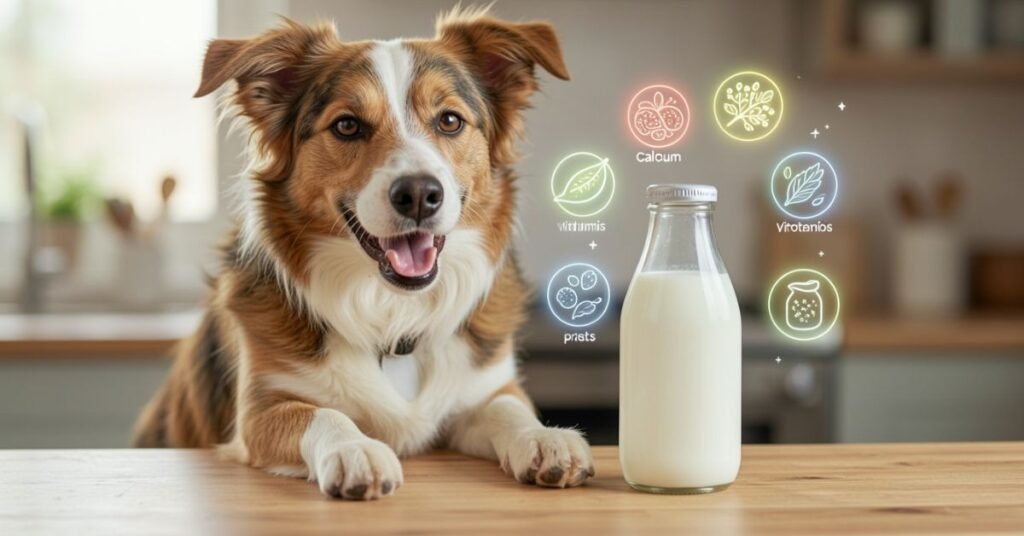
Goat milk is packed with nutrients that support a dog’s body in many ways. It contains protein, healthy fats, vitamins, and important minerals all in one source. Furthermore, these nutrients are easy for the body to absorb because of goat milk’s natural composition. Dogs that eat processed food daily can benefit greatly from this whole food addition. Therefore, adding goat milk to their diet fills nutritional gaps in a simple and natural way.
Additionally, the vitamin content in goat milk supports immunity, skin, and coat health. It carries vitamin A, B vitamins, and vitamin D in useful amounts. Moreover, the mineral profile supports bone strength, muscle function, and nerve health. Each serving delivers real nutrition without artificial additives or fillers. So goat milk works as both a supplement and a tasty treat that dogs genuinely enjoy.
Here is a detailed look at the nutritional value of goat milk per 100ml:
| Nutrient | Amount Per 100ml | Benefit for Dogs |
| Protein | 3.6g | Supports muscle growth and repair |
| Fat | 4.1g | Provides energy and coat health |
| Calcium | 134mg | Strengthens bones and teeth |
| Potassium | 204mg | Supports heart and muscle function |
| Magnesium | 14mg | Aids nerve and muscle health |
| Vitamin A | 185 IU | Boosts immunity and eye health |
| Vitamin D | 2.3 IU | Helps calcium absorption |
| Vitamin B2 | 0.11mg | Supports energy metabolism |
| Phosphorus | 111mg | Works with calcium for bone health |
| Lactose | 4.4g | Lower than cow milk, easier to digest |
| Sodium | 50mg | Maintains fluid balance |
| Zinc | 0.3mg | Supports skin health and immunity |
Important Vitamins and Minerals Found in Goat Milk
Goat milk carries a strong range of vitamins that support a dog’s daily health. Vitamin A helps with vision, immunity, and skin conditions. Furthermore, B vitamins play a key role in energy production and brain function. Vitamin D supports calcium absorption, which keeps bones strong and healthy. Therefore, even a small serving of goat milk adds real vitamin value to a dog’s diet.
Additionally, the mineral content in goat milk is equally impressive. Strong bones and teeth are built and maintained by calcium and phosphorus. Moreover, potassium supports a healthy heart rhythm and proper muscle contractions. Magnesium helps the nervous system function smoothly daily. So goat milk delivers a natural mineral boost that many commercial dog foods simply cannot match.
Here is a detailed breakdown of key vitamins and minerals found in goat milk:
| Vitamin / Mineral | Amount Per 100ml | Role in Dog’s Health |
| Vitamin A | 185 IU | Supports vision, immunity, and skin |
| Vitamin D | 2.3 IU | Aids calcium absorption and bone strength |
| Vitamin B2 (Riboflavin) | 0.11mg | Boosts energy metabolism |
| Vitamin B12 | 0.07mcg | Supports nerve function and red blood cells |
| Vitamin C | 1.3mg | Acts as a natural antioxidant |
| Vitamin K | 0.3mcg | Helps with blood clotting |
| Calcium | 134mg | Builds strong bones and teeth |
| Phosphorus | 111mg | Works with calcium for bone health |
| Potassium | 204mg | Supports heart and muscle function |
| Magnesium | 14mg | Aids nerve and muscle health |
| Zinc | 0.3mg | Promotes healthy skin and immunity |
| Iron | 0.05mg | Supports healthy red blood cell production |
| Selenium | 1.4mcg | Protects cells from oxidative damage |
| Sodium | 50mg | Maintains proper fluid balance |
Probiotics and Digestive Enzymes That Support Gut Health
Goat milk contains natural probiotics that feed good bacteria in the gut. These live cultures help balance the digestive system and reduce harmful bacteria. Furthermore, a balanced gut leads to better nutrient absorption and stronger immunity. Dogs with bloating, loose stools, or poor digestion often improve with regular goat milk. Therefore, it works as a gentle and natural way to restore digestive health without medication.
Additionally, goat milk carries digestive enzymes that break down food more efficiently. Lipase breaks down fats, while lactase helps process the natural sugars in milk. Moreover, these enzymes reduce the workload on the pancreas and digestive tract. Senior dogs and puppies especially benefit since their digestive systems are more sensitive. So adding goat milk to their diet supports smoother digestion from the very first serving.
Here is a detailed look at the key probiotics and enzymes found in goat milk:
| Probiotic / Enzyme | Type | Benefit for Dogs |
| Lactobacillus acidophilus | Probiotic | Balances gut bacteria and aids digestion |
| Lactobacillus reuteri | Probiotic | Reduces harmful bacteria in the gut |
| Bifidobacterium longum | Probiotic | Supports immune function and gut lining |
| Streptococcus thermophilus | Probiotic | Helps break down lactose naturally |
| Lactase | Digestive Enzyme | Breaks down lactose for easier digestion |
| Lipase | Digestive Enzyme | Breaks down fats for better absorption |
| Protease | Digestive Enzyme | Breaks down proteins into amino acids |
| Amylase | Digestive Enzyme | Helps digest carbohydrates efficiently |
| Alkaline Phosphatase | Enzyme | Supports gut lining and nutrient absorption |
| Xanthine Oxidase | Enzyme | Protects gut cells from oxidative damage |
Health Benefits of Goat Milk for Dogs
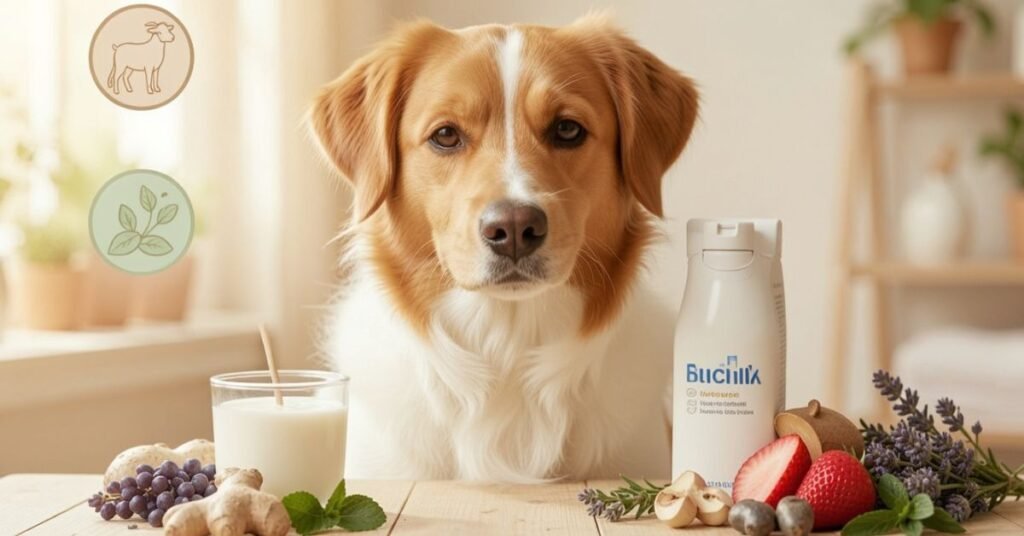
Goat milk offers real health benefits that go beyond basic nutrition. It supports digestion, strengthens immunity, and promotes healthy skin and coat. In addition, the natural probiotics in goat milk help maintain a balanced and healthy gut. Dogs with chronic health issues often show noticeable improvement after adding it to their diet. Therefore, many pet owners consider it one of the best natural supplements available today.
Additionally, goat milk supports joint health, liver function, and overall energy levels. It carries anti-inflammatory properties that help dogs dealing with allergies or skin conditions. Moreover, the easy-to-absorb nutrients mean the body gets more value from every serving. Senior dogs benefit greatly since their bodies struggle to absorb nutrients from processed food. So goat milk works as a simple daily addition that covers many health needs at once.
Here is a list of the top health benefits goat milk provides for dogs:
- Improves digestion and reduces bloating
- Boosts immunity through natural probiotics
- Supports healthy skin and a shiny coat
- Reduces inflammation linked to allergies
- Strengthens bones and teeth with calcium
- Increases energy and overall vitality
- Aids recovery after illness or antibiotic use
- Promotes better nutrient absorption from food
- Soothes an irritated or sensitive gut
Supports Better Digestion and Nutrient Absorption
Goat milk is one of the easiest dairy products for dogs to digest. Its small fat molecules and soft proteins move through the gut without causing stress. Furthermore, the natural enzymes in goat milk help break down food before it even reaches the intestines. Dogs with sensitive stomachs, bloating, or irregular bowel movements benefit the most. Therefore, adding goat milk to their daily routine can bring noticeable digestive improvement within days.
Additionally, better digestion directly leads to better nutrient absorption. When the gut works well, the body pulls more vitamins and minerals from every meal. Moreover, the probiotics in goat milk strengthen the gut lining, which allows nutrients to pass into the bloodstream more effectively. Senior dogs especially struggle with poor absorption as they age. So goat milk acts as a natural digestive aid that helps the whole body get more from less food.
Here is a detailed look at how goat milk supports digestion and nutrient absorption:
| Digestive Benefit | How Goat Milk Helps | Best For |
| Easier fat digestion | Small fat globules absorb faster | Dogs with pancreatitis or sensitive stomachs |
| Reduced bloating | Enzymes break down food efficiently | Dogs prone to gas and discomfort |
| Better protein digestion | Soft A2 protein is gentler on the gut | Dogs with food sensitivities |
| Improved gut lining | Probiotics strengthen intestinal walls | Dogs recovering from illness |
| Faster nutrient absorption | Healthy gut flora improves uptake | Senior and malnourished dogs |
| Lower lactose impact | Less lactose than cow milk | Lactose-sensitive dogs |
| Balanced bowel movements | Probiotics regulate digestive rhythm | Dogs with irregular stools |
| Reduced gut inflammation | Anti-inflammatory fatty acids soothe the gut | Dogs with IBD or colitis |
| Enhanced enzyme activity | Natural enzymes support the pancreas’s function | Dogs on long-term medication |
| Better hydration in gut | High water content softens digestion | Dogs that drink less water |
Boosts the Immune System Naturally
Goat milk gives a dog’s immune system real and natural support. It carries vitamins A, D, and B12 that help the body stay protected every day. Furthermore, the probiotics in goat milk build a stronger gut, and gut health is directly tied to immunity. A well-functioning digestive system helps the body identify and fight off harmful threats faster. Therefore, dogs that consume goat milk regularly tend to get sick less often than those that do not.
Additionally, goat milk contains antioxidants that protect cells from daily damage. Selenium and zinc work together inside the body to activate a faster immune response. Moreover, dogs coming off antibiotics lose a lot of good gut bacteria, which weakens their defenses. Goat milk helps rebuild that bacterial balance in a gentle and natural way. So even a small amount added to the bowl each day can help a dog stay healthier and recover more quickly when illness strikes.
Supports Strong Teeth and Bones
Goat milk is a natural source of calcium that directly supports bone and teeth strength. Every serving delivers a meaningful amount of calcium that the body absorbs quickly and efficiently. Furthermore, phosphorus works alongside calcium to build and maintain a strong skeletal structure. Dogs that lack these minerals can develop weak bones, joint pain, and dental problems over time. Therefore, adding goat milk to a dog’s diet is a simple way to support long-term bone health.
Additionally, vitamin D in goat milk plays a critical role in how well calcium is absorbed. Without enough vitamin D, even a calcium-rich diet may not fully protect the bones. Moreover, magnesium supports the process by activating the enzymes needed for bone formation. Senior dogs and large breed puppies need extra mineral support as their bones face more stress. So goat milk covers multiple bone health needs in one natural and easy-to-serve source.
Here is a detailed look at how goat milk supports teeth and bone health in dogs:
| Nutrient | Amount Per 100ml | Role in Bone and Teeth Health |
| Calcium | 134mg | Builds and maintains strong bones and teeth |
| Phosphorus | 111mg | Works with calcium for skeletal strength |
| Vitamin D | 2.3 IU | Improves calcium absorption in the body |
| Magnesium | 14mg | Activates enzymes needed for bone formation |
| Potassium | 204mg | Supports muscle function around joints |
| Zinc | 0.3mg | Aids in bone tissue repair and growth |
| Protein | 3.6g | Provides amino acids for bone matrix support |
| Vitamin K | 0.3mcg | Helps bind calcium to bone tissue |
| Selenium | 1.4mcg | Protects bone cells from oxidative damage |
| Sodium | 50mg | Maintains fluid balance around bone joints |
Goat Milk vs Cow Milk for Dogs
Goat milk and cow milk are both dairy products, but they affect dogs very differently. Cow milk has larger fat globules and higher lactose levels that are harder for dogs to process. Furthermore, the A1 protein in cow milk can trigger inflammation and digestive discomfort in sensitive dogs. Goat milk, on the other hand, contains A2 protein,n which is far gentler on the gut lining. Therefore, most dogs tolerate goat milk much better than cow milk in daily use.
Additionally, the nutrient profile of goat milk is more beneficial for dogs overall. It carries more calcium, potassium, and medium-chain fatty acids than standard cow milk. Moreover, goat milk has natural enzymes and probiotics that cow milk simply does not provide in the same way. Pasteurized cow milk especially loses most of its beneficial properties during the heating process. So when choosing between the two, goat milk is clearly the smarter and safer option for dogs.
Here is a detailed comparison between goat milk and cow milk for dogs:
| Feature | Goat Milk | Cow Milk |
| Protein Type | A2 protein, gentle on gut | A1 protein, can cause inflammation |
| Fat Globule Size | Small, digests easily | Large, harder to break down |
| Lactose Level | Lower, easier to tolerate | Higher, may cause loose stools |
| Digestibility | High, absorbs quickly | Low, slower to process |
| Probiotics | Naturally present | Mostly absent after pasteurization |
| Digestive Enzymes | Naturally rich in enzymes | Lost during pasteurization |
| Calcium Content | 134mg per 100ml | 113mg per 100ml |
| Potassium Content | 204mg per 100ml | 152mg per 100ml |
| Fat Content | 4.1g per 100ml | 3.7g per 100ml |
| Inflammation Risk | Low | Moderate to high |
| Suitable for Sensitive Dogs | Yes | Often no |
| Overall Safety for Dogs | High | Moderate |
Why Goat Milk Is Easier for Dogs to Digest
Goat milk breaks down in the digestive system much faster than other dairy products. Its fat molecules are naturally smaller, so the gut does not have to work as hard. Furthermore, the A2 protein in goat milk forms a softer curd in the stomach during digestion. This softer curd moves through the intestines smoothly without causing irritation or discomfort. Therefore, even dogs with weak or sensitive digestive systems can handle goat milk with ease.
Additionally, goat milk contains natural enzymes that start breaking down food right away. These enzymes reduce the burden on the pancreas and the rest of the digestive tract. Moreover, the lower lactose level means fewer dogs experience the bloating or loose stools that cow milk often causes. Puppies and senior dogs especially benefit since their digestion is naturally more delicate. So, goat milk is not just tolerated well; it actively makes the whole digestive process smoother and more efficient.
Here is why goat milk is so much easier for dogs to digest:
- Smaller fat globules absorb faster in the gut
- A2 protein forms a softer and gentler curd
- Lower lactose reduces the risk of stomach upset
- Natural enzymes pre-digest food before it reaches the intestines
- Probiotics balance gut bacteria for smoother digestion
- Less strain on the pancreas compared to cow milk
- Gentle on the inflamed or irritated gut lining
- Suitable for dogs with lactose sensitivity
Types of Goat Milk for Dogs
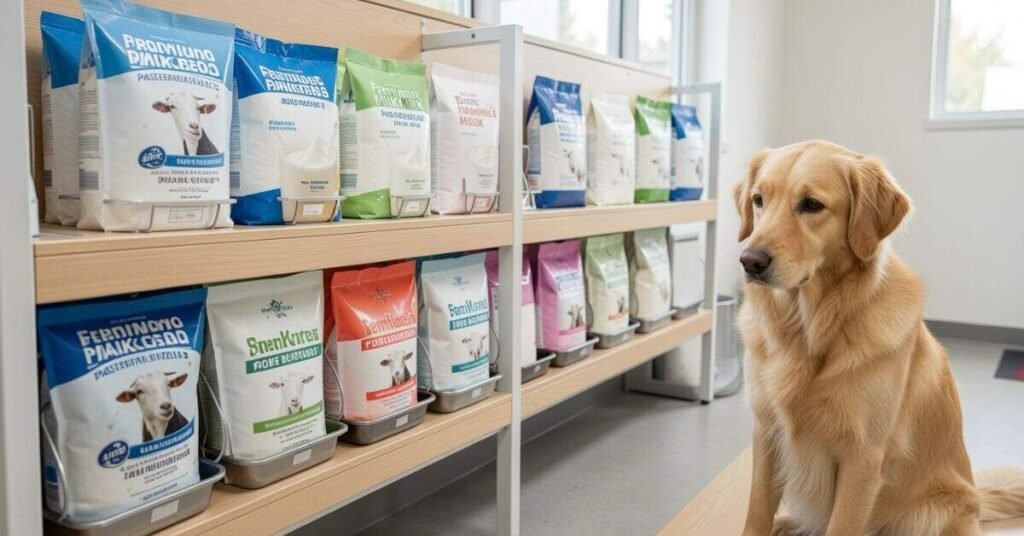
Goat milk comes in several different forms, and each one offers something slightly different. Raw goat milk is the most natural option and retains all its enzymes and probiotics. Furthermore, fermented goat milk goes through a culturing process that increases its probiotic content significantly. Pasteurized goat milk is heated to remove bacteria but loses some of its natural benefits in the process. Therefore, the type you choose will depend on your dog’s health needs and your own comfort level.
Additionally, powdered and frozen goat milk are popular options for convenience and longer shelf life. Powdered goat milk can be mixed with water and served fresh at any time. Moreover, frozen raw goat milk preserves the natural nutrients better than pasteurized versions on store shelves. Kefir made from goat milk is another excellent option that delivers an even higher dose of beneficial bacteria. So understanding each type helps you make the best and most informed choice for your dog.
Here is a detailed comparison of the different types of goat milk available for dogs:
| Type | Processing Method | Nutrient Retention | Probiotic Content | Best For |
| Raw Goat Milk | Unprocessed and natural | Highest | High | Dogs need a full nutritional benefit |
| Pasteurized Goat Milk | Heat-treated for safety | Moderate | Low | Dogs with compromised immune systems |
| Fermented Goat Milk | Cultured with live bacteria | High | Very High | Dogs with gut or digestive issues |
| Powdered Goat Milk | Dehydrated and dried | Moderate | Low to moderate | Convenient daily supplementation |
| Frozen Raw Goat Milk | Flash frozen after collection | Very High | High | Long term storage with full benefits |
| Goat Milk Kefir | Fermented with kefir grains | High | Extremely High | Dogs needing intensive probiotic support |
| Evaporated Goat Milk | Condensed by heating | Low | Very Low | Occasional topper only |
| Organic Goat Milk | Certified organic farming | High | Moderate to High | Health conscious pet owners |
How Much Goat Milk Should Dogs Drink?

Goat milk is worthwhile, but the right amount matters just as much as the product itself. Too much of it can cause loose stools or digestive upset, especially in the beginning. Furthermore, every dog is different, so the serving size depends on weight, age, and overall health. Starting with a small amount and gradually increasing it is always the safest approach. Therefore, patience during the introduction phase helps avoid unnecessary stomach problems.
Additionally, most pet nutritionists suggest using body weight as a simple guide for serving size. Small dogs need far less than large or working breeds that burn more energy daily. Moreover, goat milk should be treated as a supplement and not a replacement for regular meals or water. Puppies and senior dogs may need slightly adjusted amounts based on their digestive capacity. So always monitor your dog’s reaction after each serving and adjust the amount accordingly.
Here is a simple guide to how much goat milk dogs should drink based on size:
- Small dogs under 20 lbs: 2 oz per day
- Medium dogs between 20 and 50 lbs: 4 oz per day
- Large dogs between 50 and 80 lbs: 6 oz per day
- Extra large dogs over 80 lbs: 8 oz per day
- Puppies under 3 months: 1 oz per day maximum
- Senior dogs: start with 1 oz and increase slowly
- Dogs with digestive issues: begin with half the recommended amount
- Always split the daily amount into two servings for better digestion
Safe Serving Size Based on Your Dog’s Weight
Giving the right serving size is just as important as choosing the right type of goat milk. Too little may not provide enough benefit, while too much can upset the digestive system. Furthermore, a dog’s weight is the most reliable way to calculate a safe and effective daily amount. Starting on the lower end of the recommended range always reduces the risk of stomach issues. Therefore, using weight as a guide takes the guesswork out of serving goat milk safely.
Additionally, the serving size should be adjusted as the dog’s body gets used to goat milk over time. Some dogs may need a week or two before their gut fully adapts to the new addition. Moreover, splitting the daily amount into two smaller servings helps the digestive system handle it better. Dogs with existing health conditions should always be started on a lower amount than the standard guide suggests. So, checking your dog’s weight regularly and adjusting the serving size accordingly keeps everything safe and effective.
Here is a detailed serving size guide based on dog weight:
| Dog Weight | Starting Amount | Daily Amount | Frequency | Notes |
| Under 10 lbs | 1 oz | 2 oz | Once daily | Best for toy breeds and tiny dogs |
| 10 to 20 lbs | 1.5 oz | 3 oz | Twice daily | Watch stool for any loose changes |
| 21 to 30 lbs | 2 oz | 4 oz | Twice daily | Build up slowly over one week |
| 31 to 50 lbs | 3 oz | 5 oz | Twice daily | Split between morning and evening |
| 51 to 70 lbs | 4 oz | 6 oz | Twice daily | Works well for active medium breeds |
| 71 to 90 lbs | 5 oz | 7 oz | Twice daily | Adjust based on energy and activity |
| Over 90 lbs | 6 oz | 8 oz | Twice daily | Large breeds may handle slightly more |
| Senior Dogs | Half standard dose | Increase slowly | Once daily | Older guts need a gentler start |
| Puppies under 3 months | 1 oz | 1.5 oz | Once daily | Vet approval recommended first |
| Dogs with health issues | 0.5 oz | 2 oz | Once daily | Always follow vet guidance here |
Potential Risks and Side Effects of Goat Milk for Dogs
Goat milk is generally safe, but it does carry some risks when used incorrectly. Dogs with dairy allergies can react badly even to goat milk in small amounts. Furthermore, giving too much too soon is one of the most common mistakes pet owners make. Loose stools, bloating, and stomach cramps can appear when the serving size is too large. Therefore, introducing goat milk gradually and keeping a close eye on your dog during the first week helps avoid any unwanted reactions.
Additionally, raw goat milk carries a small risk of harmful bacteria if not stored or sourced properly. Dogs with weakened immune systems, pregnant dogs, and very young puppies face a higher risk from raw dairy. Moreover, goat milk adds calories to the diet, which can contribute to weight gain if not accounted for. Some dogs may also develop a mild intolerance even without a full dairy allergy. So always buy from a trusted source and treat goat milk as a supplement rather than a daily staple.
Here is a clear list of potential risks and side effects to watch for:
- Loose stools or diarrhea from too much too soon
- Bloating and gas during the adjustment period
- Allergic reactions in dogs sensitive to dairy
- Harmful bacteria risk from poorly stored raw milk
- Unexpected weight gain from added daily calories
- Vomiting in dogs with very sensitive stomachs
- Worsening symptoms in dogs with pancreatitis
- Mild lactose intolerance even with lower lactose levels
Conclusion
Goat milk can be a healthy addition to a dog’s diet when used in moderation. It provides vitamins, minerals, protein, and probiotics that support digestion, immunity, and overall wellness. Many dogs tolerate it better than cow milk because it is easier to digest.
Small amounts are important to start with. Gradually increasing the serving helps your dog adjust without stomach problems. Observing your dog for any signs of intolerance or allergies is essential. Every dog is different, so what works for one may not work for another.
While goat milk has many benefits, it should not replace regular dog food. It is a supplement to provide extra nutrients, hydration, and digestive support. Choosing the right type—raw, pasteurized, or powdered—depends on your dog’s needs and your ability to store and handle milk safely.
Overall, goat milk can support better digestion, stronger immunity, healthy bones, and a shiny coat. Feeding it carefully and in the right amounts can make it a helpful part of your dog’s diet. Always consult your veterinarian if your dog has health conditions or special dietary needs.
FAQs
1. Is goat milk safe for all dogs?
When given in moderation, goat milk is generally safe for dogs. Puppies, adult dogs, and seniors can benefit, but dogs with lactose intolerance, pancreatitis, or allergies should avoid it. Always introduce it slowly and watch for any digestive issues.
2. How much goat milk should I give my dog daily?
The serving depends on your dog’s weight. Small dogs need 1–2 teaspoons, medium dogs 1–2 tablespoons, and large dogs up to 1/4 cup per day. Start with a small amount and gradually increase if your dog tolerates it well.
3. Can goat milk replace regular dog food?
No, goat milk should not replace balanced dog food. It is a supplement that provides extra nutrients, probiotics, and hydration. It works best when added alongside a complete, healthy diet.
4. What are the benefits of goat milk for dogs?
Goat milk supports digestion, strengthens the immune system, improves skin and coat health, and helps maintain strong bones and teeth. Its probiotics and enzymes make it easier to digest than cow milk.
5. Are there any risks of feeding goat milk to dogs?
Some risks include lactose intolerance, allergies, digestive upset, and extra calories. Dogs with pancreatitis, obesity, or sensitive stomachs should avoid it or get vet approval. Feeding in moderation reduces most risks.

DogsVibes Editorial Team creates trusted, research-based dog care content to help pet owners keep their dogs healthy, happy, and safe.