

Introduction
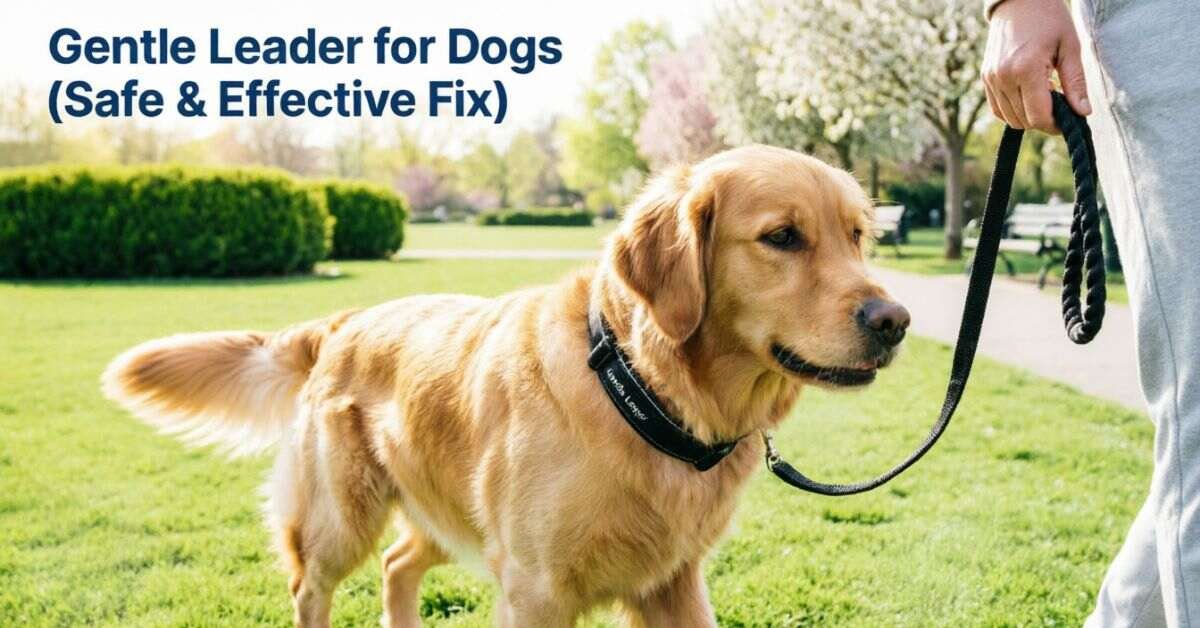
A gentle leader for dogs is a special type of head collar. It fits around a dog’s nose and neck. It helps guide the dog’s head during walks. This gives you better control without using force. It is often used to stop pulling and improve behavior on the leash.
Many dog owners struggle with pulling and hard walks. It can feel stressful and tiring. A gentle leader can make walks calm and enjoyable again. With the right use, your dog can learn to walk nicely by your side. This guide will help you understand how to use it the right way.
In this article, you will learn simple steps and useful tips. We will explain how it works and how to put it on your dog. You will also learn how to train your dog with it safely. By the end, you will feel more confident using a gentle leader for better walks.
What is a Gentle Leader for Dogs?
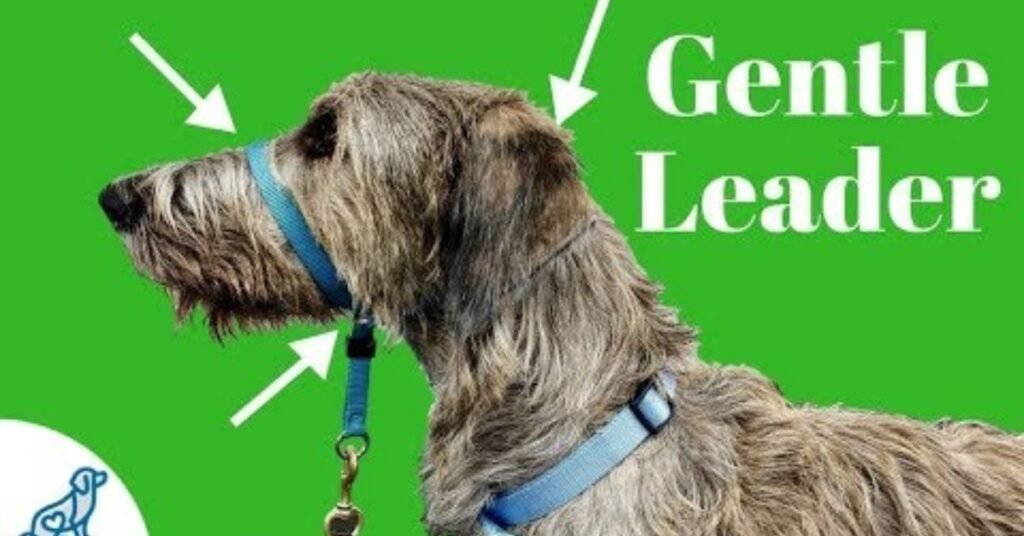
A gentle leader for dogs is a type of head collar. The collar fits around the dog’s nose and behind its ears. It is designed to guide the dog’s head during walks. When the head moves, the body follows. This makes it easier to control your dog without pulling hard on the leash. It is often used for dogs that pull or do not walk calmly.
This tool is not a muzzle and does not stop a dog from opening its mouth. Dogs can still eat, drink, and bark while wearing it. A gentle leader works by giving gentle pressure, not force. It helps teach better walking habits over time. With proper use and training, it can make walks safer and more enjoyable for both you and your dog.
Benefits of Using a Gentle Leader
A gentle leader helps make walks easier and more controlled. It reduces pulling by guiding your dog’s head gently. This means less stress on your arms and shoulders. It is a helpful tool for both small and large dogs. Many owners feel more confident using it during daily walks. It also helps dogs focus better on their owner.
This tool can also improve your dog’s behavior over time. It teaches calm walking habits in a safe way.Using it correctly does not cause pain or harm. It is a simple and effective training aid for beginners. With regular use, your dog can learn to walk nicely without pulling.
Key benefits include:
- Reduces pulling during walks
- Gives better control over your dog
- Helps improve leash manners
- Safe and gentle when used properly
- Builds confidence for dog owners
- Works well for training and behavior control
Gentle Leader vs Halti
A gentle leader and a Halti are both head collars. They are used to control dogs during walks. Both work by guiding the dog’s head. This helps reduce pulling and improve behavior. They may look similar, but they have small design differences. These differences can affect comfort and fit.
Some dogs respond better to one than the other. The gentle leader usually has a simple design. The Halti may offer more adjustment options. Choosing the right one depends on your dog’s size and comfort. It is important to test and see which works best for your dog. When used correctly, both can be effective.
| Feature | Gentle Leader | Halti |
| Design | Simple and minimal | Slightly more complex |
| Fit Style | Snug fit around nose and neck | Adjustable fit with more flexibility |
| Control | Gentle head control | Stronger control for active dogs |
| Ease of Use | Easy for beginners | May take time to adjust properly |
| Comfort Level | Soft and lightweight | Comfortable but depends on fitting |
| Training Use | Good for basic training | Good for stronger or stubborn dogs |
| Adjustment Options | Limited adjustments | More adjustable straps |
| Best For | Dogs with mild pulling habits | Dogs with strong pulling behavior |
| Learning Curve | Easy to learn and use | Slightly harder for new users |
| Availability | Widely available | Also widely available |
How Does a Gentle Leader Work?
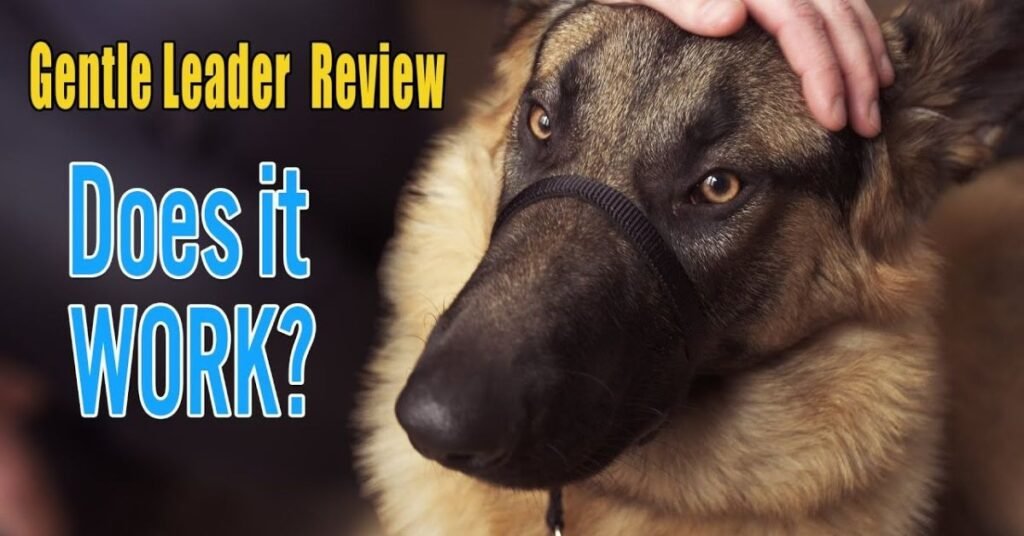
A gentle leader works by controlling your dog’s head. It fits around the nose and behind the ears. When your dog pulls, the head is gently guided to the side. This makes it hard for the dog to keep pulling forward. The body naturally follows the head. This gives you better control during walks without using force.
It does not hurt your dog when used correctly. Instead, it uses gentle pressure to guide behavior. Over time, your dog learns to walk calmly beside you. It is important to use it with patience and proper training. Consistent use can lead to better leash habits and more relaxed walks.
How it helps control your dog:
- Redirects the dog’s head instead of pulling the body
- Reduces strong pulling on the leash
- Helps the dog focus on the owner
- Encourages calm and controlled walking
- Supports training with gentle guidance
Are Gentle Leaders Safe for Dogs?
A gentle leader is safe for dogs when used the right way. It is designed to apply light pressure, not pain. It does not choke or hurt the neck like some collars can. Most dogs can wear it comfortably once they get used to it. Proper fitting is very important for safety. A loose or tight fit can cause problems.
Training and supervision also play a big role. Dogs should not be left alone while wearing it. Sudden jerks on the leash should be avoided. Gentle guidance is the key to safe use. When used with care, it can help improve behavior without harm. It is a trusted tool for many dog trainers and owners.
Safety tips to follow:
- Make sure the gentle leader fits properly
- Avoid pulling the leash too hard
- It should not be left unattended on your dog
- Introduce it slowly to your dog
- Check for any signs of discomfort
- Use it along with positive training methods
How to Put on a Gentle Leader for Your Dog
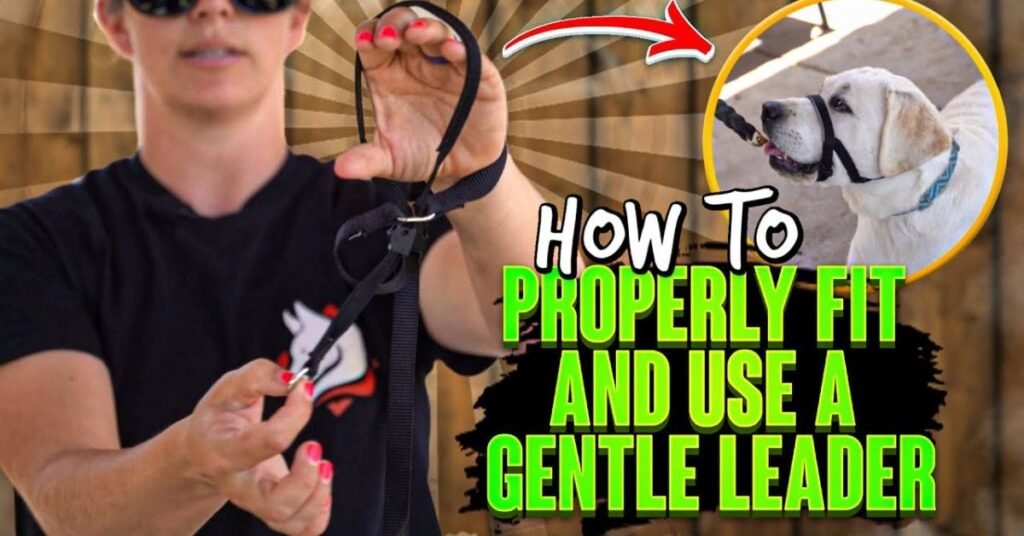
Putting on a gentle leader is simple with a little practice. First, keep your dog calm and relaxed. Hold the nose loop open and gently place it over your dog’s nose. Then, bring the strap behind the ears and fasten it securely.It should be snug, but not too tight. Your dog should be able to open its mouth comfortably.
Take your time and reward your dog during the process. Your dog will feel safe and happy as a result. Check the fit before going for a walk. The nose loop should sit high on the snout, not near the eyes. With regular use, your dog will get used to wearing it. Patience and consistency are very important.
Steps to follow:
- Keep your dog calm before starting
- Place the nose loop gently over the snout
- Secure the strap behind the ears
- Adjust for a snug and comfortable fit
- Reward your dog with treats or praise
- Check the fit before every walk
Common Mistakes to Avoid
Many dog owners make small mistakes when using a gentle leader. These mistakes can make the tool less effective. One common mistake is fitting it too tight or too loose. This can cause discomfort or reduce control. Another mistake is rushing the process. Dogs need time to get used to wearing it. Your dog can become confused if you skip training steps.
Using the gentle leader the wrong way can also lead to problems. Pulling the leash too hard can scare your dog. Leaving it on without supervision is not safe. Some owners also expect quick results without practice. Consistency and patience are essential. Proper use will give better and safer results over time.
Mistakes to avoid:
- Fitting the gentle leader too tight or too loose
- Not introducing it slowly to your dog
- Pulling the leash with force
- Leaving it on your dog unattended
- Skipping training and practice
- Expecting instant results without patience
Training Your Dog with a Gentle Leader
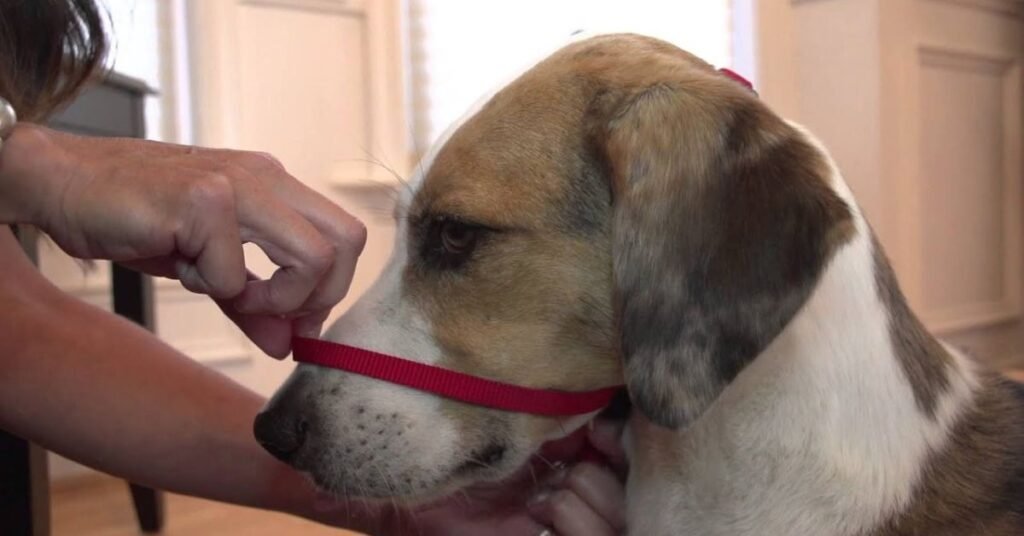
Training your dog with a gentle leader takes time and patience. It is not just about putting it on and going for a walk. Your dog needs to learn how to respond to it. Start with short sessions and keep things calm. Use a soft voice and guide your dog gently. This helps build trust and understanding.
Consistency is very important during training. Practice every day for better results. Reward your dog when it walks calmly beside you. This can be done with treats or praise. Avoid pulling or forcing your dog to move. Gentle guidance works best. Over time, your dog will learn to walk nicely and follow your lead.
Getting Your Dog Comfortable with the Harness
Helping your dog feel comfortable with the harness is very important. Start slowly and keep things calm. Let your dog see and sniff the gentle leader first. Do not force it on right away. This helps your dog feel safe and less scared. Use a friendly tone and stay relaxed during the process.
Put the harness on for short periods at first. Give treats and praise to create a positive feeling. Repeat this step daily so your dog gets used to it. If your dog feels uneasy, remove it and try again later. Patience is key during this stage. With time, your dog will accept the harness and feel more comfortable wearing it.
Teaching Your Dog to Walk Calmly
Teaching your dog to walk calmly takes practice and patience. Start in a quiet place with fewer distractions. Hold the leash gently and keep your movements slow. When your dog walks beside you, reward it with praise or treats. This helps your dog understand the right behavior. Keep sessions short so your dog does not feel tired or stressed.
If your dog starts to pull, stop walking right away. Wait until your dog relaxes before moving again. Do not pull back hard on the leash. Gentle guidance works better and keeps your dog calm. Practice daily to build a good habit. Over time, your dog will learn to walk nicely by your side.
Tips for calm walking:
- Start training in a quiet and safe area
- Reward your dog for walking beside you
- Stop walking when your dog pulls
- Use a calm voice and gentle guidance
- Keep training sessions short and positive
Expert Tips for Stress-Free Walks
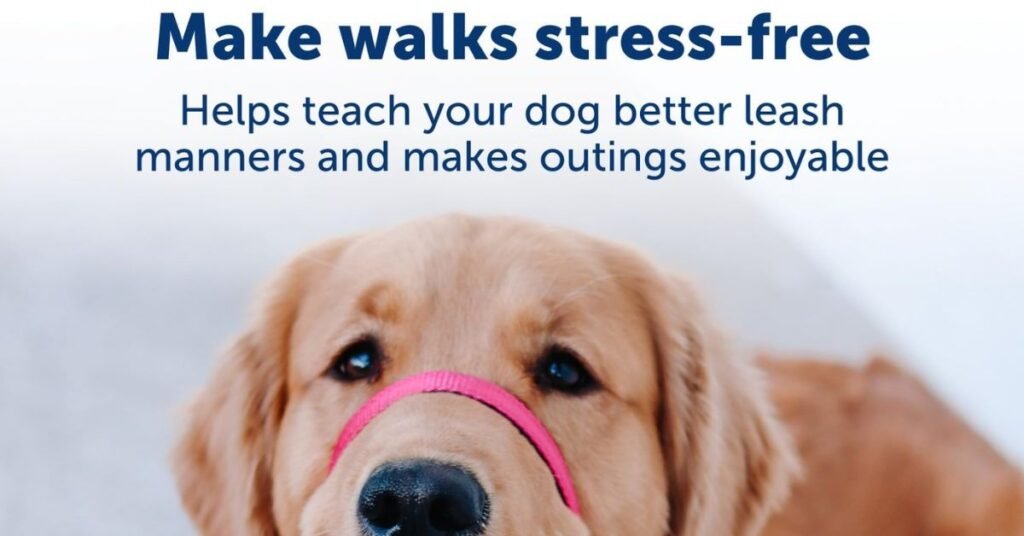
You should enjoy walking your dog and feel calm while doing so. Start with the right mindset and stay relaxed. Dogs can feel your energy, so keep your body and voice calm. Use the gentle leader properly and avoid sudden movements. Choose quiet areas in the beginning to reduce distractions. This helps your dog stay focused and behave better.
Consistency makes a big difference in daily walks. Every day, walk your dog at the same time. Reward good behavior often to build strong habits. Keep the leash loose and guide your dog gently. If your dog gets excited, pause and let it settle down. With time and practice, walks will become smooth and stress-free.
Expert tips to follow:
- Stay calm and use a soft voice
- Start in low-distraction areas
- Reward calm and good behavior
- Keep the leash loose, not tight
- Pause when your dog becomes excited
- Be consistent with daily walks
Using Positive Reinforcement with the Gentle Leader
Positive reinforcement is a simple and kind way to train your dog. It means you reward your dog when it behaves well. When your dog walks nicely while wearing the gentle leader, give a treat or gentle praise. This helps your dog connect good behavior with rewards. It also makes training more enjoyable for both of you.
It is very important to use this method at the right time.When your dog does the right thing, reward him right away. This helps your dog learn faster and understand clearly. Do not use harsh methods or punishment during training.Always remain calm and patient. With regular practice, your dog will feel more confident and respond better to the gentle leader.
Adjusting the Harness for Different Breeds
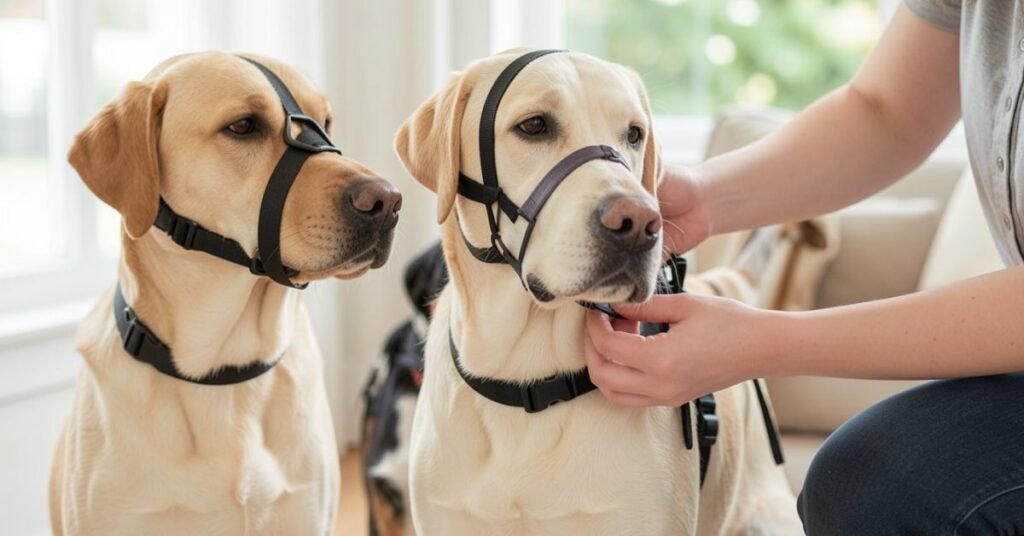
Dogs come in many shapes and sizes. This means the gentle leader must be adjusted carefully for each dog. A proper fit helps your dog stay comfortable and safe. The nose loop should not be too tight or too loose. The strap behind the ears should sit snugly without slipping. Always check the fit before going for a walk.
Different breeds may need different adjustments. Small dogs need a softer and lighter fit. Large dogs need a stronger and more secure hold. Dogs with short noses or long snouts also need special care. Take time to adjust the harness based on your dog’s needs. A good fit will make training easier and more effective.
Adjustment Guide for Different Breeds
| Dog Type | Adjustment Tips | Fit Focus | Common Mistakes to Avoid |
| Small Breeds | Use a gentle and light fit | Comfort and safety | Making straps too tight |
| Medium Breeds | Adjust for a balanced fit | Control and comfort | Leaving the nose loop too loose |
| Large Breeds | Secure straps firmly | Strong control | Loose fitting that slips off |
| Short-Nose Dogs | Keep nose loop very gentle | Avoid pressure on nose | Tight loop causing discomfort |
| Long-Nose Dogs | Place loop higher on snout | Proper positioning | Loop sitting too low |
| Active Dogs | Double-check all adjustments | Stability during movement | Not checking fit before walks |
| Sensitive Dogs | Introduce slowly with loose fit | Comfort and trust | Forcing the harness quickly |
| Puppies | Use adjustable and soft fitting | Growth and comfort | Using tight or fixed sizes |
When to Use a Gentle Leader and When Not To
A gentle leader is very useful in certain situations.Leash pulling dogs benefit from it. It is also good for training calm walking habits. Dogs that are strong or large benefit from the extra control. You can use it during daily walks, public outings, or training sessions. Always supervise your dog while using it to keep things safe.
However, a gentle leader is not always the right choice. Do not leave your dog alone wearing it. Avoid using it during rough play or unsupervised times. Some dogs may feel stressed if introduced too quickly. Proper fitting and slow introduction are very important. Using it incorrectly can cause discomfort or fear.
When to Use vs When Not to Use a Gentle Leader
| When to Use | When Not to Use |
| Dogs that pull on the leash | Leaving the dog alone while wearing it |
| Training calm walking behavior | Rough play or high-energy play sessions |
| Walks in public or crowded areas | Dogs not yet introduced to the harness |
| Large or strong dogs needing control | Using too tight or poorly fitted harness |
| Controlled training sessions | If the dog shows stress or fear with it |
| Puppies learning leash manners | During mealtime or sleep time |
| Dogs learning positive leash habits | Using it as a punishment tool |
Conclusion
A gentle leader is a helpful tool for dogs and owners. It makes walks calmer and safer. Dogs learn to walk beside you without pulling. The owners feel more confident and in control.
Proper use is very important. Always introduce it slowly and carefully. Fit it correctly and check your dog’s comfort. Reinforce good behavior with positive reinforcement.
Not every dog needs it, but it works well for many. Large, strong, or pull-prone dogs benefit the most. Puppies can also learn leash manners with gentle guidance. Patience and consistency are key for success.
With regular practice, walks become enjoyable for both you and your dog. The gentle leader is safe when used correctly. It helps build trust and a better connection with your dog. Over time, it can make daily walks stress-free and fun.
FAQs
1. What is a gentle leader and how does it help?
A gentle leader is a head collar made for dogs. It sits around the nose and behind the ears. It helps guide your dog’s head during walks. This makes it easier to control pulling in a gentle way.
2. Is a gentle leader comfortable for dogs?
Yes, most dogs can wear it comfortably with the right fit.Neither it should be too tight nor too loose. Dogs can still open their mouth, eat, and drink. A slow introduction helps your dog feel relaxed.
3. How can I train my dog to accept a gentle leader?
Let your dog sniff and explore it first. Put it on for short periods and give treats. Keep the experience positive and calm. With daily practice, your dog will get used to it.
4. Can I use a gentle leader every day?
Yes, you can use it during daily walks and training. It is designed for regular use when needed. Always check the fit before going outside. Remove it after the walk is finished.
5. Does a gentle leader work for all dog breeds?
It works for most breeds, but the fit may vary. Dogs with different face shapes need proper adjustment. Some dogs may take more time to accept it. With patience, it can be effective for many dogs.

DogsVibes Editorial Team creates trusted, research-based dog care content to help pet owners keep their dogs healthy, happy, and safe.