

Introduction
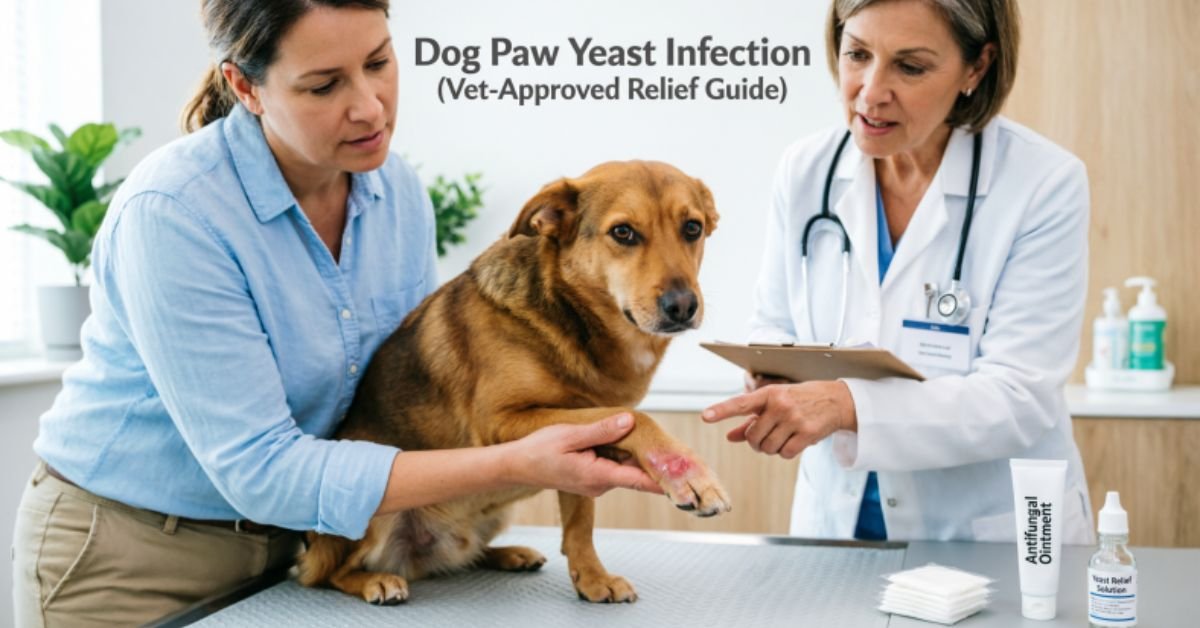
A dog paw yeast infection is a common skin problem. It happens when yeast grows too much on your dog’s paws. Yeast is normally present on the skin. But when the balance is disturbed, it multiplies quickly. This can cause itching, redness, swelling, and discomfort for your dog.
If your dog keeps licking or chewing its paws, do not ignore it. Many owners think it is just a small irritation. But constant licking can be a sign of a yeast infection. If left untreated, the problem can get worse and painful. Early action can save your dog from serious discomfort.
In this complete guide, you will learn the main symptoms, causes, and treatment options for dog paw yeast infection. You will also discover simple prevention tips to stop it from coming back. This information will help you keep your dog’s paws healthy and comfortable.
What Is a Dog Paw Yeast Infection?
A dog paw yeast infection is a skin condition that affects the paws. It happens when yeast grows too much on the skin. Yeast is a type of fungus that normally lives on your dog’s body. In small amounts, it does not cause harm. But when it multiplies, it leads to irritation and infection.
This problem often affects the skin between the toes and around the paw pads. The area may become red, swollen, and itchy. Your dog may lick or chew the paws often. A bad smell can also develop. Without proper treatment, the infection can become painful and harder to control.
How Yeast Overgrowth Develops on Dog Paws
Yeast naturally lives on your dog’s skin. It usually stays in balance with other healthy bacteria. Problems begin when this balance changes. Warm, moist areas like the paws create the perfect place for yeast to grow. When paws stay wet or dirty, yeast can multiply quickly.
Allergies and a weak immune system can also trigger overgrowth. When the skin becomes irritated, its protective barrier weakens. This makes it easier for yeast to spread. Constant licking adds more moisture and damage. Over time, this leads to redness, itching, and infection on the paws.
Symptoms of Dog Paw Yeast Infection
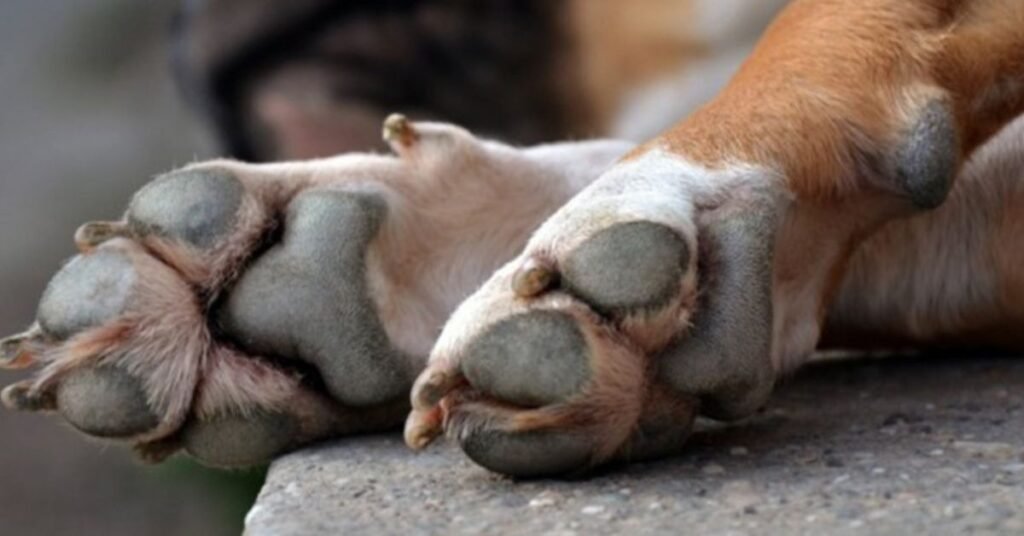
The symptoms of a dog paw yeast infection are usually easy to notice. Most dogs feel very itchy and uncomfortable. They may lick, chew, or bite their paws often. The skin can look red and swollen. Sometimes the paws feel warm to the touch. A strong, unpleasant smell may also come from the feet.
If the infection continues, the skin can become thicker and darker. Hair may fall out around the toes. In severe cases, your dog may limp because of pain. Watch for these common signs:
- Constant licking or chewing of paws
- Redness between the toes
- Swelling or inflamed skin
- Brown discharge or staining
- Foul or “corn chip” smell
- Thickened or darkened skin
Redness, Swelling, and Constant Licking
Redness is often the first sign of a dog paw yeast infection. The skin between the toes or around the paw pads may look pink or red. Swelling can also occur, making the paw look puffy or tender. Your dog may try to relieve the discomfort by licking or chewing the area constantly.
Constant licking keeps the paw moist and worsens the infection. It can also damage the skin further. Early care is important to stop the problem from spreading. Here is a simple table to help identify these symptoms:
| Symptom | What to Look For | Why It Happens | What to Do |
| Redness | Skin looks pink or red between toes | Yeast overgrowth causes irritation | Clean the paw and monitor daily |
| Swelling | Paw looks puffy or larger than normal | Inflammation from infection | Apply vet-approved treatments |
| Constant Licking | Dog licks or chews paws frequently | Discomfort from redness and swelling | Use distraction, clean, and treat |
| Warm Paw | Paw feels warmer than usual | Inflammation and increased blood flow | Check with a vet if persistent |
| Foul Smell | Strong, musty, or “corn chip” odor | Yeast produces odor as it multiplies | Wash paws and consider vet check |
| Thickened Skin | Skin becomes rough or dark | Long-term irritation from licking | Vet may prescribe antifungal care |
Hair Loss and Thickened Skin
Hair loss is a common sign of a dog paw yeast infection. The fur around the toes and paw pads may start falling out. This happens because constant licking and chewing irritate the skin. Over time, the affected area can look bald or patchy.
Thickened skin often develops with long-term infections. The paw pads or skin between the toes may become rough, dark, or hard. This happens due to continuous inflammation and damage. Regular checks and early treatment can help prevent hair loss and skin thickening.
What Causes Dog Paw Yeast Infections?
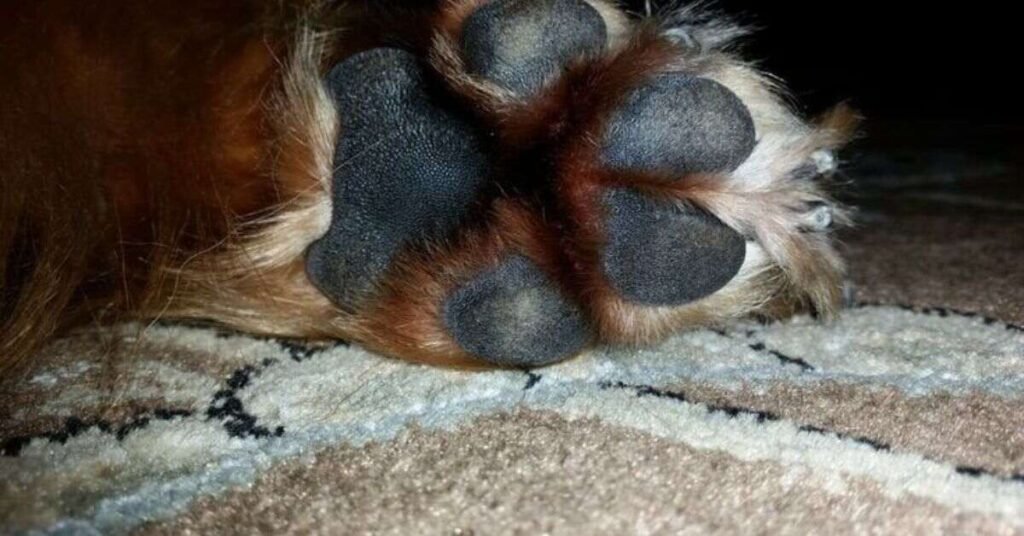
Dog paw yeast infections happen when yeast grows too much on the skin. Normally, yeast lives in balance with other bacteria. But some conditions can disturb this balance and trigger an infection. Warm, moist paws, allergies, and a weak immune system are common causes.Other factors can make your dog more prone to infections.
Some of the main causes include:
- Moisture and Wet Paws : Dogs that walk in water or get their paws wet often.
- Allergies : Food or environmental allergies can irritate the skin.
- Weakened Immune System : Older dogs or sick dogs are more at risk.
- Poor Hygiene : Dirty paws or untrimmed hair between toes can trap moisture.
- Tight Skin Folds : Some breeds have folds that trap yeast and bacteria.
Excess Moisture and Poor Paw Hygiene
Too much moisture can harm a dog’s paws. Wet paws stay soft and weak for a long time. This can lead to irritation and skin problems. Dogs that walk in rain, mud, or wet grass often face this issue. If the paws are not dried well, bacteria and fungi can grow easily. This may cause redness, itching, or a bad smell.
Poor paw hygiene can make the problem worse. Dirt and germs collect between the toes. If owners do not clean the paws regularly, infections may start. Dogs may lick or chew their paws because of discomfort. Keeping paws clean and dry helps prevent many paw problems. Simple daily care can protect your dog’s paw health.
| Paw Hygiene Issue | Common Cause | Signs to Watch | Possible Risk | Simple Prevention |
| Wet paws after walks | Walking in rain or wet grass | Damp fur between toes | Skin irritation | Dry paws with a clean towel |
| Mud stuck between toes | Playing in muddy areas | Dirt buildup and smell | Bacterial infection | Rinse paws with clean water |
| Constant paw licking | Irritation from moisture | Red or swollen skin | Skin sores or infection | Keep paws dry and clean |
| Long fur between paw pads | Lack of grooming | Moisture trapped in fur | Fungal growth | Trim excess paw hair |
| Dirty paws indoors | No cleaning after outdoor walks | Paw prints and dirt | Spread of germs | Wipe paws before entering home |
| Damp bedding | Wet paws on sleeping area | Moist sleeping spot | Skin problems | Use clean and dry bedding |
| Poor regular grooming | Lack of routine care | Rough or unhealthy paws | Higher infection risk | Check paws daily |
How Veterinarians Diagnose Dog Paw Yeast Infection
Veterinarians use several methods to diagnose a dog paw yeast infection. They start with a physical exam of the paws. The vet looks for redness, swelling, odor, and hair loss. Your dog’s history, like licking habits and previous infections, is also important.
To confirm the infection, vets often use tests. Common diagnostic steps include:
- Skin Cytology : Taking a small sample from the paw to look for yeast under a microscope.
- Swab Tests : Collecting a swab from the affected area to identify the type of yeast.
- Ruling Out Other Conditions : Checking for bacterial infections, mites, or allergies that may look similar.
Ruling Out Bacterial or Mite Infections
Sometimes, paw problems are not caused by yeast alone. Bacterial infections and mites can create similar signs like redness, swelling, and itching. Vets need to rule out these conditions to treat your dog correctly. Misdiagnosis can make the infection worse and slow healing.
Vets use tests and observations to differentiate yeast from other problems. A clear diagnosis ensures proper treatment. The table below shows the differences:
| Condition | Symptoms | How It’s Diagnosed | Treatment Approach |
| Yeast Infection | Red, itchy paws, brown discharge, foul odor | Skin cytology, swab tests | Topical/oral antifungals, paw care |
| Bacterial Infection | Red, swollen, pus or yellow discharge | Skin swabs, culture tests | Antibiotics, cleaning, topical care |
| Mite Infestation | Itchy paws, hair loss, scabs, small red bumps | Skin scraping under microscope | Anti-parasitic medications, cleaning |
| Allergic Reaction | Red, itchy paws, licking, sometimes rash | History, elimination diet, allergy testing | Allergy management, antihistamines |
| Combination Infections | Signs of yeast + bacteria or mites | Multiple tests and observation | Combination therapy as recommended |
Best Treatment Options for Dog Paw Yeast Infection
Treating a dog paw yeast infection requires a combination of care and medication. The goal is to reduce yeast growth, relieve itching, and heal the skin. Your vet may recommend topical creams, oral medications, or both. Treating the underlying cause, like allergies or moisture, is also important to prevent recurrence.Different treatment options work best in different situations.
The table below shows common treatments and how they help:
| Treatment Type | Description | How It Helps | Notes for Owners |
| Topical Antifungal Creams | Applied directly to the paws | Kills yeast on the skin | Use daily as directed by the vet |
| Medicated Shampoos & Sprays | Special cleansers for paws or affected areas | Reduces yeast and cleans the skin | Follow instructions carefully |
| Oral Antifungal Medications | Pills or liquid given by mouth | Treats severe or widespread infections | Requires vet prescription, monitor side effects |
| Paw Soaks | Soaking paws in medicated solution | Removes debris and reduces yeast growth | Short soaks recommended, daily use may vary |
| Dietary Changes | Special diet for skin and immune support | Helps prevent yeast overgrowth | Consult vet for safe diet options |
| Addressing Allergies | Identify and manage food or environmental allergens | Reduces irritation and paw licking | May include antihistamines or hypoallergenic diet |
| Proper Paw Hygiene | Clean and dry paws regularly | Prevents yeast from multiplying | Trim hair between toes, check daily |
| Follow-up Vet Visits | Regular check-ups | Monitors healing and prevents recurrence | Essential for long-term paw health |
Topical Antifungal Medications
Topical antifungal medications are applied directly to your dog’s paws. They help kill the yeast on the skin and reduce irritation. These creams, ointments, or sprays work best when used regularly as directed by your vet. They are often the first line of treatment for mild to moderate infections.
When using topical antifungals, keep these points in mind:
- Clean the paws before applying the medication.
- Dry the paws thoroughly to prevent yeast growth.
- Apply the cream or spray exactly as instructed.
- Avoid letting your dog lick the treated area until it dries.
- Continue treatment for the full course, even if symptoms improve.
Oral Antifungal Treatments
Oral antifungal treatments are medicines your dog takes by mouth. They are used for severe or persistent paw yeast infections. These medications work from the inside to stop yeast growth and clear the infection. Your vet will decide the right dosage and duration based on your dog’s condition.
When giving oral antifungals, keep these tips in mind:
- Follow the vet’s prescription exactly.
- Give the medicine at the same time each day.
- Watch for side effects like vomiting, diarrhea, or loss of appetite.
- Do not stop the medication early, even if the paw looks better.
- Schedule follow-up visits to monitor progress.
Treating the Underlying Cause
Treating the underlying cause is important to stop paw yeast infections from coming back. Yeast often grows because of allergies, moisture, or a weak immune system. If only the infection is treated, it may return. Identifying the root cause helps your dog stay healthy long-term.
Common steps to address the cause include:
- Manage Allergies – Avoid foods or substances that trigger reactions.
- Keep Paws Dry – Dry paws after walks, baths, or swimming.
- Improve Hygiene – Clean paws regularly and trim hair between toes.
- Support Immune Health – Feed a balanced diet and provide supplements if recommended.
- Control Environmental Factors – Limit exposure to damp areas or irritants.
Home Remedies for Dog Paw Yeast Infection
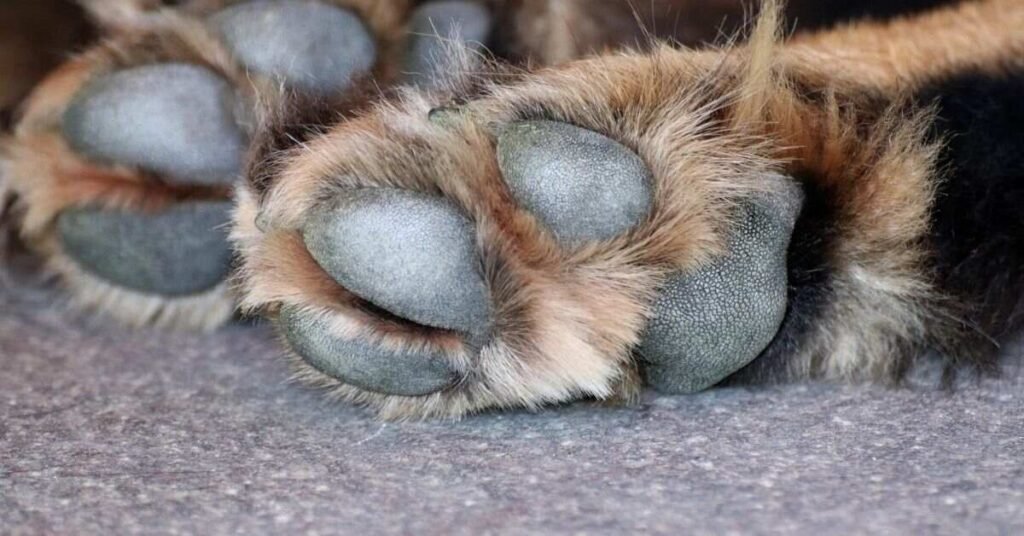
Home remedies can help your dog recover from a paw yeast infection. They work best along with treatments from your vet. These remedies focus on cleaning, soothing, and reducing yeast growth on the paws. Always talk to your vet before trying any home method.
Here are some safe and effective home remedies:
| Remedy | Purpose | How to Use Safely | Important Notes |
| Medicated Paw Soaks | Reduces yeast and cleans the skin | Soak paws 5–10 minutes in vet-approved solution | Use as directed by your vet |
| Epsom Salt Soak | Soothes irritation and swelling | Mix in warm water and soak for 5–10 minutes | Only for mild cases |
| Diet Adjustments | Supports skin and immune health | Feed a vet-recommended skin support diet | Helps prevent future yeast overgrowth |
| Diluted Apple Cider Vinegar | Helps reduce surface yeast | Mix with equal water and apply gently | Avoid open wounds; consult vet first |
| Coconut Oil | Moisturizes and protects the skin | Apply a thin layer to affected areas | Can prevent cracking and dryness |
| Regular Paw Cleaning | Removes dirt and excess moisture | Wash and dry paws after walks or swimming | Important for prevention |
| Keep Paws Dry | Stops yeast from multiplying | Use a towel or dog booties if wet | Avoid long periods of moisture |
Remedies to Avoid Without Vet Approval
Not all home remedies are safe for dog paw yeast infections. Some treatments can make the infection worse or harm your dog. Always check with your vet before trying anything new. Using the wrong remedy can cause burns, irritation, or more infection.
Here are some remedies to avoid unless approved by a veterinarian:
- Undiluted Apple Cider Vinegar – Can burn the skin and open sores.
- Human Antifungal Creams – May be too strong and cause reactions.
- Essential Oils – Many oils are toxic to dogs if applied directly.
- Hydrogen Peroxide – Can damage healthy skin and slow healing.
- Over-the-Counter Sprays for Humans – Not formulated for dogs and may irritate paws.
How to Prevent Dog Paw Yeast Infection in the Future
Preventing a dog paw yeast infection is easier than treating one. Keeping your dog’s paws clean and dry is the first step. Regular grooming and inspections help spot problems early. Healthy habits reduce the risk of yeast overgrowth.
Some simple prevention tips include:
- Clean Paws Daily – Wash off dirt, mud, or chemicals after walks.
- Dry Paws Thoroughly – Make sure paws are completely dry before your dog walks again.
- Trim Hair Between Toes – Helps air circulate and prevents moisture buildup.
- Manage Allergies – Avoid foods or substances that trigger reactions.
- Use Paw Protectors – Boots or socks in wet or hot conditions.
- Regular Vet Checkups – Early detection of skin problems keeps paws healthy.
Regular Paw Checks and Grooming
Regular paw checks are important to keep your dog healthy. Look between the toes and around the paw pads for redness, swelling, or sores. Check for hair loss, cracks, or unusual smells. Early detection helps prevent infections from getting worse.
Grooming also plays a big role in paw health. Trim hair between the toes to allow air circulation. Keep nails short to reduce pressure on the paw pads. Cleaning and drying the paws after walks or baths removes dirt and moisture. Consistent grooming and checks make your dog’s paws strong and healthy.
When Should You See a Veterinarian?
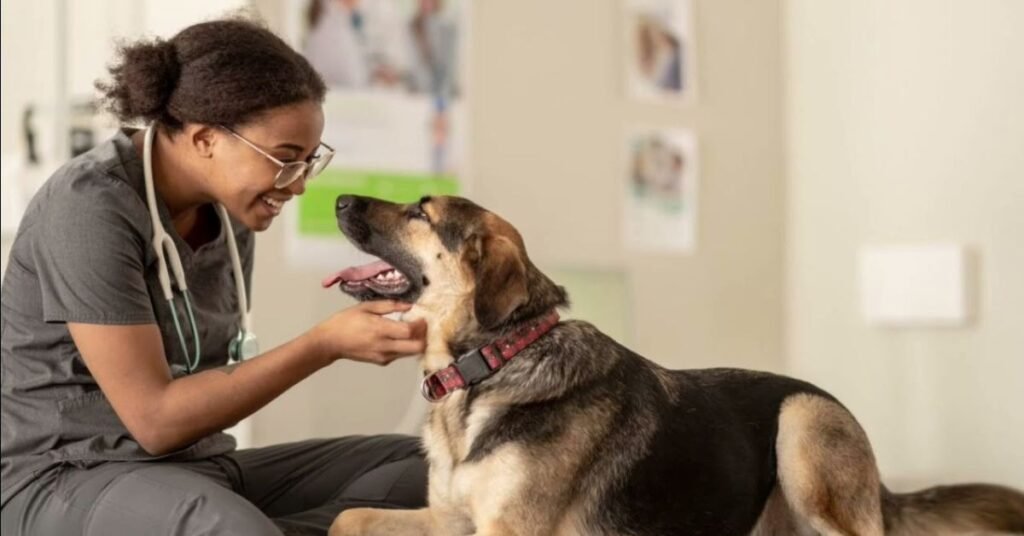
You should see a veterinarian if your dog’s paw infection does not improve. Persistent redness, swelling, or itching are warning signs. A strong, unpleasant smell or constant licking also means it’s time for a vet visit. Early treatment helps prevent the infection from getting worse.
Seek veterinary care if the infection keeps coming back. Dogs with severe pain, hair loss, or thickened skin need professional attention. Your vet can provide proper diagnosis and treatment. Following their advice ensures faster healing and prevents future problems.
Signs the Infection Is Getting Worse
It is important to notice if a paw yeast infection is getting worse. Your dog may show more discomfort or pain. The infection can spread to other areas of the paw. Watching for early warning signs helps prevent serious problems.
Common signs that the infection is worsening include:
- Increased redness and swelling
- Constant licking, chewing, or biting the paws
- Foul or stronger odor from the paw
- Thickened or darkened skin
- Open sores or bleeding
- Limping or difficulty walking
Conclusion
Dog paw yeast infections are common but treatable. They happen when yeast grows too much on the paws. Redness, itching, swelling, and a bad smell are common signs. Paying attention to these signs early makes a big difference.
Treatment usually includes cleaning the paws, using topical or oral antifungal medicines, and addressing the cause. Home remedies can help, but always check with your vet first. Consistent care and following the vet’s instructions help your dog recover faster.
Preventing future infections is just as important. Keep your dog’s paws clean and dry. Trim hair between the toes and manage allergies. Regular checks and grooming help catch problems early.
FAQs
1. What causes a dog paw yeast infection?
A dog paw yeast infection is caused by an overgrowth of yeast on the skin. Factors like moisture, allergies, poor hygiene, and a weak immune system can trigger it. Certain breeds with skin folds are more prone to infections.
2. How can I tell if my dog has a paw yeast infection?
Common signs include redness, swelling, constant licking or chewing, a foul “corn chip” smell, hair loss, and thickened skin. Early detection helps prevent the infection from getting worse.
3. Are there safe ways to manage a dog paw yeast infection at home?
Some home remedies like medicated paw soaks, keeping paws clean and dry, and diet changes can help. However, it’s best to combine them with vet-approved treatments to ensure full recovery.
4. How long does it take for a dog to recover?
Recovery depends on the infection’s severity and treatment type. Mild infections may improve in a few days with proper care, while severe cases may take several weeks and require oral medications.
5. How can I prevent my dog from getting paw yeast infections again?
Keep paws clean and dry, trim hair between the toes, manage allergies, and inspect paws regularly. Regular grooming and proper hygiene reduce the chances of future infections.

DogsVibes Editorial Team creates trusted, research-based dog care content to help pet owners keep their dogs healthy, happy, and safe.