

Introduction
Weight control dog food is specially formulated to help dogs manage or reduce excess weight safely. First, it contains fewer calories while still delivering essential nutrients. Additionally, many of these formulas are higher in protein and fiber, which help dogs feel full longer. As a result, this supports healthy weight loss while keeping energy levels and overall well-being intact.
However, is your dog gaining weight even with regular feeding? In fact, many dogs in the USA struggle with obesity. Consequently, extra weight can cause joint pain, low energy, and serious health issues. Fortunately, the right weight control dog food can make a significant difference.
Finally, in this guide, you’ll learn how weight control dog food works and what to consider before buying. Moreover, we’ll share key tips to help your dog lose weight safely and maintain a healthy, active lifestyle for the long term.
Why Is My Dog Overweight?
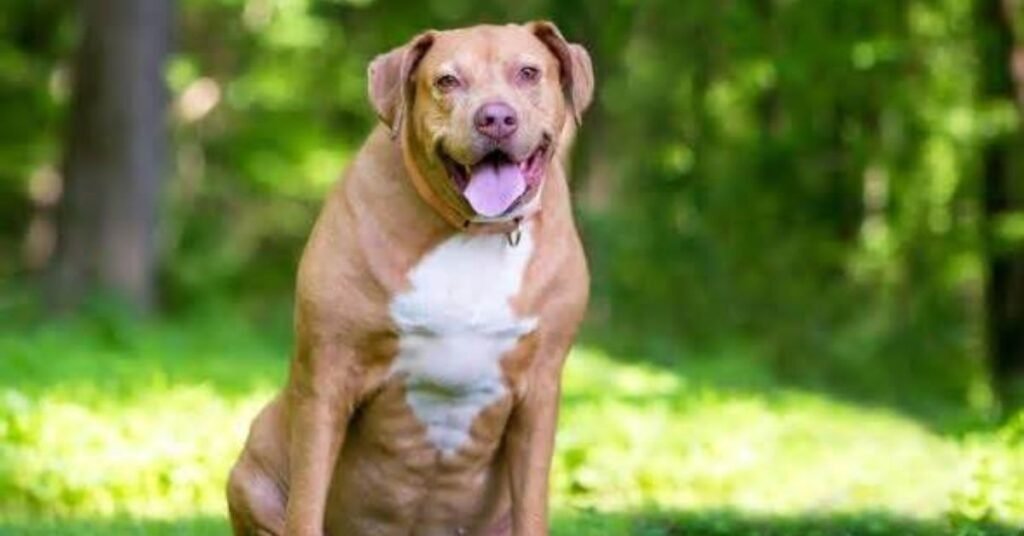
Many dogs become overweight because they eat more calories than they burn. First, extra treats, table scraps, and large portions can quickly add up. In fact, some owners do not realize how many calories their dog really needs. As a result, even good-quality food can cause weight gain if the portions are too big.
Additionally, lack of exercise is another common reason. Dogs that do not walk or play enough will store extra fat. Moreover, age, breed, and health problems can slow down metabolism. In some cases, medical conditions or certain medications can also lead to weight gain. Therefore, it is important to understand the real cause before starting a weight loss plan.
Common Causes of Excess Weight in Dogs
Excess weight in dogs usually happens slowly over time. Small habits can lead to big weight gain. Many owners do not notice the change at first. Dogs may look “healthy” but are actually carrying extra fat.
Some common causes include:
- Feeding large portion sizes
- Giving too many treats or table scraps
- Lack of daily exercise
- Free-feeding (food always available)
- Neutering or aging, which slows metabolism
- Certain medical conditions like thyroid problems
Health Risks and Consequences of Canine Obesity
Being overweight can affect a dog’s body in many serious ways. Extra fat puts pressure on the heart, joints, and lungs. Overweight dogs may get tired faster and avoid physical activity. Long-term obesity can shorten their life and lower their overall well-being.
Some health issues linked to obesity include:
- Pain and stiffness in joints
- Higher chance of diabetes
- Breathing and heart problems
- Liver stress or disease
- Greater risk during surgery or illness
How to Tell If Your Dog Is Overweight
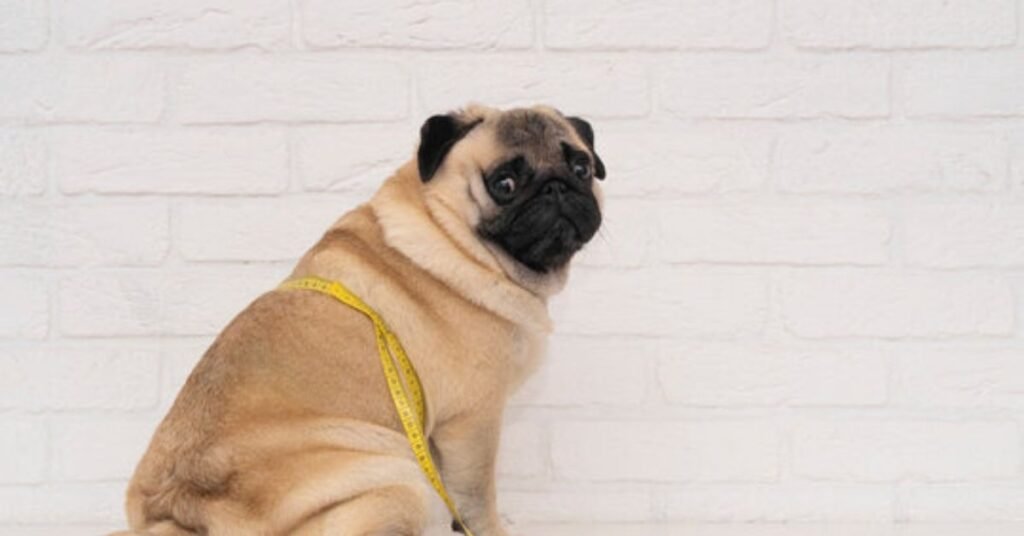
It can be hard to notice when a dog gains weight slowly. Regular checks can help you spot extra fat early. A quick look and touch can show if your dog is carrying too much weight. Healthy dogs have a visible waist and you can feel their ribs without pressing hard.
Here are simple ways to check your dog’s weight:
- Look for a visible waist from above
- Feel the ribs; they should be easy to touch but not too obvious
- Check for fat around the chest and abdomen
- Watch how your dog moves; difficulty running or climbing stairs can be a sign
- Notice energy levels; overweight dogs may tire quickly
Using a Body Condition Score (BCS)
A Body Condition Score (BCS) is a simple way to check your dog’s weight. It helps you see if your dog is underweight, healthy, or overweight. Vets often use a scale from 1 to 9. A score of 4–5 usually means a healthy weight. Scores above 5 show extra fat, and lower scores show underweight.
How to use BCS at home:
- Look at your dog from above; check for a visible waist
- Feel the ribs; you should feel them without pressing hard
- Check the abdomen; it should tuck up slightly
- Compare your dog’s overall shape to BCS charts online
- Track changes regularly to monitor weight loss or gain
Physical Signs Your Dog Needs Weight Management
Some dogs gain weight gradually, making it hard to notice at first. Therefore, watching your dog’s body and behavior closely can help you catch weight problems early. For example, overweight dogs often move less and tire quickly. In addition, extra fat around the chest, belly, and neck is a clear sign of excess weight.
Look for these signs that your dog may need weight management:
- No visible waist or belly tuck
- Difficulty running, jumping, or climbing stairs
- Fat deposits over the ribs, hips, or base of the tail
- Shortness of breath or heavy panting during light activity
- Low energy or less interest in play
How Nutrition Supports Healthy Weight Loss in Dogs
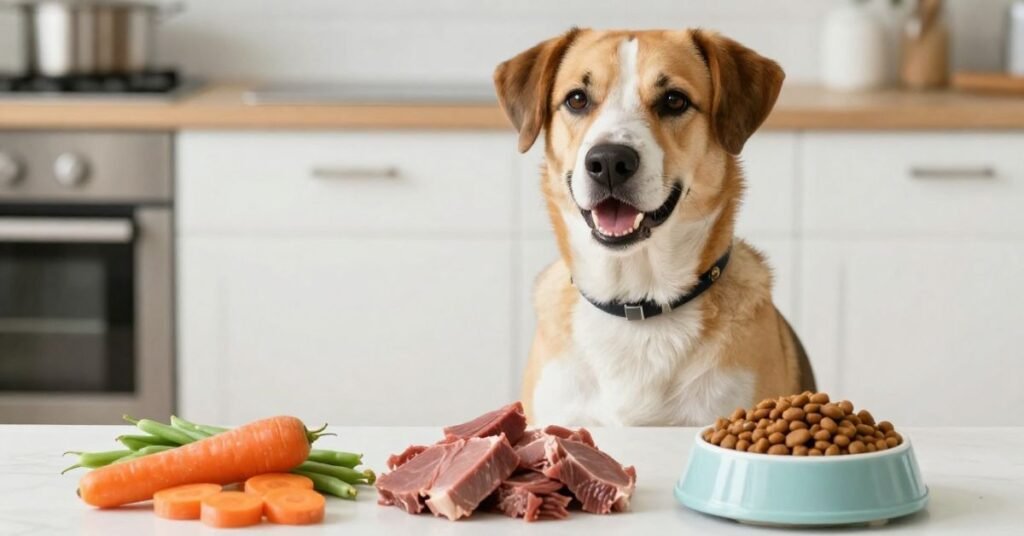
Nutrition plays a big role in helping dogs lose weight safely. The right dog food provides fewer calories but keeps your dog full and energized. High protein and fiber help maintain muscle and reduce hunger. Balanced nutrition ensures your dog loses fat, not important muscle.
Key ways nutrition supports weight loss:
- Fewer calories while keeping essential nutrients
- High protein to maintain lean muscle
- Added fiber to help your dog feel full
- Special ingredients to support digestion and metabolism
- Controlled fat levels to reduce extra weight
How Weight Control Dog Food Works
Weight control dog food helps dogs shed extra pounds in a safe way. It contains fewer calories than regular food but still gives complete nutrition. Ingredients are chosen to keep your dog feeling full and satisfied. It also supports strong muscles and keeps energy steady throughout the day.
How it helps your dog lose weight:
- Limits calories while providing all necessary nutrients
- Boosts protein to protect lean muscle
- Adds fiber to curb hunger and reduce snacking
- Includes healthy fats to fuel energy and support metabolism
- Supplies vitamins and minerals for overall wellness
Benefits of Weight Management Formulas
Weight management formulas are made to help dogs reach a healthy weight safely. They provide balanced nutrition while reducing extra calories. These formulas help dogs feel full, maintain muscle, and stay active. Feeding the right formula can improve your dog’s energy and overall health.
Key benefits include:
- Supports healthy weight loss without starving your dog
- Maintains lean muscle with high protein content
- Keeps your dog full with added fiber
- Helps prevent obesity-related health problems
- Provides essential vitamins and minerals for overall wellness
Key Ingredients to Look For
Choosing the right dog food for weight loss means checking the ingredients. Some ingredients help your dog feel full, burn fat, and stay healthy. High-quality protein, fiber, and healthy fats are very important. Vitamins and minerals support overall wellness while your dog loses weight.
Important ingredients to look for:
- High protein – helps maintain lean muscle
- Fiber – keeps your dog full and satisfied
- Healthy fats – provide energy and support metabolism
- Low calories – help reduce extra weight safely
- Vitamins and minerals – support overall health and immunity
What to Consider When Buying Weight Loss Dog Food
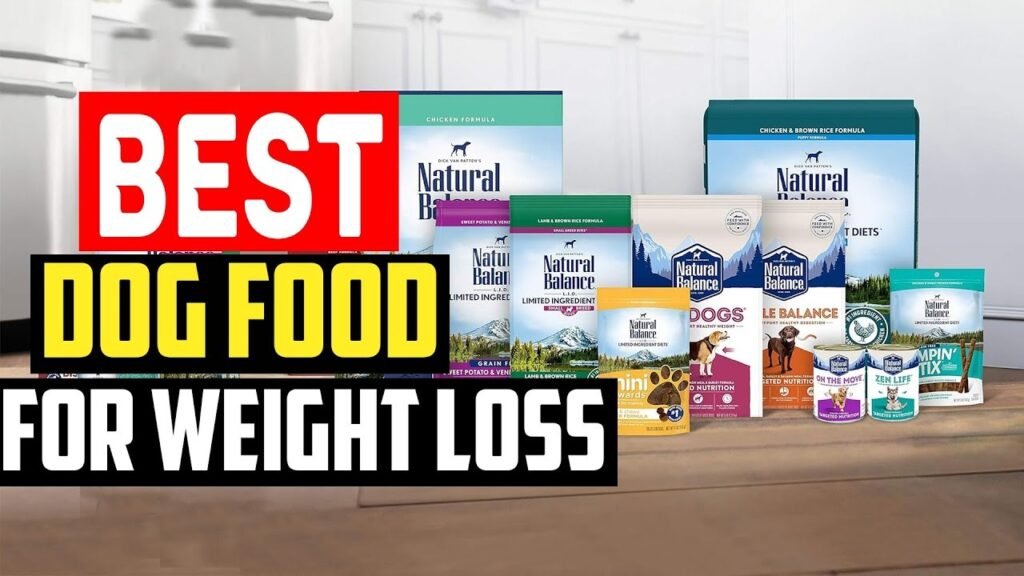
Choosing the right weight loss dog food is important for safe and effective results. First, not all diet foods are the same, and some may not suit your dog’s age, breed, or health needs. Therefore, you should carefully consider the ingredients and calorie content. In addition, think about whether the food is dry, wet, or veterinary-recommended. By doing so, you can select an option that supports healthy weight loss while meeting your dog’s specific needs.
Here are key points to consider:
- Calories and portion sizes – make sure it supports weight loss
- Protein content – helps maintain muscle during dieting
- Fiber – keeps your dog full and satisfied
- Age and breed – small, large, or senior dogs have different needs
- Veterinary recommendation – some dogs may need special formulas
Dry vs. Wet Weight Loss Dog Food
Dry and wet dog food can both help with weight loss. The main difference is the amount of moisture. Dry food has very little water. Wet food contains a lot of water. Because of this, wet food often has fewer calories per serving. This can help dogs feel full while eating fewer calories. Dry food is usually easier to store and serve. Many dog owners also find it more affordable.
Wet food can be more appealing for picky dogs. It has a stronger smell and softer texture. Some overweight dogs may eat it more willingly. However, wet food can cost more and spoil faster once opened. Dry food can also support dental health because it is crunchy. Many owners choose a mix of both foods for balance.
| Feature | Dry Weight Loss Dog Food | Wet Weight Loss Dog Food |
| Moisture Content | Very low moisture (about 10%) | High moisture (about 70–80%) |
| Calories per Volume | Usually higher calories per cup | Usually lower calories per serving |
| Feeling of Fullness | Dogs may need smaller portions | Water content helps dogs feel full |
| Texture | Hard and crunchy | Soft and moist |
| Taste and Smell | Mild smell and taste | Strong smell and flavor |
| Cost | Usually cheaper | Usually more expensive |
| Storage | Easy to store for long time | Needs refrigeration after opening |
| Shelf Life | Long shelf life | Short shelf life once opened |
| Dental Benefits | Crunch may help reduce plaque | Does not help much with teeth |
| Portion Control | Easy to measure with cups | May need careful portion control |
| Suitability for Picky Dogs | Some picky dogs may refuse it | Often preferred by picky eaters |
| Hydration Support | Provides little water | Helps increase daily water intake |
| Travel Convenience | Easy to carry and store | Less convenient for travel |
| Mixing with Other Foods | Can mix with wet food easily | Often mixed with dry food for balance |
Breed Size and Age Considerations
Different dogs have different weight loss needs based on their breed and age. Small breeds burn calories faster but can gain weight quickly. Large breeds are prone to joint problems if overweight. Puppies, adults, and senior dogs also need different nutrition levels for safe weight management.
Things to keep in mind:
- Small breeds : higher metabolism, smaller portions
- Large breeds : support joints, slower calorie loss
- Puppies : avoid restricting essential nutrients
- Adult dogs : focus on fat reduction and lean muscle maintenance
- Senior dogs : gentle calorie reduction, joint support, easy-to-digest food.
How to Start a Safe Dog Weight Loss Plan
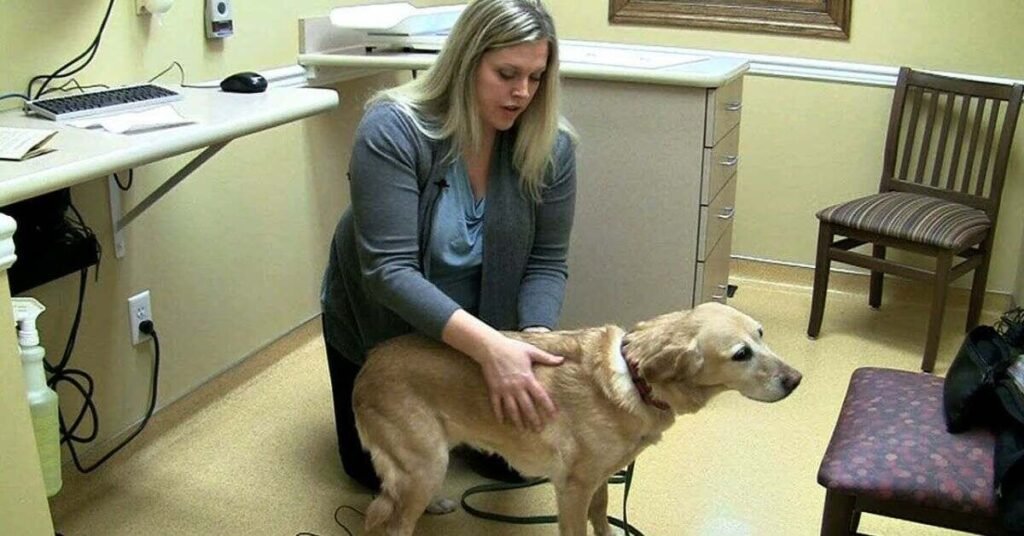
Starting a weight loss plan for your dog should be safe and gradual. First, take your dog to the vet. The vet can check your dog’s health and recommend a target weight. Avoid sudden changes in diet or exercise.
Slow weight loss is healthier and easier to maintain.
- Measure food carefully : use a scale or measuring cup.
- Switch to low-calorie or high-fiber food : recommended by your vet.
- Increase exercise gradually : walks, playtime, or swimming.
- Limit treats : choose healthy, low-calorie options.
- Track progress : weigh your dog every few weeks.
Before Starting the Diet
Before starting a weight loss diet for your dog, preparation is very important. Visit your vet first. They can check your dog’s health and suggest a safe target weight. Not all dogs should lose weight the same way. Some may have medical issues that need special care.
- Assess your dog’s current weight and body condition.
- Talk to your vet about diet options.
- Choose the right food : low-calorie, high-fiber, or vet-recommended.
- Plan exercise routines : start slowly and increase gradually.
- Set realistic goals : weight loss should be slow and steady.
Proper Feeding Portions and Calorie Control
Proper feeding portions are important for dogs that need to lose weight. Many dogs gain weight because they eat too many calories. Measuring food carefully can help control this problem. Always use a measuring cup or scale when feeding your dog. Guessing the amount can lead to overfeeding. Following the feeding guide on the dog food label can also help.
Calorie control is another key part of weight management. Dogs still need enough nutrients even when eating less food. Choose dog food made for weight control. Limit high-calorie treats and table scraps. Healthy snacks like small pieces of vegetables can be a better option. A balanced diet with controlled calories helps dogs lose weight safely.
| Feeding Factor | What It Means | Recommended Practice | Benefit for Weight Control |
| Portion Size | The amount of food given at each meal | Measure food with a cup or scale | Prevents overeating |
| Daily Calorie Intake | Total calories your dog eats each day | Follow vet or food label guidelines | Helps control weight gain |
| Meal Frequency | Number of meals per day | Feed 2–3 small meals daily | Helps manage hunger |
| Treat Quantity | Number of treats given per day | Limit treats to small portions | Reduces extra calories |
| Treat Calories | Calories from snacks and rewards | Choose low-calorie treats | Supports healthy diet |
| Feeding Schedule | Fixed feeding times each day | Feed at the same time daily | Improves digestion |
| Food Type | Type of dog food given | Use weight management dog food | Lower calorie intake |
| Table Scraps | Human food given to dogs | Avoid or limit table scraps | Prevents excess fat intake |
| Measuring Tools | Tools used to measure food | Use a standard measuring cup | Ensures accurate portions |
| Water Availability | Access to clean drinking water | Provide fresh water at all times | Supports digestion and health |
| Slow Feeding | Slowing down eating speed | Use slow feeder bowls if needed | Prevents overeating |
| Diet Monitoring | Watching how much the dog eats | Track meals in a simple log | Helps manage calorie intake |
Monitoring Progress and Adjustments
Monitoring your dog’s progress is very important during weight loss. First, check your dog’s weight regularly. You can weigh your dog every two to four weeks. In this way, even small changes can show if the plan is working. At the same time, look at your dog’s body shape as well. A healthy dog should have a visible waist and less belly fat.
However, adjustments are sometimes needed during the process. If your dog is not losing weight, you may need to reduce food portions. In addition, increasing daily activity can also help. That said, always make changes slowly to avoid health problems. Finally, keeping notes about food, exercise, and weight can help you track progress more easily.
| Monitoring Factor | What to Check | How Often | Why It Matters |
| Body Weight | Measure your dog’s total body weight | Every 2–4 weeks | Shows if weight loss is happening |
| Body Shape | Look for a visible waist and less belly fat | Weekly | Helps check body condition |
| Energy Level | Observe if the dog is active or tired | Daily | Healthy dogs should stay energetic |
| Appetite | Notice changes in eating habits | Daily | Sudden changes may signal problems |
| Food Portion Size | Measure the exact amount of food given | Every meal | Prevents overeating |
| Exercise Time | Track daily exercise duration | Daily | Ensures enough activity |
| Treat Intake | Count treats given during the day | Daily | Too many treats add extra calories |
| Waist Measurement | Measure around the dog’s waist | Monthly | Shows fat loss in the body |
| Vet Checkups | Professional health evaluation | Every few months | Confirms safe weight loss |
| Muscle Condition | Check if the dog maintains muscle strength | Monthly | Prevents unhealthy weight loss |
| Behavior Changes | Watch for unusual behavior | Weekly | May indicate stress or illness |
| Hydration Level | Make sure the dog drinks enough water | Daily | Supports overall health |
Tips for Long-Term Weight Management Success
Getting your dog to a healthy weight is the first step. Keeping the weight off long-term is very important.Healthy habits should continue even after your dog loses weight. Consistency in food, treats, and exercise helps prevent weight regain.
Here are some tips for long-term success:
- Stick to measured portions : don’t overfeed even after weight loss.
- Choose healthy treats : low-calorie options or fruits and veggies.
- Maintain regular exercise : daily walks or playtime.
- Schedule routine vet checkups : monitor weight and overall health.
- Track progress : weigh your dog monthly to catch small gains early.
Exercise and Activity Plan
Exercise is very important for dogs that need to lose weight. First, daily movement helps burn extra calories. In addition, it keeps muscles strong and joints healthy. To begin with, start with short walks if your dog is overweight. Then, slowly increase the time and distance. At the same time, gentle exercise is safer in the beginning. Always, watch your dog for signs of tiredness.
Moreover, different activities can keep your dog active and happy. For example, walking, playing, and light training are good choices. Not only that, regular activity also improves mood and behavior. Therefore, try to create a daily routine. Dogs enjoy exercise when it becomes a habit. Finally, always provide fresh water and allow rest breaks during activity.
| Activity | Description | Recommended Time | Benefits |
| Daily Walking | A slow to moderate walk around the neighborhood | 20–40 minutes | Burns calories and improves heart health |
| Short Play Sessions | Playing with toys like balls or ropes | 10–15 minutes | Increases movement and reduces boredom |
| Fetch Game | Throwing a ball or toy for the dog to retrieve | 10–20 minutes | Encourages running and active play |
| Light Jogging | Gentle jogging with the owner | 10–20 minutes | Builds stamina and burns more calories |
| Tug-of-War | Playing with a rope toy | 5–10 minutes | Strengthens muscles and bonding |
| Obedience Training | Practicing commands like sit, stay, and come | 5–15 minutes | Mental stimulation and light activity |
| Swimming | Swimming in a safe pool or lake | 10–30 minutes | Low-impact exercise for joints |
| Obstacle Play | Walking around small objects or cones | 10–15 minutes | Improves balance and coordination |
| Hiking | Walking on nature trails | 30–60 minutes | Strong exercise and mental stimulation |
| Indoor Activity | Games inside the house on bad weather days | 10–20 minutes | Keeps dogs active even indoors |
| Stair Walking | Slowly going up and down stairs | 5–10 minutes | Builds leg strength |
| Social Play | Playing with other friendly dogs | 15–30 minutes | Encourages natural movement and fun |
Maintaining a Healthy Weight After Dieting
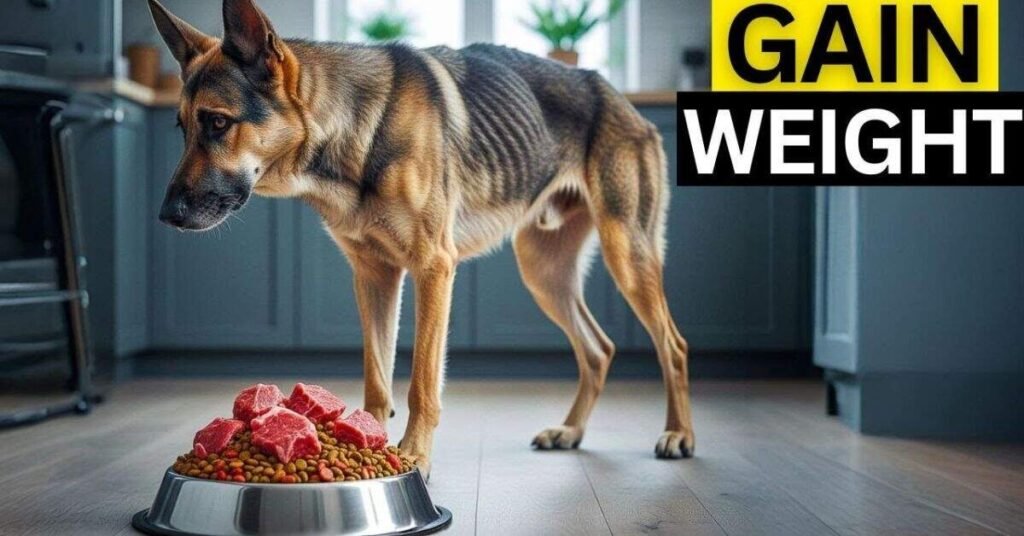
Keeping your dog at a healthy weight after dieting is very important. Once your Best Weight Control Dogs reach their target weight, continue good habits. Avoid going back to old feeding routines. Regular exercise and properly measured portions help Best Weight Control Dogs maintain their ideal weight and stay healthy. Consistency with these habits ensures your Best Weight Control Dogs remain happy, active, and fit for life.
Tips for maintaining a healthy weight:
- Continue measured meals : don’t overfeed.
- Keep up regular exercise : daily walks or playtime.
- Use healthy treats : fruits, veggies, or low-calorie options.
- Monitor weight regularly : weigh your dog every few weeks.
- Stay in touch with your vet : check overall health and progress.
Conclusion
Helping your dog lose weight is important for their health. Extra weight can lead to joint problems, heart issues, and diabetes. Therefore, following a safe plan that includes proper food, regular exercise, and vet guidance is the best approach.
Choosing the Best Weight Control Dogs food makes a big difference. For example, dry kibble or vet-recommended diets can help control calories while keeping your dog full. Measuring portions and avoiding extra treats is essential for steady progress.
Exercise is just as important as diet. Daily walks, playtime, and engaging activities help burn calories and build strong muscles. At first, start slowly, then gradually increase activity as your dog becomes fitter. Many owners of Best Weight Control Dogs find that combining diet and exercise produces the best results.
Finally, keeping the weight off is a long-term goal. Continue healthy habits, monitor your dog’s weight, and check in with your vet regularly. Overall, consistency and patience will help your dog stay happy, healthy, and active for life. Choosing the Best Weight Control Dogs products and routines ensures lasting health benefits for your furry friend.
FAQs
1. What is the best dog food for weight loss?
Vet-recommended foods with lower calories and higher fiber are ideal. In particular, dry kibble or specially formulated diets for Best Weight Control Dogs help your dog feel full while losing weight. Always consult your vet before choosing a food.
2. How much should I feed my dog for weight loss?
Portions depend on your dog’s size, age, and activity level. Measure food carefully and follow your vet’s advice. Avoid free-feeding or giving too many treats, even for Best Weight Control Dogs breeds.
3. How often should my dog exercise?
Daily exercise is important for weight loss and overall health. Short walks, play sessions, and engaging activities are best. Gradually increase time and intensity as your dog gets fitter. Exercise is essential for Best Weight Control Dogs to stay healthy.
4. Can treats be part of a weight loss plan?
Yes, but in moderation. Choose low-calorie or healthy treats like small veggies or fruits. Adjust main meals to account for treat calories, especially for Best Weight Control Dogs, to avoid weight gain.
5. How do I maintain my dog’s weight after dieting?
Maintaining weight requires consistency. Continue with measured meals, regular exercise, and vet checkups. Monitoring your dog’s weight is key to keeping your Best Weight Control Dogs happy and healthy for life.

DogsVibes Editorial Team creates trusted, research-based dog care content to help pet owners keep their dogs healthy, happy, and safe.