

Introduction
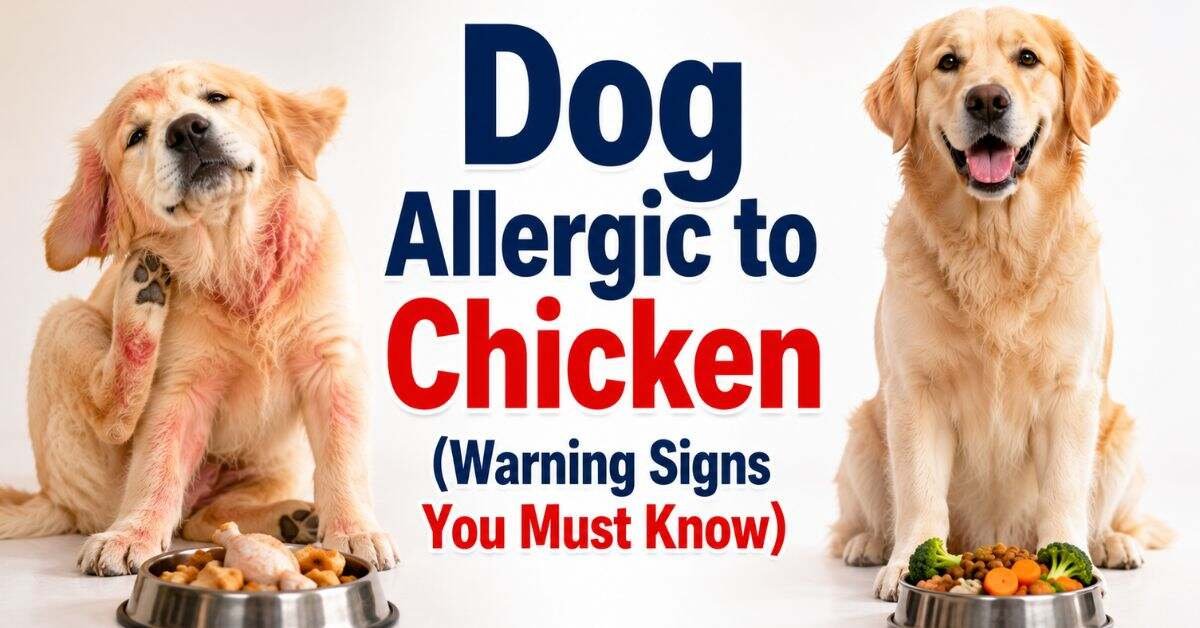
A dog allergic to chicken means the dog’s body reacts badly to chicken protein. It is one of the most common food allergies in dogs. Instead of digesting it normally, the immune system treats it like a threat. This can cause itching, stomach problems, or skin issues.
Many dog owners do not realize chicken can be the problem. Chicken is found in many dog foods, treats, and even flavored medicines. If your dog keeps scratching or has an upset stomach again and again, chicken could be the hidden cause.
The good news is that this problem can be managed. Once you identify the allergy, you can switch to safer food options. With the right diet and care, your dog can live a happy and healthy life.
Can Dogs Be Allergic to Chicken
Yes, dogs can be allergic to chicken. It is one of the most common food allergies in dogs. This happens when a dog’s immune system reacts badly to chicken protein. Instead of treating it as normal food, the body sees it as harmful. This reaction can lead to different health problems over time.
Some dogs show clear signs, while others develop symptoms slowly. It can affect their skin, stomach, or overall behavior. Many pet owners do not notice it at first. That is why it is important to understand the early warning signs.
Common signs of chicken allergy in dogs include:
- Itchy skin or constant scratching
- Ear infections or redness
- Vomiting or diarrhea
- Paw licking or chewing
- Low energy or discomfort
How Common Is Chicken Allergy in Dogs?
Chicken allergy is quite common in dogs. In fact, chicken is one of the top food allergens for dogs worldwide. Many commercial dog foods contain chicken, so dogs are often exposed to it. Over time, this repeated exposure can trigger an allergic reaction in some dogs.
Not every dog will develop this allergy, but it is seen more often than many other food allergies. Some dogs may react early in life, while others develop it later. The risk can also be higher in dogs with sensitive stomachs or a history of allergies.
Chicken Allergy vs Food Intolerance in Dogs
A chicken allergy and a food intolerance are not the same. A chicken allergy involves the immune system. The body reacts to chicken protein as if it is harmful. This can cause skin problems, itching, and ear infections. Even a small amount of chicken can trigger symptoms.
Food intolerance is different and usually affects digestion. It does not affect the immune system. Dogs with intolerance may have gas, diarrhea, or vomiting after eating chicken. The symptoms are often milder but still uncomfortable. Knowing the difference helps in choosing the right treatment.
| Feature | Chicken Allergy | Food Intolerance |
| Cause | Immune system reaction to chicken protein | Difficulty digesting chicken |
| Body System Affected | Immune system, skin, ears | Digestive system |
| Common Symptoms | Itching, skin rash, ear infections, paw licking | Diarrhea, vomiting, gas, bloating |
| Reaction Time | Can be immediate or delayed | Usually occurs after eating |
| Severity | Can be severe and long-lasting | Usually mild to moderate |
| Trigger Amount | Even small amounts can cause a reaction | Depends on how much is eaten |
| Diagnosis | Elimination diet, vet testing | Diet trial and observation |
| Treatment | Remove chicken completely, special diet | Limit or avoid chicken |
| Long-Term Impact | Requires strict diet control | Manageable with diet changes |
| Risk Level | Higher if untreated | Lower but still uncomfortable |
Signs and Symptoms of Chicken Allergy in Dogs
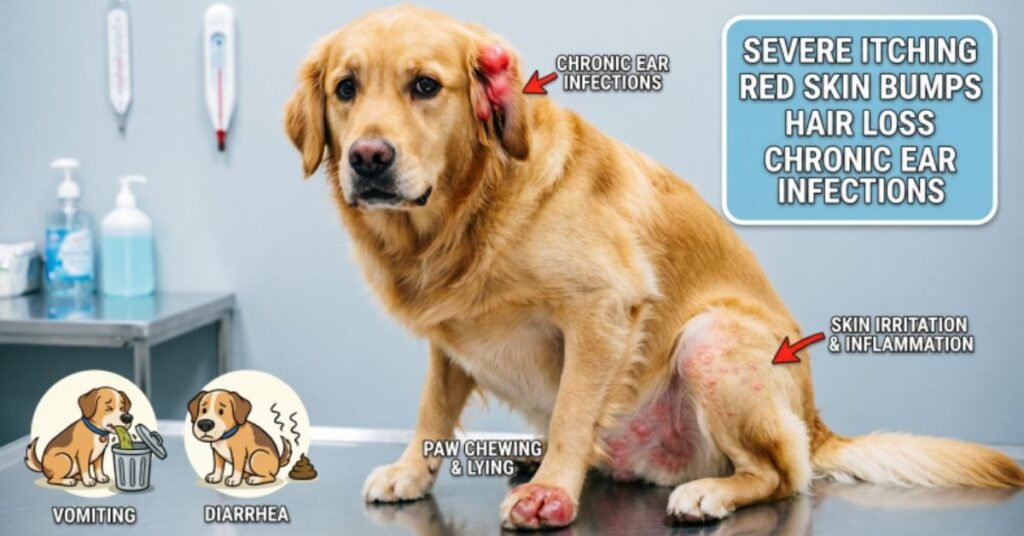
Dogs with a chicken allergy often show clear signs. The most common symptoms affect the skin and ears. You may notice your dog scratching a lot or licking their paws. Redness, rashes, and ear infections are also common. These signs can make your dog feel very uncomfortable.
Some dogs also have stomach problems. They may vomit or have diarrhea after eating chicken. In some cases, their behavior may change. They might seem tired, restless, or irritated. Watching these symptoms closely can help you spot the problem early.
Common symptoms include:
- Constant itching or scratching
- Red or inflamed skin
- Ear infections or bad odor from ears
- Paw licking or chewing
- Vomiting or diarrhea
- Gas or bloating
- Low energy or discomfort
Skin, Ear, and Coat Problems
Chicken allergy in dogs often shows up on the skin first. You may see constant itching, redness, or small rashes. Dogs may scratch their body a lot, especially around the face, belly, and paws. This can make the skin sore and sometimes lead to hair loss.
Ear problems are also very common. Dogs may shake their head or scratch their ears often. The ears can become red, warm, or produce a bad smell. The coat may also look dull and unhealthy over time. Continuous irritation can make the fur thin in some areas.
| Problem Area | Common Signs | What You May Notice at Home |
| Skin | Redness, rashes, itching | Dog scratching body often, skin irritation |
| Face | Swelling, scratching | Pawing at face or rubbing on furniture |
| Paws | Licking, chewing | Constant paw licking or biting |
| Ears | Infection, redness, odor | Head shaking, ear scratching, bad smell |
| Coat/Fur | Dull, thin fur, hair loss | Patchy coat, rough or unhealthy look |
| Overall Skin Condition | Dry or inflamed skin | Scabs or hot spots from scratching |
Digestive and Behavioral Symptoms
Chicken allergy in dogs can also affect the stomach. Many dogs may vomit or have loose stool after eating chicken. Some may suffer from gas, bloating, or frequent stomach upset. These signs often appear after meals and can keep coming back if the allergy is not treated.
Behavioral changes are also common. Dogs may feel uncomfortable and act differently than usual. They can become restless, tired, or less active. Some dogs may also lose interest in food or seem irritated because of constant discomfort.
| Category | Common Symptoms | What You May Notice |
| Vomiting | Food coming back up after eating | Dog vomiting shortly after meals |
| Diarrhea | Loose or watery stool | Frequent bathroom trips or accidents |
| Gas & Bloating | Stomach discomfort | Swollen belly or frequent farting |
| Appetite Changes | Loss of interest in food | Dog refusing meals or eating less |
| Energy Level | Low energy, tiredness | Less playfulness or more sleeping |
| Behavior | Irritation, restlessness | Dog seems uneasy or anxious |
| Discomfort Signs | Whining or unusual behavior | Dog acting “not normal” after eating |
What Causes Chicken Allergies in Dogs?
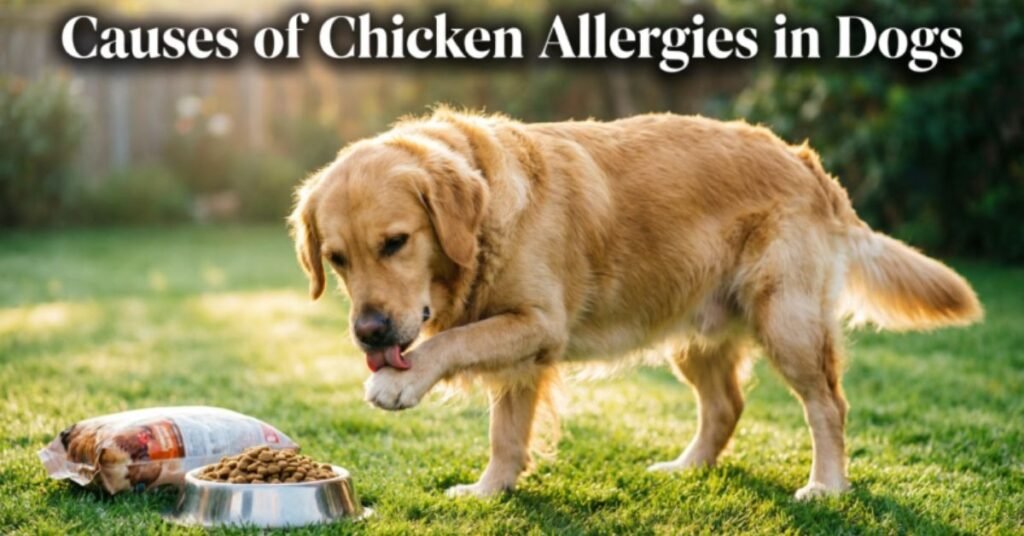
Chicken allergies in dogs are caused by an overreaction of the immune system. The body mistakenly identifies chicken protein as a threat. When this happens, the immune system tries to fight it. This leads to allergic symptoms like itching, skin problems, or stomach issues.
There are several reasons why this can develop. Repeated exposure to chicken in dog food is a common cause. Genetics may also play a role, especially in sensitive breeds. Sometimes, allergies develop later in life, even if the dog has eaten chicken for years without any problem.
Immune System Response Explained
When a dog has a chicken allergy, the immune system reacts in the wrong way. It treats chicken protein as if it is harmful. Even though chicken is safe food, the body sees it as a danger. This triggers an allergic response.
The immune system then releases chemicals to “fight” the chicken protein. These chemicals cause symptoms like itching, redness, and swelling. Some dogs may also have stomach issues. The reaction can happen every time the dog eats chicken, even in small amounts.
Breeds More Prone to Food Allergies
Some dog breeds have a higher chance of developing food allergies because of their genetics. Their immune systems can be more sensitive than others. This makes them more likely to react to common proteins like chicken over time. Symptoms may appear earlier and become more noticeable in these dogs.
However, food allergies are not limited to specific breeds. Any dog, regardless of size or type, can develop an allergy. Still, studies and vet reports show that certain breeds are seen more often with food-related reactions.
Breeds more commonly linked with food allergies:
- Labrador Retriever
- Golden Retriever
- German Shepherd
- French Bulldog
- Boxer
- Cocker Spaniel
- West Highland White Terrier
- Shih Tzu
How Vets Diagnose Chicken Allergy in Dogs
Vets diagnose chicken allergy in dogs by first checking the dog’s symptoms and daily diet. They look at skin problems, ear infections, and stomach issues. They also ask when the signs started and if the dog eats chicken regularly. This helps the vet understand if food could be the main trigger.
After the first check, vets usually recommend a food trial called an elimination diet. The dog is given a special diet without chicken for several weeks. If the symptoms improve, it strongly suggests a chicken allergy. In some cases, the vet may also suggest further tests to confirm the condition.
Common steps vets follow:
- Review of diet history and symptoms
- Physical examination of skin, ears, and stomach
- Elimination diet (no chicken food trial)
- Monitoring symptom improvement
- Reintroducing chicken to confirm reaction (if needed)
Elimination Diet Method Step-by-Step
The elimination diet is the most reliable way to confirm a chicken allergy in dogs. It works by removing chicken completely from the dog’s food. The dog is then given a special diet with new or limited ingredients. This helps the vet see if symptoms improve when chicken is removed.
The process must be followed carefully and for several weeks. Even small amounts of chicken can affect the results. Pet owners need to be strict and consistent during this time. The vet will closely monitor the dog’s progress.
Step-by-step elimination diet process:
- Stop all chicken-based foods and treats
- Switch to a limited-ingredient or hydrolyzed diet
- Feed only the approved diet for 6–8 weeks
- Avoid table scraps or hidden chicken ingredients
- Monitor skin, digestion, and behavior changes
- Reintroduce chicken only if the vet advises it
- Observe if symptoms return for confirmation
Tests and When to Visit a Veterinarian
Vets do not rely on a single test to confirm a chicken allergy. Instead, they combine medical checks, diet history, and symptom tracking. Blood or skin tests may be used, but they are not always fully accurate for food allergies. That is why vets focus more on how the dog responds to diet changes.
It is important to see a vet early if symptoms do not go away. Signs like constant scratching, stomach upset, or ear infections should be checked quickly. Waiting too long can make the condition worse and harder to manage. A vet visit helps identify the problem and start the right treatment plan.
When to visit a vet:
- Symptoms last more than a few days
- Itching or skin irritation keeps getting worse
- Frequent vomiting or diarrhea
- Repeated ear infections or head shaking
- Loss of appetite or low energy
- No improvement after changing food
Best Treatment Options for Chicken Allergy in Dogs
The best treatment for chicken allergy in dogs starts with removing chicken from the diet completely. This is the most important step. Once chicken is avoided, many dogs start to improve within a few weeks. Vets usually recommend special dog food that does not contain chicken or chicken-based ingredients.
In some cases, dogs may also need extra care to control symptoms. This can include medicines for itching, skin infections, or stomach upset. Long-term management focuses on keeping the dog on a safe diet and avoiding any hidden chicken ingredients.
Common treatment options include:
- Switching to chicken-free dog food
- Using hypoallergenic or limited-ingredient diets
- Medications for itching or inflammation
- Antibiotics for secondary skin infections (if needed)
- Probiotics for better digestion
- Strict avoidance of chicken treats or table scraps
Short-Term Relief for Allergic Reactions
Short-term relief focuses on reducing your dog’s discomfort quickly. When a dog has a strong allergic reaction, vets may give medicines to calm itching and swelling. These treatments do not cure the allergy but help the dog feel better fast. Removing chicken from the diet at the same time is very important.
Some simple care steps can also help at home. Cool baths and gentle skin treatments can reduce itching. Keeping the dog clean and comfortable can prevent the symptoms from getting worse. Always follow your vet’s advice for safe and effective relief.
Common short-term relief options include:
- Anti-itch medications prescribed by a vet
- Anti-inflammatory drugs to reduce swelling
- Medicated shampoos or soothing baths
- Antibiotics if skin infections are present
- Omega-3 supplements for skin support
- Keeping the dog away from allergens immediately
Long-Term Allergy Management Plan
Long-term management of chicken allergy in dogs focuses on preventing future reactions. The most important step is keeping chicken completely out of the dog’s diet. This includes checking food labels carefully and avoiding treats that may contain hidden chicken ingredients. A stable, chicken-free diet helps keep symptoms under control for life.
Ongoing care is also important to maintain your dog’s health. Regular vet check-ups help monitor progress and adjust the diet if needed. Some dogs may also benefit from supplements that support skin and immune health. With proper management, most dogs can live a normal and comfortable life.
Long-term care plan includes:
- Strict chicken-free diet every day
- Careful reading of all pet food labels
- Avoiding table scraps and unknown treats
- Regular vet check-ups
- Skin and ear health monitoring
- Use of vet-recommended supplements if needed
What to Feed a Dog Allergic to Chicken
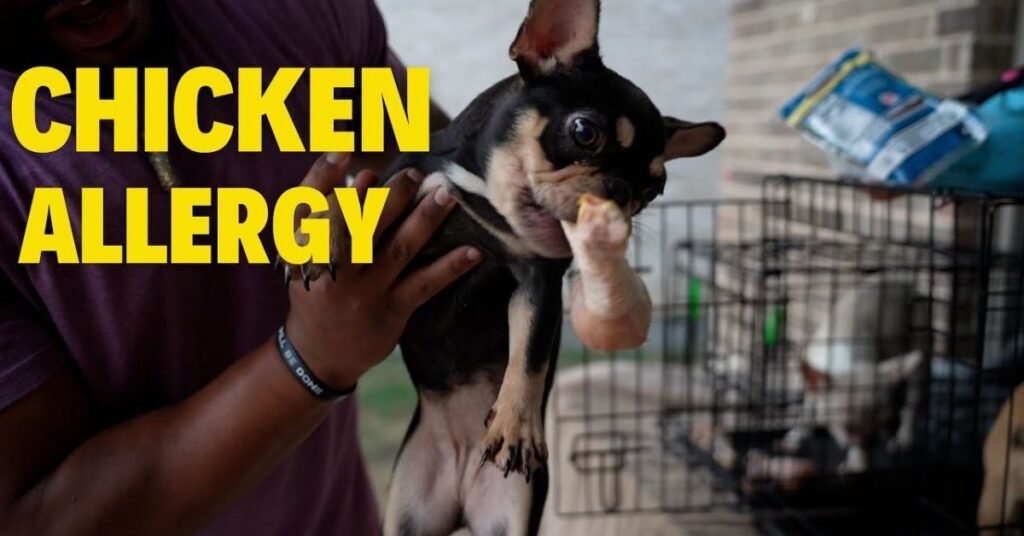
If your dog is allergic to chicken, you must remove all chicken-based foods from their diet. The best option is to feed a clean and simple diet with new protein sources. This helps reduce allergic reactions and improves overall health. Always choose food that clearly says “chicken-free” on the label.
Many dogs do well on alternative proteins or special hypoallergenic diets. These foods are made to avoid common allergens and support sensitive stomachs. It is also important to avoid treats that may contain hidden chicken ingredients.
Safe food options for dogs with chicken allergy:
- Lamb-based dog food
- Fish or salmon protein diets
- Beef-based dog food (if tolerated)
- Duck or venison formulas
- Hydrolyzed protein veterinary diets
- Limited-ingredient dog food
Best Chicken-Free Protein Alternatives
Dogs with a chicken allergy need safe protein sources that do not trigger reactions. These alternatives provide the same nutrition without causing itching, skin problems, or stomach upset. Switching to a new protein can take time, so it should be done slowly and carefully.
Many dogs do well on different animal or fish proteins. These options are easier to digest for sensitive dogs and help maintain good energy and muscle health. Always choose high-quality dog food with simple and clear ingredients.
Best chicken-free protein alternatives include:
- Lamb protein
- Salmon or fish-based protein
- Beef protein (if tolerated)
- Duck meat
- Turkey (in some cases, if safe for your dog)
- Venison (deer meat)
- Hydrolyzed protein formulas
Choosing Hypoallergenic Dog Food
Hypoallergenic dog food is designed for dogs with sensitive immune systems and food allergies. It uses carefully selected ingredients that are less likely to trigger a reaction. These diets avoid common allergens like chicken and focus on simple, clean nutrition. The goal is to reduce irritation and support long-term health.
When selecting the right food, quality and clarity matter most. Always choose formulas with a clearly named protein source and no hidden chicken ingredients. Vet-recommended brands are often the safest choice for allergic dogs.
Key points to choose the best hypoallergenic dog food:
- Clearly labeled single protein source (like lamb or fish)
- No chicken, chicken fat, or chicken flavoring
- Limited and easy-to-understand ingredients
- Added omega-3 for skin and coat health
- Free from artificial colors and preservatives
- Formulated for sensitive digestion
- Recommended or approved by veterinarians
Foods to Avoid If Your Dog Has a Chicken Allergy
If your dog has a chicken allergy, you must avoid all foods that contain chicken in any form. This includes obvious sources like chicken meat, but also hidden ingredients in many dog foods and treats. Even small amounts of chicken can trigger symptoms like itching, vomiting, or ear infections. Careful reading of labels is very important.
Many commercial dog foods and snacks may contain chicken-based ingredients without being clearly visible. Some products use chicken fat, chicken broth, or chicken flavoring. These can still cause allergic reactions in sensitive dogs. Always choose clearly labeled chicken-free products.
Foods and ingredients to avoid:
- Chicken meat (fresh, cooked, or raw)
- Chicken by-products or meal
- Chicken fat or chicken oil
- Chicken broth or stock
- Chicken flavoring or extracts
- Dog treats containing poultry ingredients
- Mixed protein foods with hidden chicken
Hidden Chicken Ingredients to Watch For
Chicken can appear in dog food under many hidden names. These ingredients are not always easy to notice on labels. Even if “chicken” is not clearly written, the product may still contain chicken-based components. This is why reading every ingredient carefully is very important for allergic dogs.
Some foods use chicken derivatives to improve taste or texture. These hidden forms can still trigger allergic reactions, even in small amounts. Always check the full ingredient list before buying any food or treats for your dog.
Common hidden chicken ingredients include:
- Chicken meal or poultry meal
- Chicken fat or poultry fat
- Chicken broth or stock
- Hydrolyzed chicken protein
- Poultry flavoring or natural flavors
- Animal digest (may contain chicken sources)
- Meat by-products (unspecified poultry content)
Can Dogs Eat Eggs or Chicken Fat?
Dogs with a chicken allergy may still react to eggs or chicken fat, but it depends on the individual dog. Eggs come from chickens, so some allergic dogs may also react to them. However, chicken fat is usually more refined and may not always contain the protein that causes allergies. Still, it can be risky for sensitive dogs.
Vets often recommend avoiding both eggs and chicken fat at the start of an elimination diet. Later, they may be reintroduced carefully if needed. Every dog reacts differently, so close monitoring is important.
| Item | Safe for Chicken Allergy? | Risk Level | Notes |
| Whole chicken meat | No | High | Main trigger for most allergic dogs |
| Chicken eggs | Sometimes No | Medium to High | May trigger reaction in sensitive dogs |
| Chicken fat | Sometimes Yes | Low to Medium | Less protein, but still risky in some dogs |
| Egg-based treats | No | High | Often contain egg proteins |
| Hydrolyzed chicken fat | Sometimes | Low | Depends on processing and dog sensitivity |
| Mixed protein foods | No | High | May contain hidden egg or chicken sources |
| Vet-supervised reintroduction | Maybe | Controlled | Only under strict vet guidance |
How to Prevent Chicken Allergies in Dogs
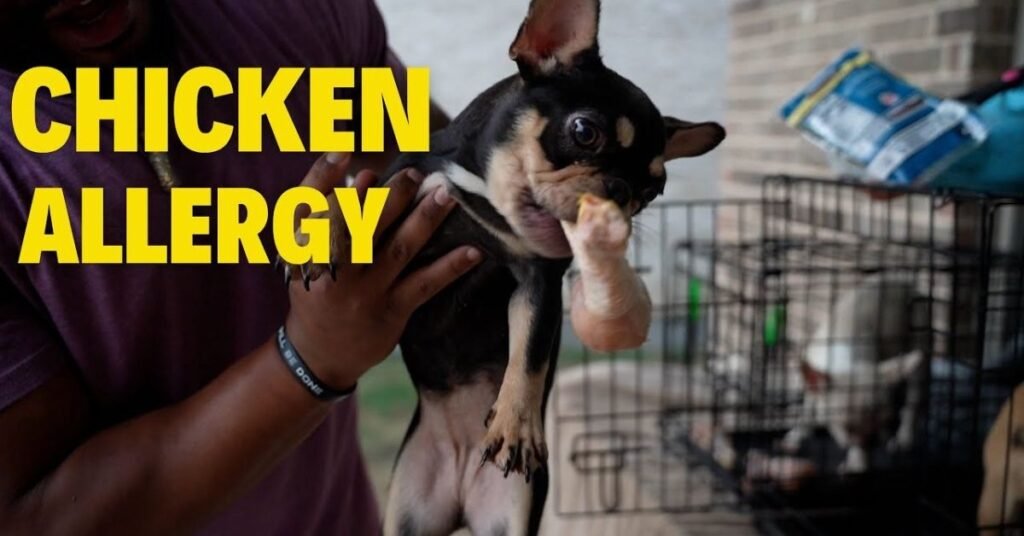
Chicken allergies in dogs cannot always be fully prevented, but the risk can be reduced. The best way is to offer a balanced and simple diet from an early age. Avoid feeding too many different proteins at once. This helps the immune system stay stable and less reactive over time.
It is also important to choose high-quality dog food with clear ingredients. Always check labels and avoid low-quality fillers or hidden chicken products. Regular vet check-ups can also help detect early signs of food sensitivity. Early care and proper diet choices can lower the chance of long-term allergies.
Safe Diet Transition Tips
Switching your dog’s food should always be done slowly. A sudden change can upset the stomach and make symptoms worse. If your dog has a chicken allergy, careful transition is even more important. It helps the body adjust to the new diet without stress.
A gradual switch also helps you notice any reactions early. This makes it easier to identify if a new food is safe or not. Always follow a step-by-step feeding plan and keep your dog comfortable during the process.
Safe diet transition steps:
- Start by mixing 25% new food with 75% old food
- Gradually increase new food over 7–10 days
- Watch for itching, vomiting, or diarrhea
- Avoid giving treats during the transition
- Keep feeding times consistent
- Introduce only one new protein at a time
- Consult your vet if symptoms appear
Preventing Future Food Allergies
Preventing future food allergies in dogs starts with a stable and simple diet. Feeding too many different proteins or low-quality foods can increase the risk of sensitivities. It is better to stick to clean, high-quality ingredients that your dog can digest easily. Consistency helps reduce stress on the immune system.
It is also important to monitor your dog’s reactions over time. Early signs like itching or stomach upset should never be ignored. Regular vet check-ups and careful food choices can help prevent new allergies from developing. A mindful diet routine keeps your dog healthier in the long run.
Helpful prevention tips:
- Feed a balanced and consistent diet
- Avoid frequent changes in protein sources
- Choose high-quality, limited-ingredient foods
- Introduce new foods slowly
- Avoid table scraps and human junk food
- Watch for early allergy signs
- Visit the vet regularly for diet guidance
Conclusion
Chicken allergy in dogs is a common but manageable condition. It happens when the immune system reacts to chicken protein. This can cause skin problems, stomach issues, and discomfort in dogs. Early understanding makes it easier to control.
The most important step is removing chicken from the dog’s diet. Once chicken is avoided, many symptoms improve over time. A proper diagnosis from a vet helps confirm the problem. This prevents confusion with other health issues.
With the right food and care, dogs can live a normal and happy life. Hypoallergenic or chicken-free diets are often the best choice. Regular monitoring helps avoid future flare-ups. Owners should always read food labels carefully.
In the end, awareness and proper diet management are key. Simple changes can make a big difference in your dog’s health. Always consult a vet before making major food changes. This ensures your dog stays safe and healthy.
FAQs
Can dogs really be allergic to chicken?
Yes, dogs can be allergic to chicken. It happens when the immune system reacts to chicken protein. This can cause itching, skin problems, or stomach issues. It is one of the most common food allergies seen in dogs.
What are the first signs of a chicken allergy in dogs?
The first signs usually include itching, scratching, and red skin. Some dogs also get ear infections or start licking their paws. Digestive issues like vomiting or diarrhea can also appear. Symptoms may get worse if chicken is not removed.
How do vets confirm a chicken allergy?
Vets usually use an elimination diet to confirm the allergy. The dog is fed a chicken-free diet for several weeks. If symptoms improve, it suggests a chicken allergy. Sometimes, food trials are used for further confirmation.
What should I feed my dog if it is allergic to chicken?
You should feed chicken-free dog food with alternative proteins. Good options include lamb, fish, beef, duck, or venison. Hypoallergenic diets are also recommended. Always check labels carefully for hidden chicken ingredients.
Can a dog live normally with a chicken allergy?
Yes, dogs can live a healthy and normal life. They just need a proper chicken-free diet. Regular vet check-ups and careful food choices are important. With proper care, symptoms can be fully controlled.
