


Introduction
Many people think all dogs can swim naturally. This idea comes from the way dogs move their legs in water. Some dogs are born with strong swimming instincts. But the truth is, not every dog is a good swimmer. Breed, body shape, and experience all play a role.
This may surprise many dog owners. Some dogs can panic or struggle in water rather than swim safely. Certain breeds tire quickly or cannot stay afloat for long. Without proper care, this can become dangerous. That is why it is important to understand your dog’s ability before letting them near water.
In this guide, you will learn which dogs can swim well and which ones need extra help. You will also discover safety tips and ways to train your dog in water. This will help you keep your pet safe and confident around swimming areas.
Do All Dogs Swim?
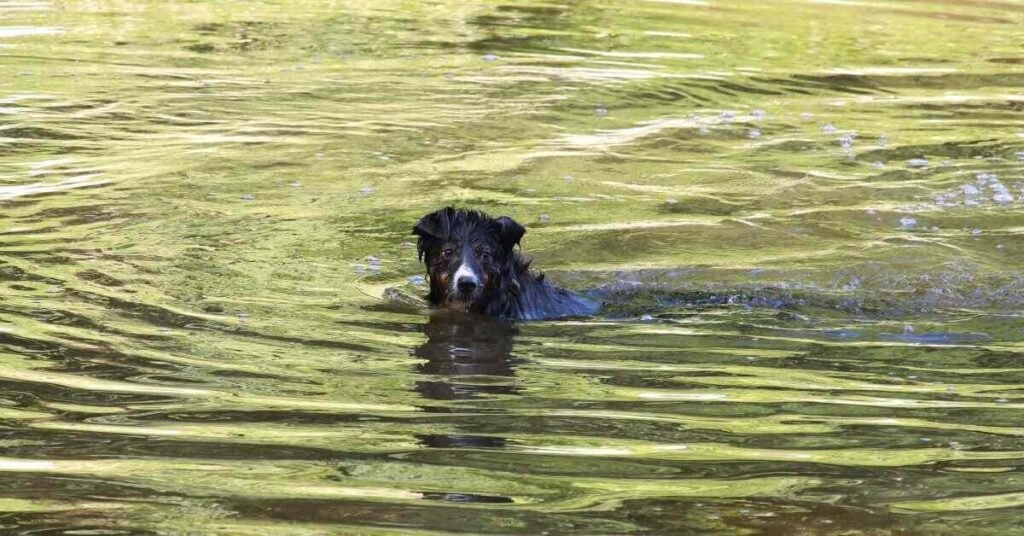
Not all dogs can swim. Many people believe every dog knows how to swim naturally, but this is not true. Some dogs can paddle easily, while others may struggle or even panic in water. A dog’s ability to swim depends on its breed, body shape, and experience with water.
Some breeds, like retrievers, are built for swimming and enjoy it. Others, especially dogs with short legs or flat faces, may find it hard to stay afloat. That is why every owner should be careful. Never assume your dog is safe in water. Always watch closely and help your dog learn slowly and safely.
Do Dogs Naturally Know How to Swim?
Some dogs seem to know how to swim the first time they enter water. They use a natural paddling motion called the “dog paddle.” This can make it look like swimming comes naturally to all dogs. However, this instinct does not mean every dog can swim safely or confidently.
Many dogs still need time to learn and feel comfortable in water. Some may panic, sink, or avoid water completely. Each dog is different. With patience and gentle training, most dogs can learn to enjoy swimming safely.
How to Tell If Your Dog Can Swim Safely
You can learn a lot by watching your dog near water. A confident dog stays calm and moves smoothly. A nervous dog may panic, splash too much, or try to get out quickly. Always test your dog in shallow water first and stay close. Never force your dog into water if it looks scared.
Here are some signs to help you understand if your dog can swim safely:
- Moves in a steady paddling motion
- Keeps its head above water without struggle
- Shows calm and relaxed behavior
- Tries to swim toward the edge or you
- Does not panic or make loud distress sounds
Why Some Dogs Are Natural Swimmers, and Others Are Not
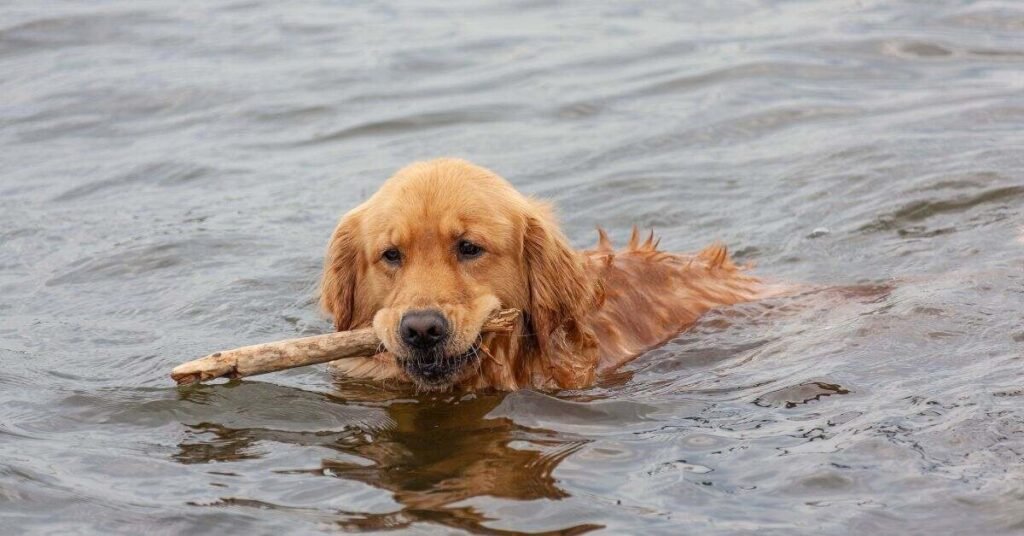
Some dogs are born with bodies that make swimming easy. They may have strong legs, long bodies, and water-resistant coats. These features help them stay afloat and move smoothly in water. Many of these dogs also enjoy water and feel confident when swimming.
Other dogs may struggle because of their body shape or size. Dogs with short legs, heavy bodies, or flat faces can find it hard to keep their head above water. Some dogs are also afraid because they have never been in water before. Every dog is different, so it is important to understand your dog’s comfort level and abilities.
Dog Breeds That Are Strong Swimmers
Some dog breeds are known for being great swimmers. They have strong muscles, long legs, and bodies built for water. Many of these dogs were bred to work in water, such as for retrieving or rescue tasks. They usually feel confident and enjoy swimming.
Here are some dog breeds that are strong swimmers:
- Labrador Retriever
- Golden Retriever
- Portuguese Water Dog
- Newfoundland
- Chesapeake Bay Retriever
Dog Breeds That Struggle in Water
Some dog breeds find swimming difficult. Their body shape makes it hard to stay afloat or move easily in water. Dogs with short legs, heavy bodies, or flat faces may tire quickly. These dogs can panic and may not feel safe in deep water.
Here are some dog breeds that often struggle in water:
- Bulldog
- Pug
- Dachshund
- Basset Hound
- Boxer
Can Puppies Swim or Do They Need Training?
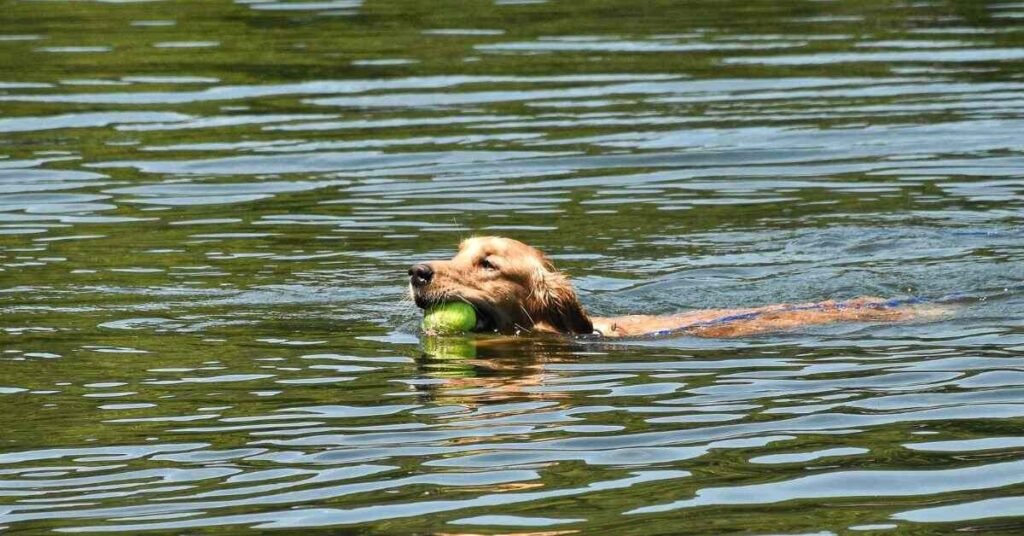
Puppies are not born as strong swimmers. Some may try to paddle in water, but they do not have full control or strength. They can get tired very quickly. That is why they need extra care and supervision around water.
Most puppies need gentle training before they can swim safely. They should be introduced to water slowly and in a safe place. Shallow water is best at the start. With patience and positive experience, puppies can learn to enjoy swimming over time.
At What Age Can Puppies Start Swimming?
Puppies can start learning about water when they are a few months old. But they should not be forced into swimming too early. Their bodies are still growing, and they can get tired or stressed easily. Safe and controlled exposure is very important.
Most experts suggest waiting until a puppy is around 12 to 16 weeks old before introducing water slowly. Even then, it should be in a shallow and safe area. Short sessions are best. Always watch your puppy closely and make sure it feels calm and comfortable.
Risks of Letting Puppies Swim Too Early
Letting puppies swim too early can be risky for their health and safety. Their bodies are still weak and not fully developed. They can get tired very fast and may panic in water. This can lead to accidents if they are not watched closely.
Here are some common risks of early swimming in puppies:
- Fast exhaustion due to weak muscles
- Fear or panic in water
- Risk of drowning in deep areas
- Stress that can affect learning confidence
- Possible exposure to cold water sickness
How to Teach a Dog to Swim
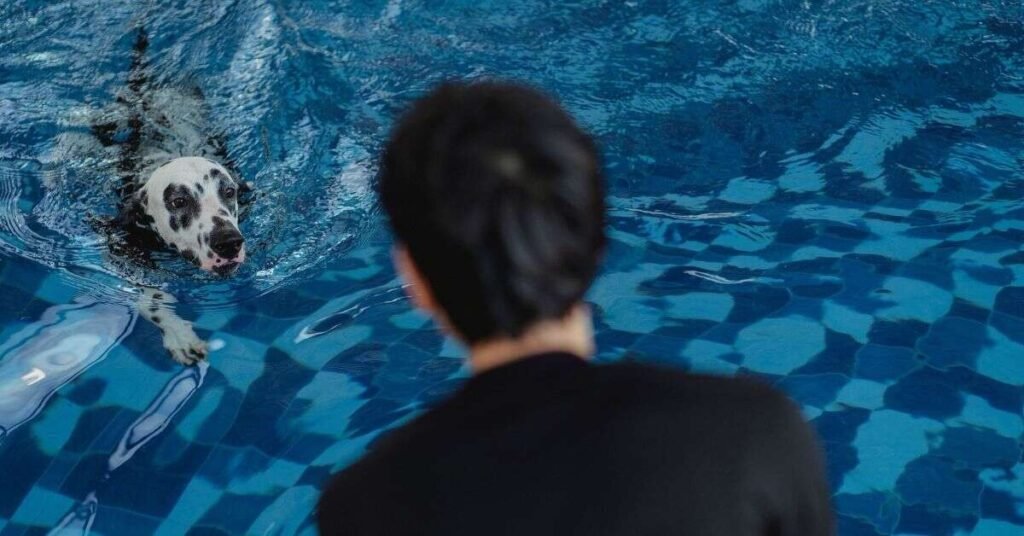
Teaching a dog to swim should be done slowly and with care. Start in a calm and shallow place where your dog can easily stand. Stay close and use a gentle voice to keep your dog relaxed. Never push or throw your dog into the water, as this can create fear.
Follow these simple steps to help your dog learn:
- Start in shallow water where your dog can touch the ground
- Let your dog walk and explore at its own pace
- Support your dog gently under the belly if needed
- Use treats or toys to build confidence
- Keep training sessions short and positive
Safe Introduction to Water for Beginners
A safe introduction to water is very important for beginners. Dogs should never be rushed into deep water. Start in a calm and quiet place with shallow water. Let your dog explore slowly at its own pace. Stay close so your dog feels safe and supported.
Here are some simple ways to introduce water safely:
- Use shallow water like a small pool or lake edge
- Let your dog walk in and out freely
- Stay beside your dog at all times
- Use toys or treats to build confidence
- Keep the first sessions very short
Common Mistakes to Avoid When Training
Training a dog to swim takes patience. Many owners make mistakes that can scare the dog or slow down learning. It is important to stay calm and let the dog learn at its own pace. Rushing the process can create fear of water.
Here are some common mistakes to avoid:
- Forcing the dog into deep water
- Leaving the dog alone in water
- Training for too long in one session
- Using loud or harsh commands
- Ignoring signs of fear or stress
Essential Dog Swimming Safety Tips
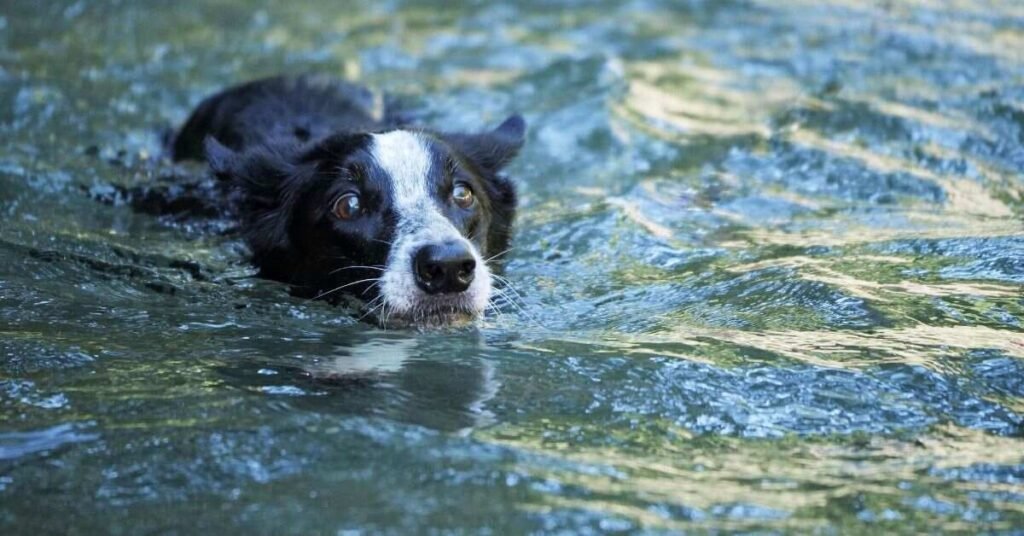
Dog swimming can be fun, but safety should always come first. Never leave your dog alone near water, even if it is a strong swimmer. Accidents can happen very quickly. Always stay close and watch your dog carefully.
Here are some important safety tips to follow:
- Always supervise your dog in water
- Start in shallow and calm areas
- Avoid strong currents or rough waves
- Take breaks to prevent tiredness
- Use a life jacket for extra safety
When to Use a Dog Life Jacket
A dog life jacket is very useful in many water situations. It helps your dog float and stay safe, especially if it is not a strong swimmer. You should use it when your dog is still learning or feels nervous in water. It gives extra support and builds confidence.
You should also use a life jacket in certain conditions, such as:
- Deep water like lakes or oceans
- Boats, kayaks, or paddleboards
- Strong currents or waves
- Long swimming sessions
- Small or weak swimming breeds
Is Swimming Good Exercise for Dogs?
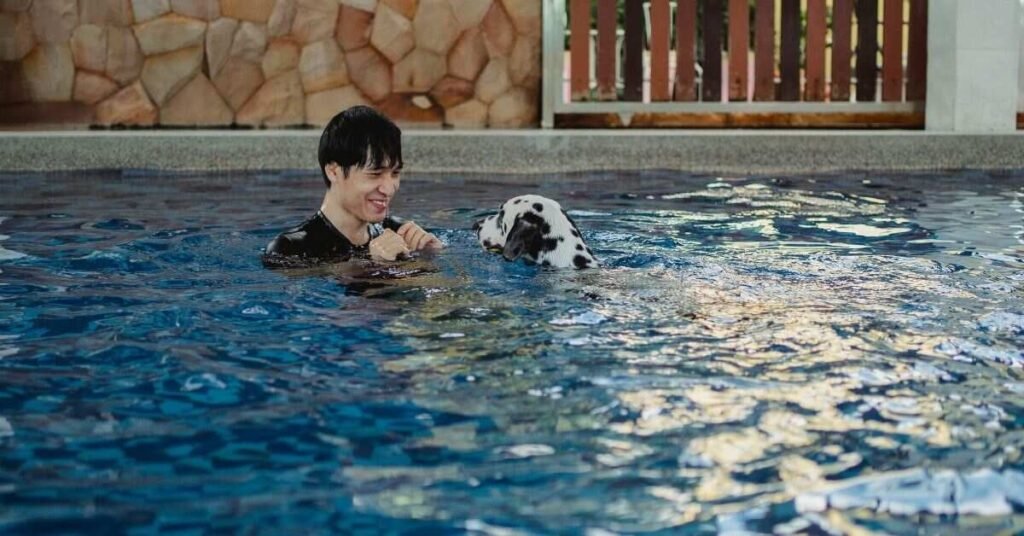
Swimming is a very good exercise for most dogs. It helps them stay active without putting stress on their joints. This is especially helpful for older dogs or dogs with joint problems. Water makes movement easier and safer for their body.
Swimming also helps dogs in many ways:
- Builds strong muscles and endurance
- Burns extra energy in a healthy way
- Improves heart and lung health
- Helps reduce stress and boredom
- Supports weight control
Physical and Mental Benefits of Swimming
Swimming is great for a dog’s body. It helps build strong muscles without putting stress on the joints. It is also a low-impact exercise, which makes it safe for older dogs or dogs recovering from injury. Regular swimming can improve fitness and overall health.
Swimming also helps a dog’s mind. It reduces stress and keeps dogs calm and happy. It can also prevent boredom and bad behavior. Here are some key benefits:
- Builds muscle strength and endurance
- Improves heart and lung health
- Reduces anxiety and stress
- Helps with weight control
- Keeps dogs mentally active and engaged
How Long Should Dogs Swim Safely?
The safe swimming time for dogs depends on their age, breed, and fitness level. Most dogs should start with very short sessions. Even strong swimmers can get tired quickly, so it is important to watch them closely. Always let your dog rest between swims.
Here are some general safe time guidelines:
- Beginners: 5 to 10 minutes
- Active swimmers: 10 to 20 minutes
- Puppies or small dogs: very short sessions only
- Older or weak dogs: gentle, brief swimming
Where Can Dogs Swim Safely? Pools, Lakes & Beaches
Dogs can swim in different places, but safety depends on the location. Not all bodies of water are safe for dogs. You should always choose clean, calm, and controlled environments. Supervision is very important in every situation.
Here are some safe places for dogs to swim:
- Clean and fenced swimming pools
- Calm lakes with shallow entry points
- Dog-friendly beaches with low waves
- Private ponds with no strong currents
Can Dogs Swim in Chlorine Pools?
Dogs can swim in chlorine pools, but only with care and supervision. Chlorine is used to keep pool water clean, but it can still be harsh on a dog’s skin and eyes. Some dogs may also get dry skin or mild irritation after swimming. That is why swimming time should always be limited.
Here are some important safety tips for pool swimming:
- Keep swimming sessions short and controlled
- Do not let your dog drink pool water
- Rinse your dog with fresh water after swimming
- Watch for signs of irritation like red eyes or itching
- Avoid pools with very high chlorine levels
Safe Natural Water Options for Dogs
Natural water can be a fun place for dogs to swim, but safety should always come first. Not all lakes, rivers, or beaches are safe. You should choose calm, clean, and shallow areas where your dog can enter easily. Always check the water before letting your dog swim.
Here are some safer natural water options:
- Calm lakes with slow-moving water
- Clean, shallow rivers
- Dog-friendly beaches with gentle waves
- Private ponds without strong currents
When Swimming Can Be Dangerous for Dogs
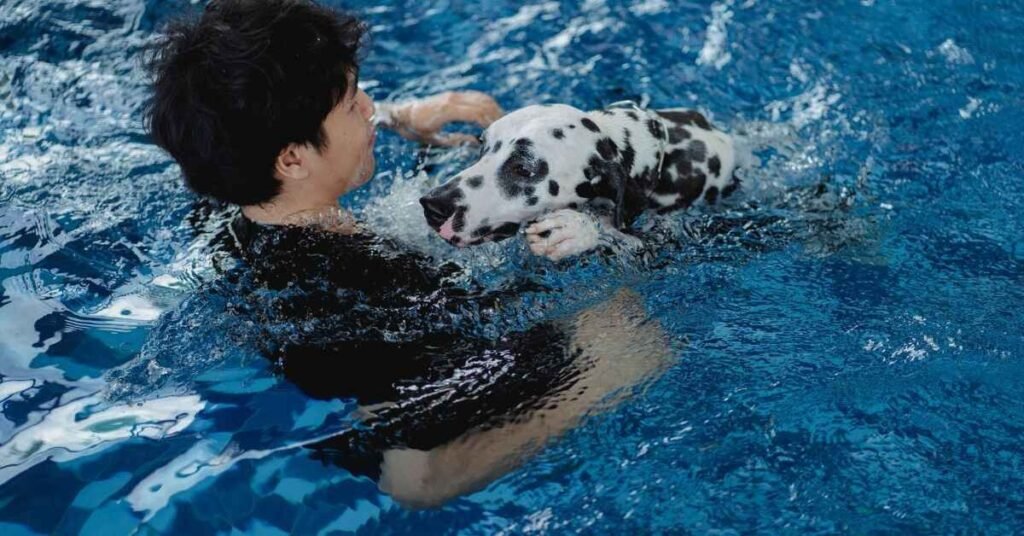
Swimming is not always safe for dogs. Some water conditions can be dangerous and may even put a dog’s life at risk. Strong currents, deep water, or dirty water can quickly cause problems. Even good swimmers can struggle in unsafe environments.
Here are some dangerous situations to avoid:
- Strong river currents or ocean waves
- Very cold or polluted water
- Deep water with no easy exit
- Long swimming sessions without rest
- No supervision from the owner
Health Risks After Swimming
Swimming is healthy for dogs, but it can sometimes lead to health problems if proper care is not taken. Wet fur and dirty water can cause skin irritation or infections. Dogs may also swallow unsafe water, which can upset their stomach. That is why post-swim care is very important.
Here are some common health risks after swimming:
- Skin infections or itching from dirty water
- Ear infections due to trapped water
- Upset stomach from swallowing water
- Chills from cold or wet fur
- Eye irritation from chemicals or bacteria
When to Avoid Water Activities Completely
There are times when dogs should not go near water at all. Swimming can make some health problems worse. If your dog is not feeling well, water activities can cause stress or serious risks. It is always better to rest and recover first.
You should avoid swimming in these situations:
- Your dog is sick or has an infection
- Recent surgery or injury
- Extreme tiredness or weakness
- Very cold or stormy weather
- Open wounds or skin problems
Conclusion
Swimming is not the same for every dog. Some dogs feel happy and confident in water, while others may feel nervous or unsure. It depends on their breed, personality, and experience.
When done safely, swimming can be a great activity. It keeps dogs active, supports their health, and gives them a fun way to exercise. It is especially helpful for energy release and joint health.
However, safety should always come first. Never leave your dog alone near water. Start slow, use calm training, and watch for any signs of fear or tiredness. A gentle approach builds trust.
In the end, swimming should be a positive experience. With patience and care, your dog can slowly learn to enjoy the water. Every small step helps build confidence and safety together.
FAQs
Do all dogs know how to swim naturally?
No, not all dogs know how to swim naturally. Some dogs may paddle instinctively, but others feel scared or struggle in water. It depends on the breed, body shape, and experience. Always introduce water slowly and safely.
Can puppies swim safely?
Puppies can try swimming, but they need close supervision. Their bodies are weak, and they get tired quickly. Short and shallow water sessions are best. Always make sure the puppy feels calm and safe.
Is swimming good for dogs?
Yes, swimming is very good exercise for most dogs. It helps build muscles and improves heart health. It is also gentle on joints, especially for older dogs. But safety should always come first.
Do dogs need a life jacket when swimming?
A life jacket is very helpful for safety. It is important for beginners, small breeds, or weak swimmers. It also helps in deep or open water. Even strong swimmers can benefit from extra protection.
Can dogs swim in pools, lakes, and oceans?
Yes, dogs can swim in all these places if they are safe. Pools, lakes, and oceans each have different risks. Always check water conditions and supervise your dog closely. Avoid strong currents or dirty water.

DogsVibes Editorial Team creates trusted, research-based dog care content to help pet owners keep their dogs healthy, happy, and safe.