

Introduction
It is a serious condition when dogs suffer from congestive heart failure (CHF). It happens when the heart cannot pump blood properly. This leads to fluid buildup in the lungs or other parts of the body. Over time, it affects your dog’s breathing and energy levels. Knowing about CHF in dog signs can help you act early and protect your pet’s health.
Many dog owners miss the early warning signs. A simple cough or slight tiredness may not seem serious at first. But these small changes can point to a bigger problem. What if your dog is already showing signs and you don’t know it yet? Learning to spot these clues can make a big difference in your dog’s life.
In this guide, we will explain the causes, symptoms, and care tips for CHF in dogs. You will learn what signs to watch for and when to see a vet. We will also share simple ways to help your dog live a more comfortable life.
What Is Congestive Heart Failure in Dogs?

Congestive Heart Failure (CHF) in dogs is a condition where the heart cannot pump blood the way it should. The heart becomes weak or damaged over time. Because of this, blood does not move properly through the body. Fluid starts to build up, often in the lungs or belly. This can make it hard for your dog to breathe and stay active.
CHF does not happen all at once. It usually develops slowly as heart disease gets worse. Some common causes include weak heart muscles or faulty heart valves. Older dogs are more at risk, but it can affect younger dogs too. Early signs can be mild, like coughing or low energy. That is why it is important to notice changes and get help early.
How CHF Affects a Dog’s Heart and Body
Congestive Heart Failure makes the heart weak. It cannot pump blood in the right way. Because of this, oxygen does not reach the body properly. The body starts to struggle. Fluid can build up in the lungs. This makes breathing hard for the dog. Some dogs may also feel very tired and weak.
Over time, CHF affects many parts of the body. The dog may cough more often. Eating habits can change. The belly may look swollen due to fluid buildup. Less blood flow can also affect organs like the kidneys. This can make the condition more serious. Early care can help slow down these effects and improve your dog’s comfort.
| Body Part | How CHF Affects It | Common Signs | Impact on Dog’s Life |
| Heart | Becomes weak and enlarged | Irregular heartbeat, fatigue | Reduced stamina and energy |
| Lungs | Fluid buildup (pulmonary edema) | Coughing, fast breathing | Difficulty in breathing |
| Abdomen | Fluid accumulation (ascites) | Swollen belly | Discomfort and reduced movement |
| Kidneys | Reduced blood flow | Increased thirst, urination | Poor waste removal |
| Liver | Blood congestion | Loss of appetite, vomiting | Digestive issues |
| Muscles | Less oxygen supply | Weakness, low activity | Less play and movement |
| Overall Body | Poor circulation | Weight loss, lethargy | Lower quality of life |
Difference Between Heart Disease and Heart Failure
Heart disease is a broad term. It describes any problem that affects how the heart works. This can include weak heart muscles or damaged valves. Many dogs live with heart disease for a long time. In the early stages, there may be very few or no clear signs. The condition often gets worse slowly over time.
Heart failure is a later and more serious stage. It happens when the heart cannot pump enough blood for the body’s needs. At this point, symptoms become more visible. Fluid may collect in the lungs or belly. Dogs may have trouble breathing and feel very tired. Heart disease can lead to heart failure if it is not managed properly.
| Feature | Heart Disease | Heart Failure |
| Meaning | Any condition affecting the heart | Stage where heart cannot pump properly |
| Stage | Early to advanced | Advanced stage |
| Progression | Slow and gradual | Develops after disease worsens |
| Symptoms | Mild or none in early stages | Clear and noticeable symptoms |
| Breathing | Usually normal at first | Often difficult |
| Fluid Build-up | Rare in early stages | Common in lungs or abdomen |
| Energy Level | Mostly normal | Low energy and weakness |
| Daily Activity | Little to no change early on | Reduced activity and movement |
| Treatment Focus | Slow down the disease | Manage symptoms and improve comfort |
| Urgency | Regular monitoring needed | Immediate care is important |
Common Signs of Congestive Heart Failure in Dogs
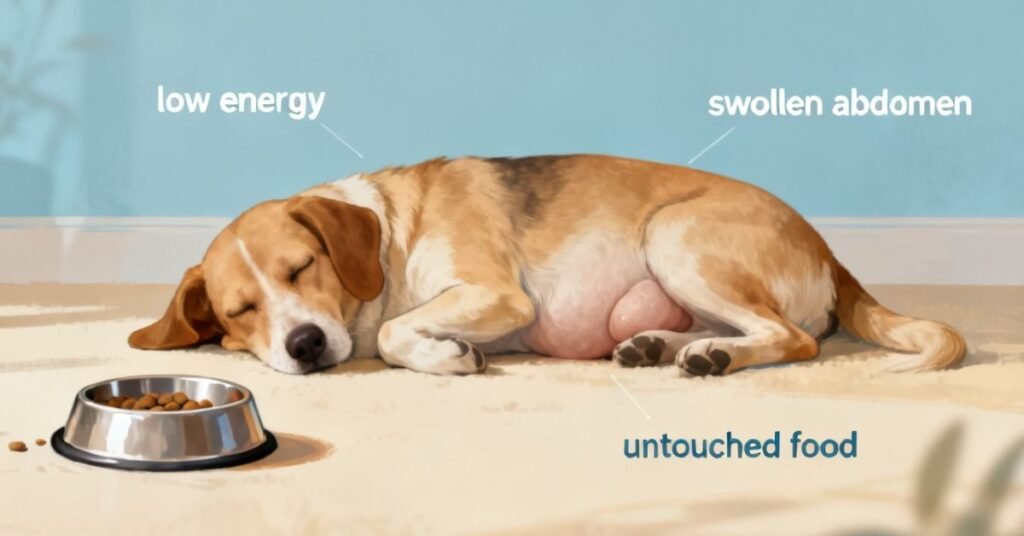
Congestive Heart Failure in dogs shows many warning signs. Some signs are easy to notice. Others can be very mild at first. Dogs may start coughing more than usual. They may feel tired even after little activity. Breathing can become fast or difficult. It is easy to miss these changes because they often occur slowly.
As the condition gets worse, the signs become clearer. Your dog may lose interest in food or play. The belly may look swollen due to fluid buildup. Some dogs may even faint or collapse. It is important to watch your dog closely and act early. Quick care can help improve their comfort and quality of life.
Common signs to watch for:
- Constant coughing (dry or wet)
- Fast or labored breathing
- Low energy or weakness
- Loss of appetite
- Swollen belly (fluid buildup)
- Weight loss
- Fainting or collapse
- Restlessness, especially at night
Early Warning Symptoms Dog Owners Should Notice
Early signs of heart problems in dogs can be very mild. They often look like normal behavior changes. Your dog may seem a little less active than usual. You might notice slight coughing after exercise. Breathing may become a bit faster, especially during rest. These small changes are easy to ignore, but they can be early warnings.
Paying attention to these signs can help you act early. Your dog may sleep more or avoid playtime. Eating habits might change slightly. Some dogs may seem restless at night. If you notice these symptoms often, it is best to consult a vet. Early care can slow down the condition and improve your dog’s life.
Early warning signs to watch for:
- Mild or occasional coughing
- Slight drop in energy levels
- Faster breathing during rest
- Less interest in exercise or play
- Changes in sleeping patterns
- Reduced appetite
- Mild weight loss
Serious Symptoms That Need Immediate Vet Care
Some signs of heart failure in dogs are dangerous and need urgent attention. These symptoms often mean the heart is no longer working properly. Your dog may have great difficulty breathing or may not be able to rest comfortably. In severe cases, the dog can suddenly fall down or lose consciousness. These are emergency situations and should be taken seriously.
You should contact a vet as soon as you notice these problems. Waiting can put your dog at higher risk. Quick medical care can help control the condition and prevent further damage. It can also reduce pain and stress for your pet. Acting fast can make a big difference in your dog’s survival and comfort.
Serious symptoms to watch for:
- Very hard or rapid breathing
- Gums that look pale or bluish
- Sudden fainting or collapse
- Continuous coughing with discomfort
- Swollen stomach with signs of pain
- Extreme weakness or inability to move
- Irregular or very fast heartbeat
Types of Congestive Heart Failure in Dogs
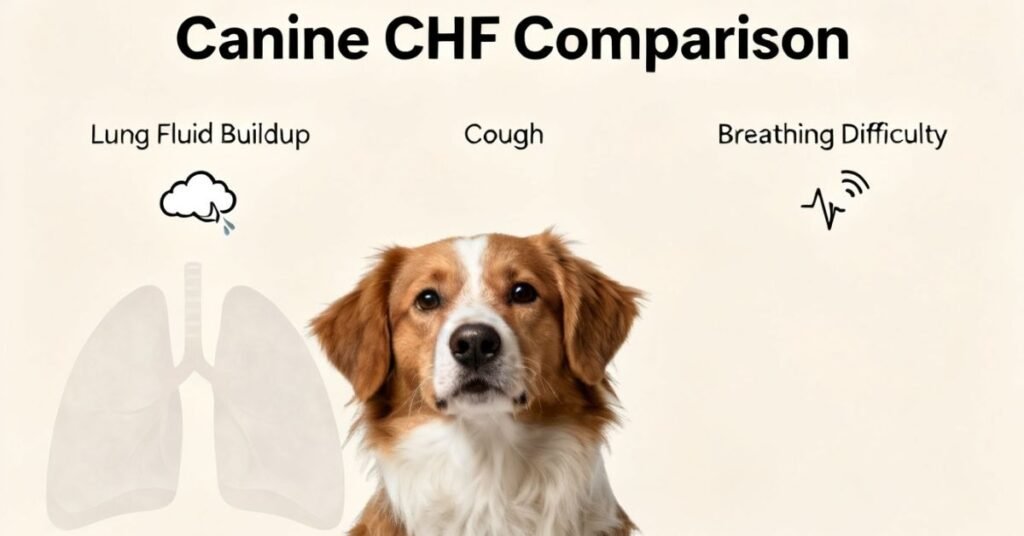
Congestive Heart Failure in dogs can affect different sides of the heart. Each type shows different signs. The most common types are left-sided and right-sided heart failure. Both types are serious but affect the body in different ways. Knowing the type can help in proper care and treatment.
Left-sided heart failure mainly affects the lungs. It often causes breathing problems and coughing. Right-sided heart failure affects the body and belly area. It can lead to fluid buildup in the abdomen and swelling. Some dogs may also have both types at the same time. This is called biventricular heart failure and can be more severe.
Main types of CHF in dogs:
- Left-sided heart failure – Fluid builds up in the lungs, causing coughing and breathing issues
- Right-sided heart failure – Fluid collects in the belly, leading to swelling and discomfort
- Biventricular heart failure – Both sides of the heart are affected, causing mixed symptoms
Left-Sided Heart Failure in Dogs
Left-sided heart failure happens when the left side of the heart becomes weak. This side is responsible for pumping oxygen-rich blood to the body. When it does not work properly, blood backs up into the lungs. This causes fluid to collect in the lungs, making it hard for the dog to breathe.
Dogs with this condition often show clear breathing problems. They may cough often, especially at night or after activity. Breathing may become fast or heavy, even when resting. Many dogs also feel tired and avoid exercise. Early treatment can help manage these symptoms and improve your dog’s comfort.
Right-Sided Heart Failure in Dogs
Right-sided heart failure occurs when the right chamber of the heart cannot pump blood effectively. This causes blood to move back into the veins instead of flowing forward. As a result, fluid starts to build up in different parts of the body. The most common area is the abdomen, which can become enlarged and tight.
Dogs with this condition often look bloated and may feel uncomfortable. They can become less active and tire easily. Some dogs may also have a reduced appetite or show signs of weight gain due to fluid, not fat. In certain cases, swelling can appear in the legs or chest area. Early diagnosis and proper care can help manage these problems and keep your dog more comfortable.
What Causes Congestive Heart Failure in Dogs?
Congestive Heart Failure in dogs usually develops because of long-term heart issues. The heart slowly loses its ability to pump blood in an efficient way. One major cause is valve disease, where the valves do not close properly. This allows blood to flow backward and puts extra pressure on the heart. Another cause is a weakened heart muscle that cannot push blood forward with enough force.
There are also several risk factors that can lead to this condition. Older dogs are more likely to develop heart problems over time. Certain breeds may be more prone to specific heart diseases. Infections, such as heartworm, can damage the heart and blood vessels. Other health issues can also increase the strain on the heart. Knowing these causes can help you notice problems early and seek proper care.
Common causes of CHF in dogs:
- Leaky or damaged heart valves
- Weak or enlarged heart muscle
- Heartworm infection
- Congenital (birth) heart defects
- Long-term high blood pressure
- Aging and ongoing stress on the heart
Heart Valve Disease and Other Medical Causes
Heart valve disease is one of the main reasons dogs develop heart failure. It happens when the valves do not close tightly. This causes blood to leak backward inside the heart. Over time, the heart works harder to push blood forward. This extra strain makes the heart weak and enlarged.
There are also other medical causes that can lead to heart failure. Some dogs may have a weak heart muscle from the start. Infections like heartworm can damage the heart and blood vessels. High blood pressure and birth defects can also affect heart function. All these problems can slowly lead to congestive heart failure if not treated early.
| Cause | What Happens in the Body | Common Signs | Risk Level | Notes |
| Heart Valve Disease | Valves leak and blood flows backward | Coughing, fatigue | High | Very common in small breeds |
| Weak Heart Muscle | Heart cannot pump strongly | Weakness, low energy | High | Common in large breeds |
| Heartworm Infection | Worms damage heart and blood vessels | Coughing, breathing issues | Medium to High | Preventable with medication |
| High Blood Pressure | Extra pressure on heart | Fatigue, possible organ damage | Medium | Often linked with other diseases |
| Congenital Defects | Heart forms abnormally at birth | Varies by condition | Medium to High | Seen in younger dogs |
| Aging | Heart weakens over time | Slow activity, mild symptoms | Medium | Natural risk factor |
| Lung-Related Issues | Increases strain on the heart | Breathing problems | Medium | Can worsen heart conditions |
Dog Breeds That Are More at Risk
Some dog breeds are more likely to develop heart problems than others. Small breeds often have valve issues, while large breeds are more prone to weak heart muscles. Age can increase the risk, but certain breeds have a genetic predisposition. Knowing which breeds are at risk can help owners watch for early signs and seek timely care.
Even within at-risk breeds, symptoms can vary. Some dogs may show signs early, while others develop problems later in life. Regular vet check-ups are very important for these breeds. Early detection can slow the progression of heart disease and improve quality of life.
Dog Breeds More at Risk for Heart Problems:
| Dog Breed | Common Heart Problem | Notes / Risk Factors |
| Cavalier King Charles Spaniel | Mitral valve disease | Small breed, valve issues often develop later in life |
| Doberman Pinscher | Dilated cardiomyopathy | Large breed, usually middle-aged |
| Boxer | Cardiomyopathy | Medium to large breed, genetic predisposition |
| Chihuahua | Mitral valve disease | Small breed, risk increases with age |
| Labrador Retriever | Dilated cardiomyopathy | Large breed, often older dogs |
| Dachshund | Heart valve issues | Small breed, common in senior dogs |
| Miniature Schnauzer | Mitral valve disease | Small breed, prone to valve thickening |
| Cocker Spaniel | Valve and heart muscle problems | Medium breed, may develop CHF in older age |
| Golden Retriever | Dilated cardiomyopathy | Large breed, typically middle to older age |
| Beagle | Heart valve disease | Small to medium breed, often older dogs |
How Veterinarians Diagnose CHF in Dogs

Veterinarians use several methods to diagnose CHF in dogs. First, they take a full medical history and ask about symptoms. They check your dog’s heart rate, breathing, and overall condition. A physical exam can reveal fluid buildup, irregular heartbeat, or heart murmurs.
After the exam, vets often use tests to confirm CHF. X-rays can show fluid in the lungs or an enlarged heart. Ultrasound (echocardiogram) helps see heart function and valve issues. Blood tests can check organ function and detect other problems. Early diagnosis helps start treatment sooner and improves the dog’s quality of life.
Tests Used to Confirm Heart Failure
Veterinarians use several tests to confirm heart failure in dogs. They start with a physical exam to check the heart, lungs, and overall health. Listening to the heart with a stethoscope can reveal murmurs or abnormal rhythms. After this, imaging and lab tests are often recommended to get a clear picture of the heart’s condition.
These tests help the vet see how severe the heart failure is and guide treatment. They can show fluid buildup, heart enlargement, and problems with valves or heart muscles. Blood tests check organ function and detect stress on the heart. Using multiple tests together gives the most accurate diagnosis and helps plan proper care.
Common Tests to Confirm Heart Failure in Dogs:
| Test Name | Purpose / How It Works | What It Can Show |
| X-ray (Radiograph) | Takes images of the chest and heart | Fluid in lungs, enlarged heart |
| Echocardiogram (Ultrasound) | Uses sound waves to see the heart | Heart function, valve issues, chamber size |
| Electrocardiogram (ECG) | Measures electrical activity of the heart | Irregular heartbeat, arrhythmias |
| Blood Tests | Check organ health and heart stress | Kidney/liver function, heart hormone levels |
| Blood Pressure Measurement | Measures pressure in blood vessels | High blood pressure, heart strain |
| Chest Physical Exam | Listening to heart and lungs with stethoscope | Heart murmurs, abnormal lung sounds |
| Oxygen Level Test (Pulse Oximetry) | Measures oxygen in blood | Low oxygen due to fluid in lungs |
| Heart Biomarker Tests (NT-proBNP) | Blood test for heart stress | Indicates heart failure severity |
Detecting Congestive Heart Failure Early
Detecting congestive heart failure early is very important for dogs. Early detection can help start treatment sooner. This can slow the disease and make your dog more comfortable. Many early signs are small and easy to miss. Watching your dog closely can save their life.
Early signs often show in daily behavior. Dogs may cough lightly or seem less active. Breathing may be slightly faster, even at rest. Appetite may decrease, or they may sleep more. Noticing these changes early allows you to visit the vet in time.
Early signs to watch for:
- Mild or occasional coughing
- Slight drop in energy or activity
- Faster breathing at rest
- Less interest in play or exercise
- Changes in sleeping habits
- Reduced appetite
- Mild weight loss
Treatment Options for Dogs With Congestive Heart Failure
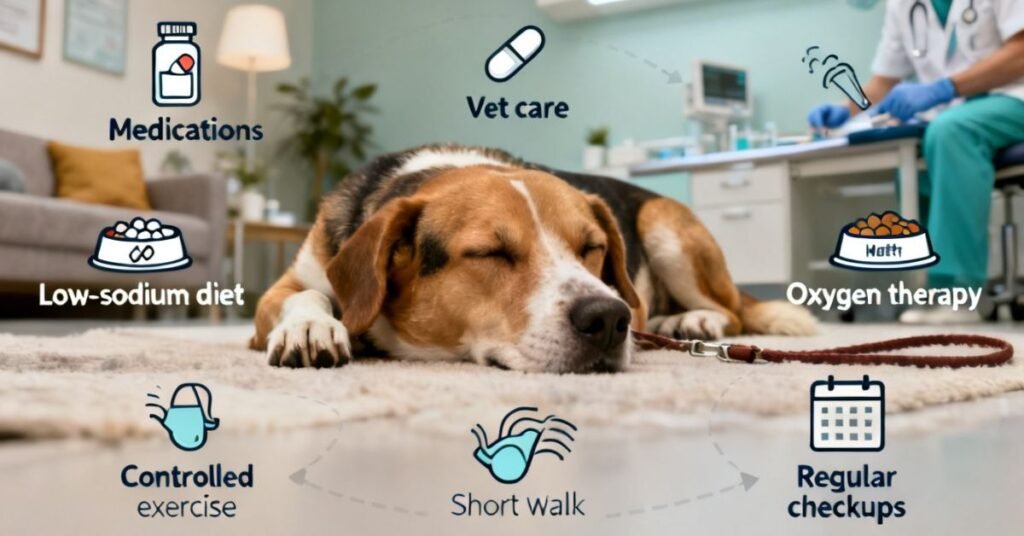
Congestive heart failure in dogs cannot usually be cured, but it can be managed. Treatment focuses on reducing symptoms and making your dog more comfortable. It is possible to slow the progression of disease and improve quality of life through early treatment. Regular vet visits are very important to monitor the condition.
Treatment often includes medications, diet changes, and lifestyle adjustments. Some dogs may need more frequent check-ups or special care at home. Combining different treatments helps the heart work better and reduces fluid buildup. Owners should follow the vet’s instructions carefully for the best results.
Common Treatment Options:
- Diuretics (Water Pills): Help remove excess fluid from the lungs and body
- ACE Inhibitors: Reduce blood pressure and decrease strain on the heart
- Slows the heart rate and improves heart function with beta-blockers
- Special Diets: Low-sodium foods help prevent fluid buildup
- Exercise Management: Gentle, controlled activity to avoid overworking the heart
- Regular Vet Monitoring: Track heart function and adjust treatment as needed
- Oxygen Therapy (if needed): Helps dogs with severe breathing difficulties
Lifestyle and Diet Changes for Affected Dogs
Lifestyle and diet changes are very important for dogs with congestive heart failure. A healthy routine can help reduce strain on the heart. Limiting strenuous activity and providing gentle exercise keeps the dog active without overworking the heart. Regular rest and a calm environment also support heart health.
Diet can play a big role in managing CHF. Low-sodium foods help prevent fluid buildup. Some vets may recommend special heart-friendly diets with added nutrients. Monitoring weight and appetite is important to ensure the dog stays healthy. Combining lifestyle and diet changes with medications can improve quality of life and longevity.
Lifestyle and Diet Recommendations for Dogs with CHF:
| Category | Recommendation | Purpose / Benefit |
| Exercise | Gentle, controlled walks | Keep muscles strong without stressing the heart |
| Rest & Environment | Quiet, calm spaces, regular sleep | Reduce heart strain and fatigue |
| Diet | Low-sodium foods | Prevent fluid retention |
| Nutrients | Heart-friendly diets with taurine, L-carnitine | Support heart function |
| Weight Management | Monitor weight and body condition | Prevent extra strain on the heart |
| Feeding Schedule | Small, frequent meals | Easier digestion and less stress on heart |
| Hydration | Fresh water available, monitor intake | Avoid dehydration or excess fluid |
| Regular Vet Checks | Track diet, weight, and heart function | Adjust lifestyle and diet as needed |
Caring for a Dog Living With Congestive Heart Failure
Caring for a dog with congestive heart failure requires attention and patience. Dogs with CHF tire easily and may need extra rest. Keeping them calm and avoiding stressful situations is important. Regular check-ups with the vet help track the dog’s heart condition and adjust treatment.
You should follow the vet’s instructions for medications, diet, and exercise carefully. Watch for any new symptoms, like coughing, difficulty breathing, or swelling. Keep a routine for feeding, exercise, and rest. Small daily changes and close observation can make your dog more comfortable and improve their quality of life.
How to Support Your Dog at Home
You can help a dog with congestive heart failure feel more comfortable at home. Create a quiet and cozy area for rest. Avoid stressful situations or loud noises that can strain the heart. Short, gentle walks and light play can keep your dog active without overexertion.
It is important to follow the vet’s instructions for medications and diet exactly. Monitor your dog for signs like coughing, trouble breathing, or swelling in the body. Keep a consistent routine for meals, exercise, and rest. Small, careful steps each day can improve your dog’s comfort and overall quality of life.
Monitoring Breathing and Daily Health
Monitoring your dog’s breathing and daily health is very important for managing congestive heart failure. Changes in breathing can be an early sign of worsening heart problems. Watch your dog for fast, heavy, or labored breathing, even at rest. Keep track of energy levels, appetite, and activity each day.
Daily observation helps detect problems early. Small changes, like coughing or swelling, can indicate fluid buildup. Recording symptoms and sharing them with your vet can improve treatment. Consistent monitoring allows for timely adjustments in medication, diet, or lifestyle.
Things to Monitor Daily in Dogs with CHF:
| Health Aspect | What to Observe | Why It Matters |
| Breathing | Rate, depth, difficulty, coughing | Detect fluid in lungs or worsening heart function |
| Energy Levels | Activity, willingness to play | Low energy can indicate fatigue or poor heart output |
| Appetite | Food and water intake | Loss of appetite may show worsening CHF |
| Weight | Daily or weekly weight check | Sudden gain may indicate fluid buildup |
| Swelling / Abdomen | Check belly, legs, or paws | Fluid retention is a sign of right-sided heart failure |
| Heart Rate | Pulse regularity, speed | Irregular heartbeat or rapid pulse may signal arrhythmia |
| Sleep & Rest Patterns | Duration and restlessness | Difficulty resting can indicate discomfort or breathing issues |
| Overall Behavior | Mood changes, irritability, hiding | Subtle signs of discomfort or low oxygen |
Late-Stage CHF and Quality of Life in Dogs

Late-stage congestive heart failure is when the heart is very weak and cannot pump blood effectively. Dogs may have trouble breathing even at rest. They may tire quickly and show little interest in playing or walking. Appetite can decrease, and fluid may build up in the lungs or abdomen. At this stage, careful management is needed to keep the dog comfortable.
Quality of life becomes the main focus in late-stage CHF. Owners and vets work together to reduce discomfort and improve daily life. Medications, diet, and gentle care are important. Monitoring for pain, breathing problems, and activity levels helps make the dog’s life better. Small changes in routine can make a big difference for comfort and happiness.
Signs and Management in Late-Stage CHF:
| Aspect | What to Observe / Do | Purpose / Benefit |
| Breathing | Labored, fast, or shallow breathing | Detect distress and adjust care |
| Energy Levels | Extreme fatigue, unwilling to move | Helps manage activity and avoid stress |
| Appetite | Low or inconsistent eating | Ensures proper nutrition and comfort |
| Fluid Buildup | Swollen abdomen, legs, or lungs | Guides treatment and fluid management |
| Pain / Discomfort | Restlessness, whining, hiding | Allows timely relief and comfort |
| Medication Response | Observe effects of drugs | Adjust doses as advised by vet |
| Environment | Quiet, comfortable resting area | Reduces stress and heart strain |
| Emotional Well-Being | Interaction with family, mood | Improves happiness and mental comfort |
Signs a Dog May Be Near End-Stage Heart Failure
End-stage heart failure in dogs means the heart is very weak and cannot support the body. Dogs may struggle to breathe even while resting. They may become extremely tired and unable to walk or play. Appetite may drop, and fluid buildup in the lungs or belly can make them uncomfortable. Immediate vet attention is crucial at this stage.
Recognizing these signs helps owners provide comfort and make important decisions. Observing your dog closely every day is essential. Small changes in behavior or health can indicate the condition is worsening. Supportive care focuses on easing breathing, reducing pain, and maintaining quality of life.
Common Signs of Near End-Stage Heart Failure:
- Severe difficulty breathing, even at rest
- Constant coughing or wheezing
- Extreme weakness or inability to move
- Loss of appetite or refusal to eat
- Swollen belly or limbs due to fluid buildup
- Fainting or collapsing
- Restlessness or distress
- Pale or bluish gums
When to Consider Euthanasia for CHF Dogs
Sometimes, congestive heart failure in dogs reaches a point where treatment no longer helps. The dog may struggle to breathe, eat, or move comfortably. Pain, distress, and frequent hospital visits can reduce quality of life. At this stage, it may be kind to consider euthanasia to prevent suffering.
Deciding to euthanize is very personal and emotional.Your veterinarian should be able to answer any questions you may have. They can help assess your dog’s comfort and overall health.Your dog should be free from pain and distress by making the right choice. Supporting your dog with love and care until the end is the most important part.
Conclusion
Congestive heart failure is a serious condition in dogs. It affects the heart’s ability to pump blood properly. Early detection is very important for better outcomes. Recognizing signs of CHF in dogs such as coughing, fatigue, and difficulty breathing can help owners act quickly.
Treatment usually involves medications, diet changes, and lifestyle adjustments. Regular vet visits are essential to monitor the condition. Gentle exercise, rest, and a calm environment can also support recovery and comfort. These steps together can improve a dog’s quality of life.
In late-stage cases, care focuses mainly on comfort. Dogs may need extra support, pain management, and close monitoring. In some situations, euthanasia may be discussed with a veterinarian to prevent unnecessary suffering.
Every dog experiences CHF differently. Owners who stay alert to CHF in dog signs and follow veterinary advice can make a meaningful difference. Early action, daily care, and compassion all play an important role in helping dogs live more comfortably.
FAQs
1. How does congestive heart failure (CHF) affect dogs?
CHF is a condition where the heart cannot pump blood properly. This leads to fluid buildup in the lungs or body. Dogs may show coughing, fatigue, or difficulty breathing. Early detection is important to manage symptoms and improve comfort.
2. What are the common signs of CHF in dogs?
Common symptoms include coughing, labored or fast breathing, low energy, loss of appetite, and swelling in the belly or legs. Some dogs may also faint or appear restless. These are key warning signs of CHF in dogs that owners should never ignore.
3. Which dog breeds are more at risk for CHF?
Small breeds like Cavalier King Charles Spaniels are more prone to valve disease. Large breeds such as Dobermans and Labradors may develop weak heart muscles. Older dogs and genetically predisposed breeds are at higher risk.
4. How is CHF diagnosed in dogs?
Veterinarians diagnose CHF using physical exams, X-rays, blood tests, ECG, and echocardiograms. These tests help evaluate heart function and detect fluid buildup. Early diagnosis allows quicker treatment and better managements.
5. Can dogs with CHF live a normal life?
With proper treatment, lifestyle changes, and regular veterinary care, many dogs can live comfortably for months or even years. Managing medication, diet, and activity levels is essential for maintaining quality of life.

DogsVibes Editorial Team creates trusted, research-based dog care content to help pet owners keep their dogs healthy, happy, and safe.