


Introduction
Many dog owners wonder if it is safe to share fruits with their pets. Grapefruit is a popular citrus fruit for humans. It is known for its sour taste and high vitamin content. But dogs have different digestive systems than people. Because of this, not every fruit that is healthy for humans is safe for dogs.
You may have seen your dog looking at you while you eat fruit. It can be tempting to share a small piece. But before giving grapefruit to your dog, it is important to understand the possible risks. Some parts of grapefruit may cause stomach upset in dogs. It can even be harmful in some cases.
In this article, we will explain whether dogs can eat grapefruit or not. You will also learn about the risks, possible side effects, and safer fruit options for dogs. This guide will help dog owners make better choices for their pet’s health.
Can Dogs Eat Grapefruit?
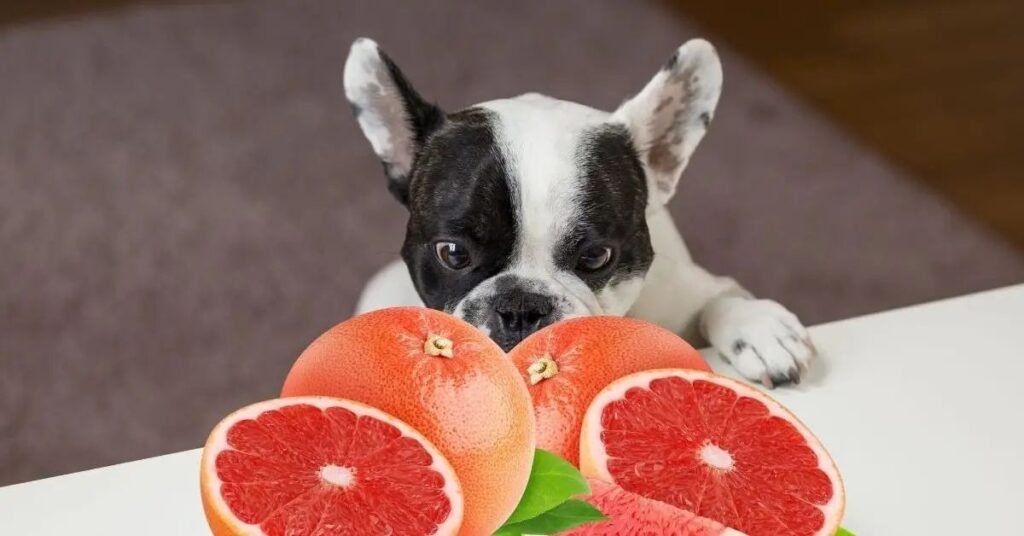
Dogs can eat a very small amount of grapefruit flesh, but it is not recommended. Grapefruit has a strong sour taste that many dogs do not like. It also contains natural compounds that may irritate a dog’s digestive system. Because of this, many veterinarians suggest avoiding grapefruit for dogs.
The peel, seeds, and pith of grapefruit can be harmful to dogs. These parts may contain substances that are difficult for dogs to digest. Eating them can cause stomach pain, vomiting, or diarrhea. For this reason, it is safer to give your dog other fruits that are known to be dog-friendly.
Is Grapefruit Safe for Dogs to Eat?
Grapefruit is not considered a safe fruit for dogs. While a tiny piece of the flesh may not always cause serious harm, it can still upset a dog’s stomach. Grapefruit contains natural chemicals that dogs may find hard to digest. The strong acidity can also irritate their digestive system.
Some parts of grapefruit are more dangerous than others. Dog owners should be careful and avoid feeding this fruit to their pets. Problems may happen if a dog eats too much grapefruit or eats the peel or seeds.
Possible problems grapefruit may cause in dogs:
- Stomach upset
- Vomiting or diarrhea
- Irritation in the mouth or stomach
- Loss of appetite
- Digestive discomfort
Why Dogs Should Avoid Grapefruit
Dogs should avoid grapefruit because it can cause digestive problems. This fruit is very acidic and may irritate a dog’s stomach. Even a small amount can lead to discomfort in some dogs. Many dogs also dislike the bitter and sour taste of grapefruit.
Another reason to avoid grapefruit is that some parts of the fruit can be harmful. The peel, seeds, and white pith contain compounds that dogs cannot digest well. Eating these parts may lead to stomach upset or other health problems.
Reasons dogs should not eat grapefruit:
- High acidity can irritate the stomach
- Bitter taste may cause dogs to reject it
- Peel and seeds may be harmful
- Can cause vomiting or diarrhea
- Difficult for dogs to digest properly
Why Grapefruit Is Harmful for Dogs

Grapefruit can be harmful to dogs because it contains natural chemicals that may upset their stomach. Dogs have sensitive digestive systems. The strong acidity in grapefruit can irritate their stomach lining. This may lead to discomfort after eating the fruit.
Another problem is that dogs cannot digest some parts of grapefruit properly. The peel, seeds, and white inner layer contain substances that may be toxic for dogs. Even if the flesh is less harmful, eating too much can still cause health problems.
Common reasons grapefruit can harm dogs:
- High acidity that irritates the stomach
- Natural compounds that may be toxic to dogs
- Peel and seeds are difficult to digest
- Can cause vomiting or diarrhea
- May lead to stomach pain or discomfort
Citric Acid and Psoralens Explained
Citric acid is a natural acid found in citrus fruits like grapefruit. It gives the fruit its sour taste. While small amounts may not always be dangerous, dogs can have trouble digesting strong acidic foods. Too much citric acid may irritate a dog’s stomach and cause discomfort.
Psoralens are natural chemical compounds found in grapefruit and other citrus fruits. These compounds can be harmful to dogs if eaten in larger amounts. Psoralens may affect a dog’s digestive system and overall health. This is one reason why many veterinarians suggest keeping grapefruit away from dogs.
| Substance | Found In | What It Does | Possible Effect on Dogs | Why It Can Be a Problem |
| Citric Acid | Grapefruit flesh and juice | Gives the fruit a sour taste | May cause stomach irritation | Dogs have sensitive digestive systems |
| Citric Acid | Many citrus fruits | Helps preserve freshness in fruits | Can lead to vomiting if eaten in excess | Too much acidity is hard for dogs to digest |
| Psoralens | Grapefruit peel | Natural plant compound | May cause digestive upset | Dogs cannot process it well |
| Psoralens | Grapefruit seeds and skin | Protects the plant naturally | May lead to stomach pain or discomfort | Toxic in larger amounts |
| Citric Acid | Citrus fruit juices | Adds strong flavor | Can irritate the stomach lining | Dogs may experience diarrhea |
| Psoralens | Citrus oils in the peel | Strong plant chemical | May affect the dog’s health if consumed | Considered unsafe for pets |
Dangerous Parts of Grapefruit for Dogs
Not all parts of grapefruit are safe for dogs. The peel, seeds, and white inner layer, called the pith, can be harmful. These parts contain natural chemicals that dogs cannot digest easily. Eating them may cause stomach upset, vomiting, or diarrhea. Even small amounts can be risky for sensitive dogs.
It is important for dog owners to know which parts to avoid. Feeding dogs only the flesh is slightly safer, but the other parts should always be kept away. Being careful can prevent health problems and keep your dog safe.
Dangerous parts of grapefruit:
- Peel:contains oils and psoralens that can irritate the stomach
- Seeds: may be toxic and hard to digest
- Pith (white layer):bitter and contains harmful compounds
What Happens If a Dog Eats Grapefruit?

If a dog eats grapefruit, it may not always get seriously sick, but problems can occur. The fruit’s acidity can upset the stomach. Dogs may vomit, have diarrhea, or feel discomfort. Some dogs may also refuse to eat for a short time.
The peel, seeds, and pith are more dangerous than the flesh. Eating these parts can cause more serious symptoms. Dogs might experience stomach pain or digestive issues. In rare cases, larger amounts of grapefruit can affect a dog’s overall health. It is always best to keep grapefruit away from dogs.
Common Symptoms of Grapefruit Toxicity
If a dog eats grapefruit, it can sometimes get sick. The fruit has acids and natural chemicals that dogs cannot digest well. Symptoms may appear quickly or a few hours later. Dogs may feel uneasy and act differently from usual.
Dog owners should pay close attention to any unusual behavior. Early detection of symptoms can prevent more serious problems. If you notice any warning signs, it is best to contact a veterinarian.
Common symptoms of grapefruit toxicity in dogs:
- Vomiting
- Diarrhea
- Stomach discomfort or pain
- Loss of appetite
- Low energy or tiredness
- Excessive drooling or mouth irritation
When Grapefruit Becomes Poisonous for Dogs
Grapefruit is not always safe for dogs. Small pieces of the flesh might not cause serious harm, but some parts of the fruit can be dangerous. The peel, seeds, and white inner layer, called the pith, contain chemicals that dogs cannot digest easily. Eating these parts can upset the stomach or cause more serious problems.
Dogs with sensitive stomachs or health issues are at higher risk. Eating too much grapefruit, or eating it often, can lead to vomiting, diarrhea, and stomach pain. Even small amounts of the wrong parts can be harmful. It is always safest to keep grapefruit away from dogs.
What to Do If Your Dog Eats Grapefruit
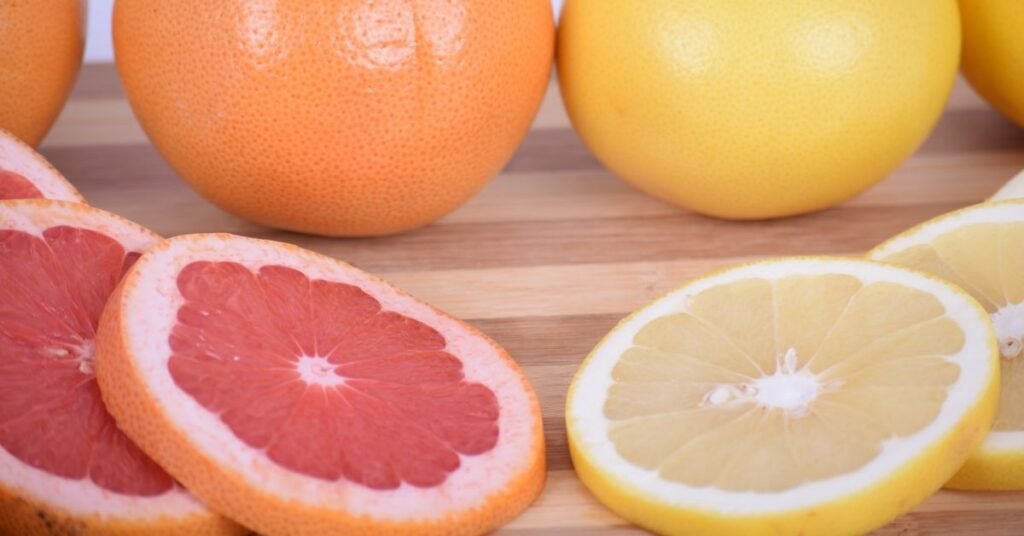
If your dog eats grapefruit, stay calm and watch for symptoms. Check if your dog ate the peel, seeds, or pith, as these are the most dangerous parts. Even a small amount can cause stomach upset or vomiting in some dogs.
Contact your veterinarian for advice, especially if your dog shows signs of sickness. You may be told to monitor your dog at home or bring them in for treatment. Give your dog plenty of water and do not try to induce vomiting unless your vet says it is safe. It is possible to prevent serious health problems by taking action early.
Immediate Steps Dog Owners Should Take
If your dog eats grapefruit, don’t panic, but act quickly. First, check how much your dog ate and which parts of the fruit. The peel, seeds, and white inner layer (pith) are the most risky. Acting fast can prevent serious stomach or health problems.
Next, focus on keeping your dog safe and comfortable. Watch their behavior closely and contact a veterinarian for guidance. Make sure your dog has access to fresh water and stays calm while you monitor them.
Steps to take right away:
- Make sure your dog cannot reach any remaining grapefruit
- Observe for vomiting, diarrhea, or stomach pain
- Call your vet for professional advice
- Offer fresh water to keep your dog hydrated
- Do not try to make your dog vomit unless your vet says it’s safe
- Keep your dog calm and monitor them closely
When to Contact a Veterinarian
If your dog eats grapefruit, you should reach out to a veterinarian right away. Look for signs like vomiting, diarrhea, stomach discomfort, or unusual tiredness. Loss of appetite or excessive drooling can also indicate trouble. Acting early can keep your dog safe and prevent serious complications.
Even if your dog only ate a small amount, contacting a vet is the safest choice. Dogs with health problems, small breeds, or sensitive stomachs are more vulnerable. A veterinarian can guide you on what to do next and provide treatment if needed. Don’t wait for symptoms to worsen—getting advice quickly is always better.
Do Dogs Like Grapefruit?
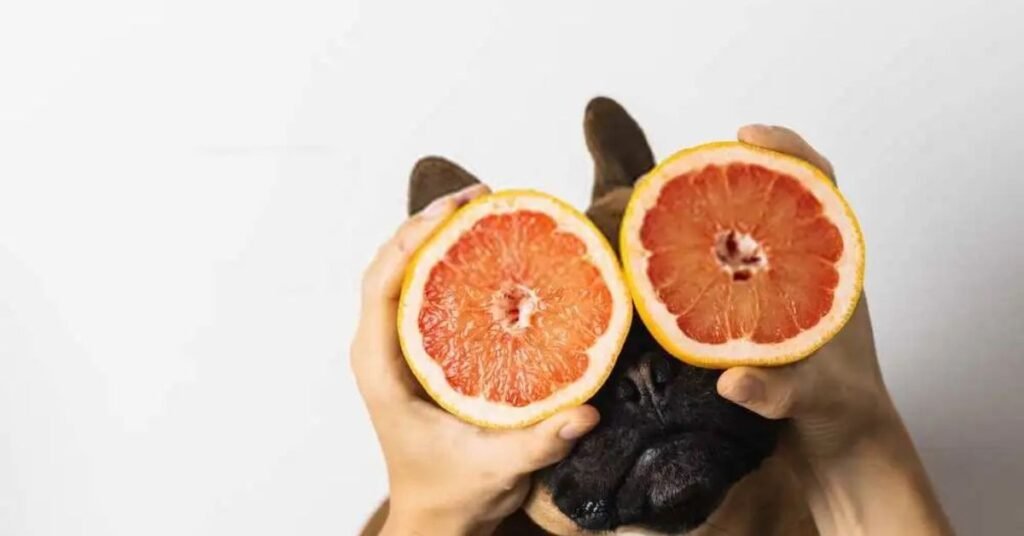
Most dogs do not like the taste of grapefruit. The fruit is very sour and bitter, which dogs usually avoid. Even if they are curious, many dogs will only sniff or lick it and then walk away.
Some dogs may try a small bite, but it is not common for them to enjoy it. Dogs generally prefer sweeter fruits like apples or bananas. Grapefruit is more likely to upset their stomach than to become a favorite snack.
Why Most Dogs Dislike Citrus Fruits
Most dogs do not like citrus fruits because of their strong taste and smell. Fruits like oranges, lemons, and grapefruit are very sour and sometimes bitter. Dogs have a sensitive sense of taste, so the sharp flavor can be unpleasant for them.
The smell of citrus fruits can also bother dogs. Strong scents may make them avoid the fruit altogether. Even curious dogs usually take only a small lick and then move away. For these reasons, citrus fruits are not a favorite snack for most dogs.
Are There Any Benefits of Grapefruit for Dogs?
Grapefruit is not usually recommended for dogs, but it does have some nutrients. The fruit contains vitamins like vitamin C and fiber. These can support overall health in small amounts. However, the risks often outweigh the benefits for dogs.
If you still want to know the potential benefits, here are a few:
- Provides small amounts of vitamin C
- Contains fiber that can aid digestion
- Has antioxidants that may support health
- Low in calories compared to some treats
Nutrients Found in Grapefruit
Grapefruit is full of nutrients that are healthy for humans. It contains vitamins, minerals, fiber, and antioxidants. These nutrients support the immune system, digestion, and overall health. However, dogs have sensitive digestive systems, so they may not benefit from grapefruit the same way humans do.
Even though grapefruit has nutrients, some parts can be harmful to dogs. The peel, seeds, and white pith contain chemicals that are hard for dogs to digest. Only very small amounts of the flesh are safe, but it is better to give dog-friendly fruits instead.
Key Nutrients in Grapefruit:
| Nutrient | Role in Health | Note for Dogs |
| Vitamin C | Boosts immune system | Can upset stomach in large amounts |
| Vitamin A | Supports vision and skin health | Safe in very small quantities |
| Fiber | Helps digestion | May cause mild stomach upset |
| Potassium | Maintains heart and muscle health | Limited benefit for dogs |
| Antioxidants | Protects cells from damage | Minor benefit for dogs |
| Magnesium | Supports bone and muscle function | Too much can cause digestive issues |
| Folate | Helps with cell growth | Safe in tiny amounts |
| Water | Keeps the body hydrated | Safe but not a substitute for water |
Safe Fruits Dogs Can Eat Instead
If you want to give your dog a healthy snack, there are safer fruits than grapefruit. These fruits are tasty, easy to digest, and full of vitamins. Dogs can enjoy them without risking stomach upset or toxicity.
Here are some fruits that are safe for dogs:
- Apples: remove seeds and core before giving
- Blueberries: small and easy to eat
- Bananas: soft and sweet, in small pieces
- Strawberries: wash and cut into bite-sized pieces
- Watermelon; remove seeds and rind before feeding
How to Prevent Grapefruit Exposure in Dogs
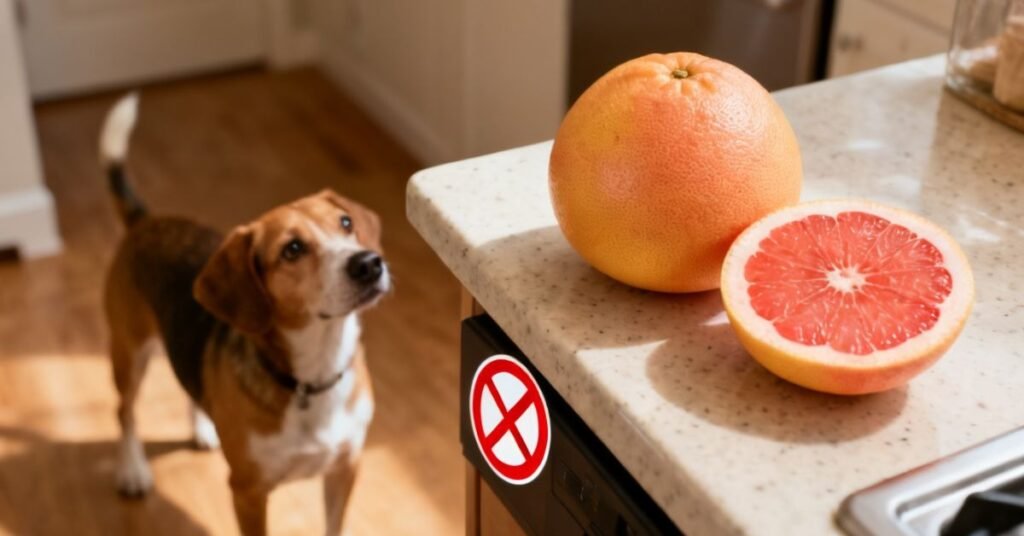
The best way to keep your dog safe is to prevent access to grapefruit. Keep the fruit out of reach on counters or tables. Make sure no scraps, peel, or seeds are left where your dog can get them. Being careful at home can prevent accidental eating.
Dog owners can also educate family members about the risks. Everyone in the house should know not to feed grapefruit to pets. It’s better to offer safe fruits instead.
Tips to prevent grapefruit exposure:
- Store grapefruit in high cabinets or the fridge
- Dispose of peels and seeds immediately
- Do not leave fruit scraps on tables or counters
- Teach children and guests not to feed grapefruit to dogs
- Offer dog-safe fruits as an alternative treat
Teaching Dogs to Avoid Unsafe Foods
You can train your dog to avoid foods that are unsafe, like grapefruit. Start by keeping harmful foods out of reach. Use a firm “no” when your dog tries to grab unsafe items. Consistency is key for them to learn quickly.
Reward your dog when they ignore unsafe foods. Give them safe treats or praise instead. Over time, they will understand which foods are off-limits. This training helps protect your dog and keeps them healthy.
Conclusion
Grapefruit is not safe for dogs in most cases. Many pet owners ask, can dogs eat grapefruit, but the answer is usually no. The fruit contains acids and compounds that can upset a dog’s stomach. The peel, seeds, and pith are especially harmful. Even small amounts may cause vomiting, diarrhea, or discomfort.
Dog owners should avoid giving grapefruit to their pets. If you’re wondering again, can dogs eat grapefruit, it’s best to stay on the safe side and avoid it completely. If a dog eats it by accident, watch closely for symptoms and contact a veterinarian. Quick action can help prevent serious health problems.
There are many safe and healthy fruits dogs can enjoy instead. Apples, bananas, blueberries, strawberries, and watermelon are good choices. These fruits provide nutrients without the risks that grapefruit carries.
Training your dog to avoid unsafe foods is very important. Keep harmful foods out of reach and reward your dog for ignoring them. This helps keep your dog healthy, happy, and safe at home.
FAQs
1. Can dogs eat grapefruit safely?
No, grapefruit is not considered safe for dogs. The fruit contains acids and natural chemicals that can upset their stomach. The peel, seeds, and pith are especially harmful.
2. What happens if my dog eats grapefruit?
Dogs may experience vomiting, diarrhea, stomach pain, or loss of appetite. In some cases, larger amounts can cause more serious digestive problems. Contact a veterinarian if your dog shows symptoms.
3. Are there any benefits of grapefruit for dogs?
Grapefruit has vitamins, fiber, and antioxidants, but the risks outweigh the benefits. Dogs can get nutrients from safer fruits like apples, blueberries, or bananas instead.
4. Which parts of grapefruit are dangerous for dogs?
The peel, seeds, and white inner layer (pith) are the most harmful. These parts contain compounds that dogs cannot digest and may cause stomach upset or toxicity.
5. What should I do if my dog eats grapefruit by accident?
Remove any remaining fruit, monitor your dog for symptoms, and contact your veterinarian. If you’re wondering can dogs eat grapefruit, it’s best to avoid it completely. Provide fresh water and do not try to induce vomiting unless your vet advises it.

DogsVibes Editorial Team creates trusted, research-based dog care content to help pet owners keep their dogs healthy, happy, and safe.