

Introduction
Cancer in dogs is a disease where abnormal cells grow out of control. These cells can form lumps or tumors in the body. Some cancers spread to other parts and become serious over time. Early detection is very important for better treatment and a longer life.
Many dog owners miss the early signs because they seem small at first. A slight weight loss or a small lump may not look serious. But these changes can be warning signs of a bigger problem. Understanding these signs early can help you take quick action and keep your dog safe and healthy.
In this guide, you will learn the most common cancer signs in dogs. We will also explain early symptoms, causes, and when to see a vet. This will help you understand your dog better and take the right steps at the right time.
Early Warning Signs of Cancer in Dogs
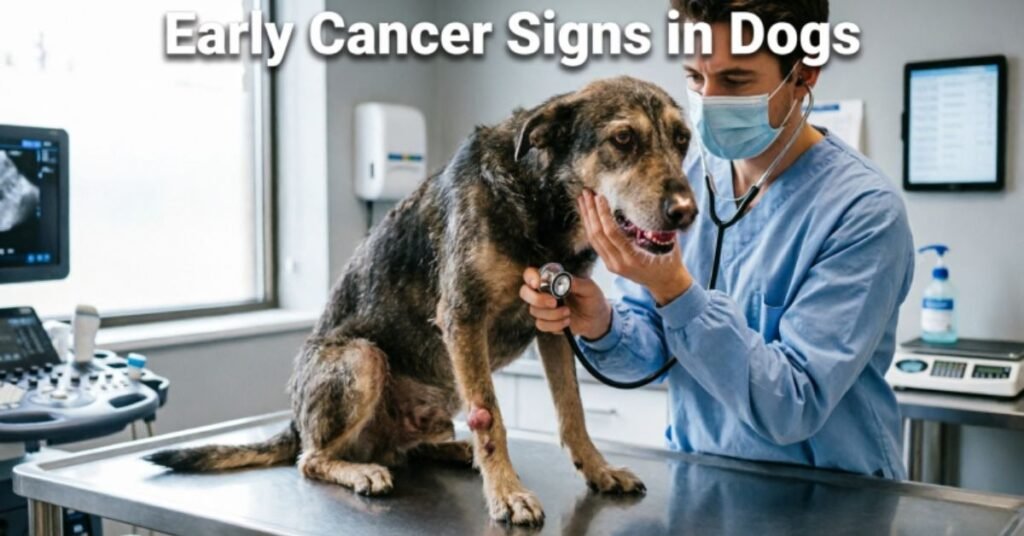
Cancer in dogs often starts with small changes. These signs can be easy to miss at first. Your dog may still act normally in the early stages. That is why it is important to watch closely. Early detection can make treatment more effective and improve your dog’s quality of life.
Some warning signs may appear in your dog’s body or behavior. They do not always mean cancer, but they should never be ignored. If you notice anything unusual, it is best to consult a vet as soon as possible.
Common early warning signs include:
- Lumps or bumps that grow over time
- Sudden weight loss or loss of appetite
- Unusual bleeding or discharge
- Persistent cough or difficulty breathing
- Changes in bathroom habits
- Low energy or unusual tiredness
- Limping or stiffness that does not improve
What Are the First Signs of Cancer in Dogs?
The first signs of cancer in dogs are often small and easy to miss. Your dog may not show clear signs of pain at first. You might notice slight changes in eating, energy, or behavior. These early signs can develop slowly over time. Noticing these changes early can help you identify problems before they become serious.
Some symptoms may appear in your dog’s body or daily habits. They may not always mean cancer, but they are warning signs. It is important to take them seriously and monitor your dog closely.
Early signs to watch for include:
- Small lumps or swelling under the skin
- Loss of appetite or sudden weight loss
- Low energy or less interest in play
- Sores that do not heal
- Bad smell from the mouth or body
- Changes in bathroom routine
- Unusual bleeding or discharge
10 Warning Signs Every Dog Owner Should Watch
Cancer warning signs in dogs can appear in different ways. Some signs affect the body, while others change your dog’s behavior. These symptoms may appear minor at first. But they can become serious if ignored. Watching your dog daily can help you notice these changes early.
It is important to take action if you see any unusual signs. Not every symptom means cancer, but it is better to stay cautious. Early attention can make a big difference in your dog’s health.
Here are 10 warning signs to watch for:
- Lumps or bumps that increase in size
- Sudden weight loss without reason
- Loss of appetite
- Difficulty breathing or constant coughing
- Unusual bleeding or discharge
- Sores that do not heal
- Changes in bathroom habits
- Limping or stiffness
- Bad odor from the mouth or body
- Low energy or behavior changes
Common Symptoms of Cancer in Dogs
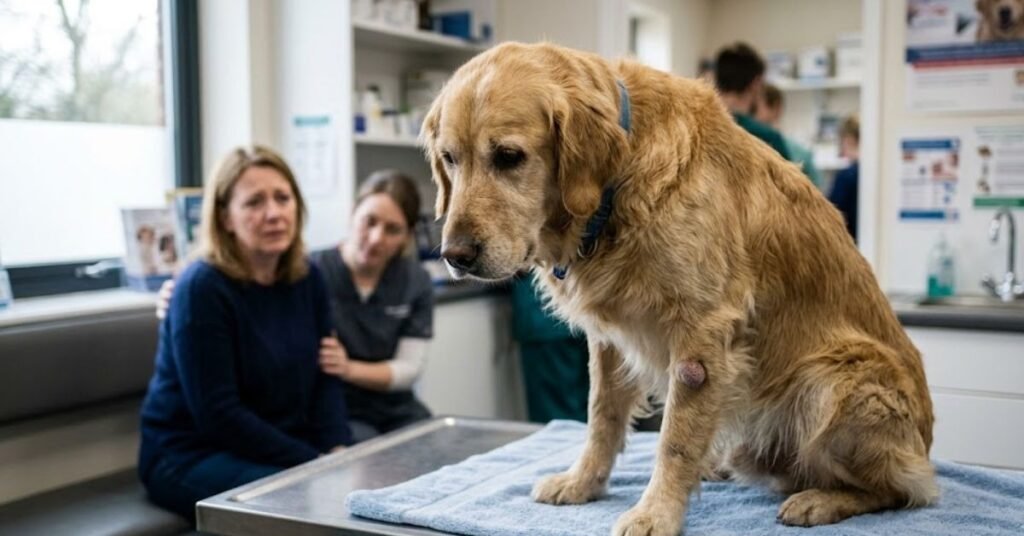
Cancer in dogs can cause many different symptoms. Some signs are physical, while others affect behavior. These symptoms often develop slowly over time. In some cases, they may become more serious as the disease progresses. That is why it is important to notice any unusual changes in your dog.
Not all symptoms mean cancer, but they should not be ignored. Early attention can help with proper diagnosis and treatment. If your dog shows multiple signs, it is best to consult a vet for advice.
Common symptoms to watch for include:
- Lumps or swelling in any part of the body
- Sudden weight loss or loss of appetite
- Difficulty eating or swallowing
- Persistent coughing or breathing problems
- Vomiting or diarrhea that does not stop
- Unusual bleeding or discharge
- Tiredness or reduced activity levels
Physical Signs Like Lumps, Weight Loss, and Bleeding
Physical signs are often the first clues of cancer in dogs. You may notice lumps under the skin or swelling in certain areas. Some lumps are harmless, but others can grow quickly and become dangerous. Weight loss without any clear reason is another common sign. Your dog may also look weaker or thinner over time.
Bleeding or unusual discharge is another warning sign to watch. This can come from the nose, mouth, or other body parts. These symptoms may not always mean cancer, but they should never be ignored. If you notice more than one sign, it is best to visit a vet for a proper checkup.
| Physical Sign | What It Looks Like | Why It Matters |
| Lumps or bumps | Small or large growths under the skin | Maybe tumors that need checking |
| Swelling | Enlarged areas on body parts | Could indicate internal issues |
| Sudden weight loss | Rapid loss of body weight | Often linked to serious illness |
| Loss of appetite | Eating less or refusing food | Can signal underlying health problems |
| Unusual bleeding | Blood from the nose, mouth, or wounds | May indicate internal damage |
| Discharge | Pus or fluid from eyes, ears, or wounds | Could be infection or tumor-related |
| Non-healing wounds | Sores that do not improve | Common warning signs of cancer |
| Weakness | Low strength or tiredness | May result from disease progression |
Behavioral Changes and Subtle Health Shifts
Cancer in dogs can quietly affect how they act every day. You may first notice small changes in mood or routine. Your dog may seem less active or less excited than usual. These shifts are often very subtle at the beginning. Many owners think it is just normal behavior, but it can sometimes be a health warning.
Watching these small changes closely is very important. Even mild behavior differences can point to something serious inside the body. If these signs continue for several days or weeks, a vet visit is strongly advised.
| Behavioral Change | What You Might See | What It May Indicate |
| Reduced playfulness | The dog avoids toys or walks | Possible weakness or illness |
| Sleeping more | Longer rest periods than usual | Low energy or internal problem |
| Mood changes | Sudden irritability or quietness | Discomfort or pain |
| Social withdrawal | Hiding or avoiding family | Feeling unwell or stressed |
| Restless behavior | Can’t settle or keeps moving | Physical discomfort |
| Less response | Doesn’t react to name or commands | Possible health decline |
| Loss of curiosity | No interest in surroundings | Reduced mental or physical energy |
| Unusual calmness | Very quiet or inactive all day | May signal underlying illness |
Most Common Types of Cancer in Dogs
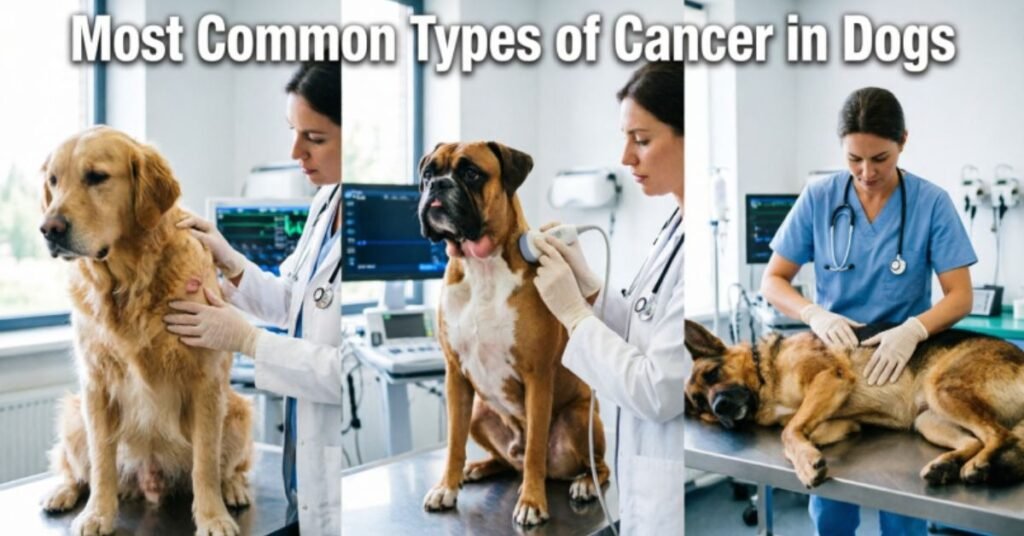
Cancer in dogs is not a single disease. It has many different forms. Each type starts in a different part of the body. Some begin in the skin, while others develop inside organs or bones. The symptoms can vary depending on the type and location.
Some cancers stay in one area for a long time. Others spread quietly before showing clear signs. That is why being aware of early signs is very important. Quick action can improve treatment options and your dog’s comfort.
Common types of cancer in dogs include:
- Mast cell tumors (skin-related growths that may change in size or shape)
- Lymphoma (affects lymph nodes and weakens immunity)
- Osteosarcoma (aggressive bone cancer causing pain and limping)
- Mammary tumors (often found in female dogs, especially unspayed ones)
- Soft tissue sarcomas (slow-growing lumps in muscles or fat tissue)
- Oral cancer (appears in the mouth, gums, or jaw area)
- Hemangiosarcoma (serious cancer of blood vessels, often internal)
Frequently Diagnosed Canine Cancers Explained
Some types of cancer are seen more often in dogs than others. These are called frequently diagnosed canine cancers. They can affect different parts of the body, such as the skin, bones, blood, or organs. Each type has its own signs and level of seriousness. Early detection plays a key role in successful treatment.
Veterinarians commonly see a few main cancer types in dogs. These cancers may develop slowly or spread quickly, depending on the case. Knowing about them helps dog owners stay alert and take action early.
Some commonly diagnosed cancers include:
- Mast cell tumors (skin growths that can change in size)
- Lymphoma (affects the immune system and lymph nodes)
- Osteosarcoma (a painful bone cancer that often causes limping)
- Mammary tumors (common in female dogs)
- Hemangiosarcoma (affects blood vessels and internal organs)
- Soft tissue sarcomas (develop in muscles or connective tissues)
Which Dog Breeds Are More at Risk?
Some dog breeds have a higher risk of developing cancer. This does not mean every dog in these breeds will get cancer. But studies show they are more likely than others. Genetics can play a big role in this risk. Age and lifestyle also increase the chances over time.
Large and purebred dogs are often more affected. Their genetic makeup can make them more sensitive to certain diseases. Regular vet checkups are very important for early detection. Owners should stay alert, especially as their dogs get older.
Breeds that may have a higher cancer risk include:
- Golden Retriever
- Boxer
- German Shepherd
- Rottweiler
- Bernese Mountain Dog
- Labrador Retriever
- Doberman Pinscher
How to Detect Cancer in Dogs Early
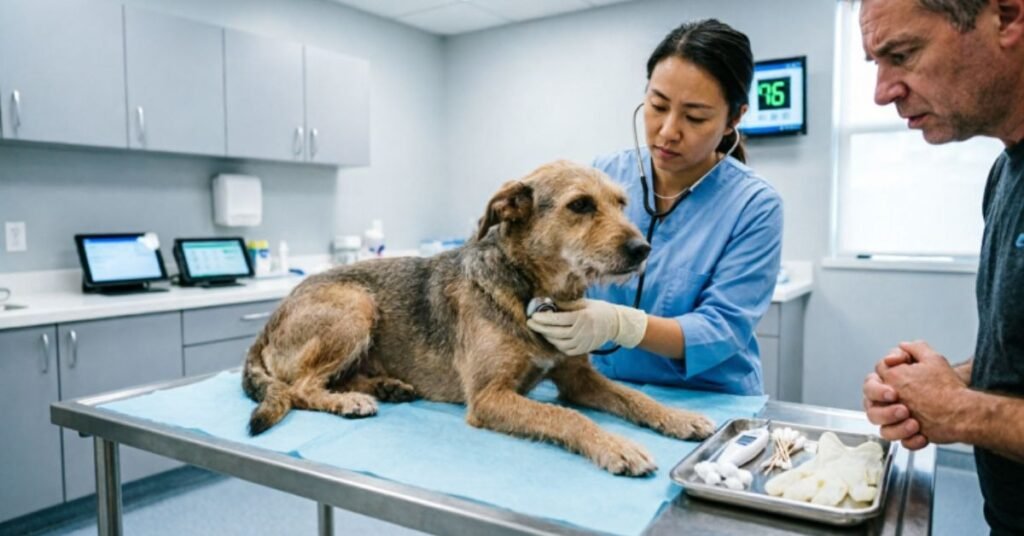
Cancer in dogs can begin in very quiet ways. Early signs are often subtle and do not look serious at first. A small lump, a slight drop in energy, or a change in daily routine may be the only clues. These changes can slowly progress over time without obvious pain. That is why careful observation matters every single day.
Early detection comes from paying attention and acting quickly. Look for anything unusual in your dog’s body, appetite, or behavior that feels “not normal” for them. Even small, repeated changes should not be ignored. A quick vet visit can help confirm problems early and improve the chances of effective treatment.
At-Home Checks Every Pet Owner Should Do
At-home checks are an important part of keeping your dog healthy. You can notice early signs of illness by spending a few minutes each day. These checks do not require any special tools. Just gently observe and feel your dog’s body. Small changes can give early clues about health problems like cancer.
Make it a habit to check your dog regularly. Look for anything unusual on the skin or in behavior. Early attention can help you act quickly if something is wrong.
Simple at-home checks include:
- Feel for new lumps or bumps on the body
- Check the skin for wounds that do not heal
- Look at eyes, ears, and mouth for unusual discharge
- Monitor eating and drinking habits
- Notice changes in energy or mood
- Observe walking, limping, or stiffness
Importance of Regular Vet Visits and Screening
Regular vet visits are very important for your dog’s long-term health. Many diseases, including cancer, can develop quietly without clear early signs. A vet can detect problems before they become serious. Routine checkups also help track your dog’s overall condition over time. This makes early treatment much more effective.
Screening tests help find hidden health issues that are not visible at home. These tests can include bloodwork, scans, and physical exams. Even if your dog looks healthy, screening can reveal early warning signs. That is why regular veterinary care should never be skipped.
| Vet Check or Screening | What It Includes | Why It Is Important |
| Physical examination | Full body check by vet | Finds lumps, pain, or abnormalities |
| Blood tests | Checks organ function and infection signs | Detects hidden health issues early |
| Urine test | Analyzes kidney and bladder health | Helps find internal problems |
| X-rays | Internal body imaging | Identifies tumors or bone issues |
| Ultrasound | Detailed organ scanning | Detects internal growths or masses |
| Weight monitoring | Tracks body condition changes | Early sign of illness or cancer |
| Dental check | Exam of teeth and gums | Finds oral tumors or infections |
| Routine screening schedule | Regular planned vet visits | Ensures early detection and prevention |
How Veterinarians Diagnose Cancer in Dogs
Veterinarians follow a careful step-by-step process to find out if a dog has cancer. It usually begins with a full physical exam. The vet looks closely at any lumps, swelling, or unusual body changes. They also review your dog’s history, symptoms, and recent behavior. This helps them decide what tests are needed next.
To confirm the diagnosis, vets use different medical tests. These tests help identify whether the problem is cancer and how far it may have spread. Each test gives a clearer picture of your dog’s internal health. Early diagnosis helps in choosing the best treatment plan.
Common diagnostic tools include:
- Complete physical examination of the body
- Blood and urine tests to check organ health
- X-rays to detect bone or internal abnormalities
- Ultrasound for deeper organ evaluation
- Biopsy to study tissue samples under a microscope
- Fine needle aspiration to collect cell samples
- Advanced imaging (CT/MRI) in complex cases
Common Tests Like Bloodwork, Biopsy, and Imaging
Veterinarians use several common tests to check if a dog has cancer. These tests help find hidden problems inside the body. Some tests look at blood health, while others study tissues or internal organs. Each test gives important information for an accurate diagnosis. Together, they help the vet understand the full condition of your dog.
These tests are usually safe and done in clinics or hospitals. They are important for confirming the type and stage of cancer. Early testing can help start treatment sooner and improve outcomes.
| Test Type | What It Does | What It Helps Detect |
| Bloodwork | Checks blood cells and organ function | Infections, anemia, or abnormal cell changes |
| Biopsy | Removes a small tissue sample for testing | Confirms if a lump is cancerous |
| Imaging (X-ray) | Takes pictures of bones and chest | Bone cancer, tumors, or spread in lungs |
| Ultrasound | Uses sound waves to view organs | Internal masses or organ abnormalities |
| CT Scan | Detailed cross-section images of body | Tumor size and exact location |
| MRI Scan | High-detail imaging of soft tissues | Brain or nerve-related cancers |
| Fine Needle Aspiration | Collects cells from a lump | Quick check for abnormal or cancerous cells |
How to Tell If a Lump Is Cancerous
It is not always easy to know if a lump on your dog is cancerous. Some lumps are harmless, while others can be serious. Cancerous lumps often grow quickly or change in size over time. They may feel hard, fixed under the skin, or uneven in shape. Any new lump should be checked carefully.
A vet is the only one who can confirm if a lump is cancer or not. At home, you can look for warning signs and monitor changes. If a lump keeps growing or becomes painful, it should not be ignored. Early testing can help detect problems before they get worse.
Warning signs of a possible cancerous lump include:
- Rapid growth in a short time
- Hard or irregular shape
- Pain when touched
- Redness or swelling around it
- Bleeding or fluid discharge
- Fixed in one place and not movable
- Change in skin color over the lump
Treatment Options for Dogs With Cancer
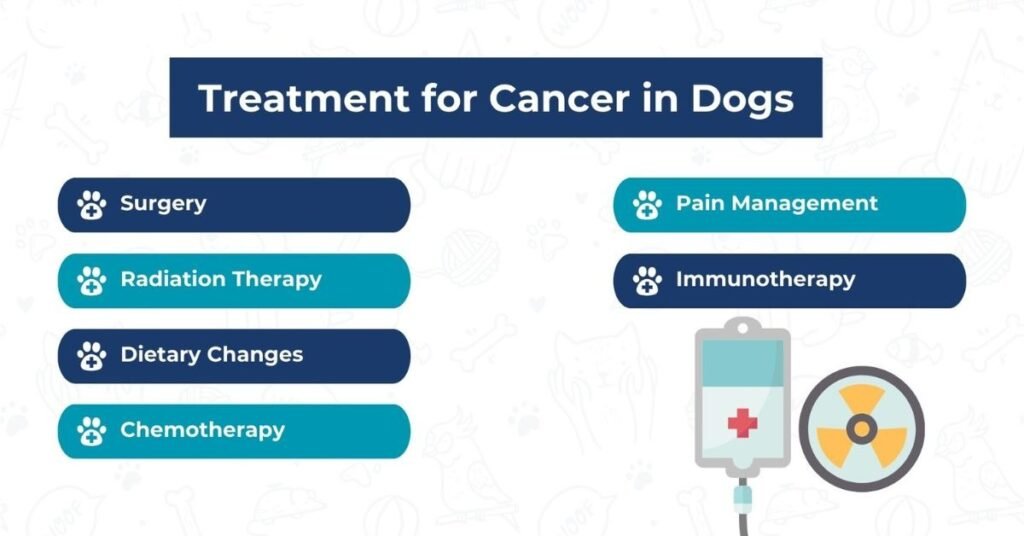
There are different treatment options available for dogs with cancer. The right treatment depends on the type, size, and stage of cancer. Some treatments aim to remove the cancer, while others help control its spread. The vet will choose the best plan based on your dog’s condition. Early treatment usually gives better results.
Many dogs can still live comfortable lives with proper care. Treatments can be given individually or combined together.Regular follow-ups are also important during treatment to track progress.
Common treatment options include:
- Surgery to remove tumors or affected tissue
- Chemotherapy to slow or stop cancer growth
- Radiation therapy to target cancer cells
- Medication to manage pain and symptoms
- Immunotherapy to support the immune system
- Palliative care for comfort and quality of life
Surgery, Chemotherapy, and Other Treatments
Cancer treatment in dogs often includes surgery, chemotherapy, or other medical options. Surgery helps remove tumors from the body. Chemotherapy helps slow down or stop the growth of cancer cells. Radiation therapy is also used in some cases to target and destroy cancer cells. Each treatment works differently depending on the type of cancer.
The vet may suggest one treatment or a combination of several methods. The goal is to control the disease and improve the dog’s comfort. Some treatments may have side effects, but the vet manages them carefully. Regular monitoring is important during the treatment process.
| Treatment Type | How It Works | Purpose |
| Surgery | Removes cancerous tumors from the body | Eliminates visible cancer growth |
| Chemotherapy | Uses medicine to kill or slow cancer cells | Controls spread of cancer |
| Radiation therapy | Uses high-energy rays to destroy cancer cells | Targets specific tumor areas |
| Immunotherapy | Boosts the immune system to fight cancer | Supports natural defense system |
| Pain management | Medicines to reduce discomfort | Improves quality of life |
| Palliative care | Comfort-focused care for advanced cases | Keeps dog comfortable and pain-free |
| Combination therapy | Uses more than one treatment together | Increases treatment effectiveness |
What Results Can You Expect From Treatment?
Treatment results in dogs with cancer are not always the same. Some dogs improve quickly after starting treatment. Others may show slow progress over time. The outcome depends on the cancer type, stage, and your dog’s overall health. Early diagnosis often leads to better control of the disease.
In many cases, treatment helps reduce pain and improve daily comfort. Some dogs can live longer with a good quality of life. Regular monitoring helps the vet adjust treatment when needed. The main focus is always to keep your dog stable, comfortable, and as active as possible.
What to Do If Your Dog Shows Signs of Cancer
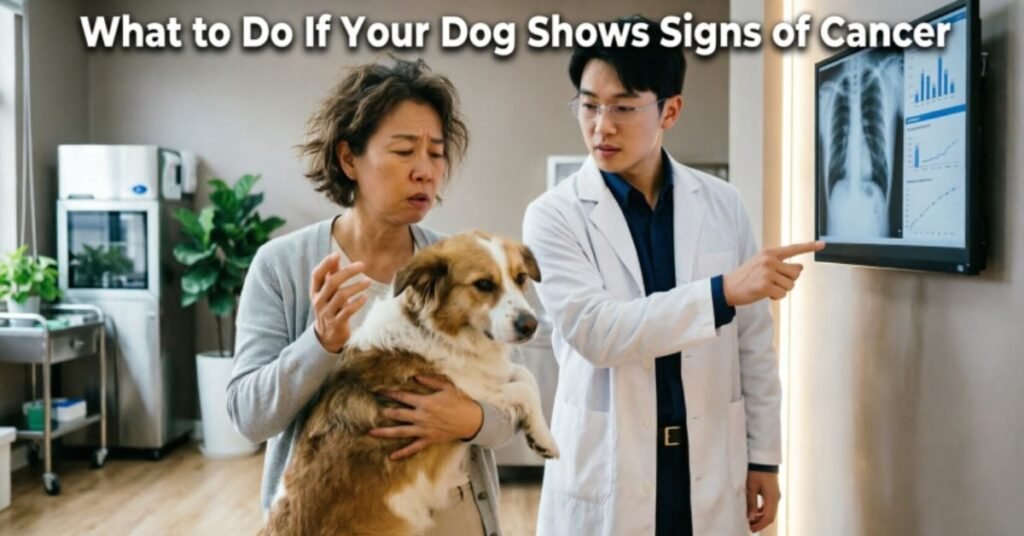
If your dog shows possible signs of cancer, the first step is to stay calm. These symptoms can also be linked to other health conditions.However, it is important not to ignore the warning signs. Early action can make a big difference in diagnosis and treatment. A quick response helps protect your dog’s health.
The best thing you can do is visit a veterinarian as soon as possible. The vet will examine your dog and suggest the right tests. Avoid trying home treatments without medical advice. Careful observation and professional help are the safest steps at this stage.
Important actions to take:
- Book a vet appointment immediately
- Note all symptoms and changes in behavior
- Check for lumps, weight loss, or bleeding
- Follow all vet instructions carefully
- Keep your dog comfortable and stress-free
- Avoid delaying diagnosis or treatment
When to See a Veterinarian Immediately
Some signs in dogs should never be ignored. If your dog has sudden or serious changes, quick action is important. Getting early medical help can stop the condition from worsening. Delaying care can make treatment harder later. Quick action is always the safest choice.
If symptoms appear serious or continue to get worse, visit a vet right away. Even if you are unsure, it is better to get a professional check. Vets can find the exact cause and start the right treatment.
See a vet immediately if you notice:
- Rapidly growing lumps or swelling
- Uncontrolled bleeding or discharge
- Trouble breathing or constant coughing
- Severe weight loss in a short time
- Loss of appetite for more than a day or two
- Extreme weakness or collapse
- Continuous pain or distress signs
Steps to Support Your Dog After Diagnosis
After a cancer diagnosis, your dog will need extra care and attention. The first step is to understand the vet’s treatment plan clearly. Follow all instructions carefully and do not miss appointments. Keep your dog comfortable at home with a calm and quiet environment. Emotional support is also very important at this stage.
You should also focus on your dog’s daily needs and well-being. Give proper food, clean water, and regular rest. Watch for any changes in behavior or symptoms. Stay in close contact with your vet for updates and guidance.
Helpful steps to support your dog include:
- Follow the vet’s treatment plan exactly
- Keep a stress-free and calm home environment
- Provide healthy and balanced meals
- Ensure regular rest and comfort
- Monitor symptoms and report changes
- Give love, attention, and gentle care
Can You Prevent Cancer in Dogs?
Cancer in dogs cannot always be fully prevented. Some causes are linked to genetics and age, which cannot be controlled. However, you can still reduce the risk with proper care. A healthy lifestyle helps improve your dog’s overall well-being.Early prevention habits make a big difference.
Good care, regular vet visits, and a balanced routine can help lower risks. While no method guarantees full protection, these steps improve your dog’s health and strength. Being proactive is the best approach.
Ways to reduce cancer risk include:
- Regular veterinary checkups and screenings
- Healthy and balanced diet
- Daily exercise and activity
- Maintaining a healthy weight
- Avoiding harmful chemicals and smoke
- Early treatment of any health issues
Lifestyle Tips to Reduce Cancer Risk
Simple lifestyle choices can help support your dog’s long-term health. While cancer cannot always be prevented, good daily habits may lower the risk. A clean, active, and balanced routine keeps your dog stronger. Small improvements in care can make a big difference over time.
Consistency is the key to better health. Regular routines help the body stay stable and support immunity. Always focus on prevention rather than waiting for problems to appear.
Healthy lifestyle tips include:
- Give fresh, natural, and balanced meals daily
- Maintain a proper exercise routine for fitness
- Keep your dog away from secondhand smoke
- Avoid exposure to pesticides and harsh chemicals
- Ensure regular grooming and hygiene care
- Provide mental stimulation with play and training
- Visit the vet for routine health checks
- Keep your dog in a low-stress, loving environment
Diet, Exercise, and Preventive Care
A healthy diet, regular exercise, and proper care are very important for your dog’s long-term health. Good nutrition helps the body stay strong and supports the immune system. Exercise keeps your dog active, fit, and mentally happy. Preventive care helps detect health problems early before they become serious.
When these three areas work together, they improve your dog’s overall quality of life. Small daily habits can make a big difference. Consistency is more important than anything else in keeping your dog healthy and active.
| Area | What You Should Do | Why It Matters |
| Diet | Feed balanced, high-quality dog food | Supports strong immunity and energy |
| Diet | Provide fresh water all day | Keeps body hydrated and healthy |
| Diet | Avoid junk food or harmful human foods | Prevents health complications |
| Exercise | Take daily walks | Improves fitness and blood flow |
| Exercise | Play interactive games | Keeps mind active and reduces stress |
| Exercise | Maintain regular activity level | Helps control weight and strength |
| Preventative Care | Schedule regular vet checkups | Detects issues early |
| Preventative Care | Do routine blood tests and screening | Finds hidden health problems |
| Preventative Care | Keep vaccinations up to date | Protects against diseases |
Conclusion
Cancer in dogs is a serious health condition. It can impact different areas of the body. Early symptoms are usually mild and easy to overlook. That is why regular observation is very important for every pet owner.
Many symptoms like lumps, weight loss, and behavior changes, should not be ignored. These signs do not always mean cancer, but they need proper attention. A vet can help confirm the real cause through tests and diagnosis.
Early detection and quick treatment can improve your dog’s comfort and life quality. Treatment options like surgery, medicine, and therapy can help manage the disease. Every dog responds differently, so proper care and monitoring are important.
As a pet owner, your role is very important. A healthy lifestyle, regular vet visits, and early action can make a big difference. Always stay alert and give your dog the care and love they need.
FAQs
1. What are the early signs of cancer in dogs?
Early signs include small lumps, weight loss, and low energy. Some dogs may also lose appetite or show behavior changes. These symptoms may start off mild in the beginning.
2. How can I tell if a lump is cancerous?
You cannot confirm it at home. Cancerous lumps often grow quickly or feel hard. Some may cause pain or a change in shape. A vet test is the only way to be sure.
3. Is cancer painful for dogs?
Some types of cancer can cause pain, especially in later stages. Dogs may show discomfort through limping or behavior changes. However, not all cancers are painful at the beginning. Treatment can help manage pain.
4. Can dog cancer be treated?
Yes, many cancers can be treated or managed. Options include surgery, chemotherapy, and medication. The success depends on the type and stage of cancer. Early treatment usually gives better results.
5. When should I take my dog to the vet?
You should visit a vet if you notice any unusual signs. This includes lumps, sudden weight loss, or unusual bleeding. Don’t delay until the symptoms become more severe. Early action can protect your dog’s health.
