

Introduction
Dogs are living beings just like us. They eat, sleep, play, and yes, they can also get sick. One of the most common questions dog owners ask is whether their furry friend can catch a cold. The answer is yes. Dogs can get colds. It is not the same as a human cold, but it is very similar.
Have you ever noticed your dog sneezing more than usual? Or maybe your pup has a runny nose and seems a little tired and low on energy? That can be a sign that your dog has caught a cold. Any dog owner can find it worrying. But do not panic. Most dog colds are mild and treatable at home.
In this guide, we will cover everything you need to know about colds in dogs. You will learn what causes them, what symptoms to look for, how to treat your sick pup at home, and when to see the vet. By the end of this article, you will feel confident and ready to take great care of your dog.
Can Dogs Have Colds Like Humans?
Yes, dogs can have colds. But it is not the same as a human cold. Dogs get respiratory infections that look and feel very similar to a common cold. They sneeze, get a runny nose, and feel tired. The symptoms are almost the same as what we experience. However, the viruses that cause colds in dogs are different from the ones that affect humans.
Dogs have their own set of viruses and bacteria that cause cold-like symptoms. The most common ones are Bordetella, canine parainfluenza, and adenovirus. These are dog-specific germs. They do not usually jump from dogs to humans. So if your dog has a cold, you are most likely safe. And if you have a cold, your dog is also most likely safe too. But it is still a good idea to wash your hands after handling a sick dog.
What Actually Causes Cold Symptoms in Dogs?
Viruses and bacteria cause cold symptoms in dogs. These germs attack the respiratory system of your dog. This includes the nose, throat, and lungs. When these germs enter your dog’s body, the immune system fights back. This fighting process is what causes all the symptoms you see. Infection triggers the body’s natural response.
There are several common causes of cold symptoms in dogs. Knowing them can help you protect your pup better. Here are the most common ones:
- Bordetella bronchiseptica: This is one of the most common bacterial causes. It is also linked to kennel cough.
- Canine parainfluenza virus: This is a highly contagious virus. It spreads quickly between dogs.
- Canine adenovirus: This virus affects the respiratory tract. It can cause coughing and sneezing.
- Canine respiratory coronavirus: This is different from the human coronavirus. It only affects dogs.
- Weak immune system: Dogs with low immunity get sick more easily. Puppies and older dogs are most at risk.
Can Dogs Catch a Cold From Their Owners?
This is one of the most common questions dog owners ask. The good news is that in most cases, dogs cannot catch a cold from their owners. Human cold viruses are species-specific. This means they are designed to infect humans only. The viruses that make you sneeze and sniffle do not usually survive or spread in a dog’s body. So you can still cuddle your pup when you are feeling under the weather.
However, there is a small chance of cross-species transmission in very rare cases. Scientists are still studying this area. But for the most part, your cold will not make your dog sick. What you should be careful about is general hygiene. Wash your hands before handling your dog’s food or water bowl. Try to avoid sneezing or coughing directly near your dog. Being safe is always better than being sorry. Your dog depends on you to keep them healthy.
What Are the Most Common Symptoms of a Cold in Dogs?
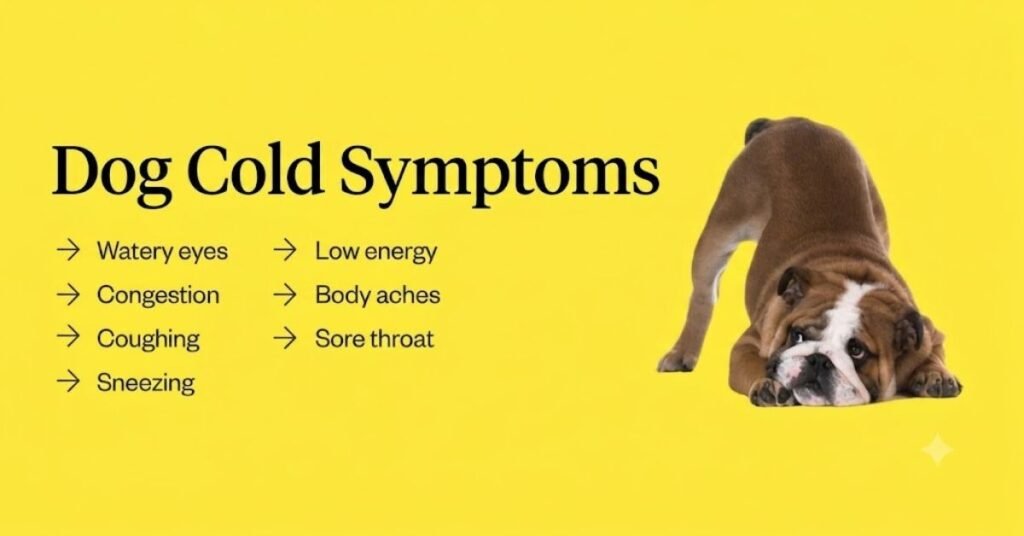
Dogs cannot tell us when they are feeling sick. Therefore, it is important to know the signs yourself. A cold in dogs looks very similar to a cold in humans. Your dog may seem tired, low on energy, and just not its usual happy self. The symptoms usually appear within a few days of exposure to the virus or bacteria. Spotting them early can make a big difference in your dog’s recovery.
Here are the most common symptoms of a cold in dogs that you should watch out for:
- Runny nose: You may notice a clear or cloudy discharge from your dog’s nose.
- Sneezing: Frequent sneezing is one of the earliest and most obvious signs.
- Coughing: A mild but persistent cough is very common in sick dogs.
- Watery eyes: Your dog’s eyes may look wet or have a little discharge around them.
- Low energy: A sick dog will sleep more and play less than usual.
- Loss of appetite: Your dog may eat less or show no interest in food at all.
- Mild fever: Your dog’s body temperature may rise slightly during a cold.
How Long Does a Dog Cold Usually Last?
A dog cold usually lasts between 5 and 10 days. This is very similar to a human cold. In most cases, your dog will start feeling better within a week. The first few days are usually the hardest. Your dog may feel very tired and show strong symptoms. But as the days pass, the symptoms slowly start to improve. With proper rest and care at home, most dogs recover fully and quickly.
However, the recovery time can vary from dog to dog. Puppies and older dogs may take a little longer to recover. Dogs with weak immune systems also need more time to heal. If your dog is still showing symptoms after 10 days, it is time to visit the vet. Sometimes what looks like a simple cold can turn into something more serious. Always keep a close eye on your dog during recovery. Early action can prevent bigger health problems down the road.
How to Tell If It Is a Cold or Something More Serious?
A simple cold in dogs is usually mild and short-lived. But sometimes the symptoms can point to something more serious. It is important to know the difference. A regular cold will improve on its own within a week or two. But if the symptoms get worse instead of better, that is a red flag. As a dog owner, you need to trust your instincts. It is only you who knows your dog better than anyone else.
Here are some warning signs that suggest it may be more than just a cold:
- High fever: A very high temperature is not normal for a simple cold.
- Thick or colored discharge: Green or yellow mucus from the nose or eyes is a bad sign.
- Difficulty breathing: If your dog is struggling to breathe, go to the vet immediately.
- Severe coughing: A deep, harsh, or non-stop cough could mean kennel cough or pneumonia.
- Complete loss of appetite: Not eating for more than 2 days is a serious concern.
- Extreme lethargy: If your dog cannot even get up or move around, something is wrong.
- Symptoms lasting more than 10 days: This means the body is not fighting it off on its own
How Do Vets Diagnose a Cold in Dogs?
Most dog owners feel nervous walking into a vet clinic. However, the process is much simpler than you might think. Your vet will start by simply observing your dog. How is it breathing? Is it alert or dull? Does it flinch when the throat area is touched? These small observations already tell the vet a lot. You will also be asked about your dog’s routine, recent activities, and how long the symptoms have been showing. Your answers are actually a very important part of the diagnosis.
Once the initial observation is done, the vet moves into a deeper investigation. Some dogs need only a quick checkup. Others need a little more attention. Here is what that process can look like:
- Listening to the chest: The vet uses a stethoscope to catch any unusual sounds hiding inside the lungs.
- Checking the throat and nasal passage: Redness or swelling inside these areas often reveals the root of the problem.
- Running a blood panel: This shows whether the body is actively fighting off an infection right now.
- Taking a nasal or throat swab: This pinpoints the exact germ responsible for making your dog feel miserable.
- Ordering an X-ray if needed: When the lungs seem involved, an X-ray removes all guesswork immediately.
Is It a Cold, Kennel Cough, or Canine Influenza?
Many dog owners get confused between a cold, kennel cough, and canine influenza. This is completely understandable. All three conditions share very similar symptoms on the surface. Your dog may be sneezing, coughing, and feeling tired in all three cases. But underneath, they are quite different from each other. Knowing the difference helps you make smarter decisions for your dog’s health and recovery.
The table below breaks down the key differences between all three conditions. Study it carefully. It will help you figure out what your dog might actually be dealing with:
| Feature | Common Cold | Kennel Cough | Canine Influenza |
| Main Cause | Various viruses and bacteria | Bordetella bronchiseptica | Canine influenza virus H3N8 or H3N2 |
| Type of Cough | Mild and occasional | Loud, harsh, and honking sound | Persistent and wet-sounding |
| Fever | Mild or no fever | Rarely causes fever | Moderate to high fever |
| Runny Nose | Yes, usually clear discharge | Sometimes present | Yes, often thick discharge |
| Sneezing | Very common | Occasionally present | Common in most cases |
| Energy Level | Slightly low | Mostly normal | Very low and lethargic |
| Appetite | Slightly reduced | Usually normal | Significantly reduced |
| Contagious | Mildly contagious | Highly contagious | Extremely contagious |
| Spreads How | Direct contact | Air and direct contact | Air, contact, and surfaces |
| Recovery Time | 5 to 10 days | 1 to 3 weeks | 2 to 4 weeks |
| Risk Level | Low in healthy dogs | Low to moderate | Moderate to high |
| Puppies at Risk | Yes | Yes | Yes, very high risk |
| Senior Dogs at Risk | Yes | Yes | Yes, very high risk |
| Vaccine Available | No | Yes, Bordetella vaccine | Yes, canine flu vaccine |
| Vet Visit Needed | Only if symptoms worsen | Recommended | Always recommended |
| Home Treatment | Rest, fluids, warm space | Rest and humidity | Vet-guided treatment needed |
How to Treat a Dog With a Cold at Home
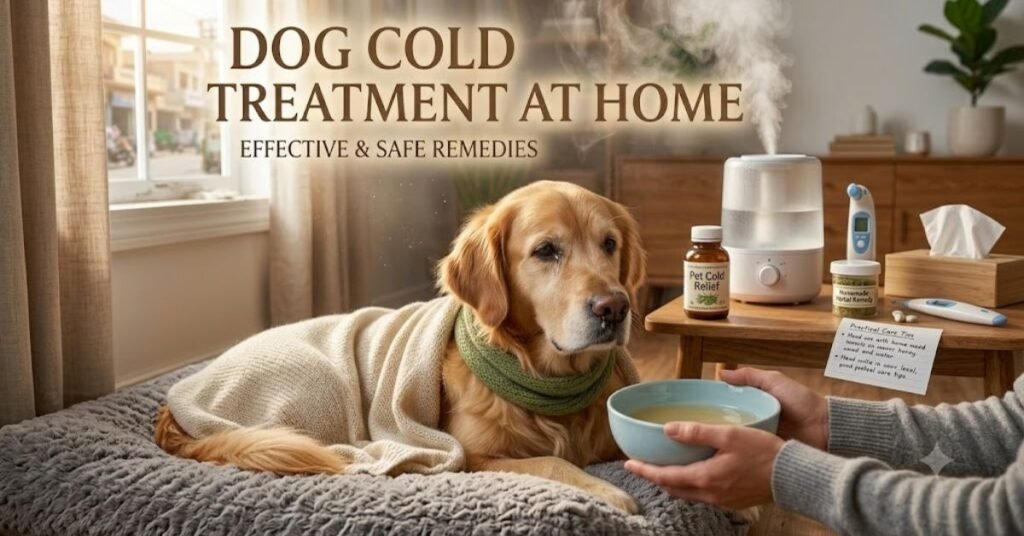
The good news is that most dog colds do not require a trip to the vet. You can treat a mild cold right at home. Just like humans rest and drink fluids when they are sick, dogs need the same kind of care. Your job as a dog owner is to make your pup feel safe, warm, and comfortable. A little extra love and attention goes a long way during this time. Simple home care can help your dog recover faster than you think.
Here are the most effective ways to treat your dog’s cold at home:
- Create a warm and cozy resting spot: Set up a soft and quiet place where your dog can sleep and recover without any disturbance.
- Keep fresh water available at all times: Hydration is extremely important during a cold. Make sure your dog is drinking enough water every single day.
- Offer warm and easy-to-eat food: Warm chicken broth or soft food is gentle on the stomach and very comforting for a sick dog.
- Use a humidifier in the room: Adding moisture to the air helps open up your dog’s nasal passage and makes breathing much easier.
- Wipe the nose gently: Use a soft damp cloth to clean any discharge around your dog’s nose. This keeps your dog comfortable and clean.
- Keep your dog warm: Avoid cold floors and drafty areas. A warm blanket can make a huge difference in how your dog feels.
- Limit outdoor activity: Short and gentle walks are fine. But avoid long runs or intense play until your dog is fully recovered.
- Separate from other pets: Keep your sick dog away from other animals in the house to stop the infection from spreading further.
Create a Comfortable Recovery Space for Your Dog
When your dog is sick, the environment around it matters more than you think. A calm and comfortable space can speed up recovery in a big way. Find a quiet corner in your home away from noise and foot traffic. Place a soft blanket or bed there for your dog to rest on. Make sure the area is warm but not too hot. Avoid placing your dog near open windows or cold drafts. A peaceful resting spot gives your dog’s body the energy it needs to fight off the infection.
Think of it as creating a little healing zone just for your pup. Keep everything your dog needs within easy reach. Fresh water should always be nearby. Food should be placed close so your dog does not have to walk far to eat. Dim the lights if possible to reduce stimulation. Keep other pets and small children away from this space. Your dog needs silence and stillness more than anything else right now. The more relaxed your dog feels, the faster it will get back to its happy and energetic self.
How to Keep Your Dog Hydrated and Well Rested During a Cold
Water and rest are the two most powerful healers for a sick dog. They cost nothing, but they make a huge difference. When a dog is fighting an infection, the body works overtime. It burns more energy and loses more fluids than usual. This is why hydration and rest are not optional during a cold. They are essential. Without enough water and sleep, your dog’s recovery will take much longer than it should.
Here are some simple and effective ways to keep your dog hydrated and well-rested during a cold:
- Refill the water bowl frequently: Fresh water is always more appealing than stale water. Change it several times a day to encourage your dog to drink more.
- Add warm chicken broth to the water: A little low-sodium chicken broth mixed with water makes drinking more tempting for a sick and fussy dog.
- Offer wet food instead of dry kibble: Wet food contains more moisture. It helps your dog stay hydrated even when it does not feel like drinking much.
- Watch for signs of dehydration: Dry gums, sunken eyes, and loss of skin elasticity are all warning signs that your dog needs more fluids immediately.
- Set a consistent sleep schedule: Try to keep the environment quiet and calm during your dog’s usual nap and sleep times every single day.
- Avoid waking your dog unnecessarily: Sleep is when the body heals the most. Let your dog rest as long as it needs to without any interruption.
- Reduce playtime and excitement: Too much stimulation tires a sick dog out quickly. Until you are fully recovered, keep things calm and low energy.
Can You Give Your Dog Any Cold Medicine?
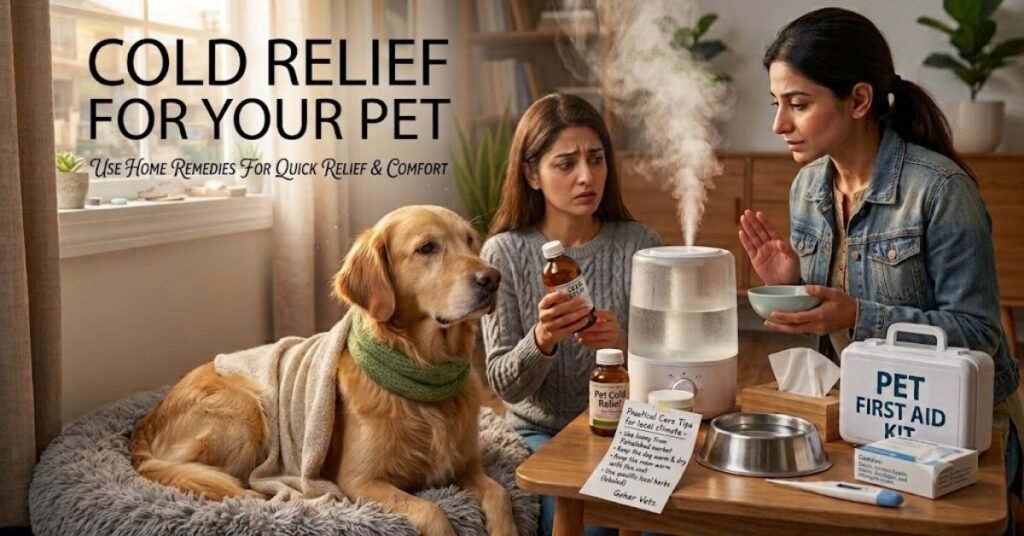
This is a question almost every dog owner asks at some point. When your dog is sick, you naturally want to help it feel better fast. You might look at your own medicine cabinet and wonder if anything in there could help. The honest answer is no. Cold medicine for humans should never be given to your dog. Many human medicines contain ingredients that are extremely toxic to dogs. Even a small dose of the wrong medicine can cause serious harm to your dog’s health.
The safest approach is always to consult your vet before giving your dog anything at all. Your vet may prescribe dog-safe medications depending on the symptoms. Some vets recommend mild treatments like saline nasal drops to clear a blocked nose. Others may suggest specific dog-friendly supplements to boost the immune system. Never try to guess the dosage or pick a medicine on your own. What works for humans can be dangerous or even deadly for dogs. Always put your dog’s safety first and let the vet guide you in the right direction.
What Home Remedies Actually Help a Sick Dog?
Not every dog cold needs a vet visit or medicine. Sometimes the best healing happens right at home. Several safe and natural remedies can comfort your sick dog and speed up recovery. These remedies are simple, affordable, and easy to apply. You do not need any special equipment or training to use them. All you need is a little patience, love, and the right knowledge to help your pup feel better.
Here are some home remedies that actually work for a sick dog:
- Warm chicken broth: Offer plain and low-sodium chicken broth to your dog. It is soothing, hydrating, and very easy on a sensitive stomach.
- Steam therapy: Take your dog into a steamy bathroom for 10 to 15 minutes. The warm steam helps loosen mucus and makes breathing much easier and more comfortable.
- Honey: A small amount of raw honey can soothe your dog’s irritated throat. It also has natural antibacterial properties that support the immune system.
- Warm compress: Gently place a warm damp cloth near your dog’s nose. This helps soften any dried discharge and brings instant relief to your pup.
- Elevated sleeping position: Prop your dog’s head slightly higher while sleeping. This simple trick helps with drainage and reduces nasal congestion overnight.
- Fresh air in short doses: A short and gentle walk in fresh air can actually help your dog breathe better. Make sure it’s not too cold outside.
- Extra cuddles and attention: Never underestimate the power of comfort. Your presence alone makes your dog feel safe and supported during recovery.
How to Prevent Your Dog From Catching a Cold
Prevention is always better than treatment. Keeping your dog healthy starts with a few simple daily habits. A strong immune system is your dog’s best defense against colds and infections. You do not need to do anything complicated or expensive. Small, consistent actions every single day make the biggest difference. A healthy dog is a happy dog,og and that is every owner’s goal.
The best way to prevent your dog from catching a cold is to stay consistent with its care. Keep all vaccinations up to date because they protect your dog from many serious infections. Feed your dog a nutritious and balanced diet every single day. Good food builds a strong immune system from the inside out. Keep your dog warm during cold weather and avoid contact with sick dogs in your area. Clean the food and water bowls daily to remove any hidden bacteria. Take your dog for regular vet checkups so any early signs of illness are caught before they get worse. These simple habits will keep your dog healthy and strong all year round.
Should You Isolate a Sick Dog From Other Pets?
Yes, you should absolutely isolate a sick dog from other pets in your home. This is one of the most important steps you can take. Dog colds are contagious. They spread quickly from one animal to another through direct contact and shared spaces. If you have multiple dogs or other pets at home, the infection can jump between them very fast. Acting quickly and separating your sick dog early can save your other pets from getting sick too.
Isolation does not have to be harsh or stressful for your dog. Simply move your sick dog to a separate room with everything it needs. Make sure it has its own food bowl, water bowl, and bedding. Do not let other pets share these items during the recovery period. Wash your hands every time you handle the sick dog before touching your other pets. Make sure your sick dog doesn’t feel lonely or anxious by checking on him regularly. A little separation now means a healthier and happier household for everyone very soon.
When Should You Call the Vet About Your Dog’s Cold?
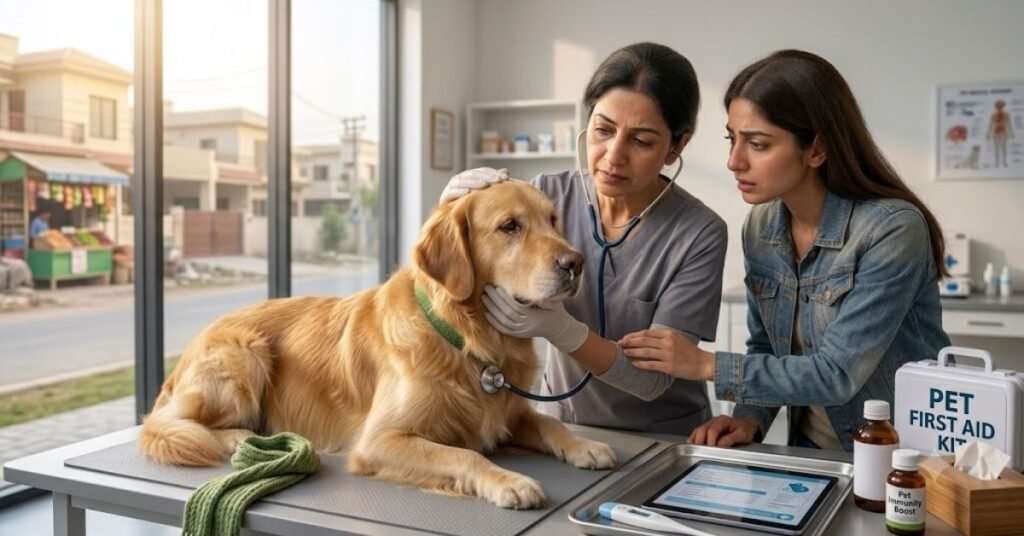
Most dog colds get better on their own with simple home care. But there are times when a vet call is necessary. As a dog owner, you need to know where that line is. Do not wait too long if something feels wrong. Your instincts as a pet owner are usually right. It is always better to make one extra call to the vet than to regret waiting too long. Your dog cannot speak for itself, so you are its only voice.
There are some clear signs that tell you it is time to stop home treatment and call the vet right away. If your dog has been sick for more than 10 days without any improvement, that is a serious concern. A very high fever that does not come down is another big warning sign. Do not wait any longer if your dog hasn’t eaten or drunk for more than two days.
Difficulty breathing, extreme weakness, or a very deep and painful-sounding cough all require immediate professional attention. Puppies and senior dogs should be taken to the vet sooner rather than later. When in doubt, always pick up the phone and call. A quick vet consultation can make all the difference in your dog’s recovery.
Warning Signs That Mean It Is No Longer Just a Cold
A common cold in dogs is usually mild and manageable. But sometimes what starts as a simple cold can turn into something far more serious. This is the part where many dog owners make mistakes. They assume their dog is just taking longer to recover. But in reality,y the body is sending out clear warning signals. Learning to recognize these signals early can genuinely save your dog’s life. Never ignore a symptom just because it seems small or minor.
Here are the warning signs that tell you it is no longer just a cold:
- Breathing difficulties: If your dog is struggling to breathe or breathing very fast, this is a medical emergency that needs immediate attention.
- Thick colored discharge: Green or yellow mucus coming from the nose or eyes means a bacterial infection has developed and needs treatment.
- Very high fever: A dangerously high body temperature means the infection has gone beyond a simple cold and the body is in serious distress.
- Complete loss of appetite: If your dog refuses to eat or drink anything for more than two days, it is no longer a mild cold.
- Extreme weakness: A dog that cannot stand up, walk properly, or lift its head needs urgent veterinary care right away.
- Chest pain or wheezing: Unusual sounds coming from the chest area during breathing can indicate pneumonia or another serious lung condition.
- Swollen lymph nodes: Noticeable swelling around the neck or jaw area is a strong sign that the infection has spread beyond the respiratory system.
Conclusion
So now you know the answer to the big question. Yes, dogs can have colds. It is not just a human thing. Your dog can catch a respiratory infection and feel just as miserable as you do when you are sick. The good news is that most dog colds are mild. They are manageable and treatable right at home with simple care and attention.
Being a good dog owner means staying informed and staying alert. By now, you can recognize the warning signs, create a comfortable recovery space, and keep your dog hydrated and well-rested. Most importantly, you’ll know when it’s time to stop home care and contact your veterinarian. This knowledge puts you in a much stronger position to protect your dog’s health every single day.
Prevention is always the smartest path. Keep your dog vaccinated and well fed. Maintain a clean and warm living environment. Avoid exposing your dog to sick animals whenever possible. These small daily habits build a strong immune system over time. A healthy dog is not just lucky. It is the result of a caring and responsible owner who pays attention and takes action.
Your dog depends on you completely. Your dog cannot buy its own medicine. It also cannot call the vet for help or tell you exactly where it hurts. All it can do is look at you with those trusting eyes and hope that you will take care of it. And now you absolutely can. Use everything you have learned in this guide and give your dog the love and care it truly deserves.
FAQs
Q1. Can dogs get colds like humans?
Yes, dogs can get colds, but they are caused by different viruses and bacteria than human colds. Mild cases often cause sneezing, coughing, and a runny nose and usually improve within 1–2 weeks with rest and proper care.
Q2. Can my dog catch my cold?
No. Human cold viruses rarely infect dogs because they are species-specific. Even so, wash your hands before handling your dog’s food, water, or toys when you’re sick to reduce the spread of other germs.
Q3. How can I tell if it’s a cold or something serious?
A mild cold usually causes sneezing, clear nasal discharge, and low energy that improves within a week. Seek veterinary care if your dog has trouble breathing, a high fever, thick nasal discharge, refuses food for more than 48 hours, or symptoms worsen.
Q4. What’s the fastest way to help a dog recover from a cold?
Keep your dog warm, hydrated, and well-rested. Offer soft food or warm, low-sodium chicken broth if appetite is reduced, and provide a quiet place to recover. Contact your veterinarian if symptoms persist or become more severe.
Q5. Are puppies more likely to get colds?
Yes. Puppies have developing immune systems, making them more vulnerable to respiratory infections than healthy adult dogs. If a puppy shows cold symptoms, arrange a veterinary examination promptly, as their condition can worsen more quickly.
