

Introduction
Dye Dog’s Hair means applying color to your dog’s fur to change its appearance. People may do this for fun, special events, dog shows, or simply to give their pet a unique look. While colorful coats can be appealing, not every dye is safe for dogs, and choosing the wrong product can put your pet at risk.
Many dog owners consider trying to Dye Dog’s Hair at home without fully understanding the potential risks. Some products may irritate the skin, trigger an allergic reaction, or cause chemical burns. The good news is that responsible preparation, pet-safe products, and careful application can help reduce these risks.
This guide covers what you should know before coloring your dog’s coat. You will learn which types of dyes are safer for dogs, how to approach the process carefully, and which warning signs to watch for afterward. Whether you’re a first-time owner or have experience with pet grooming, these tips can help you prioritize your dog’s health and comfort.
What Is Dog Hair Dye
Dog hair dye is a product made to add color to your pet’s fur. Unlike human hair dye, it is specially formulated to be gentler on animal skin. Most safe options come in the form of gels, sprays, or chalk-based colors. Additionally, these products wash out over time, so the color is not permanent. Every beginner should know that not all colorful products are made equally safe for dogs.
To start, you only need a few basic things to get the process right. First, pick a dye that is labeled pet-safe and free from harsh chemicals like hydrogen peroxide or ammonia. Then, do a small patch test on your dog’s fur before applying it fully. Furthermore, always check your dog’s reaction during and after the process. Keeping the experience calm and stress-free matters just as much as the product you choose.
Why People Dye Their Dog’s Hair
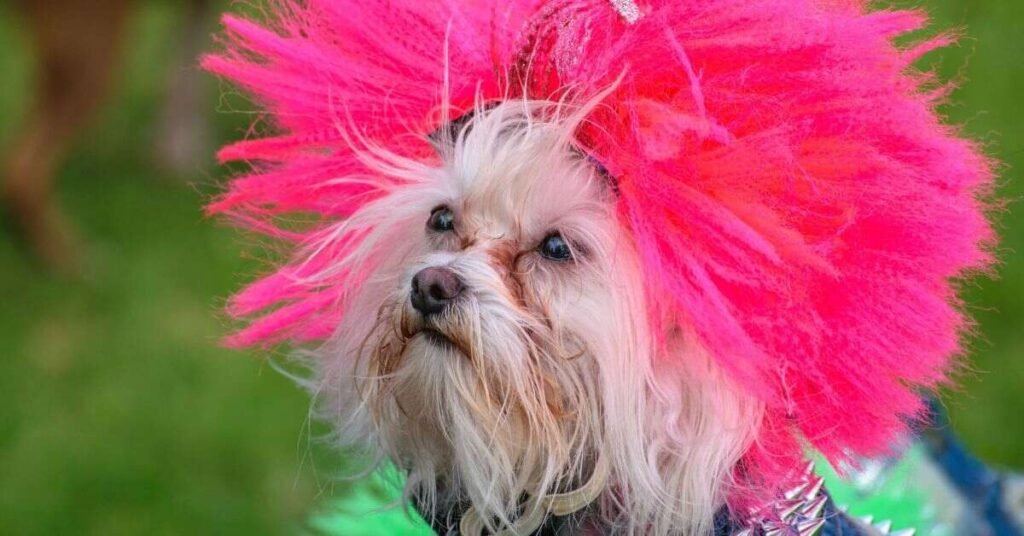
There are many reasons why dog owners decide to add color to their pet’s fur. Some do it purely for fun and to give their dog a playful, eye-catching look. Others use color to make their dog stand out at costume events or themed photo shoots. Additionally, certain dog show competitors use pet-safe dye to highlight specific features of their dog’s coat. For many owners, it is simply a creative way to bond with their pet and express their own personality.
Beyond aesthetics, some owners dye their dog’s hair for practical reasons. Farmers and ranchers, for example, sometimes mark their dogs with temporary color to identify them in a large group. Moreover, therapy dog handlers occasionally add fun colors to make their dogs more approachable and engaging for children. Rescue organizations have also used bright colors during adoption events to attract attention to dogs that need homes. Therefore, dyeing a dog’s hair is not always just about looks. It can serve a real and meaningful purpose depending on the situation.
Difference Between Dog Dye and Human Hair Dye
Dog dye and human hair dye may look similar on the outside, but they are very different products. Human dye can contain strong chemicals such as ammonia and hydrogen peroxide that open the hair shaft to deposit color. These chemicals may work on human hair, but they can be too harsh for a dog’s sensitive skin. Additionally, dogs have a thinner skin barrier than humans, which can increase the risk of irritation. When you Dye Dog’s Hair, using human dye can lead to burns, rashes, or toxic reactions if your dog licks the product.
Pet-safe dyes, on the other hand, are made with gentler ingredients designed specifically for animals. They are generally intended to color the fur rather than penetrate deeply into the hair shaft. Some pet-safe products are also formulated without harsh fragrances or ingredients that may irritate your dog’s skin or senses. Therefore, when you Dye Dog’s Hair, always choose a product specifically labeled for dogs and follow the manufacturer’s instructions carefully. Never assume that a natural or organic human dye is automatically safe for your pet.
| Feature | Dog Hair Dye | Human Hair Dye |
| Ammonia | No | Yes |
| Hydrogen Peroxide | No | Yes |
| Skin Sensitivity | Formulated for thin animal skin | Formulated for human skin |
| Application Method | Sits on top of fur | Penetrates hair shaft |
| Toxicity if Licked | Non-toxic (pet-safe formulas) | Toxic |
| Fragrance | Minimal or fragrance-free | Often heavily fragranced |
| Permanence | Temporary or semi-permanent | Permanent or semi-permanent |
| pH Level | Balanced for dog skin | Balanced for human scalp |
| Allergy Risk | Low (with pet-safe products) | Higher for dogs |
| Availability | Pet stores or online | Drugstores and salons |
Is Dog Hair Dye Safe for Dogs?
Dog hair dye can be safe, but only when you choose the right product and use it correctly. Not every dye sold in a pet store is automatically risk-free, so reading the label carefully matters. Some products contain ingredients that look harmless but can still cause irritation in sensitive dogs. Additionally, a dog’s skin pH is different from a human’s, which means even mild chemicals can trigger a reaction. Always consulting your vet before trying any dye for the first time is a smart and responsible step.
Safe dog dyes generally share a few important qualities that every owner should look for. Furthermore, knowing what to avoid is just as important as knowing what to buy. Here are the key things a safe dog dye should and should not contain:
A safe dog dye should:
- Be labeled non-toxic and pet-safe
- Contain food-grade or plant-based ingredients
- Be free from ammonia and hydrogen peroxide
- Have a pH level balanced for dog skin
- Wash out easily with regular dog shampoo
A safe dog dye should NOT contain:
- Artificial preservatives or harsh alcohols
- Strong synthetic fragrances
- Bleaching agents of any kind
- Ingredients your dog could react to if licked
Important Safety Guidelines to Follow
Taking the right precautions can make a huge difference in how smoothly the dyeing process goes for your dog. Many owners jump straight into applying color without proper preparation, and this often leads to avoidable problems. Your dog’s comfort should always be the top priority, even above how the final color turns out. Additionally, moving too fast through the steps raises the risk of skin irritation or patchy results. Preparation, application, and aftercare make the whole experience safer and more pleasant for your dog.
A few essential guidelines can help you avoid common mistakes during this process. Furthermore, staying consistent with these steps will protect your dog from unnecessary stress or discomfort. Here are the most important safety guidelines every owner should follow:
- Always perform a patch test 24 hours before the full application
- Keep dye away from your dog’s eyes, nose, mouth, and ears
- Wear gloves to protect your hands while applying the product
- Keep your dog relaxed and comfortable during the entire session
- Rinse the fur thoroughly once the recommended time has passed
- Check for redness, scratching, or swelling after the process is done
- Never leave the dye on longer than the instructions recommend
- Avoid dyeing puppies, pregnant dogs, or dogs with existing skin issues
- Choose products that are clearly labeled as safe for pets
- Talk to your vet first if your dog has a history of allergic reactions
Dogs That Should Not Be Dyed
Not every dog is a good candidate for hair dye, even when you use the safest products available. Some dogs have underlying health conditions or sensitivities that make any chemical application risky. If you plan to Dye Dog’s Hair, it is important to consider your dog’s health and skin condition first.
Knowing which dogs to avoid dyeing helps you make a more informed decision. Furthermore, this awareness protects both your dog’s physical health and emotional well-being. Here are the dogs that should never be dyed:
- Puppies under one year old, since their skin is still developing
- Pregnant or nursing dogs, due to hormonal and physical sensitivity
- Dogs with existing skin allergies, rashes, or infections
- Senior dogs with thinning or fragile skin
- Dogs recovering from surgery or recent vet treatment
- Anxious or easily stressed dogs that struggle with handling
- Dogs with a known history of reacting badly to grooming products
Choosing the Right Dog Hair Dye Products

Picking the right product is the single most important decision in this entire process. The market offers many options, but not all of them meet the safety standards your dog deserves. A good dye should be specifically formulated for pets rather than repurposed from human cosmetics. Additionally, checking the ingredient list before buying can save you from a lot of trouble later on. Spending a few extra minutes researching a product is far better than dealing with a reaction afterward.
Several factors can guide you toward making a smart and safe purchase. Furthermore, comparing a few trusted brands before deciding often leads to better results. Here are the key things to look for when choosing a dog hair dye:
- Look for labels that say non-toxic and vet-approved
- Choose plant-based or food-grade coloring ingredients
- Avoid products containing ammonia, peroxide, or bleach
- Pick a brand with positive reviews from real dog owners
- Check that the dye washes out with regular pet shampoo
- Confirm the product is appropriate for your dog’s coat type
- Buy from reputable pet stores or trusted online retailers
Why Human Hair Dye Is Unsafe for Dogs
Human hair dye is formulated for a completely different type of skin and biology than what dogs have. Most products contain strong chemicals like ammonia, peroxide, and parabens that can severely irritate a dog’s skin. These ingredients are designed to penetrate human hair strands, which is far more aggressive than anything a dog’s coat needs. Additionally, dogs often try to lick treated areas, which means these toxic chemicals can easily enter their system. Even a small amount of human dye can lead to vomiting, drooling, or serious internal damage.
Beyond the chemical risks, human dye also poses serious dangers through skin contact alone. Furthermore, a dog’s thinner skin barrier absorbs substances much faster than human skin does. Common reactions include redness, swelling, intense itching, and painful chemical burns. Some dogs may also experience breathing difficulties if they inhale strong fumes from the product. Therefore, no version of human hair dye should ever be considered a safe option for dogs. Choosing a vet-approved, pet-specific product is always the responsible path forward.
How to Prepare Your Dog Before Dyeing
Proper preparation sets the foundation for a safe and successful dyeing session. Skipping this stage often leads to uneven color, skin irritation, or a stressed-out dog. Taking time to prepare both your dog and your workspace makes the entire process smoother. Additionally, a calm and well-organized setup helps reduce anxiety for dogs that are sensitive to new experiences. Getting everything ready beforehand also saves you from unnecessary delays once the dyeing actually begins.
A few simple steps can make a noticeable difference in how well the session goes. Furthermore, following these steps in order helps you stay organized and avoid common mistakes. Here is how to properly prepare your dog before dyeing:
- Bathe your dog a day before to remove dirt and oils
- Brush out any tangles or mats from the coat
- Perform a patch test and wait 24 hours to check for reactions
- Gather all supplies, including gloves, towels, and the dye itself
- Choose a quiet, well-ventilated space for the session
- Keep treats nearby to reward calm behavior throughout
- Trim excess fur if it helps with even application
Cleaning the Coat Properly
A clean coat is essential for getting even and long-lasting color results. Dirt, oil, and product buildup can prevent the dye from absorbing properly into the fur. Washing your dog with a gentle, dog-safe shampoo a day before dyeing works best. Additionally, this timing allows the natural oils to return slightly, which protects the skin during the process. Avoid bathing your dog right before dyeing, since freshly stripped skin can be more sensitive to chemicals.
Rinsing thoroughly is just as important as the wash itself. Furthermore, any leftover shampoo residue can interfere with how well the dye sets into the coat. Make sure the fur is completely dry before applying any color, since damp fur can dilute the product. Towel drying followed by air drying usually works better than using a blow dryer on high heat. A clean, dry, and fully brushed coat gives you the best possible base for safe and even dyeing.
Tools and Pre-Dye Safety Steps
Having the right tools ready before you start makes the entire process much smoother and safer. Many owners forget small items like gloves or towels, which can lead to a messy or rushed session. Gathering everything in advance also keeps your dog calmer, since you won’t be running around mid-process. Additionally, a well-prepared setup reduces the chances of accidentally getting dye in sensitive areas. Taking a few minutes to organize your supplies pays off once the actual dyeing begins.
Following a few pre-dye safety steps protects both you and your dog throughout the session. Furthermore, sticking to a checklist ensures nothing important gets overlooked in the moment. Below is a simple breakdown of the tools you will need and their purpose.
| Tool | Purpose |
| Pet-safe dye | Main product used for coloring the coat |
| Disposable gloves | Protects your hands from direct contact |
| Old towels | Catches drips and protects surfaces |
| Mixing bowl | Used for blending dye if required |
| Applicator brush or sponge | Helps apply dye evenly |
| Cotton balls | Protects ears from accidental dye contact |
| Petroleum jelly | Shields paws and sensitive skin areas |
| Pet-safe shampoo | Used for pre-wash and final rinse |
| Treats | Keeps your dog calm and rewarded |
| Timer | Tracks how long the dye should stay on |
How to Dye Dog Hair Safely Step-by-Step
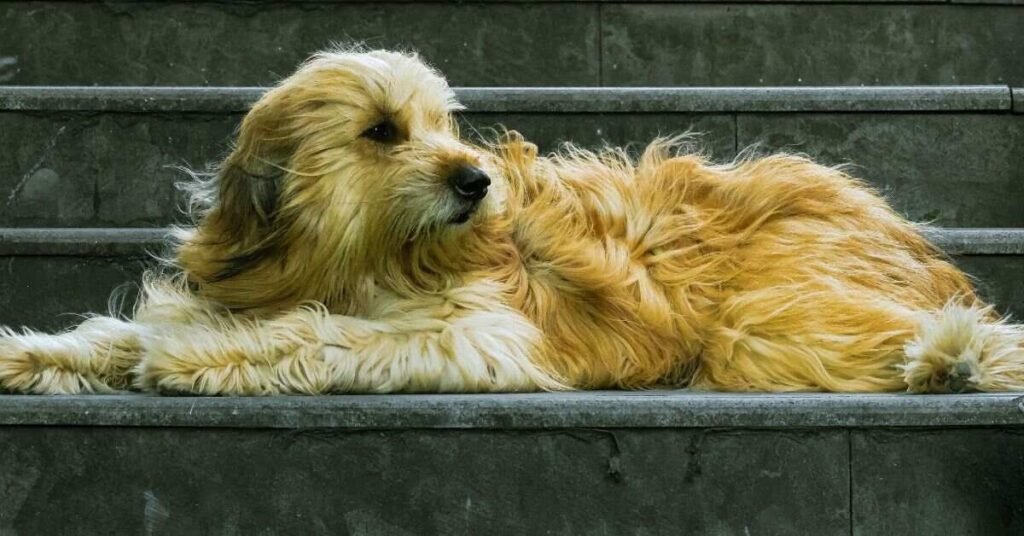
Following a clear process helps you avoid mistakes and keeps your dog comfortable from start to finish. Rushing through any stage often leads to uneven color or unnecessary stress for your pet. Working in a calm, well-lit space makes it easier to apply the dye accurately. Additionally, having a helper hold or comfort your dog can make the entire session go much smoother. Staying patient throughout the process leads to better results and a happier dog overall.
Each step plays an important role in achieving safe and even color. Furthermore, skipping or rushing any stage can affect both safety and the outcome. Here is a simple step-by-step guide to dyeing your dog’s hair safely:
- Apply petroleum jelly around the eyes, nose, and paws for protection
- Put cotton balls gently in the ears to prevent dye contact
- Mix the dye according to the product instructions
- Apply the dye in small sections using a brush or sponge
- Avoid sensitive areas like the face, genitals, and inside the ears
- Let the dye sit for the exact time stated on the label
- Thoroughly rinse with lukewarm water until it runs clear
- Dry your dog gently using a towel or low heat setting
Applying the Dye Correctly
Correct application technique plays a major role in how the final color turns out. Working in small sections allows the dye to spread evenly without overwhelming your dog. Start from one area and move steadily across the coat instead of jumping around randomly. Additionally, using gentle strokes prevents the product from getting pushed too deep into the skin. Taking your time during this stage really does make a visible difference in the result.
Pressure and technique matter just as much as the product itself. Furthermore, applying too much dye at once can lead to uneven patches or wasted product. Use a light hand and build up color gradually rather than saturating the fur immediately. Checking your progress every few minutes helps you catch any uneven spots early. A steady, careful approach throughout the application gives your dog a smoother, more natural-looking result.
Rinsing and Drying Without Causing Harm
Rinsing properly is just as important as the application itself when it comes to safety. Even after the coloring process is complete, leftover dye can cause irritation to the skin. Using lukewarm water helps remove the product gently without shocking your dog’s system. Additionally, rinsing until the water runs completely clear ensures no residue stays trapped in the coat. Taking this step seriously protects your dog from unnecessary itching or discomfort afterward.
Drying your dog correctly also matters more than most owners realize. Furthermore, using the wrong method can irritate already sensitive skin after the dyeing process. Here is a simple comparison of safe and unsafe rinsing and drying practices.
| Practice | Safe Method | Unsafe Method |
| Water Temperature | Lukewarm water | Hot water |
| Rinsing Duration | Until water runs clear | Quick, incomplete rinse |
| Drying Tool | Towel or low heat dryer | High heat blow dryer |
| Drying Technique | Gentle patting | Rough rubbing |
| Post Rinse Check | Inspect skin for redness | Skipping the inspection |
| Final Step | Allow natural air drying | Leaving fur damp for hours |
Creative Dog Hair Dye Ideas and Styles
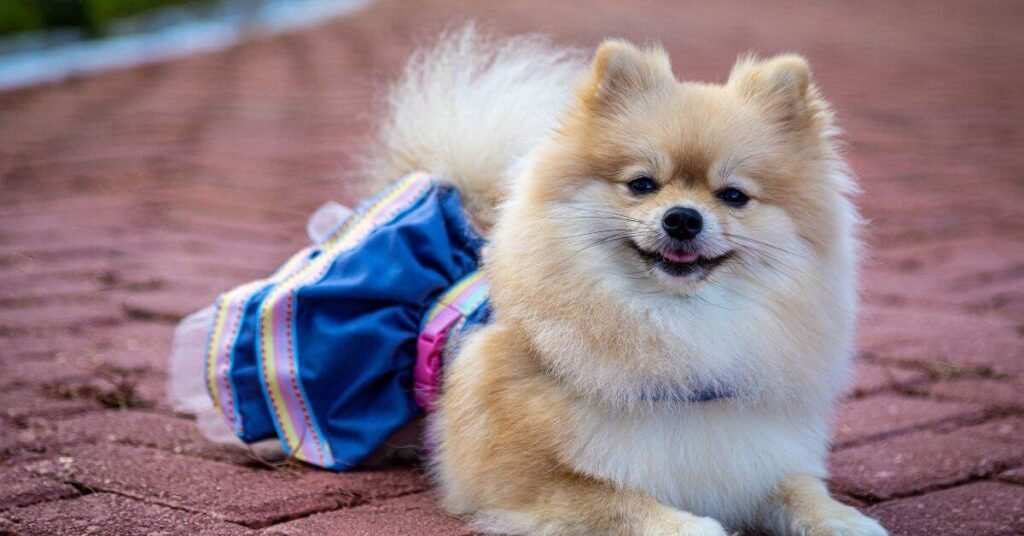
Once you understand the safety basics, exploring fun designs becomes the exciting part of the process. Many owners enjoy experimenting with patterns, ombre effects, or full coat color changes. Lighter colored dogs tend to show vibrant shades more clearly than darker breeds. Additionally, choosing a style that matches your dog’s personality often makes the experience more enjoyable for both of you. Starting with something simple is always a smart choice before attempting more detailed designs.
Certain styles work better depending on your dog’s coat type and your own experience level. Furthermore, beginners often find that small accent areas are easier to manage than full-body color. Here are some popular dog hair dye ideas and styles to consider.
| Style | Description | Best For |
| Ombre Tips | Gradual color fade on ear or tail tips | Beginners |
| Rainbow Accents | Multiple bright colors in small patches | Festive occasions |
| Pastel Highlights | Soft, subtle color streaks | Light colored coats |
| Full Body Color | Complete coat transformation | Experienced owners |
| Paw Print Pattern | Colored designs shaped like paw prints | Themed events |
| Seasonal Themes | Colors matching holidays or events | Special occasions |
Popular Colors and Design Trends
Color trends in dog dyeing often follow seasonal events and popular culture moments. Pastel shades remain a favorite choice because they look soft and natural on most coats. Bold colors like pink, blue, and purple are especially popular for special occasions or photo sessions. Additionally, neon shades have gained attention on social media for their eye-catching, playful appearance. Choosing a trend that suits your dog’s coat color usually leads to the best visual results.
Design choices have evolved beyond simple solid colors in recent years. Furthermore, many owners now combine multiple shades to create more artistic and personalized looks. Here is a quick look at some popular colors and design trends among dog owners today.
| Trend | Description | Popular Occasion |
| Pastel Pink | Soft, gentle pink tone | Everyday styling |
| Electric Blue | Bright, bold blue shade | Social media photos |
| Purple Ombre | Gradual purple fade effect | Special events |
| Rainbow Mix | Multiple vibrant colors combined | Festivals and parades |
| Neon Green | High-visibility bright green | Costume parties |
| Holiday Themes | Red and green or orange and black | Christmas and Halloween |
Dye Ideas for Events and Special Occasions
Special events often inspire owners to try more creative and themed dyeing ideas. Birthdays, holidays, and parades give dogs a chance to stand out with festive colors. Matching your dog’s dye to the occasion adds a fun, personal touch to any celebration. Additionally, themed colors often make for memorable photos that owners enjoy sharing with friends and family. Planning the design a few days ahead allows enough time for testing and adjustments.
Certain occasions naturally pair well with specific color choices and patterns. Furthermore, coordinating your dog’s look with the event theme creates a more cohesive overall appearance. Here are some popular dye ideas suited for different events and special occasions.
| Occasion | Suggested Colors | Style Idea |
| Birthday Party | Bright pink, blue, yellow | Colorful spots or streaks |
| Halloween | Orange, black, purple | Spooky patterns or accents |
| Christmas | Red, green, white | Festive paw prints |
| Pride Events | Rainbow colors | Multi colored coat sections |
| Sports Events | Team colors | Logo-inspired patterns |
| Wedding Photos | Pastel tones | Subtle color highlights |
How Long Dog Hair Dye Lasts
Dog hair dye duration depends largely on the type of product you choose to use. Temporary dyes, like chalk or sprays, usually last only a single day or until the next bath. Semi-permanent dyes tend to last anywhere from two to six weeks with proper care. Additionally, your dog’s coat type and activity level can affect how quickly the color fades. Dogs that swim often or get bathed frequently will usually see faster fading than others.
Several factors influence how long the color actually stays vibrant on the coat. Furthermore, sun exposure and frequent brushing can also speed up the fading process over time. Lighter colored dogs often hold color longer than darker breeds with naturally pigmented fur. Using a color-safe shampoo between washes can help extend the dye’s lifespan slightly. Understanding these factors helps you set realistic expectations before starting the dyeing process.
Signs of Skin Irritation to Watch For
Keeping a close eye on your dog after dyeing helps catch problems before they get worse. Even pet-safe products can cause mild reactions in dogs with sensitive skin. Checking your dog regularly during the first 24 to 48 hours is especially important. Additionally, early detection allows you to act quickly and prevent further discomfort or complications. Staying alert during this period gives you peace of mind and protects your dog’s well-being.
Knowing exactly what to look for makes monitoring much easier and more effective. Furthermore, some symptoms appear immediately, while others may take a few hours to develop. Here are the common signs of skin irritation to watch for after dyeing:
- Redness or swelling on the treated skin areas
- Excessive scratching, licking, or biting at the fur
- Visible bumps, hives, or rash-like patches
- Hair loss or thinning in the dyed area
- Unusual whimpering or signs of discomfort when touched
- Watery eyes or sneezing if dye is near the face
- Lethargy or noticeable changes in normal behavior
Responsible Dog Hair Dye Practices
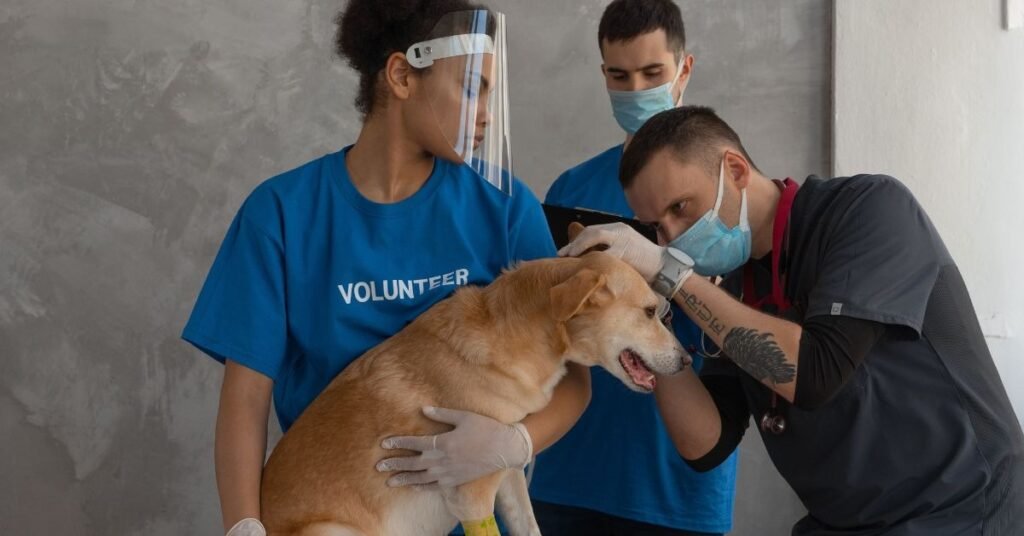
Responsible dyeing means putting your dog’s well-being ahead of how the final result looks. Every decision, from product choice to application technique, should prioritize safety over style. Taking shortcuts to save time often increases the risk of irritation or stress for your pet. Additionally, respecting your dog’s comfort level throughout the process shows genuine care for their welfare. A responsible owner always treats this as an optional activity, not something the dog must endure.
True responsibility also extends beyond the dyeing session itself. Furthermore, ongoing monitoring after the process plays a key role in protecting your dog’s health. Stopping immediately if your dog shows signs of stress or discomfort reflects good judgment. Choosing quality, vet-approved products over cheaper alternatives demonstrates a genuine commitment to safety. Practicing patience and care at every stage ensures the experience stays positive for both you and your dog.
When to Seek Professional Grooming Help
Some situations call for professional help rather than attempting the process at home. Dogs with anxious temperaments often handle dyeing better in a calm, controlled grooming environment. Groomers also have experience working with different coat types and can spot risks you might miss. Additionally, professionals understand proper technique, which reduces the chance of uneven color or skin irritation. Choosing this option can save you time while ensuring a safer overall experience for your dog.
Certain dogs and situations make professional grooming the smarter, safer choice. Furthermore, complex designs or full coat color changes often require more skill than a first-time owner has. Dogs with sensitive skin, allergies, or a history of bad reactions should always see a professional. Large or hard-to-manage dogs may also benefit from an experienced handler’s assistance. Trusting a trained groomer ultimately protects your dog while still achieving the colorful look you want.
Conclusion
When you Dye Dog’s Hair, your pet’s health and comfort should always come before appearance. Choosing the right pet-safe product is one of the most important steps you can take. Avoid human hair dye and products containing harsh chemicals, as they may cause skin irritation or other health problems.
Before applying any color, take time to prepare your dog properly. A patch test can help identify possible reactions, while gentle application and thorough rinsing can reduce unnecessary risks. Always monitor your dog’s behavior and skin during and after the process.
Remember that not every dog will enjoy having its coat colored. If your dog becomes anxious, uncomfortable, or resistant, stopping the process is the responsible choice. When you’re uncertain about a product or technique, speaking with a veterinarian or professional groomer can provide valuable guidance.
Ultimately, Dye Dog’s Hair should be about creating a positive experience without compromising your pet’s well-being. With careful product selection, patience, and proper safety practices, you can enjoy a creative grooming experience while keeping your dog comfortable, happy, and protected.
FAQs
1. Is it safe to Dye Dog’s Hair with human hair dye?
No, human hair dye is not safe for dogs. It can contain strong chemicals that may irritate your dog’s skin or cause other health problems. Always choose a pet-safe dye specifically made for animals.
2. What should I use to Dye Dog’s Hair safely?
Use only non-toxic, dog-safe dyes designed specifically for pets. These products are made with a dog’s sensitive skin and coat in mind. Always check the ingredients and follow the product instructions carefully.
3. How do I know if I should stop Dye Dog’s Hair?
Watch for signs such as redness, itching, swelling, excessive licking, or scratching. If your dog shows any unusual reaction, stop immediately and remove the product. Contact a veterinarian if symptoms continue or become severe.
4. How long does it last when you Dye Dog’s Hair?
Most pet-safe hair dyes are temporary and can last from a few days to several weeks. The duration depends on the product, coat type, and how often your dog is bathed. Regular washing may cause the color to fade faster.
5. Can I Dye Dog’s Hair safely at home?
Yes, but you should use only products made specifically for dogs and follow all safety instructions. Make sure your dog remains calm, perform a patch test first, and rinse the coat thoroughly. If you’re unsure, consider asking a professional groomer for help.

DogsVibes Editorial Team creates trusted, research-based dog care content to help pet owners keep their dogs healthy, happy, and safe.
1 thought on “Dye Dog’s Hair | Vet-Approved Safety Tips”