

Introduction
If your dog keeps sneezing, you are probably wondering what is going on. Sneezing is how a dog’s body pushes out something irritating from the nose. It can be dust, a smell, or even just excitement. Most of the time, it is harmless. But sometimes it can point to something that needs attention.
You might have noticed your dog sneezing after a walk, during playtime, or even in the middle of the night. It feels random and confusing. The truth is, sneezing in dogs has many possible causes. Some are completely normal. Others are worth a closer look. Knowing the difference can save you a lot of worry and help your dog feel better faster.
In this guide, you will learn why dogs sneeze, what causes it, and when it becomes a reason to call the vet. You will also find out what reverse sneezing is, which many dog owners confuse with a serious problem. By the end, you will know exactly what to watch for and what to do.
Is It Normal for a Dog to Keep Sneezing?
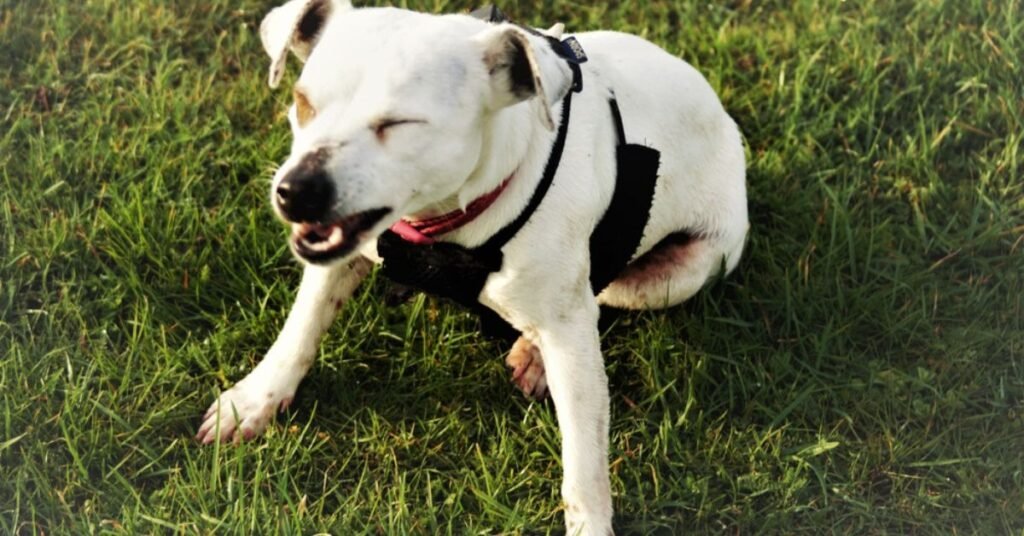
Sneezing once or twice a day is completely normal for a dog. Just like humans, dogs sneeze to clear their noses. Dust, pollen, and strong smells can all trigger a quick sneeze. Most of the time, there is nothing to worry about. However, if your dog is sneezing repeatedly throughout the day, that is a different story. Frequent sneezing can sometimes be a sign that something is off.
The good news is that not every sneezing episode means a health problem. For example, some dogs sneeze during play or when they get excited. That is perfectly normal dog behavior. Still, it is important to pay attention to how often it happens. If the sneezing comes with other symptoms like discharge, bleeding, or loss of appetite, then it is time to take a closer look. Overall, knowing what is normal for your dog makes it much easier to spot when something is wrong.
What Does Normal Dog Sneezing Look Like?
Normal dog sneezing is usually short and quick. It happens once or twice and then stops on its own. Your dog will seem completely fine right after. There is no gasping, no panic, and no repeated sneezing in a row. Generally, a healthy sneeze looks relaxed and does not interrupt your dog’s normal activity. The dog simply sneezes and goes right back to whatever it was doing.
However, if the sneezing looks more like a long snorting episode, that could be reverse sneezing, which is a different thing entirely. Also, if your dog seems uncomfortable or keeps rubbing its nose on the floor, that is worth paying attention to. Overall, normal sneezing is brief, rare, and leaves your dog completely unbothered. There are a few signs that tell you the sneezing is normal and nothing to worry about:
- No discharge coming from the nose
- Your dog is eating and drinking as usual
- The sneezing happens only a few times a day
- Afterward, your dog seems happy and energetic
- There is no pawing at the nose or face
Common Reasons Why Your Dog Keeps Sneezing
Dogs sneeze for many different reasons, and most of them are not serious. Some causes are linked to the environment around your dog. Others come from inside the body. Understanding the most common reasons helps you figure out what might be triggering your dog. Generally, the cause becomes easier to identify once you start paying attention to when and where the sneezing happens.
There is a wide range of things that can make a dog sneeze repeatedly. For example, allergens, infections, foreign objects, and even excitement can all play a role. However, some causes need medical attention while others go away on their own. Here are the most common reasons why your dog keeps sneezing:
- Dust, pollen, or strong household smells
- Something is stuck inside the nasal passage
- A respiratory infection or nasal mites
- Excitement or play behavior
- Dental problems affecting the nasal area
- Allergies to food or the environment
- Nasal tumors in older dogs
Environmental Irritants and Allergens
One of the most common reasons a dog keeps sneezing is exposure to irritants in the environment. Things like dust, pollen, smoke, and strong perfumes can irritate the lining of your dog’s nose. Just like humans get a runny nose from allergies, dogs react the same way. Generally, this type of sneezing happens more during certain seasons, especially spring and fall. If your dog sneezes more after going outside or when you clean the house, irritants are likely the cause.
Allergens work differently from irritants but produce similar symptoms. For example, your dog might be allergic to a specific type of grass, mold, or even an ingredient in its food. Additionally, some dogs are sensitive to scented candles, air fresheners, and cleaning sprays used indoors. The sneezing usually stops once the irritant is removed from the environment. Here is a table that covers the most common environmental irritants and allergens that cause sneezing in dogs:
| Irritant or Allergen | Source | How It Affects Dogs |
| Dust and dust mites | Carpets, furniture, bedding | It irritates the nasal lining and triggers sneezing |
| Pollen | Trees, grass, flowers | Causes seasonal allergic sneezing |
| Cigarette or wood smoke | Indoor smoking, fireplaces | Inflames the nasal passages |
| Strong perfumes or sprays | Colognes, air fresheners | Directly irritates the nose |
| Mold spores | Damp areas, old walls | Triggers sneezing and nasal discharge |
| Cleaning products | Floor cleaners, sprays | Chemical fumes irritate the airways |
| Scented candles | Indoor use | Releases particles that affect sensitive noses |
| Food allergens | Certain proteins or grains | Can cause sneezing alongside skin issues |
Foreign Object Stuck in the Nose
Dogs are naturally curious animals and love to sniff everything around them. Sometimes, while sniffing through grass, soil, or leaves, a small object can get lodged inside the nose. This could be a grass seed, a tiny piece of dirt, or even a small insect. Generally, when something is stuck in the nasal passage, the dog will sneeze repeatedly, trying to push it out. The sneezing tends to be sudden, intense, and focused on one nostril rather than both.
This type of sneezing is usually easy to spot because it comes on very quickly. For example, your dog might be completely fine one moment and then start sneezing nonstop the next. Additionally, you may notice your dog pawing at its nose or rubbing its face on the ground. However, do not try to remove the object yourself, as this can push it deeper inside. Instead, take your dog to the vet as soon as possible so the object can be safely removed before it causes an infection.
Infections and Health Conditions That Cause Sneezing

Sometimes sneezing is not caused by something in the environment but by something happening inside the body. Infections and certain health conditions can irritate the nasal passage and cause persistent sneezing. These causes are more serious than dust or allergens and usually come with other symptoms. Generally, a dog dealing with an infection will sneeze frequently and may also seem tired or unwell. Therefore, it is important to recognize the signs early so treatment can start as soon as possible.
Several health conditions can lead to ongoing sneezing in dogs. For example, a respiratory infection, nasal mites, or even a dental problem can all trigger sneezing that does not go away on its own. Additionally, older dogs can sometimes develop nasal tumors that cause chronic sneezing with blood or discharge. Here is a table covering the most common infections and health conditions that cause sneezing in dogs:
| Condition | Main Cause | Key Symptoms Alongside Sneezing |
| Upper Respiratory Infection | Bacteria or a virus | Discharge, coughing, lethargy |
| Nasal Mites | Tiny parasites in the nose | Intense sneezing, nosebleeds, and head shaking |
| Kennel Cough | Bordetella bacteria | Honking cough, runny nose, mild fever |
| Dental Disease | Infected tooth root near the nasal cavity | One-sided sneezing, facial swelling |
| Nasal Tumors | Abnormal cell growth | Bloody discharge, facial deformity |
| Fungal Infection | Aspergillus fungus | Nasal discharge, pain around the nose |
| Distemper Virus | Viral infection | Sneezing, eye discharge, and neurological signs |
Upper Respiratory Infections
Upper respiratory infections are one of the more common health reasons why a dog keeps sneezing. These infections are caused by bacteria or viruses that affect the nose, throat, and airways. Just like a human cold, they make the nasal passage inflamed and irritated. Generally, dogs that spend time around other dogs, such as at a kennel or dog park, are more likely to catch these infections. The sneezing that comes with a respiratory infection is usually frequent and comes alongside other noticeable symptoms.
Recognizing a respiratory infection early makes a big difference in how quickly your dog recovers. For example, if your dog is sneezing a lot and also seems tired or is not eating well, an infection could be the reason. Additionally, some infections can get worse if left untreated and may spread to the lungs. Therefore, a vet visit is important as soon as you notice these signs. Here are the most common symptoms that appear alongside sneezing when a dog has an upper respiratory infection:
- Thick or colored discharge from the nose
- Watery or red eyes
- Coughing or gagging sounds
- Loss of appetite or low energy
- Mild fever and lethargy
- Labored or noisy breathing
What Is Reverse Sneezing in Dogs?
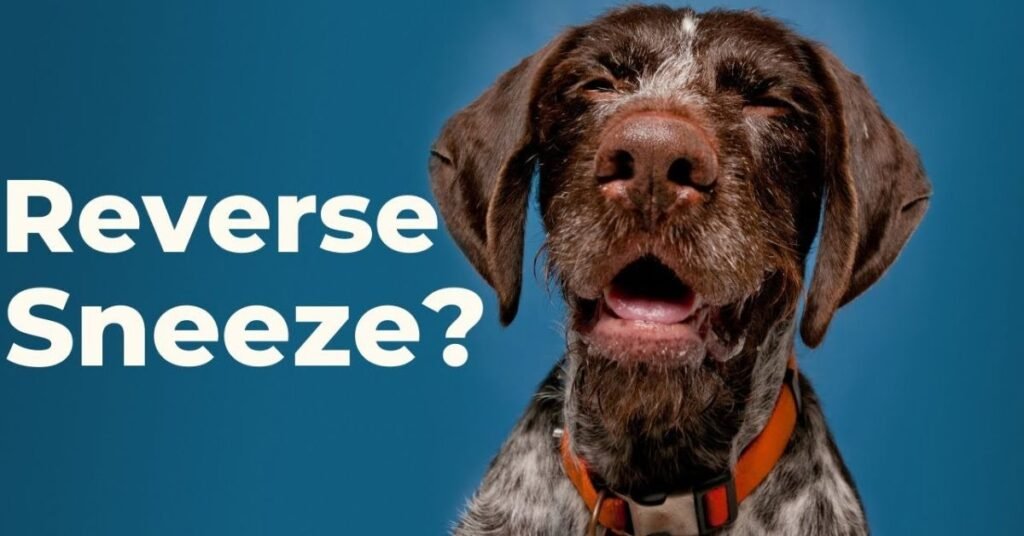
Reverse sneezing is something many dog owners find alarming the first time they see it. Instead of pushing air out through the nose, the dog rapidly pulls air in. This creates a loud snorting or honking sound that can last for a few seconds. Generally, the dog will stand still with its neck stretched out and its chest expanded during the episode. However, despite how scary it looks and sounds, reverse sneezing is usually harmless and stops on its own.
Reverse sneezing is actually quite common in dogs of all breeds and sizes. For example, small breeds and flat-faced dogs like Pugs and Bulldogs tend to experience it more often. Additionally, it can be triggered by excitement, eating too fast, a sudden change in temperature, or even a strong smell. Most of the time, the episode ends within 30 seconds, and the dog returns to normal immediately after. Therefore, there is usually no need to panic when it happens, but it is still worth mentioning to your vet if it occurs very frequently.
What Causes Reverse Sneezing?
Reverse sneezing happens when something irritates the soft palate or the back of the throat. The soft palate is a small flap of tissue at the roof of the mouth near the throat. When it gets irritated, it causes a spasm that makes the dog inhale rapidly and repeatedly. Generally, this reaction is the body’s way of trying to clear the irritation. However, unlike regular sneezing, the air moves inward instead of outward during a reverse sneeze.
Several things can trigger this kind of spasm in dogs. For example, pulling too hard on a leash can irritate the throat and cause an episode. Additionally, post-nasal drip, nasal mites, and even eating or drinking too fast are known triggers. Therefore, paying attention to when the reverse sneezing happens can help you identify the cause. Here are the most common triggers of reverse sneezing in dogs:
- Excitement or overexertion during play
- Eating or drinking too quickly
- Strong smells like perfume or cleaning sprays
- Sudden changes in temperature or air quality
- Leash pulling that puts pressure on the throat
- Nasal irritants like dust or pollen
- Post-nasal drip from allergies or infections
Dog Sneezing With Other Symptoms: What to Watch For
Sneezing on its own is usually not a big concern. However, when sneezing comes along with other symptoms, it often points to something more serious. The combination of symptoms gives a much clearer picture of what might be going on inside your dog’s body. Generally, dog owners who pay attention to these additional signs are able to get their dog the right help much faster. Therefore, it is important to watch your dog closely and note anything unusual alongside the sneezing.
Some symptom combinations are more serious than others and should never be ignored. For example, sneezing with blood coming from the nose is never normal and needs immediate veterinary attention. Additionally, sneezing paired with extreme tiredness or refusal to eat can indicate a serious infection or illness. Here is a table that covers the most common symptoms that appear alongside sneezing and what they could mean:
| Symptom Alongside Sneezing | Possible Cause | What You Should Do |
| Bloody discharge from the nose | Nasal tumor, injury, or fungal infection | Visit the vet immediately |
| Thick yellow or green mucus | Bacterial or viral infection | Schedule a vet appointment soon |
| Watery eyes and itching | Seasonal allergies | Monitor and consult your vet |
| Lethargy and loss of appetite | Respiratory infection or systemic illness | See a vet as soon as possible |
| Pawing at the nose | Foreign object stuck in the nasal passage | Vet visit needed right away |
| Facial swelling on one side | Dental abscess or nasal tumor | Immediate veterinary care required |
| Coughing alongside sneezing | Kennel cough or respiratory infection | Contact your vet promptly |
| Head shaking with sneezing | Nasal mites or an ear infection | Book a vet examination |
Sneezing With Discharge or Blood
Discharge coming from a dog’s nose during sneezing is not always a red flag. Clear and watery discharge is often just a sign of mild irritation or allergies. However, when the discharge turns yellow, green, or thick, it usually means an infection is present. Generally, colored discharge alongside frequent sneezing is a strong sign that your dog needs to see a vet. Therefore, paying attention to the color and consistency of the discharge can help you act at the right time.
Blood coming from the nose during sneezing is a more serious sign that should never be ignored. For example, a single small spot of blood after intense sneezing could just be from irritation inside the nostril. Additionally, regular nosebleeds paired with sneezing can point to nasal tumors, a fungal infection, or nasal mites. However, if the bleeding is heavy or happens repeatedly, that is a clear signal to visit the vet without delay. Overall, any combination of sneezing and blood, no matter how minor it seems, always deserves a proper veterinary examination.
When Should You Take Your Dog to the Vet for Sneezing?
Most sneezing in dogs does not require a vet visit. However, there are certain situations where waiting too long can make things worse. Knowing when to act is just as important as knowing what to look for. Generally, if the sneezing has been going on for more than a day or two without any clear reason, it is worth getting a professional opinion. Therefore, trusting your instincts as a dog owner and acting early is always the better choice.
Some signs make it very clear that a vet visit cannot wait. For example, if your dog is sneezing blood, has thick, colored discharge, or seems to be in pain, those are not things to monitor at home. Additionally, a dog that stops eating, becomes very tired, or keeps pawing at its nose needs prompt attention. However, even milder symptoms that keep coming back over several days should not be dismissed. Overall, a quick vet visit gives you peace of mind and ensures your dog gets the right treatment before the problem gets worse.
Warning Signs That Need Immediate Attention
Some sneezing symptoms in dogs are serious enough to need same-day veterinary care. Waiting even a few hours in these situations can allow the condition to get significantly worse. These warning signs are different from mild or occasional sneezing because they point to something happening that the body cannot handle on its own. Generally, any symptom that appears suddenly and intensely should be treated as urgent. Therefore, knowing these red flags in advance can help you make faster and better decisions for your dog.
Additionally, if your dog is whimpering, crying, or showing signs of pain while sneezing, that is another clear signal to act fast. However, even if you are unsure whether the situation is serious, calling your vet and describing the symptoms is always the right move. Overall, it is always better to get your dog checked and find out everything is fine than to wait and risk a more serious outcome. Here are the warning signs that should never be ignored and require immediate veterinary attention:
- Heavy or repeated bleeding from the nose
- Sneezing that has not stopped for several hours
- Visible swelling around the nose or face
- Your dog is unable to breathe comfortably
- Complete loss of appetite combined with extreme tiredness
- A foreign object is visibly stuck near the nostril
How Vets Diagnose the Cause of Dog Sneezing
Finding the exact cause of sneezing is not always straightforward, even for a vet. However, vets have several tools and methods that help them get to the right answer quickly. The diagnosis process usually starts with a physical exam and a review of your dog’s symptoms and history. Generally, the more details you can share about when the sneezing started and how often it happens, the easier it is for the vet to narrow things down. Therefore, keeping a mental note of your dog’s sneezing pattern before the appointment can be very helpful.
After the initial examination, the vet may recommend additional tests depending on what they find. For example, if an infection is suspected, blood work or a nasal swab may be taken. Additionally, if a foreign object or tumor is a possibility, the vet might use imaging, such as an X-ray or rhinoscopy, to look inside the nasal passage. Here are the most common diagnostic steps a vet may take to identify the cause of sneezing:
- Physical examination of the nose, throat, and mouth
- Review of the dog’s full medical history
- Blood tests to check for infection or illness
- Nasal swab to identify bacteria or fungus
- X-ray or CT scan to look for blockages or tumors
- Rhinoscopy to visually inspect the nasal passage
- Skin or blood allergy testing if allergens are suspected
Conclusion
Sneezing in dogs is something every dog owner will deal with at some point. Most of the time, it is completely harmless and goes away on its own. However, understanding the difference between normal sneezing and something more serious is what truly matters. Generally, a dog that sneezes once or twice and then goes back to playing is almost always fine.
The causes covered in this guide range from simple irritants like dust and pollen to more serious conditions like infections and nasal tumors. Therefore, paying attention to how often your dog sneezes and what other symptoms appear alongside it gives you a much clearer picture. Additionally, knowing about reverse sneezing means you will not panic the next time your dog makes that alarming honking sound.
The most important thing you can do as a dog owner is to stay observant. For example, noticing a change in your dog’s sneezing pattern early can make a big difference in how quickly the problem gets treated. However, not every sneeze needs a vet visit. Overall, use the warning signs covered in this guide to help you decide when to act and when to simply monitor the situation.
When something feels off, your dog relies on you to notice it. Therefore, never dismiss symptoms that seem unusual or that keep coming back. Additionally, always feel comfortable calling your vet, even if you are just unsure. A quick conversation can save your dog from unnecessary discomfort and give you the peace of mind you deserve as a caring dog owner.
FAQs
1. Why does my dog sneeze so much during spring and summer?
Seasonal sneezing is usually caused by pollen from trees, grass, and flowers. Generally, dogs sensitive to pollen sneeze more during warm months than at any other time. Therefore, if your dog seems fine in winter but sneezes heavily in spring, seasonal allergies are likely the cause.
2. Can a dog’s sneezing be contagious to other pets?
Sneezing from allergies or irritants is not contagious. However, if a respiratory infection is the cause, it can spread to other dogs in the house. Therefore, keep a sneezing dog separated from other pets until a vet confirms the reason.
3. Why does my dog sneeze every morning?
Morning sneezing is usually caused by dust or allergens settling on your dog’s bedding overnight. Generally, washing the bedding regularly and vacuuming the sleeping area can help reduce it significantly.
4. Is it normal for puppies to sneeze more than adult dogs?
Yes, puppies sneeze more because their immune systems are still developing. Additionally, they spend a lot of time sniffing new surfaces, which exposes them to more irritants. However, constant sneezing with discharge always needs a vet check.
5. Can I give my dog medicine at home for sneezing?
Never give your dog human antihistamines without asking a vet first. Some human medicines are toxic to dogs even in small doses. Therefore, always get a proper diagnosis before starting any treatment at home.

DogsVibes Editorial Team creates trusted, research-based dog care content to help pet owners keep their dogs healthy, happy, and safe.