

Introduction
Marshmallows are soft, fluffy, and sweet. They are made from sugar, gelatin, and corn syrup. Many people love them as a snack or dessert. You can find them in hot chocolate, s’mores, and candy bags. They are a very common treat in most homes.
You are snacking on marshmallows. Your dog looks at you with those big, begging eyes. You want to share. But should you? Many pet owners ask this exact question. It seems harmless. But the answer may surprise you. What is safe for humans is not always safe for dogs.
Some marshmallows can be harmful to dogs. A few contain a sweetener called xylitol. Xylitol is very toxic to dogs. Even small amounts can cause serious health problems. Other marshmallows are high in sugar. Too much sugar is bad for dogs too. This article covers everything you need to know. We will help you make the safest choice for your pet.
Can Dogs Eat Marshmallows?

Marshmallows are not toxic to dogs, but that does not make them safe. Most brands are loaded with sugar and offer zero nutritional value for your pet. A small nibble from an unmarked bag probably will not cause harm. Regular treats, however, can lead to upset stomachs, weight gain, and even dental problems over time. Vets generally advise skipping this snack altogether. Better options exist that dogs enjoy just as much.
The real danger hides in specific ingredients rather than the marshmallow itself. Xylitol, a sugar substitute found in some sugar-free marshmallows, is extremely toxic to dogs. Even tiny amounts can trigger a rapid drop in blood sugar. Symptoms include vomiting, weakness, and in severe cases, seizures. Chocolate-covered varieties pose another serious risk, since chocolate is toxic on its own. Always check labels carefully before letting curiosity win. Pet owners should call a vet immediately if xylitol exposure is suspected.
Are marshmallows toxic to dogs?
Plain marshmallows are not considered toxic to dogs in small amounts. They lack any ingredient that directly poisons a healthy adult dog. Trouble starts when sugar-free versions enter the picture. Many of these contain xylitol, a sweetener that is genuinely dangerous for dogs. Even a small piece can cause a sharp insulin spike. This reaction can lead to dangerously low blood sugar within minutes.
Reading labels matters more than people realize. Chocolate-dipped or flavored marshmallows carry extra risks beyond sugar alone. Chocolate itself is toxic to dogs and should never be shared. Owners sometimes assume a treat is fine simply because it looks harmless. That assumption can be costly if xylitol is hidden inside. Watch for symptoms like vomiting, weakness, or sudden collapse after exposure. Quick action and a call to the vet can prevent a life-threatening situation.
Are Marshmallows Safe or Dangerous for Dogs?

Marshmallows sit in a gray area for dogs. Plain versions are not poisonous, but they still offer nothing your dog actually needs. A sugary snack like this can upset a sensitive stomach fast. Repeated treats add empty calories that sneak up on your dog’s weight. Vets often call marshmallows a “safe in theory, risky in practice” food. Moderation is not really the answer here, since better options exist anyway.
Danger increases sharply once other ingredients get involved. Checking labels takes seconds and can prevent a real emergency. Symptoms of xylitol poisoning include vomiting, weakness, and disorientation. These can appear within thirty minutes of ingestion. Fast veterinary care makes a major difference in outcomes. Watch out for these red flags on any package:
- Dogs are highly sensitive to xylitol, a sweetener
- Chocolate coatings, which are toxic on their own
- Artificial flavors or dyes that can trigger allergic reactions
Xylitol and artificial sweeteners danger
Xylitol is one of the most dangerous substances for dogs, even though it is harmless for people. It hides in sugar-free gum, baked goods, and some marshmallow brands. A dog’s body reacts to xylitol by releasing a flood of insulin. This causes blood sugar to crash within fifteen to thirty minutes. Symptoms include vomiting, weakness, and loss of coordination. Left untreated, this can progress to seizures or liver failure.
Other artificial sweeteners deserve caution too, though few match xylitol’s severity. Reading ingredient labels should become a habit before sharing any snack. Sorbitol and erythritol are generally considered safer but can still cause stomach upset. Small dogs face higher risk because less xylitol is needed to cause harm. Immediate vet care after suspected exposure can save a dog’s life. Never assume a “natural” or “sugar-free” label means dog-safe.
| Sweetener | Risk Level | Common Symptoms |
| Xylitol | Severe | Vomiting, seizures, liver failure |
| Sorbitol | Mild | Stomach upset, gas |
| Erythritol | Low | Rarely mild diarrhea |
Why Marshmallows Are Bad for Dogs
Marshmallows offer nothing a dog’s body actually needs. They are pure sugar with almost no nutrients, fiber, or protein. Eating them regularly can lead to weight gain over time. Excess sugar also puts unnecessary strain on a dog’s pancreas. Dogs with diabetes or existing health issues face an even higher risk. Occasional exposure may seem harmless, but habits form quickly.
Vets rarely recommend marshmallows as an acceptable treat option. Better alternatives exist that satisfy a dog’s craving safely. Small pieces of apple, carrot, or plain dog treats work well. Choosing these instead protects your dog’s teeth and long-term health. Skipping marshmallows entirely removes any guesswork about hidden ingredients. Several specific problems make this snack worth avoiding:
- Sugar spikes can worsen conditions like diabetes or obesity
- Sticky texture increases the risk of dental decay and cavities
- Some brands contain xylitol, which is highly toxic to dogs
Risk of obesity and diabetes
Marshmallows pack a lot of sugar into a tiny, tempting treat. Regular feeding adds calories that dogs simply do not burn off. Weight gain follows quickly, especially in smaller or less active breeds. Extra pounds strain joints, the heart, and overall mobility over time. Obesity also shortens a dog’s expected lifespan significantly. Prevention here is far easier than reversing the damage later.
Blood sugar issues present an equally serious concern for dog owners. Frequent sugar spikes force the pancreas to work overtime constantly. This strain can eventually contribute to insulin resistance or diabetes. Dogs already diagnosed with diabetes face immediate danger from sugary treats. Symptoms like excessive thirst or lethargy should never be ignored. Consulting a vet before introducing any sweet treat is wise.
| Factor | Effect on Dogs | Long-Term Risk |
| High sugar intake | Rapid calorie gain | Obesity |
| Frequent treats | Pancreas overload | Insulin resistance |
| Untreated diabetes | Blood sugar swings | Organ damage |
Choking and digestive issues
Marshmallows are soft, sticky, and difficult for dogs to swallow safely. Because many dogs gulp food instead of chewing it, a marshmallow can become lodged in the throat and create a choking emergency. Small breeds are at the greatest risk, but larger dogs can also choke on sticky treats. Even if swallowed successfully, marshmallows can upset a dog’s sensitive digestive system.
The high sugar content and processed ingredients may cause vomiting, diarrhea, bloating, and gas within a few hours. Repeated exposure can also disrupt healthy gut bacteria and increase the risk of more serious digestive problems. If your dog shows persistent vomiting, trouble swallowing, or severe bloating after eating marshmallows, contact your veterinarian immediately.
| Issue | Cause | Symptoms | Risk Level | Affected Dogs | Action Required |
| Choking | Sticky texture | Gagging, difficulty breathing | Very High | Especially small breeds | Emergency veterinary care |
| Vomiting | Stomach irritation | Vomiting, drooling | Moderate | All dogs | Monitor and call your vet |
| Diarrhea | Excess sugar | Loose stools, stomach upset | Moderate | All dogs | Hydration and veterinary advice |
| Bloating | Sugar fermentation | Swollen abdomen, discomfort | High | Medium and large breeds | Prompt veterinary evaluation |
| Gut Problems | Disrupted digestion | Gas, lethargy, poor appetite | Moderate | Dogs with sensitive stomachs | Bland diet and veterinary guidance |
What Happens If a Dog Eats Marshmallows?
A single marshmallow rarely causes serious harm to a healthy dog. Mild stomach upset is the most common reaction owners see. Gas, bloating, or loose stools can appear within a few hours. Sensitive dogs sometimes react more strongly, even to small amounts. Watching your dog closely afterward helps catch problems early. Mild cases usually resolve on their own without treatment.
Larger amounts or xylitol-containing marshmallows change the picture entirely. Vomiting and weakness can develop within thirty minutes of ingestion. Blood sugar can drop fast enough to cause trembling or collapse. Seizures are possible in severe xylitol poisoning cases. The best chance for your dog is to contact a vet as soon as possible. Bringing the packaging along helps the vet confirm exact ingredients. Quick action always matters more than waiting to see what happens.
Immediate effects on digestion
When a dog eats a marshmallow, their stomach reacts quickly. The high sugar content is hard for their body to process. Their digestive system is simply not built for this kind of food. Within a short time, discomfort begins to set in. The stomach starts working overtime to deal with the foreign ingredients. This puts a lot of stress on their digestive system. Here are the most common immediate digestive effects seen in dogs after eating marshmallows:
- Vomiting starts within a few hours of eating
- Loose stools or diarrhea appear very quickly
- Stomach bloating causes visible discomfort and pain
- Excessive gas builds up in the digestive tract
- Loss of appetite follows as the stomach feels unsettled
- Drooling increases as the body tries to flush things out
- Restlessness and whining show that your dog is in discomfort
Symptoms to Watch After Eating Marshmallows
Most dogs show mild signs after eating a small marshmallow. Stomach upset is the first thing many owners notice. Gas, bloating, or a bit of restlessness can appear within hours. These symptoms usually pass on their own without any intervention. Keeping fresh water available helps your dog stay comfortable during this time. Serious reactions are rare but still worth knowing about.
Certain symptoms signal something more dangerous than simple stomach upset. Xylitol poisoning develops fast and should never be ignored. Calling a vet immediately is the right move if any of these appear. Time matters greatly when xylitol is the suspected cause. Bringing the wrapper or packaging speeds up diagnosis at the clinic. Acting fast gives your dog the best possible outcome.
- Sudden vomiting or noticeable weakness in the legs
- Trembling, disorientation, or difficulty standing up
- Collapse or seizure-like movements
- Rapid heartbeat or unusual panting
- Loss of appetite lasting more than a few hours
Vomiting and diarrhea
Vomiting and diarrhea are common reactions when dogs eat marshmallows, especially because sugary and artificial ingredients can upset the stomach. It may occur within a few hours, followed by loose stools. While mild symptoms may resolve on their own, repeated vomiting or prolonged diarrhea can quickly cause dehydration. Puppies and small dogs are especially vulnerable.
| Stage | Condition | Timeframe | Symptoms | Action Needed |
| Stage 1 | Mild Upset | 1–2 hours | Nausea, lip licking | Monitor closely |
| Stage 2 | First Vomit | 2–3 hours | Vomiting, drooling | Offer fresh water |
| Stage 3 | Repeated Vomiting | 3–5 hours | Weakness, repeated vomiting | Contact a vet |
| Stage 4 | Loose Stools | 3–6 hours | Soft or watery stools | Monitor hydration |
| Stage 5 | Severe Diarrhea | 6–12 hours | Watery or bloody stool | Immediate vet care |
| Stage 6 | Dehydration | 6–24 hours | Dry gums, lethargy | Urgent vet care |
| Stage 7 | Severe Dehydration | 12–24 hours | Collapse, no urination | Emergency treatment |
| Stage 8 | Electrolyte Imbalance | Within 24 hours | Trembling, weakness | Veterinary treatment |
| Stage 9 | Ongoing Diarrhea | 24–48 hours | Bloating, poor appetite | Vet advice |
| Stage 10 | Recovery | 2–5 days | Normal appetite and stools | Continue monitoring |
What to Do If Your Dog Eats Marshmallows
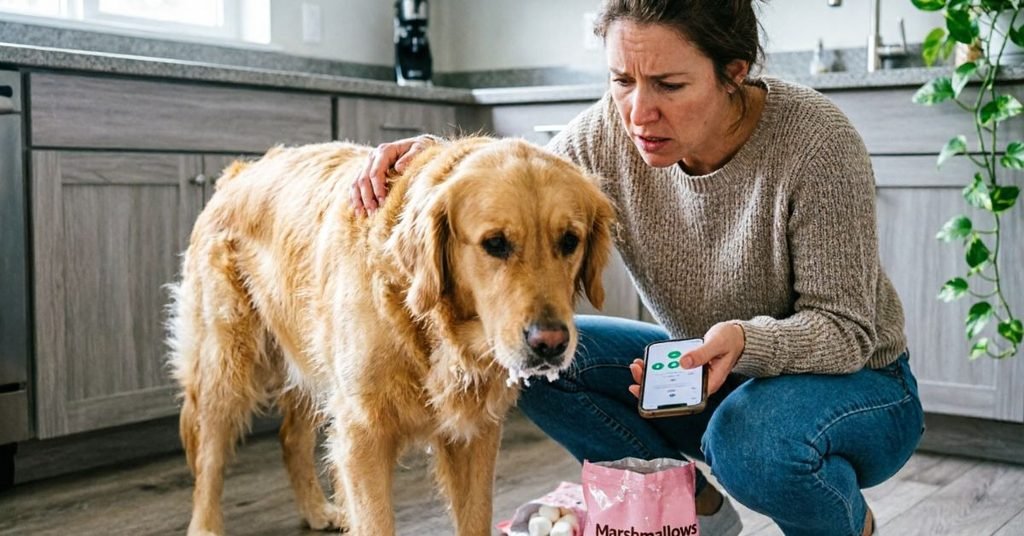
Stay calm and check how many marshmallows your dog ate. Look at the package if you can. Some marshmallows have sugar only, but others may have xylitol, which is dangerous for dogs. Watch your dog for signs like vomiting, diarrhea, or low energy. Give your dog fresh water and keep them comfortable.
Call your vet if your dog ate a lot or if the marshmallows had xylitol. Do not wait if your dog shows strange behavior. Follow your vet’s advice carefully. Do not try home remedies unless the vet tells you to. Keep sweets out of reach in the future to prevent this problem again.
Steps to take at home
Stay calm and check your dog. See how many marshmallows were eaten. Look at the packet for ingredients. Make sure there is no xylitol. Give your dog clean water. Keep your dog in a quiet place. Watch for any changes in behavior.
- Check for signs like vomiting or diarrhea
- Look for low energy or shaking
- Remove any leftover sweets from reach
- Do not give more food right away
- Keep the package to show the vet
When to contact a vet
Call a vet if your dog ate many marshmallows. Call right away if the marshmallows may have xylitol. This ingredient is very harmful to dogs. Do not wait if you are not sure about the ingredients. It is safer to ask a vet early.
Contact a vet if your dog shows any strange signs. Watch for vomiting, diarrhea, shaking, or low energy. Look for trouble walking or not eating. Call if your dog is very small or has health problems. Follow the vet’s advice…and act quickly.
Can Marshmallows Kill Dogs?
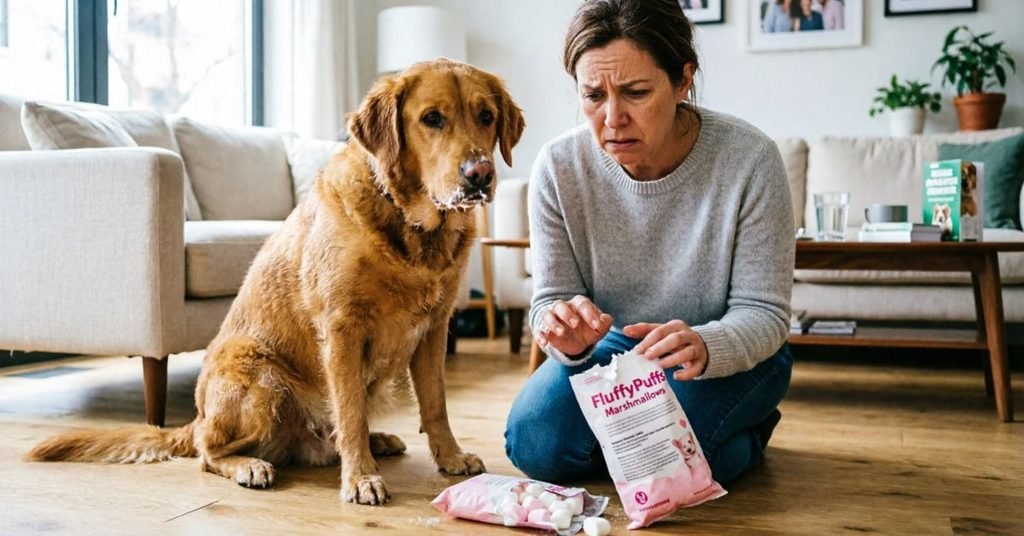
Marshmallows are not good for dogs. Regular marshmallows have a lot of sugar. Eating a small amount may not be deadly. But it can upset your dog’s stomach. Too much sugar can also cause health problems over time.
Some marshmallows have xylitol. This sweetener is very toxic to dogs. It is dangerous to consume even a small amount. It can cause low blood sugar and liver damage. In serious cases, it can be fatal. Always check the ingredients and keep sweets away from your dog.
Xylitol poisoning risks
Xylitol is very dangerous for dogs. It is a sugar substitute found in some sweets. Even a small amount can harm your dog. It can cause a quick drop in blood sugar. This can happen within a short time. Your dog may become weak or sick very fast.
- Vomiting
- Weakness or low energy
- Shaking or seizures
- Trouble walking
- Collapse
Severe cases and emergency signs
Severe reactions usually point to xylitol poisoning rather than plain sugar upset. Symptoms can appear within fifteen to thirty minutes of ingestion. A dog may suddenly seem weak, wobbly, or disoriented. Vomiting often comes first, followed by trembling or collapse. Blood sugar drops fast, which makes this a true emergency. Every minute counts once these signs appear.
Emergency care should never be delayed once severe symptoms show up. Seizures indicate the poisoning has progressed to a critical stage. Liver damage can follow in the hours after severe exposure. Bringing the marshmallow packaging helps vets confirm xylitol content quickly. Blood tests at the clinic will check glucose and liver function. Fast treatment gives dogs the strongest chance of full recovery.
| Severity | Symptoms | Timeframe | Action Needed |
| Mild | Gas, mild stomach upset | Within a few hours | Monitor at home |
| Moderate | Vomiting, weakness | 30 to 60 minutes | Call vet promptly |
| Severe | Seizures, collapse | 15 to 30 minutes | Emergency vet visit immediately |
| Critical | Liver stress, organ failure | Hours after exposure | Hospitalization required |
| Recovery | Fatigue, reduced appetite | 24 to 48 hours after treatment | Follow-up vet check |
Safe Alternatives to Marshmallows for Dogs
Marshmallows are not a good treat for dogs. They contain a lot of sugar and offer no real nutrition. It is better to choose healthy snacks made for dogs. These options are safer and support better health. They can still be tasty for your pet.
Some safe choices include:
- Small apple pieces (remove seeds)
- Fresh banana in small amounts
- Crunchy carrot sticks
- Plain cooked pumpkin (no spices)
- Vet-approved dog treats
Conclusion
Marshmallows are not safe food for dogs. They contain sugar and sometimes harmful ingredients. Even a small amount can cause problems. It is better to avoid giving them to your dog.
If a dog eats marshmallows, stay calm. Check the ingredients and how much was eaten. Watch your dog for any signs of sickness. Quick action can prevent serious issues.
Some cases can become emergencies. Xylitol in marshmallows is very dangerous. It can cause fast and severe health problems. Always contact a vet if you are unsure.
In the end, prevention is best. Keep sweets away from dogs. Choose safe and healthy treats instead. This helps keep your dog happy and healthy.
FAQs
1. Can dogs eat marshmallows safely?
Dogs should not eat marshmallows regularly. They are high in sugar and offer no health benefit. A small plain marshmallow may not always cause harm, but it is still not safe. Some types may contain toxic ingredients.
2. What should I do if my dog eats marshmallows?
Stay calm and check how many were eaten. Look at the ingredients for xylitol. Watch your dog for vomiting, weakness, or unusual behavior. Contact a vet if you are unsure or if symptoms appear.
3. Why is xylitol dangerous for dogs?
Xylitol is a sweetener that is toxic to dogs. It can cause a sudden drop in blood sugar. This may lead to seizures or collapse. In serious cases, it can also damage the liver.
4. How quickly do symptoms appear after eating xylitol?
Symptoms can start within 30 minutes to a few hours. Dogs may become weak, shaky, or confused. In severe cases, symptoms can worsen very fast. Immediate vet care is very important.
5. What are safer treats instead of marshmallows?
Safer options include apple slices, carrots, and bananas in small amounts. Plain cooked pumpkin is also good. Always choose dog-safe treats when possible. Avoid sugary human foods.

DogsVibes Editorial Team creates trusted, research-based dog care content to help pet owners keep their dogs healthy, happy, and safe.
1 thought on “Can Dogs Eat Marshmallows | What Every Pet Owner Must Know ”