

Introduction
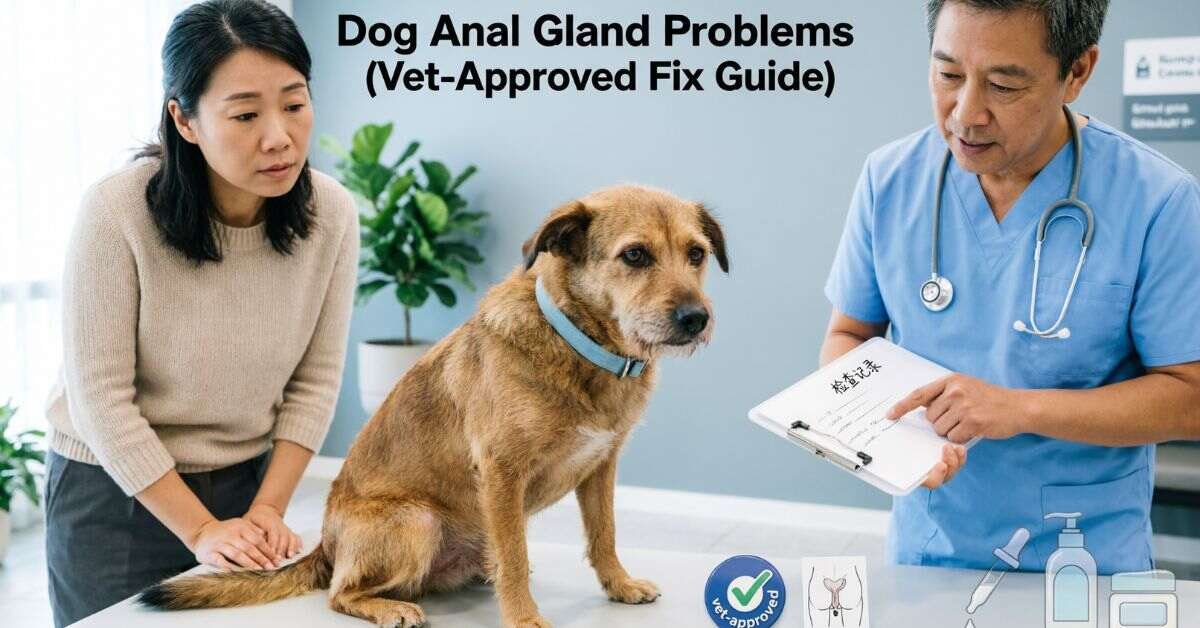
Dog anal gland problems happen when the small glands near a dog’s anus do not work properly. These glands normally release a strong-smelling fluid during bowel movements. This is a natural process and helps dogs mark their scent. When the glands become blocked, swollen, or infected, it can lead to discomfort and health issues.
Many dog owners first notice something is wrong when their dog starts scooting on the floor or licking the area too much. These signs may seem small at first, but they can quickly turn into painful problems if ignored. Understanding these early symptoms can help you act before the condition becomes serious.
In this guide, you will learn about the common causes, signs, and treatment options for dog anal gland problems. You will also discover simple ways to prevent these issues and keep your dog healthy and comfortable.
What Are Dog Anal Gland Problems?
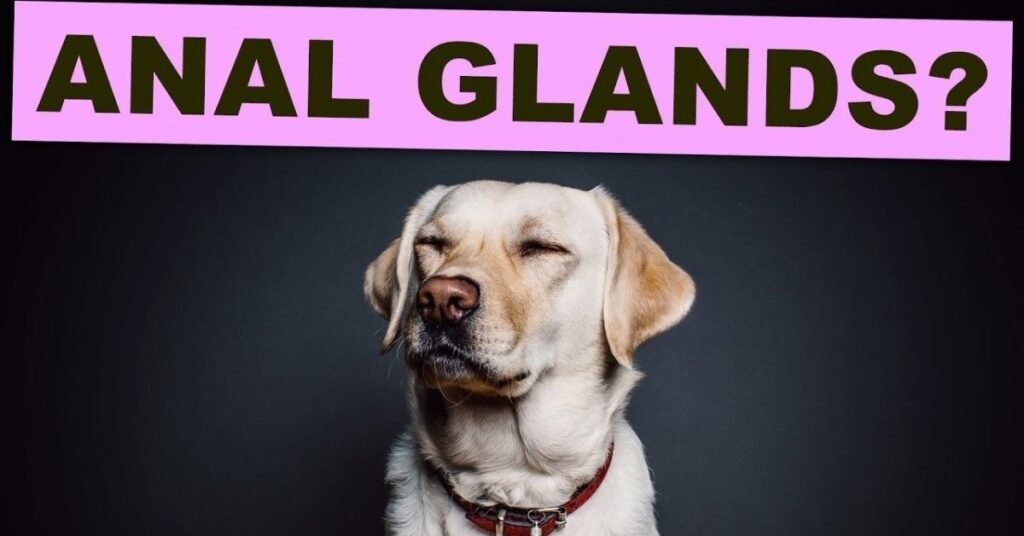
Dog anal gland problems happen when the small sacs near a dog’s anus do not empty properly. These glands normally release a fluid when a dog passes stool. This fluid has a strong smell and is used for marking territory. When the glands get blocked, the fluid builds up inside and causes discomfort.
If not treated, this can lead to swelling, infection, or even abscesses. Dogs with this problem may feel pain or irritation in that area. It is a common issue in many dogs, especially small breeds. Understanding how these glands work helps you notice problems early and take the right action.
How Dog Anal Glands Work
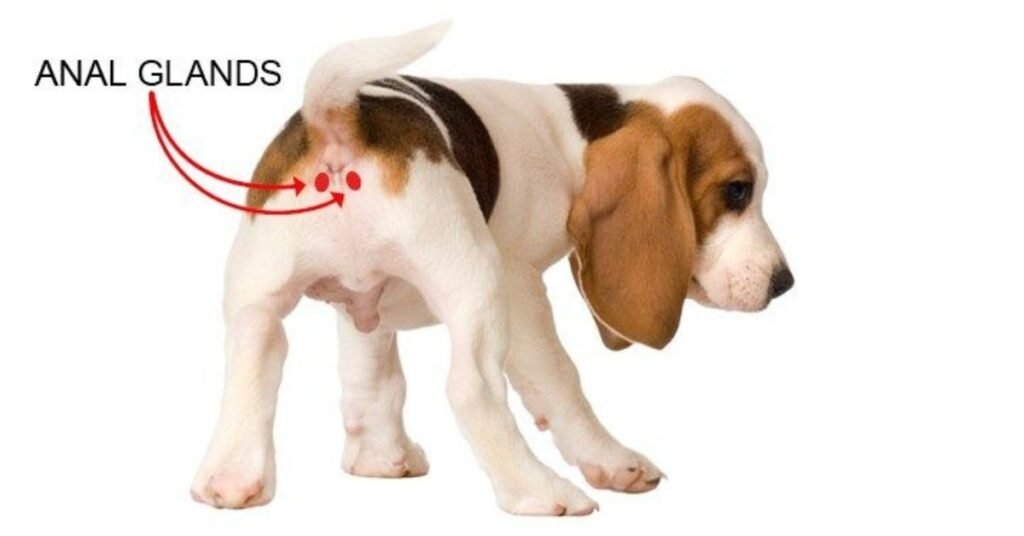
Dog anal glands are two small sacs located on each side of the anus. They store a strong-smelling fluid. This fluid is normally released when a dog passes stool. The pressure from a firm stool helps empty the glands naturally. This process is simple and usually happens without any problem.
The fluid from these glands is used for communication. It helps dogs mark their territory and recognize other animals. When the glands do not empty properly, the fluid can build up and cause issues.
Key points to understand:
- The glands sit at the 4 and 8 o’clock position around the anus
- They release fluid during normal bowel movements
- Firm stool helps press and empty the glands
- The fluid has a strong, fishy smell
- Communication between dogs is facilitated by this scent
Common Types of Dog Anal Gland Problems
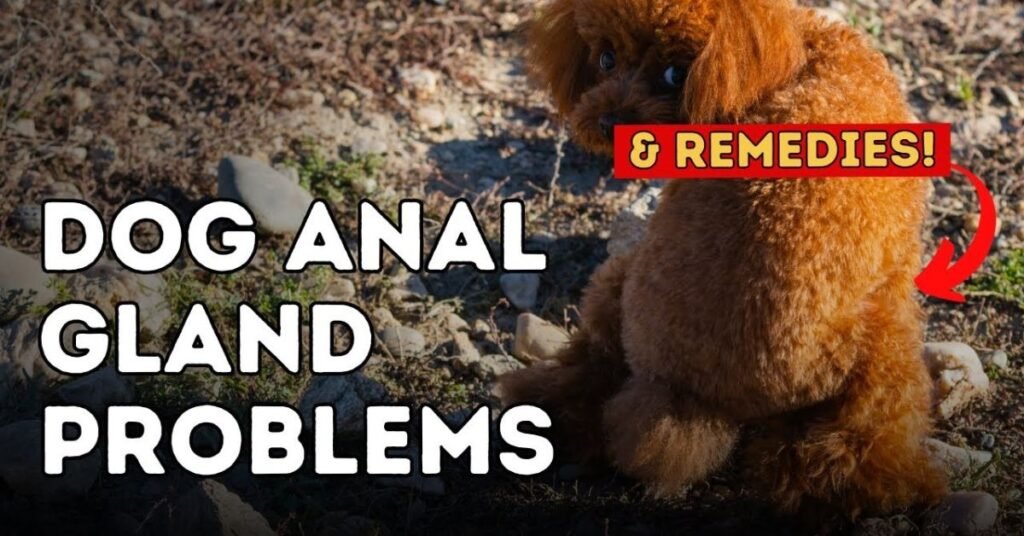
Dog anal gland problems can happen in different ways. The most common issue is when the glands do not empty properly. This causes fluid to build up inside. Over time, this can lead to swelling and discomfort. If the problem is not treated early, it can become more serious and painful for the dog.
Some cases may turn into infections or even burst open. In rare situations, abnormal growths can also develop in the glands. Knowing the different types helps you understand the condition better and take action quickly.
Common types include:
- Impaction: When the glands are blocked and cannot empty
- Infection: Bacteria cause swelling, redness, and pain
- Abscess: A painful, pus-filled swelling that may burst
- Rupture: When the abscess breaks open through the skin
- Tumors: Unusual growths in or around the anal glands (rare)
Anal Gland Impaction
Anal gland impaction happens when the glands become blocked and cannot empty properly. The fluid inside becomes thick and builds up over time. This creates pressure and discomfort for the dog. It is one of the most common anal gland problems in dogs.
Dogs with this issue may start scooting on the floor or licking the area a lot. You may also notice a bad smell coming from the back. If not treated, impaction can lead to infection or abscess. It is possible to prevent the problem from getting worse by seeking early treatment.
Anal Gland Infection and Abscess
An anal gland infection starts when the glands are blocked and bacteria grow inside them. This makes the area swollen, warm, and painful. Dogs may have trouble sitting or may keep licking the area again and again. The smell can also become very strong and unpleasant.
If the infection is not treated, it can turn into an abscess. An abscess is a pocket filled with pus that forms inside the gland. It can become very painful and may even burst through the skin. This can cause bleeding and discharge. Fast treatment is important to reduce pain and prevent further damage.
| Condition | Cause | Signs to Watch | Pain Level | Inside the Gland | Common Treatment |
| Infection | Bacteria trapped in blocked gland | Swelling, redness, licking | Medium | Inflamed and filled with infected fluid | Antibiotics and cleaning |
| Abscess | Untreated infection | Lump, pus, discomfort | High | Pus collects inside the gland | Draining and medication |
| Ruptured Abscess | Pressure from untreated abscess | Open wound, discharge, bad smell | Very High | Gland bursts and releases pus | Wound care and vet treatment |
| Recurring Issue | Ongoing blockage or poor diet | Repeated swelling and irritation | Varies | Gland keeps filling and getting infected | Diet change and regular care |
Ruptured Anal Glands
Ruptured anal glands happen when an infected or swollen gland bursts open. This usually occurs after an abscess forms and builds too much pressure. The skin near the anus may tear, and fluid or pus can come out. This condition is painful and can look alarming to dog owners.
Dogs with a ruptured gland may cry, avoid sitting, or lick the area constantly. You may also notice bleeding or a strong, foul smell. This is a serious problem and needs quick treatment. A vet will clean the wound and give proper medicine to help it heal safely.
What Causes Dog Anal Gland Problems?
Dog anal gland problems happen when the glands do not empty properly. This can cause fluid to build up and create pressure. Infections or inflammation can develop if the issue continues. Some dogs are more prone to these problems due to their breed, size, or health condition.
Other causes are related to lifestyle and diet. Poor stool quality or lack of fiber can make it harder for the glands to empty. Overweight dogs may also face more pressure on their glands.
Common causes include:
- Blocked or poorly functioning anal glands
- Low-fiber diet leading to soft stool
- Obesity or lack of exercise
- Chronic diarrhea or constipation
- Certain small dog breeds that are more prone to gland issues
Diet and Low Fiber Issues
A poor diet can cause dog anal gland problems. Dogs need enough fiber in their food to help form firm stool. Firm stool presses on the glands naturally and helps them empty. Low-fiber diets or soft stools can lead to blockages. Over time, this may cause discomfort, infection, or impaction.
Choosing the right food can prevent many anal gland issues. Fiber-rich diets help digestion and keep stool firm. Some dogs may also need supplements or special diets recommended by a vet.
| Problem | Cause | Effect on Anal Glands | Signs to Watch | Solution |
| Soft Stool | Low fiber diet | Glands may not empty properly | Scooting, licking, odor | Feed high-fiber dog food |
| Chronic Diarrhea | Poor diet or illness | Fluid cannot press on glands | Frequent soft stools, discomfort | Treat illness, improve diet |
| Obesity | Overfeeding, low activity | Extra pressure on glands | Difficulty moving, licking | Weight management, exercise |
| Nutritional Imbalance | Lack of fiber or essential nutrients | Weak stool formation | Recurring anal gland problems | Balanced diet, vet-recommended food |
| Recurrent Anal Gland Issues | Combination of soft stool and low fiber | Frequent blockages and infections | Swelling, abscess, odor | High-fiber diet, supplements, vet care |
Obesity and Lack of Exercise
Obesity can make dog anal gland problems worse. The glands are under more pressure when they are overweight. This can stop them from emptying naturally. Overweight dogs are also more likely to have soft stools, which adds to the problem. Lack of exercise slows digestion, making stool softer and less firm.
Regular activity helps dogs maintain a healthy weight and supports proper digestion.Anal gland issues can be reduced with a balanced diet and regular exercise. Dogs that stay active and fit usually have fewer gland problems.
| Factor | How It Affects Anal Glands | Signs to Watch | Prevention / Solution |
| Obesity | Extra pressure on glands; poor emptying | Scooting, licking, swelling | Healthy diet, portion control |
| Sedentary Lifestyle | Slow digestion, soft stools | Soft stool, discomfort | Daily walks, playtime, exercise |
| Poor Muscle Tone | Weak support for anal glands | Recurrent blockages | Strength-building activity |
| Overweight Small Breeds | Small dogs store more fat around glands | Frequent impaction or infection | Weight management, vet guidance |
| Combined Diet & Exercise Issues | Soft stools + pressure on glands | Licking, odor, abscess | Balanced diet, regular exercise |
Signs and Symptoms of Dog Anal Gland Problems
Dog anal gland problems can cause discomfort and irritation. Many dogs try to relieve the pressure by scooting their rear on the floor. They may lick or bite the area frequently. You might notice a strong, unpleasant odor. Swelling, redness, or small bumps near the anus can also appear if the glands are blocked or infected.
Other signs include difficulty sitting, restlessness, or whining when passing stool. In serious cases, pus or blood may be visible. Noticing these signs early can help prevent severe complications and keep your dog comfortable.
Common signs to look out for:
- Scooting on the floor or carpet
- Excessive licking or biting the anal area
- Strong, fishy smell
- Swelling or redness around the anus
- Trouble sitting or lying comfortably
- Restlessness or signs of pain
- Pus or blood discharge from the glands
Scooting, Licking, and Bad Odor
Scooting is when a dog drags its bottom along the floor. This often happens when the anal glands are full or irritated. Licking or biting the area is another common behavior. Dogs do this to try to relieve discomfort. A strong, unpleasant smell often comes from the gland fluid. These behaviors are early signs of anal gland problems.
If ignored, the problem can get worse. Infection, abscess, or rupture may develop. Monitoring your dog’s behavior can help catch problems early. Quick action and proper care can prevent serious complications.
| Behavior / Symptom | What It Indicates | Severity | Recommended Action |
| Scooting on floor or carpet | Full or impacted anal glands | Medium | Check glands, visit vet if persistent |
| Licking / Biting Anal Area | Discomfort or irritation | Medium | Clean area, monitor, consult vet |
| Strong, fishy odor | Fluid buildup or infection | Medium to High | Vet evaluation, possible expression |
| Swelling / Redness near anus | Infection or abscess | High | Immediate veterinary care |
| Trouble sitting or lying down | Pain from full glands | High | Limit activity, seek vet treatment |
| Pus or Blood Discharge | Ruptured gland or severe infection | Very High | Urgent veterinary attention |
How to Diagnose Dog Anal Gland Problems
Diagnosing dog anal gland problems starts with observing your dog’s behavior. Signs like scooting, licking, or biting the anal area may indicate an issue. Your vet will examine the glands by gently feeling them from outside or inside the rectum. They check for swelling, redness, or abnormal fluid. Early diagnosis helps prevent infections and abscesses.
Sometimes, additional tests are needed if the problem is severe or recurring. Your vet may take a sample of the gland fluid to check for bacteria or other issues.Checkups can help identify problems before they become serious.
Steps to diagnose anal gland problems:
- Observe your dog for scooting, licking, or odor
- Physical examination of the anal glands by a vet
- Checking for swelling, redness, or abnormal fluid
- Sample testing for infection or bacteria
- Monitoring stool consistency and overall health
- Follow-up exams if problems keep returning
Treatment Options for Dog Anal Gland Problems
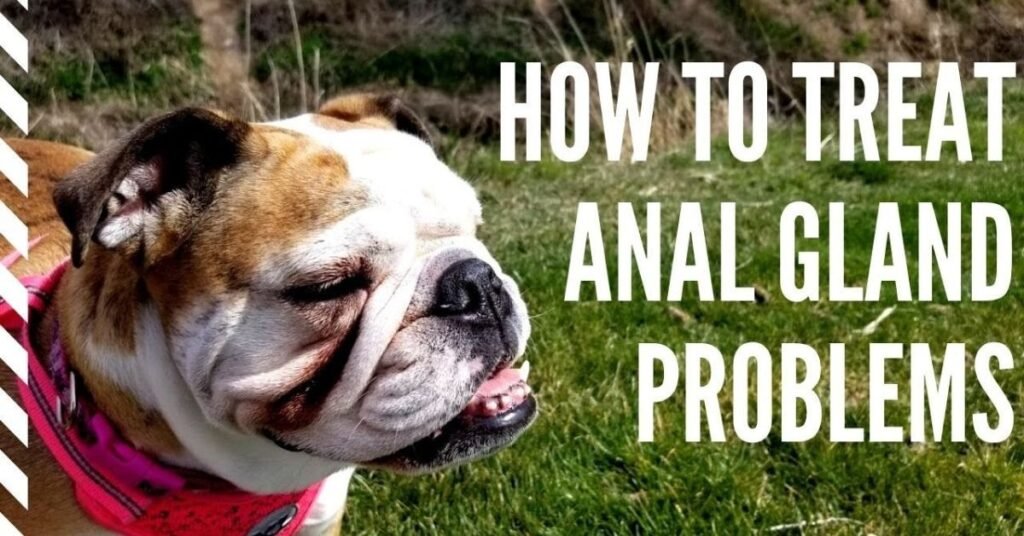
Treatment for dog anal gland problems depends on how serious the condition is. In mild cases, the glands can be manually emptied to relieve pressure. If there is infection, the vet may prescribe antibiotics or anti-inflammatory medicine. Pain relief may also be given to keep your dog comfortable. Early treatment helps stop the problem from getting worse.
In more severe cases, advanced care may be needed. Abscesses may require draining and cleaning. If the problem keeps coming back, surgery might be suggested. Along with medical care, changes in diet and lifestyle can also support recovery.
Common treatment options include:
- Manual expression of the anal glands
- Antibiotics for infection
- Pain relief medications
- Cleaning and draining abscesses
- High-fiber diet to improve stool quality
- Surgery in severe or repeated cases
Medications and Antibiotics
Medications and antibiotics are given when anal gland problems lead to infection or serious irritation. Antibiotics work by clearing the bacteria inside the glands. This helps reduce swelling, pain, and discharge. Vets may also prescribe anti-inflammatory drugs to calm the area and support healing. These treatments make your dog feel better and stop the condition from getting worse.
Some dogs may also need creams or ointments for the outer skin. Pain relief medicine can be used if your dog is uncomfortable. It is very important to give all medicines exactly as the vet recommends. Skipping doses or stopping early can delay healing and cause the problem to return.
| Treatment Type | Purpose | When It Is Used | How It Helps | Important Advice |
| Antibiotics | Remove bacterial infection | Infected anal glands | Clears infection and reduces pain | Finish full course as prescribed |
| Anti-inflammatory Drugs | Lower swelling and irritation | Inflamed glands | Eases discomfort and redness | Follow exact dosage instructions |
| Pain Relief Medicine | Control pain | Painful conditions | Keeps dog calm and relaxed | Use only if recommended by vet |
| Topical Creams | Treat outer skin area | Skin irritation or after drainage | Supports healing of affected area | Apply gently on clean skin |
| Combined Treatments | Treat multiple symptoms together | Severe or repeated problems | Speeds up overall recovery | Requires proper vet supervision |
Surgery for Severe Cases
Surgery is sometimes needed when anal gland problems are very serious. This usually happens when infections keep coming back or do not heal with medicine. It may also be required if there is a tumor or a badly damaged gland. The vet may remove the affected glands to stop the problem completely. This procedure is done carefully to avoid complications.
Most dogs recover well after surgery with proper care. They may need rest, medication, and follow-up visits. Surgery is usually the last option when other treatments do not work. It can provide long-term relief for dogs with ongoing anal gland issues.
When surgery may be needed:
- Repeated infections that do not improve
- Severe abscess or ruptured glands
- Chronic pain or discomfort
- Presence of tumors in the glands
- Failure of other treatments like medication or diet
How to Prevent Dog Anal Gland Problems
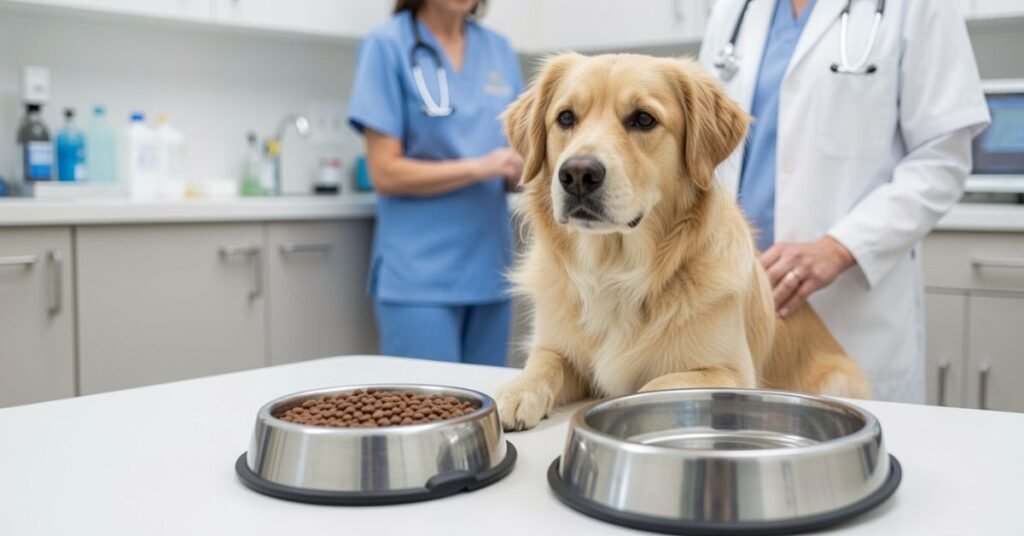
Preventing dog anal gland problems is easier than treating them later. A healthy diet and proper care play an important role. Dogs need firm stool to naturally empty their glands. Regular exercise also helps keep their digestion working well. Keeping your dog at a healthy weight reduces pressure on the glands.
Simple daily habits can make a big difference. Regular grooming and check-ups help detect problems early. Some dogs may need occasional gland expression by a professional. Paying attention to your dog’s behavior can help you act quickly if something seems wrong.
Ways to prevent anal gland problems:
- Feed a high-fiber and balanced diet
- Keep your dog at a healthy weight
- Provide daily exercise and activity
- Ensure proper hydration
- Schedule regular vet check-ups
- Monitor stool quality and consistency
- Get glands checked or expressed if needed
Best Diet for Healthy Anal Glands
A proper diet plays a key role in keeping your dog’s anal glands healthy. Dogs need firm and well-formed stool to help empty the glands naturally. Fiber is very important for this process. Foods that are low in fiber can lead to soft stool, which may cause gland problems over time. A balanced diet helps improve digestion and reduces the risk of blockages.
Adding the right foods can make a big difference. Natural fiber sources and quality dog food support better gut health. Fresh water is also important for smooth digestion. In some cases, vets may recommend special diets or supplements. Choosing the right diet helps prevent discomfort and keeps your dog healthy.
| Food Type | Benefit for Anal Glands | Examples | How It Helps | Important Notes |
| High-Fiber Foods | Promotes firm stool | Pumpkin, carrots, green beans | Helps glands empty naturally | Add slowly to avoid stomach upset |
| Quality Dry Dog Food | Supports overall digestion | Premium kibble | Improves stool consistency | Avoid low-quality fillers |
| Fiber Supplements | Adds extra fiber | Psyllium husk, fiber powder | Strengthens stool formation | Use with vet advice |
| Fresh Vegetables | Natural source of nutrients | Sweet potato, spinach | Aids digestion | Serve in small, safe portions |
| Wet Food (Balanced) | Adds moisture to diet | Canned dog food | Supports digestion | Combine with dry food |
| Fresh Water | Keeps digestion smooth | Clean drinking water | Prevents constipation | Always provide clean water |
| Probiotic Foods | Improves gut health | Dog-safe yogurt | Supports healthy digestion | Give in small amounts |
When Should You See a Vet for Anal Gland Issues?
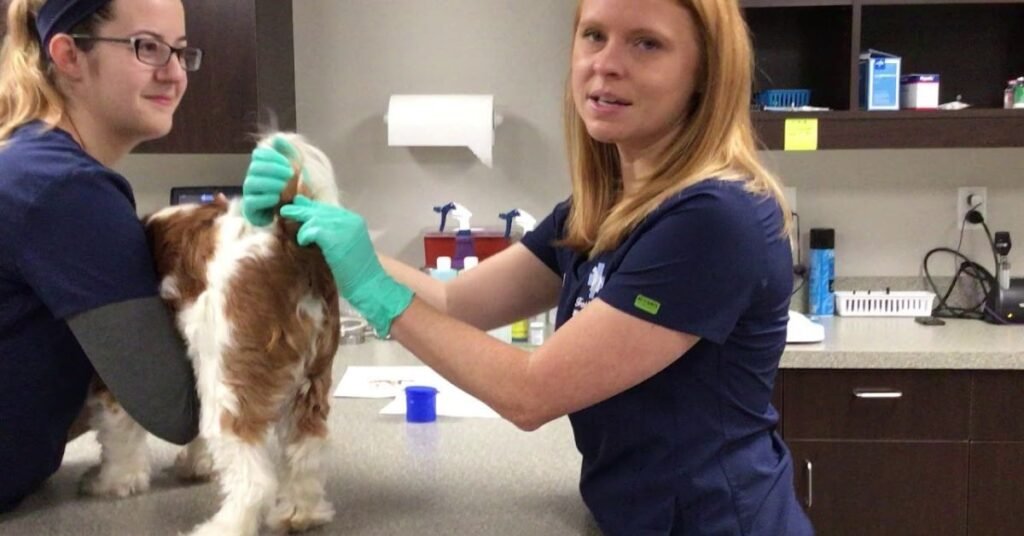
You should take your dog to a vet if the signs do not improve or keep coming back. Behaviors like scooting, constant licking, or a strong smell should not be ignored. If the area looks swollen or your dog seems uncomfortable, it is better to get it checked. Early care can stop the problem from becoming serious.
In urgent situations, a vet visit is necessary right away. If you notice blood, pus, or a wound near the anus, it could mean a serious issue. Signs of pain, like crying or difficulty sitting, also need quick attention. Getting help at the right time can protect your dog from further health problems.
Conclusion
Dog anal gland problems are common; however, they can be managed with proper care. Most importantly, early detection is key. For example, watching for signs like scooting, licking, or a bad odor helps catch problems quickly. As a result, treating issues early can prevent infections and abscesses.
In addition, a healthy diet and regular exercise play a major role. Specifically, fiber-rich food helps keep stools firm, which allows the glands to empty naturally. Likewise, maintaining a healthy weight reduces pressure on the glands. Furthermore, daily activity supports good digestion and overall health.
Moreover, regular vet check-ups are essential. In some cases, dogs may need occasional gland expression or medication. Although severe cases might require surgery, most problems can be managed with proper care. Therefore, following your vet’s advice ensures long-term health.
Finally, pay close attention to your dog’s daily behavior. For instance, simple habits like providing fresh water, high-quality food, and consistent exercise can prevent many issues. Overall, with the right care, your dog can stay comfortable and happy.
FAQs
1. What are anal glands in dogs?
Located near a dog’s anus, anal glands are small sacs. They produce a smelly fluid used for communication. If they become full or infected, they can cause discomfort or health problems.
2. What are the signs of anal gland problems?
Common signs include scooting, licking or biting the anal area, strong odor, swelling, or difficulty sitting. Early detection helps prevent serious complications.
3. Is it possible to express my dog’s anal glands at home?
Some owners do, but it can be risky if done incorrectly. It is safer to have a vet or groomer express the glands to avoid injury or infection.
4. How can diet help prevent anal gland problems?
A high-fiber diet keeps stool firm, which helps glands empty naturally. Adding pumpkin or fiber supplements can also support healthy digestion and prevent blockages.
5. When should I see a vet for anal gland issues?
Visit a vet if your dog shows persistent scooting, licking, swelling, or bad odor. Blood, pus, or pain are signs of urgent problems that need immediate attention.

DogsVibes Editorial Team creates trusted, research-based dog care content to help pet owners keep their dogs healthy, happy, and safe.