

Introduction
Dog barking in sleep is when your dog makes sounds while resting. It may include soft barks, whines, or small body movements. This usually happens during dreaming. Dogs have sleep cycles just like humans. Their brain stays active even when their body is still.
Hearing your dog bark in the middle of sleep can be surprising. It might even make you a little worried. You may think your dog is upset or having a bad dream. But most of the time, it is a normal part of sleep. Knowing what’s happening can give you peace of mind.
There are several simple causes behind this behavior.Dreams are the main cause. Busy days, playtime, or new experiences can trigger it. In rare situations, it could point to a health issue. Learning these signs helps you understand your dog better.
Why Do Dogs Bark in Their Sleep?
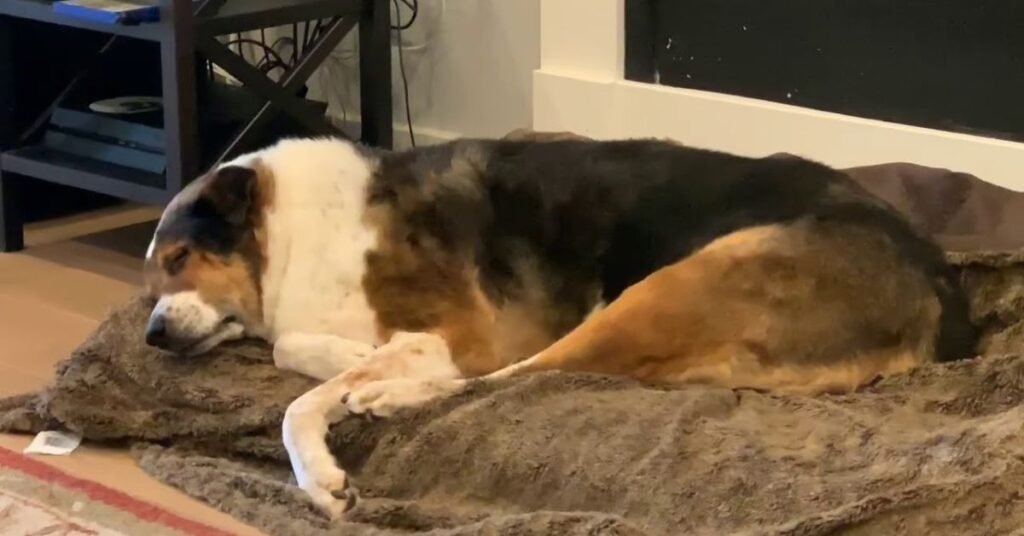
Dogs often bark in their sleep because they are dreaming. Their brain stays active during deep sleep. They may relive moments from their day. This can include playing, running, or reacting to sounds. The barking is a natural response to these dream activities.
Sleep barking is usually normal and not a problem. You may also notice twitching, paw movements, or tail wagging. These are signs of a deep sleep stage. Most dogs will stop on their own after a short time. There is no need to wake them unless they seem very distressed.
Is It Normal for Dogs to Bark While Sleeping?
It’s perfectly normal for dogs to bark while they are asleep.Dogs experience dream cycles, just like humans. When they reach deep sleep, their mind becomes active. They may “act out” their dreams with small sounds. Barking, whining, or soft growling can all happen during this stage.
In most cases, this is nothing to worry about. It often comes with gentle body movements like paw twitching or ear flicking. These signs show your dog is resting deeply. The episode usually ends on its own within seconds. You only need to pay attention if the barking is intense, frequent, or paired with signs of distress.
What Happens in a Dog’s Sleep Cycle?
Dogs have different stages in their sleep cycle. They start with light sleep, where they are aware of sounds around them. Then they move into deep sleep, which is very restful. During this stage, their body repairs itself and stores energy.
After deep sleep, dogs enter the REM stage. This is when dreaming happens. Their eyes may move under the eyelids, and they might twitch or bark. REM sleep helps with memory and learning. Most healthy dogs go through several cycles of this sleep every night.
Common Reasons Behind Dog Barking in Sleep

Dogs bark in their sleep for several normal reasons. Often, it is linked to dreaming. Just like humans, dogs act out their experiences in dreams. Barking may also occur when dogs feel excited or anxious, and in most cases, it is completely harmless.
Some common reasons include:
- Dreaming: Reliving playtime or daily activities
- Excitement: Reacting to fun or stimulating dreams
- Stress or anxiety: Carrying tension into sleep
- Breed instincts: Some breeds are naturally more vocal
- Environmental sounds: Noises in the house can influence dreams
Dreaming and Daily Experiences
Dogs often bark in their sleep because of dreams. They can relive events from their day. This can include playing, running, or interacting with people and other animals. Their brain processes these experiences while they rest. Barking, whining, or even growling can happen as part of this process.
Here is a simple table showing how daily experiences can appear in dreams:
| Daily Experience | Possible Dream Behavior | Notes |
| Playing fetch | Barking or running in place | Excitement from play is acted out |
| Meeting other dogs | Growling or barking | Social interactions may appear in dreams |
| Walking outside | Paw movements or whining | Stimuli from walks can trigger dreams |
| Hearing loud noises | Startling or barking | Dogs may react to sounds from the day |
| Being scolded or trained | Whining or small yips | Memories of discipline can appear in dreams |
Anxiety, Stress, or Health Issues
Sometimes dogs bark in their sleep because of anxiety or stress. Daily worries or changes in their environment can follow them into dreams. Health issues, like pain or discomfort, can also trigger sleep barking. Most of the time, mild barking is normal, but frequent or intense barking may need attention.
Here is a table showing possible causes and signs:
| Cause | Sleep Behavior | Signs to Watch For |
| Anxiety or stress | Barking, whining, twitching | Pacing, trembling, restlessness when awake |
| Changes in environment | Barking in response to dreams | Hiding, reluctance to go outside |
| Pain or discomfort | Whining, short bursts of barking | Limping, reluctance to move |
| Illness or medical conditions | Growling, restless sleep | Loss of appetite, vomiting, unusual behavior |
| Overstimulation during day | Barking during REM sleep | Hyperactivity, difficulty settling down |
Should You Be Worried About Sleep Barking?
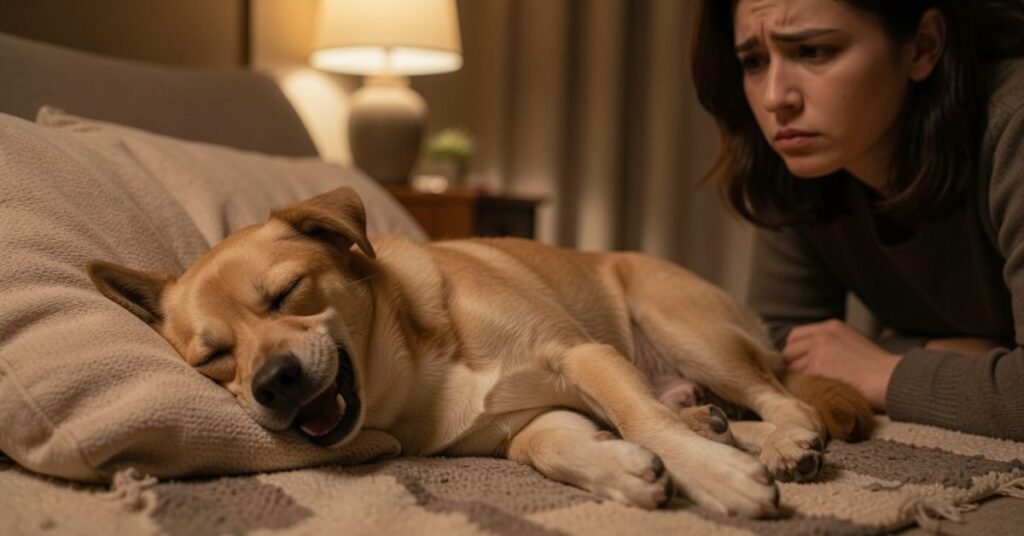
In most cases, sleep barking is normal and not a problem. Dogs often bark while dreaming or reacting to daily experiences. Small movements, twitching, or soft barks are signs of healthy sleep. You usually do not need to wake them up.
However, there are times to be cautious. Frequent, loud, or distressed barking may signal stress, anxiety, or health issues. If your dog seems uncomfortable, restless, or shows unusual behavior during the day, it is best to consult a vet. Most dogs, though, simply bark in their sleep and wake up fine.
Signs It’s Normal Behavior
Most sleep barking in dogs is normal and harmless. It usually happens during dreaming or the REM stage of sleep. Small movements, soft barks, or gentle whining are common signs. Your dog is simply acting out dreams.
Signs that sleep barking is normal:
- Twitching paws or legs
- Tail wagging or ear movement
- Short, soft barks or whines
- Calm behavior when awake
- Occurs only occasionally during sleep
Warning Signs That Need Attention
Most sleep barking is normal, but sometimes it can signal something more serious. If your dog seems tense, cries out, or moves violently while sleeping, it could indicate stress, pain, or a medical issue. Sudden changes in sleep behavior are worth noticing.
Red flags to watch for:
- Barking that is loud, long, or constant
- Sharp yelps, whining, or signs of discomfort
- Violent twitching or stiff movements
- Growling, snapping, or aggressive motions in sleep
- Unusual daytime behavior like low energy, loss of appetite, or irritability
What to Do When Your Dog Barks in Sleep

When your dog barks in sleep, the best step is often to do nothing. Let them stay asleep and finish their dream. Sudden waking can confuse or scare them. A calm environment helps them settle naturally. Just observe from a distance and make sure they are safe.
Focus on improving their daily routine instead of reacting at night. Give them enough playtime and mental activity during the day. A relaxed dog usually sleeps more peacefully. Keep their sleeping area quiet, soft, and familiar. If the barking becomes intense, happens every night, or looks unusual, it’s a good idea to speak with a vet.
Should You Wake Your Dog or Let Them Sleep?
In most cases, it’s best to let your dog sleep. Barking during dreams is normal.Suddenly waking them may scare or disorient them.They usually finish their dream and calm down on their own. Observing quietly is often enough.
Tips for handling sleep barking:
- Only wake them if they seem in pain or scared
- Keep their sleeping area calm and quiet
- Avoid loud noises or sudden movements at night
- Provide enough exercise and play during the day
- Monitor for unusual or frequent sleep disturbances
Safe Ways to Comfort Your Dog
If your dog seems restless while sleeping, you can comfort them safely without waking them abruptly. Gentle presence and a calm voice can help. Softly speaking or lightly patting near them can be enough. Avoid loud noises or sudden movements that might startle them.
Ways to comfort your dog safely:
- Sit quietly near their bed
- Speak in a soft, soothing tone
- Offer a familiar blanket or toy
- Keep the room calm and dimly lit
- Ensure their sleeping area is cozy and safe
Dogs Crying, Whimpering, or Howling in Sleep
Dogs may cry, whimper, or howl while they sleep. This usually happens during dreams. They can be acting out daily experiences or emotions. Sleep sounds are normal for most healthy dogs. Watching quietly helps you understand their behavior.
Here is a table showing common sleep sounds and possible reasons:
| Sleep Sound | Possible Reason | Notes |
| Soft whimpering | Dreaming about play or attention | Usually short and harmless |
| Crying or small yelps | Mild discomfort or stress | Observe if it’s frequent |
| Howling | Dreaming about other dogs or noises | Common in vocal breeds |
| Growling | Acting out excitement or frustration | Usually stops after a few seconds |
| Barking | Reacting to dreams or daily events | Short bursts are normal |
| Twitching with sounds | REM sleep activity | Shows healthy sleep cycles |
What These Sounds Mean
When dogs make noises in their sleep, it often shows they are dreaming deeply. Whimpering, crying, or howling can reflect what they experienced during the day. They might be replaying playtime, chasing, or meeting other animals. Most of the time, these sounds are completely normal.
In some cases, sleep noises can signal stress, discomfort, or illness. Loud, constant, or unusual sounds deserve attention. Watching your dog’s sleep patterns helps you know what is normal for them. Usually, these noises are just your dog’s way of experiencing dreams.
When It Could Be a Problem
Sleep sounds are usually harmless, but sometimes they can signal a problem. If your dog cries, howls, or whimpers loudly and often, it may indicate stress, pain, or illness. Unusual twitching or restless movements can also be a warning.
Other signs to watch for include changes in behavior during the day. Loss of appetite, low energy, or irritability can mean something is wrong. Frequent sleep disturbances or extreme barking may need a vet’s attention. Catching problems early helps keep your dog healthy and safe.
Can Sleep Disorders Cause Barking?
Yes, sleep disorders can sometimes cause dogs to bark, whimper, or make other noises at night. Conditions like sleep apnea or restless leg syndrome may affect their sleep quality. Dogs with sleep problems may wake frequently or act out dreams more intensely. Most mild barking is normal, but repeated or severe episodes could indicate an underlying issue.
Signs that sleep disorders may be affecting your dog:
- Loud or constant barking during sleep
- Difficulty falling or staying asleep
- Restless movements like kicking or twitching
- Excessive daytime sleepiness or low energy
- Sudden changes in behavior or mood
Common Sleep Disorders in Dogs
Dogs can develop sleep disorders just like humans. These conditions can affect their rest and cause behaviors like barking, whimpering, or pacing at night. Some disorders are mild, while others may need veterinary care. Knowing the common types helps you spot problems early.
Common sleep disorders in dogs:
- Sleep apnea: Pauses in breathing during sleep
- Insomnia: Difficulty falling or staying asleep
- Restless legs syndrome: Twitching or constant movement while resting
- Night terrors: Sudden panic or intense movements during sleep
- REM behavior disorder: Acting out dreams physically, sometimes violently
When to Talk to a Vet
You should consult a vet if your dog’s sleep barking is frequent or intense. Loud, continuous, or distressed sounds may signal pain, anxiety, or a sleep disorder. Unusual twitching, pacing, or aggressive movements during sleep are also warning signs.
Other reasons to see a vet include changes in daytime behavior. Loss of appetite, low energy, or sudden irritability can indicate an underlying problem. Early attention helps keep your dog healthy and ensures better sleep.
How to Help Your Dog Sleep Better at Night

Helping your dog sleep well can reduce barking and restlessness.Creating a quiet and cozy sleeping area is essential. Keep their bed quiet, cozy, and away from distractions. A consistent routine also helps your dog feel secure and relaxed.
Tips to improve your dog’s sleep:
- Provide daily exercise and playtime
- Feed meals at regular times
- Avoid loud noises near their sleeping area
- Give a favorite blanket or toy for comfort
- Keep lights dim and the room calm at night
- Maintain a consistent bedtime routine
Creating a Calm Sleep Environment
A peaceful sleep space can make a big difference for your dog. Pick a spot that is quiet and free from heavy foot traffic. Make the bed soft, warm, and inviting. Low lighting and a calm atmosphere help your dog relax naturally.
Ways to create a restful environment:
- Choose a cozy corner away from noise
- Add a favorite blanket or comforting toy
- Keep the temperature comfortable, not too hot or cold
- Reduce sudden sounds like doors slamming or TV
- Maintain a consistent bedtime routine
Reducing Stress Before Bedtime
Reducing stress before bedtime can help your dog sleep better. Calm activities in the evening prepare their mind and body for rest. Avoid high-energy play or loud noises right before bed. Gentle routines make your dog feel safe and relaxed.
Here is a table with ways to reduce stress before bedtime:
| Method | How It Helps | Tips |
| Evening walk | Burns energy, promotes calmness | Keep it gentle, not too long |
| Light play | Mental stimulation without excitement | Avoid rough or high-intensity games |
| Gentle petting or brushing | Relaxes muscles and builds comfort | Use slow, soft strokes |
| Soft music or white noise | Masks household sounds | Play low-volume, calming tunes |
| Dim lights | Signals it’s time to wind down | Gradually lower brightness before bed |
| Treats or chew toys | Provides comfort and distraction | Choose calm, safe options |
| Consistent bedtime routine | Builds security and predictability | Feed, walk, and bed at the same time daily |
Conclusion
Sleep barking in dogs is usually normal. Most dogs make small noises while dreaming. Twitches, soft barks, or whining are often harmless. Dog barking in sleep often shows your dog is having a healthy sleep.
Pay attention to patterns and frequency. Occasional dog barking in sleep is fine. Loud, constant, or distressed barking may need attention. Observing your dog helps you understand what is normal.
Creating a calm environment is very helpful to reduce dog barking in sleep. A cozy bed, quiet space, and consistent routine make dogs feel safe. Reducing stress before bedtime also improves sleep. Gentle care can prevent restlessness and excessive barking.
If you notice unusual signs linked to dog barking in sleep, talk to a vet. Early action keeps your dog healthy and happy. Most dogs simply act out dreams and sleep peacefully. With patience and care, you can help your dog rest well every night.
FAQs
1. Why does my dog bark in sleep?
Dog barking in sleep often happens because dogs are dreaming. They may relive daily experiences like playing, running, or meeting other animals. It is usually normal and harmless.
2. Is sleep barking a sign of a problem?
Most of the time, dog barking in sleep is harmless. However, loud, constant, or distressed barking may indicate stress, pain, or a health issue. Observing your dog’s behavior helps you know what is normal.
3. Should I wake my dog when they bark in sleep?
No, waking your dog suddenly can startle or confuse them. It’s better to let them finish their dream. Dog barking in sleep usually stops on its own unless something is wrong.
4. How can I help my dog sleep better?
Provide a quiet, comfortable sleeping area and a consistent routine. Reducing stress can lower dog barking in sleep and improve overall rest. Calm activities before bedtime also help.
5. When should I see a vet about sleep barking?
Consult a vet if dog barking in sleep becomes frequent, intense, or distressing. Changes in behavior, appetite, or energy levels are also signs to seek professional advice.

DogsVibes Editorial Team creates trusted, research-based dog care content to help pet owners keep their dogs healthy, happy, and safe.