

Introduction
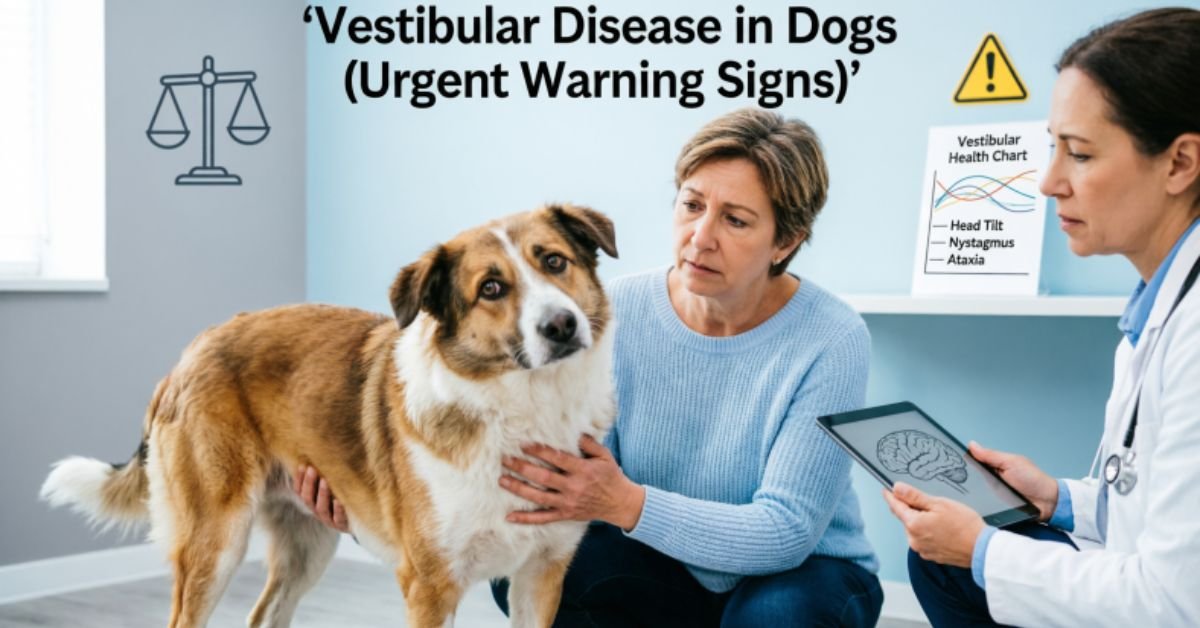
Vestibular disease in dogs is a condition that affects a dog’s balance system. The vestibular system controls head position, eye movement, and coordination. When something goes wrong in this system, dogs may feel dizzy or unstable. This can happen suddenly and may look very scary to pet owners.
You may notice your dog’s head tilting to one side. They may stumble, fall, or walk in circles. Some dogs cannot stand properly. Others may have rapid eye movements or feel sick. These signs often appear without warning, which makes many owners fear the worst.
The good news is that many cases improve with proper care and time. Vestibular disease can have different causes, from ear infections to age-related changes. In this guide, we will explain the common causes, symptoms, and treatment options so you can understand what is happening and how to help your dog recover.
What Is Vestibular Disease in Dogs?
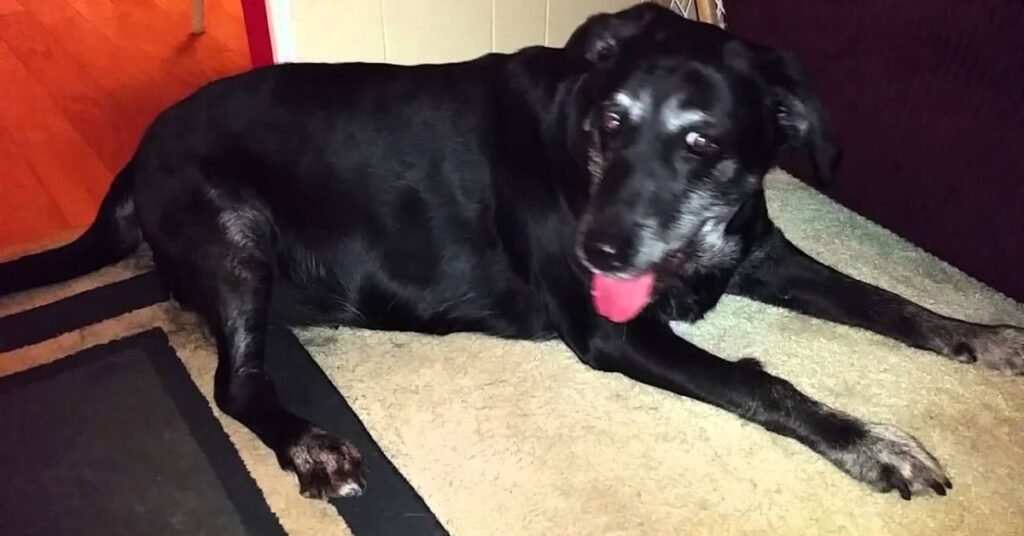
Vestibular disease in dogs is a health problem that affects a dog’s sense of balance. It occurs when the balance system inside the inner ear or brain does not work correctly. This system helps dogs stand, walk straight, and keep their head steady. When it is disturbed, normal movement becomes difficult.
Dogs with this condition may suddenly seem dizzy or confused. They might tilt their head, stumble, or struggle to stay upright. Their eyes can move quickly from side to side. Although these signs can look alarming, many dogs recover well with proper veterinary care and support at home.
How the Vestibular System Works
The vestibular system is your dog’s balance control center. It helps your dog know where their head and body are at all times. This system is located in the inner ear and connected to the brain. It sends signals that keep movements smooth and steady. Without it, simple actions like walking or turning would be difficult.
The system works by sending messages between the inner ear, eyes, and brain. These parts work together to keep your dog stable and aware of their position.
- The inner ear detects movement and changes in head position.
- The brain processes this information.
- The eyes adjust to keep vision steady.
- The muscles respond to help your dog stay balanced.
Peripheral vs. Central Vestibular Disease
Vestibular disease in dogs is divided into two main types: peripheral and central. The difference depends on where the problem starts. Peripheral vestibular disease affects the inner ear. Central vestibular disease affects the brain. Both types can cause balance problems, but central disease is usually more serious.
Peripheral cases are more common and often linked to ear infections or age-related changes. Central cases may be caused by inflammation, stroke, or tumors in the brain. A veterinarian must examine your dog to tell the difference. The signs can look similar, but treatment and outlook may not be the same.
| Feature | Peripheral Vestibular Disease | Central Vestibular Disease |
| Location of the Problem | Inner ear | Brain (brainstem or cerebellum) |
| How Common It Is | More common | Less common |
| Common Causes | Ear infections, injury, idiopathic (unknown cause), old age | Brain inflammation, stroke, tumor, trauma |
| Head Tilt | Very common | Common |
| Loss of Balance | Yes | Yes |
| Abnormal Eye Movements | Often side-to-side | Can be vertical or unusual patterns |
| Mental Awareness | Usually normal | May seem depressed or confused |
| Weakness in Legs | Rare | More likely |
| Facial Nerve Problems | Sometimes present | Sometimes present |
| Severity | Often mild to moderate | Often more serious |
| Need for Advanced Testing | Not always required | Often requires MRI or advanced scans |
| Recovery Time | Many improve within days to weeks | Depends on underlying brain condition |
| Overall Prognosis | Often good | Depends on cause and severity |
Symptoms of Vestibular Disease in Dogs
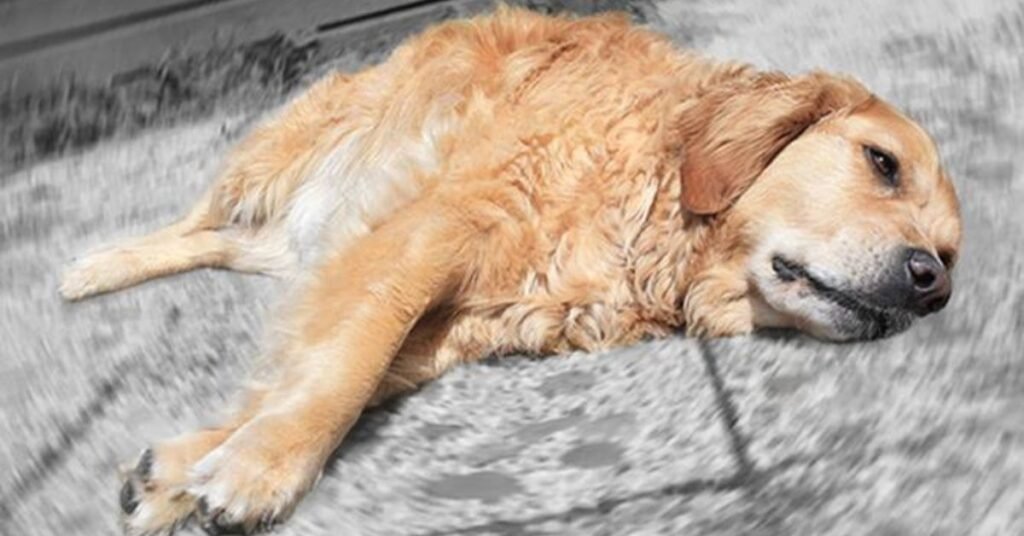
The symptoms of vestibular disease in dogs often appear suddenly. A dog that seemed normal in the morning may struggle to stand by the afternoon. The most common sign is a head tilt. Many dogs also lose balance and walk in an unusual way. These changes can look frightening, but they are typical signs of this condition.
Some dogs may also feel dizzy or sick. They may not want to eat or move much. The symptoms can range from mild to severe, depending on the cause.
Common signs include:
- Head tilting to one side
- Stumbling or falling
- Walking in circles
- Eye movements (side-to-side or up-and-down)
- Nausea or vomiting
- Difficulty standing
- Weakness or lack of coordination
Early Warning Signs
The early signs of vestibular disease in dogs can be easy to miss. Your dog may seem slightly off balance at first. They might walk slower than usual. Some dogs look confused or unsure of their steps. These small changes can happen before stronger symptoms appear.
Pay close attention to sudden behavior changes. Early action can help your vet diagnose the problem faster. If you notice any of the following signs, do not ignore them.
- Mild head tilt
- Slight wobbling while walking
- Trouble jumping onto furniture
- Standing with a wide stance for balance
- Brief loss of coordination
- Acting dizzy or disoriented
When Symptoms Are an Emergency
Some signs of vestibular disease in dogs need immediate attention. If your dog cannot stand or keeps falling, it is an emergency. Severe vomiting or continuous nausea is also serious. These symptoms can lead to dehydration or injury.
Other emergency signs include sudden weakness, trouble breathing, or seizures. If you notice any of these, take your dog to a veterinarian right away. Quick care can prevent complications and help your dog recover safely.
Causes of Vestibular Disease in Dogs
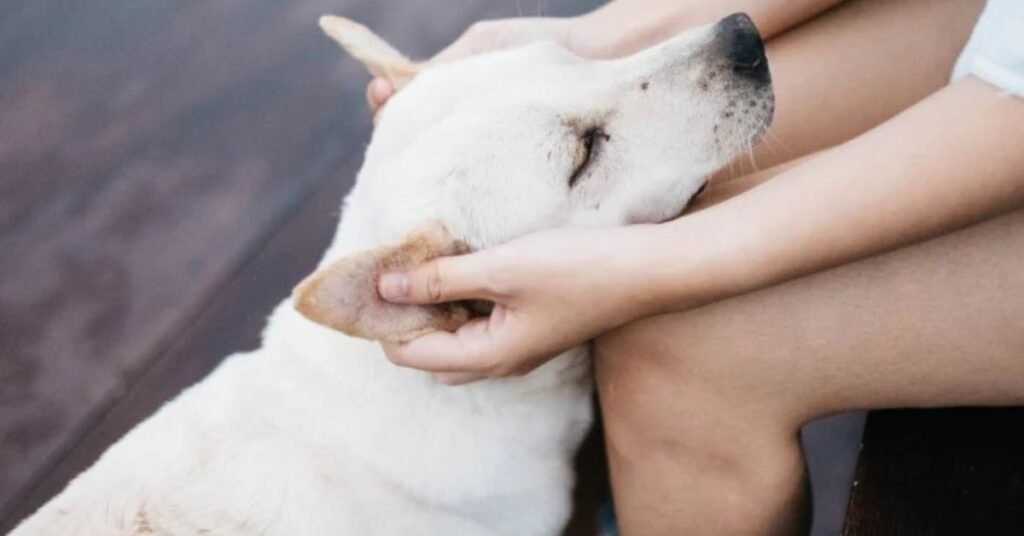
Vestibular disease in dogs can happen for many reasons. Sometimes the cause is unknown, especially in older dogs. Other times, it is linked to health problems in the ear or brain. Knowing the cause helps veterinarians decide the right treatment.
Common causes of vestibular disease include:
- Ear infections or inflammation
- Inner ear injury or trauma
- Tumors in the brain or ear
- Stroke or reduced blood flow to the brain
- Certain medications or toxins
- Age-related changes (often called “old dog vestibular syndrome”)
Ear Infections, Tumors, and Other Underlying Conditions
Some cases of vestibular disease in dogs are caused by health problems in the ear or brain. Ear infections are a common cause, especially in dogs with long ears or chronic ear issues. Tumors in the ear or brain can also affect balance. Other medical conditions may damage the vestibular system and lead to symptoms.
Understanding the underlying cause is important. The treatment and recovery depend on what triggers the disease. Early detection of these issues can improve outcomes and help prevent serious complications.
| Cause | Description | Typical Signs | Treatment Approach |
| Ear Infections | Bacterial or yeast infections in the inner or middle ear | Head tilt, scratching, discharge, odor | Antibiotics, ear cleaning, anti-inflammatories |
| Tumors in the Ear | Growths inside the ear canal or near the vestibular nerve | Head tilt, loss of balance, facial nerve weakness | Surgery, radiation, supportive care |
| Brain Tumors | Growths in the brain affecting the vestibular center | Sudden imbalance, weakness, seizures | Surgery, chemotherapy, medications |
| Stroke (Vestibular Stroke) | Reduced blood flow to the brain | Sudden onset of dizziness, falling, weakness | Supportive care, medications, monitoring |
| Trauma | Head injuries or accidents | Loss of balance, head tilt, lethargy | Veterinary care, supportive treatment |
| Infections Outside the Ear | Ear-to-brain infections like meningitis | Severe disorientation, fever, vomiting | Antibiotics, hospitalization |
| Age-Related Changes | Idiopathic “old dog vestibular syndrome” | Sudden head tilt, circling, unsteady walking | Supportive care, usually improves over time |
Treatment Options for Vestibular Disease in Dogs
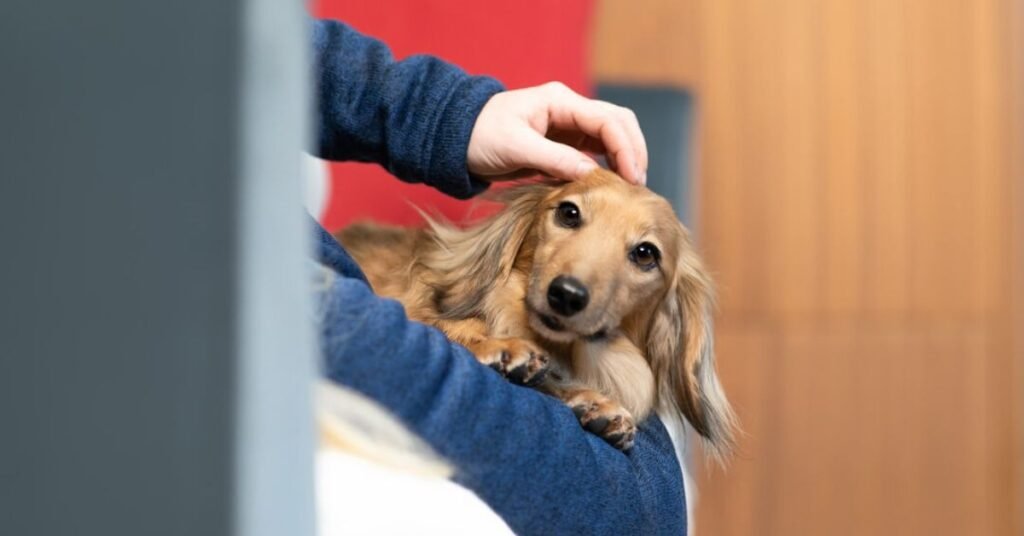
Treatment for vestibular disease in dogs depends on the cause. Many dogs improve with supportive care at home. Some may need medications to reduce nausea or control infections. In severe cases, hospitalization may be required for fluids and close monitoring.
Early and proper treatment can make recovery faster and safer. Your veterinarian will choose the right plan based on your dog’s symptoms and underlying condition.
| Treatment Type | Purpose | How It Helps | Notes |
| Supportive Care at Home | Comfort and safety | Helps dogs eat, drink, and move safely | Includes padded areas, easy access to food/water |
| Medications for Nausea | Reduce vomiting and dizziness | Keeps dogs comfortable and prevents dehydration | Often includes anti-nausea drugs or anti-inflammatories |
| Antibiotics or Antifungals | Treat ear infections | Eliminates infection causing vestibular symptoms | Given orally or as ear drops depending on infection |
| Surgery | Remove tumors or correct ear issues | Treats underlying cause | Only used when necessary, requires vet expertise |
| IV Fluids | Prevent dehydration | Keeps dogs hydrated if they cannot eat or drink | Typically in hospitalized dogs |
| Physical Therapy | Improve mobility and balance | Helps dogs regain strength and coordination | Gentle exercises recommended by vet |
| Nutritional Support | Maintain strength during recovery | Ensures proper diet | May include soft food or hand-feeding if needed |
| Regular Check-Ups | Monitor improvement | Helps track progress and adjust care | Schedule follow-ups with your vet |
| Vestibular-Specific Medications | Reduce dizziness or inflammation | Targets vestibular system symptoms | Used in select cases by veterinary guidance |
Immediate Stabilization and Supportive Care
When a dog shows sudden signs of vestibular disease, the first goal is to keep them safe and stable. Many dogs feel dizzy and cannot stand properly. They may fall or injure themselves. Immediate care focuses on preventing harm and reducing discomfort. In some cases, the dog may need to stay at the clinic for close supervision.
Supportive care helps the dog feel better while the body heals. This care does not cure the condition directly, but it supports recovery.
Common stabilization steps include:
- Providing a quiet and calm space
- Using soft bedding to prevent injury
- Giving anti-nausea medication if vomiting occurs
- Offering fluids to prevent dehydration
- Assisting with feeding and drinking
- Limiting movement to avoid falls
Medications and Condition-Specific Treatments
Sometimes dogs need medication to treat certain health problems. The treatment depends on the exact condition the dog has. A veterinarian may prescribe medicine to reduce pain, infection, or inflammation. For example, dogs with bacterial infections may receive antibiotics. Dogs with stomach problems may need medicines that protect the digestive system. These treatments help the body recover and prevent the condition from getting worse.
Some diseases also need long-term treatment and monitoring. Dogs with hormone problems or chronic illnesses may take medicine for many months. For example, dogs with Hypothyroidism may need hormone replacement medicine. Dogs suffering from Pancreatitis may require special diets and supportive care. Regular vet visits are important to adjust treatment and check progress.
| Condition | Common Treatment | Type of Medication | Purpose of Treatment |
| Bacterial Infection | Antibiotic therapy | Antibiotics | Kills harmful bacteria |
| Inflammation | Anti-inflammatory drugs | NSAIDs or other medicines | Reduces swelling and pain |
| Digestive Upset | Stomach protection medicine | Antacids or digestive medications | Protects stomach lining |
| Parasite Infection | Deworming treatment | Antiparasitic drugs | Removes internal parasites |
| Skin Infection | Topical or oral treatment | Antibiotics or medicated creams | Clears skin infection |
| Hypothyroidism | Hormone replacement therapy | Thyroid hormone medication | Restores hormone balance |
| Pancreatitis | Special diet and medication | Pain relief and digestive support | Reduces pancreas inflammation |
| Allergies | Allergy management | Antihistamines or special medication | Reduces itching and reactions |
| Joint Pain | Pain management therapy | Joint supplements or pain relievers | Improves mobility |
| Ear Infection | Ear cleaning and medication | Antibiotic or antifungal drops | Clears ear infection |
| Dehydration | Fluid therapy | IV or oral fluids | Restores body hydration |
| Chronic Disease Monitoring | Long-term care plan | Ongoing medication | Controls long-term illness |
How to Care for a Dog With Vestibular Disease at Home
Caring for a dog with vestibular disease at home requires patience and attention. Your dog may feel dizzy and confused for several days. Create a calm and safe space where they can rest. Keep furniture and sharp objects out of the way. Stay close to monitor their movement and behavior.
Simple home adjustments can make recovery easier and safer. Focus on comfort, hydration, and gentle support.
- Use soft bedding to prevent injuries
- Keep food and water bowls within easy reach
- Hand-feed if your dog has trouble eating
- Help your dog stand or walk if needed
- Take short, supervised bathroom breaks
- Keep lights dim and noise low to reduce stress
Feeding, Mobility Support, and Safety Tips
Dogs with vestibular disease may struggle with simple daily activities. Eating, drinking, and walking can become difficult. They may feel dizzy when lowering their head to a bowl. Some dogs lose balance while trying to move around. Gentle support and small adjustments at home can make a big difference.
Your goal is to keep your dog safe, comfortable, and well-nourished. Simple changes can prevent injuries and reduce stress. The table below explains helpful tips you can follow at home.
| Area of Care | Common Challenge | Helpful Solution | Why It Matters |
| Food Bowls | Difficulty lowering head | Raise bowls to chest level | Reduces dizziness and strain |
| Appetite | Nausea or low interest in food | Offer small, soft meals | Makes eating easier and prevents weight loss |
| Hydration | Trouble reaching water | Keep water close and refill often | Prevents dehydration |
| Hand-Feeding | Loss of coordination | Feed slowly by hand if needed | Ensures proper nutrition |
| Standing Up | Weakness or wobbling | Support body with a towel sling | Prevents falls |
| Walking | Unsteady steps | Short, supervised walks | Reduces injury risk |
| Slippery Floors | Sliding or falling | Use rugs or non-slip mats | Improves stability |
| Stairs | Loss of balance | Block access to stairs | Prevents serious injury |
| Resting Area | Rolling or bumping | Use padded bedding in a quiet corner | Adds comfort and protection |
| Bathroom Breaks | Disorientation outdoors | Stay close and guide gently | Keeps your dog safe |
Improving Comfort and Quality of Life
Dogs with vestibular disease may feel confused and anxious. They may not understand why they cannot walk normally. Stay calm and speak in a soft voice. Your reassurance helps them feel safe. Keep their daily routine simple and consistent. This reduces stress and supports healing.
Focus on comfort during recovery. Provide a quiet space away from noise and activity. Help them move slowly and safely. Offer gentle affection if they enjoy it. Small acts of care can improve their mood and confidence. With patience and support, many dogs regain strength and return to a happy life.
Can Dogs Fully Recover?
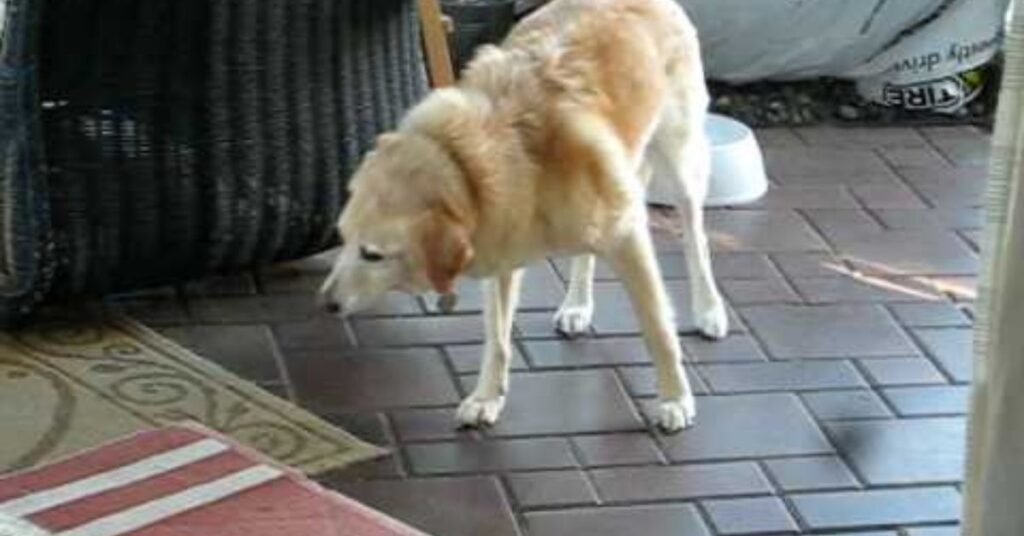
Many dogs can fully recover from vestibular disease. In mild cases, improvement may begin within a few days. Balance often returns slowly over one to three weeks. Some dogs may keep a slight head tilt, but they can still live a normal and happy life.
Recovery depends on the cause of the condition. Dogs with idiopathic or age-related vestibular disease usually have a good outcome. If the problem is linked to a tumor or serious brain issue, recovery may take longer and require more treatment. Early veterinary care improves the chances of a better recovery.
How Long Does Recovery Take?
Recovery time for vestibular disease in dogs can vary. Many dogs show improvement within 48 to 72 hours. Stronger symptoms often get better within one to two weeks. Mild head tilting may last longer, but it usually does not affect quality of life.
Healing time can change based on what caused the condition and how serious it is. Dogs with idiopathic or old dog vestibular syndrome often recover faster. Cases linked to infections or brain conditions may take several weeks or more. Regular check-ups help track progress and ensure steady healing.
Conclusion
Vestibular disease in dogs can look very frightening at first. Sudden balance loss and head tilting can worry any pet owner. But many cases are not life-threatening. With proper care, most dogs improve over time.
Early signs should never be ignored. Quick veterinary attention helps find the real cause. The right treatment can reduce discomfort and speed up recovery. Simple home care also plays an important role.
Patience is very important during healing. Your dog may need extra help with walking, eating, and resting. Stay calm and supportive. Your reassurance gives them comfort and confidence.
Most dogs return to a happy and active life. Some may keep a slight head tilt, but they can still enjoy normal activities. With love, care, and proper guidance, your dog can recover and feel safe again.
FAQs
1. Is vestibular disease in dogs life-threatening?
In most cases, vestibular disease is not life-threatening. The symptoms may look serious, but many dogs recover well. However, if the cause is linked to a brain tumor or stroke, it can be more serious. A veterinary exam is important to determine the exact cause.
2. What causes vestibular disease in dogs?
Common causes include inner ear infections, inflammation, injury, or age-related changes. Sometimes the cause is unknown, especially in older dogs. In rare cases, tumors or brain conditions may be responsible. Proper diagnosis helps guide treatment.
3. How quickly can a dog recover from vestibular disease?
Many dogs improve within a few days. Most recover within one to three weeks. Mild head tilting may remain in some cases. Recovery time depends on the underlying cause.
4. Can I treat vestibular disease at home?
Home care can support recovery, but veterinary guidance is necessary. You can provide a safe space, soft bedding, and help with feeding. Medications may be required for nausea or infections. Always follow your vet’s advice.
5. Can vestibular disease come back?
Yes, it can return in some dogs. Recurrence is more common in dogs with chronic ear infections or underlying conditions. Regular check-ups can reduce the risk. Early treatment of ear problems may help prevent future episodes.

DogsVibes Editorial Team creates trusted, research-based dog care content to help pet owners keep their dogs healthy, happy, and safe.