

Introduction
Green feces in dogs means your dog’s poop has a green color. It can happen for many reasons. Sometimes it is normal, and sometimes it shows a health issue. Knowing what causes it helps keep your dog safe and healthy.
Seeing green poop can be worrying for pet owners. You might wonder if it is serious or just a small change. Understanding the causes and knowing when to act can save your dog from problems.
In this article, we will explain why dogs get green feces. You will learn the common causes, symptoms to watch for, and what treatment options vets recommend. By reading this, you can help your dog stay healthy and happy.
What Are Green Feces in Dogs?
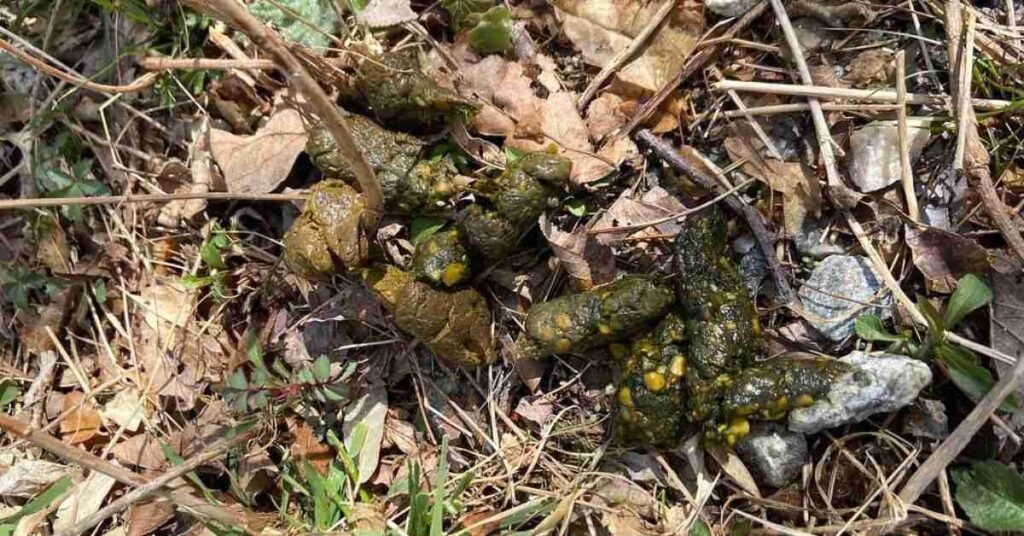
Green feces in dogs refers to stool that looks green instead of the normal brown color. A dog’s poop can change color because of what it eats or how its digestive system is working. For example, dogs sometimes get green stool after eating a lot of grass or foods with artificial coloring. In many cases, this change is temporary and may return to normal within a short time.
However, green poop can also be a sign that something is affecting your dog’s digestion. Issues like stomach irritation, infections, or parasites may sometimes cause this color change. If the green feces continue for several days or appear with symptoms like diarrhea, vomiting, or tiredness, it is best to seek advice from a veterinarian.
Why Do Dogs Have Green Feces?
Dogs can have green feces for several different reasons. One common reason is eating grass while playing or walking outside. Grass can pass through the digestive system and change the color of the stool. Some dogs may also get green poop after eating food that contains green dyes or artificial coloring.
In other cases, green feces may be linked to digestive problems. Parasites, stomach infections, or fast digestion can sometimes affect the color of your dog’s stool. Bile, a digestive fluid made by the liver, can also turn stool green if it moves through the intestines too quickly. If the color change continues for many days or appears with other symptoms, it is best to contact a veterinarian.
Shades and Consistencies of Green Feces
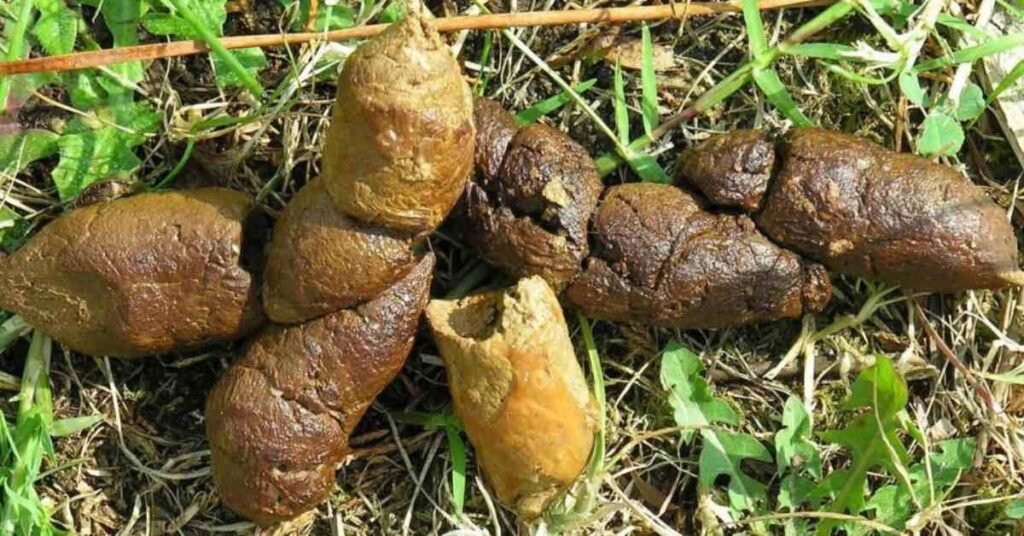
Green feces in dogs can appear in different shades. The color may range from light green to dark green. Sometimes the shade depends on what your dog has eaten or how the digestive system is working. A light green color may appear after eating grass, while a darker green shade may come from bile or other digestive changes.
The consistency of the stool is also important to notice. Healthy stool is usually firm and easy to pick up. Changes in texture may give clues about your dog’s health.
- Light green stool: Often linked to eating grass or green plants.
- Dark green stool: May be related to bile or digestion problems.
- Soft or mushy stool: Could suggest mild stomach upset.
- Watery diarrhea: May point to infection, parasites, or illness.
- Firm but green stool: Sometimes caused by diet changes or food coloring.
Soft vs Hard Stool
The texture of your dog’s stool can tell you a lot about its health. Soft stool is usually moist and may lose its shape when picked up. It can happen if a dog eats something unusual, has a mild stomach upset, or is adjusting to a new diet. If soft stool appears only once or twice, it may not be a big problem.
Hard stool, on the other hand, is dry and difficult for a dog to pass. It may happen when a dog does not drink enough water or lacks fiber in its diet. Hard stool can also cause discomfort during bowel movements. Watching the texture of your dog’s poop helps you notice possible digestive issues early.
| Stool Type | Appearance | Possible Causes | Other Signs to Watch | What You Can Do |
| Normal Stool | Firm, brown, and easy to pick up | Healthy digestion and balanced diet | Dog feels active and eats normally | Continue regular diet and care |
| Soft Stool | Moist, loose, and may lose shape | Diet change, mild stomach upset, stress | Slight gas or mild discomfort | Monitor diet and provide clean water |
| Very Soft Stool | Mushy and difficult to pick up | Overeating, new treats, sensitive stomach | Occasional diarrhea or low appetite | Feed simple foods and observe |
| Watery Stool | Liquid and messy | Infection, parasites, or food poisoning | Vomiting, weakness, dehydration | Contact a veterinarian if it continues |
| Hard Stool | Dry, small, and difficult to pass | Dehydration, low fiber diet | Straining during bowel movements | Increase water and fiber in diet |
| Very Hard Stool | Very dry and painful to pass | Severe constipation, lack of hydration | Dog may whine or struggle to poop | Seek veterinary advice if frequent |
Common Causes of Green Feces
Green feces in dogs can happen for several simple reasons. One common cause is eating grass while playing outside. Grass can pass through the digestive system and change the stool color. Sometimes dogs also eat foods or treats that contain green dyes. These dyes can make the stool look green for a short time.
In some cases, green feces may be linked to digestive problems. Issues like stomach infections or parasites can affect how food moves through the body. When food moves too quickly, bile may not break down fully and the stool can turn green.
Common causes include:
- Eating grass or plants during walks or playtime
- Food coloring found in treats or dog food
- Digestive upset from new foods or diet changes
- Parasites or infections affecting the stomach or intestines
- Bile imbalance when digestion happens too quickly
Eating Grass
Many dogs like to eat grass when they are outside. This is a common behavior and usually not a serious problem. Grass can pass through the digestive system without fully breaking down. Because of this, your dog’s stool may appear green after eating it.
Dogs may eat grass for different reasons. Some do it out of curiosity or boredom, while others may do it when their stomach feels upset. In most cases, green stool from eating grass goes away on its own. However, if your dog eats large amounts of grass often or shows signs of illness, it is a good idea to talk to a veterinarian.
Food Coloring and Treats
Some dog foods and treats contain added colors to make them look more attractive. These colors do not always affect a dog’s health, but they can change the appearance of the stool. If a dog eats treats with green dye or strong food coloring, the stool may appear green for a short time.
This change is usually temporary and often goes away after the colored food moves through the digestive system. However, it is still helpful to check the labels of the food and treats you give your dog. Choosing products with natural ingredients and fewer artificial additives can support better digestion and overall health.
Parasites and Infections

Parasites and infections can sometimes cause green feces in dogs. These problems affect the digestive system and change how food moves through the intestines. When digestion becomes disturbed, the stool color may change from normal brown to green. Dogs with parasites may also have diarrhea or soft stool.
Common parasites such as Giardia or intestinal worms can irritate the stomach and intestines. Bacterial or viral infections may also upset the digestive system. If green feces continue for several days or appear with other symptoms like vomiting or weakness, a veterinarian should check your dog.
| Condition | Type | How It Affects the Dog | Possible Symptoms | Common Treatment |
| Giardia | Parasite | Infects the small intestine and affects digestion | Green or watery diarrhea, gas, weight loss | Prescription medication and clean water |
| Roundworms | Parasite | Lives in the intestines and absorbs nutrients | Poor appetite, swollen belly, soft stool | Deworming medicine |
| Hookworms | Parasite | Attaches to the intestinal wall and feeds on blood | Weakness, diarrhea, weight loss | Deworming treatment from a vet |
| Bacterial Infection | Infection | Disrupts normal digestion | Vomiting, diarrhea, stomach pain | Antibiotics and supportive care |
| Viral Infection | Infection | Weakens the digestive system | Severe diarrhea, fatigue, dehydration | Veterinary care and fluid support |
| Intestinal Parasites (general) | Parasite | Irritates the digestive tract | Green stool, itching, poor digestion | Regular parasite prevention and treatment |
Giardia and Other Parasites
Giardia is a tiny parasite that can infect a dog’s digestive system. Dogs usually get it from drinking dirty water or eating contaminated food. It can also spread through contact with infected feces. Dogs with giardia may have diarrhea, stomach cramps, and weight loss. Some dogs may also feel weak or lose their appetite.
Other parasites can also cause stomach and intestinal problems in dogs. These parasites live inside the body and take nutrients from the dog. Puppies are more likely to get infected because their immune systems are still developing. Regular deworming and clean living areas help reduce the risk of infection.
| Parasite | How Dogs Get Infected | Common Symptoms | Dogs at Higher Risk | Prevention Tips |
| Giardia | Drinking contaminated water or contact with infected feces | Diarrhea, gas, stomach upset | Puppies, dogs in kennels | Provide clean water, maintain hygiene |
| Roundworms | From infected soil or mother’s milk | Vomiting, bloated belly, diarrhea | Puppies, outdoor dogs | Regular deworming |
| Hookworms | Through skin contact with contaminated soil | Weakness, bloody stool, weight loss | Puppies, dogs in warm climates | Keep environment clean, deworm regularly |
| Whipworms | Ingesting eggs from contaminated soil | Chronic diarrhea, weight loss | Dogs living outdoors | Regular fecal checks |
| Tapeworms | Eating infected fleas or rodents | Weight loss, segments in stool | Hunting dogs, flea infestations | Flea control and deworming |
| Coccidia | Contact with infected feces | Watery diarrhea, dehydration | Puppies and shelter dogs | Clean living spaces and prompt treatment |
Bile and Gallbladder Issues
Bile is a fluid made by the liver that helps dogs digest fats. Sometimes, bile moves too quickly through the intestines. When this happens, a dog’s stool can turn green. Problems with the gallbladder can also affect how bile flows, which may change the color of the feces.
Dogs with bile or gallbladder issues may show other signs, such as vomiting, stomach pain, or reduced appetite. If green feces last for several days or are accompanied by other symptoms, it is important to see a veterinarian. Early attention can help prevent more serious health problems.
| Condition | How It Affects Dogs | Symptoms | Stool Changes | Treatment |
| Bile Overproduction | Moves too fast through intestines | Vomiting, loss of appetite | Green, sometimes loose stool | Dietary adjustments and vet check-ups |
| Gallbladder Disease | Bile flow is blocked or reduced | Abdominal pain, lethargy | Green or yellow stool | Medication or surgery if needed |
| Liver Disease | Liver cannot produce enough bile | Weakness, vomiting | Pale or green stool | Vet-prescribed treatment and monitoring |
| Bile Reflux | Bile irritates the stomach | Nausea, discomfort | Green or foamy stool | Dietary changes and medication |
| Rapid Bile Flow | Food passes too quickly through intestines | Gas, diarrhea | Green stool | Vet advice and careful diet management |
How Bile Affects Stool Color
Bile is a fluid produced by the liver that helps dogs digest fats. Normally, it mixes with food and gives stool its brown color. If bile moves too fast through the intestines, it may not mix fully. This can make your dog’s stool look green instead of brown.
Bile flow can be affected by different health issues. Problems with the liver or gallbladder, or general digestive upset, can change how bile works. Dogs may also show other signs, like vomiting, loss of appetite, or stomach discomfort. Paying attention to stool color can help catch health problems early and allow prompt veterinary care.
Symptoms That Accompany Green Feces
Green feces in dogs can sometimes come with other symptoms. These signs can help you understand if your dog has a minor issue or a more serious problem. Not all dogs will show additional symptoms, but it is important to watch closely.
Some common symptoms that may appear with green stool include:
- Vomiting or nausea
- Diarrhea or loose stool
- Loss of appetite
- Lethargy or low energy
- Stomach pain or bloating
Vomiting, Lethargy, and Appetite Loss
Green feces in dogs can sometimes be linked to other symptoms like vomiting, lethargy, or loss of appetite. These signs may indicate that your dog has a digestive problem, infection, or another health issue. Watching for these symptoms is important to understand your dog’s overall health.
If these symptoms appear along with green stool, it may require veterinary care. Early detection can help treat problems before they become serious. Monitoring your dog’s behavior and eating habits can give important clues about their health.
| Symptom | What It Means | Possible Causes | When to See a Vet | Treatment Options |
| Vomiting | Throwing up food or liquid | Digestive upset, infection, parasites | If frequent or with blood | Vet-prescribed medication, hydration support |
| Lethargy | Low energy or less movement | Illness, infection, dehydration | If prolonged or severe | Rest, fluids, vet check-up |
| Loss of Appetite | Refusing food or eating less | Digestive issues, liver problems, stress | If it lasts more than a day | Adjust diet, vet guidance |
| Diarrhea | Loose or watery stool | Parasites, infection, diet change | If persistent | Dietary changes, medication from vet |
| Dehydration | Dry gums, sunken eyes | Vomiting and diarrhea | Immediate vet visit | Fluids, supportive care |
| Weakness | Trouble standing or walking | Severe illness, infection | If sudden or severe | Veterinary care |
When to Call a Veterinarian
You should call a veterinarian if your dog’s green feces continue for more than a day or two. It is also important if your dog shows other signs like vomiting, diarrhea, or loss of appetite. Persistent green stool may indicate a digestive problem, infection, or parasite.
Other reasons to contact a vet include lethargy, stomach pain, or blood in the stool. Early attention can prevent minor issues from becoming serious. Even if the stool returns to normal, a vet can help ensure your dog is healthy and prevent future problems.
Mild vs Serious Cases
Green feces in dogs can be caused by minor or more serious issues. Mild cases usually happen when a dog eats grass or treats with green coloring. These are temporary and often do not affect the dog’s overall health. Dogs usually stay active, eat normally, and the stool returns to brown on its own.
Serious cases may indicate infections, parasites, or problems with the liver or gallbladder. Dogs may show signs like vomiting, diarrhea, lethargy, or blood in the stool. Quick veterinary care is important in these situations. Early treatment can prevent the problem from getting worse.
| Case Type | Signs | Possible Causes | Stool Appearance | Recommended Action |
| Mild | Active, normal appetite, temporary green stool | Eating grass, colored treats, minor diet change | Light green, soft or normal consistency | Monitor at home, adjust diet if needed |
| Moderate | Slight lethargy, mild diarrhea | Mild infection, small parasite load | Green or loose stool, occasional soft spots | Contact vet if persists more than 2 days |
| Serious | Vomiting, diarrhea, loss of appetite, lethargy | Parasites, infections, liver or gallbladder issues | Dark green, watery, or bloody stool | Seek immediate veterinary care |
| Chronic | Recurring green stool, ongoing weakness | Long-term digestive or liver problems | Green or unusual stool consistently | Full veterinary evaluation and diagnostic tests |
Home Remedies and Dietary Adjustments
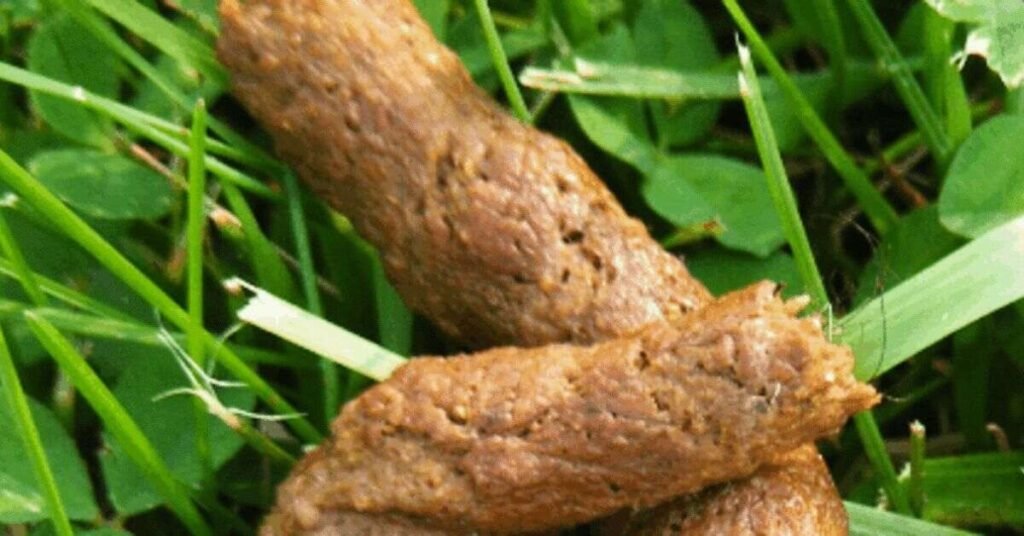
Green feces in dogs can sometimes be managed at home if it is mild and not caused by serious illness. Simple changes in diet and care can help improve digestion and return stool to normal. Feeding plain, easily digestible foods and ensuring clean water is available are important first steps.
Adding healthy foods and avoiding treats with artificial coloring can also help. Small meals given throughout the day may reduce digestive upset. However, if green feces continue or are accompanied by vomiting, diarrhea, or lethargy, it is important to consult a veterinarian.
| Home Remedy / Adjustment | How It Helps | Examples / Tips | When to Seek Vet Help |
| Plain Diet | Reduces digestive stress | Boiled chicken, rice, or pumpkin | If stool remains green for more than 2 days |
| Hydration | Prevents dehydration | Fresh water always available | If dog refuses water or shows signs of dehydration |
| Small Frequent Meals | Helps digestion | 3-4 small meals instead of 1 large meal | If stool is still loose or watery |
| Avoid Artificial Colors | Prevents color change | Treats without dyes | If green stool persists despite diet changes |
| Probiotics | Supports gut health | Vet-approved probiotic supplements | If soft stool continues for several days |
| Monitor Activity & Behavior | Detects health issues early | Observe energy levels and appetite | If lethargy or vomiting develops |
Safe Foods and Hydration Tips
Feeding your dog safe and healthy foods can help prevent green feces. Plain, easily digestible foods are best when your dog has mild digestive upset. Boiled chicken, plain rice, and cooked pumpkin are gentle on the stomach. Avoid treats or foods with artificial colors that may change stool color.
Keeping your dog hydrated is also very important. Fresh water should always be available. Proper hydration helps the digestive system work well and keeps stool healthy. You can also give small amounts of low-sodium broth to encourage drinking.
Safe Foods for Dogs:
- Boiled chicken or turkey (no seasoning)
- Plain cooked rice or pasta
- Cooked pumpkin or sweet potato
- Low-fat plain yogurt (in small amounts)
Hydration Tips:
- Always provide fresh, clean water
- Provide water in multiple bowls around the house
- Use low-sodium chicken or beef broth occasionally
- Encourage drinking after walks or exercise
Preventing Green Feces in Dogs
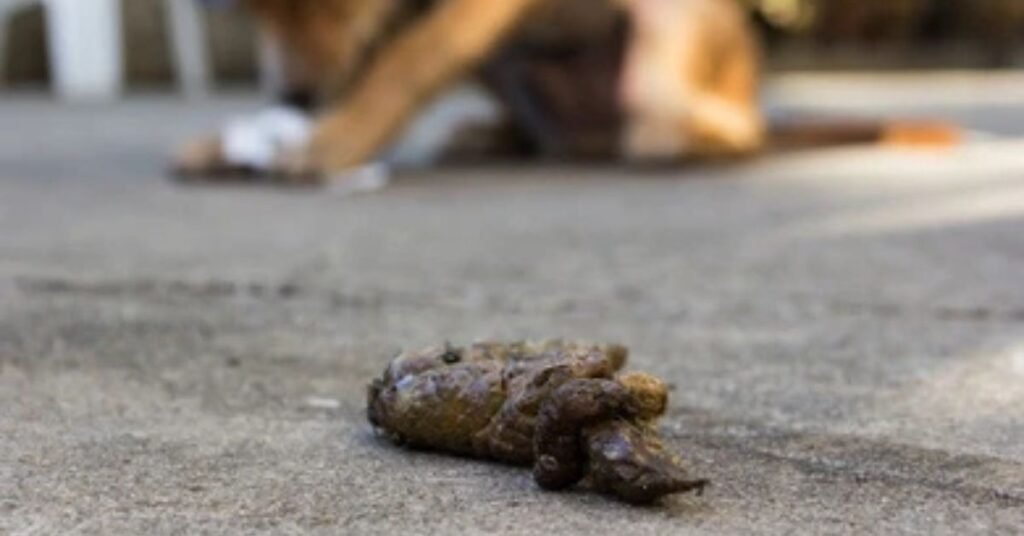
Preventing green feces in dogs starts with a healthy diet and good care. Feeding balanced dog food and avoiding treats with artificial colors can help. Regular feeding times and proper portion control also support good digestion.
Other habits can reduce the risk of green stool. Make sure your dog has clean water and avoids eating grass, plants, or trash outside. Regular veterinary check-ups and parasite prevention are important too.
Tips to Prevent Green Feces:
- Feed a balanced, high-quality diet
- Avoid treats with artificial coloring
- Keep feeding times consistent
- Provide fresh, clean water at all times
- Stop your dog from eating grass or unknown plants
- Use regular deworming and parasite prevention
- Take your dog for routine veterinary check-ups
Healthy Diet Practices
A healthy diet is key to keeping your dog’s stool normal. Feeding high-quality dog food with the right balance of protein, fat, and fiber helps digestion. Avoid giving too many treats or table scraps, as these can upset the stomach and change stool color.
Fresh water is also important for good digestion. Small, frequent meals can help dogs with sensitive stomachs. Adding natural, safe foods like pumpkin or plain rice can support healthy digestion. Watching your dog’s eating habits can prevent digestive problems and keep them feeling their best.
Normal Dog Poop Examples
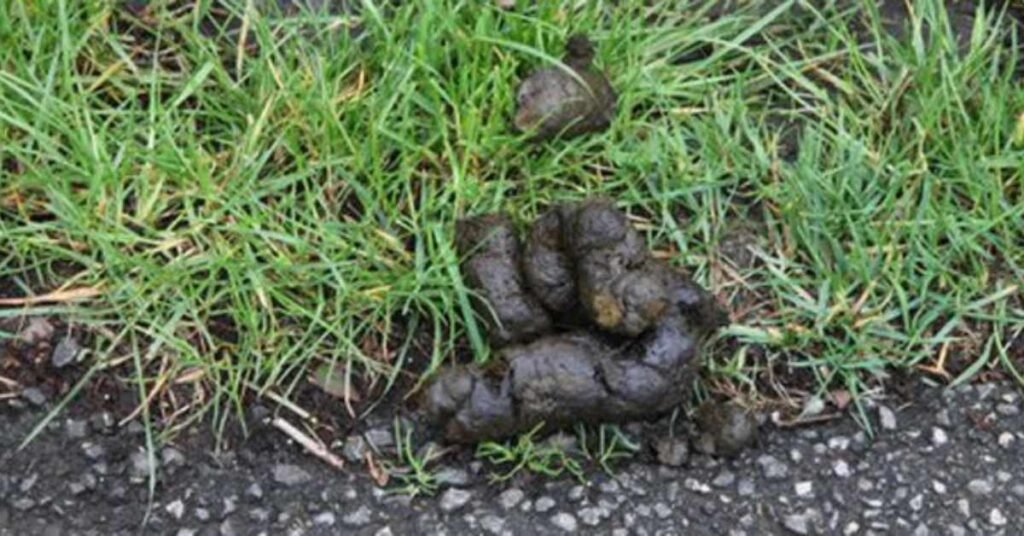
Normal dog poop is usually brown, firm, and easy to pick up. It should have a smooth, sausage-like shape. Healthy stool shows that your dog’s digestive system is working properly. Watching your dog’s poop regularly helps you notice changes early.
The texture, color, and smell of normal stool can vary slightly depending on diet and age. Puppies may have softer stool, while adult dogs usually have firmer stools. Here are some examples of healthy dog poop:
Examples of Normal Dog Poop:
- Brown and firm: The most common and healthy type
- Slightly soft: Normal for puppies or after a diet change
- Smooth and sausage-shaped: Indicates proper hydration and fiber
- Mild odor: Strong smell can indicate digestive issues
- Consistent in size: Small variations are normal but sudden changes should be checked
What Healthy Stool Looks Like
Healthy stool in dogs is usually brown and firm. It should hold its shape and be easy to pick up. Proper stool shows that your dog’s digestive system is working well. Changes in color, consistency, or smell can indicate digestive issues.
Other signs of healthy stool include a mild smell and regular bowel movements. Puppies may have softer stools, while adult dogs usually have firmer ones. Here are some key features of healthy stool:
Features of Healthy Stool:
- Brown color, not too dark or light
- Firm texture, slightly soft but holds shape
- Smooth or slightly ridged surface
- Mild, not strong or foul odor
- Consistent size and shape over time
- Passed regularly, usually once or twice a day
Conclusion
Green feces in dogs can happen for many reasons. Sometimes it is harmless, like when a dog eats grass or treats with food coloring. Other times, it may indicate digestive issues, parasites, or problems with the liver or gallbladder. Paying attention to your dog’s stool can help you spot problems early.
Watching your dog’s behavior is also important. Vomiting, lethargy, or loss of appetite along with green stool may need veterinary care. Mild cases can often be managed at home with safe foods, hydration, and small dietary changes.
Preventing green feces is possible with healthy diet practices and regular vet check-ups. Avoid giving treats with artificial coloring and stop your dog from eating unknown plants or trash. Regular deworming and parasite prevention also keep your dog’s digestive system healthy.
Remember, every dog is different. What is normal for one dog may not be normal for another. By keeping an eye on stool color, consistency, and your dog’s overall health, you can help them stay happy and healthy.
FAQs
1. Is green feces in dogs always a health problem?
Not always. Green feces can appear when a dog eats grass or foods with artificial coloring. In many cases, the stool returns to normal within a day or two. However, if it continues or comes with other symptoms, a vet should check your dog.
2. How long should green feces last in dogs?
Green stool usually lasts for a short time if it is caused by diet or eating grass. It often returns to normal within 24 to 48 hours. If it lasts longer than a couple of days, it may indicate a digestive issue or infection.
3. Can parasites cause green stool in dogs?
Yes, parasites such as Giardia or intestinal worms can affect a dog’s digestive system. These parasites may cause green, loose, or watery stool. Dogs may also show signs like diarrhea, weakness, or loss of appetite.
4. What should I feed my dog if it has green feces?
A simple diet can help settle your dog’s stomach. Foods like boiled chicken, plain rice, or cooked pumpkin are often recommended for mild digestive upset. Your dog should have access to fresh drinking water at all times.
5. When should I take my dog to the vet for green feces?
You should contact a veterinarian if green stool lasts more than two days. It is also important if your dog shows vomiting, diarrhea, lethargy, or loss of appetite. Getting treatment early can reduce the risk of bigger health problems.
