

Introduction
Foaming at the mouth means your dog is producing more saliva than usual. This saliva mixes with air and creates a white, frothy foam around the lips. It can appear suddenly or build up slowly over time.
Most dog owners panic when they see this. And honestly, that reaction makes sense. But foaming does not always mean something life-threatening. Sometimes the cause is as simple as a bitter taste or mild stress. Other times, it signals a medical emergency that needs immediate attention.
This guide covers every major reason why dogs foam at the mouth. You will learn how to tell the difference between a minor cause and a serious one. You will also know exactly what to do when it happens and when to call your vet right away.
Why Is My Dog Foaming at the Mouth?
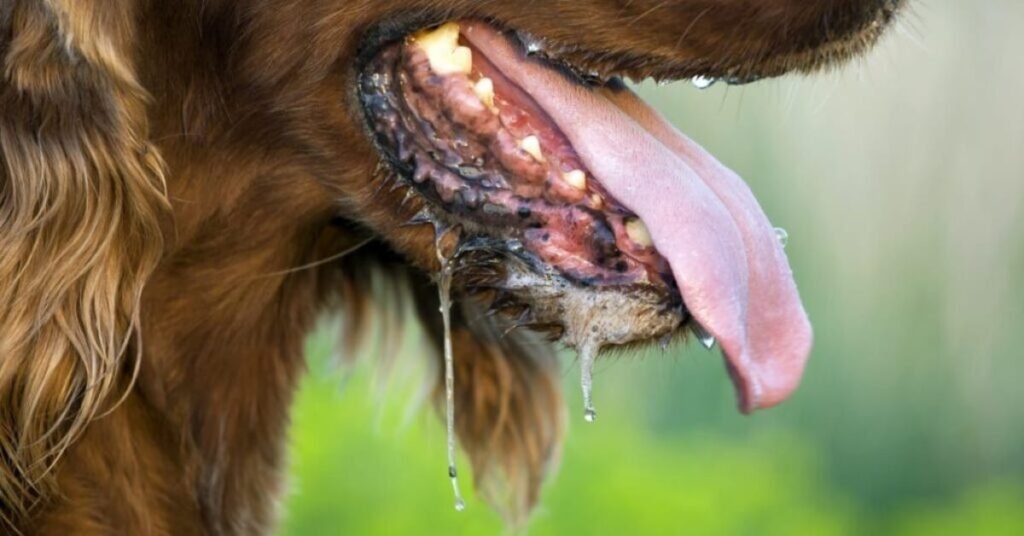
Dogs foam at the mouth for many different reasons. Some causes are completely harmless. For example, a dog might foam after chewing on a bitter plant or eating something with a strong taste. Sometimes it happens during car rides due to motion sickness. Other times, it shows up after heavy exercise or excitement.
However, not all causes are so simple. Certain medical conditions can also trigger foaming. These include seizures, poisoning, dental infections, and rabies. So it is important to look at the full picture. Notice when the foaming started, how long it lasted, and what your dog was doing before it happened. This information will help your vet find the real cause quickly.
What Dog Foaming at the Mouth Looks Like
Foaming at the mouth is easy to spot once you know what to look for. It appears as a white or off-white frothy substance around your dog’s lips. Sometimes it looks thick and bubbly. Other times it is thin and watery. The amount can vary depending on the cause.
Additionally, the foam may have a smell if it is linked to a dental problem or something your dog ate. In some cases, the dog will act completely normal despite the foaming. However, if the foam is accompanied by seizures, collapsing, or difficulty breathing, that is a medical emergency. Do not wait in that situation.
Here are the most common signs you might notice, along with the foaming:
- Excessive drooling or wet fur around the mouth
- Pawing at the mouth or face
- Gagging, retching, or swallowing repeatedly
- Restlessness or unusual behavior
- Trembling, wobbling, or loss of balance in serious cases
Is It Normal or a Warning Sign?
Foaming at the mouth is not always a sign of danger. In many cases, it is completely normal and goes away on its own. For example, some dogs foam briefly after chewing on grass or a bitter object. Physical activity and excitement can also cause temporary foaming. Once the trigger is gone, the foam usually stops within a few minutes.
However, there are situations where foaming is a clear warning sign. Persistent foaming that does not stop is worth taking seriously. Similarly, if your dog is also vomiting, shaking, or acting confused, something more serious may be going on. Poisoning, seizures, and serious infections do not get better on their own. So trust your instincts as a pet owner. When something feels wrong, it usually is.
What Causes Dog Foaming at the Mouth?
Foaming at the mouth has many possible causes. Some are minor and resolve quickly. Others need medical attention right away. The cause is usually linked to something your dog ate, a health condition, or an emotional trigger like fear or stress. Understanding the root cause is the first step toward helping your dog.
Below are the most common reasons why dogs foam at the mouth:
- Nausea or motion sickness, traveling in a car, often triggers drooling and foaming
- Bitter taste or toxic plant,s chewing on certain plants or chemicals, causes instant foaming
- Dental disease or mouth infection, bacteria, and inflammation increase saliva production
- Seizure foaming is a common sign during or after a seizure episode
- Poisoning, ingesting toxic substances like pesticides or human medications, can cause sudden foaming
- Rabies, though rare in vaccinated dogs, remains one of the most serious causes
- Anxiety or extreme stress, fearful situations like thunderstorms or vet visits, can trigger temporary foaming
- Overheating or heatstroke, dogs pant heavily in heat, which can mix with saliva and create foam
Nausea and Upset Stomach
Nausea is one of the most common reasons dogs foam at the mouth. It can occur when the stomach becomes irritated due to eating too quickly, motion sickness, grass consumption, dietary changes, or underlying digestive issues. Dogs with nausea may also lick their lips, swallow frequently, refuse food, or vomit. While mild cases often resolve on their own, persistent symptoms should be evaluated by a veterinarian.
| Cause | What Triggers It | Additional Symptoms | Severity |
| Eating too fast | Rapid food consumption | Bloating, vomiting, restlessness | Moderate to serious |
| Motion sickness | Car rides and travel | Drooling, whining, vomiting | Usually mild |
| Eating grass | Grazing outdoors | Vomiting, lip licking | Usually mild |
| Foreign object | Swallowing toys, sticks, socks | Gagging, appetite loss | Serious |
| Spoiled or new food | Dietary changes or bad food | Diarrhea, lethargy | Mild to moderate |
| Intestinal parasites | Worm infestations | Weight loss, bloating | Moderate to serious |
| Pancreatitis | Fatty foods or unknown causes | Pain, vomiting, hunched posture | Serious |
| Acid reflux | Empty stomach or poor diet | Gulping, discomfort | Mild to moderate |
Stress, Anxiety, or Excitement
Stress and excitement can also cause temporary foaming at the mouth. Increased saliva production combined with panting often creates a foamy appearance. Common triggers include loud noises, vet visits, car rides, and separation anxiety. In most cases, the foaming stops once the dog calms down.
| Trigger | Why It Causes Foaming | Additional Symptoms | Duration |
| Fireworks or loud noises | Fear increases saliva | Trembling, hiding | Minutes to hours |
| Vet visits | Anxiety in unfamiliar settings | Shaking, whining | During and shortly after |
| Being left alone | Separation anxiety | Pacing, barking | Until the owner returns |
| Meeting strangers or dogs | Stress or excitement | Jumping, barking | Few minutes |
| Car rides | Anxiety and motion sickness | Drooling, vomiting | During the ride |
| Thunderstorms | Fear response | Panting, hiding | During the storm |
| New environments | Unfamiliar surroundings | Pacing, whining | Until settled |
| Rough play or excitement | Increased panting and saliva | Hyperactivity | Short-lived |
| Separation from a pet companion | Emotional distress | Loss of appetite, lethargy | Days in some cases |
Serious Reasons for Dog Foaming at the Mouth
Not all cases of foaming are harmless. Some causes are genuinely dangerous and need immediate attention. These serious conditions do not improve on their own. In fact, waiting too long can make things much worse. Knowing the serious causes helps you act fast when it matters most. Additionally, some of these conditions can look similar at first glance. So never try to diagnose your dog on your own. Always contact your vet immediately if any of these serious symptoms appear alongside the foaming.
Below are the serious reasons that can cause a dog to foam at the mouth:
- Seizure foaming is very common during a seizure episode and may be accompanied by shaking, stiffening, or loss of consciousness
- Poisoning, ingesting toxic substances like rat poison, certain plants, or human medications, can trigger sudden and heavy foaming.
- Rabies is a life-threatening viral infection that affects the brain and causes aggressive behavior, along with foaming.g
- Heatstroke overheating causes excessive panting and drooling, which quickly turns into foam, especially in hot weather.
- Tetanus bacterial infection that causes muscle stiffness and can lead to excessive salivation and foaming
- Kidney failure leads to the buildup of toxins in the body, which irritates the stomach and mouth lining, causing drooling and foaming.
- Severe dental infection, a badly infected tooth, or an abscess can produce so much bacteria and fluid that foaming occurs.
- Respiratory distress, difficulty breathing, causes dogs to pant rapidly, which mixes air with saliva and creates foam.
Seizures in Dogs
Seizures can cause foaming at the mouth because dogs lose control of saliva and jaw muscles during abnormal brain activity. Affected dogs may twitch, paddle their legs, or lose consciousness. Most seizures last less than two minutes, but any seizure lasting over five minutes is a medical emergency. Common causes include epilepsy, brain tumors, liver disease, and low blood sugar.
| Cause | How Foaming Occurs | Other Symptoms | Severity |
| Epilepsy | Loss of saliva control | Twitching, collapse | Moderate to serious |
| Brain tumors | Abnormal brain signals | Behavior changes, seizures | Serious |
| Liver disease | Toxin buildup affects the brain | Weakness, confusion | Serious |
| Low blood sugar | Brain dysfunction | Tremors, collapse | Serious |
Poisoning or Toxic Exposure
Poisoning is a major cause of sudden foaming at the mouth. The body produces excess saliva as a response to toxins. Other symptoms often develop quickly, including vomiting, tremors, weakness, or seizures. Immediate veterinary care is critical if poisoning is suspected.
| Toxic Substance | Common Source | Additional Symptoms | Severity |
| Xylitol | Sugar-free products | Seizures, low blood sugar | Extremely serious |
| Rat poison | Rodenticides | Bleeding, weakness | Extremely serious |
| Grapes/Raisins | Human foods | Kidney failure signs | Very serious |
| Chocolate | Snacks, baking products | Rapid heart rate, vomiting | Serious |
| Pesticides/Cleaners | Garden and household products | Tremors, mouth irritation | Very serious |
| Human medications | Ibuprofen, antidepressants | Seizures, organ damage | Very serious |
Rabies and Dangerous Infections
Rabies and certain infections can affect the nervous system or throat, making swallowing difficult and causing saliva to foam. Vaccination remains the best protection. Any suspected rabies case requires immediate veterinary attention.
| Infection | How Foaming Occurs | Other Symptoms | Severity |
| Rabies | Inability to swallow saliva | Aggression, paralysis | Deadly |
| Canine distemper | Nervous system damage | Coughing, seizures | Very serious |
| Tetanus | Jaw and throat stiffness | Muscle rigidity | Very serious |
| Encephalitis | Brain inflammation | Head pressing, seizures | Very serious |
| Leptospirosis | Organ damage causes drooling | Jaundice, vomiting | Serious |
| Botulism | Paralysis affects swallowing | Weakness: breathing issues | Very serious |
Dog Foaming at Mouth but Acting Normal
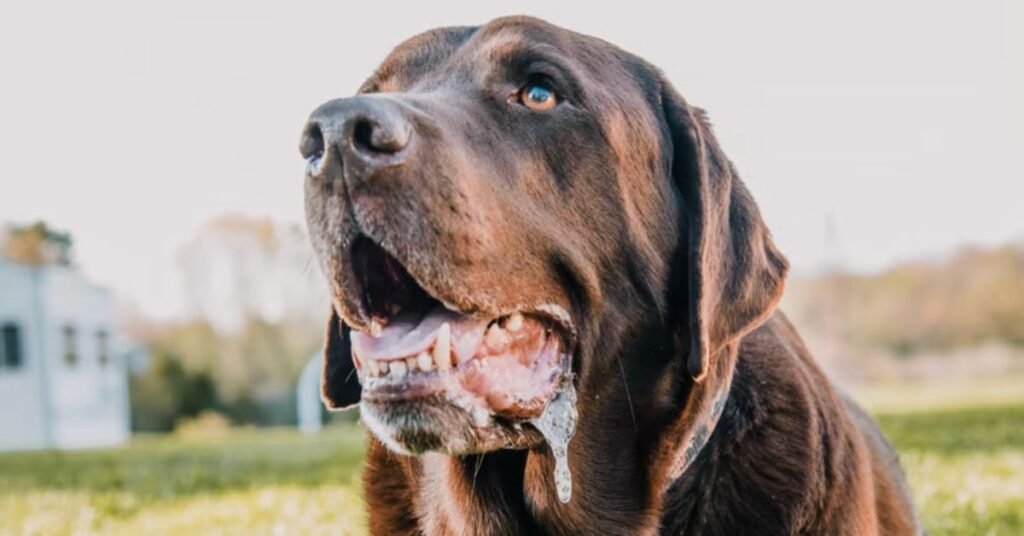
Sometimes a dog foams at the mouth but shows no other signs of distress. This can be confusing for pet owners. The good news is that foaming without any other symptoms is usually not serious. In many cases, it is caused by something completely harmless. The foam often disappears on its own within a few minutes.
Several everyday situations can cause a dog to foam while still acting perfectly normal. These include:
- Bitter taste, chewing on a bitter plant, medication, or object,t triggers instant excess saliva production
- Excitement or vigorous activity and happy excitement can cause temporary foaming in some dogs
- Eating too fast, gulping down food or water quickly, leads to excess saliva and foam around the mouth
- Dental chews or certain treats, such as flavored chews, and treats cause a foamy reaction in sensitive dogs
- Grooming products, such as licking shampoo, flea spray, or other topical products off their coat, can trigger foaming
- Grass eating many dogs eat grass and foam briefly afterward without any serious underlying issue
- Yawning repeatedly, excessive yawning, combined with drooling,g can sometimes create light foam around the lips
Warning Signs to Watch For
Foaming at the mouth on its own does not always mean danger. But certain warning signs appearing alongside the foaming should never be ignored. These signs indicate that something more serious may be happening inside your dog’s body. Recognizing them early can make a real difference in your dog’s recovery. So it is important to know exactly what to look for.
Below are the warning signs that should prompt you to contact a vet immediately:
- Seizures or convulsions, uncontrolled shaking, stiffening, or collapsing alongside foaming, are a medical emergency
- Pale or blue gums indicate a lack of oxygen or a serious internal problem that needs urgent attention
- Difficulty breathing, labored or rapid breathing, combined with foaming, suggests respiratory distress or poisoning
- Sudden aggression or disorientation, unusual behavior changes can point toward rabies, brain infection, or neurological damage.
- Continuous vomiting,g repeated vomiting, and foaming may indicate poisoning, blockage, or severe infection.
- Loss of balance or coordination, stumbling, or falling over suggests a neurological issue or toxic exposure.
- Foaming that does not stop, foam that keeps coming back,k or lasts longer than 10 minutes needs immediate vet attention.
- Excessive drooling with a bad odor often points toward a severe dental infection or mouth abscess.
- High fever or hot skin, elevated body temperature, and foaming can indicate heatstroke or serious infection.
- Loss of consciousness if your dog faints or becomes unresponsive at any point, treat it as an emergency.
What to Do If Your Dog Is Foaming at the Mouth
The first thing to do is stay calm. Panicking will not help you or your dog. Start by observing your dog from a safe distance. Notice whether your dog is conscious, breathing normally, and able to stand. Also, check if there is anything nearby that your dog may have chewed or swallowed. This information will be very useful when you speak to your vet.
Next, think about what happened just before the foaming started. Did your dog eat something unusual? Was there a stressful event like a car ride or loud noise? Additionally, check the mouth carefully for any visible objects, wounds, or swellings. However, do not put your fingers inside the mouth if your dog seems aggressive or disoriented. If the foaming is mild and your dog is acting normal, monitor closely for the next 30 minutes. On the other hand, if serious warning signs are present, such as seizures, collapse, or continuous vomiting, skip the waiting and go straight to the vet. Always keep your vet’s emergency number saved on your phone so you are never caught unprepared.
Immediate Steps at Home
If your dog is foaming at the mouth, stay calm and assess the situation carefully. Panicking can make it harder to help your pet. Start by observing your dog from a safe distance and looking for signs such as difficulty breathing, seizures, or unusual behavior.
| Step | What to Do |
| Stay calm | Observe your dog without rushing toward it |
| Remove hazards | Keep chemicals, plants, and objects out of reach |
| Check breathing | Make sure your dog is breathing normally |
| Inspect the mouth | Look for injuries or foreign objects if safe |
| Avoid food and water | Wait until the cause is identified |
| Note the timing | Record when the foaming started |
| Take a video | Capture the episode for your veterinarian |
| Keep your dog comfortable | Move them to a quiet, cool area |
| Contact your vet | Report symptoms and possible triggers |
When to Call a Vet
While some causes of foaming are harmless, others require immediate medical attention. Contact your veterinarian right away if your dog is having seizures, struggling to breathe, collapsing, or showing signs of poisoning. Quick treatment can be lifesaving.
You should also seek veterinary advice if the foaming lasts longer than 10 minutes, happens repeatedly, or is accompanied by unusual behavior such as aggression, confusion, or extreme lethargy. Dogs that are not vaccinated against rabies and suddenly develop excessive foaming should be treated as an emergency.
Treatment for Dog Foaming at the Mouth
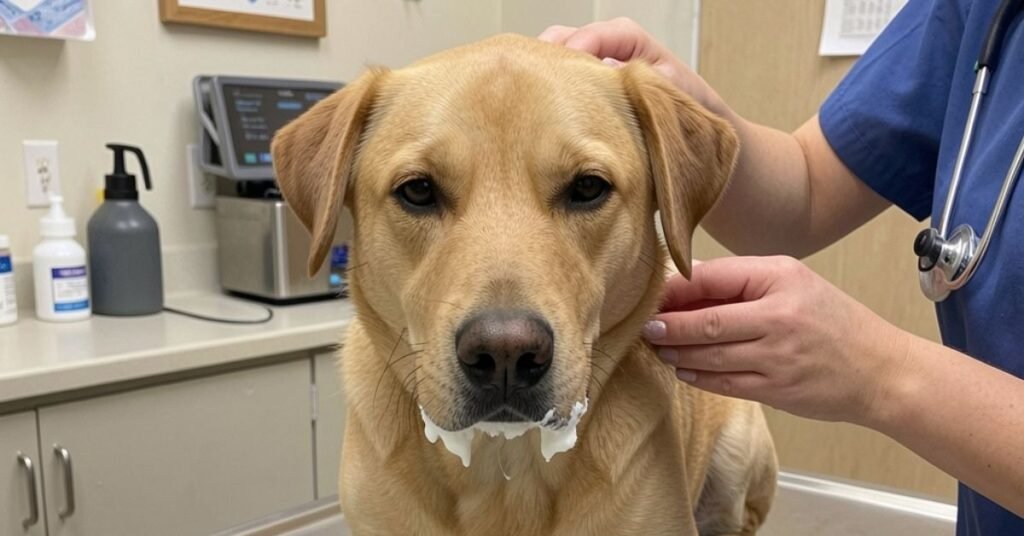
Treatment for foaming at the mouth depends entirely on the underlying cause. There is no single fix that works for every situation. A vet will first examine your dog and ask about recent behavior, diet, and possible exposures. Based on that assessment, they will recommend the most appropriate course of treatment. Additionally, some cases are resolved quickly while others require ongoing medical care.
Here are the most common treatments a vet may recommend depending on the cause:
- Induced vomiting, if poisoning is caught early enough, a vet may induce vomiting to remove the toxic substance from the stomach
- Activated charcoal is given to absorb remaining toxins in the digestive system after poisoning or toxic exposure
- Anti-seizure medication dogs diagnosed with epilepsy are placed on long-term medication to control and reduce seizure episodes.
- IV fluids, intravenous fluids, are used to rehydrate the dog and flush toxins out of the body quickly.
- Antibiotics bacterial infections like leptospirosis or severe dental infections are treated with a course of antibiotics.
- Dental treatment of infected teeth or abscesses may need to be cleaned, treated, or removed by a veterinary dentist.
- Anti-nausea medication for dogs suffering from motion sickness or upset stomach to reduce nausea and drooling.
- Cooling treatment for heatstroke is treated by gradually lowering the dog’s body temperature using cool water and fluids.
- Behavioral therapy or medication can manage chronic anxiety through training, environmental changes, or prescribed calming medication.
Home Care and Veterinary Treatment
Home care can help if your dog has mild foaming at the mouth caused by stress, motion sickness, or a minor stomach upset. Keep your dog calm, cool, and comfortable while removing anything that could cause further problems. Offer small amounts of water if your dog is alert, and watch closely for changes. These simple steps may improve mild cases. However, home care should never replace veterinary treatment if severe symptoms develop or the foaming continues.
Veterinary care is essential when foaming is linked to poisoning, seizures, heatstroke, breathing problems, or other serious conditions. A veterinarian can identify the underlying cause and provide the right treatment before complications become worse. Acting quickly often improves the chances of recovery. The table below compares situations that may be managed at home with those requiring professional veterinary care.
| Cause of Foaming | Home Care Steps | Veterinary Treatment | Urgency |
| Mild stomach upset | Rest stomach, offer small sips of water | Anti-nausea care, diet advice | Low |
| Motion sickness | Keep calm, use familiar items | Motion sickness medication | Low–Moderate |
| Anxiety | Remove stress, provide a quiet space | Behavior therapy or medication | Low–Moderate |
| Bitter substance | Rinse mouth gently, monitor | Check for toxicity | Low |
| Heatstroke | Cool slowly, offer water | IV fluids, cooling therapy | High |
| Seizures | Protect from injury, time episode | Anti-seizure treatment | Very High |
| Poisoning | Do not induce vomiting | Emergency toxin treatment | Extremely High |
| Dental infection | Feed soft food | Antibiotics or dental care | Moderate–High |
| Kidney failure | Encourage hydration | IV fluids, medication | Very High |
| Breathing problems | Keep calm, limit activity | Oxygen and emergency care | Extremely High |
How to Prevent Dog Foaming at the Mouth
Prevention is always better than treatment. Many causes of foaming at the mouth can be avoided with simple daily habits. Keeping your dog safe, healthy, and up to date with vaccinations goes a long way. Additionally, being aware of your dog’s environment and diet reduces the risk significantly. Most preventable cases happen because of something the dog ate or was exposed to at home.
Here are the most effective ways to prevent foaming at the mouth in dogs:
- Keep vaccinations up to date. Rabies and other core vaccines are the most important protection your dog can have
- Dog-proof your home. Store all medications, cleaning products, and toxic substances in places your dog cannot reach
- Avoid toxic foods. Never feed your dog chocolate, grapes, xylitol, caffeine, or any other food that is known to be harmful.
- Check your garden regularly, remove toxic plants like sago palm, azalea, and oleander from areas where your dog spends time.
- Feeding proper portions slowly using a slow-feeder bowl reduces the risk of nausea and bloating caused by eating too fast.
- Manage anxiety triggers, identify what stresses your dog, and work on reducing exposure through training and environmental changes.
- Schedule regular vet checkups and routine visits to help catch dental disease, kidney issues, and other conditions before they become serious.
- Keep your dog cool in hot weather. Always provide fresh water, shade, and good ventilation to prevent heatstroke.
- Use dog-safe grooming products. Always choose shampoos and flea treatments that are specifically formulated for dogs.
- Supervise outdoor time, watch what your dog sniffs, chews, or eats during walks and outdoor play sessions.
Proper Diet and Hydration
A healthy diet is one of the best ways to reduce the risk of foaming at the mouth in dogs. High-quality food supports digestion and lowers the chance of nausea, acid reflux, and stomach irritation that can trigger excessive drooling. Feed your dog on a regular schedule with proper portion sizes, and avoid sudden diet changes. Using a slow-feeder bowl can also prevent gulping, which may cause bloating and vomiting.
Hydration is just as important for your dog’s overall health. Always provide fresh, clean water to help prevent dehydration, heat-related illness, and kidney problems. Avoid toxic human foods and choose only vet-approved treats when offering snacks. The table below highlights simple diet and hydration practices that help keep your dog healthy and reduce the risk of foaming.
| Diet & Hydration Factor | Recommended | Avoid | Benefit |
| Meal frequency | Feed on a regular schedule | Skipping meals or overfeeding | Reduces nausea and reflux |
| Food quality | High-quality dog food | Cheap fillers and by-products | Supports healthy digestion |
| Portion size | Feed the correct portions | Large meals | Prevents bloating |
| Eating speed | Use a slow-feeder bowl | Fast eating | Lowers vomiting risk |
| Water | Provide fresh water daily | Dirty or stale water | Prevents dehydration |
| Human food | Vet-approved treats only | Toxic foods like chocolate and grapes | Avoids poisoning |
| Diet changes | Switch food gradually | Sudden changes | Prevents stomach upset |
| Exercise | Offer water before and after | Excessive drinking at once | Reduces vomiting risk |
| Chews | Safe dental chews | Cooked bones | Prevents mouth injuries |
| Supplements | Vet-approved only | Human supplements | Protects digestive health |
When to Worry About Dog Foaming at the Mouth
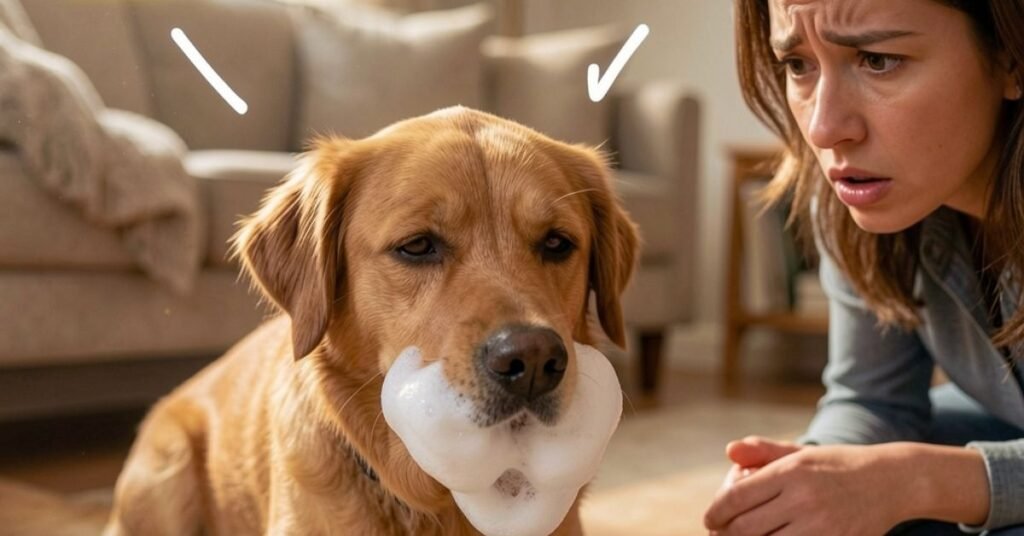
Foaming at the mouth does not always call for panic. Many cases are mild and resolve on their own within minutes. However, there are specific situations where worry is completely justified. If the foaming is heavy, continuous, and accompanied by other symptoms, it is time to take action. Additionally, the timing and context of the foaming matter a great deal. Foaming that appears suddenly after eating, going outside, or contact with chemicals is a serious red flag.
Furthermore, certain groups of dogs need extra attention when foaming occurs. Puppies, senior dogs, and dogs with existing health conditions are more vulnerable than healthy adult dogs. Similarly, unvaccinated dogs that show foaming alongside aggression or disorientation should be treated as a potential rabies case immediately. Also, pay close attention if your dog has had previous seizures or a known health condition. In those cases, even mild foaming deserves a prompt vet call. On the other hand, if your dog foamed briefly after chewing grass and is now running around happily, there is likely nothing to worry about. The key is to look at the whole picture and not just the foaming alone.
Conclusion
A dog foaming at the mouth can look scary, but it is not always dangerous. In many cases, it happens due to simple reasons like excitement, stress, or a mild stomach issue. These situations usually go away on their own. Still, it is important to stay aware and watch your dog closely.
Understanding the causes helps you react in the right way. Some reasons are harmless, while others may need quick medical care. Paying attention to your dog’s behavior and other symptoms is very important. You can use this to determine when to stay calm and when to act.
Taking simple steps at home can keep your dog safe. A healthy diet, clean water, and a safe environment can prevent many problems. Regular vet checkups also help in keeping your dog healthy. Prevention is always better than dealing with serious issues later.
If you ever feel unsure, it is best to contact a veterinarian. Quick decisions can make a big difference in your dog’s health. Your care and attention play a big role in keeping your pet happy and safe.
FAQs
1. Why is my dog foaming at the mouth?
Dogs may foam at the mouth due to excitement, stress, or nausea. It can also happen if they taste something bitter. In some cases, it may be linked to serious issues like poisoning or seizures. Watching your dog’s behavior helps you understand the cause.
2. Is foaming at the mouth always dangerous for dogs?
No, it is not always dangerous. Sometimes it is normal and goes away quickly. But if it happens with symptoms like weakness, vomiting, or shaking, it can be serious. In such cases, you should contact a vet.
3. What should I do if my dog starts foaming at the mouth?
Stay calm and move your dog to a safe place. Check for any unusual signs like vomiting or weakness. Give small amounts of water if your dog is alert. If symptoms continue or worsen, call a vet immediately.
4. Can stress or excitement cause foaming at the mouth?
Yes, strong emotions can lead to excess saliva, which turns into foam. This is common during play, travel, or fear. It usually stops once the dog calms down. If your dog acts normally, it is usually not serious.
5. When should I take my dog to the vet for foaming?
You should visit a vet if the foaming lasts long or keeps happening. Also, seek help if your dog has seizures, breathing problems, or sudden weakness. Always seek professional advice to be on the safe side.

DogsVibes Editorial Team creates trusted, research-based dog care content to help pet owners keep their dogs healthy, happy, and safe.