

Introduction
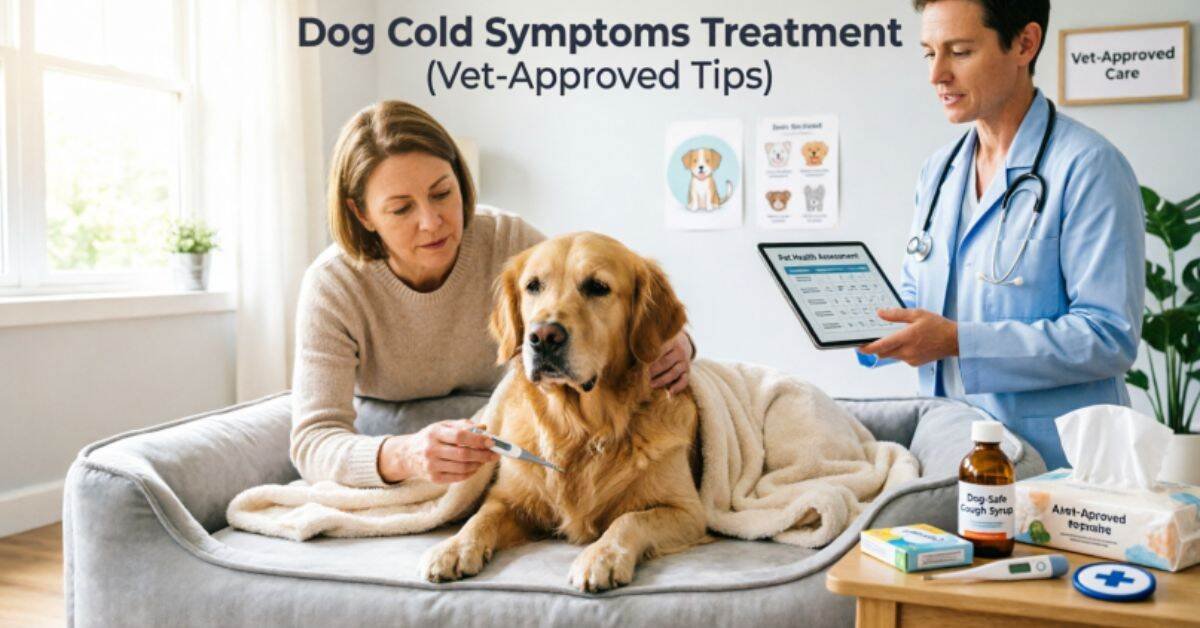
A dog cold is a mild respiratory infection that affects your dog’s nose and throat. It can cause sneezing, coughing, a runny nose, and low energy. Just like humans, dogs can catch viruses that make them feel sick for a few days. Most cases are not serious, but they still need proper care.
Many dog owners think sneezing is nothing to worry about. But sometimes, small symptoms can turn into bigger health problems. Knowing the early signs can help you act quickly and protect your dog from discomfort or complications.
In this guide about dog cold symptoms treatment, you will learn how to recognize the signs, how to treat your dog safely at home, and when it’s time to call a vet. Simple steps and the right care can help your dog recover faster and feel better soon.
What Is a Dog Cold?

A dog cold is a light respiratory illness that affects a dog’s breathing passages. It mainly targets the nose and throat. When a dog has a cold, you may notice sneezing, mild coughing, or clear nasal discharge. Your dog might also seem tired or less playful than normal. In most cases, the condition is temporary and improves with simple care.
This illness is usually caused by viruses that spread from one dog to another. Dogs can catch it after close contact with other infected dogs. While chilly weather does not directly cause a cold, it can make some dogs more sensitive to illness. With rest, comfort, and proper monitoring, many dogs start feeling better within a few days.
Understanding the Infection and How It Starts
A dog cold starts when tiny germs enter your dog’s body through the nose or mouth. These germs usually spread from another infected dog. Once inside, they settle in the upper airways. The nose and throat become irritated. This irritation causes sneezing, light coughing, and watery discharge. At first, the signs can be so mild that many owners do not notice them.
Some conditions make it easier for the infection to take hold. Dogs with weaker immunity are more likely to get sick. The infection may begin after:
- Close contact with a sick dog
- Staying in crowded places like kennels
- Sudden changes in temperature
- Stress or poor nutrition
Can Dogs Catch a Cold From Humans or Other Dogs?
Dogs can catch colds from other dogs, especially when they are in close contact. This can happen at dog parks, grooming centers, or boarding kennels. The viruses that affect dogs spread through sneezing, coughing, or shared water bowls. When one dog is sick, others nearby can easily become infected. That is why it is important to keep a sick dog away from healthy ones.
However, dogs usually do not catch colds directly from humans. The viruses that make people sick are often different from those that affect dogs. Even so, good hygiene still matters. Washing your hands and keeping your dog’s space clean can help lower the risk of spreading any type of infection.
What Causes a Dog Cold?
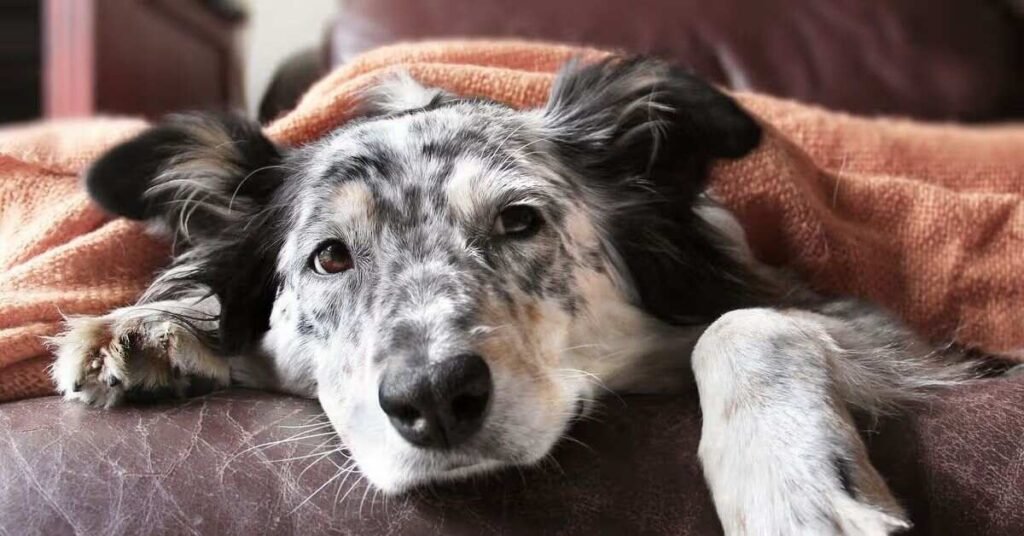
A dog cold is usually caused by viruses that affect the upper respiratory system. These viruses spread from one dog to another through close contact. When an infected dog coughs or sneezes, tiny droplets carry the germs into the air. Other dogs can breathe them in and become sick. The infection mainly affects the nose and throat.
Some factors can increase the chances of your dog getting a cold, such as:
- Spending time in crowded places like kennels or dog parks
- A weak immune system
- Stress or poor nutrition
- Sudden weather changes
- Not being up to date on vaccinations
Viruses, Bacteria & Environmental Triggers
Dog colds can be caused by different types of germs. Viruses are the most common cause. They spread quickly from one dog to another. Some bacterial infections can also affect the breathing system. In certain cases, the problem starts with a virus and then bacteria make it worse. This can lead to thicker discharge and stronger coughing.
The environment also plays a big role. Cold air does not directly cause a cold, but it can weaken a dog’s defenses. Damp spaces, stress, and poor air flow can increase the risk of infection. Below is a simple table to help you understand the common causes and triggers.
| Cause Type | Example | How It Affects Dogs | Risk Level |
| Virus | Canine respiratory viruses | Causes sneezing, coughing, runny nose | High |
| Bacteria | Secondary bacterial infection | Can worsen symptoms and cause thick mucus | Medium |
| Crowded Areas | Kennels, dog parks | Easy spread through close contact | High |
| Poor Ventilation | Closed indoor spaces | Germs stay in the air longer | Medium |
| Weather Changes | Sudden cold or damp air | Weakens immune response | Low to Medium |
| Stress | Travel, new environment | Lowers immune system strength | Medium |
| Weak Immunity | Puppies or senior dogs | Harder to fight infection | High |
| Poor Nutrition | Low-quality diet | Reduces body’s defense system | Medium |
Is Cold Weather the Real Reason Dogs Get Sick?
Cold weather alone does not directly make dogs sick. Germs like viruses and bacteria are the real cause of a dog cold. However, chilly temperatures can weaken a dog’s immune system. When the body’s defense system becomes weaker, it becomes easier for infections to develop. That is why dogs seem to get sick more often in winter.
During colder months, dogs also spend more time indoors or in close contact with other dogs. This increases the chance of germs spreading. Damp air, stress, and sudden temperature changes can also affect their health. So, cold weather is not the main cause, but it can create the right conditions for illness to start.
Dog Cold Symptoms: Early and Advanced Warning Signs
A dog cold can show up in different ways. Early signs are usually mild and easy to miss. Your dog may sneeze, have a runny nose, watery eyes, or seem slightly tired. Some dogs eat a little less or are less playful than usual. These symptoms often appear in the first few days of the infection.
If the cold gets worse, more serious symptoms can appear. Advanced signs include persistent coughing, thick or colored nasal discharge, fever, labored breathing, or extreme tiredness. Puppies, older dogs, and dogs with weak immunity are more likely to develop severe symptoms. Watching your dog closely can help you act quickly and prevent complications.
Here is a clear table to distinguish early and advanced symptoms:
| Symptom Type | Early Signs | Advanced Signs | Notes |
| Sneezing | Mild, occasional | Frequent, strong | Can spread infection |
| Nasal Discharge | Clear, watery | Thick, yellow/green | May indicate secondary infection |
| Eyes | Slight watering | Redness or discharge | Watch for irritation or infection |
| Coughing | Mild, occasional | Persistent or hacking | Risk of breathing issues |
| Energy | Slightly less active | Very lethargic | Seek veterinary care if severe |
| Appetite | Minor decrease | Refuses to eat | Can lead to dehydration |
| Fever | Rare | Moderate to high | Possible secondary infection |
| Breathing | Normal | Rapid or labored | Emergency if severe |
Mild Symptoms vs Serious Respiratory Distress
Some dog colds are mild and easy to manage at home. Mild symptoms include light sneezing, a runny nose, watery eyes, and slight tiredness. Dogs may eat a little less or play less than usual. These signs usually improve within a few days with rest and care.
Serious respiratory distress is more dangerous and needs immediate attention. Signs include persistent coughing, heavy labored breathing, high fever, and extreme weakness. Puppies, senior dogs, and dogs with health issues are more at risk. Knowing the difference helps you decide when to treat at home and when to call a vet.
Here is a table to compare mild symptoms and serious respiratory distress:
| Symptom Type | Mild Symptoms | Serious Respiratory Distress | Notes |
| Sneezing | Occasional, light | Frequent, severe | Watch for spread of infection |
| Nasal Discharge | Clear, watery | Thick, yellow/green | Could indicate bacterial infection |
| Coughing | Rare, soft | Persistent, hacking | May signal pneumonia |
| Breathing | Normal | Rapid, labored, wheezing | Emergency if severe |
| Energy | Slightly less active | Extreme lethargy | Seek veterinary help |
| Appetite | Slight decrease | Refusal to eat | Risk of dehydration |
| Fever | Rare | Moderate to high | Indicates serious infection |
| Eyes | Slight watering | Red, irritated, discharge | May need treatment |
Dog Cold vs Kennel Cough: How to Tell the Difference
A dog cold and kennel cough may look similar at first. Both can cause coughing and sneezing. However, a dog cold usually comes with a runny nose, watery eyes, and mild tiredness. The cough is often soft and occasional. Most dogs with a simple cold still act fairly normal.
Kennel cough is different. The main symptom is a strong, dry, hacking cough. It often sounds like something is stuck in the throat. Dogs with kennel cough may gag after coughing. It spreads very easily in places where many dogs stay together. Knowing the difference helps you choose the right treatment and decide when to see a vet.
Here is a detailed comparison table:
| Feature | Dog Cold | Kennel Cough | Notes |
| Main Cause | Mild respiratory viruses | Highly contagious bacterial/viral infection | Kennel cough spreads faster |
| Type of Cough | Mild, soft, occasional | Dry, loud, hacking | Kennel cough is more intense |
| Sneezing | Common | Less common | More frequent in colds |
| Nasal Discharge | Clear and watery | Usually minimal | Thick discharge may mean complication |
| Eye Discharge | Watery eyes common | Rare | More typical in colds |
| Fever | Mild or none | Sometimes present | Monitor temperature |
| Energy Level | Slightly reduced | Usually normal | Severe lethargy needs vet care |
| Appetite | Slight decrease | Often normal | Loss of appetite is warning sign |
| Spread Risk | Moderate | Very high | Isolate infected dogs |
| Recovery Time | A few days to a week | 1–3 weeks | Depends on severity |
Dog Cold vs Canine Influenza
A dog cold is usually mild and short-term. Symptoms often include sneezing, a runny nose, watery eyes, and light coughing. Most dogs recover within a few days with rest and basic care. Their energy may drop slightly, but they still eat and move around normally.
Canine influenza is more serious. It is a contagious flu virus that spreads quickly between dogs. Dogs with influenza often have a strong cough, fever, thick nasal discharge, and noticeable tiredness. Some cases can become severe and lead to pneumonia. Quick attention and proper care are important to prevent complications.
Here is a detailed comparison table to help you understand the differences:
| Feature | Dog Cold | Canine Influenza | Notes |
| Cause | Mild respiratory viruses | Canine flu virus | Influenza is more aggressive |
| Severity | Usually mild | Mild to severe | Flu can become dangerous |
| Cough | Light, occasional | Persistent, strong | Flu cough lasts longer |
| Nasal Discharge | Clear, watery | Thick, yellow/green | Thick discharge may signal infection |
| Fever | Rare or low-grade | Common, moderate to high | Fever is common in flu |
| Energy Level | Slightly reduced | Very low, noticeable fatigue | Flu causes more weakness |
| Appetite | Slight decrease | Often reduced | Monitor food and water intake |
| Spread | Moderate | Highly contagious | Isolate sick dogs |
| Recovery Time | Few days to a week | 2–3 weeks or more | Depends on severity |
| Risk of Complications | Low | Higher (pneumonia risk) | Vet care may be needed |
How Long Does a Dog Cold Last?
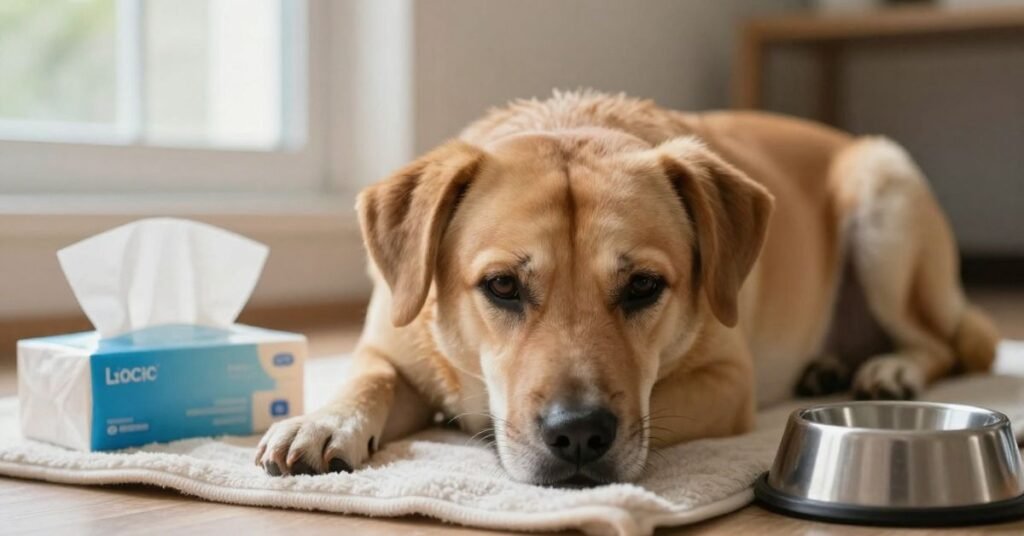
A dog cold usually lasts a few days to about a week. Mild cases often improve within 3 to 5 days. During this time, your dog may sneeze, have a runny nose, or act a little tired. Most dogs recover quickly with rest, warmth, and simple care at home.
Some cases can last longer, especially in puppies, older dogs, or dogs with weak immunity. If symptoms continue beyond 7–10 days, or if your dog develops a high fever, thick nasal discharge, or labored breathing, it is time to see a vet. Early care helps your dog recover faster and prevents complications.
Factors That Affect Healing in Puppies, Seniors, and Small Breeds
Puppies, senior dogs, and small breeds often take longer to recover from a cold. Their immune systems are weaker compared to healthy adult dogs.They are more likely to get sick because their defenses are weaker. Extra care and attention are needed to help them get better.
Several factors can affect how quickly they heal, including:
- Age – Puppies and older dogs have weaker immunity.
- Breed size – Small dogs may be more sensitive to cold and stress.
- Overall health – Dogs with other illnesses take longer to recover.
- Nutrition – Poor diet can slow healing.
- Stress – Changes in environment or routine can weaken immunity.
When Should You Take Your Dog to the Vet?
Most mild dog colds can be treated at home with rest, fluids, and care. However, some symptoms need professional attention. If your dog shows severe coughing, labored breathing, or high fever, you should see a vet right away. Puppies, senior dogs, and dogs with other health problems are at higher risk and may need earlier treatment.
Other signs that require a vet visit include thick or colored nasal discharge, refusal to eat or drink, extreme lethargy, or worsening symptoms over several days. Even if symptoms seem mild but do not improve within a week, a vet check is important. Early care can prevent complications and help your dog recover faster.
Emergency Symptoms That Require Immediate Care
Some symptoms in dogs with a cold can become serious and need urgent attention. These signs often show that the infection has worsened or another illness is affecting your dog. Acting quickly can prevent severe complications and even save your dog’s life.
Emergency symptoms can include severe breathing problems, high fever, or extreme weakness. Puppies, older dogs, and dogs with health issues are more at risk. Below is a detailed table of emergency signs every dog owner should watch for:
| Symptom | What to Look For | Why It’s Serious | Action Needed |
| Labored Breathing | Rapid, heavy, or noisy breathing | Can indicate pneumonia or airway obstruction | Call a vet immediately |
| Persistent Cough | Continuous, hacking, or gagging | May signal severe infection | Seek vet care |
| High Fever | Above 103°F (39.5°C) | Can indicate serious infection | Vet evaluation needed |
| Extreme Lethargy | Unresponsive or very weak | Body may not fight infection | Immediate attention required |
| Loss of Appetite | Refuses food or water | Risk of dehydration | Contact a vet |
| Thick Nasal Discharge | Yellow, green, or bloody | Could be bacterial infection | Vet care advised |
| Blue or Pale Gums | Discoloration | Poor oxygen circulation | Emergency treatment needed |
| Vomiting or Diarrhea | Frequent or severe | Risk of dehydration and weakness | Vet attention required |
Best Home Remedies for a Dog Cold

Most mild dog colds can be managed at home with simple care. Rest, warmth, and a comfortable environment help your dog recover faster. Make sure your dog drinks plenty of water to stay hydrated. Light, nutritious meals support their immune system.
Some home remedies can ease symptoms and make your dog more comfortable:
- Steam therapy – Let your dog breathe in warm, moist air to clear nasal passages.
- Humidifier – Use in rooms to reduce dryness in the air.
- Warm fluids – Broth or water can soothe the throat and keep your dog hydrated.
- Soft bedding – Provide a cozy, quiet place to rest.
- Avoid stress – Keep routines calm and predictable.
- Monitor symptoms – Watch for changes or worsening conditions.
What Not to Give a Dog With a Cold
Not all medicines or foods are safe for a dog with a cold. Some human medicines can be dangerous and make your dog sicker. Even common over-the-counter cold medicines should never be given without a vet’s advice. Giving the wrong treatment can cause serious side effects or harm your dog’s health.
Here are things you should never give a dog with a cold:
- Human cold or flu medicine – Can be toxic to dogs.
- Aspirin or ibuprofen – May cause stomach or kidney problems.
- Cough syrup with alcohol or xylitol – Harmful and dangerous.
- Large amounts of honey or sugar – Can upset digestion.
- Raw or untested herbs – Some herbs are toxic to dogs.
How to Prevent Your Dog From Catching a Cold Again
To help your dog avoid getting sick, focus on building strong health. Feed high-quality food, provide regular exercise, and ensure your dog gets enough rest. Keep vaccinations current and try to limit contact with dogs that show signs of illness.
A clean and safe environment also helps prevent colds. Wash your dog’s bedding, toys, and bowls regularly. Keep their space dry, warm, and well-ventilated. Reduce stress by maintaining a steady routine and avoiding sudden changes. These steps make it harder for your dog to catch another cold and keep them healthy.
Vaccination, Hygiene & Immunity Boosting Tips
Vaccinations help protect dogs from serious illnesses, including some viruses that can cause colds. Keeping your dog’s vaccines up to date reduces the risk of infections. Regular vet checkups are also important to catch any health issues early.
Good hygiene and boosting immunity are key to preventing colds. You can help your dog stay healthy with simple steps:
- Clean environment – Wash bedding, toys, and bowls often.
- Hand washing – Clean your hands before handling your dog, especially if sick dogs are nearby.
- Healthy diet – Provide nutritious food to strengthen the immune system.
- Regular exercise – Keeps your dog active and supports overall health.
- Reduce stress – A calm routine helps your dog’s body fight infections better.
- Fresh water – Always keep your dog hydrated for stronger immunity.
Conclusion
Dog colds are common, but most are mild and go away with proper care. Knowing the early signs helps you act quickly. With the right dog cold symptoms treatment, rest, warmth, and hydration can help your dog feel better faster.
Some dogs, like puppies, seniors, and small breeds, need extra attention. Their immune systems are weaker, so they may take longer to recover. Using proper dog cold symptoms treatment and watching symptoms closely can help prevent serious illness.
Home remedies can ease mild symptoms. Steam, soft bedding, and nutritious food improve comfort. Always avoid human medicines unless your vet approves, and follow safe dog cold symptoms treatment methods.
Prevention is the best approach. Keep your dog healthy with vaccinations, hygiene, and a balanced diet. A clean, low-stress environment supports strong immunity and reduces the risk of future colds.
FAQs
- Can dogs catch a cold from humans?
No, dogs usually do not catch colds from humans. Most viruses are species-specific. Still, practicing hygiene supports safe dog cold symptoms treatment and overall health. - How long does a dog cold usually last?
A mild dog cold often lasts 3 to 7 days. Puppies and senior dogs may recover slower, so proper dog cold symptoms treatment and monitoring are important. - What are the early signs of a dog cold?
Common signs include sneezing, watery eyes, runny nose, mild coughing, and low energy. Early detection helps you start dog cold symptoms treatment quickly. - When should I take my dog to the vet?
Visit a vet if symptoms worsen, like heavy coughing or breathing trouble. Severe cases may need advanced dog cold symptoms treatment for safe recovery. - How can I prevent my dog from catching a cold again?
Support immunity with diet, hygiene, and vaccines. Preventive care reduces risk and limits the need for frequent dog cold symptoms treatment.

DogsVibes Editorial Team creates trusted, research-based dog care content to help pet owners keep their dogs healthy, happy, and safe.