


Introduction
Spinach is a green leafy vegetable that many people eat for health. It contains many important nutrients that support overall health. Because it is so healthy for humans, many dog owners wonder if spinach is also safe for dogs.
If you have ever been cooking and your dog looked at you with those curious eyes, you are not alone. You may ask yourself, can dogs have spinach or could it be harmful? Feeding the wrong food can cause problems, so it is important to know the facts before sharing.
The good news is that dogs can eat spinach in small amounts. Spinach has nutrients that can support your dog’s health. However, too much spinach or feeding it the wrong way may cause issues. That is why every dog owner should understand how and when to give spinach safely.
Can Dogs Eat Spinach Safely?

Yes, dogs can eat spinach, but only in small amounts. Spinach is not toxic to dogs. When given occasionally, it can provide some healthy nutrients. However, feeding too much spinach is not a good idea. Large amounts may upset your dog’s stomach.
Spinach also contains substances that can affect dogs if eaten often. This is why spinach should never replace regular dog food. It is best served as a rare treat, not a daily meal. Always watch how your dog reacts after trying new foods.
Is Spinach Good for Dogs? Nutritional Benefits Explained
Spinach can be good for dogs when given in small amounts. It contains nutrients that support overall health. These nutrients may help your dog’s body work better. Spinach should only be an extra treat, not a main food.
Spinach offers some helpful nutrients for dogs, such as:
- Vitamins that support the immune system
- Minerals that help keep bones and muscles strong
- Fiber that may aid digestion
Key Vitamins and Minerals in Spinach for Dogs
Spinach contains several vitamins and minerals that can support a dog’s health. When given in small amounts, these nutrients may help the body function properly. Spinach should always be served as an occasional treat, not a regular meal.
Some important nutrients found in spinach include:
- Vitamin A to support eye health
- Vitamin C to help the immune system
- Vitamin K to support healthy blood clotting
- Iron to help carry oxygen in the blood
- Calcium to support bones and teeth
Health Benefits Backed by Veterinary Guidance
Veterinarians agree that spinach can be safe for dogs when fed in small amounts. It should only be an occasional treat. Spinach is not meant to replace a balanced dog diet. When used properly, it can add some extra nutrients.
According to general veterinary guidance, spinach may offer these benefits:
- Supports the immune system with natural nutrients
- Helps digestion due to its fiber content
- Aids muscle and bone health when fed in moderation
When Can Spinach Be Bad for Dogs?

Spinach can be bad for dogs if it is fed too often. Large amounts may upset your dog’s stomach. Some dogs may experience vomiting or diarrhea. This usually happens when spinach is given in excess.
Spinach also contains natural compounds that can affect dogs over time. Dogs with kidney problems should avoid spinach. Too much spinach may place stress on the kidneys. That is why moderation and caution are important when feeding spinach to dogs.
Oxalic Acid Risks and Kidney Concerns
Spinach contains a natural compound called oxal.Dogs with kidney issues are atic acid. In small amounts, it is usually not harmful. But when dogs eat too much spinach, oxalic acid can become a problem. It may block the body from absorbing important minerals like calcium. higher risk. Oxalic acid can put extra strain on the kidneys. Over time, this may lead to discomfort or health problems. That is why spinach should be limited, especially for dogs with existing conditions.
Here is a simple table to explain the risks clearly:
| Factor | Effect on Dogs | Risk Level |
| Small amount of spinach | Usually safe for healthy dogs | Low |
| Large amount of spinach | Upset stomach or digestive issues | Medium |
| Oxalic acid buildup | Blocks calcium absorption | Medium |
| Dogs with kidney disease | Increased kidney strain | High |
| Frequent spinach feeding | Possible long-term kidney concerns | High |
| Proper portion control | Reduces health risks | Low |
Signs Your Dog May Not Tolerate Spinach

Some dogs do not react well to spinach. After eating it, they may show signs of discomfort. These symptoms may show up shortly after eating spinach. Every dog reacts differently.
Watch for symptoms like vomiting or diarrhea. Your dog may also seem tired or refuse food. In some cases, stomach pain or unusual behavior may appear. If you notice these signs, stop feeding spinach and monitor your dog closely.
Can Dogs Eat Raw, Cooked, or Canned Spinach?
Dogs can eat spinach in different forms, but not all types are equally safe. Raw spinach is harder to digest and may upset your dog’s stomach. Cooked spinach is usually easier for dogs to handle, especially when it is plain and unseasoned.
Canned spinach is not a good choice for dogs. It often contains added salt or preservatives. These can be harmful to dogs if eaten often. Choosing the right form of spinach makes a big difference for your dog’s health.
Here is a table to help you understand which type is best:
| Type of Spinach | Safe for Dogs? | Reason | Risk Level |
| Raw spinach | Sometimes | Hard to digest | Medium |
| Lightly cooked spinach | Yes | Easier to digest | Low |
| Steamed spinach | Yes | Retains nutrients | Low |
| Boiled spinach | Yes | Soft texture | Low |
| Canned spinach | No | High salt content | High |
| Spinach with seasoning | No | Spices and oils are harmful | High |
| Spinach mixed with dog food | Yes (small amount) | Balanced intake | Low |
Raw vs Cooked Spinach – Which Is Safer for Dogs?
Raw spinach is not ideal for most dogs. The leaves are thick and can be difficult to break down. This may lead to gas or stomach trouble. Some dogs simply cannot handle raw greens well.
Cooked spinach is a better option for dogs. Heat softens the leaves and makes them gentler on digestion. Cooking also reduces certain natural substances that may cause issues. Spinach should always be plain and offered in small amounts.
Below is a fully original comparison table for clarity:
| Spinach Form | Digestive Comfort | Health Risk | Explanation |
| Fresh raw spinach | Low | Medium | Hard texture stresses digestion |
| Chopped raw spinach | Low to moderate | Medium | Smaller pieces still rough |
| Steamed spinach | High | Low | Soft and easy to digest |
| Boiled spinach | High | Low | Gentle but loses some nutrients |
| Lightly sautéed (no oil) | High | Low | Soft without added fats |
| Spinach cooked with oil | Moderate | High | Added fats may upset stomach |
| Spinach with salt or spices | Moderate | High | Seasonings are unsafe for dogs |
Why Canned and Seasoned Spinach Should Be Avoided
Canned spinach is not a good choice for dogs. It often contains added salt and preservatives. These ingredients can be harmful to a dog’s health. Too much salt may lead to dehydration or other problems.
Seasoned spinach is also unsafe for dogs. Spices, oils, and sauces can upset a dog’s stomach. Some seasonings may even be toxic. It is best to keep spinach plain and simple.
Canned or seasoned spinach may cause issues such as:
- High salt intake, which can strain the kidneys
- Stomach upset, including vomiting or diarrhea
- Exposure to harmful spices, like garlic or onion powder
Can Puppies Eat Spinach?

Puppies have sensitive stomachs. Their digestive systems are still developing. Because of this, spinach is not the best food for young puppies. New foods can easily cause stomach upset.
If a puppy does eat spinach, it should only be a very small amount. Cooked and plain spinach is safer than raw. It is always better to focus on puppy food made for growth. Talk to a vet before giving spinach to a puppy.
How Much Spinach Can Dogs Eat?
The amount of spinach a dog can safely eat depends on its size and breed. Small dogs should have only tiny portions. Medium dogs can eat a little more. Large dogs can handle slightly bigger servings, but spinach should still be a treat, not a main food. Start with a small amount to watch how your dog handles it. Give a little at first and see how your dog responds.
Always feed spinach cooked and plain. Too much spinach can cause stomach upset or other problems. Here’s a helpful chart showing safe spinach portions by dog size and breed:
| Dog Size / Breed | Recommended Portion | Feeding Frequency | Notes |
| Small dogs (Chihuahua, Pomeranian) | 1–2 small leaves | 1–2 times per week | Watch for stomach upset |
| Small-medium dogs (Beagle, Cocker Spaniel) | 2–3 leaves | 1–2 times per week | Feed cooked for easier digestion |
| Medium dogs (Bulldog, Border Collie) | 3–4 leaves | 2–3 times per week | Introduce slowly at first |
| Large dogs (Labrador, Golden Retriever) | 4–6 leaves | 2–3 times per week | Can mix with regular food |
| Giant breeds (Great Dane, Mastiff) | 6–8 leaves | 2–3 times per week | Always serve plain and cooked |
| Puppies | Very small pinch | Occasionally | Only if recommended by vet |
| Dogs with kidney issues | Avoid or very minimal | Rare | Consult a veterinarian first |
Recommended Portion Sizes for Small, Medium, and Large Dogs
Dogs of different sizes need different amounts of spinach. Small dogs should only get tiny portions. Medium dogs can eat a bit more. Large dogs can handle bigger servings, but spinach should always be a treat, not a main meal. Offer only a little at first and watch how your dog handles it. Give it slowly and see if your dog’s stomach reacts well.Spinach should always be cooked and plain. Avoid seasoning, salt, or oils.
Here is a clear guide for portion sizes by dog size:
| Dog Size / Breed | Recommended Portion | Feeding Frequency | Notes |
| Small dogs (Chihuahua, Pomeranian) | 1–2 small leaves | 1–2 times per week | Watch for stomach upset |
| Small-medium dogs (Beagle, Cocker Spaniel) | 2–3 leaves | 1–2 times per week | Feed cooked for easier digestion |
| Medium dogs (Bulldog, Border Collie) | 3–4 leaves | 2–3 times per week | Introduce gradually |
| Large dogs (Labrador, Golden Retriever) | 4–6 leaves | 2–3 times per week | Mix with regular food |
| Giant breeds (Great Dane, Mastiff) | 6–8 leaves | 2–3 times per week | Serve plain and cooked |
| Puppies | Very small pinch | Occasionally | Only if approved by a vet |
| Dogs with kidney issues | Avoid or very minimal | Rare | Consult a veterinarian first |
How to Safely Prepare Spinach for Dogs
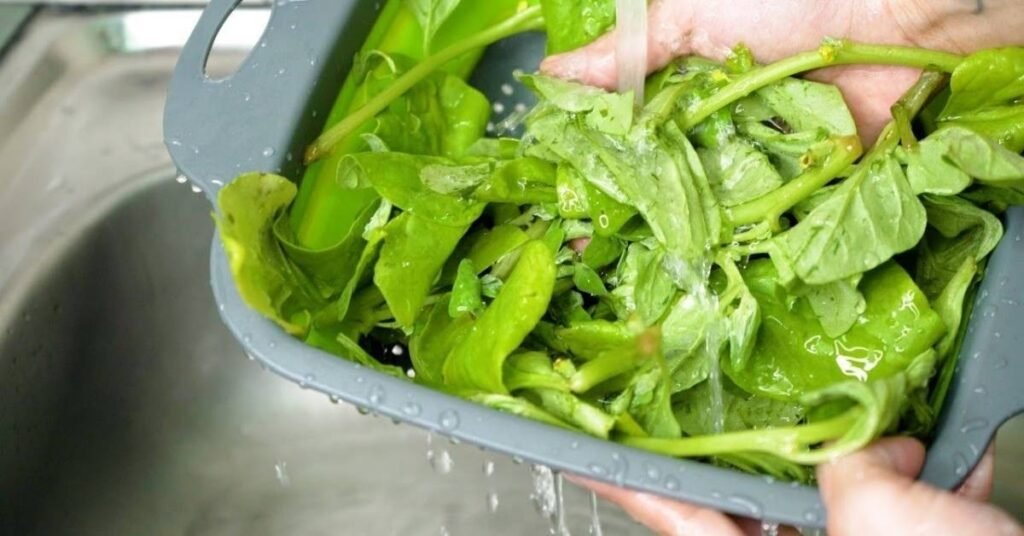
Spinach can be good for dogs if handled the right way. Always cook it without adding salt, oil, or spices. Raw spinach is tough for dogs to digest, so lightly cooking it makes it easier on their stomachs. Give only a tiny portion at first and watch your dog’s reaction.
Here are some safe preparation tips for spinach:
- Rinse well to remove dirt and chemicals
- Steam or boil until the leaves are soft
- Cut into small pieces so your dog can eat easily
- Serve plain with no seasonings or sauces
- Give in small portions as a treat, not a full meal
Best Cooking Methods to Reduce Health Risks
Cooking spinach the right way can make it safer for dogs. Steaming or boiling softens the leaves and makes them easier to digest. Light cooking also lowers some natural compounds that can cause problems. Avoid adding salt, oil, or spices, as these can be harmful to dogs.
Here are the best methods to prepare spinach for your dog:
- Steaming keeps most nutrients and softens the leaves
- Boiling lightly makes it easier to chew but may reduce some vitamins
- Chopping into small pieces helps your dog eat safely
- Serving plain ensures no harmful additives
- Giving small portions reduces the risk of digestive issues
How to Add Spinach to Your Dog’s Meals Without Refusal
Some dogs may refuse to eat spinach if it is served alone. You can make it more appealing by mixing it into their regular food. Start with very small amounts and gradually increase so your dog gets used to the new taste and texture.
Cooked, chopped spinach can be combined with favorite foods like plain rice or cooked chicken. Serve it in small portions to avoid overwhelming your dog. Be patient, as some dogs may take time to accept new foods. Offering spinach occasionally as a treat rather than daily helps make it a safe and enjoyable part of their diet.
Healthier Vegetable Alternatives to Spinach for Dogs

While spinach can be healthy in small amounts, some dogs may not tolerate it well. There are other vegetables that are easier on a dog’s stomach and still full of nutrients. These alternatives can provide vitamins and fiber without the risks associated with spinach.
Carrots, green beans, pumpkin, and zucchini are great choices. They can be served cooked or raw, depending on what your dog prefers. These vegetables are gentle on the stomach and safe for most dogs. Introducing a variety of vegetables can help keep your dog’s diet balanced and enjoyable.
Conclusion
Spinach can be a healthy snack for dogs when given in small amounts. It is safest when cooked plain, without salt, oil, or spices. Always offer tiny portions at first and watch how your dog reacts.
Puppies and dogs with kidney issues should avoid spinach or only have it under a vet’s guidance. For most adult dogs, it should remain an occasional treat rather than a regular meal.
Other vegetables like carrots, green beans, and pumpkin are gentle on the stomach and full of nutrients. Rotating different vegetables can give your dog health benefits without causing problems.
By serving spinach safely and in moderation, you can make it a tasty and nutritious addition to your dog’s diet. Always pay attention to your dog’s reaction and adjust accordingly.
FAQs
1. Can dogs have spinach safely?
Yes, dogs can have spinach in small amounts. Spinach contains vitamins A, C, and K, plus iron and antioxidants. However, it also has oxalic acid, which can interfere with calcium absorption if fed too often. Moderation is key.
2. Can dogs have spinach every day?
Dogs should not eat spinach daily. Frequent feeding may lead to kidney or bladder issues due to oxalic acid buildup. Spinach is best served occasionally as a supplement, not a regular part of your dog’s meals.
3. Can dogs have spinach raw or cooked?
Cooked spinach is safer for dogs than raw spinach. Lightly steaming it reduces oxalic acid levels and makes it easier to digest. Avoid adding salt, oil, garlic, or spices when preparing spinach for dogs.
4. Can dogs have spinach if they have kidney problems?
Dogs with kidney disease or bladder stones should avoid spinach. The oxalates can worsen existing conditions and cause discomfort. Always consult your veterinarian before offering spinach to dogs with health issues.
5. Can dogs have spinach as a healthy treat?
Spinach can be a healthy occasional treat when given in small portions. It supports immune health and digestion but should never replace balanced dog food. Treat spinach as an add-on, not a staple.

DogsVibes Editorial Team creates trusted, research-based dog care content to help pet owners keep their dogs healthy, happy, and safe.