


Introduction
Dogs can eat some biscuits, but not all are safe. Biscuits made for humans often contain sugar, salt, and harmful ingredients. Dog-specific biscuits are usually safer because they are made for their digestion. Knowing the difference is important for your dog’s health.
Many dog owners enjoy sharing their snacks with their dogs. But a simple biscuit can sometimes cause stomach upset or even serious problems. You may think it is harmless, but the wrong choice can put your dog at risk. So, it’s important to understand what is safe and what is not.
In this guide, you will learn which biscuits dogs can eat and which to avoid. We will also cover safe ingredients, risks, and better alternatives. This will help you make smarter and safer choices for your furry friend.
Can Dogs Eat Biscuits Safely?

Yes, dogs can eat biscuits, but only in small amounts. Not all biscuits are safe for them. Many human biscuits have sugar, salt, and unhealthy fats. These can upset your dog’s stomach. Some ingredients can even be harmful over time. It is always better to choose simple and dog-friendly options.
To keep your dog safe, you should know what to look for. Always check the ingredients before sharing any biscuits. Safer choices include:
- Plain, unsweetened biscuits
- Low-salt and low-fat options
- Biscuits made especially for dogs
Understanding the Safety of Human Biscuits for Dogs
Not every biscuit you eat is safe to share with your dog. Human biscuits are made for our taste, not a dog’s body. They often contain hidden ingredients that dogs do not need. Even if your dog likes the taste, it does not mean it is good for them. Regular feeding can slowly affect their health.
The real risk comes from certain ingredients commonly found in everyday biscuits. Some of them can cause serious harm, even in small amounts. Always stay alert and avoid biscuits that include:
- Chocolate or cocoa in any form
- Xylitol or other artificial sweeteners
- High levels of sugar and salt
- Artificial colors, flavors, or preservatives
When Feeding Biscuits Can Be Risky
Giving biscuits to dogs is not always harmless. Some situations make it more dangerous than it looks. A biscuit that seems small to us can still be too rich or heavy for a dog’s stomach. Over time, this can quietly affect their digestion and overall health.
Risk increases in certain cases where a dog is already vulnerable. Be extra careful if your dog:
- Has a sensitive or upset stomach often
- Is gaining weight easily, or already overweight
- Has medical conditions like diabetes
- Reacts badly to new foods or treats
Why Human Biscuits Are Not Ideal for Dogs
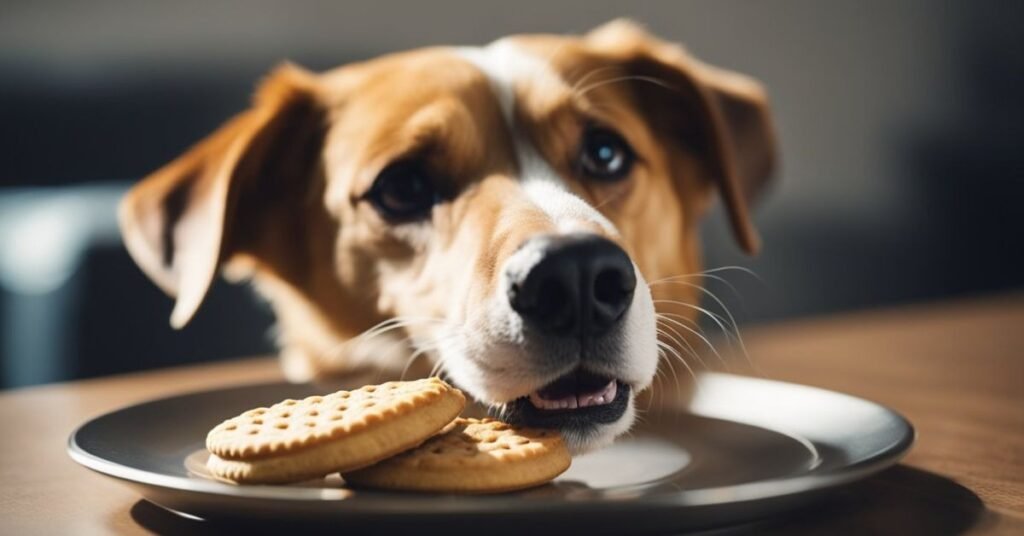
Human biscuits are not made for dogs. They are made for humans, not animals. That means they often contain ingredients that dogs do not need. These ingredients can be too rich or too sweet for a dog’s body. Over time, they may cause health problems.
Most human biscuits can create hidden risks for dogs. Even if they enjoy the taste, it does not mean it is safe. Common issues include:
- Too much sugar and salt
- Unhealthy fats and oils
- Artificial flavors and preservatives
- Ingredients that upset digestion
Common Ingredients That Can Harm Dogs
Many human biscuits contain ingredients that are not safe for dogs. These ingredients may not cause instant harm, but they can affect your dog’s health over time. Dogs have a different digestive system, so even common foods for us can be risky for them.
Some ingredients in biscuits can be especially dangerous. Always check the label before sharing any snack. Be careful of:
- Xylitol (artificial sweetener)
- Chocolate or cocoa
- High sugar content
- Excess salt and fat
- Artificial colors and preservatives
Long-Term Health Risks of Regular Feeding
Feeding biscuits to dogs again and again may seem harmless at first. But over time, it can slowly affect their health. Many human biscuits are high in sugar, salt, and unhealthy fats. These ingredients can build up in the body and cause long-term damage.
Regular feeding can lead to serious health problems in dogs. Some of the common risks include:
- Weight gain and obesity
- Diabetes or blood sugar issues
- Weak digestion and stomach problems
- Dental decay and bad breath
- Reduced energy and poor overall health
Ingredients in Biscuits That Are Dangerous for Dogs
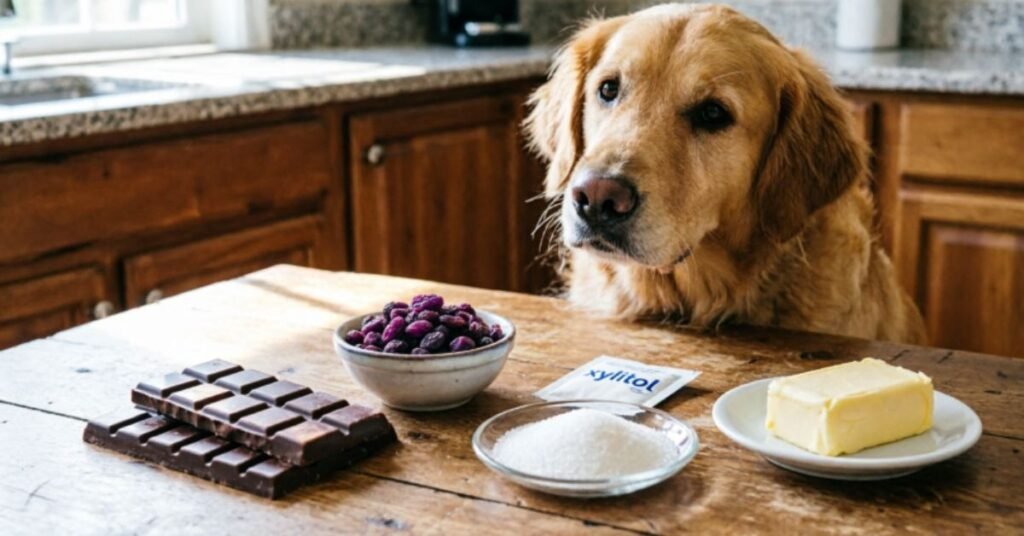
Biscuits often contain ingredients that look harmless but are not safe for dogs. While they are made for human taste, dogs process food very differently. What feels like a simple snack for us can put pressure on a dog’s digestion and internal organs.
Some ingredients are especially risky and should always be avoided in dog diets:
- Cocoa or chocolate derivatives
- Xylitol and other artificial sweeteners
- Excess sugar or salt content
- Low-quality fats and oils
- Artificial colors, flavors, and preservatives
Toxic Additives Like Chocolate, Raisins, and Xylitol
Some ingredients found in biscuits can be very dangerous for dogs. Even a small amount can lead to serious health problems. These substances affect a dog’s body much faster than they do humans because dogs are more sensitive to certain chemicals. That is why extra care is needed before sharing any snack.
Below is a simple table to help you understand why these ingredients are risky:
| Ingredient | Why It Is Dangerous | Possible Effects on Dogs |
| Chocolate (Cocoa) | Contains theobromine, which dogs cannot digest well | Vomiting, fast heartbeat, seizures |
| Raisins (and Grapes) | Exact toxic reason unknown, but very harmful | Kidney failure, loss of appetite, weakness |
| Xylitol | An artificial sweetener that causes an insulin spike | Low blood sugar, seizures, liver damage |
High Sugar, Salt, and Artificial Preservatives
Most biscuits are built to taste good for humans, not to support a dog’s health. That is why they often carry hidden loads of sugar, salt, and chemical preservatives. Dogs don’t need these extras in their diet, and their bodies struggle to handle them over time.
Here’s a clearer breakdown of what these ingredients do inside a dog’s body:
| Ingredient | Why It’s Added in Biscuits | What It Does to Dogs | Long-Term Impact |
| Refined Sugar | Makes biscuits sweet and addictive | Causes sudden energy spikes and crashes | Obesity, diabetes risk, and poor dental health |
| Excess Salt | Enhances flavor | Disrupts fluid balance in small bodies | Dehydration, kidney strain, increased thirst |
| Chemical Preservatives | Keeps biscuits fresh for longer | Adds stress on the liver and digestion | Weak immunity, chronic stomach sensitivity |
What Types of Biscuits Are Safer for Dogs?
Not all biscuits are bad for dogs. Some types are made with simple and safe ingredients. These are usually designed for pets or made at home with care. They avoid harmful additives and focus on basic nutrition. Choosing the right kind can keep your dog happy and healthy.
Safer biscuit options for dogs include:
- Plain dog biscuits with natural ingredients
- Grain-free biscuits for sensitive stomachs
- Homemade biscuits using safe foods like oats and pumpkin
- Vet-approved commercial dog treats
- Biscuits with no added sugar, salt, or artificial flavors
Plain and Low-Ingredient Biscuit Options
Plain and low-ingredient biscuits are often the safest choice for dogs. They contain fewer additives and are easier for dogs to digest. The simpler the recipe, the lower the chance of stomach problems or allergic reactions. These biscuits usually focus on basic, natural ingredients.
Good low-ingredient options may include:
- Biscuits made with oats or whole grains
- Simple recipes with pumpkin, chicken, or peanut butter (no xylitol)
- Unsalted and unsweetened homemade treats
- Limited-ingredient dog biscuits from trusted brands
Difference Between Dog Biscuits and Human Snacks
Dog biscuits are not simply small versions of human snacks. They are designed specifically to suit a dog’s body and needs. Every ingredient is selected to match what dogs can safely process. Human snacks, however, are designed around flavor, texture, and human cravings, not animal health.
Here’s a clearer breakdown in a more natural way:
| What Matters | Dog Biscuits | Human Snacks |
| Design Thinking | Focused on dog nutrition and safety | Focused on human taste experience |
| Ingredient Control | Carefully limited and pet-tested | Often rich, mixed, and heavily processed |
| Body Reaction | Usually easy on digestion | Can cause gas, upset stomach, or stress in dogs |
| Hidden Risks | Low when vet-approved | Higher due to sugar, salt, and additives |
| Long-Term Use | Suitable for regular treats | Not suitable for routine feeding |
How Many Biscuits Can You Give Your Dog?
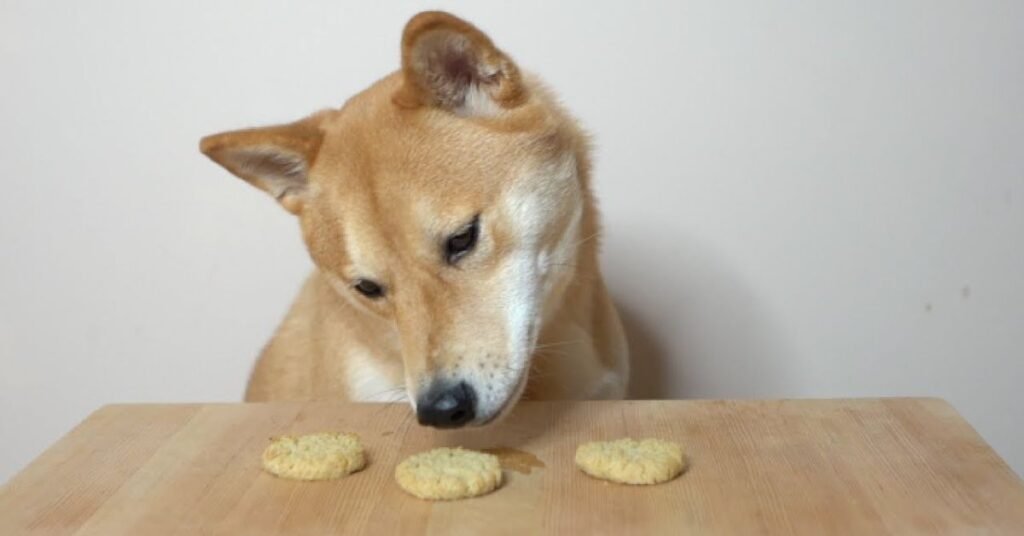
Dog biscuits can be a good treat, but they should be given in the right amount. Too many biscuits can lead to weight gain and stomach problems. The correct amount depends on your dog’s size, age, and daily activity. Small dogs need fewer treats, while active or large dogs may handle a little more.
A simple rule is to keep treats under 10% of your dog’s daily food intake. You should always balance biscuits with regular dog food. Watch your dog’s reaction after giving treats.
- Small dogs: 1–2 small biscuits per day
- Medium dogs: 2–3 biscuits per day
- Large dogs: 3–5 biscuits per day
- Puppies: only soft, small amounts (ask vet first)
Portion Guidelines Based on Size and Breed
The portion size of dog biscuits should always match your dog’s body size and breed type. Small dogs need very light portions because their stomachs are small. Large and active breeds can handle more treats, but still in limited amounts. Breed also matters because some dogs gain weight faster than others.
You should always adjust portions based on daily activity and health condition. Working dogs may get slightly more biscuits as rewards. Less active dogs should get fewer treats to avoid obesity. Always start small and increase slowly if needed.
| Dog Size | Example Breeds | Daily Biscuit Amount | Notes |
| Extra Small | Chihuahua, Pomeranian | 1–2 tiny biscuits | Break into small pieces |
| Small | Shih Tzu, Dachshund, Pug | 1–3 small biscuits | Avoid overfeeding |
| Medium | Beagle, Cocker Spaniel, Border Collie | 2–4 biscuits | Can be split into training rewards |
| Large | Labrador, Golden Retriever, Boxer | 3–6 biscuits | Balance with exercise |
| Giant | Great Dane, Mastiff, Saint Bernard | 4–7 biscuits | Monitor weight closely |
Recommended Feeding Frequency for Treats
Dog biscuits should not be given too often. Treats are meant to be a small reward, not a regular meal. Most dogs do well with treats once or twice a day. It is better to give small amounts rather than many biscuits at once. This helps keep your dog healthy and prevents weight gain.
You can use treats during training sessions or as good behavior rewards. Try to spread them out during the day instead of giving them all at once. Avoid giving treats right before or after a full meal. Always keep your dog’s main food as the priority for proper nutrition.
What to Do If Your Dog Eats a Biscuit

If your dog eats a biscuit, do not panic. Most dog biscuits are safe in small amounts. First, check how many biscuits your dog has eaten. If it is only one or two, there is usually no problem. Just observe your dog for any unusual behavior.
Watch for signs like vomiting, diarrhea, or low energy. Make sure your dog has fresh water available. If your dog ate too many biscuits or shows discomfort, contact your vet. It is always better to be careful, especially with small puppies or dogs with health issues.
Signs of Digestive Issues or Toxic Reactions
Sometimes, dogs may not react well after eating biscuits. This can happen if they eat too many or if the biscuit has an ingredient that does not suit them. Mild digestive issues are more common, but in rare cases, serious reactions can also happen. It is important to watch your dog closely for any changes in behavior or health.
Early signs are usually easy to notice. You should act quickly if symptoms get worse or last more than a few hours. Puppies and small dogs are more sensitive, so they need extra care and attention.
| Type of Reaction | Symptoms | What It Means | Action Needed |
| Mild Digestive Issue | Soft stool, mild gas | Food not fully suitable | Monitor at home |
| Moderate Issue | Vomiting, diarrhea | Overeating or intolerance | Give water, rest |
| Severe Reaction | Continuous vomiting, weakness | Possible serious issue | Contact the vet immediately |
| Allergic Reaction | Itching, swelling, red skin | Food allergy | Stop biscuits, see vet |
| Toxic Reaction (Rare) | Tremors, collapse, extreme fatigue | Dangerous ingredient exposure | Emergency vet care |
When You Should Contact a Veterinarian
You should contact a veterinarian if your dog shows unusual or serious symptoms after eating biscuits. Mild issues like slight stomach upset may go away on their own. But if the problem continues or gets worse, it is not safe to wait. Puppies, senior dogs, and sick dogs need extra care.
Call your vet right away if you notice warning signs. These include repeated vomiting, strong diarrhea, weakness, or loss of appetite. Also, seek help if your dog ate a large number of biscuits or something unsafe. Quick action can prevent serious health problems and keep your dog safe.
Healthy Alternatives to Human Biscuits
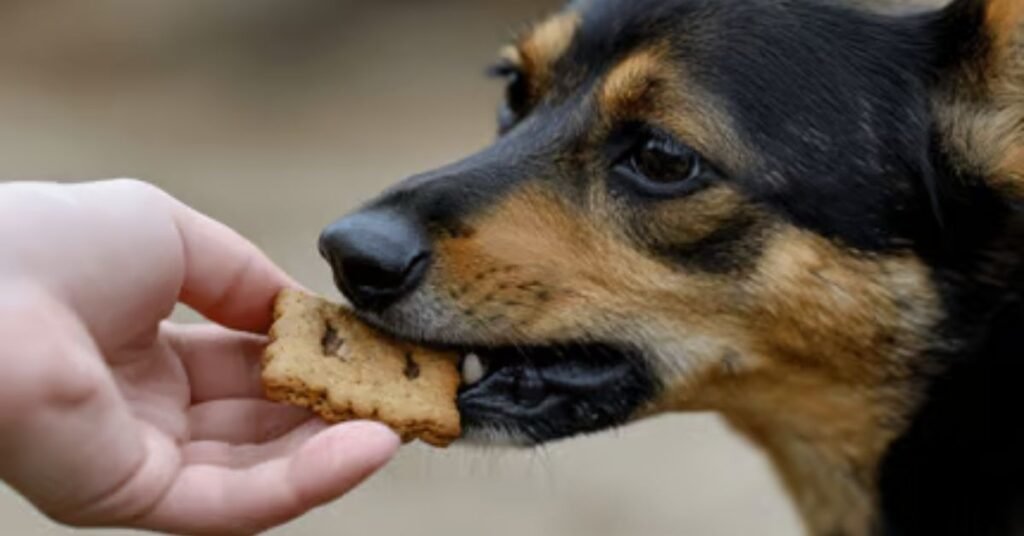
Human biscuits are not the best choice for dogs because they often contain sugar, salt, and artificial ingredients. Instead, you can give your dog healthier snack options made for their body. These alternatives are easier to digest and help keep your dog active and fit. They also reduce the risk of weight gain and stomach issues.
There are many safe and tasty options you can choose. These treats are simple but still enjoyable for dogs.
- Carrot sticks (fresh and crunchy)
- Apple slices (without seeds)
- Plain boiled sweet potato
- Unsalted rice cakes in small pieces
- Commercial dog biscuits with natural ingredients
Nutritious Homemade Treat Options
Homemade treats are a healthy choice for dogs. You can control the ingredients and avoid harmful additives. These treats are fresh, simple, and safe when prepared correctly. They are also a good way to show care for your dog.
You can make easy snacks at home using basic foods. Always avoid sugar, salt, chocolate, and spices. Keep recipes plain and dog-friendly.
- Boiled chicken pieces (plain, no seasoning)
- Mashed pumpkin balls
- Oat and banana cookies (no sugar added)
- Carrot and peanut butter bites (xylitol-free peanut butter only)
- Plain sweet potato chews (baked and soft)
Safer Store-Bought Dog Treat Choices
Store-bought dog treats can be safe if you choose the right products. Always read the label before buying. Look for natural ingredients and avoid artificial colors or added sugar. Good-quality treats are made for a dog’s digestion and overall health.
It is better to pick trusted brands that focus on pet nutrition. Choose simple recipes with limited ingredients. This reduces the risk of allergies and stomach problems.
- Grain-free dog biscuits for sensitive stomachs
- Single-ingredient treats like dried chicken or beef
- Dental chews that support teeth’s health
- Low-fat training treats for daily rewards
- Organic dog biscuits with natural ingredients
Best Practices for Feeding Treats to Dogs
Feeding treats to dogs should always be done in a balanced way. Treats are helpful for training and rewards, but they should never replace proper meals. You must keep portion sizes small and follow a routine. This helps maintain your dog’s healthy weight and good digestion.
It is also important to choose the right time and type of treat. Healthy choices and proper timing make a big difference in your dog’s overall well-being.
- Give treats in small amounts only.
- Use treats mainly for training and good behavior
- Avoid giving treats right before meals
- Choose healthy, low-fat options
- Always provide fresh water after treats
Maintaining a Balanced and Healthy Diet
A healthy diet is very important for your dog’s overall health. Treats like biscuits should only be a small part of the daily food. Most of the nutrition should come from complete dog food. This helps your dog stay strong, active, and healthy.
You should always balance meals with treats in the right way. Too many treats can cause weight gain and health problems. Always check your dog’s weight and adjust food if needed. Regular feeding times also help maintain good digestion.
Simple Daily Diet Balance Guide
| Food Type | Example | Recommended Amount | Purpose |
| Main Meal | Dry/wet dog food | 80–90% of the daily diet | Full nutrition |
| Healthy Treats | Dog biscuits, fruits | 5–10% of the daily diet | Training and reward |
| Protein Snacks | Boiled chicken, eggs | Small portions only | Muscle strength |
| Vegetables | Carrots, pumpkin | Occasional small serving | Fiber and digestion |
| Water | Fresh clean water | Unlimited | Hydration |
Creating a Safe and Positive Feeding Routine
A safe feeding routine helps your dog stay healthy and calm. Dogs feel better when they eat at the same time every day. It also helps with digestion and behavior control. Treats should be given only as part of this routine, not randomly.
You should set clear feeding rules and follow them daily. Always use treats for good behavior or training. Avoid overfeeding and keep portion sizes small. A consistent routine builds trust and good habits.
| Time | Activity | Food Type | Notes |
| Morning | Main meal | Dog food | Start of the day nutrition |
| Mid-morning | Training reward | Small treat | Use for commands practice |
| Afternoon | Light snack (optional) | Small biscuit or fruit | Keep it minimal |
| Evening | Main meal | Dog food | Final full meal of the day |
| Night | Calm reward (optional) | Tiny treat | Only if needed for training |
Conclusion
In conclusion, can dogs eat biscuits is a common one among pet owners. The answer is yes, but only when biscuits are given in moderation and as part of a balanced diet. While most dogs can enjoy biscuits as an occasional treat, they should never replace nutritious meals.
When deciding can dogs eat biscuits, portion control is important. Too many biscuits may lead to weight gain, digestive issues, and other health problems. Always choose treats that match your dog’s size, age, and activity level.
If you are wondering can dogs eat biscuits safely, focus on high-quality options made with natural ingredients. Homemade treats or trusted dog biscuit brands are often the best choice. Reading ingredient labels can help you avoid unhealthy additives.
Ultimately, the answer to can dogs eat biscuits depends on the type of biscuit and your dog’s individual needs. Monitor your dog’s health, and consult your veterinarian if you have concerns. A balanced approach to treats will help keep your dog healthy and happy.
FAQs
1. How many dog biscuits can I give my dog in a day?
If you’re asking, can dogs eat biscuits every day? The amount depends on your dog’s size and activity level. Treats should make up no more than 10% of daily calories.
2. Are dog biscuits safe for all dogs?
When considering can dogs eat biscuits, remember that some dogs have allergies or sensitive stomachs. Always check the ingredients before offering a new treat.
3. Can puppies eat dog biscuits?
Yes, but only in very small amounts. Puppies have delicate stomachs and need soft, easy-to-digest treats. It is best to ask a vet before giving regular biscuits. Always choose puppy-safe options.
4. What happens if my dog eats too many biscuits?
Eating too many biscuits can cause vomiting, diarrhea, or weight gain. In some cases, it may lead to stomach discomfort. Give plenty of water and monitor your dog. Contact a vet if symptoms continue.
5. What is the healthiest way to give dog biscuits?
Use biscuits as training rewards or occasional treats. Choose natural or low-fat options when possible. Keep portions small and balanced with regular meals. This helps maintain good health and energy.

DogsVibes Editorial Team creates trusted, research-based dog care content to help pet owners keep their dogs healthy, happy, and safe.