

Introduction
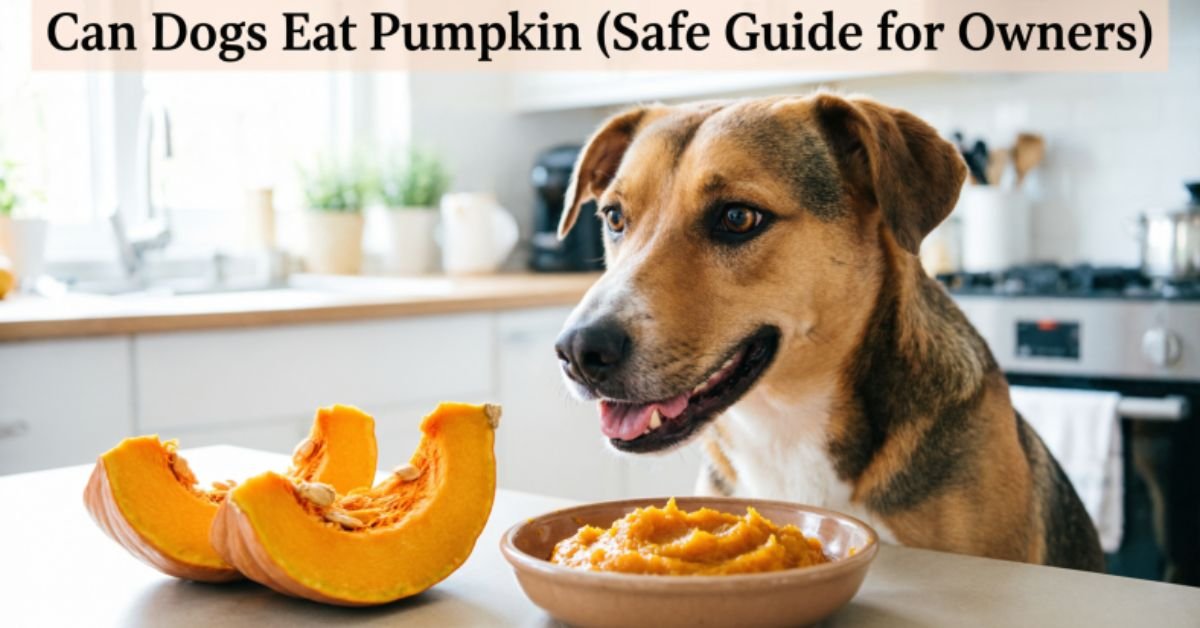
Pumpkin is a bright orange vegetable that many people eat in fall. It is full of fiber, vitamins, and antioxidants. But pet owners often wonder, can dogs eat pumpkin safely? The short answer is yes, dogs can eat plain pumpkin in the right amount.
Many dog owners use pumpkin when their dog has diarrhea or constipation. Others add it to meals for extra nutrition. But not all pumpkin products are safe. Pumpkin pie, spices, and sweetened canned pumpkin can cause problems.
In this guide, you will learn when pumpkin is good for dogs and when it is not. We will also cover the right serving size, the safest form to give, and the risks to avoid. This will help you make a smart and safe choice for your dog.
Can Dogs Eat Pumpkin Safely?

Yes, dogs can eat pumpkin safely if it is plain and served in small amounts. Pumpkin is full of fiber and important vitamins. It can help support your dog’s digestion. Many pet owners give plain canned pumpkin to help with mild stomach issues. Fresh, cooked pumpkin without spices is also a safe option.
You should avoid pumpkin pie mix and flavored pumpkin products. These often contain sugar and spices that are not good for dogs. Some may even include harmful sweeteners. Always check the label before feeding pumpkin to your dog. Start with a small spoonful and see how your dog feels.
Is Pumpkin Safe for All Dog Breeds and Ages?
Pumpkin is generally safe for most dog breeds and ages. Small dogs, large dogs, and even senior dogs can eat plain pumpkin in small amounts. It is easy to digest and full of fiber. Many pet owners use it to support healthy digestion. However, the serving size should always match your dog’s weight and age.
Puppies can also eat pumpkin, but only a little at a time. Their stomachs are more sensitive. Dogs with medical conditions like diabetes or chronic stomach problems should only have pumpkin with a vet’s advice. Always introduce pumpkin slowly. Watch your dog for any signs of stomach upset.
| Dog Size | Weight Range | Puppy (Under 1 Year) | Adult Dog | Senior Dog | Feeding Frequency | Notes |
| Extra Small Breeds (Chihuahua, Yorkie) | 2–10 lbs | ½ teaspoon | 1 teaspoon | 1 teaspoon | 2–3 times per week | Start very small to avoid loose stool |
| Small Breeds (Pug, Shih Tzu, Dachshund) | 10–20 lbs | 1 teaspoon | 1–2 teaspoons | 1–2 teaspoons | 2–3 times per week | Mix with regular food |
| Medium Breeds (Beagle, Cocker Spaniel) | 20–50 lbs | 1–2 teaspoons | 1–2 tablespoons | 1 tablespoon | 3–4 times per week | Monitor stool consistency |
| Large Breeds (Labrador, German Shepherd) | 50–90 lbs | 1 tablespoon | 2 tablespoons | 1–2 tablespoons | 3–4 times per week | Avoid overfeeding |
| Giant Breeds (Great Dane, Mastiff) | 90+ lbs | 1–2 tablespoons | 2–3 tablespoons | 2 tablespoons | 3–4 times per week | Introduce slowly |
When Pumpkin Is NOT Safe for Dogs
Pumpkin is safe for most dogs, but not in every situation. It becomes unsafe when it contains added sugar, spices, or artificial sweeteners. Pumpkin pie filling is not safe for dogs. It often includes nutmeg and other spices that can upset your dog’s stomach. Some products may even contain xylitol, which is very toxic to dogs.
Pumpkin is also not safe if your dog eats too much of it. Too much fiber can cause diarrhea, gas, or stomach pain. Dogs with certain health problems should only eat pumpkin if a vet approves it. Always check the label and keep portions small.
Pumpkin is NOT safe for dogs if:
- It is pumpkin pie filling
- It contains sugar or artificial sweeteners
- It includes spices like nutmeg
- Your dog eats a large amount at once
- Your dog has diabetes without vet approval
- Your dog shows vomiting or severe diarrhea after eating it
Health Benefits of Pumpkin for Dogs
Pumpkin can be a healthy addition to your dog’s meals when given in small amounts. It is packed with natural fiber that supports smooth digestion. Many dog owners use plain pumpkin to help balance their dog’s stomach. It can help firm loose stools or soften hard stools. Because it is low in fat and calories, it also works well as a light and healthy treat.
Pumpkin also provides important nutrients that support overall wellness. It contains vitamin A for healthy vision and vitamin C to support the immune system. The antioxidants in pumpkin help protect your dog’s cells. Its fiber content can also help your dog feel full longer, which may support healthy weight control.
Benefits of pumpkin for dogs include:
- Promotes healthy digestion
- Helps manage mild constipation or diarrhea
- Supports immune health
- Good for eye health
- Low-calorie treat option
- May help with weight management
Fiber, Vitamins, and Antioxidants Explained
Pumpkin is full of nutrients that help keep dogs healthy. Its natural fiber supports smooth digestion. Fiber can soften hard stools or firm up loose ones. This makes pumpkin useful for dogs with mild constipation or diarrhea. Even a small amount can improve digestion over time.
Pumpkin also contains important vitamins and antioxidants. Vitamin A helps with vision and keeps the skin and coat healthy. Vitamin C supports the immune system. Antioxidants protect the body from cell damage. Together, these nutrients make pumpkin a healthy supplement for most dogs when fed in moderation.
Key Nutrients in Pumpkin and Their Benefits for Dogs

| Nutrient | Type | Main Function in Dogs | Supports Digestion | Supports Immunity | Extra Benefits | Why It Matters |
| Dietary Fiber | Complex Carbohydrate | Regulates bowel movements | Yes | No | Keeps stool firm but easy to pass | Supports gut health |
| Vitamin A | Fat-Soluble Vitamin | Supports vision and skin health | No | Yes | Promotes healthy coat | Essential for eye health |
| Vitamin C | Water-Soluble Vitamin | Strengthens immune response | No | Yes | Helps reduce inflammation | Supports overall wellness |
| Vitamin E | Antioxidant Vitamin | Protects body cells | No | Yes | Supports skin and coat health | Fights free radicals |
| Potassium | Essential Mineral | Supports muscles and nerves | No | No | Maintains fluid balance | Important for heart function |
| Beta-Carotene | Natural Antioxidant | Converts to Vitamin A in the body | No | Yes | Protects cells from oxidative stress | Supports long-term health |
| Iron | Essential Mineral | Helps carry oxygen in the blood | No | No | Supports energy levels | Vital for blood health |
What Type of Pumpkin Can Dogs Eat?

Dogs can eat several types of pumpkin, but not all are safe. Plain, cooked pumpkin is the best choice. You can also give 100% pure canned pumpkin without sugar or spices. Fresh pumpkin can be boiled, baked, or steamed before feeding. Always avoid pumpkin pie or any pumpkin product with added sugar, spices, or artificial sweeteners.
Different parts of the pumpkin are safe in different ways. The seeds can be healthy if given in small amounts and unsalted. The skin is edible but harder to digest, especially for small dogs. Feeding the right type ensures your dog gets the nutrients without upsetting the stomach.
| Pumpkin Type | Safe for Dogs? | How to Feed | Notes / Tips |
| Plain cooked pumpkin | Yes | Boiled, baked, or steamed | Cut into small pieces for easier digestion |
| 100% canned pumpkin (unsweetened) | Yes | Serve directly or mix with food | Check label to ensure no added sugar or spices |
| Fresh pumpkin flesh | Yes | Boiled, baked, or steamed | Remove seeds and skin for small dogs |
| Pumpkin seeds (unsalted) | Yes | Roasted lightly or raw | Give in small quantities; good for digestion |
| Pumpkin skin | With caution | Small amounts, chopped or cooked | Can be hard to digest; remove for small dogs |
| Pumpkin pie or pie filling | No | Never feed | Contains sugar, spices, and sometimes xylitol |
| Pumpkin desserts or sweets | No | Never feed | Unsafe for digestion and health |
| Moldy or spoiled pumpkin | No | Never feed | Can cause vomiting or diarrhea |
Canned Pumpkin vs. Fresh Pumpkin
Dogs can safely eat both canned and fresh pumpkin if served properly. Canned pumpkin is convenient and ready to use, but make sure it is 100% pure with no added sugar or spices. Fresh pumpkin should always be cooked before feeding. Cooking it until soft, either in the oven, on the stovetop, or by steaming, makes it easier for dogs to digest. Raw pumpkin can be hard for small dogs to chew and digest.
Each type of pumpkin has its advantages. Canned pumpkin is easy to measure and mix with your dog’s food. Fresh pumpkin provides natural nutrients and fiber. Both types support digestion, gut health, and overall wellness. Choosing between them depends on convenience, storage, and your dog’s preference.
| Feature | Canned Pumpkin | Fresh Pumpkin | Notes / Tips |
| Preparation | Ready to serve | Needs cooking until soft | Softening improves digestibility |
| Nutrients | Retains fiber, vitamins, and antioxidants | High in fiber, vitamins, and antioxidants | Nutrient levels are similar when cooked properly |
| Convenience | Very convenient, long shelf life | Requires preparation and storage | Good for busy owners |
| Storage | Can store unopened for months | Must refrigerate after cutting | Fresh pumpkin spoils faster |
| Serving | Easy to measure and portion | Cut into small pieces or puree | Small dogs may need smaller portions |
| Additives | Must be 100% pumpkin, no sugar or spices | Naturally additive-free | Always check canned pumpkin labels |
| Digestibility | Easy to digest | Slightly harder if undercooked | Cooking improves digestibility |
| Cost | Affordable and consistent | Can vary by season and size | Fresh may be cheaper in season |
| Flavor | Mild taste, neutral for dogs | Natural, fresh taste | Dogs may prefer one over the other |
Can Dogs Eat Raw Pumpkin?
Dogs can eat raw pumpkin, but it is not always the best choice. Raw pumpkin is harder to chew and digest, especially for small or senior dogs. Large pieces may be difficult for them to break down. Some dogs may enjoy the crunch, but it can cause mild stomach upset if eaten in large amounts.
If you want to give raw pumpkin, cut it into small, bite-sized pieces. Monitor your dog after feeding it for the first time. For easier digestion, lightly steaming or boiling the pumpkin is usually better. Always avoid pumpkin that has added sugar or spices, as these can be harmful to dogs.
Can Dogs Eat Pumpkin Seeds and Skin?
Dogs can eat pumpkin seeds, but only if they are unsalted and given in small amounts. Seeds are a good source of fiber and nutrients. They can also help support digestive health and may even act as a natural dewormer. Always remove the shell if possible, as it can be hard for small dogs to chew.
The pumpkin skin is safe for dogs in small amounts, but it can be tough to digest. Large or thick pieces may cause stomach upset. For small dogs or puppies, it is better to remove the skin. Cooked pumpkin flesh without the skin is usually the safest and easiest to digest. Always introduce seeds and skin slowly and watch your dog for any reaction.
How Much Pumpkin Can I Give My Dog?

The amount of pumpkin your dog can eat depends on their size and age. Small dogs need just a tiny amount, while larger dogs can eat more. Too much pumpkin can cause diarrhea or stomach upset. Start with a small portion and increase slowly if your dog tolerates it well.
Recommended pumpkin servings by dog size:
- Extra Small Dogs (under 10 lbs): ½ to 1 teaspoon per serving
- Small Dogs (10–20 lbs): 1 to 2 teaspoons per serving
- Medium Dogs (20–50 lbs): 1 to 2 tablespoons per serving
- Large Dogs (50–90 lbs): 2 to 3 tablespoons per serving
- Giant Dogs (90+ lbs): 3 to 4 tablespoons per serving
Serving Size Chart by Dog Weight
Pumpkin is healthy for dogs, but the amount depends on their weight. Small dogs need just a little, while large dogs can eat more. Too much pumpkin can cause diarrhea or gas. Always start with a small portion and watch how your dog reacts.
Here is a detailed serving size guide for dogs of different weights:
| Dog Size | Weight Range | Recommended Serving | Notes / Tips |
| Extra Small Breeds | 2–10 lbs | ½ to 1 teaspoon | Feed slowly; cut into tiny pieces if raw |
| Small Breeds | 10–20 lbs | 1 to 2 teaspoons | Mix with regular food for easier digestion |
| Medium Breeds | 20–50 lbs | 1 to 2 tablespoons | Good for digestive support |
| Large Breeds | 50–90 lbs | 2 to 3 tablespoons | Can mix with meals or serve as a snack |
| Giant Breeds | 90+ lbs | 3 to 4 tablespoons | Start small to see how they tolerate it |
| Puppies | All sizes | ¼ to ½ of adult portion | Introduce slowly; watch for digestive upset |
| Senior Dogs | All sizes | Same as adult portion | Easier on the stomach if cooked or pureed |
Can Dogs Eat Pumpkin Every Day?
Dogs can eat pumpkin every day, but only in small amounts. Too much pumpkin can cause stomach upset or diarrhea. It is best to give it as a supplement to their regular diet, not a main food. Start with a small portion and watch how your dog reacts.
Daily pumpkin can help support digestion, weight management, and overall health. Puppies, small dogs, and senior dogs should get smaller portions. Always use plain, cooked, or canned pumpkin without sugar or spices. Adjust the amount if you notice any digestive issues.
Potential Risks of Feeding Pumpkin to Dogs
Pumpkin is healthy for dogs, but there are some risks if it is not fed properly. Too much pumpkin can cause diarrhea, gas, or stomach upset. Some pumpkin products, like pie filling or sweetened canned pumpkin, contain sugar and spices that are harmful to dogs. Artificial sweeteners like xylitol are extremely dangerous and should never be fed.
Other risks include feeding the wrong parts of the pumpkin or giving it too often. Always feed plain, cooked, or pure canned pumpkin in moderation.
Potential risks of pumpkin for dogs:
- Overfeeding can cause diarrhea or stomach upset
- Pumpkin pie or desserts with sugar and spices are harmful
- Artificial sweeteners like xylitol are toxic
- Raw pumpkin skin may be hard to digest for small dogs
- Feeding too often can upset the stomach
Signs Your Dog Ate Too Much Pumpkin
Feeding too much pumpkin can upset your dog’s stomach. Even though it is healthy, overfeeding can cause digestive issues. Dogs may show signs of discomfort a few hours after eating. It is important to recognize these signs early to prevent more serious problems.
Common signs that your dog ate too much pumpkin include:
- Loose stools or diarrhea
- Vomiting
- Gas or bloating
- Stomach cramps or discomfort
- Loss of appetite
My Dog Ate Too Much Pumpkin What Should I Do?

If your dog ate too much pumpkin, don’t panic. Most of the time, the effects are mild and can be managed at home. Too much pumpkin can cause diarrhea, vomiting, or stomach discomfort. The first step is to remove any more pumpkin from your dog’s diet until their stomach settles.
You can also take simple actions to help your dog feel better. Monitor their symptoms and keep them hydrated. Give small amounts of water or ice cubes if needed.
Steps to follow if your dog ate too much pumpkin:
- Stop feeding pumpkin immediately
- Watch for diarrhea or vomiting
- Keep fresh water available at all times
- Offer a bland diet like plain rice and boiled chicken if needed
- Contact your veterinarian if symptoms are severe or last more than 24 hours
When to Call a Veterinarian
Most cases of eating too much pumpkin are mild, but sometimes a vet’s help is needed. Call a veterinarian if your dog shows severe or persistent symptoms. This includes repeated vomiting, diarrhea that lasts more than a day, or signs of dehydration. Puppies, senior dogs, and dogs with health conditions may need extra care.
Other reasons to contact a vet include unusual behavior or severe stomach pain. If your dog ate pumpkin with spices, sugar, or xylitol, call immediately. It is always better to be safe and get professional advice. Quick action can prevent serious health problems.
How to Safely Add Pumpkin to Your Dog’s Diet
You can add pumpkin to your dog’s meals safely with a few simple steps. Begin with a small amount to see how your dog handles it. If there are no signs of upset stomach, you can slowly increase the portion. Always use plain pumpkin, either cooked or 100% pure canned, without any sugar, spices, or additives.
There are several easy ways to include pumpkin in your dog’s diet. You can mix it into their regular food or use it to make homemade treats. Keep an eye on your dog after feeding and adjust the amount if needed. Pumpkin can be a healthy supplement when given in moderation.
Tips for feeding pumpkin safely:
- Start with small portions and increase slowly
- Use plain cooked or pure canned pumpkin
- Mix pumpkin with regular dog food
- Serve as an occasional healthy treat
- Avoid sweetened, spiced, or flavored pumpkin products
- Watch for any signs of digestive discomfort
Simple Ways to Mix Pumpkin with Dog Food
Mixing pumpkin with your dog’s food is easy and healthy. Start with a small amount and gradually increase if your dog tolerates it well. You can stir a spoonful of plain cooked or canned pumpkin directly into their regular kibble or wet food. This adds flavor, fiber, and nutrients without changing their diet too much.
You can also make it more appealing by combining pumpkin with other safe ingredients. For example, mix it with plain yogurt, cooked chicken, or rice. Avoid adding sugar, spices, or anything toxic to dogs. Keep the portions moderate and serve as part of their regular meals.
Tips for mixing pumpkin with dog food:
- Start with ½ to 1 teaspoon for small dogs and adjust for larger dogs
- Use plain, cooked, or canned pumpkin only
- Combine with kibble, wet food, or plain cooked meat
- Avoid sugar, spices, or artificial additives
- Monitor your dog for any digestive changes
Can Puppies Eat Pumpkins?

Puppies can safely eat pumpkin, but only in small amounts. Their digestive systems are delicate, so it’s important to start with just a tiny portion. Giving too much at once can lead to diarrhea or stomach upset. Begin with a small amount, like half a teaspoon, and see how your puppy reacts.
Pumpkin is beneficial for puppies because it provides fiber and supports healthy digestion. You can mix a little cooked or plain canned pumpkin into their regular puppy food. Avoid giving pumpkin with sugar, spices, or other additives. Introduce it gradually and monitor your puppy for any signs of discomfort.
Is Pumpkin Good for Dogs With Sensitive Stomachs?
Yes, pumpkin is often good for dogs with sensitive stomachs. Its natural fiber helps regulate digestion. It can soften hard stools and firm loose stools. Many dog owners use plain pumpkin to calm mild stomach upset.
Pumpkin is gentle on the digestive system when fed in moderation. Always give cooked or 100% pure canned pumpkin without sugar or spices. Start with small amounts and gradually increase if your dog tolerates it well. Monitor your dog for any signs of discomfort.
Conclusion
Pumpkin is a safe and healthy food for most dogs when given correctly. It is full of fiber, vitamins, and antioxidants. These nutrients support digestion, gut health, and overall wellness. Both canned and cooked fresh pumpkin are easy to include in your dog’s diet.
Always feed pumpkin in moderation. Small amounts are enough to provide health benefits without causing digestive upset. Introduce it gradually and pay attention to your dog’s reaction. Puppies, senior dogs, and dogs with sensitive stomachs may need smaller portions.
Avoid pumpkin products with sugar, spices, or artificial sweeteners. Pumpkin pie, desserts, and flavored pumpkin can be harmful. Stick to plain cooked or 100% pure canned pumpkin for safety. Seeds can be given in small amounts, and the skin should be removed for small dogs.
Adding pumpkin to your dog’s diet can improve digestion, help with weight management, and provide essential nutrients. By serving it safely and gradually, you can make pumpkin a tasty and healthy treat. Always observe your dog and consult a veterinarian if you notice any digestive problems.
FAQs
1. Can dogs eat pumpkin every day?
Yes, dogs can eat pumpkin daily in small amounts. It helps with digestion and adds fiber to their diet. Start with a small portion and gradually adjust. Avoid giving pumpkin with sugar or spices.
2. Is canned pumpkin safe for dogs?
Yes, plain 100% canned pumpkin is safe. Make sure it has no added sugar, spices, or artificial sweeteners. It is convenient and easy to mix with your dog’s food.
3. Can puppies eat pumpkin?
Puppies can eat pumpkin in tiny amounts. Their stomachs are sensitive, so start with half a teaspoon. Mix it with their regular puppy food and monitor for any digestive upset.
4. Can pumpkin help with constipation or diarrhea?
Yes, pumpkin’s natural fiber can help regulate digestion. It can soften hard stools or firm loose stools. Feed small amounts and see how your dog responds before increasing the portion.
5. Are pumpkin seeds safe for dogs?
Pumpkin seeds are safe if unsalted and given in moderation. They can support digestion and provide extra nutrients. Remove the shells for small dogs to make them easier to eat.

DogsVibes Editorial Team creates trusted, research-based dog care content to help pet owners keep their dogs healthy, happy, and safe.