

Introduction
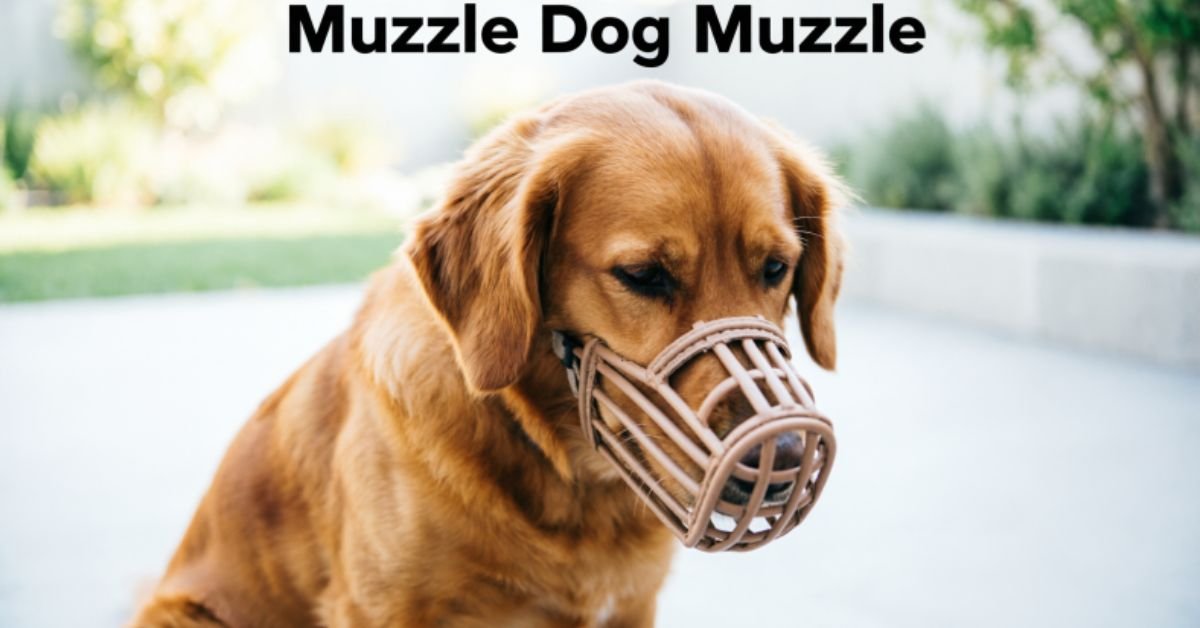
A muzzle dog muzzle is a tool that fits over a dog’s mouth. It helps prevent biting, chewing, or unwanted behavior. Many pet owners use it for safety during walks, vet visits, or grooming. When used the right way, a muzzle can be safe and comfortable for dogs.
Choosing the wrong muzzle can cause stress or discomfort for your pet. Some muzzles are too tight, while others do not allow proper breathing. This is why many dog owners feel confused when buying one. The right choice can make a big difference for both you and your dog.
In this guide, you will learn how to choose the best muzzle dog muzzle for your pet. We will look at different types, sizes, and uses. This will help you keep your dog calm, safe, and happy in everyday situations.
What Is a Dog Muzzle and Why Is It Used?
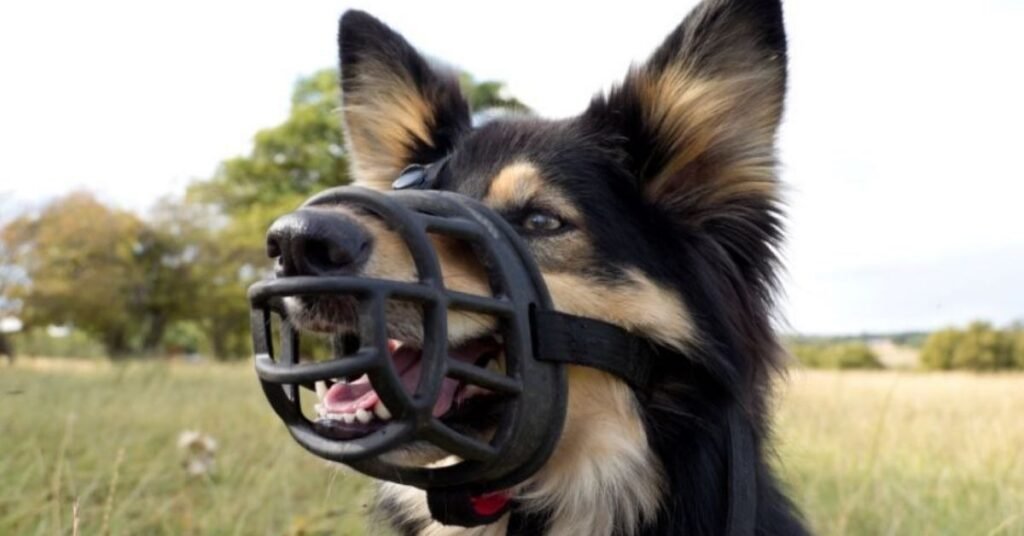
A muzzle is a device placed over the mouth of a dog. It helps stop biting, chewing, or picking up unsafe objects. Many dog owners use a muzzle during walks, vet visits, or grooming sessions. It is meant to protect people and pets, not to punish the dog.
Dog muzzles are also used for training and safety. Some dogs feel anxious in new places or around strangers. A muzzle can help prevent accidents in stressful situations. When used correctly, it allows the dog to breathe, pant, and stay calm.
Common Situations Where a Dog Muzzle Is Necessary
A dog muzzle is often used when safety is important. Some dogs feel nervous or scared in certain situations. A muzzle can help prevent biting and keep everyone calm. It is a temporary tool, not something for daily use all the time.
You may need a dog muzzle in situations like these:
- During vet visits or medical treatment
- While grooming or nail trimming
- On busy walks with many people or dogs
- When training a reactive or anxious dog
- In emergency or rescue situations
Are Dog Muzzles Safe for Dogs?

Yes, dog muzzles can be safe when used the right way. A well-fitted muzzle allows a dog to breathe and pant normally. It should be comfortable and not cause any pain. Dogs should never be left alone while wearing a muzzle.
Safety depends on proper use and time. Muzzles should only be worn for short periods of time, not all day long. Initially, the dog should be calm and slowly trained to wear it. When chosen carefully, a dog muzzle can be a helpful and safe tool for many situations.
How Long a Dog Can Wear a Muzzle Safely
A dog should only wear a muzzle for a limited time. In most cases, a few minutes is enough. Muzzles are helpful during short activities like a vet check, grooming, or a quick walk. Your dog should always be supervised while the muzzle is on.
Wearing a muzzle for too long can make a dog uneasy. Dogs rely on panting to release heat and relax. Taking regular breaks is important, especially in warm conditions. Removing the muzzle once the situation is over helps keep your dog relaxed and safe.
Different Types of Dog Muzzles Explained
Dog muzzles come in different types for different purposes. Each one offers a different level of control and comfort. The best choice depends on your dog’s behavior and the situation you are dealing with. The main goal is to keep everyone safe while keeping your dog calm and stress-free.
Here are the most common types of dog muzzles:
- Basket muzzle: Allows panting, drinking, and breathing. Good for longer use.
- Soft muzzle: Made of fabric or nylon. Best for short periods.
- Plastic muzzle: Lightweight and easy to clean. Often used for vet visits.
- Leather muzzle: Strong and durable. Used for working or trained dogs.
Basket Muzzles vs Soft Muzzles for Daily Use
Different dog muzzles are made for specific situations. Basket muzzles are usually better for regular or longer use. They allow dogs to breathe easily, pant, and even drink water. Soft muzzles restrict mouth movement more and should only be used for short periods.
Soft muzzles are useful in quick situations like grooming or medical checks. They are easy to carry and simple to put on. However, they are not ideal for walks or warm weather. Understanding the differences helps you choose the safest option for your dog.
| Feature | Basket Muzzle | Soft Muzzle |
| Breathing | Allows free breathing | Limited breathing |
| Panting | Yes, dog can pant | No or very limited |
| Drinking Water | Yes | No |
| Comfort Level | High when fitted properly | Low for long use |
| Best Use | Walks, training, daily safety | Vet visits, grooming |
| Wear Time | Short to moderate periods | Very short periods |
| Heat Safety | Safer in warm weather | Not safe in heat |
| Training Friendly | Yes | No |
| Control Level | Prevents biting safely | Strong restraint |
| Daily Use | Suitable with supervision | Not recommended |
How to Choose the Right Dog Muzzle

Choosing the correct dog muzzle begins with knowing your dog’s needs. Pay attention to your dog’s size, face shape, and temperament. The muzzle should sit comfortably without rubbing or squeezing. Your dog should still be able to breathe, pant, and stay calm.
It is also important to think about how the muzzle will be used. A muzzle for daily walks is different from one used at the vet. Comfort should always come first. The right muzzle helps your dog feel secure while keeping everyone safe.
Size, Fit, and Comfort Factors to Consider
Size and fit are very important when choosing a dog muzzle. A muzzle that is too tight can cause pain or stress. One that is too loose may fall off or not work well. Your dog should be able to open its mouth slightly and breathe with ease.
Comfort matters just as much as safety. Soft edges and proper padding help prevent rubbing. Adjustable straps give a better fit for different head shapes. A comfortable muzzle makes it easier for your dog to accept wearing it.
| Factor | Why It Matters | What to Look For |
| Dog Size | Ensures proper coverage | Match muzzle to breed and weight |
| Snout Length | Affects muzzle shape | Short or long snout design |
| Fit | Prevents slipping or pressure | Snug but not tight |
| Panting Space | Keeps dog cool | Enough room to open mouth |
| Padding | Prevents skin irritation | Soft lining or edges |
| Adjustability | Improves comfort | Adjustable straps |
| Material | Affects durability | Breathable and strong material |
| Weight | Reduces discomfort | Lightweight design |
| Visibility | Helps dog stay calm | Open design |
| Wear Time | Limits stress | Suitable for short or moderate use |
Best Dog Muzzle Options for Puppies and Biters
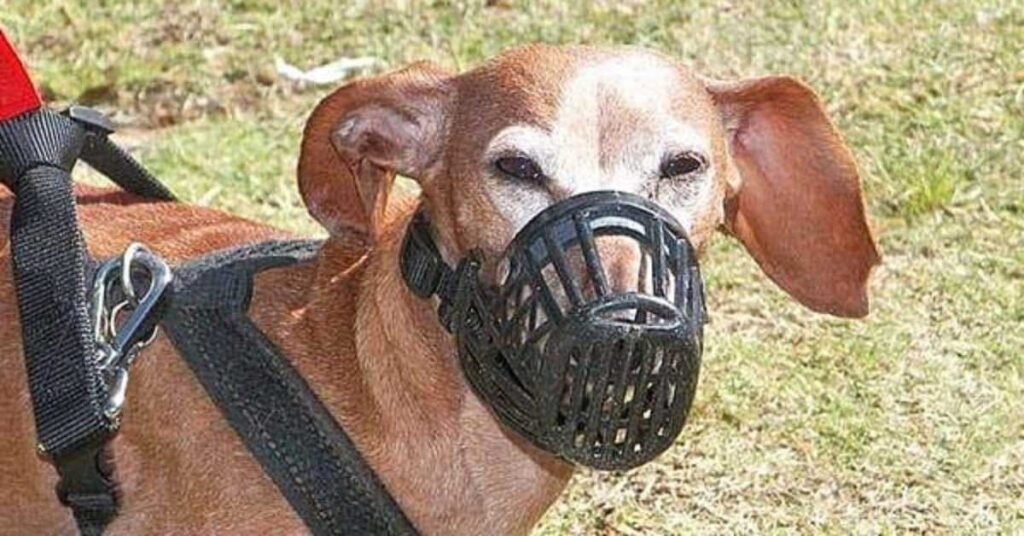
When choosing a dog muzzle for puppies and biters, safety and comfort come first. Puppies are still growing, so the muzzle must fit well and allow proper breathing. For biters, the muzzle should prevent biting while still letting the dog pant and drink. The right choice can help build trust and make training easier.
Different muzzles work better for different needs. Some are soft and gentle for short use. Others are stronger and more secure for active or reactive dogs. Below is a helpful list of good muzzle options and when to use them.
| Muzzle Type | Best For | Key Features | Recommended Use |
| Basket Muzzle | Puppies & biters | Allows panting and drinking | Daily walks, training |
| Soft/Dog Training Muzzle | Gentle intro | Lightweight, flexible | Short vet or grooming visits |
| Nylon Muzzle | Budget choice | Easy to use, simple fit | Very short tasks |
| Leather Muzzle | Strong dogs | Durable and secure | Trained dogs, supervision |
| Plastic Muzzle | Easy cleaning | Lightweight, solid shape | Vet visits, short outings |
| Mesh Muzzle | Breathable | Soft and comfortable | Calm pups, brief use |
| Adjustable Strap Muzzle | Growing puppies | Custom fit | Training sessions |
| Basket with Padding | Sensitive pups | Extra comfort | Longer supervised wear |
| Quick-Fit Muzzle | On-the-go | Fast to put on/off | Daily short walks |
| Cooling Basket Muzzle | Warm weather | Ventilated design | Hot day walks |
When a Puppy Needs a Muzzle
A puppy may need a muzzle in certain situations. Some puppies bite or nip while playing. Others may feel scared in new places or around strangers. A muzzle can help prevent accidents during these moments.
Muzzles are also useful during vet visits or grooming. Puppies may react out of fear or discomfort. Using a muzzle for a short time can keep everyone safe. It should always be gentle, well-fitted, and used with care.
How to Train Your Dog to Accept a Muzzle
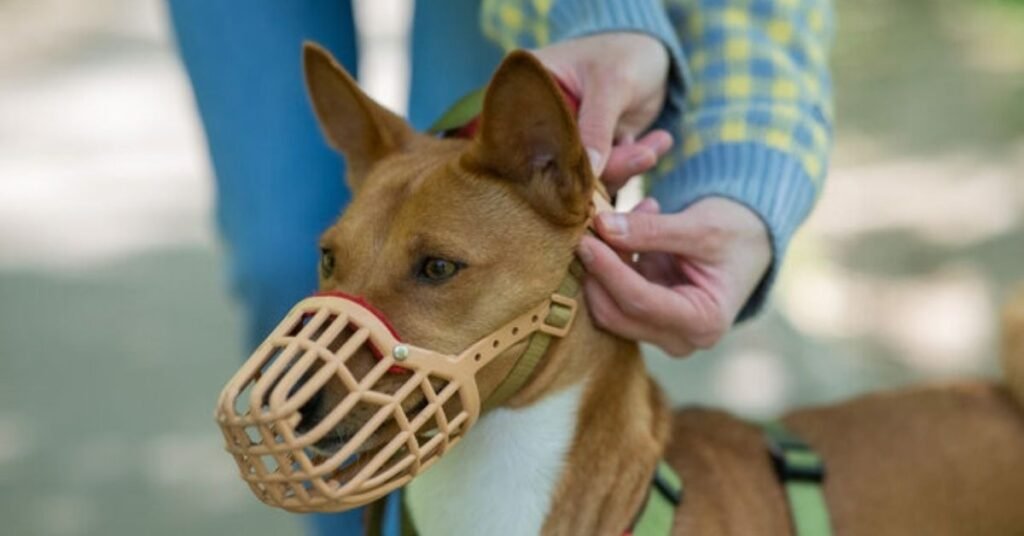
Teaching a dog to accept a muzzle works best when you move at your dog’s pace. Start by placing the muzzle near your dog and letting them investigate it on their own. There should be no pressure or force. Positive rewards like treats and gentle praise help build trust and comfort. Keep training sessions short and relaxed. A few minutes each day is better than long sessions. Stay calm so your dog feels secure.
Follow these simple training steps to make the process easier:
- Let your dog notice and sniff the muzzle freely
- Reward calm and curious behavior
- Gently place the muzzle on for a moment
- Increase the wearing time little by little
- Remove the muzzle before your dog feels uncomfortable
Positive Reinforcement Tips for First-Time Training
Positive reinforcement helps your dog feel safe and confident. Reward good behavior with treats, praise, or gentle petting. Always keep training calm and friendly. This helps your dog learn faster without fear.
Start with small steps and reward progress. Even a few seconds of calm behavior is worth praise. Avoid scolding or forcing your dog. A positive approach builds trust and makes training easier.
When You Should and Should Not Use a Dog Muzzle
Knowing when to use a dog muzzle is important for your dog’s safety. A muzzle can help in situations where your dog may act fearfully or aggressively. It can also protect others during vet visits or grooming. However, a muzzle should not be used in every situation.Using a muzzle in the wrong way can cause stress or harm. It should never replace training or proper supervision.
Here are times when a dog muzzle may or may not be needed:
- Use a muzzle: during vet visits, grooming, or emergency situations
- Use a muzzle: when training a reactive or anxious dog
- Do not use a muzzle: as punishment
- Do not use a muzzle: for long hours without breaks
- Do not use a muzzle: if it restricts breathing or panting
How to Clean and Maintain a Dog Muzzle Properly
Cleaning a dog muzzle keeps it safe and comfortable to use. Dirt, saliva, and food can build up over time. Wash the muzzle regularly based on its material. A clean muzzle helps prevent skin irritation and bad smells.
Always let the muzzle dry fully before using it again. Check straps and buckles for damage. Replace the muzzle if it shows signs of wear. Proper care helps the muzzle last longer and keeps your dog healthy.
Conclusion
A muzzle dog muzzle can be a useful and safe tool when used the right way. The key is comfort, proper fit, and short use. With patience and training, most dogs can accept a muzzle easily. Used responsibly, it helps protect your dog and the people around them.
A muzzle dog muzzle is a helpful tool for many dog owners. It is designed to fit over a dog’s mouth for short periods. People often use it during vet visits, grooming, or busy walks. When used correctly, it helps keep everyone safe.
Many owners worry that a muzzle dog muzzle is uncomfortable. This is not always true. A good muzzle allows the dog to breathe and pant easily. Choosing the right size and type is crucial to comfort. Training also helps the dog feel relaxed while wearing it.
There are different reasons to use a muzzle dog muzzle. Some dogs feel scared in new places. Others may react badly when stressed. A muzzle can prevent accidents while you work on training and behavior. It should never be used as punishment.
Proper use of a muzzle dog muzzle is very important. Dogs should not wear it for long hours. Always watch your dog and remove the muzzle once it is no longer needed. Cleaning and checking the muzzle keeps it safe and comfortable.
FAQs
1: Is a muzzle safe for my dog?
Yes, a muzzle is safe when used correctly. It should fit well and allow your dog to breathe and pant. Use it only for short periods and always supervise your dog.
2: Can my dog drink water while wearing a muzzle?
Some muzzles, like basket-style, allow drinking. Soft muzzles usually don’t. Always choose the right type for your dog’s needs and remove it if your dog needs water.
3: How long can a dog wear a muzzle?
A dog should only wear it for a short time. Minutes are usually enough for most situations. Long use can cause stress or overheating. Give frequent breaks.
4: Will a muzzle stop barking?
No, muzzles are not designed to stop barking. Their main purpose is to prevent biting or chewing. For barking issues, training is a much better solution.
5: Can puppies wear a muzzle?
Yes, puppies can wear a muzzle in special situations. It should be lightweight, comfortable, and properly sized. Use it only briefly, and gentle training helps them adjust.
