

Introduction
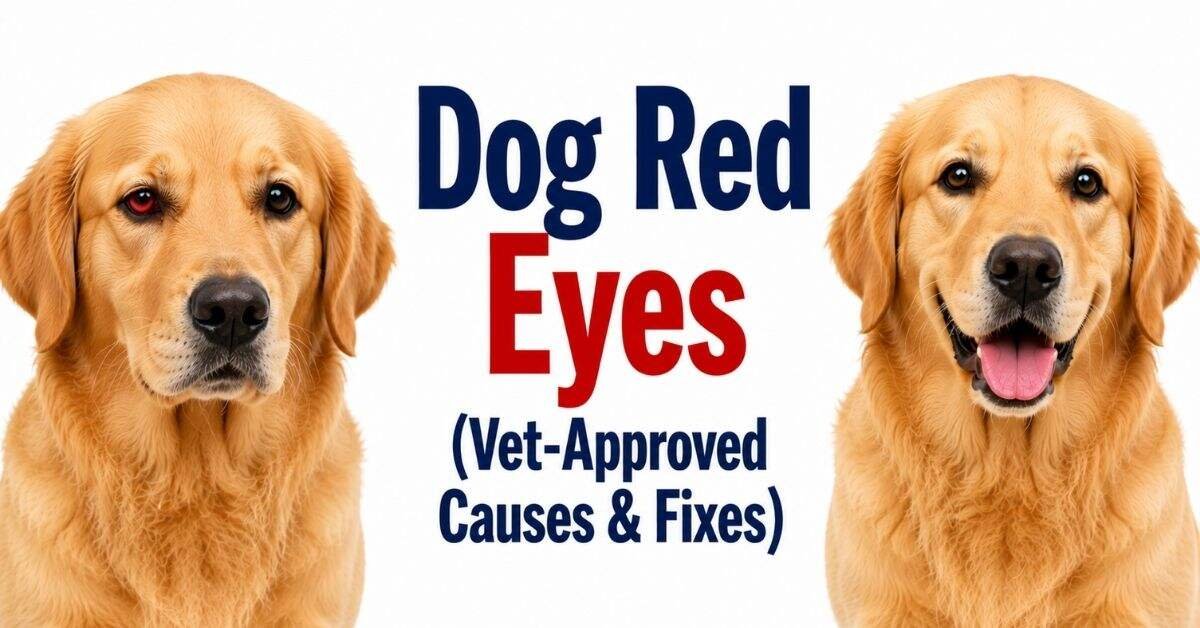
Your dog’s eye suddenly looks red. Maybe it’s watery too, or your dog keeps squinting and pawing at it. Red eyes in dogs mean the blood vessels in or around the eye have become irritated or swollen. It can affect one eye or both. Sometimes it looks mild. Other times it looks painful right away.
You notice it the moment you sit down next to your dog. One eye looks different than usual. It’s redder, maybe a little swollen, and your dog won’t stop blinking. The worst-case scenario immediately comes to mind. Is this something serious? Does it need a vet visit tonight, or can it wait until morning? That uncertainty is the hardest part, and it’s exactly why so many dog owners search for answers before making a decision.
This article walks you through what causes red eyes in dogs and what squinting usually means. You’ll learn how to tell a mild irritation apart from a true emergency. We’ll also cover what vets typically do to diagnose the problem, how it gets treated, and simple steps you can take at home before your appointment. By the end, you’ll know exactly what to watch for and when it’s time to call your vet.
What Causes Red Eyes in Dogs
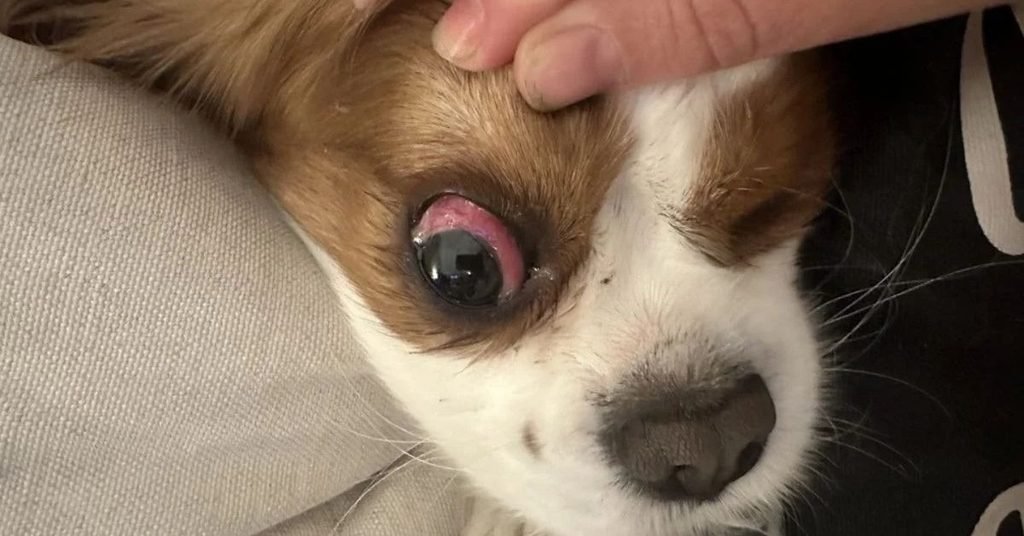
Red eyes in dogs can come from something as simple as dust or as serious as an eye disease. Allergies are one of the most common triggers, especially during pollen season or after exposure to household cleaners. Similarly, foreign objects like grass seeds or sand can lodge under the eyelid and cause instant irritation. Infections such as conjunctivitis also lead to redness, often paired with discharge or swelling. Additionally, physical trauma from rough play, scratches, or bumps can leave the eye looking inflamed. In some cases, the cause is purely environmental and clears up within a day or two.
However, certain causes point to something more serious that needs veterinary attention. Dry eye syndrome, for example, reduces natural tear production and leaves the eye chronically irritated. Meanwhile, conditions like glaucoma raise pressure inside the eye and can threaten your dog’s vision if left untreated. Cherry eye, which involves a prolapsed gland near the third eyelid, is another common cause in certain breeds. Corneal ulcers, though less obvious at first glance, can worsen quickly without proper care. Because these conditions vary so much in severity, it helps to understand what each one looks like before deciding your next step.
Allergies
Just like humans, dogs can develop allergic reactions that affect their eyes. Pollen, dust, and mold are common outdoor triggers, especially during spring and fall. Indoors, things like cleaning sprays, perfumes, or even certain fabrics can set off a reaction. Food allergies sometimes show up as eye irritation too, not just skin problems. Consequently, many owners are surprised to learn their dog’s diet could be the root cause. Identifying the trigger often takes a bit of observation over time.
It is more common for symptoms to appear gradually rather than all at once. Typically, allergy-related redness affects both eyes rather than just one. Meanwhile, if only one eye looks irritated, another cause like an injury or foreign object becomes more likely. Keeping a simple log of when symptoms flare up can help you and your vet pinpoint the trigger faster. Below are the signs worth watching for.
- Redness in one or both eyes
- Watery or clear discharge
- Frequent blinking or squinting
- Swelling around the eyelids
- Pawing or rubbing at the face
Conjunctivitis (Pink Eye)
Conjunctivitis happens when the thin tissue covering the eye and inner eyelid becomes inflamed. Bacteria, viruses, and allergens are the most common causes behind it. Sometimes it starts as a mild irritation and then spreads if left untreated. Dogs with allergies or weakened immune systems tend to be more prone to it. Additionally, exposure to smoke, dust, or other dogs with the infection can trigger flare-ups. It’s one of the most frequent reasons dogs end up with red, irritated eyes.
The discharge is usually the biggest giveaway with this condition. Unlike allergy-related redness, conjunctivitis often produces thick yellow or green discharge, especially if bacteria are involved. Meanwhile, viral cases tend to cause more watery discharge instead. Your dog may also squint more than usual or keep the eye partially closed. Since it can spread to the other eye or to other pets in the house, early treatment matters. Therefore, a vet visit is usually the fastest way to clear it up and stop it from getting worse.
Eye Injury or Trauma
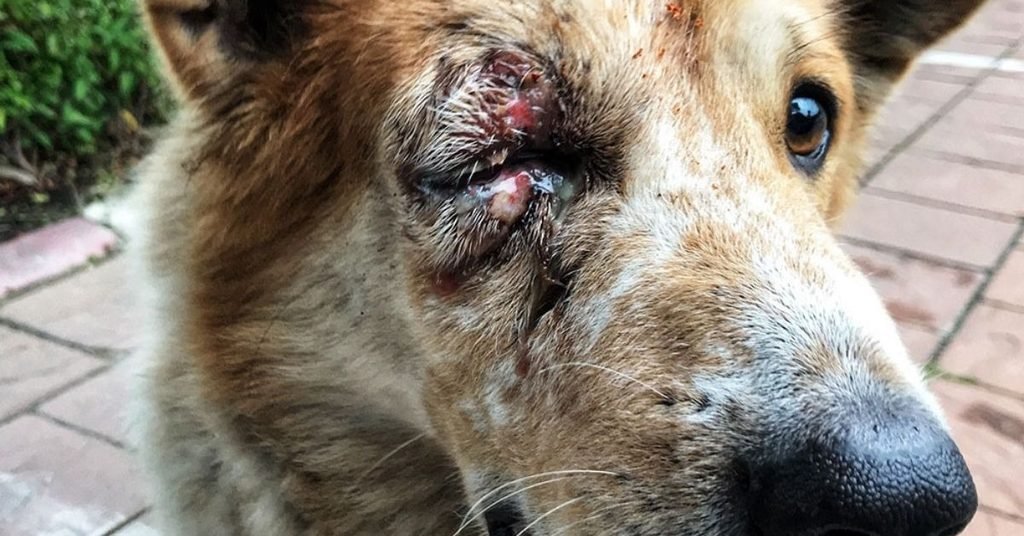
Eye injuries happen more often than most owners expect, especially in active dogs. Running through bushes, rough play with other dogs, or a stray branch can all scratch the eye’s surface. Sometimes the trauma is obvious, like visible swelling or a dog pawing frantically at their face. Other times, the injury is small and only becomes noticeable once the eye turns red or starts watering. Cats are a surprisingly common cause too, since their claws can easily scratch a dog’s cornea during a scuffle. Because the eye is so delicate, even minor trauma deserves quick attention.
Not every injury looks the same, so knowing what to look for helps you react faster. Below is a quick breakdown of common injury types and what they usually mean.
| Type of Injury | Common Cause | What You Might Notice |
| Corneal scratch | Branches, dust, rough play | Redness, squinting, watery eye |
| Blunt trauma | Bumping into furniture or objects | Swelling, bruising around the eye |
| Puncture wound | Sharp objects, cat claws | Bleeding, visible damage, pain |
| Chemical exposure | Cleaning sprays, shampoo | Redness, excessive blinking |
| Foreign object | Grass seeds, sand, debris | Pawing at eye, discharge |
Dry Eye Syndrome
Dry eye syndrome, also called keratoconjunctivitis sicca, happens when a dog’s tear glands don’t produce enough moisture. Without adequate tears, the eye’s surface becomes dry, irritated, and prone to inflammation. Certain breeds, like Bulldogs, Pugs, and Cocker Spaniels, are more genetically prone to this condition. Meanwhile, autoimmune issues, certain medications, or past infections can also reduce tear production over time. Left unmanaged, it can lead to more serious complications like corneal damage. Recognizing it early makes a real difference in long term comfort for your dog.
Thick, mucus-like discharge is one of the clearest signs of dry eye. Unlike watery irritation from allergies, this discharge tends to look sticky and yellowish. Additionally, the eye’s surface may appear dull instead of glossy, since natural moisture is missing. Your dog might blink more frequently or seem to squint in bright light. Over time, chronic dryness can also lead to visible redness and discomfort around the eyelids. Therefore, a vet can run a simple tear production test to confirm the diagnosis and start proper treatment.
Is a Red Eye an Emergency?
Not every red eye means an emergency, but some cases absolutely do. Mild redness from dust or minor allergies often clears up on its own within a day. However, sudden onset paired with intense pain, swelling, or vision changes usually signals something more urgent. Glaucoma, for instance, can cause permanent damage within hours if pressure inside the eye isn’t relieved quickly. Similarly, a punctured or bulging eye needs immediate veterinary care, no exceptions. Knowing the difference between mild and severe can genuinely save your dog’s eyesight.
A few warning signs make the decision easier to judge. If your dog is pawing frantically, keeping the eye completely shut, or crying out in pain, that’s a clear signal to act fast. Meanwhile, cloudiness, sudden swelling, or a visibly bulging eye should never be ignored. Discharge that’s thick, bloody, or foul-smelling also points toward infection or injury needing urgent care. On the other hand, mild redness with normal behavior and no discharge can usually wait for a regular appointment. When in doubt, though, calling your vet for guidance is always the safer choice.
Signs That Need Immediate Care
Certain symptoms mean you shouldn’t wait to see how things develop. If your dog’s eye looks visibly bulging, swollen shut, or misshapen, that’s a sign of serious trauma or pressure buildup. Similarly, sudden blindness or bumping into furniture points toward a rapidly progressing problem. Excessive pawing combined with whimpering or crying usually means real pain, not just mild irritation. Because these signs often indicate conditions like glaucoma or a ruptured eye, quick action matters more than waiting it out. Trust your instincts if something looks seriously wrong.
Meanwhile, if you notice any combination of the signs below, don’t wait until morning. Emergency vet clinics exist exactly for situations like this, and quick treatment often prevents permanent damage. Below is a quick list to check against.
- Sudden swelling or bulging of the eye
- Eye that won’t stay open at all
- Visible bleeding or a cut on the eyeball
- Sudden loss of vision or disorientation
- Thick, foul-smelling, or bloody discharge
- Intense pain, whimpering, or aggressive pawing
How Vets Diagnose the Cause of Red Eyes
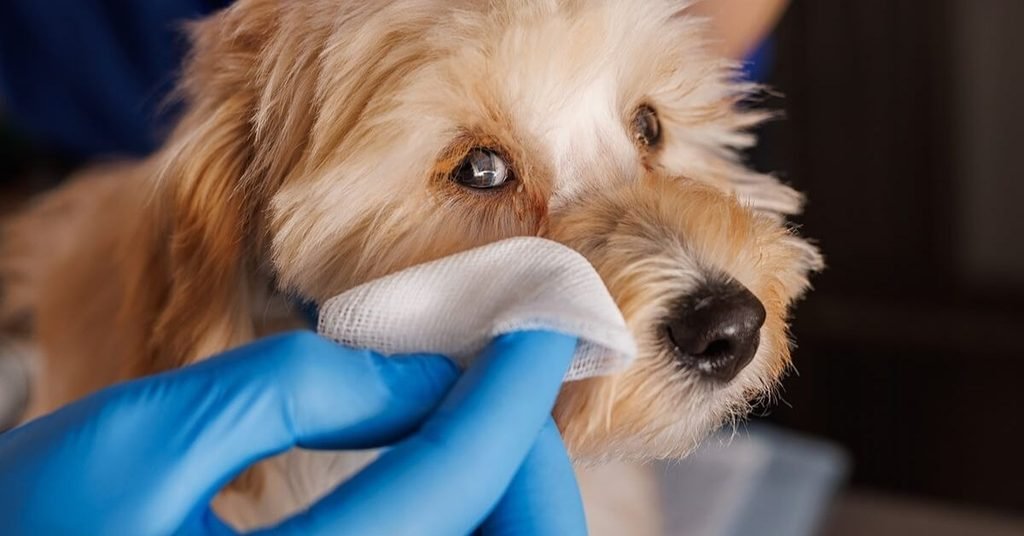
When you bring your dog in for a red eye, the vet starts with a close visual exam. They’ll check both eyes for symmetry, since one-sided redness often points to injury or a foreign object rather than allergies. Meanwhile, they’ll look at the surrounding skin, eyelids, and third eyelid for swelling or abnormal positioning. Your dog’s overall behavior also gives clues, since pain, sensitivity to light, or reluctance to open the eye all help narrow things down. Sharing details about when symptoms started and how they’ve changed genuinely speeds up the process.
Beyond the visual check, vets often rely on a few standard tests to confirm what’s going on. These help rule out serious conditions before deciding on treatment.
- Fluorescein stain test to detect corneal scratches or ulcers
- Schirmer tear test to measure tear production
- Tonometry to check eye pressure for glaucoma
- Careful examination under magnification for foreign debris
- Bloodwork if an underlying illness is suspected
How Red Eyes in Dogs Are Treated
Treatment for red eyes depends entirely on what’s causing the problem in the first place. Mild allergic reactions often clear up with antihistamines or simply removing the trigger from your dog’s environment. Meanwhile, bacterial infections like conjunctivitis usually need prescription antibiotic drops or ointment. Injuries and ulcers require more careful handling, since the wrong treatment can actually make things worse. Because of this, a proper diagnosis always comes before any treatment plan begins. Never assume you know the cause without a vet’s confirmation.
More serious conditions call for targeted, sometimes urgent treatment. Glaucoma, for example, needs medication to lower eye pressure fast, and surgery in advanced cases. Below are the common treatment paths depending on the diagnosis.
- Antibiotic or antiviral eye drops for infections
- Anti-inflammatory medication to reduce swelling and pain
- Artificial tears for dry eye syndrome
- Surgical correction for cherry eye or entropion
- Emergency surgery for severe trauma or glaucoma
Can You Treat a Dog’s Red Eye at Home?
For very mild cases, a few simple steps at home can help ease irritation. Gently wiping away discharge with a warm, damp cloth keeps the area clean and comfortable. Similarly, keeping your dog away from dust, smoke, or strong household chemicals can reduce further irritation. If you suspect allergies, a short-term antihistamine may help, though checking the dosage with your vet first is essential. Rinsing the eye with a vet-approved saline solution can also flush out mild debris. These steps work best only when symptoms are minor, and your dog seems otherwise comfortable.
That said, home care has real limits, and knowing them protects your dog. Never use human eye drops, ointments, or medications without veterinary approval, since some ingredients are toxic to dogs. Likewise, avoid trying to remove embedded objects yourself, as this can cause more damage to the eye. If redness persists beyond a day or worsens at all, home treatment should stop, and a vet visit should follow immediately. Ultimately, home care is meant to support recovery, not replace professional diagnosis and treatment.
How to Prevent Eye Problems in Dogs
Preventing eye problems is often easier than treating them after they start. Regular grooming plays a bigger role than most owners realize, especially trimming hair that hangs near the eyes. Similarly, keeping your dog’s face clean reduces the buildup of dirt, pollen, and bacteria near the eye area. Protecting your dog during car rides, whether with a window guard or by keeping their head inside, prevents debris injuries too. Because breed matters here, dogs with prominent or bulging eyes need extra attention and care. Small habits, done consistently, go a long way toward avoiding bigger problems later.
Routine vet visits also catch issues long before they turn serious. Below are a few simple habits worth building into your dog’s routine.
- Trim hair around the eyes regularly.
- Wipe away discharge daily with a clean, damp cloth
- Avoid exposing your dog to smoke or strong chemicals
- Use pet-safe shampoo and keep it away from the eyes
- Schedule annual eye checkups with your vet
Should I Take My Dog to the Vet for Red Eyes?
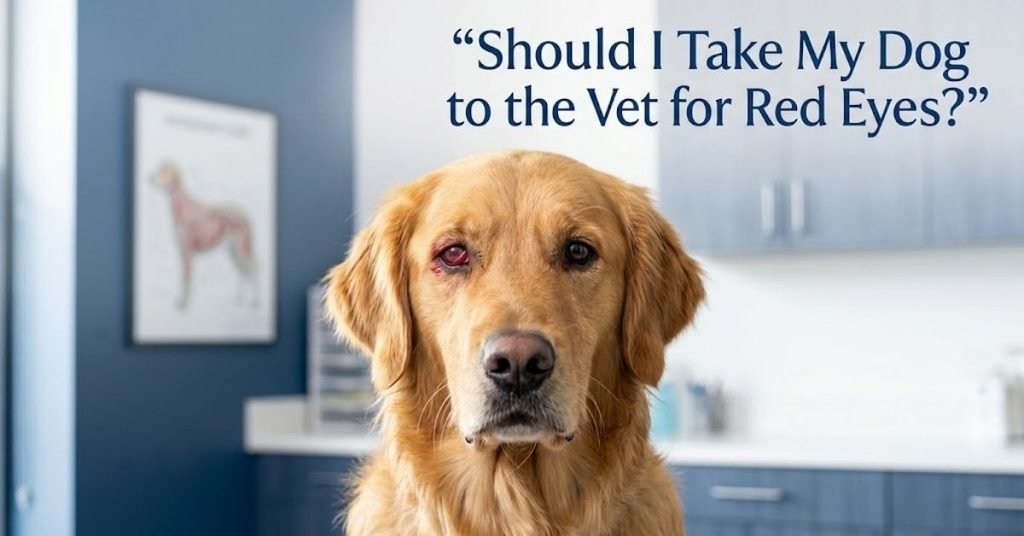
It depends on how the redness looks and how your dog is behaving. If the eye seems mildly irritated, your dog is eating and acting normally, and there’s no discharge, waiting a day is usually fine. However, if redness comes with squinting, pawing, or visible discomfort, a vet visit becomes the safer choice. Because eye conditions can worsen quickly, erring on the side of caution rarely hurts. Trusting your gut matters here, especially if something feels off about your dog’s behavior.
Ultimately, a same-day or next-day appointment is the smart move whenever you’re unsure. Vets would much rather examine a mild case early than treat a serious one that’s been left too long. Meanwhile, catching problems like glaucoma or ulcers early often means simpler, less costly treatment. If symptoms persist beyond 24 hours or seem to worsen at all, don’t wait any longer. When in doubt, a quick phone call to your vet’s office can help you decide the right next step.
Can I Use Human Eye Drops on a Dog?
In short, no, human eye drops shouldn’t be used on dogs without your vet’s approval. Many over-the-counter formulas contain ingredients that are safe for people but harmful to dogs. Redness-relief drops, for example, often contain compounds that can lower a dog’s heart rate or blood pressure if absorbed. Similarly, certain preservatives in human drops can irritate a dog’s eyes rather than soothe them. Because dosage and formulation differ so much between species, what works for you can actually harm your dog.
Instead, sticking to vet-approved products is always the safer route. Plain saline solution, specifically the kind made for pets, is generally safe for rinsing minor irritation. However, anything beyond that, including antihistamine or antibiotic drops, should only be used if your vet prescribes it. Meanwhile, using the wrong product can mask real symptoms, making diagnosis harder later. Therefore, when in doubt, a quick call to your vet is always worth the extra few minutes.
Conclusion
Every dog owner has had that moment of noticing something isn’t quite right in their dog’s eye. Redness can show up out of nowhere, and it’s rarely obvious right away whether it’s something minor or something that needs urgent care. That uncertainty is normal, and knowing what to look for takes away a lot of the guesswork. With the right information, you can respond calmly instead of panicking.
This article covered the most common reasons behind red eyes, from allergies and conjunctivitis to injuries and dry eye syndrome. Additionally, we broke down how vets typically diagnose the issue and what treatment usually involves, depending on the cause. Home care can help in mild situations, but it’s never a full substitute for a proper vet exam. Meanwhile, learning to separate a minor irritation from a true emergency is the most useful skill you can take from this.
Your dog can’t tell you what’s wrong, so noticing small changes falls entirely on you. Squinting, pawing at the face, or unusual discharge are all signals worth taking seriously. Waiting too long is often the biggest risk, especially with conditions that can progress fast. Acting early, even if it just means a phone call to your vet, tends to lead to simpler and less stressful outcomes.
Ultimately, keeping your dog’s eyes healthy comes down to a few consistent habits. Regular grooming, routine vet visits, and quick attention when something looks off all add up over time. Therefore, staying observant matters more than trying to memorize every possible condition. With that awareness, you’re well equipped to keep your dog comfortable and protected for years to come.
FAQs
Q1: Why are my dog’s eyes suddenly red?
Sudden redness usually points to allergies, an eye injury, or an infection like conjunctivitis. Dust, pollen, and household chemicals often trigger it out of nowhere. If it came on fast and your dog seems uncomfortable, a vet check is a smart move.
Q2: How long can I wait before taking my dog to the vet?
Mild redness with no other symptoms can often wait a day. However, if squinting, discharge, or pawing shows up too, don’t wait. Beyond 24 hours, a vet visit is the safer choice.
Q3: Can allergies really cause red eyes in dogs?
Yes, allergies are one of the most common causes of eye redness in dogs. Pollen, dust, and even certain foods can trigger it. It is more common for both eyes to be affected rather than just one.
Q4: Is it safe to clean my dog’s eye at home?
Wiping away discharge with a warm, damp cloth is generally safe for mild irritation. A vet-approved saline rinse can also help. If redness persists or worsens, stop home care and call your vet.
Q5: What eye symptoms should never be ignored?
Sudden swelling, bulging, or an eye that won’t stay open are serious signs. Thick or bloody discharge, vision loss, or intense pain shouldn’t wait either. In these cases, same-day vet care is the safest choice.

DogsVibes Editorial Team creates trusted, research-based dog care content to help pet owners keep their dogs healthy, happy, and safe.