


Introduction
Choosing the right food for your dog is one of the most important decisions you’ll make as an owner. Black dog food refers to a category of premium pet food characterized by dark-colored formulas. These products often derive their color from high-quality ingredients such as charcoal, black beans, or dark proteins. The goal is simple: better nutrition in every bowl.
Here’s something most dog owners don’t realize. Not all dog foods are created equal. Many popular brands are packed with fillers, artificial colors, and low-quality ingredients that do more harm than good. Meanwhile, the wrong diet can quietly affect your dog’s energy, coat, digestion, and long-term health. What you put in your dog’s bowl every single day truly matters more than most people think.
In this guide, we’ll break down exactly what black dog food is and what makes it different. You’ll learn which ingredients to look for and which ones to avoid. We’ll also walk you through the top options worth buying based on quality and value. By the end, you’ll have everything you need to make a confident, informed choice for your dog’s health.
What Is Black Dog Food?

Black dog food is a category of premium pet food made with high-quality, natural ingredients. Many formulas get their dark appearance from ingredients like activated charcoal, black beans, or rich animal proteins. These aren’t just cosmetic choices, though. Each ingredient serves a real nutritional purpose for your dog’s health. Unlike standard kibble loaded with fillers, black dog food focuses on clean, wholesome nutrition. Simply put, it’s food designed with your dog’s wellbeing at the center.
Not every dark-colored dog food earns the premium label, however. Quality varies significantly from brand to brand, so reading labels matters. The best black dog food options feature real meat as the first ingredient. Meanwhile, artificial preservatives, colors, and cheap grain fillers stay off the list entirely. Transitioning to a cleaner formula can lead to noticeable improvements in energy, coat shine, and digestion. Ultimately, understanding what black dog food truly is helps you make a smarter choice at the store.
Key Ingredients That Make It Different
Black dog food stands out because of what goes into it. Real animal proteins like chicken, lamb, and ocean fish typically lead the ingredient list. These proteins support muscle development, energy levels, and overall body function. Wholesome carbohydrates like brown rice and vegetables deliver steady energy without the junk fillers.
Natural sources of omega fatty acids also feature prominently in quality formulas. Together, these ingredients create a nutritional profile that generic brands simply can’t match.
Here are the standout ingredients commonly found in premium black dog food:
- Real meat (chicken, lamb, salmon): provides high-quality protein for muscle health
- Brown rice and vegetables: offer digestible carbohydrates and essential fiber
- Omega-3 and omega-6 fatty acids: support a healthy coat and skin
- Activated charcoal: aids digestion and helps remove toxins naturally
- Black beans: deliver plant-based protein and antioxidants
- Natural preservatives (vitamin E, rosemary extract): keep food fresh without harmful chemicals
Cooked vs. Dried Black Dog Food
Choosing between cooked and dried black dog food can feel confusing at first. Both options offer real nutritional value, but they work differently for different dogs. Cooked formulas retain more moisture, making them easier to digest and chew. Dried options, on the other hand, offer longer shelf life and greater convenience for busy owners. Meanwhile, some dogs with sensitive stomachs respond better to one format over the other. Knowing the difference helps you pick the right fit for your dog’s needs.
Here’s a quick breakdown of both options:
Cooked Black Dog Food:
- Natural moisture levels keep your dog hydrated and support smoother digestion
- Softer texture works well for puppies and senior dogs
- Shorter shelf life requires careful storage after opening
- Often closer to a natural, whole-food eating experience
Dried Black Dog Food:
- Longer shelf life makes storage and portioning easier
- Crunchy texture helps support dental health naturally
- Generally more affordable per serving than cooked options
- Convenient for travel and everyday feeding routines
Why Black Dog Food Is Worth Choosing

Switching to black dog food can make a noticeable difference in your dog’s daily life. Real, high-quality ingredients fuel better energy levels and support a stronger immune system. Coat condition often improves too, becoming shinier and softer within just a few weeks. Meanwhile, digestive issues like bloating and irregular stools tend to settle down with a cleaner diet. Every bowl delivers purposeful nutrition rather than empty calories. That alone makes the switch worth serious consideration.
Here are some compelling reasons dog owners choose black dog food:
- Better digestion: clean ingredients reduce stomach sensitivity and bloating
- Healthier coat and skin: omega fatty acids promote shine and reduce dryness
- Stronger energy levels: real protein fuels active dogs throughout the day
- Improved weight management: balanced nutrition without unnecessary fillers
- Fewer allergic reactions: natural ingredients minimize common dietary triggers
- Longer lifespan potential: quality nutrition supports overall long-term health
Nutritional Benefits for Every Life Stage
Dogs need different nutrients at different points in their lives. Puppies require higher protein and calcium levels to support rapid growth and bone development. Adult dogs, meanwhile, need balanced nutrition to maintain a healthy weight and sustained energy. Senior dogs benefit most from formulas rich in joint-supporting nutrients and easily digestible proteins. Black dog food addresses these shifting needs with life-stage-specific recipes. Consequently, the right formula at the right time makes a measurable difference in your dog’s health.
Here’s how black dog food supports each life stage:
Puppies:
- High protein content supports muscle and tissue development
- Added calcium and phosphorus promote strong bone growth
- DHA from fish oil aids healthy brain and eye development
Adult Dogs:
- Balanced protein and fat ratios maintain healthy body weight
- Fiber-rich ingredients support consistent digestive health
- Omega fatty acids keep skin and coat in peak condition
Senior Dogs:
- Glucosamine and chondroitin support aging joints and mobility
- Lighter calorie formulas help manage weight in less active dogs
- Antioxidant-rich ingredients strengthen the immune system naturally
How It Compares to Regular Dog Food Brands
Regular dog food brands often prioritize shelf life and low production costs over nutrition. Many popular formulas rely heavily on corn, soy, and artificial preservatives to bulk up their products cheaply. Black dog food takes a completely different approach, however. Real meat leads the ingredient list instead of unnamed meat byproducts or fillers. Meanwhile, artificial colors and synthetic flavor enhancers stay out of the formula entirely. That fundamental difference shows up directly in your dog’s health over time.
The gap between the two becomes even clearer when you look at long-term results. Dogs switched from regular brands to black dog food often show visible improvements within weeks. Better coat condition, improved digestion, and higher energy levels are among the first changes owners notice. Additionally, fewer vet visits related to food sensitivities and digestive issues become a welcome bonus. Regular brands may cost less upfront, but the health consequences can quietly add up over time. Ultimately, investing in better nutrition now saves money and heartache down the road.
Black Dog Food for Puppies vs. Adults
Nutritional needs shift significantly as your dog moves from puppyhood into adulthood. Feeding a puppy the wrong formula can actually slow their development rather than support it. Puppy formulas focus on higher protein, calcium, and essential fatty acids for rapid growth. Adult formulas, meanwhile, shift toward maintaining healthy weight, energy balance, and long-term organ health. Choosing the right formula for your dog’s current life stage matters more than most owners realize. Getting this right from the start sets your dog up for a healthier future.
The table below breaks down the key differences between puppy and adult black dog food formulas:
| Feature | Puppy Formula | Adult Formula |
| Protein content | Higher for muscle and tissue growth | Moderate for maintenance |
| Calcium and phosphorus | Elevated for bone development | Balanced for bone health |
| Calorie density | Higher to fuel rapid growth | Controlled for weight management |
| DHA (omega-3) | Added for brain and eye development | Included for coat and joint health |
| Portion size | Smaller, more frequent meals | Larger, structured daily portions |
| Fat content | Higher for energy and development | Moderate for healthy weight |
| Fiber levels | Gentle for developing digestive systems | Higher for consistent gut health |
Best Formulas for Puppies and Their Growing Needs

Puppies grow at a remarkable pace during their first year of life. Every meal plays a direct role in supporting that rapid development. The best black dog food formulas for puppies lead with real animal protein like chicken or lamb. Additionally, they include elevated calcium and phosphorus levels to build strong bones and teeth. DHA from natural fish oil supports healthy brain and eye development too. Choosing a formula designed specifically for puppies makes all the difference during this critical stage.
Not every puppy formula delivers the same quality, however. Reading the ingredient list carefully helps you separate the good from the average. Look for named meat sources listed first, not vague terms like “meat meal” or “animal byproduct.” Meanwhile, avoid formulas packed with artificial colors, sweeteners, or low-quality grain fillers. A good puppy formula also accounts for breed size, since large breeds need different calcium ratios than small ones. Consequently, matching the formula to both your puppy’s age and breed sets them up for the strongest possible start in life.
Top Adult Recipes Packed with Real Protein
Adult dogs need consistent, high-quality protein to maintain muscle mass and energy levels. Real protein sources make a significant difference compared to cheap meat byproducts found in generic brands. Black dog food adult recipes typically feature named proteins like chicken, lamb, ocean fish, and salmon. Meanwhile, these proteins come paired with wholesome carbohydrates and vegetables for a truly balanced meal. Every ingredient earns its place in the formula rather than just adding bulk. Consequently, your adult dog gets genuine nutrition with every single bite.
Here are the top adult black dog food recipes worth considering:
- Chicken, Rice & Vegetables: lean protein with digestible carbs for everyday energy
- Lamb, Rice & Vegetables: ideal for dogs with chicken sensitivities needing a protein alternative
- Ocean Fish & Salmon rich in omega-3 fatty acids for coat health and joint support
- Large Breed Chicken Formula tailored protein and calcium ratios for bigger dogs
- Small Breed Lamb & Rice: smaller kibble size with concentrated nutrition for little dogs
Black Dog Food Product Range Explained
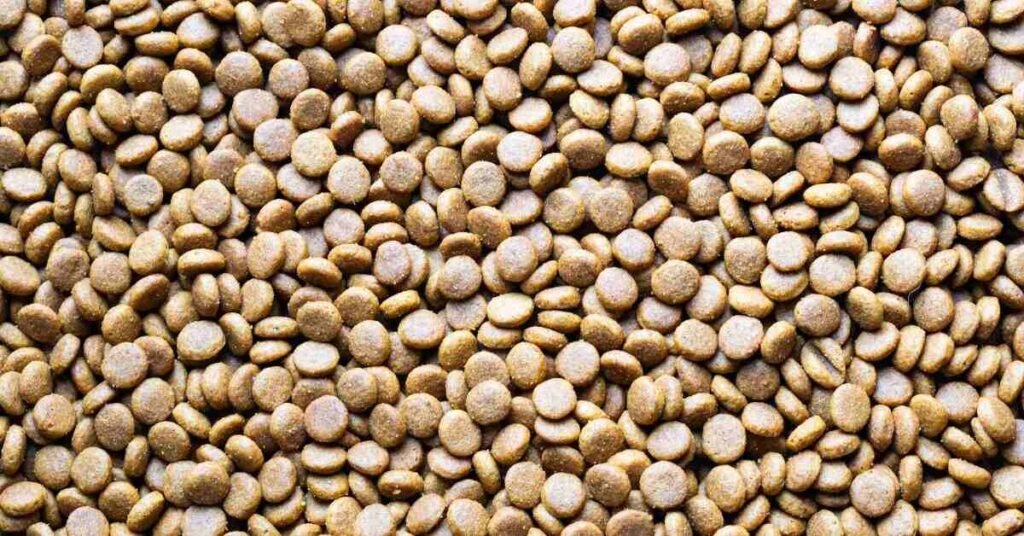
Black dog food offers a surprisingly wide range of products to suit different dogs and lifestyles. From puppy-specific formulas to specialized adult recipes, the range covers nearly every need. Protein variety is one of its strongest selling points, featuring chicken, lamb, ocean fish, and salmon options. Meanwhile, specialized formulas address specific health concerns like sensitive skin, weight management, and joint support. Each product in the range serves a distinct purpose rather than trying to be a one-size-fits-all solution. This thoughtful variety makes finding the right fit genuinely straightforward.
Understanding the full range helps you shop with greater confidence and clarity. The product lineup divides neatly into core recipes and health-focused specialty options. Core recipes focus on everyday nutrition using real proteins paired with wholesome vegetables and grains. Specialty formulas, on the other hand, target specific health goals with carefully selected functional ingredients. Additionally, the range covers different bag sizes to suit both small households and multi-dog families. Consequently, whether you’re feeding a growing puppy or managing an older dog’s joint health, the black dog food range likely has exactly what you need.
Chicken, Lamb, and Fish-Based Formulas Reviewed
Protein choice plays a bigger role in dog nutrition than most owners realize. Chicken-based formulas deliver lean, easily digestible protein ideal for everyday feeding. Lamb, meanwhile, offers a gentler alternative for dogs with chicken sensitivities or allergies. Fish-based recipes bring a completely different nutritional profile rich in omega-3 fatty acids. Each protein source supports your dog’s health in its own unique way. Consequently, understanding these differences helps you pick the formula that truly fits your dog.
| Formula Type | Key Protein | Main Benefits | Best Suited For |
| Chicken, Rice & Vegetables | Chicken | Lean protein, easy digestion | Everyday feeding, active dogs |
| Lamb, Rice & Vegetables | Lamb | Gentle on sensitive stomachs | Dogs with chicken allergies |
| Ocean Fish & Salmon | Ocean fish, salmon | Rich omega-3s, coat and joint health | Dogs needing skin and coat support |
| Large Breed Chicken | Chicken | Balanced calcium for bigger frames | Large and giant breed adults |
| Small Breed Lamb & Rice | Lamb | Concentrated nutrition, smaller kibble | Small and toy breed adults |
| Puppy Chicken Formula | Chicken | High protein, DHA for brain development | Growing puppies under 12 months |
Specialized Options for Sensitive Skin, Weight, and Joints
Not every dog thrives on a standard formula. Some need targeted nutritional support to manage specific health challenges. Sensitive skin conditions, weight struggles, and joint problems are among the most common issues dog owners face. Fortunately, black dog food addresses these concerns with purpose-built specialty formulas. Each one uses carefully selected ingredients to target the problem directly rather than masking symptoms. Consequently, the right specialized formula can genuinely transform your dog’s comfort and quality of life.
Here’s a closer look at the specialized options available:
| Specialized Formula | Key Ingredients | Primary Benefit | Best For |
| Sensitive Skin & Gut | Omega-3s, limited allergens | Reduces skin irritation and digestive sensitivity | Dogs with food allergies or intolerances |
| Weight Management | High fiber, lean protein, reduced fat | Supports healthy weight loss without hunger | Overweight or less active dogs |
| Joints & Muscles | Glucosamine, chondroitin, omega-3s | Strengthens joints and reduces stiffness | Senior dogs and large breeds |
| Dental Health | Crunchy kibble texture, natural minerals | Reduces plaque and tartar buildup naturally | Dogs prone to dental issues |
| Digestive Support | Prebiotics, easily digestible proteins | Promotes a balanced and healthy gut | Dogs with chronic digestive problems |
How to Choose the Right Black Dog Food for Your Dog

Picking the right black dog food feels overwhelming with so many options available. Starting with your dog’s age, size, and current health condition simplifies the process immediately. A growing puppy needs something completely different from a senior dog managing joint pain. Meanwhile, breed size also plays a role in determining the right kibble size and nutrient ratios. Allergies and food sensitivities narrow the choices down even further. Knowing these basics before you shop saves both time and money.
Here are the key factors to consider when making your choice:
- Life stage always match the formula to your dog’s current age group
- Breed size large and small breeds have different nutritional requirements
- Protein source choose chicken, lamb, or fish based on your dog’s tolerance
- Health conditions opt for specialized formulas if skin, weight, or joint issues exist
- Ingredient quality real meat should always appear as the first listed ingredient
- Budget balance affordability with nutritional value for long-term sustainability
Matching the Formula to Your Dog’s Breed and Size
Breed and size influence your dog’s nutritional needs more than most owners expect. Large breeds like German Shepherds and Golden Retrievers require controlled calcium levels to protect their joints as they grow. Smaller breeds have faster metabolisms and thrive on energy-dense formulas served in appropriately sized kibble. Meanwhile, certain breeds carry genetic predispositions to specific health issues that diet can help manage. Matching the formula to these breed-specific traits makes a genuine difference in long-term health outcomes. Getting this detail right from the start pays off significantly over time.
Kibble size matters just as much as nutritional content for different breeds. Larger dogs handle bigger kibble pieces comfortably and actually benefit from the slower chewing it encourages. Smaller dogs, however, struggle with oversized pieces and risk choking or poor digestion as a result. Additionally, large breed puppies need carefully controlled phosphorus and calcium ratios to prevent developmental bone problems. Consequently, never assume a standard formula covers every breed’s unique requirements adequately. Therefore, always check the breed and size recommendation printed clearly on the packaging before making your final purchase decision.
Plant vs. Animal Proteins: Which One Does Your Dog Need?
Protein source matters more than most dog owners realize. Dogs are naturally omnivores, meaning they can digest both plant and animal proteins. Animal proteins, however, provide a complete amino acid profile that dog bodies absorb and use most efficiently. Plant proteins like black beans and lentils offer valuable nutrients too, but they don’t always match animal protein’s bioavailability. Meanwhile, dogs with specific allergies sometimes respond better to carefully selected plant-based alternatives. Understanding both options helps you make a genuinely informed feeding decision.
Here’s a clear comparison between plant and animal proteins:
| Feature | Animal Protein | Plant Protein |
| Amino acid profile | Complete, all essential amino acids | Often incomplete, needs combining |
| Digestibility | High, easily absorbed by dogs | Moderate, harder to fully digest |
| Common sources | Chicken, lamb, salmon, fish | Black beans, lentils, peas |
| Best suited for | Most dogs at every life stage | Dogs with specific meat allergies |
| Muscle support | Excellent for building and maintaining muscle | Limited compared to animal sources |
| Omega fatty acids | Naturally rich, especially in fish | Lower levels overall |
| Cost | Generally higher | Typically more affordable |
How to Transition Your Dog to Black Dog Food

Rushing a food switch can throw your dog’s digestive system completely off balance. Gradual transitions give the gut time to adjust without causing unnecessary discomfort. Most vets recommend spreading the switch over seven to ten days for the smoothest results. Starting with a small amount of new food mixed into the old formula works best. Meanwhile, slowly increasing the ratio of new food over several days keeps digestion stable. Rushing this process often leads to loose stools, bloating, or a flat-out refusal to eat.
Every dog adjusts at their own pace, though. Some handle the transition within a week, while others need a little more time. Watching your dog’s stool consistency gives you the clearest signal about how well they’re adapting. Consequently, slowing down the transition becomes necessary if digestive upset appears at any point. Additionally, keeping fresh water available at all times supports smoother digestion throughout the switching period. Ultimately, patience during this process pays off with a dog that genuinely thrives on their new formula from day one.
A Simple Week-by-Week Switching Plan
A structured switching plan takes the guesswork out of transitioning your dog’s food. Breaking the process into weekly stages keeps digestion stable and stress levels low. Starting small and building gradually gives your dog’s gut the adjustment time it genuinely needs. Meanwhile, tracking your dog’s response at each stage helps you spot any concerns early. Most dogs complete a smooth transition within two weeks using this approach. Consequently, sticking to a clear plan makes the whole process far less intimidating for both you and your dog.
Here’s a simple week-by-week breakdown to follow:
Week One:
- Days 1-2: Serve 75% old food mixed with 25% black dog food
- Days 3-4: Shift to a 50/50 mix of old and new food
- Days 5-7: Move to 75% black dog food and 25% old food
Week Two:
- Days 8-10: Serve 90% black dog food with just a small amount of old food
- Days 11-14: Transition fully to 100% black dog food
Signs Your Dog Is Adjusting Well to the New Diet
Positive signs of a successful transition usually appear within the first two weeks. Well-formed, consistent stools signal that your dog’s digestive system is handling the new formula without any trouble. Energy levels tend to pick up noticeably as better nutrition starts taking effect. Meanwhile, a healthy appetite at mealtimes signals that your dog genuinely enjoys the new formula. Coat condition also begins improving as quality ingredients work their way into the system. Altogether, these early signs confirm the transition is heading in the right direction.
Here are the key positive signs to watch for during and after the switch:
- Firm, consistent stools indicate healthy digestion and good food tolerance
- Increased energy and playfulness show the body is absorbing nutrients effectively
- Healthy appetite at mealtimes confirms your dog enjoys and accepts the new food
- Shinier, softer coat: omega fatty acids from quality ingredients show visible results
- Reduced gas or bloating: Cleaner ingredients cause less digestive disruption
- Bright, clear eyes: a subtle but reliable sign of improving overall health
- Stable weight suggests calorie intake and nutritional balance are working correctly
Where to Buy Black Dog Food

Finding black dog food has become much easier in recent years. Several trusted retailers across the USA now stock a solid range of formulas both online and in physical stores. Pet specialty stores like PetSmart and Petco carry popular black dog food options alongside knowledgeable staff who can help you choose. Meanwhile, online platforms like Amazon, Chewy, and direct brand websites offer broader selections with convenient home delivery. Subscription options on these platforms also help you save money on regular purchases over time. Consequently, getting the right formula delivered straight to your door has never been more straightforward.
Not every retailer stocks the full product range, though. Therefore, checking the brand’s official website first gives you the clearest picture of everything available. Buying directly from the manufacturer also reduces the risk of receiving counterfeit or improperly stored products. Additionally, some veterinary clinics stock premium dog food brands and can order specific formulas on request. Comparing prices across multiple platforms before purchasing helps you find the best value without compromising on quality. Ultimately, choosing a reliable and reputable seller protects both your wallet and your dog’s health in equal measure.
Conclusion
Choosing the right food for your dog is one of the most impactful decisions you’ll ever make. Black dog food stands out because it prioritizes real ingredients over cheap fillers. Better nutrition shows up in your dog’s energy, coat, digestion, and overall happiness. Meanwhile, understanding what goes into the bowl puts you firmly in control of your dog’s health journey.
Throughout this guide, we’ve covered everything from ingredient quality to life-stage-specific formulas. Puppy and adult recipes serve very different purposes, and choosing correctly matters enormously. Specialized formulas for sensitive skin, weight management, and joint health add another layer of targeted support. Consequently, the black dog food range offers a genuine solution for nearly every dog’s unique nutritional needs.
Transitioning to black dog food doesn’t have to feel overwhelming either. A gradual, week-by-week switching plan keeps digestion stable and stress levels low. Watching for positive signs like shinier coats, better energy, and consistent stools confirms the new diet is working. Additionally, buying from trusted and verified retailers protects both your investment and your dog’s safety.
Above all, your dog depends entirely on the choices you make for them every single day. Good nutrition isn’t a luxury reserved for certain breeds or budgets. Instead, it’s a fundamental part of responsible and loving dog ownership. Therefore, take what you’ve learned here and use it to give your dog the healthiest, happiest life possible starting today.
FAQs
What exactly is black dog food and how is it different from regular dog food?
Black dog food is a premium category of pet food made with high-quality, natural ingredients like real meat, wholesome grains, and functional additives. Unlike regular brands that rely heavily on fillers and artificial preservatives, black dog food prioritizes clean, purposeful nutrition in every formula. Consequently, dogs fed on premium formulas often show noticeable improvements in energy, digestion, and coat condition. The difference shows up clearly over time.
Is black dog food suitable for all dog breeds and sizes?
Most black dog food brands offer breed and size-specific formulas to cover different nutritional needs. Large breeds require controlled calcium levels and joint-supporting nutrients, while smaller breeds need energy-dense formulas in appropriately sized kibble. Meanwhile, specialized options for sensitive skin, weight management, and dental health make the range even more versatile. Therefore, there’s genuinely something suitable for almost every dog regardless of breed or size.
How long does it take to see results after switching to black dog food?
Most owners notice early improvements within two to four weeks of completing the transition. Shinier coat condition and better energy levels are typically the first visible changes. Digestive improvements like consistent stools usually follow shortly afterward. Consequently, patience during and after the switching period pays off with genuinely visible health benefits over time.
Can puppies eat the same black dog food formula as adult dogs?
Puppies should never share an adult formula, since their nutritional requirements differ significantly. Growing puppies need higher protein levels, elevated calcium, and DHA for healthy brain and bone development. Adult formulas, meanwhile, focus on weight maintenance and long-term organ health rather than rapid growth support. Therefore, always choose a formula specifically labeled and designed for your puppy’s current life stage.
Where is the safest place to buy authentic black dog food in the USA?
Purchasing directly from the brand’s official website guarantees product authenticity and proper storage handling. Trusted retailers like Chewy, PetSmart, and Petco also carry verified products with reliable customer support. Meanwhile, avoiding unverified third-party sellers on marketplace platforms reduces the risk of receiving counterfeit or improperly stored products. Ultimately, cross-checking any seller against the brand’s official authorized retailer list before purchasing offers the strongest protection for both your wallet and your dog’s health.

DogsVibes Editorial Team creates trusted, research-based dog care content to help pet owners keep their dogs healthy, happy, and safe.