

Introduction
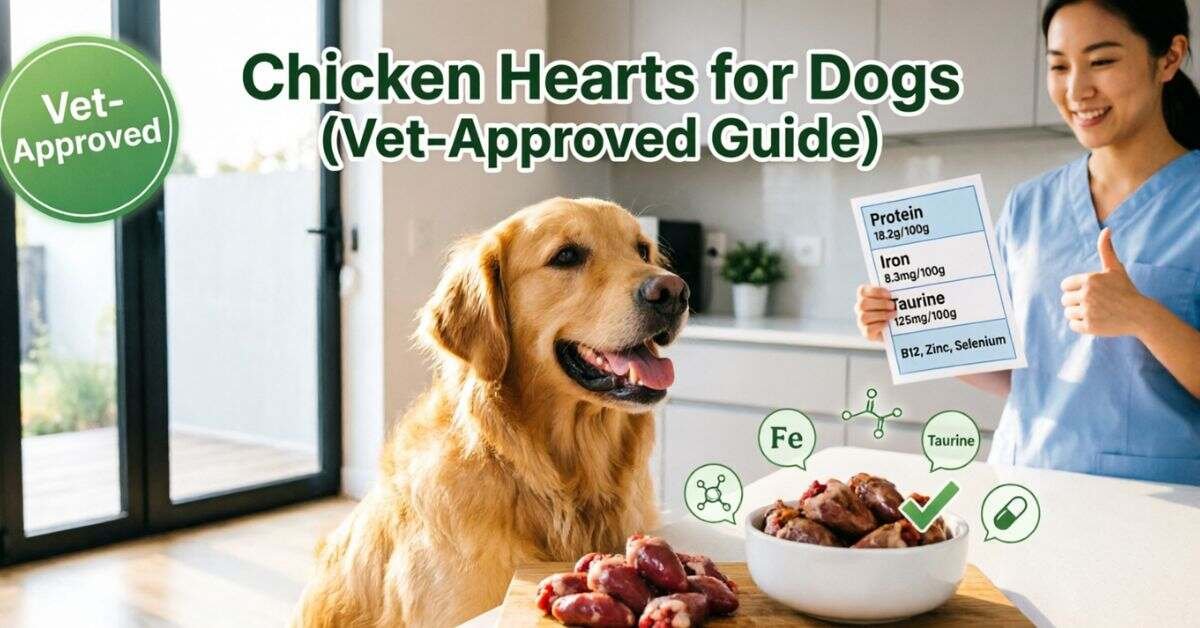
Chicken hearts for dogs are small, nutrient-rich organ meats that can be added to your dog’s diet. They are high in protein and contain important vitamins and minerals. Many pet owners use them as treats or mix them into regular meals. When prepared properly, they can support your dog’s overall health.
Many dog owners are unsure if chicken hearts are safe to feed. Some worry about fat content or how much to give. The truth is, when fed in the right amount, they can be a healthy addition. Knowing the correct way to serve them makes all the difference.
In this guide, you will learn the benefits and possible risks of feeding chicken hearts. You will also find simple feeding tips and portion advice. This will help you give your dog a safe and balanced diet.
Are Chicken Hearts Good for Dogs

Chicken hearts are generally safe and healthy for dogs when fed in the right amount. They are a type of organ meat, also called “offal.” These small pieces are rich in protein and important nutrients. Many dog owners use them as treats or mix them into meals. Dogs usually love the taste, which makes them a great natural option.
Chicken hearts can support your dog’s overall health when given properly. They contain taurine, which helps with heart function. They also provide vitamins and minerals that boost energy and immunity. However, they should not replace a complete diet. Balance is important to keep your dog healthy.
Key benefits of chicken hearts for dogs:
- High in protein for muscle strength
- Rich in taurine for heart health
- Contains iron, zinc, and B vitamins
- Supports energy and the immune system
- Tasty and easy to add to meals
Key Nutritional Benefits of Chicken Hearts
Chicken hearts are packed with nutrients that help dogs stay strong and active. They are rich in high-quality protein, which supports muscle growth and repair. They also contain taurine, an important amino acid that helps keep your dog’s heart healthy. Many dogs benefit from the natural vitamins found in organ meats like this.
These small organs also provide essential minerals that support overall health. Iron helps with healthy blood, while zinc boosts the immune system. Chicken hearts also contain B vitamins that improve energy levels and support brain function. When fed in moderation, they can be a great addition to a balanced diet.
Nutritional benefits of chicken hearts:
- High-quality protein for muscle health
- Taurine for heart and eye support
- Iron for healthy blood circulation
- Zinc for a stronger immune system
- B vitamins for energy and metabolism
Why Vets Recommend Organ Meats for Dogs
Many vets suggest adding organ meats to a dog’s diet in small amounts. Organ meats are very rich in nutrients that dogs need to stay healthy. They provide natural vitamins and minerals that are often higher than those in regular muscle meat. This makes them a powerful addition to a balanced diet.
Organ meats also support important body functions in dogs. They help improve energy, support the immune system, and keep organs working properly. However, vets always recommend feeding them in moderation. Too much can upset the balance of your dog’s diet, so it’s best to use them as a supplement, not the main meal.
Can Dogs Eat Chicken Hearts Raw or Cooked?

Dogs can eat chicken hearts both raw and cooked. Both options come with their own advantages and potential risks. Raw chicken hearts keep more natural nutrients, which some dog owners prefer. However, raw meat may carry bacteria that can upset your dog’s stomach if not handled properly.
Cooked chicken hearts are usually a safer choice for most dogs. Light cooking, like boiling, can reduce the risk of harmful germs. It also helps dogs digest them more easily, especially those with sensitive stomachs. Avoid adding salt, oil, or spices. Always serve plain food in small amounts to keep your dog healthy.
Freeze-Dried vs Dehydrated Chicken Hearts Explained
Freeze-dried and dehydrated chicken hearts are both popular healthy treats for dogs. They are made by removing moisture, which helps preserve the meat for a longer time. Freeze-drying uses very low temperatures, while dehydration uses gentle heat. Both options are convenient, lightweight, and easy to store.
The main difference is in how nutrients and texture are preserved. Freeze-dried chicken hearts usually keep more original nutrients and have a lighter, crisp texture. Dehydrated hearts are a bit chewier and may lose a small amount of nutrients due to heat. Both are safe choices, but your decision depends on your dog’s preference and your budget.
| Feature | Freeze-Dried Chicken Hearts | Dehydrated Chicken Hearts |
| Processing Method | Frozen and dried in a vacuum | Slowly dried with heat |
| Nutrient Retention | Very high (closer to raw) | Moderate (some loss of nutrients) |
| Texture | Light, crispy, airy | Chewy, firm |
| Taste for Dogs | Strong natural flavor | Mild but still tasty |
| Shelf Life | Very long | Long |
| Storage | No refrigeration needed | No refrigeration needed |
| Digestion | Easy for most dogs | Easy but slightly heavier |
| Cost | Usually more expensive | More budget-friendly |
| Best For | Training treats, premium diets | Daily snacks, budget feeding |
How Much Chicken Hearts Can Dogs Eat Safely?
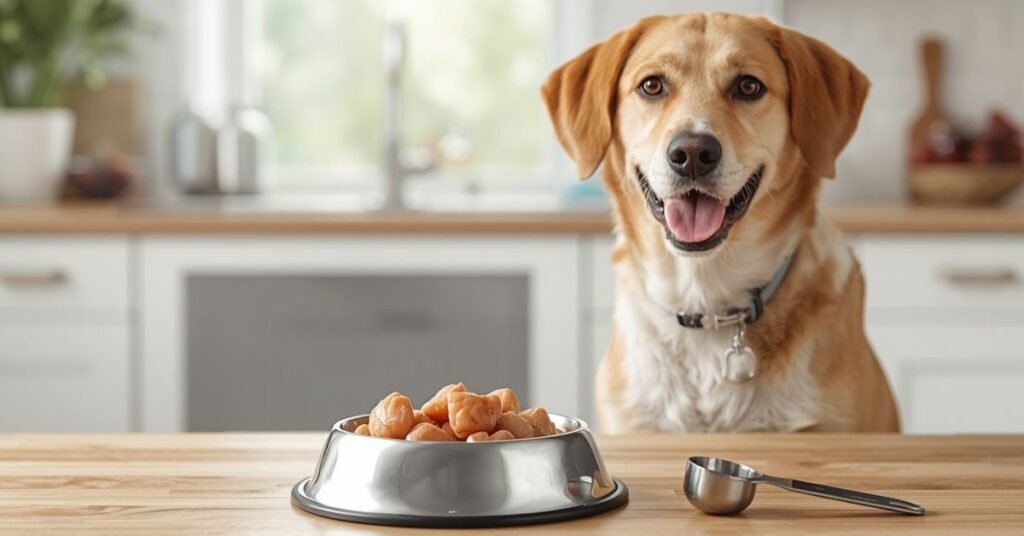
Chicken hearts should be given to dogs in moderation. They are rich in nutrients, so even a small amount can be enough. The right portion depends on your dog’s size, age, and daily diet. Treats like chicken hearts should only make up a small part of their overall food intake.
Feeding too many chicken hearts can upset your dog’s stomach or cause an unbalanced diet. It is always better to start with a small amount and watch how your dog reacts. If your dog tolerates them well, you can slowly adjust the portion.
General feeding guide:
- Small dogs: 1–2 chicken hearts per day
- Medium dogs: 2–4 chicken hearts per day
- Large dogs: 4–6 chicken hearts per day
- Treats should not exceed 10% of daily food intake
Daily Serving Size Based on Dog Weight
The daily serving size of chicken hearts depends on your dog’s body weight. Smaller dogs need fewer pieces, while larger dogs can handle more. Chicken hearts are rich in nutrients, so even a small portion is enough to provide benefits. They should always be given as a treat, not a main meal.
It is best to start with a small amount and adjust based on your dog’s reaction. Always observe digestion and energy levels after feeding. Overfeeding can cause stomach upset or an unbalanced diet, so portion control is very important.
General daily guide by weight:
- Small dogs (under 10 kg): 1–2 chicken hearts
- Medium dogs (10–25 kg): 2–4 chicken hearts
- Large dogs (25+ kg): 4–6 chicken hearts
- Always keep treats under 10% of daily food intake
Signs You’re Feeding Too Much
Even healthy treats like chicken hearts can cause issues if you give too many. Dogs have sensitive digestive systems, and excess organ meat can quickly throw their balance off. Over time, it may also affect their regular eating habits and overall nutrition.
If the portion is too high, your dog’s body will usually show clear warning signs. These changes may start small but can become more noticeable if you continue overfeeding.
Early warning signs of overfeeding chicken hearts:
- Softer or more inconsistent stool after meals
- Unusual tiredness or low energy
- Refusing or eating less regular dog food
- Bad-smelling gas or frequent bloating
- Itchy skin or mild food sensitivity reactions
- Sudden weight changes (gain or loss)
How to Prepare Chicken Hearts for Dogs

Chicken hearts are easy to prepare at home, but they must be handled cleanly and simply. The goal is to keep them natural, safe, and free from any harmful ingredients. Dogs do not need seasoning, so plain preparation is always best.
You can prepare them using basic cooking methods that keep the nutrients intact while reducing health risks. Once cooked, they should be cooled properly before serving to your dog. This helps prevent burns and improves digestion.
Simple preparation steps:
- Rinse chicken hearts thoroughly under clean water
- Trim off extra fat or blood clots if needed
- Boil or lightly steam until fully cooked
- Let them cool to room temperature
- Cut into small, dog-friendly pieces
- Serve plain with no salt, oil, or spices
Safe Cooking Methods: Boiling, Baking, Air-Drying
There are a few safe ways to prepare chicken hearts for dogs. The most common methods are boiling, baking, and air-drying. Each method keeps the food simple and avoids harmful ingredients. The goal is to cook the hearts without adding salt, oil, or spices.
Boiling is the easiest and safest method for beginners. Baking gives a slightly firmer texture, which some dogs enjoy. Air-drying is great for making long-lasting treats at home. All methods help make chicken hearts safe while keeping them tasty for dogs.
| Method | How It Works | Texture Result | Nutrient Retention | Safety Level | Best Use |
| Boiling | Cook in water until fully done | Soft and tender | High (minimal loss) | Very safe | Every day feeding, sensitive dogs |
| Baking | Cook in the oven at low-medium heat | Slightly firm | Moderate | Very safe | Training treats, chewy snacks |
| Air-Drying | Dry slowly with low heat or a dehydrator | Dry and chewy | High | Very safe | Long-term storage, travel treats |
| Raw (not cooking) | Served without heat | Natural and soft | Highest | Risky | Only for experienced raw feeders |
How to Store and Serve Properly
Chicken hearts need careful storage to stay fresh and safe for your dog. Raw hearts should be kept cold at all times and used quickly to avoid spoilage. If you are not using them soon, freezing is the safest option and helps preserve quality. Cooked hearts should be stored only after they cool down completely.
Serving also matters for your dog’s safety and digestion. Always make sure the food is fresh, clean, and properly cooled before offering it. Cut the hearts into small, easy-to-chew pieces based on your dog’s size. Keep them plain and natural so your dog gets the full health benefit without any risk.
Simple storage & serving rules:
- Refrigerate raw chicken hearts and use within 24–48 hours
- Freeze in small portions for longer storage
- Let cooked hearts cool fully before storing
- Use airtight containers to maintain freshness
- Serve in small, bite-sized pieces
- Never add salt, spices, or seasoning.
Health Benefits of Chicken Hearts for Dogs

Chicken hearts are a highly nutritious organ meat that can naturally boost your dog’s health. They are rich in clean, bioavailable protein that supports muscle strength and body repair. They also contain key nutrients that help maintain energy and overall vitality. When added in small amounts, they work as a powerful supplement to a balanced diet.
These organ meats also support internal health in multiple ways. They contain taurine, which plays an important role in heart function and eye health. They also provide iron, zinc, and B vitamins that help improve blood quality, immunity, and metabolism. This makes them a valuable occasional addition to your dog’s meals.
Key health benefits:
- Helps build and maintain lean muscle
- Supports heart health with natural taurine
- Improves energy and stamina levels
- Strengthens immune system defenses
- Supports healthy blood and metabolism
- Provides essential vitamins and minerals naturally
Taurine Support for Heart Health
Chicken hearts are a natural source of taurine, an important amino acid for dogs. Taurine plays a key role in keeping the heart strong and working properly. It helps support normal heart muscle function and healthy blood flow. This makes chicken hearts a helpful food for maintaining cardiovascular health.
Taurine also supports overall vitality in dogs. It helps reduce the risk of heart-related issues when included as part of a balanced diet. Many vets value taurine-rich foods for dogs with higher nutritional needs. However, it should always be given in moderation along with complete dog food.
Key points about taurine benefits:
- Supports strong and healthy heart function
- Helps maintain proper blood circulation
- Aids in overall cardiovascular health
- Works best as part of a balanced diet
Protein, Vitamins & Energy Boost
Chicken hearts are packed with high-quality protein that helps dogs build strong muscles and stay active. Protein also supports tissue repair and overall growth. This makes chicken hearts a great natural food for energetic and growing dogs. They provide steady fuel for daily activity.
They also contain important vitamins and minerals that boost energy levels. B vitamins help convert food into energy, while iron supports healthy blood. Together, these nutrients help your dog feel more active, strong, and healthy throughout the day.
| Nutrient | Role in the Dog’s Body | Health Benefit | Result for Dogs |
| Protein | Builds and repairs muscles | Supports growth and strength | Stronger body and better stamina |
| B Vitamins | Converts food into energy | Improves metabolism | More energy and activity |
| Iron | Supports red blood cells | Improves oxygen flow | Better endurance and vitality |
| Zinc | Supports the immune system | Helps with healing and skin health | Stronger immunity |
| Phosphorus | Supports bones and teeth | Aids structural strength | Healthy bones and joints |
Risks and Precautions When Feeding Chicken Hearts
Chicken hearts are nutritious, but they must be fed carefully. Too much can quickly upset your dog’s digestive system. Because they are rich in organ nutrients, overfeeding may also lead to an unbalanced diet over time. Some dogs may also be more sensitive than others.
Safe feeding habits are very important. Always start with small portions and observe your dog’s reaction. Handle and store the meat properly to reduce any risk of contamination. Chicken hearts should stay a treat, not a main food source.
Key safety precautions:
- Feed in small amounts to avoid stomach upset
- Introduce slowly for new dogs or puppies
- Keep portions balanced with regular dog food
- Store raw meat properly to prevent bacterial growth
- Cook plain with no salt, oil, or spices
- Stop feeding if you notice vomiting, diarrhea, or itching
Can Chicken Hearts Cause Allergies or Digestive Issues?
Yes, chicken hearts can sometimes cause allergies or digestive issues in certain dogs. This is more likely to happen in dogs that are sensitive to chicken or have a delicate digestive system. Because chicken hearts are rich and nutrient-dense, they may feel heavy for some dogs if introduced too quickly.
Most dogs handle chicken hearts well when they are fed in small amounts. However, it is important to watch your dog closely after feeding them for the first time. Any new food can cause a reaction, especially in dogs with food sensitivities.
Possible signs of problems:
- Loose stool or diarrhea
- Vomiting or nausea
- Itchy skin or scratching
- Gas or bloating
- Loss of appetite
Which Dogs Should Avoid Chicken Hearts?
Chicken hearts are healthy for many dogs, but they are not suitable for every dog. Some dogs have special health conditions or food sensitivities that make organ meats harder to digest. In these cases, chicken hearts may cause discomfort or worsen existing issues. It is always best to be careful before adding them to the diet.
Certain dogs may need to avoid chicken hearts or only eat them under veterinary advice. This helps prevent digestive stress and keeps their diet balanced and safe.
Dogs that should avoid or limit chicken hearts:
- Dogs with chicken allergies or protein sensitivities
- Dogs with pancreatitis or fat-related health issues
- Dogs with very sensitive stomachs or chronic diarrhea
- Overweight dogs on strict calorie-controlled diets.
- Dogs on special veterinary diets (unless approved by a vet)
Can Puppies and Senior Dogs Eat Chicken Hearts?

Yes, puppies and senior dogs can eat chicken hearts, but only in small and controlled amounts. These life stages have different nutritional needs, so portion control is very important. Chicken hearts can provide extra protein and nutrients, but they should never replace a complete puppy or senior dog diet.
It is best to introduce them slowly and observe how your dog responds. Puppies may need softer, smaller pieces, while senior dogs may need easier-to-digest portions. Always keep servings plain and simple to avoid any digestive stress.
| Category | Can They Eat Chicken Hearts? | Portion Size | Preparation Style | Key Precautions |
| Puppies (8+ weeks) | Yes, in small amounts | 1–2 small pieces | Boiled and soft | Introduce slowly, avoid overfeeding |
| Small Breed Puppies | Yes, very limited | 1 small piece | Soft-boiled, chopped | Watch for allergies or diarrhea |
| Senior Dogs | Yes, moderately | 2–4 pieces (based on size) | Boiled or lightly cooked | Easy-to-chew texture needed |
| Dogs with Health Issues | Only if approved | Vet-guided portion | Vet-recommended method | Check for digestive sensitivity |
Feeding Guidelines for Puppies
Puppies can eat chicken hearts, but only in very small amounts. Their digestive system is still developing, so they need gentle and easy-to-digest foods. Chicken hearts should be introduced slowly and always as a small treat, not a main meal. Overfeeding can easily upset their stomach.
It is best to start with soft, well-cooked pieces. Watch your puppy closely after the first few servings. If there are no signs of stomach upset, you can continue feeding in small portions.
Feeding tips for puppies:
- Start with 1 small piece at a time
- Always cook until soft and fully done
- Chop into tiny, bite-sized pieces
- Feed 2–3 times per week only
- Avoid raw chicken hearts for puppies
- Stop if diarrhea, vomiting, or itching occurs
Adjusting Portions for Older Dogs
Older dogs need smaller and more careful portions of chicken hearts. Their digestion is usually slower, and they may not handle rich foods as easily as younger dogs. That is why it is important to reduce the serving size and keep meals simple. Chicken hearts should always be given as a light treat, not a heavy food.
It is also important to observe how senior dogs react after eating them. Some older dogs may need softer and more fully cooked pieces for easier chewing and digestion. Always adjust portions based on your dog’s health, weight, and energy level.
Portion tips for senior dogs:
- Give smaller servings than adult dogs
- Cook thoroughly for easier digestion
- Cut into soft, bite-sized pieces
- Start with 1–2 pieces and add just slowly
- Monitor for any stomach discomfort or changes
Best Way to Add Chicken Hearts to Your Dog’s Diet

The best way to add chicken hearts to your dog’s diet is to use them as a supplement, not a main food. They should support your dog’s regular balanced meals. Start with small amounts and slowly increase if your dog tolerates them well. This helps avoid stomach upset and keeps digestion smooth.
Chicken hearts can be served in different ways depending on your dog’s needs. They work well as treats, meal toppers, or training rewards. Always keep them plain and properly prepared.
Simple ways to add chicken hearts:
- Use as small training treats during lessons
- Mix a few pieces into regular kibble or wet food
- Serve as an occasional healthy snack
- Lightly boil or cook before serving
- Chop into small pieces for easy chewing
- Introduce slowly and monitor your dog’s reaction
Using as Treats, Toppers, or Meal Mix
Chicken hearts are very flexible and can be used in different ways in your dog’s diet. You can give them as treats during training, mix them into meals, or use them as a tasty topper. This makes regular food more exciting and helps picky eaters enjoy their meals.
Each method has its own purpose depending on your dog’s needs. Treats are best for rewards, toppers improve meal taste, and meal mix adds extra nutrition in small amounts. Always keep portions small and balanced.
| Method | How to Use | Best For | Portion Size | Benefits |
| Treats | Give small pieces during training | Training & rewards | 1–2 pieces per session | Motivates learning and focus |
| Meal Topper | Add a few pieces on top of the food | Picky eaters | 2–4 pieces per meal | Improves taste and appetite |
| Meal Mix | Mix chopped hearts into regular food | Nutritional boost | A small portion mixed in food | Adds protein and nutrients |
| Occasional Snack | Serve as a standalone treat | General feeding | Based on dog size | Healthy reward option |
Choosing High-Quality Chicken Hearts
Choosing high-quality chicken hearts is very important for your dog’s health. Fresh and clean sources ensure better nutrition and reduce the risk of contamination. Always try to buy from trusted suppliers or brands that follow proper food safety standards. Poor-quality meat can cause digestive issues or health problems.
It is also important to check how the chicken hearts are processed and stored. Fresh, frozen, or properly freeze-dried options are usually the safest. Avoid products with additives, preservatives, or artificial flavors, as dogs do not need them.
What to look for in high-quality chicken hearts:
- Fresh smell with no bad odor
- Clean packaging and proper labeling
- No added salt, spices, or preservatives
- Sourced from trusted farms or brands
- Properly stored (frozen or freeze-dried)
- Single-ingredient products only
Conclusion
Chicken hearts can be a healthy and natural treat for most dogs. They are rich in protein, vitamins, and important nutrients. When fed in the right amount, they can support your dog’s overall health and energy.
They are easy to prepare and can be given in different ways. You can serve them boiled, baked, or freeze-dried. Many dogs enjoy the taste, which makes them useful as treats or meal toppers.
However, balance is very important. Chicken hearts should never replace a complete and balanced dog food. Overfeeding can lead to stomach issues or an unbalanced diet over time.
In conclusion, chicken hearts are safe and beneficial when used correctly. Always feed in moderation, prepare them properly, and watch your dog’s reaction. This simple care will help keep your dog healthy and happy.
FAQs
Are chicken hearts good for dogs?
Yes, chicken hearts are very good for most dogs when fed in moderation. They are rich in protein, taurine, and essential vitamins. These nutrients help support heart health, energy, and muscle strength. However, they should always be part of a balanced diet, not the main food.
Can dogs eat chicken hearts every day?
Dogs can eat chicken hearts, but not every day in large amounts. Overfeeding can cause digestive issues or an unbalanced diet. It is best to give them as an occasional treat or meal topper. Always follow proper portion sizes based on your dog’s weight.
Should chicken hearts be raw or cooked?
Both raw and cooked chicken hearts can be fed to dogs, but cooked is usually safer. Cooking helps remove harmful bacteria and makes them easier to digest. Raw feeding should only be done with proper handling and hygiene. Always avoid seasoning or spices.
Can puppies eat chicken hearts?
Yes, puppies can eat chicken hearts in small amounts. They should be soft-cooked and cut into tiny pieces for easy chewing. Start slowly to make sure your puppy tolerates them well. Too much can upset their sensitive stomach.
Do chicken hearts cause allergies in dogs?
Some dogs may be allergic to chicken or sensitive to organ meats. In such cases, chicken hearts can cause itching, vomiting, or diarrhea. If you notice any reaction, stop feeding immediately. Always add new foods to your dog’s diet gradually and with care.
.

DogsVibes Editorial Team creates trusted, research-based dog care content to help pet owners keep their dogs healthy, happy, and safe.