

Introduction
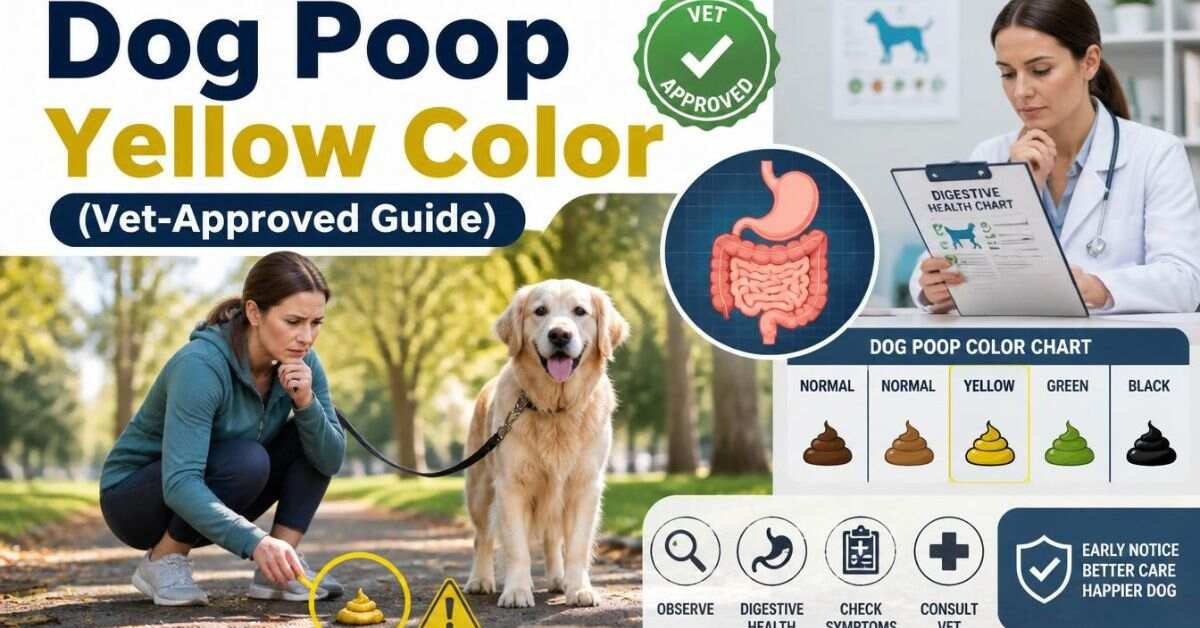
Dog poop yellow color means your dog’s stool looks pale yellow, mustard, or bright yellow instead of normal brown. This color change usually points to a problem with digestion. It may happen when food moves too fast through the gut or when bile is not working properly. Sometimes, it is mild and temporary, but other times it can signal a health issue.
Seeing yellow poop can be worrying for any dog owner. You may start asking questions like, “Is this normal?” or “Does my dog need a vet?” The truth is, yellow stool can have many causes. Some are harmless, while others need quick attention. Knowing the difference is very important for your dog’s health.
In this guide, you will learn what causes yellow dog poop, the warning signs to watch for, and what you should do next. We will also explain when to stay calm and when to take action. This will help you keep your dog safe and healthy.
Yellow Dog Poop Explained for Every Dog Owner
Yellow dog poop is not normal in most cases. Healthy dog stool is usually brown. The brown color comes from bile during digestion. When poop turns yellow, it can mean food is moving too fast in the gut. It can also point to diet issues or mild stomach upset. Sometimes it happens after a sudden change in diet. In other cases, it may signal a deeper health problem.
It is important to watch your dog closely when this happens. One yellow stool may not be serious. But if it keeps happening, you should pay attention. Look for other signs that can help you understand the cause. Early action can prevent bigger pdigestiveater.
Key facts to remember:
- Yellow poop often links to digestive problems
- Sudden diet changes can trigger it
- Parasites or infections may be a cause
- Liver or bile issues can affect stool color
- Ongoing yellow stool needs vet attention
- Always check for other symptoms like vomiting or low energy
What Yellow Stool in Dogs Usually Indicates
Yellow stool in dogs usually points to a problem with digestion. It often means food is moving too quickly through the intestines. When this happens, bile does not have enough time to turn the stool brown. As a result, the poop looks yellow or pale. This can happen after a sudden change in diet or eating something unusual.
In some cases, yellow poop can signal health issues. It may be linked to food intolerance, parasites, or mild infections. Problems with the liver, gallbladder, or pancreas can also affect stool color. If the yellow stool continues or comes with other symptoms, it should not be ignored.
When It’s Temporary vs. a Warning Sign
Yellow dog poop is sometimes temporary. It can happen after a quick diet change or eating something unusual. In these cases, your dog may still act normally. Energy, appetite, and behavior stay the same. The stool usually returns to normal within a day or two. This type is often mild and not dangerous.
However, yellow poop can also be a warning sign. If it lasts for several days, it may point to a health problem. Watch for signs like vomiting, diarrhea, or low energy. These symptoms mean something deeper could be wrong. In such cases, it is safer to contact a vet early. Acting fast can protect your dog’s health.
| Situation | Temporary (Usually Safe) | Warning Sign (Needs Attention) |
| Duration | Lasts 1–2 days | Lasts more than 2–3 days |
| Dog’s Energy | Normal and active | Low energy or weakness |
| Appetite | Eating normally | Loss of appetite |
| Stool Consistency | Slightly soft | Very loose or watery |
| Other Symptoms | No other signs | Vomiting, diarrhea, mucus |
| Cause | Diet change or mild upset | Infection, parasites, organ issues |
| Frequency | Happens once or rarely | Happens often or लगातार |
| Action Needed | Monitor at home | Visit a veterinarian |
What Normal Dog Poop Should Look Like
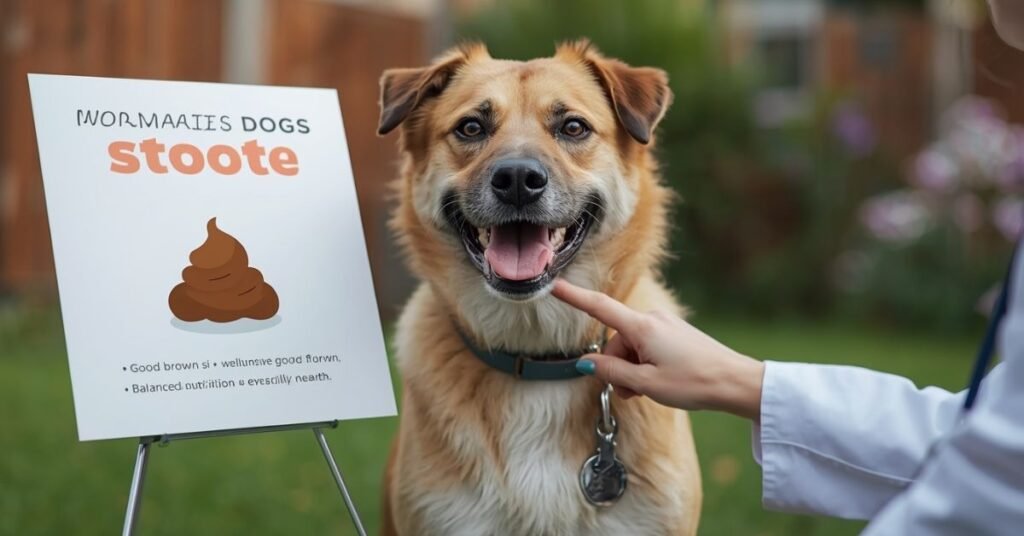
Normal dog poop is usually medium to dark brown in color. This shows that digestion is working well. The stool should be solid but not overly hard. It should hold its shape when picked up. Healthy poop is easy to pass and does not leave much mess. A slight smell is normal, but it should not be very strong or foul.
You should also notice a regular pattern in your dog’s bathroom habits. Most dogs have a bowel movement about one to three times each day. The size and amount depend on diet and body size. Any sudden change in color, shape, or frequency can be a sign of a problem. Keeping an eye on your dog’s poop helps you catch health issues early.
Healthy Color, Texture, and Frequency
Healthy dog poop has a natural brown color. This shows normal digestion and proper bile flow. The texture should be firm and easy to pick up. It should not be too dry, too soft, or watery. A healthy stool keeps its shape but is not rock-hard. A normal smell is expected, but it should not be very strong or bad.
The frequency of pooping is also important for health checks. Most dogs defecate about one to three times each day. This can change based on diet, age, and activity level. Sudden changes in color, texture, or timing may signal a problem. Watching these signs helps you notice health issues early.
| Feature | Healthy Sign | Warning Sign |
| Color | Brown | Yellow, black, green, or red |
| Texture | Firm and formed | Very hard, soft, or watery |
| Shape | Holds shape | Loose or shapeless |
| Smell | Mild odor | Very strong or foul smell |
| Frequency | 1–3 times daily | Sudden increase or decrease |
| Consistency | Stable over time | Sudden changes often |
How Yellow Poop Compares to Normal Stool
Yellow poop is much different from normal dog stool. Healthy stool is usually brown, firm, and well-formed. Yellow stool often looks lighter, ssofter or even watery. It may also have a strange smell. This color change usually means digestion is not working the way it should.
Normal stool shows a healthy digestive system. Yellow stool can signal a mild issue or a more serious problem. It is important to compare both so you can notice changes quickly. Here are some simple differences:
- Color: Normal is brown, yellow is not
- Texture: Normal is firm, yellow is often soft
- Shape: Normal holds shape, yellow may be loose
- Smell: Normal is mild, yellow can smell stronger
- Meaning: Normal = healthy digestion, Yel low = possible issue
Common Causes of Yellow Dog Poop
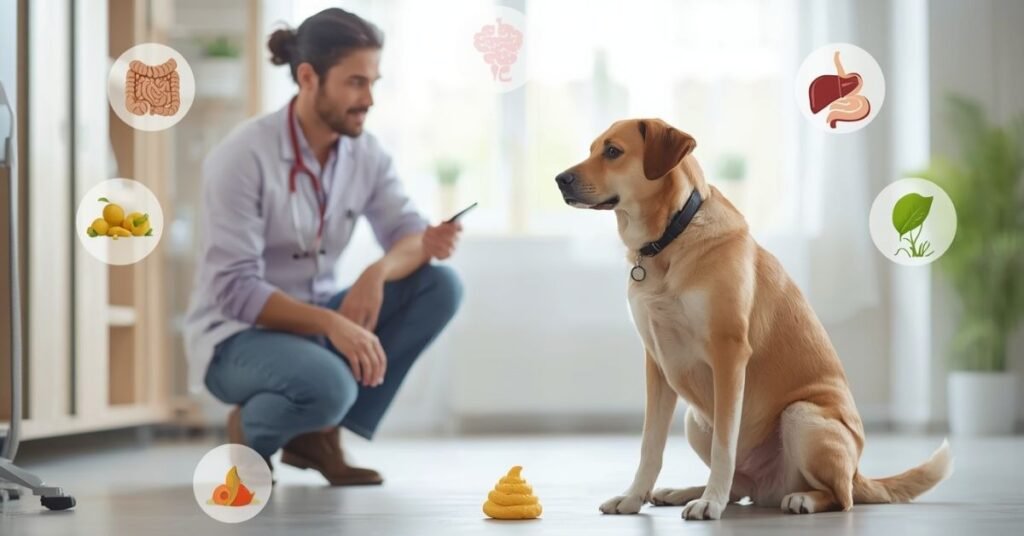
Yellow dog poop can happen for many different reasons. One of the most common causes is a sudden shift in diet. When dogs eat new food too quickly, their digestion can get upset. This may causethe stool to turn yellow. Eating fatty foods or table scraps can also affect poop color. Sometimes, mild stomach upset is the only reason.
In other cases, yellow stool can be linked to health problems. Parasites, infections, or poor digestion may be involved. Issues with the liver, gallbladder, or pancreas can also change stool color. Stress and food intolerance may play a role as well. If the problem continues, it is important to monitor your dog closely.
Diet Changes, Food Sensitivities, and Fat Intake
Diet plays a big role in your dog’s stool color. A sudden change in food can upset the digestive system. When this happens, poop may turn yellow, or high-fat sensitivities can also cause problems. Some dogs cannot tolerate certain ingredients like grains, dairy, or artificial additives. Fatty foods are another common trigger for yellow stool.
High-fat intake can make digestion harder for dogs. It may speed up gut movement and affect bile processing. This often leads to yellow or loose stool. Watching your dog’s diet carefully can help prevent these issues. Small, steady changes in food are always safer than sudden switches.
| Factor | How It Affects Digestion | Possible Result in Stool |
| Sudden diet change | Upsets gut balance | Yellow or soft stool |
| Food sensitivities | Triggers mild inflammation | Loose or discolored poop |
| High-fat foods | Speeds up digestion | Yellow, greasy stool |
| Artificial additives | Irritates stomach | Irregular stool color |
| Poor-quality food | Weak nutrient absorption | Unhealthy stool consistency |
Parasites, Infections, and Digestive Disorders
Parasites and infections are common causes of yellow dog poop. Worms or harmful bacteria can disturb normal digestion. When this happens, food does not break down properly. This can cause the stool color to turn yellow. Dogs may also show other signs, such as diarrhea or weakness. These problems need quick attention to avoid getting worse.
Digestive disorders can also affect stool color and consistency. Conditions like inflammation in the gut can stop proper nutrient absorption. This may lead to yellow, soft, or irregular poop. If the digestive system is not working well, the stool often changes in color and texture. A vet check is important if symptoms continue.
| Cause | What It Does in the Body | Common Stool Result | Other Signs |
| Intestinal parasites | Damage gut lining and absorb nutrients | Yellow or loose stool | Weight loss, itching, fatigue |
| Bacterial infection | Disrupts normal digestion | Watery or yellow diarrhea | Fever, vomiting, weakness |
| Viral infection | Affects gut function | Soft, discolored stool | Loss of appetite, lethargy |
| Inflammatory bowel disease | Causes gut inflammation | Yellow or mucus-filled stool | Chronic diarrhea, pain |
| Poor digestion | Nutrients not absorbed properly | Pale or yellow stool | Gas, bloating, discomfort |
Medical Reasons Behind Yellow Stool in Dogs
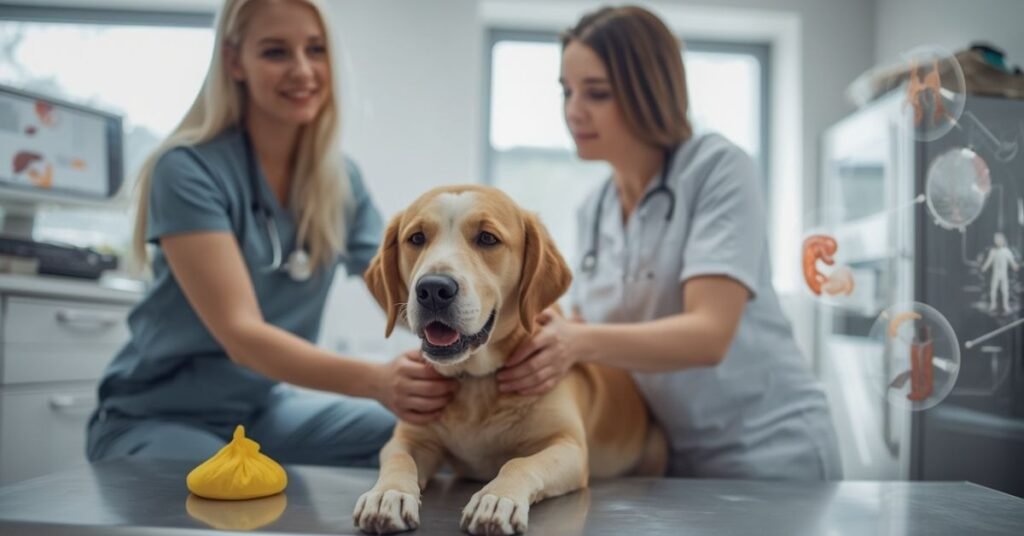
Yellow stool in dogs can sometimes point to medical problems. Issues with the liver, gallbladder, or pancreas can affect how food is digested. These organs help process bile, which gives stool its normal brown color. When they are not working properly, the stool may turn yellow or pale. This is often more serious than a simple diet issue.
Some medical conditions can also slow down or speed up digestion. This can change how food moves through the gut. As a result, the stool may not form normally and can appear yellow. If the problem continues, it should not be overlooked. A vet check is important to find the exact cause and start proper treatment.
Liver and Gallbladder Conditions
The liver and gallbladder play an important role in digestion. They produce and release bile, which helps give stool its normal brown color. When these organs are not working properly, bile flow can be affected. This can cause the stool to turn yellow or pale. These changes are often a sign of a deeper health issue.
Liver or gallbladder problems can also come with other symptoms. Dogs may show low energy, loss of appetite, or vomiting. In some cases, the belly may look swollen or painful. These conditions are serious and need veterinary care. Early diagnosis can help prevent complications.
| Condition | What Happens in the Body | Stool Appearance | Other Symptoms |
| Liver disease | Reduced bile production | Yellow or pale stool | Weakness, weight loss |
| Gallbladder disease | Blocked bile flow | Light yellow stool | Vomiting, poor appetite |
| Bile duct blockage | Stops bile from reaching gut | Very light or clay-colored stool | Abdominal pain, jaundice |
| Hepatitis | Liver inflammation | Yellow or soft stool | Fever, lethargy |
| Gallstones | Interferes with bile release | Pale or inconsistent stool | Digestive discomfort, nausea |
Pancreatic Issues and Malabsorption
The pancreas helps dogs digest food properly. It releases enzymes that break down fats, proteins, and carbohydrates. When the pancreas is not working well, digestion becomes weak. This can cause yellow, greasy, or loose stool. Food may not be fully absorbed, which leads to poor nutrition.
Malabsorption means the body is not absorbing nutrients from food properly. This often happens when the pancreas or intestines are not functioning well. Dogs may lose weight even if they are eating normally. Their stool may look pale, yellow, or oily. These conThe pancreasneed veterinary care for proper diagnosis and treatment.
| Condition | What Happens | Stool Appearance | Other Signs |
| Pancreatitis | The pancreas becomes inflamed | Yellow, soft, or greasy stool | Vomiting, abdominal pain |
| Exocrine Pancreatic Insufficiency (EPI) | Lack of digestive enzymes | Pale, large-volume stool | Weight loss, hunger increase |
| Malabsorption syndrome | Poor nutrient absorption in gut | Yellow, oily, or loose stool | Weakness, poor coat condition |
| Chronic pancreatic disease | Long-term enzyme deficiency | Irregular yellow stool | Fatigue, digestive upset |
| Enzyme deficiency | Incomplete food breakdown | Soft or greasy stool | Bloating, gas |
Other Symptoms That Can Appear With Yellow Poop
Yellow poop in dogs often does not come alone. It can appear with other warning signs. These symptoms help you understand what is happening inside your dog’s body. Sometimes the issue is mild, but in other cases it may be more serious. Paying attention to these signs is very important for early care.
You may notice changes in your dog’s behavior or health. These changes can give clues about digestion or infection problems. Watch carefully for any unusual signs along with yellow stool. Common symptoms include:
- Vomiting or nausea
- Loss of appetite
- Low energy or weakness
- Diarrhea or loose stool
- Mucus in stool
- Weight loss over time
- Strong or unusual stool smell
Vomiting, Diarrhea, and Low Energy
Vomiting, diarrhea, and low energy often appear with yellow dog poop. These signs usually mean the digestive system is not working properly. Vomiting can show that the stomach is irritated. Diarrhea means food is moving too fast through the gut. Low energy often happens when the dog is feeling weak or sick.
These symptoms should be taken seriously, especially if they continue. They can be caused by infections, parasites, or food problems. In some cases, they may point to more serious internal issues. Watching your dog closely helps you act at the right time.
| Symptom | What It Means | Possible Cause | What to Watch For |
| Vomiting | Stomach irritation or upset | Infection, food intolerance, toxins | Frequent or severe vomiting |
| Diarrhea | Fast gut movement | Parasites, diet change, bacteria | Watery or repeated loose stool |
| Low energy | Weakness or illness | Dehydration, infection, poor digestion | Lethargy, lack of interest in play |
| Combined symptoms | Digestive system problem | Serious infection or organ issue | All symptoms together lasting >24–48 hours |
Mucus, Smell Changes, or Appetite Loss
Mucus in dog poop can be a sign of gut irritation. It often appears when the intestines are inflamed or stressed. You may also notice a stronger or unusual smell. This can happen when digestion is not working properly. These changes are often seen along with yellow stool.
Appetite loss is another important warning sign. A dog may refuse food or eat much less than normal. This can happen due to infection, stomach pain, or digestive disorders. When these symptoms appear together, they should not be ignored. They often indicate an underlying health problem that needs attention.
| Symptom | What It Indicates | Possible Cause | When to Worry |
| Mucus in stool | Intestinal irritation | Infection, inflammation, parasites | If it continues for more than 1–2 days |
| Strong or bad smell | Poor digestion or infection | Bacterial imbalance, diet issues | If smell becomes very foul suddenly |
| Appetite loss | Illness or stomach discomfort | Infection, pain, organ problems | If the dog refuses food for over 24 hours |
| Combined symptoms | Digestive or internal issue | Serious gut or organ condition | If all appear together repeatedly |
What to Do If Your Dog’s Poop Is Yellow
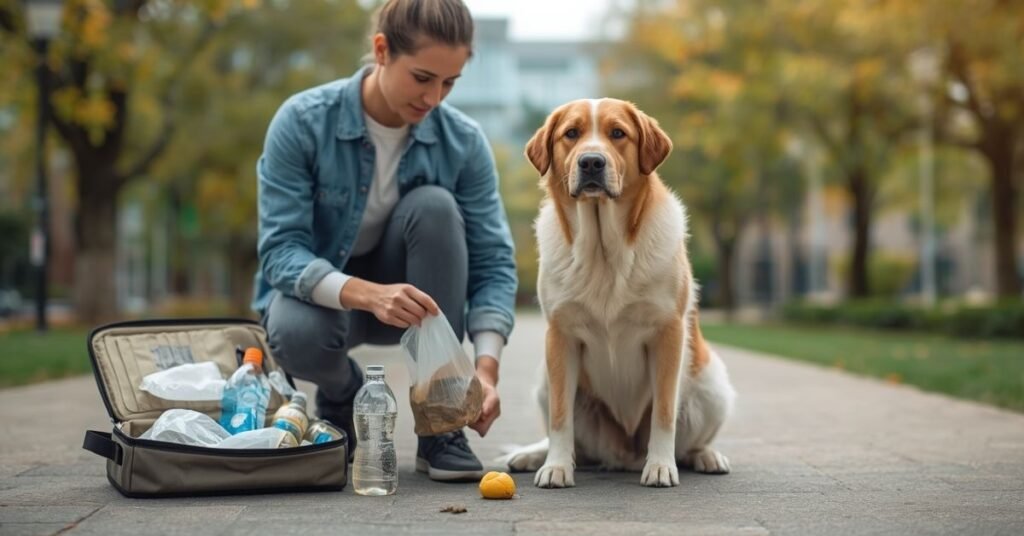
If your dog’s poop is yellow, stay calm first. It can happen for many simple reasons. It may be from food changes, stress, or mild stomach upset. Sometimes it also happens when food moves too fast through the gut. This means the body does not fully digest the bile, which can change stool color.
Watch your dog closely for other signs. Check for vomiting, diarrhea, loss of appetite, or low energy. If your dog is acting normal, it may clear up in a day or tw. I have fresh water and simple food. But if yellow poop continues or gets worse, contact a vet for a proper check.
Immediate Steps You Can Take at Home
If your dog has yellow poop, you can start with simple care at home. First, keep your dog calm and avoid giving it new foods. Sudden diet changes can make the stomach more upset. Make sure your dog has clean, fresh water at all times to prevent dehydration. Keep a close eye on your dog for any changes in behavior.
You can also try a short, gentle food plan for 24–48 hours if your dog is otherwise active. This helps the stomach settle and recover.
- Give small meals instead of large portions
- Offer plain boiled chicken and rice (no spices)
- Avoid treats, oily food, or human snacks
- Keep your dog hydrated with fresh water
- Monitor poop color and texture daily
Diet Adjustments and Monitoring Tips
When your dog has yellow poop, diet changes can help a lot. Start by feeding simple and easy-to-digest food. This gives the stomach time to recover. Avoid fatty meals and sudden new foods. Small, steady meals are better than one large meal. This helps reduce stress on the digestive system.
Keep checking your dog’s condition every day. Watch the poop color, smell, and texture. Also, notice energy level and appetite. If things improve, slowly return to normal food over a few days. If it gets worse, stop home care and visit a vet.
| Area to Monitor | What to Look For | Normal Sign | Warning Sign |
| Poop Color | Yellow, brown, or dark green | Brown and well-formed | Bright yellow or very pale |
| Poop Texture | Soft but formed | Firm and easy to pick up | Watery or very loose |
| Appetite | Eating normally | Regular eating habits | Refusing food |
| Energy Level | Active and playful | Normal activity | Weak or tired |
| Frequency of Poop | 1–3 times per day | Regular pattern | Too frequent or no stool |
| Hydration | Drinking water normally | Good water intake | Dry gums or low drinking |
When to Call a Veterinarian
You should call a veterinarian if your dog’s yellow poop does not improve in 1–2 days. It may be a sign of an underlying health problem. Also watch for other symptoms like vomiting, diarrhea, or loss of appetite. If your dog seems weak or tired, do not wait. Early help can prevent the problem from getting worse.
Seek urgent veterinary care if the condition becomes severe. Bright yellow or watery stool can be more serious. Also, if your dog refuses food or wags its tail is a warning sign. Any sudden change in behavior or ongoing stomach issues should be checked by a vet. Quick action helps keep your dog safe and healthy.
Emergency Signs You Should Not Ignore
Some symptoms need quick veterinary help. If your dog showsgreatg or sudden changes, do not wait at home. These signs may point to a serious health problem. Acting fast can protect your dog’s life and prevent complications.
Watch carefully for these emergency signs:
- Repeated vomiting or severe diarrhea
- Very weak or collapsed behavior
- Blood in, such as, such asl or black, tar-like poop
- Refusing both food and water for more than 24 hours
- Swollen or painful abdomen
- Signs of dehydration, such as dry gums or sunken eyes
How Vets Diagnose the Underlying Cause
Veterinarians start by asking about your dog’s history. They will ask when the yellow poop started and if there were any diet changes. A physical exam is also done to check your dog’s overall health. This helps the vet understand possible causes quickly.
Next, the vet may use different tests to find the exact problem. These tests can include blood work, stool analysis, and sometimes imaging like X-rays or ultrasound. Each test gives more detail about digestion and internal organs. This helps the vet choose the right treatment for your dog.
How to Prevent Yellow Dog Poop
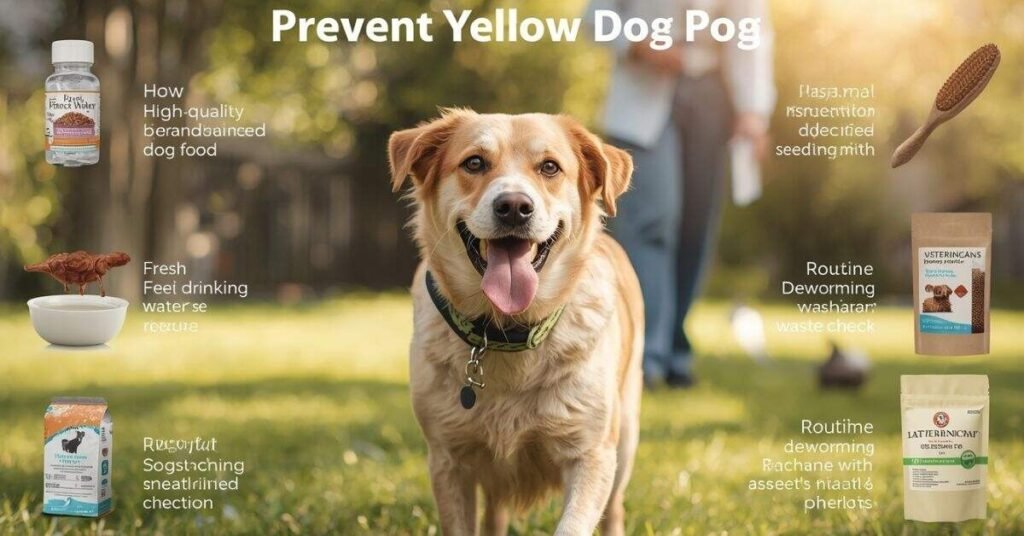
You can help prevent yellow dog poop by keeping a stable diet. Feed your dog high-quality food that is easy to digest. Avoid sudden changes in food, as this can upset the stomach. Give meals at regular times every day. This helps keep digestion smooth and balanced.
Good daily care also plays an important role. Make sure your dog always has clean water to drink. Avoid giving too many treats or oily human foods. Regular exercise helps keep the digestive system active. Also, schedule routine vet checkups to catch any problems early.
Proper Diet and Feeding Habits
A healthy diet is the basis of good digestion. Feed your dog simple, balanced meals every day. Choose food that is easy on the stomach and made for dogs. Do not change the diet too fast, as it can upset digestion. Keep meals regular so your dog’s system stays stable.
Good feeding habits also protect your dog’s gut health. Feed at fixed times and avoid random snacks. Do not give too much fatty or human food to the dog. Always provide fresh, clean water. If your dog eats too quickly, use slow feeding methods to help digestion.
| Habit Area | Healthy Practice | Benefit for Your Dog |
| Daily Meals | Same, schedule every day | Keeps digestion steady |
| Food Choice | High-quality, vet-approved dog food | Reduces risk of stomach issues |
| Diet Switching | Slowly mix new food over several days | Prevents diarrhea or loose stool |
| Treat Intake | Small and occasional | Avoids digestive overload |
| Portion Control | Measured based on size and activity | Prevents obesity and upset stomach |
| Water Intake | Always fresh and available | Supports healthy bowel function |
| Eating Speed | Slow feeder bowl if needed | Reduces gas, bloating, and poor digestion |
Parasite Control and Gut Health Support
Parasite control is very important for your dog’s healthy stomach. Worms and other parasites can cause yellow poop, diarrhea, and weakness. Regular deworming helps keep the digestive system clean and working well. Always follow your vet’s schedule for parasite prevention. Clean living areas also reduce the risk of infection.
Gut health support helps your dog digest food properly. A strong gut reduces stomach problems and keeps stool normal. You can support gut health with a good diet and vet-approved supplements. Probiotics are sometimes used to balance good bacteria in the stomach. Always consult a vet before adding any supplement.
| Area of Care | What You Should Do | How It Helps Your Dog |
| Deworming Schedule | Follow vet-recommended routine | Removes internal parasites |
| Stool Monitoring | Check poop regularly | Early detection of worm infection |
| Hygiene | Clean bedding and living space | Reduces parasite spread |
| Outdoor Care | Avoid dirty or risky areas | Prevents parasite exposure |
| Probiotics | Use only vet-approved products | Improves healthy gut bacteria |
| Diet Quality | Provide balanced, clean food | Supports strong digestion |
| Vet Checkups | Regular health visits | Ensures early treatment if needed |
ConclusionThe
Dog poop yellow color of dog poop is not always serious. It can happen because of food changes, stress, or mild stomach upset. Many cases improve on their own with simple care at home. Still, it is important to watch your dog closely.
Good diet and proper feeding habits play a big role in preventing dog poop yellow color. Regular meals, clean water, and healthy food help support normal digestion. Avoid sudden diet changes and limit unhealthy treats. These small steps can make a major difference.
You should also pay attention to warning signs. If the yellow color of dog poop continues for more than a couple of days, it may need medical attention. Symptoms like vomiting, weakness, or loss of appetite should not be ignored. Early action can protect your dog’s health.
Always remember that your vet is the best source of help. Regular checkups and parasite control keep your dog safe and healthy. With proper care, most digestive issues can be managed easily. A healthy routine leads to a happy dog.
FAQs
Why is my dog’s poop yellow color changing?
Dog poop yellow color can happen for many reasons. It is often caused by a sudden diet change or eating something unusual. Sometimes it can also be due to fast digestion or mild stomach upset. In most cases, it is not serious and improves quickly.
Is dog poop yellow color dangerous?
Not always. A single episode of dog poop yellow color is usually not dangerous. But if it continues for more than 1–2 days, it may show a health issue. Watch for other signs like vomiting or weakness. If these appear, contact a vet.
What food can cause dog poop yellow color?
Fatty foods, table scraps, or sudden diet changes can cause dog poop yellow color. Some low-quality dog foods may also affect digestion. Dogs may react quickly to new ingredients. Always introduce new food slowly over time.
Can stress cause dog poop yellow color?
Yes, stress can affect a dog’s digestion. Travel, new environments, or changes at home may upset the stomach. This can lead to dog poop yellow color. Usually, it improves once the dog feels calm again.
When should I worry about dog poop yellow color?
You should worry if dog poop yellow color lasts more than a couple of days. Also watch for signs like vomiting, loss of appetite, or tiredness. These may point to a deeper problem. In such cases, a vet check is important.

DogsVibes Editorial Team creates trusted, research-based dog care content to help pet owners keep their dogs healthy, happy, and safe.