


Introduction
Sleeping pills for dogs are medications or natural supplements that help dogs sleep or stay calm. They are usually given when a dog has trouble sleeping due to anxiety, stress, or medical issues. These can include prescription drugs or mild calming aids, such as melatonin.
Many pet owners look for sleeping pills when their dog becomes restless at night or shows signs of anxiety. This topic is important because not all sleep aids are safe for every dog. Some can help, while others may cause side effects or serious health risks if used incorrectly.
In this article, we will explore the benefits and risks of sleeping pills for dogs. You will also learn when they are needed and what vets usually recommend. This will help you make safer and more informed choices for your dog’s health and comfort.
What Are Sleeping Pills for Dogs?
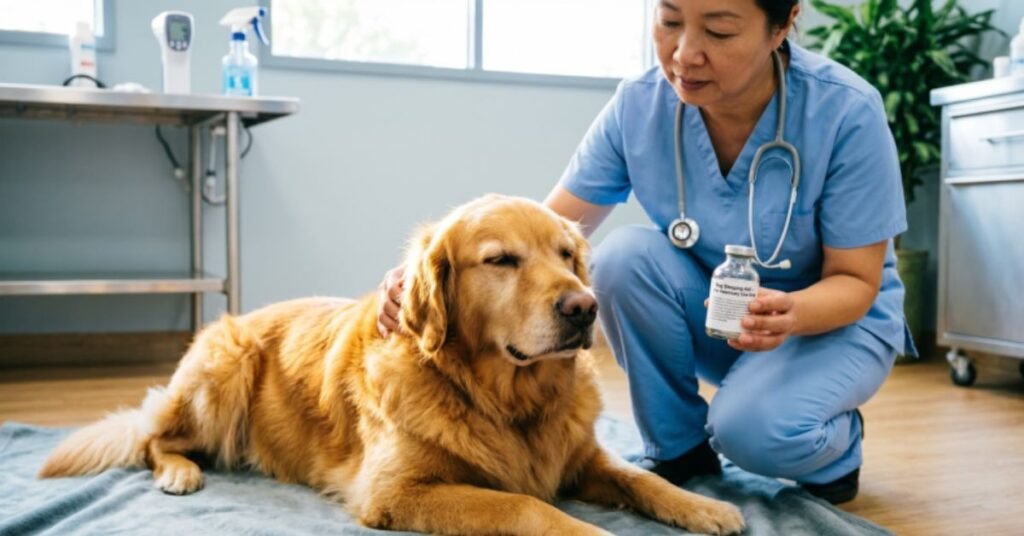
Sleeping pills for dogs are medicines or natural supplements that help dogs relax and sleep. They are used when a dog has trouble resting because of anxiety, stress, or certain health problems. It can include prescription drugs given by a vet or mild over-the-counter options like herbal products.
These sleeping aids work by calming the dog’s nervous system. Some make the dog feel sleepy, while others reduce fear or nervous behavior. Vets usually recommend them only when needed, and the right type depends on the dog’s age, health, and condition.
How They Work in Dogs
Sleeping pills for dogs work by affecting the brain and nervous system. They help reduce stress, anxiety, and overactive behavior. Some make the dog feel calm, while others make them sleepy so they can rest better.
Different types of sleeping aids work in different ways. Some act gently, while others are stronger and are given only by a vet.
- Calm the nervous system and reduce anxiety
- Help the dog feel relaxed and less restless
- Improve sleep quality during stress or illness
- In some cases, cause mild drowsiness or sleepiness
Why Dogs Need Sleeping Pills
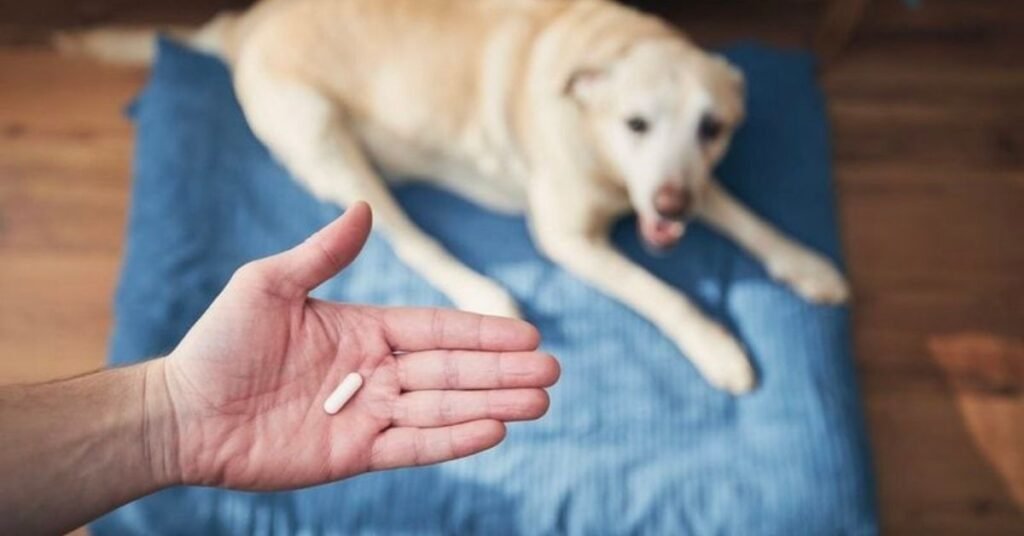
Dogs may need sleeping pills when they cannot relax or sleep properly. This often happens due to stress, fear, or changes in their environment. Some dogs also struggle with separation anxiety or loud noises like fireworks and thunderstorms.
In some cases, health problems can also disturb a dog’s sleep. Older dogs may feel restless at night, while some dogs develop long-term anxiety or insomnia. Sleeping pills are usually given when natural methods are not enough to calm them.
Sleep Disorders and Insomnia
Sleep disorders in dogs happen when they cannot sleep properly or stay asleep for long. Insomnia means the dog has trouble falling asleep or wakes up many times during the night. This can make the dog tired, weak, and less active during the day.
There are many reasons behind sleep problems in dogs. Stress, anxiety, pain, or aging are common causes. Some dogs also get disturbed by noise or changes in their daily routine. In serious cases, a vet may suggest treatment or sleeping support.
| Cause of Sleep Problems | Description | Common Signs |
| Anxiety | Fear or stress from the environment or separation | Restlessness, pacing, whining |
| Aging | Older dogs with brain or body changes | Night waking, confusion |
| Pain or illness | Health issues affecting comfort | Difficulty lying down, crying |
| Noise sensitivity | Reactions to loud sounds | Hiding, shaking, alertness |
Are Sleeping Pills for Dogs Safe?

Sleeping pills for dogs can be safe, but only when they are used in the right way. They should always be given under a vet’s guidance. The safety depends on the dog’s age, weight, health condition, and the type of medicine used.
Not all sleeping pills are safe for every dog. Some may cause side effects like drowsiness, upset stomach, or changes in behavior. In some cases, wrong dosage can be harmful. That is why it is important to follow a vet’s advice and never give human sleeping pills to dogs.
Vet Warnings and Safety Concerns
Vets always warn pet owners to be careful with sleeping pills for dogs. These medicines should never be given without proper guidance. Every dog reacts differently, so what works for one dog may not be safe for another.
Another major concern is incorrect dosage. Too much medicine can cause serious health problems. Even mild sleeping aids can be risky if used the wrong way. Vets also warn against using human sleeping pills, as they can be toxic for dogs.
| Safety Concern | Why It Matters | Possible Risk |
| Wrong dosage | Dogs need an exact dose based on weight | Overdose, weakness, breathing issues |
| Human medications | Not designed for dogs | Toxic reactions, organ damage |
| Mixing medicines | Can cause bad drug interactions | Severe side effects |
| Underlying health issues | Some dogs have hidden conditions | Worsening of illness |
Types of Sleeping Pills for Dogs
There are different types of sleeping pills for dogs. Some are natural and mild, while others are strong and given by a vet. The choice depends on the dog’s condition, age, and health needs.
Each type works in a different way. Some calm the dog, and others make them sleepy. It is important to choose the right type for safety and better results.
- Natural sleep aids: Melatonin, chamomile, and herbal supplements
- Over-the-counter options: Mild calming products available without a prescription
- Prescription medications: Strong drugs like trazodone or diazepam given by vets
Natural Sleep Aids (Melatonin, Herbs)
Natural sleep aids are a gentle way to help dogs relax and sleep better. They are often used for mild anxiety, stress, or small sleep problems. These options are usually safer than strong medicines, but they still need proper use.
Many pet owners choose natural aids because they have fewer side effects. Even then, it is important to use the right dose and ask a vet before starting. Not every herb is safe for every dog.
- Melatonin: Helps control sleep and improves rest
- Chamomile: Calms the body and reduces anxiety
- L-Theanine: Promotes relaxation without strong sedation
- Valerian Root: Helps with stress and nervous behavior
- Passionflower: Supports calmness and better sleep
Common Sleeping Medications for Dogs

Some dogs need stronger medicines when natural methods do not work. These medications are usually prescribed by a vet for anxiety, stress, or serious sleep problems. The vet checks the dog’s health, age, and condition before choosing the right option.
These drugs work by calming the nervous system and helping the dog relax or sleep. They must be used carefully and only under professional guidance. Giving the wrong medicine or an incorrect dose can lead to serious side effects.
- Trazodone: Helps reduce anxiety and supports better sleep
- Diazepam: Calms the dog and relaxes muscles
- Acepromazine: Often used for sedation in stressful situations
- Gabapentin: Used for pain relief and has calming effects
Melatonin and Trazodone Use
Many dog owners use melatonin or trazodone when their pets need help relaxing or sleeping. Melatonin is a natural hormone that supports healthy sleep cycles, while trazodone is a prescription medication often used to manage anxiety and restlessness. Both are often recommended by vets depending on the dog’s condition.
These two options work in different ways. Melatonin is mild and usually used for light sleep problems or stress. Trazodone is stronger and used for more serious anxiety or sleep issues. A vet decides which one is safe and suitable for the dog.
| Medicine | Type | Main Use | How It Works | Vet Supervision Needed |
| Melatonin | Natural supplement | Mild anxiety, sleep support | Regulates sleep cycle and promotes calmness | Recommended |
| Trazodone | Prescription drug | Anxiety, severe restlessness | Calms brain activity and reduces stress | Required |
Dosage Guidelines for Sleeping Pills for Dogs

The correct dosage of sleeping pills for dogs depends on many factors. These include the dog’s weight, age, health condition, and the type of medicine used. A vet always decides the right dose after checking these details.
It is very important not to guess the dosage at home. Too much medicine can be harmful, while too little may not work. Always follow the vet’s instructions carefully and never change the dose without advice.
| Factor | Why It Matters | Effect on Dosage |
| The dog’s weight | Larger dogs need different amounts than small dogs | Higher or lower dose required |
| Age | Puppies and senior dogs are more sensitive | Lower safe dose usually needed |
| Health condition | Illness can affect how medicine works | Dose may need adjustment |
| Type of medicine | Natural vs prescription drugs differ in strength | Stronger drugs need careful control |
| Vet recommendation | Professional guidance ensures safety | Most accurate dosage plan |
Side Effects and Risks
Sleeping pills for dogs can cause side effects, especially if the dose is not correct. Some dogs may feel very sleepy or weak after taking them. Others may show changes in behavior or lose balance.
In some cases, the risks can be more serious. This is why vets always recommend careful use and proper monitoring. Never give sleeping pills without professional advice.
| Side Effect | Description | Risk Level |
| Drowsiness | The dog feels very sleepy or tired | Common |
| Upset stomach | Vomiting or loss of appetite | Mild to moderate |
| Confusion | The dog acts disoriented or slow | Moderate |
| Weakness | Lack of energy or trouble walking | Moderate |
| Allergic reaction | Swelling, itching, or breathing issues | Serious |
| Overdose effects | Severe sleepiness or health collapse | Very serious |
Natural Alternatives to Sleeping Pills
Natural alternatives to sleeping pills can help dogs relax without strong medication. These methods are often used for mild anxiety, stress, or sleep problems. They are safer for long-term use but still need consistency and care.
Many pet owners prefer natural options because they support overall well-being. They work slowly but can improve sleep quality over time. It is important to choose the right method based on your dog’s needs.
- Regular exercise: Helps reduce stress and burn extra energy
- Calm environment: Quiet and comfortable sleeping space
- Massage therapy: Helps relax muscles and reduce anxiety
- Calming music: Soft sounds can soothe nervous dogs
- Routine schedule: Fixed feeding and sleeping times improve sleep patterns
Calming Supplements and Herbs
Calming supplements and herbs are natural options that help dogs feel relaxed. They are often used for mild anxiety, stress, or sleep issues. These products are usually gentler than prescription medicines, but they still need correct use.
Many of these supplements work by supporting the nervous system. They do not knock the dog out, but they help reduce tension and promote calm behavior. A vet can help choose the safest option for your dog.
| Supplement / Herb | Main Benefit | How It Helps Dogs | Common Use |
| Chamomile | Reduces stress | Calms nerves and supports sleep | Anxiety and mild restlessness |
| Valerian Root | Strong calming effect | Helps relax brain activity | Sleep problems and anxiety |
| L-Theanine | Promotes relaxation | Reduces stress without sedation | Daily calm support |
| Passionflower | Soothes the nervous system | Helps dogs stay calm | Travel or noise anxiety |
| CBD (vet-approved) | Anxiety relief | Supports relaxation and sleep | Severe stress cases |
How to Improve Dog Sleep Naturally
You can help your dog sleep better without using sleeping pills. A simple daily routine is very important. Dogs feel more relaxed when they know when to eat, play, and rest. Regular exercise also helps them release extra energy and sleep more peacefully at night.
A calm sleeping environment also makes a big difference. Keep the dog’s bed in a quiet and comfortable place. Reduce loud noises and bright lights at night. Gentle care, attention, and a stable routine can naturally improve your dog’s sleep.
When to Use Sleeping Pills for Dogs
Sleeping pills for dogs should only be used when there is a real need. They are usually recommended when a dog has severe anxiety, strong stress, or serious sleep problems. These issues may not improve with natural methods or routine changes.
Vets may also suggest sleeping pills for short-term situations. This can include travel, medical recovery, or very stressful events like fireworks. They are not meant for regular or long-term use unless a vet clearly advises it.
Conclusion
Sleeping pills for dogs can be helpful in some situations. They are used to manage anxiety, stress, and sleep problems. However, they are not a first choice for every dog.
These medicines should always be used with care. A vet’s advice is very important before giving any sleeping pill. The wrong use can lead to side effects or health risks.
Natural methods are often a safer first step. Simple changes in routine, exercise, and a calm environment can improve sleep in many dogs. These methods may take time, but they are gentle and safe.
In the end, every dog is different. Depending on the dog, what works for one may not work for another. The best approach is to understand your dog’s needs and choose the safest option with proper guidance.
FAQs
1. Can I give my dog sleeping pills at home?
You should not give sleeping pills to your dog without a vet’s advice. Some medicines can be unsafe or too strong for dogs. A vet will check your dog’s condition and suggest the right option and dose.
2. What is the safest sleep aid for dogs?
The safest sleep aids are usually natural options like melatonin or calming herbs. These are milder than prescription drugs. Still, you should always confirm with your vet before using them.
3. Are human sleeping pills safe for dogs?
Dogs should not take human sleeping pills. They can cause serious side effects or even poisoning. Dogs need specially designed medicines based on their weight and health.
4. When do dogs need sleeping pills?
Dogs may need sleeping pills during severe anxiety, stress, or sleep disorders. They are also used for short-term situations like travel or loud events. Vets usually recommend them only when necessary.
5. What are the side effects of sleeping pills for dogs?
Common side effects include sleepiness, weakness, and mild stomach upset. In some cases, dogs may have confusion or allergic reactions. Always monitor your dog after giving any medication.
