


Introduction
Low sodium hot dogs are just like regular hot dogs but with less salt. They are made to be easier on your heart and blood pressure. People who watch their sodium intake often choose these as a healthier option.
Eating too much salt can lead to high blood pressure and heart problems. That’s why swapping regular hot dogs for low sodium ones can make a big difference. You can still enjoy the taste you love without the extra salt.
Today, you can find many low sodium hot dogs from different brands.Some are beef-based, while others are made from turkey or plant proteins. You can pair them with healthy buns, veggies, and low sodium condiments for a complete heart-friendly meal.
Why Look for Low Sodium Hot Dogs?

Too much salt can be harmful to your heart. Regular hot dogs often have a lot of sodium. Eating them frequently can raise blood pressure. Low sodium hot dogs help reduce this risk. They are a smarter choice for heart health.
People with heart problems or high blood pressure need to watch their salt intake. Even healthy adults benefit from eating less sodium. Low sodium hot dogs let you enjoy a classic favorite without overloading on salt. They fit well into a balanced, healthy diet.
Health Risks of High Sodium Hot Dogs
Hot dogs with a lot of salt can quietly affect your health. Eating them often may raise blood pressure. Over time, this can increase the chance of heart problems and strokes. Your kidneys also work harder to process all that sodium.
Too much salt can make you feel bloated or tired. It may even affect your bones if it happens regularly. Here’s a quick look at the risks:
- Can raise blood pressure quickly
- Increases risk of heart attacks and strokes
- Puts extra strain on kidneys
- Causes swelling and bloating
- May weaken bones over time
How Sodium Affects Heart Health
Eating too much sodium can put stress on your heart. Salt makes your body hold extra water. This raises blood pressure and forces your heart to work harder. Over time, it can increase the risk of heart disease and stroke.
Cutting back on sodium helps your heart stay healthy. Even small changes can make a difference. Here are some ways sodium affects your heart:
- Raises blood pressure
- Increases risk of heart attack and stroke
- Forces the heart to pump harder
- Can lead to long-term heart problems
What Makes a Hot Dog Low Sodium?
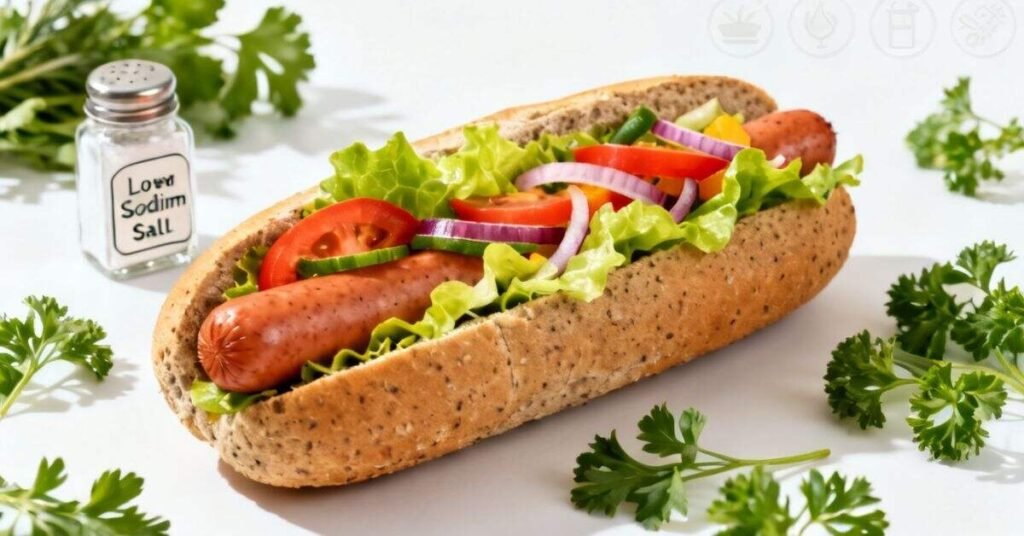
A low sodium hot dog has less salt than regular hot dogs. This means it is easier on your heart and blood pressure. Some brands use lean meats or plant-based proteins. Others avoid adding extra preservatives that contain sodium.
Ingredients and processing matter. Reading labels can help you pick the right option. Here are key features of a low sodium hot dog:
- Contains less than 120–150 mg of sodium per serving
- Made with lean meat, turkey, or plant proteins
- Avoids added sodium-based preservatives
- Often labeled as “uncured” or “low sodium”
- Can be paired with healthy buns and toppings
Why Is Sodium Added to Hot Dogs?
Sodium is added to hot dogs to enhance flavor. It makes the meat taste salty and more delicious. Sodium also helps preserve the hot dog. This means it lasts longer on shelves and stays safe to eat.
Sodium can improve texture too. It helps the meat stay firm and juicy. Without it, hot dogs may taste bland or feel dry. That’s why most regular hot dogs have high sodium levels.
Common Additives to Watch
Hot dogs often have extra ingredients to keep them fresh and tasty. Some of these add more sodium than you expect. Others include preservatives or artificial flavors. Too many additives can affect your health over time.
Reading labels helps you make smarter choices. Pick hot dogs with fewer chemicals and natural ingredients. Common additives to watch for are:
- Sodium nitrite or nitrate (preserves color and prevents bacteria)
- Extra salty seasonings
- Artificial colors or flavors
- Phosphates (keep meat firm)
- MSG (enhances flavor)
Are Low Sodium Hot Dogs Really Healthy?
Low sodium hot dogs are healthier than regular ones because they have less salt. They can help lower the risk of high blood pressure and heart problems. But “low sodium” does not always mean completely healthy. Some hot dogs may still have preservatives or other additives.
Eating them occasionally can fit into a balanced diet. Pairing them with whole grain buns, vegetables, and low-sodium sides makes a meal even healthier. Remember, moderation is key. Low sodium hot dogs are a smarter choice, but they are not a substitute for fresh, whole foods.
Phosphorus & Potassium Additives
Some low sodium hot dogs still contain phosphorus and potassium additives. These are added to improve flavor, texture, and shelf life. While they are safe in small amounts, too much can affect people with kidney problems.It’s important to know what you’re eating. Here’s a quick look at common additives in hot dogs:
| Additive | Purpose | Health Notes |
| Sodium Phosphate | Keeps meat juicy and firm | May increase phosphorus intake |
| Potassium Lactate | Preserves hot dog | Can affect those with kidney issues |
| Sodium Tripolyphosphate | Improves texture | Adds extra minerals |
| Potassium Citrate | Maintains color and flavor | Monitor if on low-potassium diet |
| Calcium Phosphate | Stabilizes ingredients | Generally safe for healthy adults |
Comparing Processed vs. Natural Options
Not all low sodium hot dogs are the same. Some are processed with additives and preservatives. Others are made from natural ingredients with little or no chemicals. Choosing natural options is usually better for your health.
Here’s a quick comparison to help you decide:
| Feature | Processed Hot Dogs | Natural Hot Dogs |
| Sodium Level | Often reduced, but may have other salts | Naturally low or reduced sodium |
| Additives | Preservatives, phosphates, artificial flavors | Minimal additives, mostly natural ingredients |
| Meat Source | Can include mechanically separated meat | High-quality meat or plant proteins |
| Shelf Life | Longer due to chemicals | Shorter, often requires refrigeration |
| Taste & Texture | Can be very salty or firm | Less salty, more natural texture |
| Health Impact | May stress kidneys or heart if eaten often | Safer for long-term heart and kidney health |
Best Plant-Based Low Sodium Options
Plant-based hot dogs are a great choice for anyone looking to reduce sodium and eat healthier. They are made from ingredients like soy, peas, or other plant proteins. Many brands now make these hot dogs low in salt without sacrificing taste.
Here are some top plant-based low sodium options:
- Lightlife Smart Dogs: Low sodium, made from pea protein
- Beyond Meat Plant-Based Dogs: Flavorful and heart-friendly
- Field Roast Frankfurters: Minimal additives and lower sodium
- Tofurky Plant-Based Dogs: Good for sandwiches or grilling
Uncured & Organic Low Sodium Hot Dogs
Uncured and organic low sodium hot dogs are made without artificial preservatives. They often use natural ingredients like turkey, beef, or chicken. These hot dogs usually have less sodium and fewer additives, making them a healthier choice.
Here’s a quick look at some popular uncured and organic options:
| Brand | Type | Sodium per Serving | Key Features | Notes |
| Applegate Naturals | Turkey | 140 mg | Organic, uncured, minimally processed | Good for heart health |
| Bilinski’s All Natural | Beef | 120 mg | Organic, uncured, gluten-free | Free from artificial colors |
| Niman Ranch | Pork | 130 mg | Humanely raised, uncured | Slightly firmer texture |
| Wellshire Farms | Chicken | 150 mg | Organic, no nitrates | Mild flavor, great for kids |
| Teton Waters Ranch | Beef | 140 mg | Grass-fed, uncured | High-quality natural ingredients |
How to Build a Heart-Healthy Hot Dog Meal
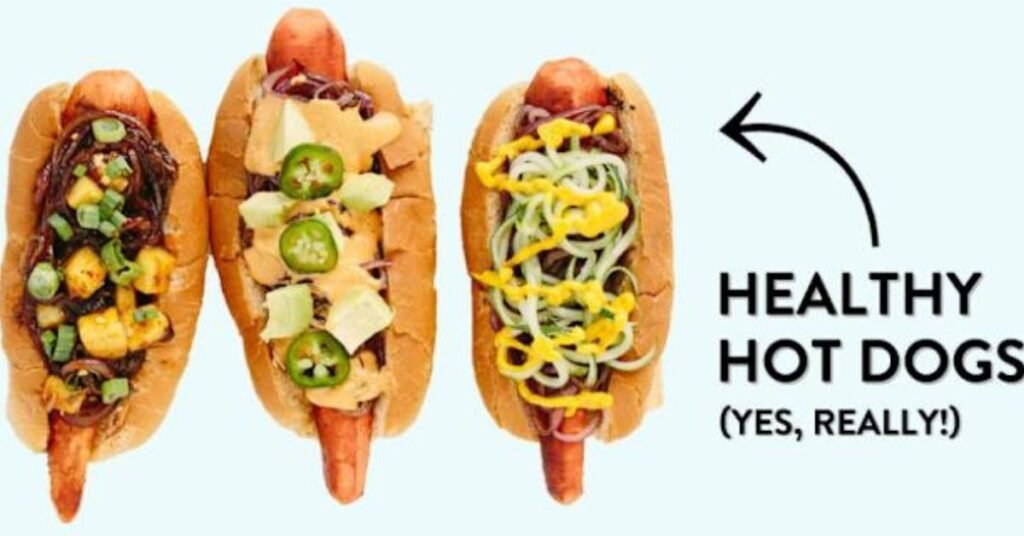
Building a heart-healthy hot dog meal is easy. Start with a low sodium hot dog, like turkey, beef, or plant-based options. Use a whole grain or whole wheat bun instead of white bread. Add plenty of fresh vegetables like lettuce, tomatoes, or peppers.
Choose low-sodium condiments and sides. Avoid high-salt sauces and chips. Instead, try mustard, avocado, or homemade salsa. Pair your hot dog with a side salad or steamed veggies. Small changes make your meal healthier and still delicious.
Choosing Whole Wheat Buns
Whole wheat buns are healthier than regular white buns.They have more fiber and nutrients. Fiber aids digestion and helps you feel full for longer.Using whole wheat buns also supports heart health and balances blood sugar.
Here are tips for picking the best whole wheat buns:
- Look for 100% whole wheat on the label
- Check the fiber content (at least 3 grams per bun)
- Avoid added sugars or high sodium
- Choose smaller buns to control calories
- Freeze extras to keep them fresh
Low Sodium Condiments and Sides
Choosing low sodium condiments and sides can make your hot dog meal healthier. Many sauces and toppings add extra salt without you noticing. Swapping them for low sodium options helps protect your heart and blood pressure.
Here’s a quick guide to smart choices:
| Condiment / Side | Low Sodium Option | Tips |
| Ketchup | Low sodium ketchup | Check labels for sugar content |
| Mustard | Yellow, Dijon, or spicy mustard | Usually naturally low in sodium |
| Mayonnaise | Light or homemade mayo | Use in small amounts |
| Relish | Low sodium pickle relish | Avoid regular store-bought versions |
| Sauerkraut | Rinse before serving | Reduces sodium while keeping flavor |
| Chips | Unsalted or baked chips | Or try veggie sticks |
| Fries | Baked sweet potato fries | Lower in salt than fried fries |
| Side Salad | Fresh vegetables | Use olive oil and vinegar dressing |
| Beans | Low sodium canned beans | Rinse before using |
Creative Low Sodium Meal Ideas
You can enjoy low sodium hot dogs in many fun ways. Switching up toppings and sides keeps meals interesting. Using fresh vegetables, whole grains, and low sodium condiments makes your meal healthier.
Here are some ideas to try:
- Hot Dog Salad Bowl – Slice hot dogs over greens with tomatoes and avocado
- Grilled Veggie Wrap – Wrap hot dogs with peppers, onions, and whole wheat tortilla
- Baked Sweet Potato Fries – Serve as a tasty, low sodium side
- Veggie & Bean Chili Hot Dog – Top with low sodium beans and spices
- Mini Hot Dog Skewers – Perfect for snacks or parties, paired with fresh veggies
Low Sodium Alternatives for Other Meats

Low sodium options aren’t just for hot dogs. Many other meats can also be high in salt. Choosing low sodium versions of lunch meats, sausages, and nuggets can help protect your heart. They are easier on your blood pressure and still taste great.
Some popular alternatives include turkey, chicken, or plant-based proteins. Always check labels for sodium content and additives. Small swaps, like using low sodium deli meat in sandwiches, make a big difference. Eating a variety of these options keeps meals healthy and enjoyable.
Low Sodium Lunch Meats
Lunch meats can be very high in sodium, even if they taste good. Low sodium versions are made with less salt and fewer preservatives.They are gentler on your heart and help keep blood pressure in check.
Some popular low sodium lunch meats include turkey, chicken, and lean beef. Look for labels that say “low sodium” or “no added salt.” You can use them in sandwiches, wraps, or salads. Small changes like this make meals healthier without losing flavor.
Low Sodium Sausages and Nuggets
Sausages and nuggets are often very high in sodium. Choosing low sodium versions makes them healthier. They are easier on your heart and blood pressure. You can still enjoy the same tasty meals without extra salt.
Here’s a guide to some popular low sodium options:
| Product | Type | Sodium per Serving | Key Features | Notes |
| Applegate Naturals Chicken Sausages | Chicken | 120 mg | Organic, uncured, minimal additives | Great for grilling or breakfast |
| Bilinski’s All Natural Beef Sausages | Beef | 130 mg | Low sodium, gluten-free | Firm texture, natural flavor |
| Lightlife Smart Nuggets | Plant-based | 140 mg | Soy-based, low sodium | Quick and easy to cook |
| MorningStar Farms Veggie Nuggets | Plant-based | 135 mg | Low sodium, vegan | Best baked or air-fried |
| Wellshire Farms Turkey Sausages | Turkey | 150 mg | Organic, uncured | Mild flavor for sandwiches |
Tips for Maintaining a Low Sodium Diet
Eating less sodium doesn’t have to be hard. Small changes in meals can make a big difference for your heart and blood pressure. Choosing low sodium foods and reading labels carefully is key. Cooking at home more often also helps control salt.
Here are some simple tips to follow:
- Read nutrition labels for sodium content
- Choose fresh or frozen vegetables instead of canned
- Use herbs, spices, and lemon instead of salt
- Pick low sodium meats and condiments
- Limit processed snacks like chips and salted nuts
- Drink plenty of water to help balance sodium
Smart Swaps for Everyday Meals
Making small changes in everyday meals can lower your sodium intake. Swap regular hot dogs, sausages, or lunch meats with low sodium versions. Use whole grains instead of white bread. Add fresh vegetables to boost flavor and nutrients.
Other swaps help too. Choose low sodium condiments like mustard or homemade sauces. Replace salty snacks with unsalted nuts or veggie sticks. Even small swaps can make your meals healthier and keep your heart safe.
Are Low Sodium Hot Dogs Safe for Dogs?

Low sodium hot dogs are generally safe for children. They have less salt than regular hot dogs, which is better for growing hearts. Choosing natural or uncured options can reduce exposure to additives.
It’s still important to serve them wisely. Pair hot dogs with healthy sides and limit portion sizes. Here are some tips for kids:
- Choose low sodium or uncured hot dogs
- Serve with whole grain buns
- Add plenty of vegetables
- Limit processed or high-salt toppings
- Keep portions moderate
Can Low Sodium Hot Dogs Help With Heart Health?
Low sodium hot dogs can support heart health by reducing the amount of salt you eat. Less sodium helps keep blood pressure in a healthy range.Over time, this can reduce the chance of heart problems and strokes.
Pairing low sodium hot dogs with whole grains, vegetables, and healthy sides makes meals even better for your heart.Even small changes like these can have a big impact.Eating them occasionally is safe and can fit into a balanced diet.
Conclusion
Low sodium hot dogs are a smarter choice for your heart. They let you enjoy a classic favorite without extra salt. Choosing uncured, organic, or plant-based options can make meals even healthier.
Reading labels is important. Check sodium levels, additives, and preservatives. Picking natural ingredients helps you make safer choices for your family.
Pair your hot dogs with whole grain buns, fresh vegetables, and low sodium condiments. Small swaps like these make your meals balanced and heart-friendly. Eating them occasionally is fine as part of a healthy diet.
Remember, moderation is key. Low sodium hot dogs are not a replacement for fresh, whole foods. But they are a tasty and practical way to reduce sodium while still enjoying your favorite meals.
FAQs
1. What are low sodium hot dogs?
Low sodium hot dogs are made with less salt than regular hot dogs. They are designed to be easier on your heart and blood pressure. They can be made from beef, turkey, chicken, or plant-based proteins.
2. Are low sodium hot dogs healthier than regular hot dogs?
Yes, they are generally healthier because they have less salt. Less sodium helps reduce the risk of high blood pressure and heart problems. Choosing natural or uncured options makes them even better.
3. Can children eat low sodium hot dogs?
Yes, they are safe for children. Just watch portion sizes and pair them with healthy sides. Choose uncured or natural options for the least additives.
4. How often can I eat low sodium hot dogs?
You can enjoy them occasionally as part of a balanced diet. Pair them with vegetables, whole grains, and low sodium condiments. Moderation is key to keeping meals healthy.
5. Do low sodium hot dogs help with heart health?
Yes, reducing sodium helps support healthy blood pressure. Low sodium hot dogs can be part of a heart-friendly diet. Combining them with fresh vegetables and whole grains makes meals even healthier.
