

Introduction
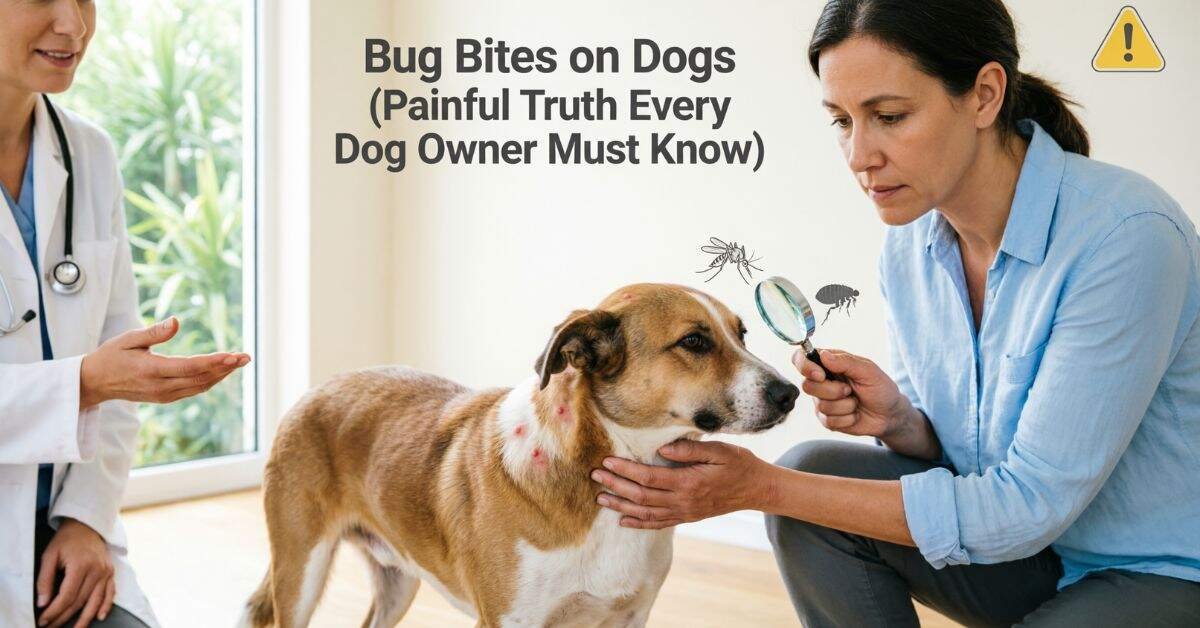
Bug bites on dogs happen when insects bite or sting a dog’s skin. Common insects include fleas, ticks, mosquitoes, ants, bees, and spiders. These bites can cause itching, redness, and swelling on your dog’s body. In most cases, bug bites are mild, but sometimes they can lead to irritation or allergic reactions.
Many dog owners notice their pets scratching or licking the same spot again and again. This can be a sign that a bug has bitten them. Some bites are harmless, but others may cause pain or swelling. Knowing how to spot bug bites early can help you keep your dog comfortable and healthy.
In this guide, you will learn about the common causes of bug bites on dogs, the symptoms to watch for, and simple ways to treat them. We will also share easy tips to help prevent bug bites and protect your dog from insects.
What Are Bug Bites on Dogs?
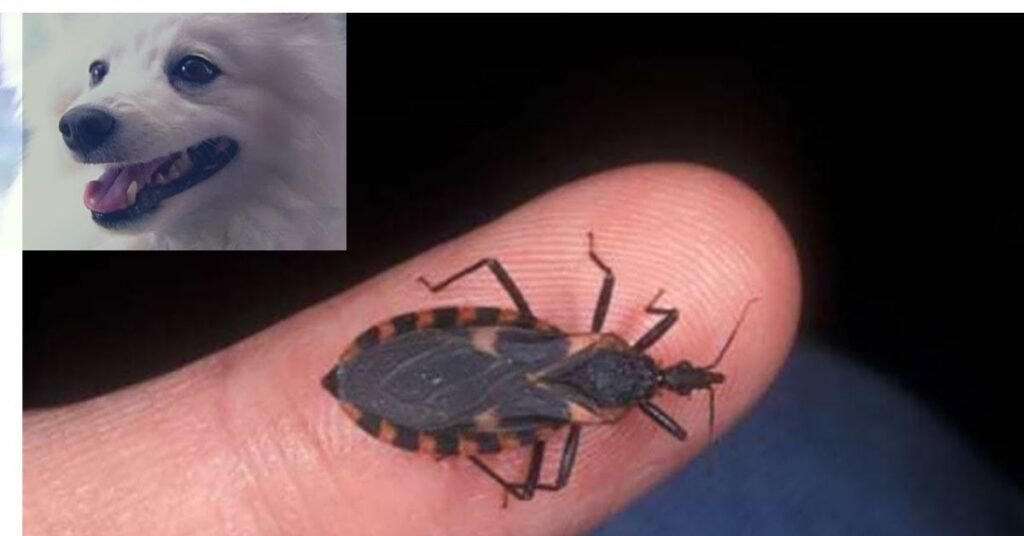
Bug bites on dogs happen when insects bite or sting a dog’s skin. Common insects include fleas, ticks, mosquitoes, ants, bees, and spiders. These bugs may bite dogs while they are playing outside, walking in the grass, or resting in the yard. The bite can cause small red bumps, itching, or mild swelling on the skin.
Most bug bites on dogs are not serious and heal on their own. However, some bites can make dogs very uncomfortable. In certain cases, a dog may also have an allergic reaction to the bite or sting. This is why it is important for dog owners to notice the signs early and take simple steps to help their pets feel better.
Why Dogs Get Bug Bites More Often Than Humans
Dogs often get bug bites more than humans because they spend a lot of time outdoors. They like to play in grass, bushes, and gardens where insects live. Bugs such as fleas, mosquitoes, and ants are common in these places. When dogs explore these areas, insects can easily bite or sting them.
Another reason is their fur and skin. A dog’s warm body and natural scent can attract insects. Dogs also cannot brush bugs away as easily as humans do. They may not notice the insects until the bites start to itch or cause irritation. This is why bug bites on dogs happen quite often.
Common Types of Bug Bites on Dogs
Dogs can be bitten or stung by many different insects. These bugs are often found in yards, parks, and grassy areas. Each type of bug bite can cause slightly different symptoms, such as itching, swelling, or small red bumps on the skin. Knowing the common types of bug bites can help you understand what may be bothering your dog.
Some insects bite to feed on blood, while others sting to protect themselves. The reaction depends on the insect and the dog’s sensitivity. Here are some common bug bites that dogs may experience:
- Flea bites: Small, itchy red spots that often appear around the tail or belly.
- Tick bites: Ticks attach to the skin and may cause irritation or swelling.
- Mosquito bites: These bites can leave small bumps and itching on exposed skin.
- Bee or wasp stings: These usually cause sudden pain and swelling.
- Ant bites: Fire ants and other ants can cause red bumps and itching.
- Spider bites: Some spider bites may cause redness, swelling, or discomfort.
Flea and Tick Bites on Dogs
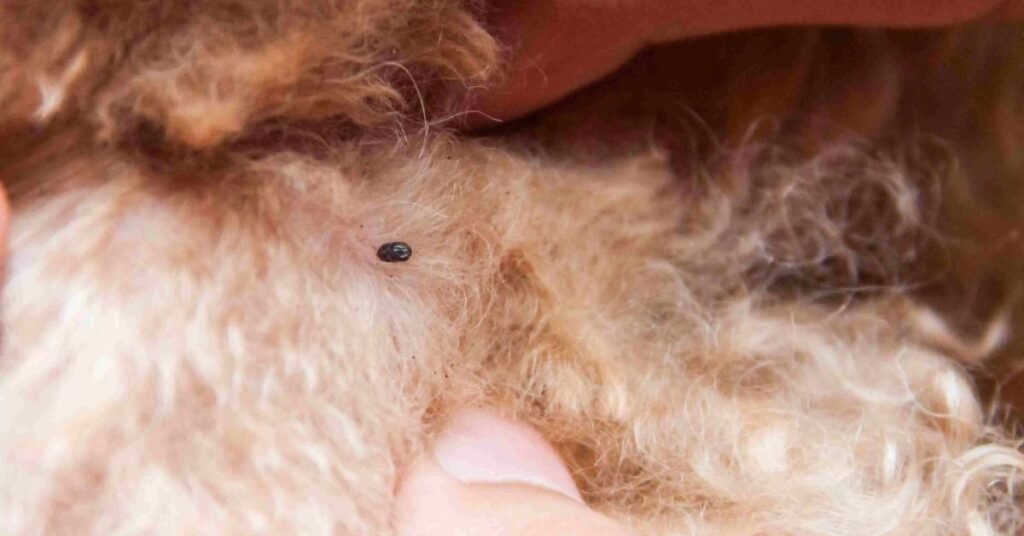
Flea and tick bites are very common in dogs. Fleas are tiny insects that live in your dog’s fur and feed on blood. Their bites often cause small red bumps and a lot of itching. Dogs may scratch, lick, or bite their skin again and again. These bites are usually found around the tail, belly, neck, and legs.
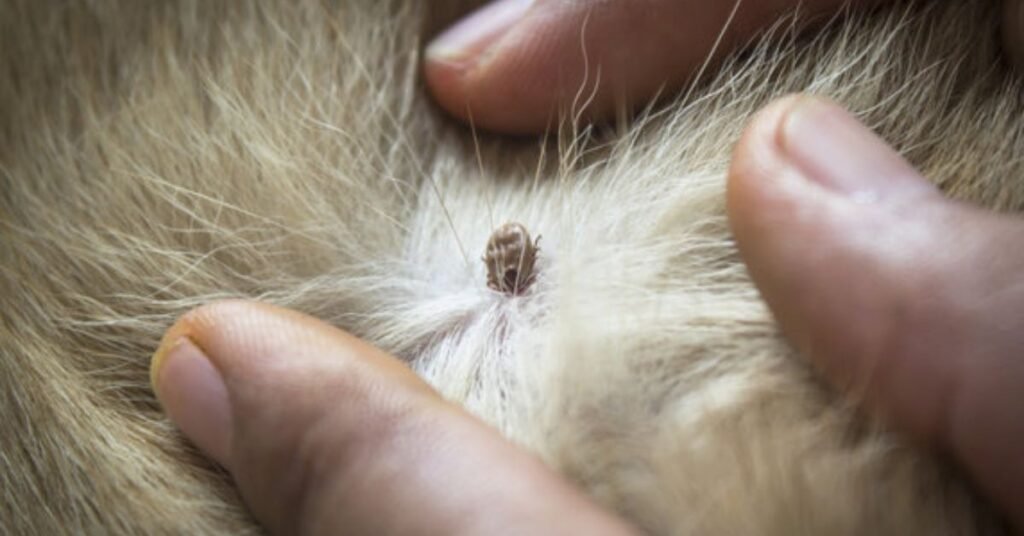
Ticks are different because they attach to the dog’s skin and stay there while feeding on blood. You may see a small dark bump on the skin where the tick is attached. Tick bites can cause irritation, swelling, or redness. In some cases, ticks can also carry diseases, so it is important to check your dog’s fur and skin regularly after outdoor activities.
Mosquito Bites on Dogs
Mosquito bites on dogs are common, especially during warm weather. Mosquitoes bite to feed on blood and usually target areas where the skin is thin. Dogs may get mosquito bites on the ears, nose, belly, or around the eyes. These bites can cause small red bumps and mild itching.
Most mosquito bites are harmless and heal within a few days. However, too many bites can make a dog uncomfortable and restless. In some cases, mosquitoes can also spread diseases to dogs. This is why it is important to keep your dog protected from mosquitoes, especially when spending time outdoors.
Bee, Wasp, and Hornet Stings
Bee, wasp, and hornet stings can happen when a curious dog tries to sniff or chase these insects. Dogs often get stung on the nose, face, paws, or mouth. A sting usually causes sudden pain, swelling, and redness in the affected area. Some dogs may also whine, lick the spot, or paw at their face because of discomfort.
Most stings are mild and the swelling goes down after a short time. However, some dogs may have an allergic reaction. Signs can include severe swelling, trouble breathing, or weakness. If these symptoms appear, it is important to contact a veterinarian quickly to keep your dog safe.
| Insect | How the Sting Happens | Common Symptoms | Where Dogs Usually Get Stung | Risk Level | What Owners Should Do |
| Bee | Bees sting when they feel threatened. Stingers may remain in the skin for a long time. | Pain, redness, swelling, itching | Nose, mouth, paws, face | Mild to moderate | Remove the stinger carefully and apply a cold compress. |
| Wasp | Wasps can sting more than once if they feel disturbed. | Sharp pain, swelling, redness | Face, legs, belly | Moderate | Keep the dog calm and watch for allergic reactions. |
| Hornet | Hornets are aggressive and may sting repeatedly. | Strong pain, large swelling, irritation | Head, neck, paws | Moderate to high | Clean the area and contact a vet if swelling increases. |
| Yellow Jacket | These insects are very defensive and can sting multiple times. | Burning pain, swelling, redness | Nose, mouth, paws | Moderate to high | Move the dog away from the area and monitor closely. |
| Multiple Stings | Happens when a dog disturbs a nest. | Severe swelling, weakness, breathing trouble | Any exposed body part | High | Seek immediate veterinary help. |
Spider and Ant Bites on Dogs
Spider and ant bites can happen when dogs play or rest in areas where insects live. These bugs are often found in gardens, grass, wood piles, or near outdoor furniture. A bite may cause small red bumps, swelling, or itching on the dog’s skin. Some dogs may lick or scratch the area because it feels uncomfortable.
Most spider and ant bites are mild and heal in a few days. However, certain spiders or fire ants can cause stronger reactions in some dogs. Signs may include pain, larger swelling, or skin irritation. It is helpful for dog owners to watch the bite area and make sure the symptoms do not get worse.
| Insect | How the Bite Happens | Common Symptoms | Where Dogs Usually Get Bitten | Risk Level | What Owners Should Do |
| Garden Spider | Dogs may disturb spiders while playing in grass or bushes. | Redness, small swelling, mild irritation | Legs, paws, belly | Low | Clean the area and watch for signs of irritation. |
| House Spider | Bites can occur when dogs lie near corners or hidden spaces. | Small bump, mild itching | Legs, neck, belly | Low | Keep the area clean and prevent scratching. |
| Fire Ant | Fire ants bite and sting when their mound is disturbed. | Pain, red bumps, itching, swelling | Paws, legs, belly | Moderate | Wash the area and apply a cold compress to reduce swelling. |
| Black Ant | These ants may bite when dogs step on them. | Mild irritation, small red spots | Paws and legs | Low | Clean the skin and monitor for itching. |
| Venomous Spider | Rare but more serious bites from certain spiders. | Strong pain, swelling, skin irritation | Any exposed area | Moderate to high | Contact a veterinarian if symptoms worsen. |
Symptoms of Bug Bites on Dogs
Bug bites on dogs can cause small changes in their skin and behavior. Many dogs start scratching or licking the same spot again and again. You may notice tiny bumps, redness, or slight swelling on the skin. These signs usually appear shortly after the dog is bitten by an insect.
In most cases, the symptoms are mild and go away after a short time. However, some dogs may react more strongly to certain bites or stings. Pet owners should watch their dogs closely and look for these common signs:
- Small red bumps or raised spots on the skin
- Frequent scratching or licking in one area
- Mild swelling around the bite
- Skin redness or irritation
- Sensitive or sore skin when touched
- Restlessness or discomfort
Mild Signs of Bug Bites in Dogs
Mild bug bites on dogs are common and usually not serious. They often appear after a dog spends time outside in grass, gardens, or parks. These bites may cause small skin changes that are easy to notice. Most dogs may feel a little itchy but still behave normally.
The symptoms are usually temporary and go away in a short time. Dog owners can watch for a few simple signs that show the bite is mild. These signs include:
- Small red bumps on the skin
- Light itching or scratching
- Minor swelling around the bite
- A small irritated spot on the skin
- Occasional licking of the area
Severe Allergic Reaction Symptoms
Some dogs may have a strong allergic reaction after a bug bite or sting. This reaction can happen quickly and may become serious. The dog may feel very uncomfortable and start acting differently than usual. Severe reactions need quick attention to keep the dog safe.
Dog owners should watch for warning signs that show the reaction is serious. These symptoms may appear within minutes or hours after the bite or sting.
- Large swelling around the face, eyes, or muzzle
- Difficulty breathing or heavy panting
- Vomiting or diarrhea
- Extreme itching or redness on the skin
- Weakness or unusual tiredness
- Sudden collapse or trouble standing
How to Identify Bug Bites on Dogs
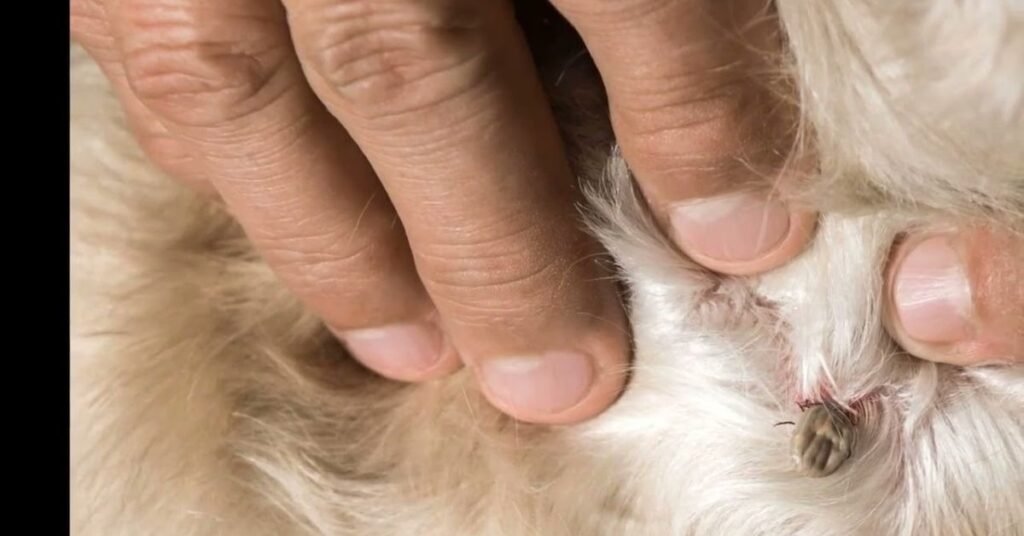
Identifying bug bites on dogs can be simple if you know what to look for. Many bites appear as small bumps or red spots on the skin. Dogs may scratch, lick, or chew the same area because it feels itchy or painful. These bites often appear after your dog spends time outside in grass, parks, or gardens.
It is also helpful to check your dog’s skin regularly, especially after outdoor activities. Some bites are easier to notice on areas with less fur. Pet owners can look for these common signs:
- Small red bumps or raised spots on the skin
- Swelling or redness around the bite area
- Frequent scratching or licking of one spot
- Tiny scabs or irritated skin
- A visible insect or tick attached to the skin
What Bug Bites on Dogs Look Like
Bug bites on dogs usually appear as small, red bumps on the skin. They can be slightly raised and may look like tiny pimples. Sometimes the area around the bite swells a little, and the skin may feel warm to touch. Dogs often scratch or lick the bite, which can make it more noticeable.
The size and appearance of a bite can vary depending on the insect. Flea bites are usually tiny red dots, while mosquito bites may be small, puffy bumps. Bee, wasp, or hornet stings often cause sudden swelling and redness. By paying attention to these signs, you can quickly spot bug bites and help your dog feel more comfortable.
How to Treat Bug Bites on Dogs
Most bug bites on dogs are not serious and can be managed at home. Start by gently washing the bite with mild soap and water to keep it clean. Applying a cold pack can help reduce swelling and soothe any discomfort. This simple care can make your dog feel much better quickly.
Here are some easy steps to treat bug bites safely:
- Wash the bite area gently to remove dirt and germs
- Reduce swelling by applying a cold compress for a few minutes
- Use a dog-safe anti-itch cream if the dog is scratching a lot
- Stop the dog from licking or biting the area
- Check the bite regularly to make sure it is healing
Safe At-Home Treatments for Bug Bites on Dogs
Many bug bites on dogs are mild and can be treated safely at home. The first step is to keep the area clean. Gently wash the bite with mild soap and water. You can also use a cold compress to reduce swelling and ease itching. Some dogs may benefit from dog-safe creams or sprays to calm irritation.
It is important to watch your dog closely while treating bug bites at home. Avoid using human medicines unless your vet approves them. Prevent your dog from scratching or licking the bite to help it heal faster. Here is a guide to safe at-home treatments for common bug bites:
| Bug Type | Safe At-Home Treatment | What to Avoid | Additional Tips |
| Flea Bites | Wash area, use dog-safe anti-itch spray | Human anti-itch creams | Check for flea combs or other pets |
| Tick Bites | Remove tick carefully, clean skin | Crushing the tick with fingers | Monitor for redness or swelling |
| Mosquito Bites | Clean bite, cold compress | Human steroid creams | Limit outdoor exposure during peak mosquito hours |
| Bee/Wasp Stings | Remove stinger if visible, cold compress | Home remedies like baking soda paste | Watch for swelling and allergy signs |
| Ant Bites (Fire Ants) | Wash area, apply cold compress | Human topical pain relievers | Check paws and legs after walks |
| Spider Bites | Clean area, cold compress | Home remedies that irritate skin | Monitor for large swelling or spreading redness |
When to Take Your Dog to the Vet
Most bug bites on dogs are mild and heal on their own. However, some bites can cause serious problems. You should take your dog to the vet if the bite causes severe swelling, pain, or discomfort. Sudden changes in behavior, such as restlessness or lethargy, can also be a warning sign.
Other situations that need a vet’s attention include difficulty breathing, vomiting, or large hives. Bites from certain insects, like bees, wasps, or ticks that carry disease, may also require professional care. Getting veterinary help quickly can prevent complications and keep your dog safe and healthy.
Warning Signs That Need Immediate Care
Some bug bites on dogs can cause serious reactions. It is important to watch your dog closely after a bite or sting. Certain signs mean your dog needs urgent veterinary care. Acting quickly can prevent the problem from getting worse.
Watch for these warning signs:
- Severe swelling around the face, mouth, or paws
- Difficulty breathing or heavy panting
- Vomiting or diarrhea
- Extreme itching or redness
- Weakness, collapse, or unusual tiredness
- Large hives or welts on the skin
How to Prevent Bug Bites on Dogs
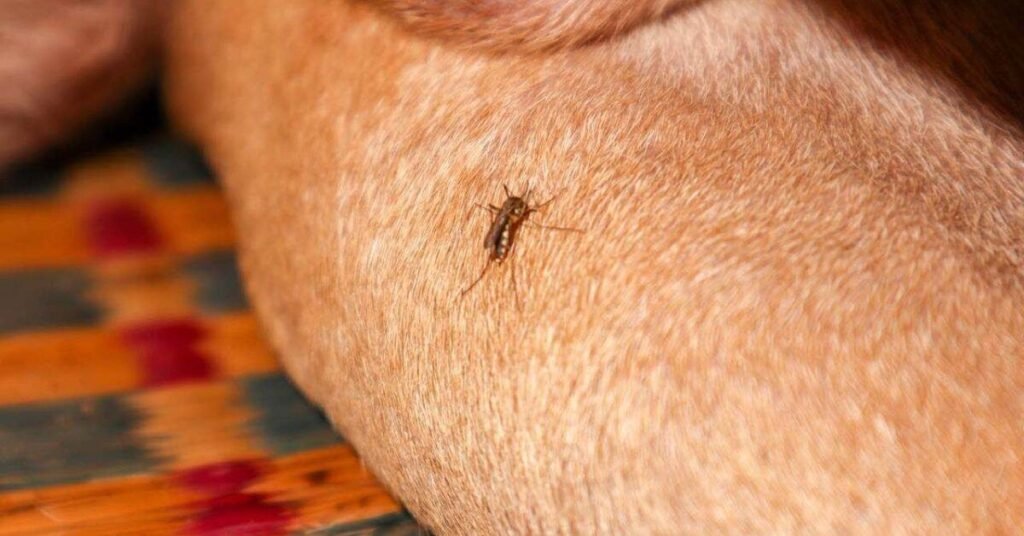
Preventing bug bites on dogs is easier than treating them later. Keeping your dog away from areas with lots of insects, like tall grass or gardens, helps reduce bites. Regular grooming and checking your dog’s skin can catch bugs early. Using flea, tick, and mosquito preventives recommended by your vet is also important.
You can also make your yard safer for your dog. Remove standing water where mosquitoes breed and keep grass trimmed. Some natural sprays or dog-safe repellents can help protect your dog when outdoors. Prevention is the best way to keep your dog healthy, comfortable, and free from itchy bug bites.
Simple Tips to Protect Your Dog from Insects
Protecting your dog from insects is important for their health and comfort. You can take simple steps every day to reduce bug bites. Regularly checking your dog’s skin and coat helps you spot bites early. Using vet-recommended flea, tick, and mosquito preventives can also keep bugs away.
Here are some easy tips to protect your dog from insects:
- Keep your dog indoors during peak mosquito hours like dawn and dusk
- Trim grass and remove standing water in your yard
- Use dog-safe insect repellents when outside
- Check your dog’s fur and skin after walks or playtime
- Bathe and groom your dog regularly to remove insects
- Avoid areas with ant mounds or wasp nests
How Long Do Bug Bites on Dogs Take to Heal?
Most bug bites on dogs heal within a few days to a week. Mild bites may disappear on their own with simple care, like cleaning the area and preventing scratching. Small bumps and redness usually go away quickly if the dog is not irritated.
Some bites may take longer to heal, especially if the dog scratches or licks the area a lot. Swollen or infected bites may need extra care or veterinary treatment. Keeping the bite clean and monitoring your dog daily helps speed up healing and prevents complications.
Conclusion
Bug bites on dogs are common but usually not serious. Most bites cause mild redness, bumps, or itching. With simple care at home, many bites heal on their own in a few days. Cleaning the area and preventing your dog from scratching can make a big difference.
It is important to watch your dog closely after a bite. Some dogs may have stronger reactions or allergies. Signs like severe swelling, difficulty breathing, or vomiting mean you should contact a veterinarian immediately. Quick action keeps your dog safe and comfortable.
Prevention is always better than treatment. Using flea, tick, and mosquito preventives, keeping your yard clean, and checking your dog regularly can reduce bug bites. Simple steps at home protect your dog and give you peace of mind.
Remember, every dog is different. Some may react more strongly to bites than others. Knowing the signs and acting quickly helps your dog recover faster and stay healthy. With care and attention, bug bites don’t have to be a big worry for you or your pet.
FAQs
1. How can I tell if my dog has a bug bite?
You may notice small red bumps, swelling, or itchy spots on your dog’s skin. Dogs often scratch, lick, or bite the affected area. Checking your dog’s fur and skin regularly helps spot bites early.
2. Are all bug bites dangerous for dogs?
It is common for bug bites to be mild and to heal on their own. However, bites from bees, wasps, ticks, or certain spiders can be more serious. Watch for swelling, redness, or unusual behavior and contact a vet if needed.
3. How can I treat bug bites on my dog at home?
Clean the bite with mild soap and water, and apply a cold compress to reduce swelling. Dog-safe anti-itch creams or sprays can help. Prevent your dog from scratching or licking the area to avoid infection.
4. Can bug bites cause allergic reactions in dogs?
Yes, some dogs may have an allergic reaction to bug bites. Signs include severe swelling, difficulty breathing, vomiting, or weakness. Seek immediate veterinary attention if these symptoms appear.
5. How can I prevent bug bites on my dog?
Use vet-approved flea, tick, and mosquito preventives. Keep your yard clean and free of standing water. Check your dog’s skin regularly and avoid areas with insects like ant mounds or wasp nests.
