

Introduction
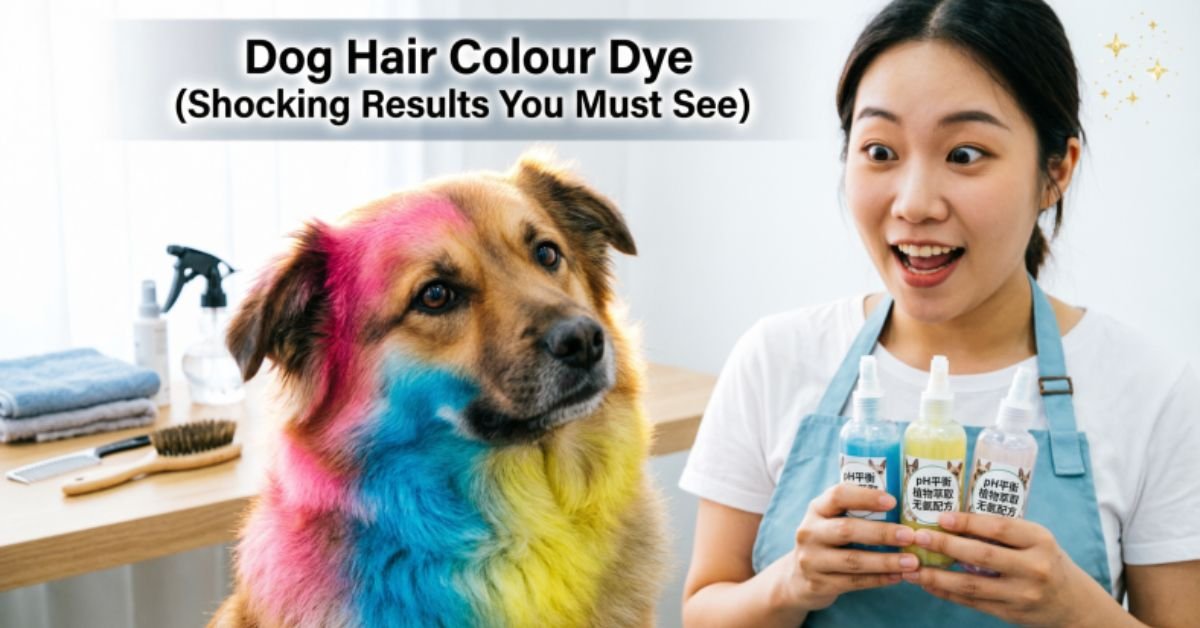
Dog hair colour dye is a product used to change the color of a dog’s fur. Some pet owners use it to give their dogs a fun and unique look. These dyes are made especially for pets and are different from human hair dyes. Pet-safe dyes are usually gentle and designed to avoid harsh chemicals that may harm a dog’s skin.
Many dog owners enjoy creative grooming and styling their pets. Coloring a dog’s fur has become popular at events, photoshoots, and social media. However, not all dyes are safe for animals. Using the wrong product can lead to skin irritation or discomfort for your dog.
Understanding the basics of dog hair colour dye is very important before trying it. Dog owners should know about safe products, possible risks, and proper application methods. Learning these things can help you make better decisions and keep your dog safe and comfortable during grooming.
Is Dog Hair Colour Dye Safe for Dogs?
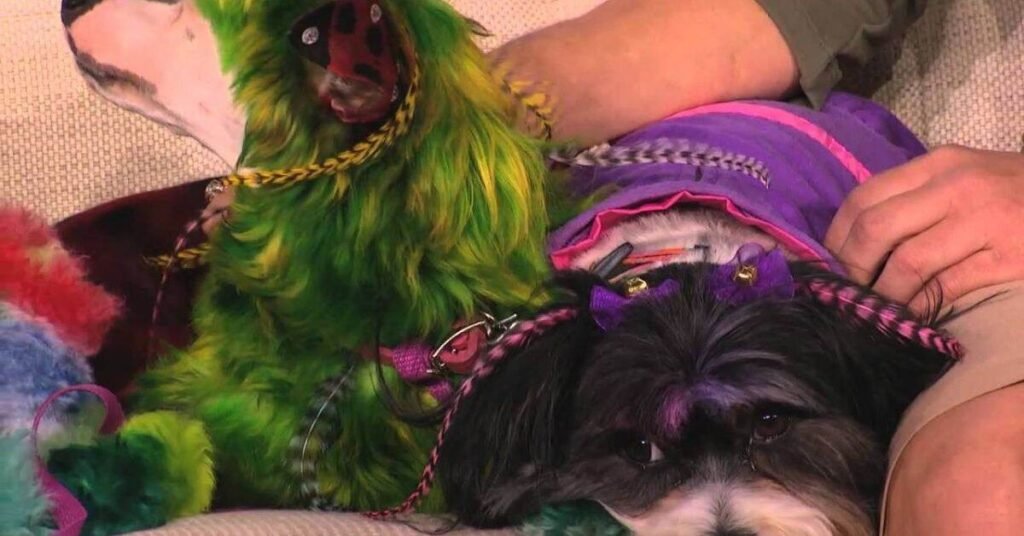
Dog hair colour dye can be safe for dogs if it is made especially for pets. These dyes are designed to be gentle on a dog’s skin and fur. Many pet-safe dyes use non-toxic ingredients that reduce the risk of irritation. However, human hair dyes should never be used on dogs because they contain strong chemicals that can harm their skin.
Safety also depends on how the dye is used. Dog owners should always read the instructions and choose products made for animals. It is also a good idea to test a small area first to check for any reaction. If your dog shows itching, redness, or discomfort, the dye should be washed off right away.
Difference Between Dog Hair Dye and Human Hair Dye
Dog hair dye and human hair dye are not the same. Dog hair dyes are made especially for pets. They are designed to be gentle on a dog’s skin and coat. Most pet-safe dyes avoid strong chemicals that can harm animals. Their formulas are usually mild and tested for use on dogs.
Human hair dyes are much stronger because they are made for human hair and skin. These products often contain chemicals that can irritate a dog’s sensitive skin. Dogs may also lick their fur, which can cause health problems if harmful ingredients are used. Because of these risks, experts always recommend using dyes made only for dogs.
| Feature | Dog Hair Dye | Human Hair Dye |
| Purpose | Made specifically for coloring a dog’s fur | Made for coloring human hair |
| Safety | Usually designed to be pet-safe and gentle | Contains strong chemicals that may harm dogs |
| Ingredients | Often uses mild and non-toxic ingredients | May contain ammonia, peroxide, and other harsh chemicals |
| Skin Sensitivity | Formulated for sensitive dog skin | Can irritate or burn a dog’s skin |
| Risk if Licked | Safer if a dog licks its fur after coloring | Dangerous if ingested by dogs |
| Odor | Usually mild or low scent | Often has a strong chemical smell |
| Application | Designed for safe grooming use | Not intended for animals |
| Veterinary Recommendation | Sometimes recommended if pet-safe | Not recommended for use on dogs |
Potential Risks of Using the Wrong Dye on Dogs
Using the wrong dye on dogs can be very dangerous. Human hair dyes and some cheap pet dyes contain strong chemicals. These chemicals can cause skin irritation, burns, or allergic reactions. Dogs may scratch, lick, or bite the affected area, which can make the problem worse. In severe cases, it can even harm their internal organs if ingested.
Some common risks of using the wrong dye include:
- Redness, itching, or rash on the skin
- Hair loss or damaged coat
- Eye or nose irritation from fumes
- Stomach upset if the dog licks the dye
- Long-term health issues from toxic ingredients
Types of Dog Hair Colour Dye
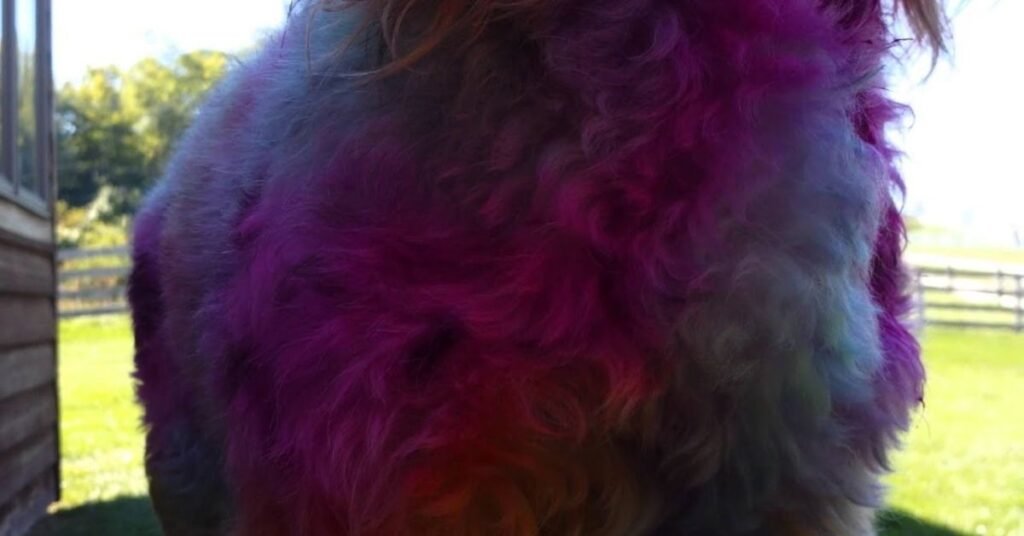
There are different types of dog hair colour dye available. Each type works in a different way and lasts for a different time. Choosing the right type depends on your dog’s coat, skin, and your purpose. Using a safe, pet-friendly dye is always important.
The main types of dog hair colour dye include:
- Temporary Dye: Lasts a few days and washes out easily. Good for short-term fun.
- Semi-Permanent Dye: Stays for a few weeks and gradually fades. Safe for pets when used correctly.
- Natural or Homemade Dye: Made from natural ingredients like beet juice or turmeric. Very gentle on dogs.
- Spray or Chalk Dyes: Easy to apply and wash out quickly. Ideal for special occasions.
Temporary Dog Hair Colour Dye
Temporary dog hair colour dye is created for short-term use. It usually lasts a few days and can be easily washed out with water or dog shampoo. Many pet owners use it to make their dogs look fun for events, photos, or special occasions. This type of dye is mild and safer for a dog’s sensitive skin.
Applying temporary dye is simple and does not require professional help. It is available in sprays, chalks, or gels, making it easy to create different colors or designs. Always test a small patch first to check for any reaction. Temporary dyes let you experiment with your dog’s look safely and without a long-lasting effect.
Semi-Permanent Dog Hair Colour Dye
Semi-permanent dog hair colour dye is designed to last longer than temporary dyes. It usually stays for a few weeks and gradually fades with regular baths. These dyes are made to be safe for dogs when applied correctly and do not damage the fur or skin. They give your dog a noticeable color change without permanent effects.
Using semi-permanent dye requires careful application. It is available in gels, creams, or sprays. Always test a small patch on your dog’s fur first to check for any reaction. This type of dye is great for dogs that need a longer-lasting look, whether for special events or creative grooming.
Natural and Pet-Safe Dog Hair Colour Dye Options
Natural and pet-safe dog hair dyes are made from gentle ingredients that are safe for dogs. They avoid harsh chemicals found in human hair dyes. These dyes reduce the risk of skin irritation, itching, or allergic reactions. Many dog owners prefer them for regular grooming or creative coloring.
Pet-safe dyes come in many forms and colors. Some use natural ingredients like fruits, vegetables, or herbs. These dyes are easy to apply and safe if your dog licks its fur. Using natural dyes keeps your dog healthy while letting you have fun with colors.
| Dye Type | Ingredients | Duration | Best Use | Safety Notes |
| Beet Juice | Beets | 1–2 washes | Red or pink tones | Safe and edible |
| Turmeric Paste | Turmeric | 2–3 washes | Yellow or golden color | Test for allergies first |
| Carrot Juice | Carrots | 1–2 washes | Orange shades | Mild and natural |
| Cocoa Powder | Unsweetened cocoa | 1–2 washes | Brown shades | Only for dogs, not chocolate candy |
| Pet-Safe Commercial Dye | Non-toxic pigments | 1–4 weeks | Multiple colors | Always follow instructions |
| Vegetable-Based Spray | Spinach, spirulina, beet | 1–3 washes | Green, blue, or purple tones | Test small patch first |
How to Choose a Safe Dog Hair Colour Dye
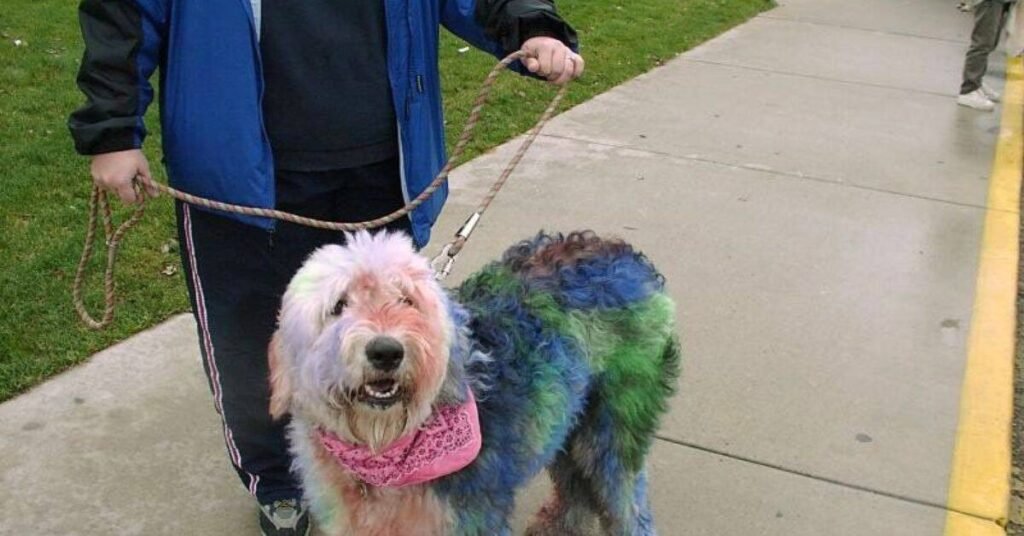
Choosing a safe dog hair colour dye is very important for your pet’s health. Always pick products that are made specifically for dogs. Avoid human hair dyes because they contain harsh chemicals. Look for dyes that are labeled non-toxic and pet-safe. Checking the ingredients helps prevent skin irritation or allergic reactions.
You should also test the dye on a small patch of your dog’s fur first. Watch for any redness, itching, or swelling before full application. Reading reviews and consulting your veterinarian can help you choose a reliable product. Using a safe dye ensures your dog stays healthy while enjoying a fun new look.
Ingredients to Avoid in Dog Hair Colour Dye
Not all hair dyes are safe for dogs. Some chemicals can cause serious harm. Dogs have sensitive skin, and they may lick their fur after dyeing. This makes harmful ingredients even more dangerous. Always check the label before using any dye on your dog.
Here are some ingredients to avoid in dog hair colour dye:
- The skin and eyes can be irritated by ammonia
- Peroxide – Strong chemical that can burn the skin
- Parabens – May cause allergic reactions
- Resorcinol – Can be toxic if ingested
- Artificial Fragrances – Can trigger itching or rashes
Signs That a Dog Hair Colour Dye Is Pet-Safe
Not all dog hair dyes are safe for pets. A pet-safe dye is gentle and does not harm the dog’s skin or fur. It is specially made for animals and uses non-toxic ingredients. Safe dyes reduce the risk of itching, redness, or allergic reactions. Always check the product label and instructions before use.
Here are some signs that a dog hair colour dye is pet-safe:
- Labeled non-toxic and safe for dogs
- Made from natural or mild ingredients
- Tested specifically on animals
- Easy to wash out without harsh chemicals
- Recommended by veterinarians or professional groomers
How to Dye Your Dog’s Hair Safely at Home
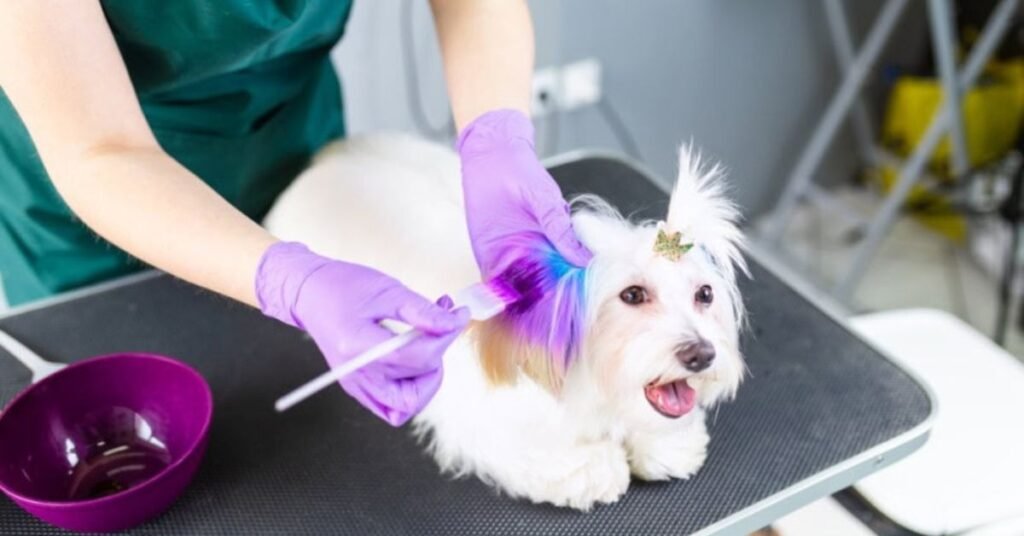
Dyeing your dog’s hair at home can be safe if done carefully. Always use dyes made specifically for dogs. Avoid human hair dyes, as they contain harmful chemicals. Prepare a calm space where your dog feels comfortable. Wear gloves and protect your clothing from stains.
Before full application, test the dye on a small patch of fur. Follow the instructions on the product carefully. Apply the dye gently, avoiding the dog’s eyes, nose, and mouth. After dyeing, rinse thoroughly if the product requires it. Monitor your dog for any signs of irritation during and after the process.
Step-by-Step Process for Applying Dog Hair Colour Dye
Applying dog hair colour dye is easy if you follow the right steps. Always use a pet-safe dye and work in a calm, well-lit area. Throughout the process, keep your dog relaxed and comfortable. Testing a small patch first is important to check for any skin reaction.
Here is a simple step-by-step process:
- Brush your dog’s fur to remove tangles and dirt
- Wear gloves to protect your hands
- Apply the dye evenly to the fur, avoiding eyes, nose, and mouth
- The dye should be left on for the recommended amount of time
- Rinse thoroughly if the dye instructions require it
- Dry the fur gently with a towel or hair dryer on a low setting
- Praise your dog and give a treat for good behavior
Safety Tips to Keep Your Dog Calm During Dyeing
Keeping your dog calm during dyeing is very important. A stressed dog may move suddenly, which can cause uneven coloring or accidents. Choose a quiet, comfortable space for the grooming session. Make sure your dog is clean and relaxed before you start.
Here are some tips to help your dog stay calm:
- Give your dog a favorite treat or toy during the process
- Speak softly and reassure your dog with gentle praise
- Take short breaks if your dog seems restless
- Let another person help hold or comfort your dog if needed
- Use slow and gentle movements when applying the dye
Does Dog Hair Colour Dye Work on All Dog Coats?
Dog hair colour dye does not work the same on every coat. The results depend on the dog’s fur type, texture, and color. Light-colored or white fur shows bright colors more easily. Dark or black fur may not show certain shades clearly. Long, thick coats may need more product, while short coats are easier to dye.
Some dog breeds may not respond well to dye. Dogs with sensitive skin or health issues should avoid coloring. Always test a small area first to see how the color appears. Using a pet-safe dye and following instructions carefully helps achieve the best results on most dog coats.
Best Dog Coat Types for Hair Colour Dye
Not all dog coats take hair dye the same way. Some coats show color better and last longer. Light-colored or white fur is the easiest to dye. Soft, straight fur absorbs dye evenly. Thick or curly coats may need extra care and more product. Always choose a pet-safe dye to protect your dog’s skin.
Here is a guide to the best dog coat types for hair colour dye:
| Coat Type | Fur Texture | Color Visibility | Dye Duration | Notes |
| Short & Smooth | Straight, thin | High | 1–2 weeks | Easy to apply, shows bright colors well |
| Medium & Wavy | Soft, medium-length | Medium | 2–3 weeks | May need more dye for even coverage |
| Long & Straight | Fine and long | High | 2–4 weeks | Ideal for creative patterns and streaks |
| Dense and curly | Curly, thick hair | Medium | 1–3 weeks | Requires careful application to reach all fur |
| White or Light-Colored | Any texture | Very High | 2–4 weeks | Colors appear vibrant and clear |
| Dark-Colored | Any texture | Low | 1–2 weeks | May need lighter or brighter shades for visibility |
Dog Breeds That May Not Respond Well to Hair Dye
Not all dog breeds react well to hair dye. Some dogs have very sensitive skin or unique coat types. Using dye on these dogs can cause irritation or uneven color. Small breeds with thin skin or short fur may be more prone to reactions. Dogs with curly or dense coats may have trouble showing the color evenly.
Here are some dog breeds that may not respond well to hair dye:
- Bulldogs : sensitive skin and short coats
- Pugs : prone to skin irritation
- Boxers : thin skin and short fur
- Shar Peis : loose, wrinkled skin can make dyeing uneven
- Maltese : very fine hair may not hold color well
- Poodles : curly coats need extra care for even application
How Long Does Dog Hair Colour Dye Last?
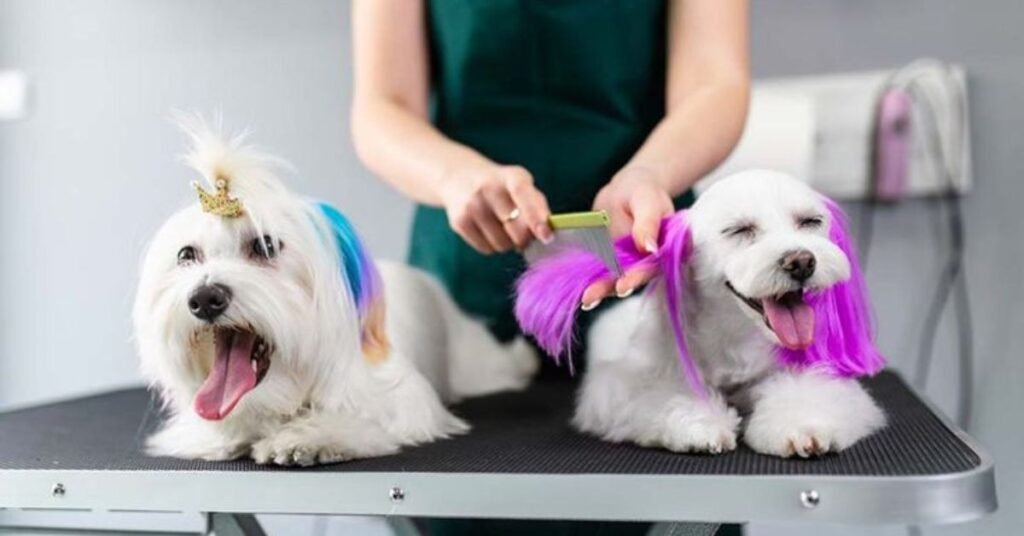
The duration of dog hair colour dye depends on the type of dye used. Temporary dyes usually last a few days and wash out easily. Semi-permanent dyes can stay for a few weeks. Natural dyes may fade faster or last slightly longer depending on the ingredient and the dog’s coat.
Other factors also affect how long the color stays. Frequent baths, sunlight, and your dog’s activity level can make the dye fade faster. Lighter fur shows colors more clearly, while darker fur may need reapplication. Always follow the product instructions for the best results and to keep your dog safe.
Conclusion
Taking care of your dog’s health is very important. Every choice, from food to treats, affects their wellbeing. Simple habits, like feeding the right portions and giving fresh water, make a big difference. Small changes can improve your dog’s life a lot.
Boiled chicken can be a safe and healthy option for dogs. It gives protein and is easy to digest.However, it should only be part of a balanced diet, not a complete replacement. Always mix it with other nutrients your dog needs.
Watching your dog closely helps prevent problems. Look for changes in appetite, energy, or behavior. Early detection of issues makes treatment easier. Being attentive shows love and care.
In the end, each dog is unique.What is good for one dog might not be suitable for another. Consult your vet if unsure about diet or health choices. Healthy habits and attention help your dog live a happy, long life.
FAQs
1. Can dogs eat boiled chicken every day?
Yes, dogs can eat boiled chicken regularly, but it should be part of a balanced diet. Include other nutrients like vegetables, grains, and vitamins to keep your dog healthy.
2. Is boiled chicken safe for puppies?
Boiled chicken is generally safe for puppies. It is easy to digest and gentle on their stomachs. Make sure to cut it into small pieces and avoid seasoning or bones.
3. Can I give my dog leftover chicken?
Leftover chicken can be given if it is plain and fully cooked. Avoid giving chicken with sauces, spices, or bones, as these can harm your dog.
4. How much boiled chicken should I feed my dog?
The amount depends on your dog’s size, age, and activity level. Small dogs need less, while large dogs need more. Always consult your vet for precise portions.
5. Can boiled chicken help a sick dog recover?
Yes, boiled chicken is gentle on the stomach and can help sick dogs feel better. It is easy to digest and provides protein without causing digestive issues.

DogsVibes Editorial Team creates trusted, research-based dog care content to help pet owners keep their dogs healthy, happy, and safe.