


Introduction
Boiled chicken is plain chicken cooked in water without salt, spices, or oil. Many dog owners use it as a simple meal or a food topper. It is soft, easy to digest, and high in protein. Because it has no strong seasonings, it is often considered gentle on a dog’s stomach.
But is boiled chicken really healthy and safe for every dog? Many pet parents give it when their dog feels sick or refuses regular food. Some people eat it as a treat or as part of a homemade diet.Still, there are questions about how much to feed, how to cook it properly, and whether it can replace dog food.
In this guide, we will explain the benefits and risks of boiled chicken for dogs. We will also cover how to cook it the right way and how much to serve. This will help you decide if boiled chicken is a safe and healthy choice for your dog.
Is Chicken Safe and Healthy for Dogs?

Chicken can be a great food for dogs when prepared properly. It is gentle on their stomachs and full of protein. Dogs usually find it very tasty, which makes mealtime easier. Always cook it plain and remove any bones or skin. Raw or heavily seasoned chicken can cause sickness, so it should be avoided.
Besides being safe, chicken is nutritious for dogs. It provides energy, helps build muscles, and supports overall health. Vitamins and minerals in chicken also help keep their coat shiny and their body strong. Serving small portions as part of a balanced diet makes chicken a healthy addition to a dog’s meals.
Benefits of Boiled Chicken for Dogs
Boiled chicken is very healthy for dogs. It is easy to digest and gentle on the stomach. Dogs with upset tummies often do well with boiled chicken. It is plain, soft, and safe when cooked without spices or oil. Boiled chicken is also a good way to give protein without extra fat.
Boiled chicken gives important nutrients that support a dog’s health. It can help build muscles and provide energy. It also supports strong bones and a healthy coat.
Some key benefits include:
- Lean protein for muscle growth
- Low fat, easy on the stomach
- Rich in vitamins like B6 for energy
- Helps keep skin and coat healthy
- Safe for dogs with digestive issues
Nutritional Benefits of Chicken for Dogs
Dogs love chicken as a source of protein.Protein helps build strong muscles and supports overall growth. It is easy to digest, making it suitable for dogs with sensitive stomachs. Chicken also contains important vitamins and minerals.
Some key benefits of chicken for dogs include:
- High protein content : supports muscle health and energy.
- Low in fat : good for dogs needing a healthy weight.
- Rich in vitamins : such as B6 and B12 for metabolism.
- Contains minerals : like phosphorus and selenium for bones and immunity.
Why Is Boiled Chicken Good for an Upset Stomach?
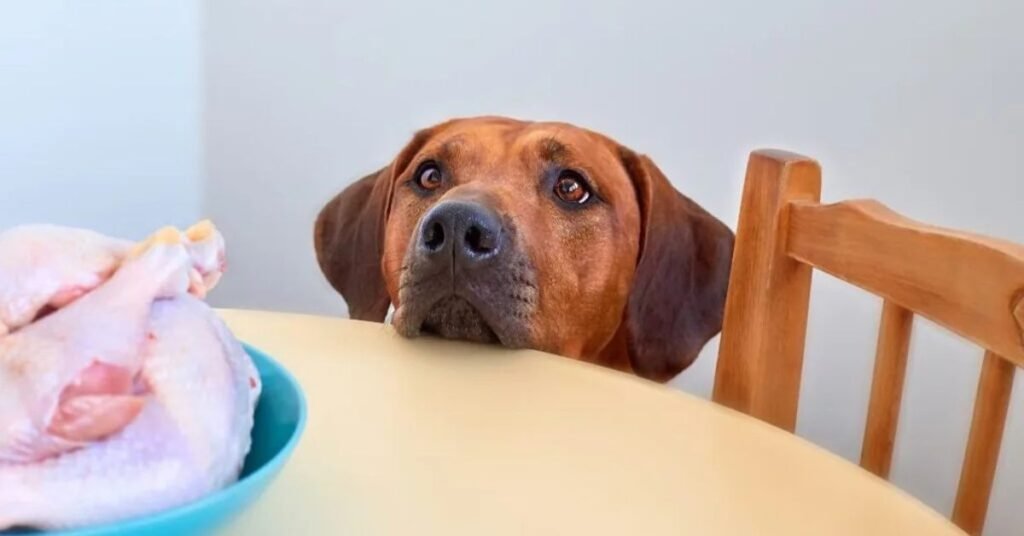
Boiled chicken is gentle on a dog’s stomach. It is easy to digest and does not upset the digestive system. Dogs with diarrhea, vomiting, or mild stomach issues can benefit from it. Boiling removes extra fat and makes the meat soft, so it is easier for dogs to eat.
Some reasons boiled chicken helps an upset stomach:
- Low fat : reduces strain on the digestive system.
- Soft texture : easy to chew and digest.
- Plain and simple : no spices or additives that can irritate.
- High protein : provides energy even when appetite is low.
How to Properly Cook Chicken for Dogs
Choose fresh chicken and remove all bones and skin before cooking. Bones can break easily and hurt your dog’s throat or stomach. Skin is fatty and may cause digestive issues, so it’s best to skip it.
Cook the chicken by boiling or baking it plain, without salt, spices, or oil. Once cooked, cut it into small, easy-to-eat pieces. Let it cool completely before feeding. If you have leftovers, keep them in the fridge for a day or two to keep them fresh.
How Long Should You Boil Chicken for Dogs?
Boiling chicken for dogs does not take long. Small pieces usually cook in 10–15 minutes. Larger pieces or whole breasts may take 20–25 minutes. The chicken is ready when it is fully white inside and no pink remains.
Do not overcook the chicken. Overcooked meat can become dry and lose nutrients. After boiling, let it cool before cutting into small pieces. Serve in manageable portions to keep it safe and easy for your dog to eat.
Can Dogs Eat Chicken Bones or Skin?

Many dog owners wonder if chicken bones or skin are safe for dogs. Cooked chicken bones are not safe for dogs to eat. They can break into small sharp pieces. These pieces may injure the mouth, throat, or stomach. In some cases, bones can cause choking or a blockage in the digestive system. Because of these risks, most veterinarians advise avoiding cooked chicken bones.
Chicken skin is also not the best food for dogs. It contains a lot of fat and seasoning if it comes from cooked meals. Too much fat can upset a dog’s stomach. It may also lead to problems like Pancreatitis. A small plain piece may not harm a healthy dog, but it should not be given often. Lean, cooked chicken meat without bones or skin is a safer option.
| Food Item | Safe or Unsafe | Reason | Possible Risk |
| Cooked Chicken Bones | Unsafe | Bones become brittle when cooked | Choking, internal injury |
| Raw Chicken Bones | Sometimes risky | Softer than cooked bones but still dangerous | Bacteria or choking risk |
| Fried Chicken Skin | Unsafe | High fat and seasoning | Stomach upset |
| Boiled Chicken Skin | Not recommended | Contains high fat | Digestive problems |
| Grilled Chicken Bones | Unsafe | Hard and brittle | Mouth or throat injury |
| Chicken Wing Bones | Unsafe | Small and easy to swallow | Choking hazard |
| Chicken Leg Bones | Unsafe | Thick bones that can splinter | Internal blockage |
| Chicken Neck Bones | Risky | Small bones may break apart | Choking or injury |
| Plain Cooked Chicken Meat | Safe | Lean protein source | Usually safe in small portions |
| Seasoned Chicken | Unsafe | Salt, spices, and oils | Stomach irritation |
| Chicken Fat | Not recommended | Very high in fat | Risk of pancreatitis |
| Boneless Chicken Breast | Safe | Lean and easy to digest | Good protein source |
Are Cooked Chicken Bones Dangerous for Dogs?
Cooked chicken bones are very unsafe for dogs. When chewed, they can split into sharp shards. These shards can injure the mouth, throat, or digestive system. Even a single small bone can lead to serious health problems.
Here are some reasons cooked chicken bones are risky:
- Choking danger : bones can block the airway.
- Tears or punctures :sharp fragments can damage the stomach or intestines.
- Digestive blockages : bones may get stuck and cause severe pain.
- Internal bleeding : often requires urgent veterinary attention.
Are Raw Chicken Bones Safe?
Raw chicken bones are softer than cooked ones, so they are less likely to break into sharp pieces. Some dogs can chew them safely, and many owners use them in raw feeding routines. But they are not completely risk-free. Dogs can still choke or swallow pieces too fast, which may lead to stomach or intestinal problems.
Important facts about raw chicken bones:
- Softer texture : easier for dogs to chew without splintering.
- Teeth cleaning : chewing can help remove plaque naturally.
- Bacteria risk : raw meat can carry germs like salmonella.
- Supervision needed : always watch your dog while eating bones.
What to Do If Your Dog Eats a Chicken Bone?

If your dog swallows a chicken bone, stay calm and watch them closely. Look for signs like coughing, gagging, vomiting, or trouble breathing. Do not try to pull the bone out from their mouth, as this can hurt them.
Here’s what you should do:
- Give water : it may help move the bone safely through the stomach.
- Do not induce vomiting : sharp bones can cause more damage coming back up.
- Call your vet : get professional advice quickly.
- Monitor their behavior : check for signs of pain, bloating, or constipation.
How Much Chicken Should You Feed Your Dog?
The amount of chicken depends on your dog’s size, age, and activity level. Small dogs need only a few bites, while large dogs can have larger portions. It is important for your dog to eat a balanced diet, not just chicken.
A few tips to follow:
- Small dogs – 1–2 tablespoons per meal.
- Medium dogs – ¼ to ½ cup per meal.
- Large dogs – ½ to 1 cup per meal.
- Mix with other foods – like rice or vegetables for balance.
How Much Chicken and Rice for a Sick Dog?
Chicken and rice are gentle on a dog’s stomach. They are often used when a dog has diarrhea or vomiting. The amount depends on your dog’s size and condition. Start with small portions and increase gradually if your dog tolerates it well.
| Dog Size | Chicken (cooked, plain) | Rice (plain, cooked) | Notes |
| Small (5–15 lbs) | 2–3 tablespoons | 2–3 tablespoons | Feed 2–3 times a day |
| Medium (16–40 lbs) | ¼ – ½ cup | ¼ – ½ cup | Split into 2–3 meals |
| Large (41–70 lbs) | ½ – 1 cup | ½ – 1 cup | Feed 2–3 times a day |
| Extra Large (70+ lbs) | 1 – 1½ cups | 1 – 1½ cups | Monitor digestion closely |
Should Chicken Be a Meal or a Treat?
Chicken can be served as a full meal or just a small treat for dogs. It is rich in protein and gentle on the stomach when cooked plain. Many dog foods feature chicken as the main ingredient. You can also boil or bake chicken at home without spices or bones. It gives energy and supports strong muscles.
On the other hand, feeding too much chicken every day can cause problems. It is possible for some dogs to develop allergies or digestive problems.Using chicken as a treat is safer for rewards or training. Balancing it with other foods is key. Offering variety keeps your dog healthy and happy.
| Factor | Chicken as a Meal | Chicken as a Treat | Tips |
| Protein | Main source, high | Small amount, moderate | Supports muscle growth |
| Calories | Higher if overfed | Low, easy to control | Prevents weight gain |
| How Often | Can be daily in balanced diet | Occasional only | For treats or training |
| Digestion | Usually easy | Very safe | Always cook plain |
| Allergies | Risk if overfed | Lower risk | Watch skin and stomach |
| Preparation | Boil, bake, mix in dog food | Bite-sized pieces | Never add seasoning or bones |
When Should You Feed Chicken and Rice to Your Dog?
Chicken and rice is a gentle meal for dogs. It is easy to digest and can help calm an upset stomach. Many dog owners give it when their dog has diarrhea or mild digestive issues. To help the stomach recover after vomiting, you can also feed it.Always cook the chicken plain and boil the rice fully.
It is not meant for daily feeding unless recommended by a vet. Too much chicken and rice can lead to nutrient imbalance. It works best as a temporary diet for a few days. Gradually return your dog to regular food after symptoms improve.
| Situation | Why Chicken and Rice Helps | Serving Tips | Duration |
| Diarrhea | Soothes digestive system | Small, frequent meals | 2–3 days until normal |
| Vomiting | Gentle on stomach | Plain boiled chicken and rice | 1–2 days until recovery |
| Stomach upset | Reduces irritation | Mix in soft rice | Short-term only |
| After illness | Easy to digest | Serve lukewarm | Until appetite returns |
| Food transition | Bridges to regular food | Gradually mix regular dog food | 2–5 days |
| Sensitive stomach | Low-fat, simple ingredients | Avoid seasoning and oils | Temporary use only |
How Long Should a Dog Stay on a Chicken and Rice Diet?
Dogs should only eat chicken and rice for a short period. This meal is easy on their stomach and helps with digestion. It is usually given when a dog has diarrhea, vomiting, or mild stomach upset. Feeding it too long can cause missing nutrients. Watch your dog’s appetite and behavior carefully while on this diet.
“Many dogs begin to recover in just a few days.”After that, slowly mix their regular food with chicken and rice. Gradually increase the normal food until the diet ends. Stop the diet if your dog does not improve or seems weak. Always check with a vet if problems continue.
| Situation | Recommended Duration | Feeding Tips | Notes |
| Mild diarrhea | 2–3 days | Small, frequent meals | Monitor stool for improvement |
| Vomiting recovery | 1–2 days | Plain boiled chicken & rice | Serve lukewarm, not hot |
| Stomach upset | 2–4 days | Soft and easy servings | Avoid seasoning or oils |
| Transition back to regular food | 2–5 days | Mix small amounts of dog food | Increase regular food gradually |
| Sensitive stomach | Short-term only | Observe digestion | Stop if discomfort occurs |
| Prolonged illness | As directed by vet | Follow veterinary advice | Do not extend diet without guidance |
How to Transition Back to Regular Dog Food
When your dog’s stomach is calm again, it’s time to reintroduce normal meals. Don’t dump all the old food at once. Start by adding just a few bites of regular dog food to the chicken and rice. Each day, increase the regular food a little more until it fully replaces the bland diet.
Watch your dog’s reactions closely. If their stomach seems upset, slow the pace. Serve smaller portions more often to make digestion easier. Keep water handy at all times. A gentle, step-by-step switch keeps your dog comfortable and happy while returning to their usual diet.
Can Dogs Eat Raw, Fried, or Rotisserie Chicken?

Dogs should never eat raw chicken. Raw chicken can have harmful bacteria like Salmonella or E. coli. These can make your dog very sick. Even healthy dogs can get diarrhea, vomiting, or fever from raw chicken. Always cook chicken before feeding it to your dog.
Fried or rotisserie chicken is also not safe for dogs. Fried chicken has too much oil, salt, and spices. Rotisserie chicken often has seasonings that upset a dog’s stomach. Small plain pieces of cooked chicken are best. Avoid bones from any chicken, as they can splinter and cause choking or injuries.
| Chicken Type | Safe for Dogs? | Risks | Notes |
| Raw Chicken | No | Bacteria, Salmonella, E. coli | Always cook before serving |
| Fried Chicken | No | High fat, spices, salt | Can cause vomiting, pancreatitis |
| Rotisserie Chicken | No | Seasonings, salt, sometimes fat | Only plain, unseasoned meat is okay |
| Boiled Chicken | Yes | Minimal risks | Best served plain, no bones |
| Baked/Grilled Chicken | Yes | Low risk if unseasoned | Remove skin and bones |
Can Dogs Eat Raw Chicken Safely?
Raw chicken is risky for dogs. It can carry harmful bacteria like Salmonella and E. coli. These bacteria can cause serious illness. Dogs may get vomiting, diarrhea, or a high fever. Even strong, healthy dogs are not immune. Cooking chicken properly is the safest way to feed it.
Some people feed raw chicken as part of a raw diet plan. This requires careful handling and strict hygiene. Mistakes can make dogs very sick, so it is not recommended for most pet owners.
Key safety tips:
- Do not let raw chicken sit out; keep it refrigerated.
- Wash hands, knives, and cutting boards after handling raw meat.
- Avoid raw chicken for puppies, older dogs, or dogs with weak immunity.
- Plain, cooked chicken is safer and easier on your dog’s stomach.
Is Rotisserie or Fried Chicken Safe for Dogs?
Don’t give your dog rotisserie or fried chicken. The spices, oils, and salt can wreck their tummy fast. Garlic and onion are hidden dangers that can make your dog sick very quickly. Even a small bite isn’t worth the risk.
Cooked chicken bones are silent killers. They can shatter and injure your dog’s throat or stomach.The safest way to treat your pup? Plain boiled or baked chicken, skin removed, no sauces, no seasoning. Your dog will enjoy it and stay healthy and happy.
Risks and Precautions of Feeding Chicken to Dogs
Chicken is a common food for dogs, but it still has some risks. Some dogs may have allergies to chicken. This can cause itching, skin irritation, or stomach upset. Seasoned or fried chicken is also unsafe for dogs. Spices, salt, and oils can harm a dog’s digestive system. It is always safer to feed plain, cooked chicken without seasoning.
Another risk is giving chicken with bones or too much fat. Bones can cause choking or internal injury. Fatty parts of chicken may lead to stomach problems or even Pancreatitis. Dogs can also get sick from raw chicken because of bacteria like Salmonella. For safety, always cook chicken well and remove bones before feeding it to your dog.
| Risk or Precaution | Description | Possible Problem | Safety Tip |
| Chicken Allergy | Some dogs react badly to chicken protein | Itching, skin rash, ear infections | Watch for allergy symptoms |
| Cooked Bones | Bones become brittle after cooking | Choking or internal injury | Never feed cooked bones |
| Raw Chicken | May contain harmful bacteria | Food poisoning or infection | Cook chicken thoroughly |
| Fatty Chicken Skin | High fat content | Stomach upset or pancreatitis | Remove skin before feeding |
| Seasoned Chicken | Contains salt, spices, or garlic | Digestive irritation | Feed plain chicken only |
| Fried Chicken | Cooked in oil and seasoning | High fat and unhealthy | Avoid fried foods |
| Large Portions | Too much chicken at once | Digestive problems | Feed small portions |
| Spoiled Chicken | Old or improperly stored meat | Food poisoning | Always check freshness |
| Sharp Bone Pieces | Broken bone fragments | Mouth or throat injury | Remove all bones carefully |
| Sudden Diet Change | Introducing chicken too quickly | Vomiting or diarrhea | Introduce slowly |
| Cross-Contamination | Raw chicken touching other foods | Spread of bacteria | Use clean utensils and surfaces |
| Overfeeding Protein | Too much protein in the diet | Nutritional imbalance | Balance with other foods |
Can Dogs Get Salmonella from Chicken?
Yes, dogs can get Salmonella from chicken.Uncooked chicken may harbor harmful microbes.If a dog eats it, they may get diarrhea, vomiting, or fever. Puppies, older dogs, and dogs with weak immunity are more at risk.
To protect your dog, always cook chicken thoroughly. Avoid giving raw or spoiled chicken. Wash your hands and bowls after handling chicken. This keeps both your dog and home safe and healthy.
Signs of Chicken Allergies in Dogs
Some dogs can be allergic to chicken. Symptoms may appear soon after eating or take a few days. Watch for signs like:
- Itchy skin or rashes
- Red or inflamed paws and ears
- Excessive scratching, licking, or biting
Chicken allergies can also cause stomach problems. Look for:
- Vomiting or diarrhea
- Gas or bloating
- Ear infections or sneezing
Conclusion
Boiled chicken for dogs can be a healthy treat when served the right way. Plain, boiled, or baked chicken is safe. Avoid spices, sauces, and skin to prevent stomach problems.
Boiled chicken for dogs is a simple option that many pet owners trust. However, cooked bones and fried or rotisserie chicken are dangerous. They can choke or injure your dog. Always remove bones and stick to plain meat.
Some dogs may be allergic, even when eating boiled chicken for dogs regularly. Watch for itchy skin, vomiting, or diarrhea. If you notice symptoms, stop feeding chicken and see your vet.
In the end, boiled chicken for dogs can be both tasty and healthy. Just follow the rules and feed it safely. Your dog will stay happy, healthy, and safe.
FAQs
1. Can I feed my dog raw chicken?
No, raw chicken can contain harmful bacteria like Salmonella. Boiled chicken for dogs is a much safer choice when fully cooked.
2. Is fried or rotisserie chicken safe for dogs?
No, fried or rotisserie chicken has spices, oils, and salt that can upset your dog’s stomach. Boiled chicken for dogs is the safest option.
3. How much chicken can I feed my dog?
Chicken should be a small part of your dog’s diet. Boiled chicken for dogs should make up about 10–20% of their daily food.
4. Can dogs be allergic to chicken?
Yes, some dogs may have a chicken allergy. Even boiled chicken for dogs can cause itchy skin, vomiting, or diarrhea. Stop feeding and consult your vet if symptoms appear.
5. Can chicken bones harm my dog?
Yes, cooked chicken bones can splinter and cause choking or internal injuries. Always remove bones and serve only plain, boneless boiled chicken for dogs.

DogsVibes Editorial Team creates trusted, research-based dog care content to help pet owners keep their dogs healthy, happy, and safe.