

Introduction
Yellow faeces in dogs refers to stool that appears yellow or light mustard in color instead of the normal brown shade. Healthy dog poop is usually firm and chocolate brown. When the color changes to yellow, it may signal that something is affecting your dog’s digestion. Sometimes it happens because of food changes, while other times it may point to a health issue.
Many dog owners feel worried when they notice yellow stool in their pet. It can be confusing because dogs cannot tell us how they feel. A sudden change in poop color often raises questions. Is it something serious, or just a temporary stomach upset?
In most cases, yellow faeces in dogs are linked to diet changes, digestive problems, or infections. It may also appear when food moves too quickly through the intestines. In this guide, you will learn the common causes, warning signs, treatments, and simple ways to keep your dog’s digestive system healthy.
What Does Yellow Faeces in Dogs Mean?
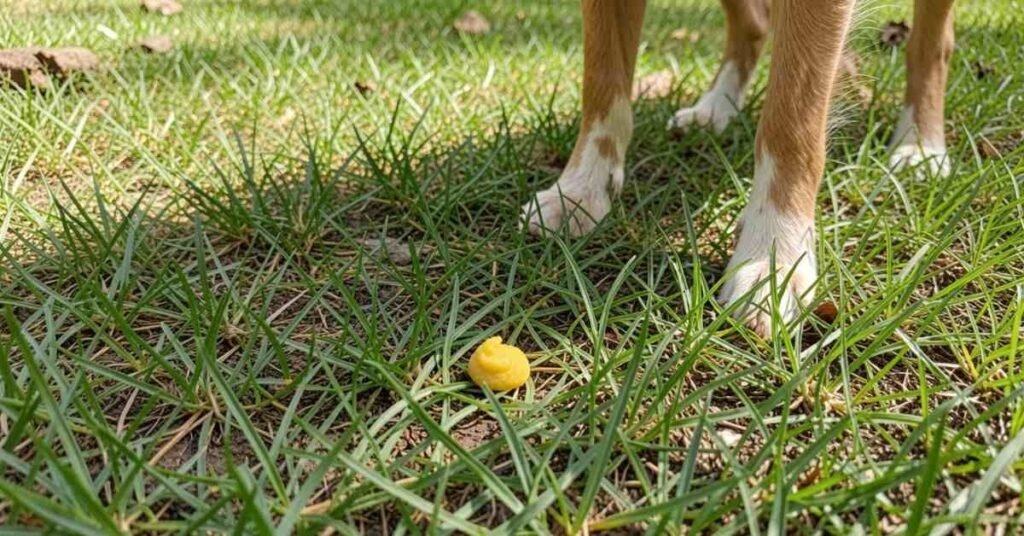
Yellow faeces in dogs usually means that something has changed in your dog’s digestive system. Normal dog stool is brown because of bile and proper digestion. When the stool turns yellow, it may mean that food is moving too quickly through the intestines. This can prevent bile from breaking down properly. As a result, the stool may appear yellow or pale.
In many cases, yellow stool is caused by simple things like a sudden diet change or food that does not suit your dog. It can also happen due to digestive upset, parasites, or infections. Sometimes stress or eating fatty foods can also affect stool color. If yellow faeces appear once and your dog acts normal, it may not be serious. But if it continues for several days or appears with other symptoms, it is best to check with a veterinarian.
What Normal Dog Stool Should Look Like
Normal dog stool is usually medium to dark brown in color. It should be firm but slightly soft. When you pick it up, it should keep its shape and not be too watery or too hard. Healthy stool also has a mild smell and should not contain mucus, blood, or unusual particles.
A dog with a healthy digestive system usually passes stool one to two times a day. The poop should look consistent in color and texture each day. Small changes can happen sometimes, especially after eating new food. However, large changes in color, such as yellow, green, or black, may indicate a digestive problem and should be monitored carefully.
Common Causes of Yellow Faeces in Dogs
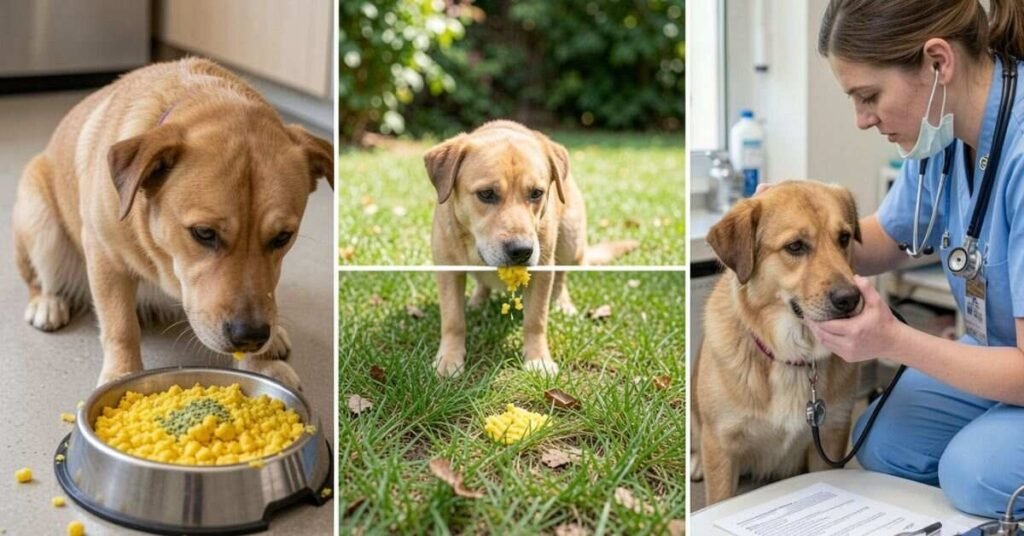
Yellow faeces in dogs can happen for several reasons. In many cases, it is related to digestion or diet. When food moves too quickly through the digestive system, bile does not break down fully. This can make the stool look yellow. Sudden food changes, eating fatty foods, or having a sensitive stomach can also affect stool color.
Some health problems may also cause yellow stool in dogs. Infections, parasites, or issues with the liver and pancreas can disturb digestion. Dog owners should watch for other symptoms if the color change continues. Common causes include:
- Sudden diet changes or new dog food
- Food intolerance or allergies
- Parasites such as worms or giardia
- Bacterial or viral infections
- Liver, pancreas, or bile problems
- Stress or anxiety affecting digestion
Diet Changes or Food Intolerance
Diet changes are one of the most common reasons for yellow faeces in dogs. A dog’s digestive system needs time to adjust to new food. When food is changed too quickly, the stomach and intestines may become upset. This can cause loose stool or a yellow color in the poop.
Food intolerance can also lead to digestive problems. Some dogs cannot easily digest certain ingredients. These may include dairy products, fatty foods, or some proteins. When the body struggles to digest food properly, stool color and texture may change.
| Possible Cause | Description | Common Signs in Dogs | What Dog Owners Should Do |
| Sudden Food Change | Switching dog food too quickly without gradual transition | Yellow stool, mild diarrhea, stomach upset | Slowly introduce new food over 7–10 days |
| Food Intolerance | Dog’s body reacts poorly to certain ingredients | Yellow stool, gas, loose stool, itching | Identify and remove the trigger ingredient |
| Fatty Foods | Eating greasy or high-fat foods | Soft yellow stool, vomiting, stomach pain | Avoid table scraps and fatty treats |
| Low-Quality Dog Food | Food with fillers or artificial additives | Frequent stool changes, poor digestion | Choose high-quality, balanced dog food |
| Dairy Products | Many dogs cannot digest lactose | Yellow stool, gas, bloating | Avoid milk, cheese, and other dairy items |
| Human Food | Spicy or seasoned foods not suitable for dogs | Digestive upset and unusual stool color | Feed dog-safe foods only |
Parasites and Intestinal Infections
Parasites and intestinal infections are common reasons for digestive problems in dogs. These parasites live inside the intestines and affect how food is digested. When the digestive system becomes irritated, stool color can change. In some cases, the poop may appear yellow, loose, or watery.
Dogs can get parasites from contaminated water, soil, or infected animals. Intestinal infections caused by bacteria or viruses can also upset the stomach. These problems often come with other symptoms that dog owners should watch carefully. Common signs include:
- Diarrhea or loose yellow stool
- Mucus in the stool
- Vomiting or nausea
- Loss of appetite
- Weight loss over time
- Low energy or tired behavior
Liver, Gallbladder, or Bile Problems
The liver and gallbladder play an important role in digestion. They produce and store bile, which helps break down fats in food. Bile also gives dog stool its normal brown color. When there is a problem with bile production or flow, the stool may appear yellow or pale.
If the liver or gallbladder is not working properly, digestion can become slow or unbalanced. This may lead to changes in stool color and texture. Dogs with bile-related problems may also show other symptoms. In such cases, veterinary care is important to find the exact cause.
| Condition | What It Means | Possible Symptoms | How It Affects Stool | What Owners Should Do |
| Liver Disease | The liver is not functioning properly | Loss of appetite, vomiting, tiredness | Stool may appear yellow or pale | Visit a vet for blood tests and treatment |
| Gallbladder Problems | Issues with bile storage or release | Abdominal pain, nausea, weakness | Poor bile flow may cause yellow stool | Veterinary examination and possible imaging |
| Bile Duct Blockage | Bile cannot move properly into the intestine | Jaundice, vomiting, digestive upset | Stool may become yellow or light-colored | Immediate veterinary care is needed |
| Poor Bile Production | Liver produces less bile than normal | Weak digestion, weight loss | Stool may lose its normal brown color | Vet diagnosis and dietary management |
| Fat Digestion Issues | Body struggles to break down fats | Greasy stool, stomach upset | Yellow and sometimes oily stool | Low-fat diet and vet-recommended care |
Stress, Anxiety, and Digestive Upset
Stress and anxiety can affect a dog’s digestive system. Just like humans, dogs may experience stomach problems when they feel stressed. Changes in routine, loud noises, traveling, or being in a new environment can upset their digestion. This can cause loose stool, diarrhea, or yellow faeces.
When a dog feels anxious, the digestive system may move food through the intestines too quickly. This does not allow bile enough time to break down properly. As a result, the stool may appear yellow. If stress continues for a long time, digestive problems may happen more often.
| Stress Trigger | Description | Possible Signs in Dogs | Effect on Digestion | What Dog Owners Can Do |
| Change in Environment | Moving to a new home or visiting new places | Nervous behavior, hiding, restlessness | May cause loose or yellow stool | Give the dog time to adjust and maintain routine |
| Loud Noises | Fireworks, thunderstorms, or construction sounds | Shaking, barking, pacing | Stress may upset stomach | Provide a quiet and safe space |
| Separation Anxiety | Dog feels stressed when left alone | Whining, destructive behavior | Digestive upset or diarrhea | Train gradually and provide toys or comfort items |
| New Pets or People | Introduction of new animals or family members | Nervousness, reduced appetite | Temporary digestive disturbance | Introduce changes slowly |
| Travel or Long Trips | Car rides or unfamiliar travel environments | Drooling, vomiting, anxiety | Can lead to stomach upset and stool changes | Take breaks and keep the dog calm |
| Sudden Routine Changes | Different feeding times or lack of exercise | Confusion, irritability | May affect digestion and stool color | Keep a consistent daily routine |
Other Symptoms That May Appear With Yellow Dog Stool
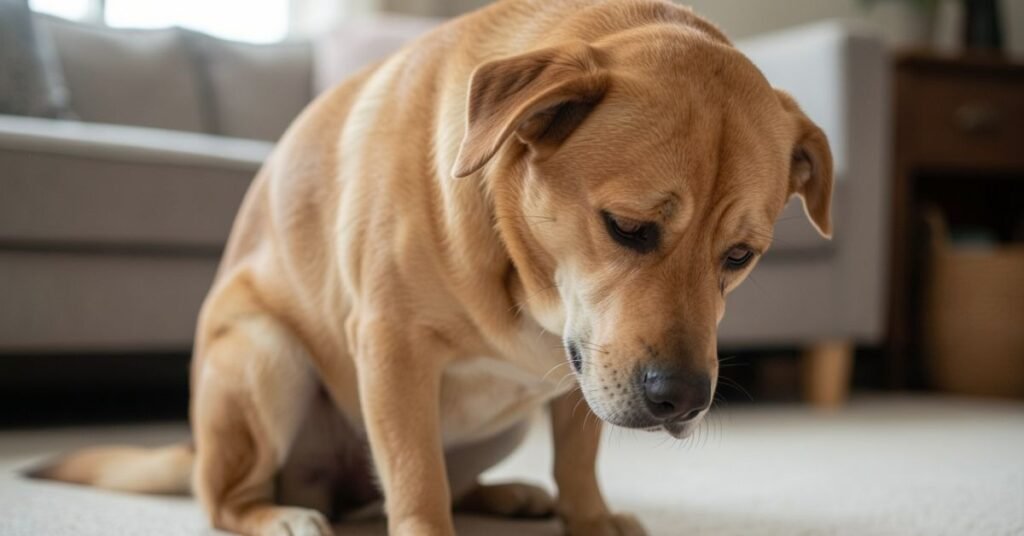
Yellow dog stool is often accompanied by other signs that something may be wrong. Watching your dog’s overall health can help identify if the problem is serious. Changes in appetite, energy levels, or behavior often appear alongside yellow stool. Noticing these symptoms early can help prevent more serious health issues.
Some common symptoms to watch for include:
- Diarrhea or loose stool
- Vomiting or nausea
- Loss of appetite
- Lethargy or low energy
- Abdominal pain or bloating
- Mucus or blood in stool
- Frequent or urgent urination
Diarrhea, Mucus, or Unusual Smell in Stool
Diarrhea is a common sign that a dog’s digestive system is upset. When stool is loose or watery, it may also appear yellow. Mucus in the stool is another indicator that the intestines are irritated. An unusual or strong smell can also suggest digestive problems, infections, or poor nutrient absorption.
These signs often help dog owners identify potential health issues early. Paying attention to stool consistency, smell, and appearance can make a big difference. Some causes are simple, like diet changes, while others may need veterinary care.
| Symptom | What It Means | Possible Causes | What Dog Owners Should Do |
| Diarrhea | Loose or watery stool | Diet change, infection, parasites | Monitor hydration, consult a vet if it continues |
| Mucus in Stool | Slimy coating on poop | Intestinal irritation, infection, inflammation | Keep stool sample for vet, monitor diet |
| Unusual Smell | Strong or foul odor | Poor digestion, bacterial overgrowth, infection | Check diet, see vet if persistent |
| Yellow Stool | Stool lighter than normal | Rapid transit, bile issues, diet | Observe other symptoms, consult vet if ongoing |
| Frequent Bowel Movements | More trips than usual | Digestive upset, stress, infection | Track patterns, inform veterinarian |
| Sudden Appetite Change | Eating less or more than usual | Digestive problem or illness | Monitor food intake, seek vet advice |
Vomiting, Lethargy, or Loss of Appetite
Vomiting is a common sign that a dog’s digestive system is not working properly. It often happens with yellow faeces or diarrhea. Lethargy, or low energy, may also appear when the dog is unwell. Loss of appetite is another sign that something may be wrong inside the body.
These symptoms are important to watch because they can indicate serious health problems. They may be caused by infections, liver or gallbladder issues, parasites, or stress. Tracking these signs can help dog owners get timely veterinary care.
| Symptom | What It Means | Possible Causes | What Dog Owners Should Do |
| Vomiting | Forceful expulsion of stomach contents | Dietary upset, infection, toxins, parasites | Monitor, withhold food briefly, consult vet if persistent |
| Lethargy | Low energy, sleeping more than usual | Illness, digestive problems, infection | Encourage rest, monitor behavior, visit vet if continues |
| Loss of Appetite | Eating less or refusing food | Digestive upset, liver issues, stress | Offer bland diet, track food intake, consult vet |
| Yellow Stool | Stool color change | Rapid digestion, bile problems, diet change | Observe other symptoms, seek veterinary advice |
| Dehydration | Dry gums, sunken eyes, low water intake | Vomiting or diarrhea | Offer water, monitor closely, vet visit if severe |
| Weakness | Difficulty moving or standing | Illness, nutrient absorption issues | Keep dog comfortable, contact vet |
| Behavioral Changes | Hiding, irritability, restlessness | Pain or digestive discomfort | Monitor and record changes, seek veterinary guidance |
When Yellow Faeces in Dogs Is a Serious Problem
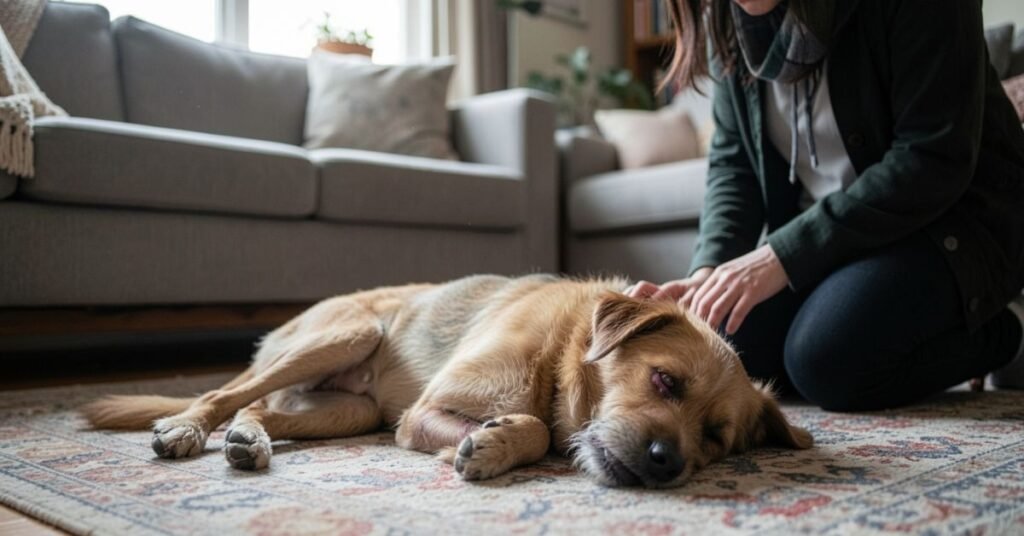
Yellow faeces in dogs is not always dangerous, but sometimes it can be a sign of a serious problem. If the stool stays yellow for more than a couple of days, it may indicate liver, gallbladder, or pancreas issues. Dogs with persistent yellow stool may also have infections, parasites, or digestive disorders that need treatment.
Other signs can show that the problem is serious. Vomiting, lethargy, loss of appetite, blood in stool, or unusual behavior are warning signals. If you notice any of these along with yellow faeces, it is important to contact a veterinarian quickly. Early care can prevent complications and help your dog recover faster.
Warning Signs That Require a Vet Visit
Some signs in dogs with yellow faeces mean you should see a veterinarian immediately. These signs show that the dog may have a serious digestive or health problem. Early detection can prevent the condition from getting worse.
Watch for these warning signs:
- Persistent yellow stool lasting more than 2–3 days
- Vomiting or repeated nausea
- Lethargy or unusual tiredness
- Loss of appetite or refusing food
- Blood or mucus in stool
- Abdominal pain or bloating
- Jaundice (yellowing of eyes or gums)
- Sudden weight loss
How Veterinarians Diagnose the Cause
When a dog has yellow faeces, a veterinarian will first ask about the dog’s diet, behavior, and health history. They may examine the dog’s body to check for signs of illness or discomfort. This helps them understand what might be causing the stool color change.
Veterinarians often use tests to find the exact cause. These can include fecal exams to check for parasites, blood tests to look at liver and pancreas function, and imaging like X-rays or ultrasounds. Sometimes, they may suggest a diet trial or elimination plan to see if food is the problem. These steps help the vet create the best treatment plan for your dog.
Fecal Tests, Blood Tests, and Imaging
Fecal tests, blood tests, and imaging are common ways veterinarians check why a dog has yellow faeces. This test look for parasites, bacteria, or other problems in the stool. Blood tests show how the liver, pancreas, and other organs are working. Imaging, like X-rays or ultrasounds, helps see if there are blockages or abnormalities in the digestive system.
These tests help the vet find the exact cause and decide the best treatment. Some dogs may need one test, while others may need multiple tests to get a clear picture.
| Test Type | Purpose | What It Detects | How It Helps |
| Fecal Test | Examines stool sample | Parasites, bacterial infections, digestive issues | Confirms presence of intestinal parasites or infections |
| Blood Test | Measures organ function and overall health | Liver function, pancreas function, infections | Identifies organ problems that may cause yellow stool |
| Urinalysis | Checks urine for abnormalities | Kidney function, infection, dehydration | Helps rule out urinary causes of digestive issues |
| X-Ray | Creates images of internal organs | Blockages, abnormal masses, intestinal issues | Detects structural problems in the digestive tract |
| Ultrasound | Provides detailed imaging of organs | Liver, gallbladder, pancreas, intestines | Helps detect inflammation, tumors, or bile flow problems |
| Diet Trial / Elimination | Tests food sensitivity | Food intolerances or allergies | Helps identify if yellow stool is diet-related |
Treatment Options for Yellow Faeces in Dogs
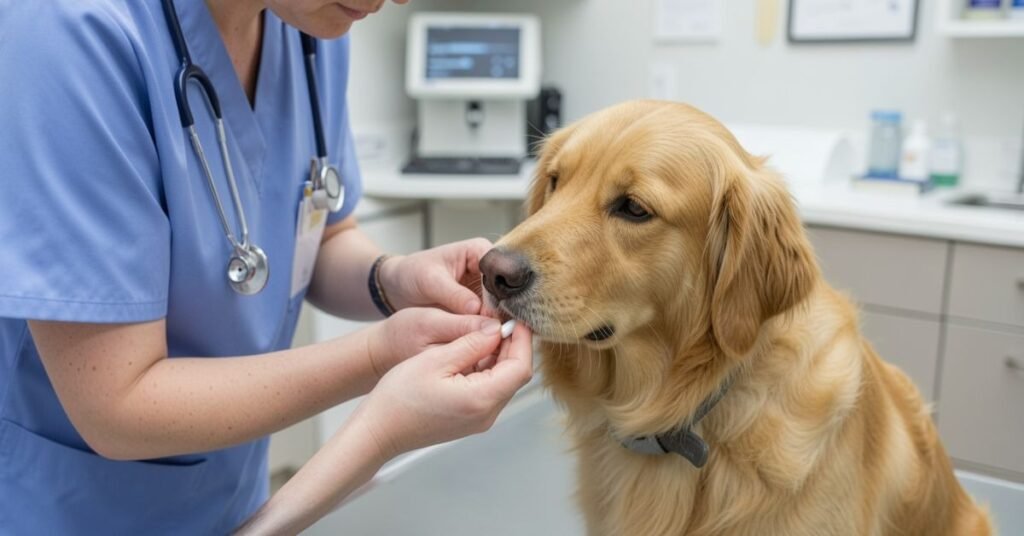
Treatment for yellow faeces in dogs depends on the cause. If it is due to diet, switching to high-quality dog food and gradually introducing changes often helps. For mild digestive upset, probiotics or digestive supplements may support healthy gut function.
If the yellow stool is caused by infections, parasites, or organ issues, a veterinarian may prescribe medications or special treatments. Monitoring your dog’s health and following the vet’s instructions is important for a full recovery.
Common treatment options include:
- Diet Adjustment: Switch to a high-quality, easily digestible dog food
- Probiotics or Digestive Supplements: Support gut health and digestion
- Medications for Parasites: Deworming treatments to remove worms or parasites
- Antibiotics for Infections: Treat bacterial infections affecting digestion
- Specialized Care for Liver or Gallbladder Issues: Medication or dietary management as advised by the vet
- Stress Reduction : Calm the dog through routine, exercise, or behavior support
Diet Changes and Digestive Support
Diet changes are a common way to help dogs with yellow faeces. Switching to high-quality dog food can improve digestion and stool color. It is important to introduce new food slowly, over 7–10 days, to avoid upsetting the stomach. Digestive support, like probiotics, can also help balance gut bacteria and improve overall digestion.
Supporting your dog’s digestive health helps prevent future problems. Some dogs may need a special diet recommended by a veterinarian. Monitoring stool color, consistency, and your dog’s behavior is important during dietary changes.
| Support Method | Description | How It Helps | Tips for Dog Owners |
| Gradual Food Transition | Slowly change from old food to new food | Prevents digestive upset | Mix old and new food over 7–10 days |
| High-Quality Dog Food | Nutrient-rich, easily digestible food | Supports gut health and firm stool | Look for balanced protein, fiber, and vitamins |
| Probiotics | Supplements with beneficial bacteria | Improves digestion and gut flora | Follow dosage instructions, consult vet |
| Digestive Enzymes | Helps break down food properly | Reduces digestive issues | Use under veterinary guidance |
| Low-Fat Diet | Food with less fat content | Prevents greasy or yellow stool | Avoid table scraps and high-fat treats |
| Hydration | Providing enough clean water | Supports digestion and stool formation | Always keep fresh water available |
| Small, Frequent Meals | Feeding multiple small portions | Reduces stress on digestive system | Divide daily food into 2–3 meals |
Medications for Parasites or Infections
When yellow faeces in dogs is caused by parasites or infections, medications may be needed. Parasites like worms can upset the digestive system and cause diarrhea or yellow stool. Infections from bacteria or viruses can also affect stool color and consistency. A veterinarian will recommend the right medicine based on the type of infection or parasite.
It is important to follow the vet’s instructions carefully. Completing the full course of medication ensures the problem is fully treated. Some common treatments include:
- Deworming medications – Removes intestinal worms like roundworms, hookworms, or tapeworms
- Antibiotics – Treat bacterial infections affecting the digestive system
- Anti-parasitic drugs – Targets protozoa like giardia or coccidia
- Supportive care – Fluids or dietary adjustments to help recovery
- Probiotics – Helps restore healthy gut bacteria after medication
How to Prevent Yellow Faeces in Dogs
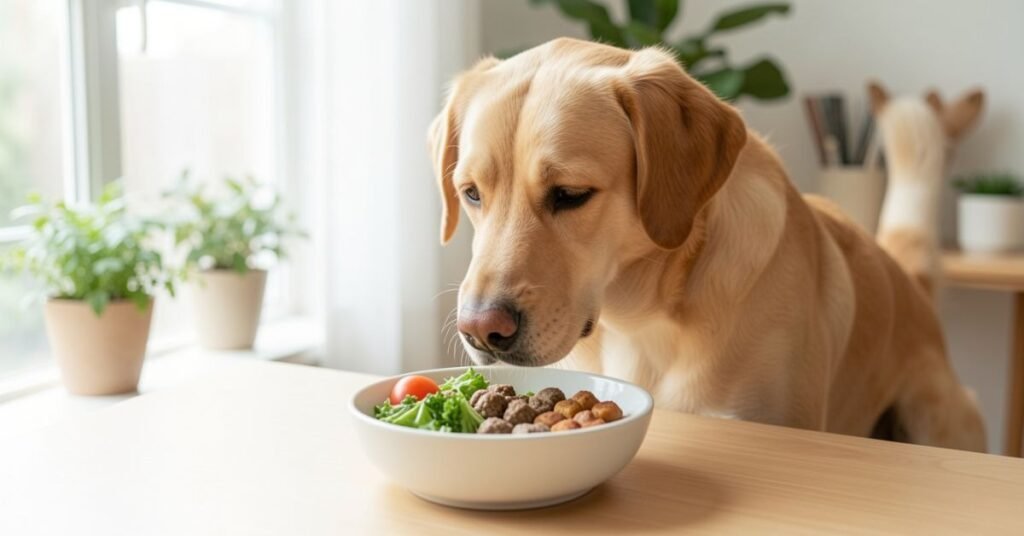
Preventing yellow faeces in dogs starts with good diet and care. Feeding high-quality, balanced dog food helps keep the digestive system healthy. Avoid sudden food changes or giving table scraps. Keeping a consistent feeding schedule also supports regular digestion.
Other habits can help maintain healthy stool. Regular vet checkups, parasite prevention, and stress management are important. Monitoring your dog’s health and behavior can catch problems early. Simple steps include:
- Feed high-quality dog food – Nutrient-rich and easily digestible
- Avoid table scraps and fatty treats – Prevents digestive upset
- Introduce new food gradually – Mix old and new food over 7–10 days
- Maintain regular feeding times – Helps consistent digestion
- Provide fresh water at all times – Supports digestion and overall health
- Use parasite prevention treatments – Regular deworming and vet guidance
- Reduce stress – Exercise, routine, and calm environment
Feeding a Balanced Diet and Maintaining Gut Health
Feeding a balanced diet is one of the best ways to keep your dog’s digestive system healthy. A good diet includes the right mix of protein, fiber, vitamins, and minerals. High-quality dog food supports healthy digestion and helps prevent yellow faeces. Avoid giving too many treats, table scraps, or fatty foods, as these can upset the stomach.
Maintaining gut health is also important for your dog’s overall wellbeing. Probiotics and digestive supplements can help keep the gut bacteria balanced. Regular exercise and a consistent feeding schedule support healthy digestion. Monitoring your dog’s stool, appetite, and behavior helps catch problems early before they become serious.
Conclusion
Yellow faeces in dogs is often a sign that something is affecting their digestion. In many cases, it is caused by diet changes, food intolerance, or minor digestive upset. Watching your dog’s stool and overall behavior can help you understand if the problem is temporary or more serious.
Yellow stool is sometimes caused by parasites, infections, or liver, gallbladder, or pancreatic problems. If you notice other symptoms like vomiting, lethargy, loss of appetite, or blood in the stool, it is important to contact a veterinarian quickly.Serious health problems can be prevented with early attention.
Maintaining a balanced diet, providing high-quality dog food, and supporting gut health are key ways to prevent yellow faeces. Regular feeding schedules, hydration, and parasite prevention also help keep your dog’s digestive system healthy. Small changes in routine or diet should always be gradual.
By paying attention to your dog’s stool, health, and behavior, you can keep them happy and healthy. Most cases of yellow stool are easily managed with proper diet and care. Remember, if you are ever unsure, consulting a veterinarian is the safest choice.
FAQs
1. What causes yellow faeces in dogs?
Yellow faeces in dogs can be caused by diet changes, food intolerance, parasites, infections, or problems with the liver, gallbladder, or pancreas. Stress and anxiety can also affect digestion and stool color.
2. Is yellow stool always a sign of illness?
Not always. Sometimes, a change in diet or a minor digestive upset can cause temporary yellow stool. However, persistent yellow faeces or other symptoms should be checked by a veterinarian.
3. How can I prevent yellow faeces in my dog?
Feeding high-quality, balanced dog food, introducing new food gradually, keeping a consistent feeding schedule, and providing regular parasite prevention can help maintain healthy stool color.
4. When should I take my dog to the vet for yellow stool?
See a veterinarian if yellow faeces lasts more than a couple of days or is accompanied by vomiting, lethargy, loss of appetite, blood in stool, or unusual behavior. Early diagnosis helps prevent serious health problems.
5. Can probiotics or supplements help with yellow faeces?
Yes, probiotics and digestive supplements can support gut health and restore balance in the intestines. They are especially helpful if yellow stool is caused by digestive upset or after medication for parasites or infections.
