

Introduction
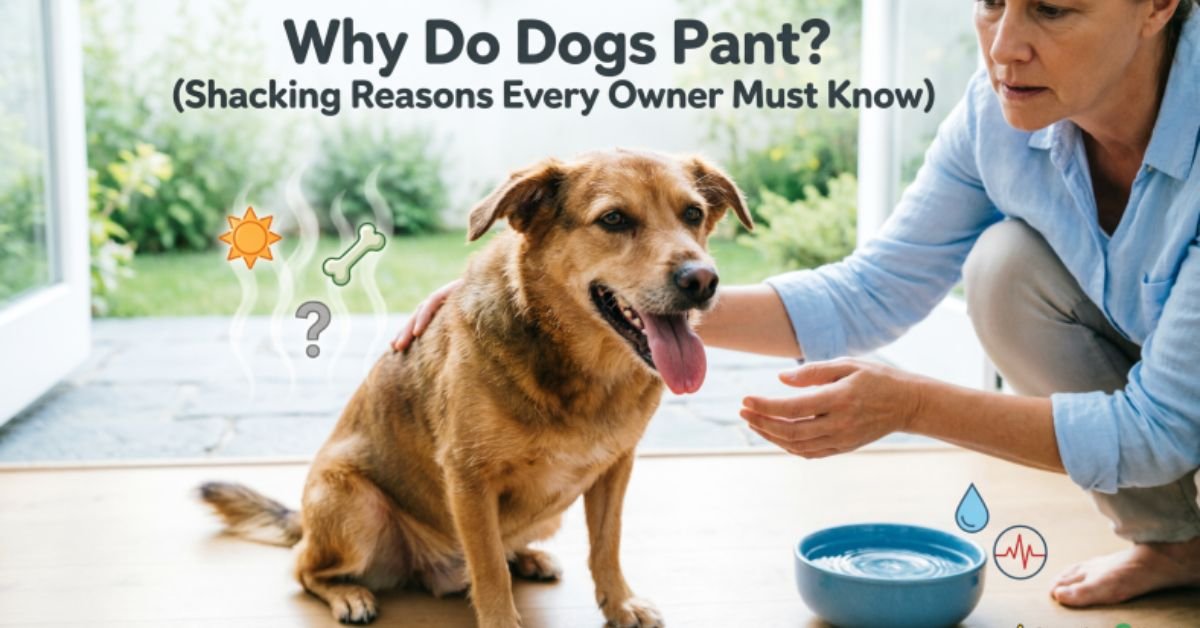
Dogs pant as a natural way to cool their bodies. They cannot sweat like people do, so they use fast, open-mouth breathing to release heat. In most cases, panting is completely normal and helps keep your dog comfortable.
However, panting does not always mean your dog is just hot. Have you ever noticed your dog panting while resting or during the night? That can make any owner feel worried. Sometimes it is caused by excitement or stress, but other times it may point to a health issue.
In this guide, you will discover the common reasons why dogs pant, what excessive panting looks like, and when it might be time to speak with a veterinarian. Understanding these signs can help you respond quickly and protect your dog’s well-being.
Why Do Dogs Pant?
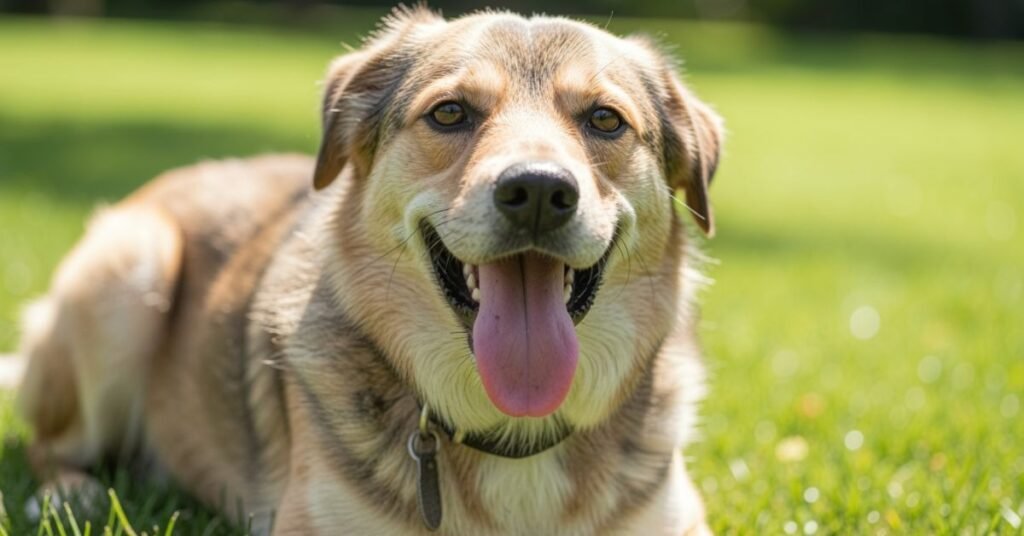
their bodies. They do not sweat like humans. Instead, they breathe quickly with their mouths open to release heat. This helps lower their body temperature, especially after exercise or in warm weather.
Panting can also happen when a dog feels excited, nervous, or tired. In many cases, it is normal behavior. But if the panting seems heavy, constant, or unusual, it may be a sign that something is wrong. Watching your dog’s behavior can help you understand the reason.
How Panting Helps Dogs Cool Down
Dogs cool down by moving air quickly over their tongue and through their mouth. When they pant, moisture on their tongue and in their airways evaporates. This process helps remove heat from their body. It works in a similar way to how sweat cools humans.
As the fast breathing continues, cooler air moves into the lungs and warm air moves out. This helps balance their body temperature. That is why dogs start panting after running, playing, or sitting in the sun. It is their natural cooling system at work.
When Panting Is Completely Normal
Panting is often a healthy and normal behavior in dogs. It usually happens when they are trying to cool down or calm themselves. Light to moderate panting after activity is nothing to worry about. Most dogs return to normal breathing once they rest.
Panting is completely normal in situations like:
- After running or playing
- During hot or humid weather
- When feeling excited or happy
- During short moments of stress, like a car ride
- After chewing on a toy or bone
The Most Common Reasons Why Dogs Pant
Dogs pant for many everyday reasons. Most of the time, it is their way of cooling down or reacting to their surroundings. Panting can happen suddenly and stop just as quickly. It depends on what your dog is feeling or doing at that moment.
Some of the most common reasons include:
- Warm weather or sitting in the sun
- Exercise or active play
- Excitement when greeting people
- Stress, fear, or loud noises
- Mild pain or discomfort
Heat and Temperature Regulation
Dogs are very sensitive to heat. They cannot sweat through their skin like humans do. Instead, they rely on panting to control their body temperature. When the weather is warm, their breathing becomes faster to help release extra heat.
If a dog gets too hot, panting becomes heavier and more frequent. The body cools itself naturally in this way. However, extreme heat can be dangerous. That is why owners must understand the signs of normal heat regulation and overheating.
| Situation | Normal Heat Response | Warning Signs of Overheating | What You Should Do |
| Warm weather | Light panting | Very heavy, nonstop panting | Move dog to a cool area |
| After exercise | Fast breathing that slows after rest | Panting that does not stop after 10–15 minutes | Offer water and allow rest |
| Sitting in the sun | Mild panting | Drooling excessively | Provide shade immediately |
| High humidity | Slightly increased breathing | Bright red or pale gums | Cool dog gradually |
| Car without ventilation | Rapid panting | Weakness or collapse | Seek emergency help |
| Long walks in summer | Thirst and panting | Vomiting or diarrhea | Contact a veterinarian |
| Thick-coated breeds | Moderate panting | Glazed eyes or confusion | Use cooling methods safely |
| Overweight dogs | Heavy breathing during heat | Trouble standing | Call a vet immediately |
Exercise and Physical Activity
Dogs pant a lot during and after exercise. Running, playing, or walking increases their body heat. Panting helps them cool down quickly. Physical activity causes this response.
The intensity of panting depends on the activity. Short bursts of play cause light panting. Long walks or running can make panting heavier. Providing water and rest helps your dog recover faster.
Excitement, Anxiety, or Stress
Dogs often pant when they are excited. Meeting their owner, playing with toys, or seeing a friend can trigger panting. As soon as the excitement subsides, this type of panting stops.
Stress and anxiety can also cause panting. Loud noises, car rides, or new environments may make a dog pant heavily. The cause of your dog’s panting can be understood by watching his body language.
| Trigger | Type of Panting | Other Signs | What You Can Do |
| Playing with toys | Light, quick panting | Wagging tail, alert eyes | Let them rest and drink water |
| Meeting owners/friends | Happy panting | Jumping, tail wagging | Calmly praise and pet |
| Car rides | Fast, nervous panting | Trembling, whining | Give comfort or a favorite toy |
| Loud noises | Heavy, shallow panting | Ears back, hiding | Move to quiet area, use calming methods |
| Vet visits | Stress panting | Shaking, pacing | Stay calm, offer treats, gradual exposure |
| New environment | Rapid panting | Cautious movements, sniffing | Allow adjustment time |
| Grooming sessions | Nervous panting | Whining, paw lifting | Gentle handling, short sessions |
| Fireworks/thunderstorms | Intense panting | Hiding, drooling | Use safe space, calming aids |
Why Is My Dog Panting So Much While Resting?
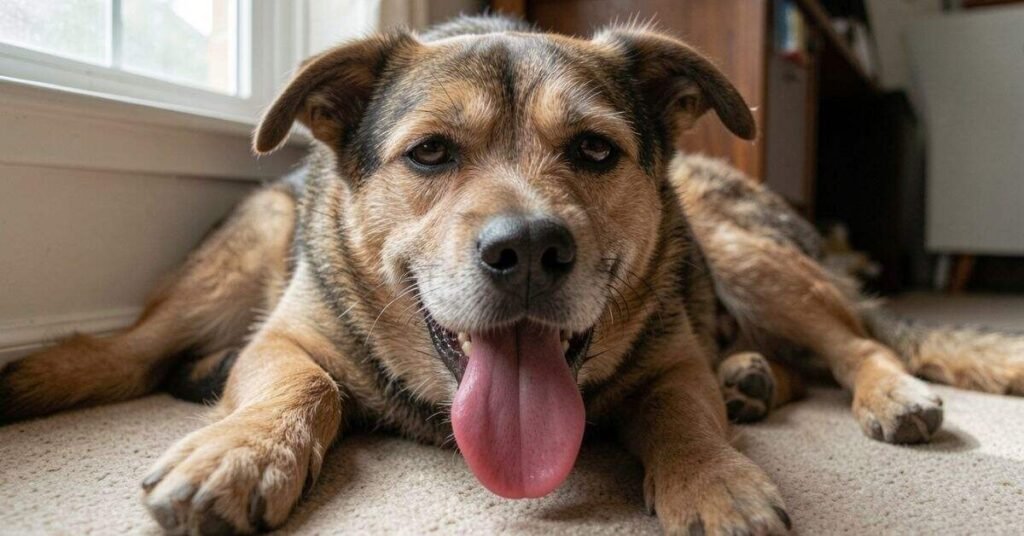
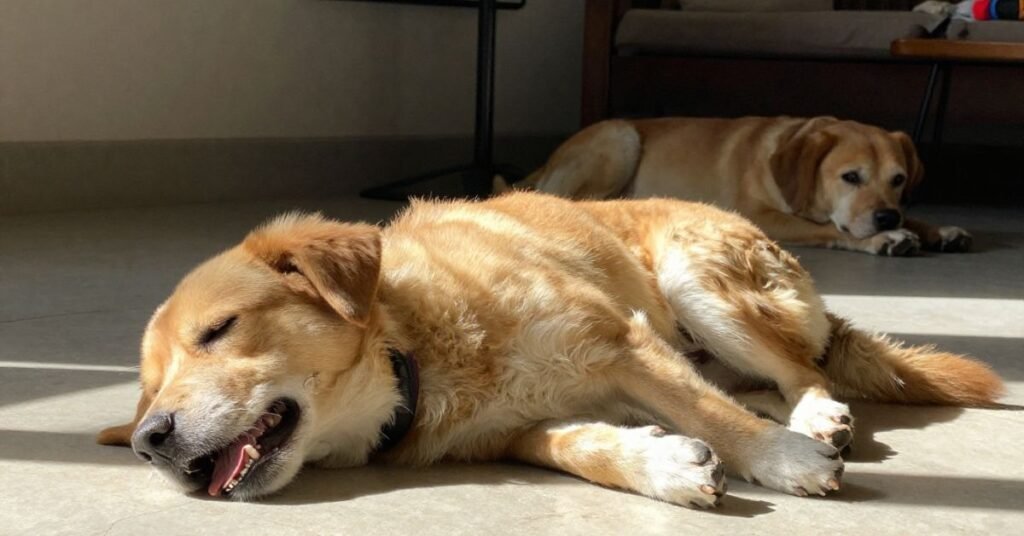
Sometimes dogs pant even when they are resting. This can be normal if they just finished exercise or are feeling warm. Light panting after activity usually stops quickly and is not a concern.
However, heavy or constant panting while resting may signal a problem. Pain, anxiety, or underlying health issues can cause it. Watching your dog’s behavior and checking for other symptoms can help determine if a vet visit is needed.
Pain or Internal Discomfort
Dogs may pant when they are in pain or feeling unwell. This type of panting is usually heavier and may happen even when they are resting. It can be caused by injury, illness, or internal discomfort.
Other signs often appear alongside panting. Watching your dog closely can help you spot problems early.
| Possible Cause | Type of Panting | Other Symptoms | What to Do |
| Injury or trauma | Heavy, shallow | Limping, whining, reluctance to move | Check for wounds, contact vet if needed |
| Stomach upset | Rapid, shallow | Vomiting, diarrhea, bloating | Monitor closely, provide water, call vet if severe |
| Arthritis or joint pain | Mild to moderate | Stiffness, trouble standing | Limit activity, consult vet for pain relief |
| Tooth or mouth pain | Heavy | Drooling, pawing at mouth | Inspect teeth, schedule vet visit |
| Internal illness | Persistent, irregular | Lethargy, loss of appetite | Take to vet for diagnosis |
| Infection or fever | Fast, deep | Shivering, warm nose, weakness | Monitor temperature, contact vet |
| Organ problems | Heavy, continuous | Vomiting, diarrhea, pale gums | Seek veterinary care immediately |
| Gastrointestinal pain | Irregular panting | Abdominal sensitivity | Keep calm, consult vet promptly |
Medication Side Effects
Some medications can cause dogs to pant more than usual. This panting may happen even when your dog is resting. It is often a side effect and not always a sign of serious illness.
Other signs may appear along with panting. Watch your dog carefully and talk to your vet if needed. Common medication-related causes include:
- Heart or blood pressure medicine
- Pain relief or anti-inflammatory drugs
- Steroids or hormone treatments
- Some allergy or infection medications
Medical Causes of Excessive Panting in Dogs
Sometimes panting is more than normal.There is a possibility that it is a sign of a medical problem. Dogs may pant heavily even when resting or in cool environments. This type of panting needs attention from a vet.
Common medical causes of excessive panting include:
- Heatstroke or overheating
- Heart or lung disease
- Cushing’s disease or hormonal disorders
- Pain from injury or illness
- Respiratory infections or airway problems
Heatstroke and Overheating
Heatstroke happens when a dog’s body gets too hot. Panting becomes heavy and fast. Other signs include drooling, weakness, and bright red gums.This is a serious condition that requires immediate attention.
Dogs with thick fur, short noses, or older dogs are more at risk. Overheating can happen in cars, hot weather, or after intense exercise. Quick action, like moving them to shade and giving water, can save your dog’s life.
Respiratory or Heart Disease
Dogs may pant heavily if they have a problem with their heart or lungs. This panting can happen even when they are resting. It may be a sign of illness and should not be ignored.
Other symptoms often appear along with panting. Watching your dog closely helps detect problems early.
| Condition | Type of Panting | Other Symptoms | What to Do |
| Heart disease | Rapid, shallow | Coughing, fatigue, difficulty lying down | Visit a veterinarian for diagnosis |
| Heart failure | Heavy, continuous | Swelling in legs, fainting, bluish gums | Emergency vet care needed |
| Lung disease | Labored, noisy | Wheezing, coughing, exercise intolerance | Schedule vet checkup |
| Collapsed trachea | Honking panting | Gagging, coughing during excitement | Keep calm, consult vet |
| Pneumonia | Deep, fast panting | Fever, lethargy, nasal discharge | Seek immediate veterinary care |
| Asthma | Rapid, shallow | Difficulty breathing, wheezing | Avoid triggers, vet treatment |
| Respiratory infection | Irregular panting | Sneezing, coughing, lethargy | Vet examination and treatment |
| Congenital heart defects | Persistent panting | Poor growth, fatigue | Early veterinary intervention |
When Should You Be Concerned About Dog Panting?
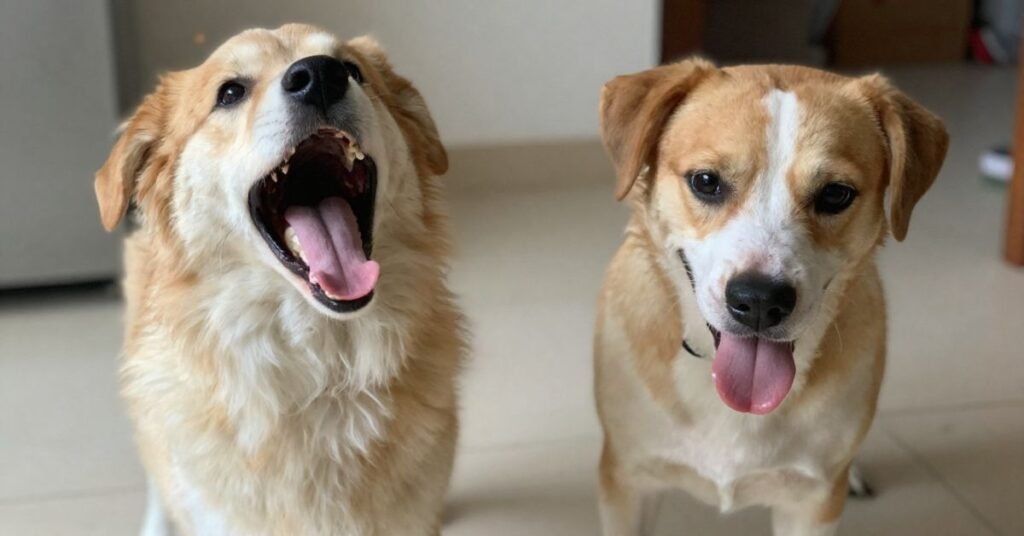
Panting is normal for dogs in many situations, but it can sometimes signal a health issue. You should worry if your dog pants a lot while resting or in a cool environment. Heavy, continuous, or unusual panting may mean your dog is unwell.
Other signs often appear with concerning panting. Watch for drooling, weakness, pale or very red gums, vomiting, or unusual behavior. If these happen, it is important to contact a veterinarian quickly.
Warning Signs of Abnormal Panting
Not all panting is normal. Pain or illness can cause abnormal panting. It often happens suddenly or continues for a long time, even when the dog is resting.
Some common warning signs to watch for include:
- Panting that is very fast or heavy
- Drooling more than usual
- Pale, blue, or bright red gums
- Weakness or difficulty standing
- Vomiting or diarrhea
- Shaking or trembling
- Unusual behavior, like hiding or pacing
When to Call a Veterinarian Immediately
Some types of panting need urgent veterinary attention. If your dog is panting heavily and cannot calm down, it could be serious. Rapid, continuous panting along with other symptoms is a red flag.
Call a veterinarian immediately if you notice:
- Difficulty breathing or choking
- Collapse or extreme weakness
- Bright red, blue, or pale gums
- Vomiting, diarrhea, or fever
- Severe pain or signs of distress
What To Do If Your Dog Is Panting Heavily
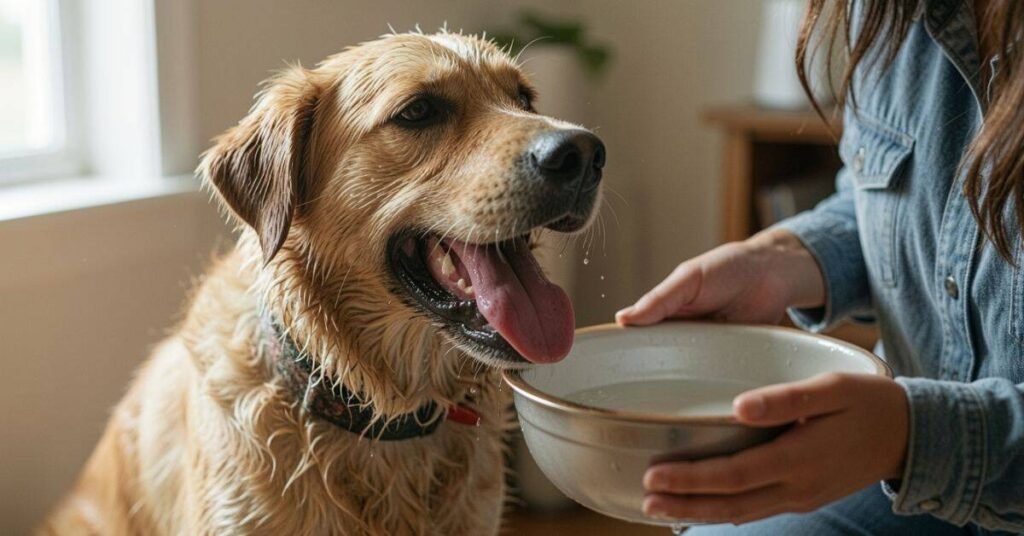
If your dog is panting a lot, first keep them calm. Move them to a cool and shaded spot. Give them fresh water, but don’t force it. Remove anything that might be causing stress or overheating.
Other helpful steps include:
- Gently wet their paws and belly with lukewarm water
- Use a fan to help them cool down
- Reduce physical activity until panting slows
- Watch for symptoms like drooling, vomiting, or weakness
- Contact a veterinarian if panting continues or worsens
How Vets Diagnose and Treat Excessive Panting
When a dog pants excessively, a veterinarian first asks about their health and habits. They may check the dog’s heart, lungs, temperature, and overall condition. Blood tests, X-rays, or other exams can help find the cause.
Treatment depends on what is causing the panting. It may include medication, rest, cooling methods, or special care for medical conditions. Following the vet’s advice helps the dog recover faster and stay healthy.
Conclusion
Panting is a normal way for dogs to cool down and manage their emotions. Most of the time, it is harmless. Dogs pant after exercise, during warm weather, or when they feel excited. Watching their behavior helps you know what is normal for your dog.
However, heavy or constant panting can signal a problem. Pain, stress, or medical issues can cause unusual panting. Paying attention to other signs like drooling, vomiting, or weakness is important. These clues help you decide if your dog needs help.
Quick action is important if panting seems abnormal. Moving your dog to a cool place, offering water, and calming them can help in many situations. But if the panting continues, contacting a veterinarian is the safest step.
Understanding why dogs pant keeps them healthy and safe. Being alert and caring for your dog builds trust and comfort. With proper care, most panting is just a normal part of a happy, active dog’s life.
FAQs
1. Why do dogs pant after exercise?
Dogs pant after exercise to cool their bodies. They release heat through rapid breathing since they cannot sweat like humans. This is normal and usually stops after a few minutes of rest.
2. Is it normal for dogs to pant when they are excited?
Yes, panting often happens when dogs are happy or excited. Meeting people, playing, or seeing a favorite toy can trigger light panting. It usually stops once the excitement is over.
3. When should I worry about my dog’s panting?
You should be concerned if panting is heavy, constant, or happens while resting. Look for other signs like drooling, pale or bright red gums, vomiting, or weakness. Contact a veterinarian if these appear.
4. Can stress or anxiety cause panting in dogs?
Yes, stress and anxiety can make dogs pant heavily. Loud noises, car rides, vet visits, or new environments can trigger it. Observing their behavior can help identify stress-related panting.
5. How can I help my dog if they are panting too much?
Provide fresh water and a cool, shaded area for your dog. Reduce physical activity and keep them calm. If panting continues or is accompanied by other symptoms, contact a veterinarian immediately.
