

Introduction
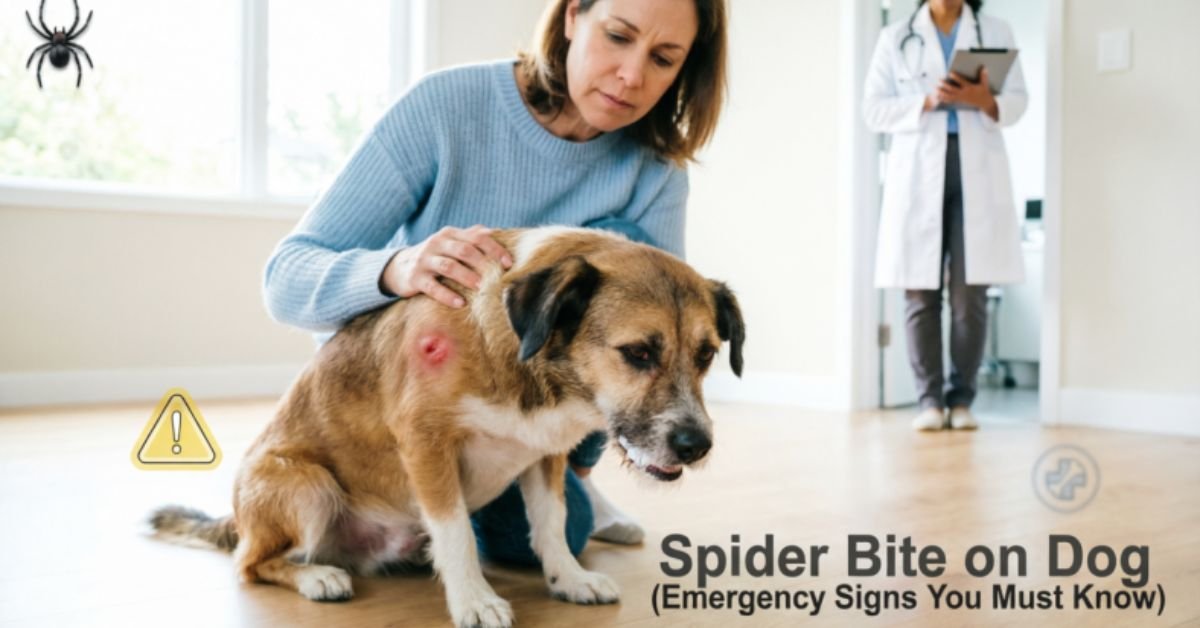
A spider bite on a dog occurs when a spider pierces the skin and releases venom. This venom can irritate the tissue and cause discomfort. Some bites stay mild and heal quickly. Others may lead to swelling, pain, or deeper skin damage.
The tricky part is that a spider bite can look harmless at first. It may seem like a tiny red spot or slight swelling. But within hours, your dog could become restless or sensitive to touch. Would you know the difference between a simple bump and a dangerous reaction?
Understanding the early warning signs is very important. Fast action can prevent complications and reduce pain. In this article, you will learn what symptoms to watch for and how to respond calmly and quickly to keep your dog safe.
What Is a Spider Bite on Dog?

A spider bite on a dog occurs when a spider sinks its fangs into the skin and releases venom. The venom can irritate the tissue and cause discomfort. In many cases, the bite is minor and clears up quickly. However, some spider bites can trigger stronger reactions that need medical care.
Dogs are naturally curious and may disturb spiders in grass, garages, or under furniture. A bite may first appear as a tiny swollen spot. Over time, the area can become red, tender, or painful. The severity depends on the spider species and how your dog’s body responds.
How Do Spider Bites Happen to Dogs?
Spider bites usually happen when a dog accidentally disturbs a spider. Dogs love to explore small spaces and hidden corners. They may sniff, dig, or paw at places where spiders live. When a spider feels threatened, it may bite in defense.
Bites often occur in common areas around the home or yard. Dogs do not always realize there is danger nearby. Simple daily activities can lead to an unexpected bite.
Common places where spider bites can happen:
- Wood piles or storage boxes
- Basements, garages, and sheds
- Under outdoor furniture
- Tall grass or garden areas
- Inside shoes or bedding left on the floor
Where Bites Are Most Likely to Occur
Spider bites on dogs often happen in quiet, dark places. Spiders like areas where they will not be disturbed. This includes garages, basements, sheds, and storage rooms. Dogs that explore these spaces are at higher risk.
Bites can also occur outdoors. Tall grass, wood piles, and garden corners are common hiding spots for spiders. Even under patio furniture or inside dog houses can be risky. Curious dogs that sniff and dig are more likely to get bitten.
Risk Factors Inside the Home
Some areas inside the home can increase the chance of spider bites. Dogs that explore dark corners or cluttered spaces are more at risk. Spiders hide where there is little light and little movement.
Common risk factors inside the home:
- Basements and attics with boxes or stored items
- Garages or storage rooms with wood or tools
- Behind furniture or under beds
- Piles of clothes, shoes, or blankets left on the floor
- Cracks or gaps in walls and windows
Which Spiders Are Dangerous to Dogs?
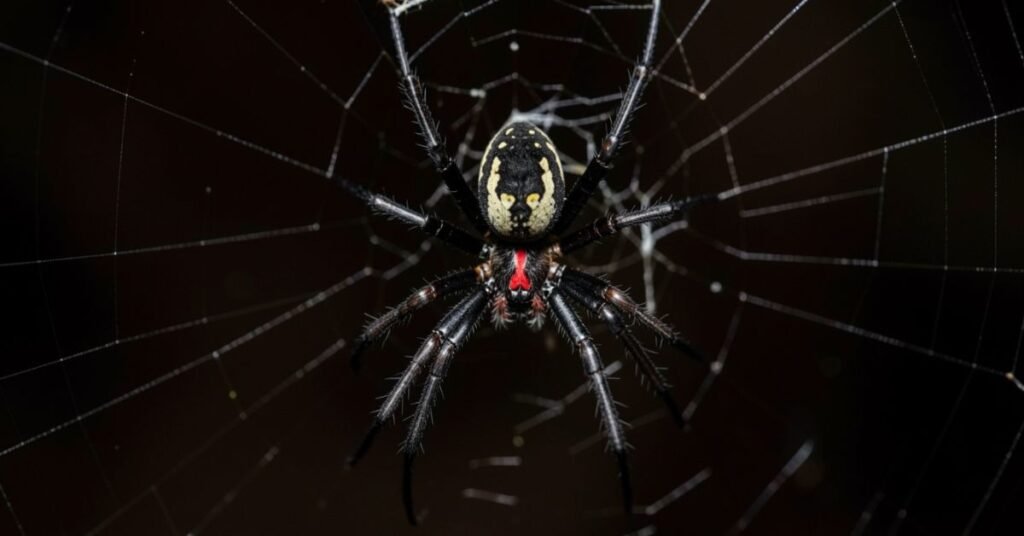
Most spiders are harmless to dogs and cause little more than a small bump. But some spiders carry venom that can make your dog very sick. Knowing which spiders are risky helps you act quickly if a bite happens.
Spiders can harm dogs include:
- Black Widow – can trigger severe pain, tremors, and muscle stiffness
- Brown Recluse – may cause skin ulcers and tissue damage
- Hobo Spider – bites can lead to redness, swelling, and discomfort
- Yellow Sac Spider – usually mild, but can irritate the skin and cause itching
Black Widow Spider Bites in Dogs
Bites from black widow spiders can be very serious for dogs. The venom may cause intense pain, muscle stiffness, and trembling. Some dogs may vomit, become weak, or struggle to move. In severe cases, breathing problems can occur.
These bites usually happen when a dog explores dark, hidden places like sheds, garages, or woodpiles. Dogs that sniff or paw around are most at risk. Quick action and veterinary care are essential to help your dog recover safely.
Brown Recluse Spider Bites in Dogs
Brown recluse spider bites can be very harmful to dogs. The venom can damage the skin and underlying tissue. Bites may start as a small red spot but can turn into a painful sore. Dogs may also feel weak, tired, or lose their appetite.
These spiders hide in dark, quiet areas like basements, closets, and wood piles. Dogs that explore or sniff in these places are at higher risk. If you notice a bite or unusual symptoms, contact your vet quickly. Early treatment helps prevent serious complications.
Early Signs and Symptoms of a Spider Bite on Dog

Spider bites can be hard to notice at first. Dogs may show mild changes in behavior. The bite area can become red, swollen, or tender. Some dogs may lick or scratch the spot.Early signs may be subtle, but noticing them quickly is crucial.Other symptoms may appear depending on the spider’s venom. Watch your dog closely for unusual reactions. Acting quickly can prevent serious problems.
| Symptom | What to Look For | Severity | Notes |
| Redness | Small red spot at bite site | Mild | Often first sign |
| Swelling | Raised area around bite | Mild to moderate | Can spread slightly |
| Pain | Whining or sensitivity | Mild to moderate | Dogs may avoid touch |
| Licking/Scratching | Constant licking or biting at area | Mild | Can worsen irritation |
| Lethargy | Less active than usual | Mild to moderate | May accompany other signs |
| Loss of Appetite | Refuses food or water | Mild to moderate | Watch for longer periods |
| Vomiting | Occasional or repeated | Moderate | Could indicate venom effect |
| Muscle Tremors | Shaking or stiffness | Severe | Immediate vet attention needed |
| Weakness | Trouble walking or standing | Severe | Sign of serious reaction |
Localized Swelling and Redness
One of the first signs of a spider bite on a dog is redness at the bite site. The area may also swell and feel warm. Dogs may lick, scratch, or bite the spot. This is the body’s natural reaction to venom or irritation.
Swelling and redness can vary depending on the spider type and your dog’s health. Monitoring these changes helps you act quickly. Early care can prevent complications.
| Symptom | What to Look For | Severity | Notes |
| Red Spot | Small red area at bite | Mild | Often appears first |
| Raised Skin | Slight bump or swelling | Mild to moderate | May spread slightly |
| Warm to Touch | Bite area feels hot | Mild | Normal inflammatory response |
| Itching or Licking | Dog constantly licking bite | Mild | Can worsen irritation |
| Pain or Sensitivity | Whining when touched | Mild to moderate | Indicates discomfort |
| Rapid Swelling | Quick increase in size | Moderate | May signal stronger venom |
| Skin Hardness | Area feels firm | Moderate | Can indicate inflammation |
| Bruising | Darker color around bite | Moderate | Watch for spreading |
| Spreading Redness | Red area expanding | Severe | Needs vet attention |
Lethargy or Decreased Appetite
After a spider bite, dogs may seem unusually tired or weak. They may rest more than normal and show less interest in play. Some dogs may also refuse food or water. These signs can indicate that the venom is affecting their body.
Monitoring your dog closely helps catch problems early. Quick action can prevent serious complications.
| Symptom | What to Look For | Severity | Notes |
| Unusual Sleepiness | Dog rests more than usual | Mild to moderate | Can appear soon after bite |
| Weakness | Trouble standing or walking | Moderate | May indicate venom effect |
| Less Playfulness | Ignores toys or activities | Mild | Early warning sign |
| Refusing Food | Eats less or not at all | Mild to moderate | Can lead to dehydration |
| Refusing Water | Drinks less or avoids water | Mild to moderate | Monitor closely |
| Slow Movements | Moves sluggishly | Moderate | Sign of discomfort or fatigue |
| Shivering | Mild tremors or shaking | Moderate | Can be related to venom |
| Pale Gums | Gums lighter than usual | Severe | Needs urgent veterinary care |
| Collapse | Dog unable to stand | Severe | Emergency – call vet immediately |
Serious Symptoms of a Venomous Spider Bite
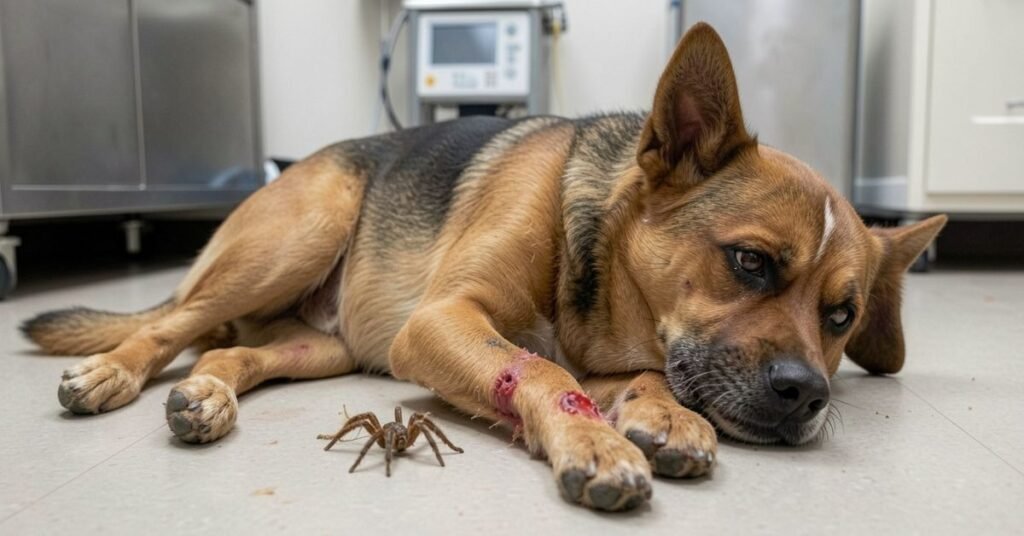
Some spider bites can be very dangerous for dogs. Venom can affect muscles, nerves, and internal organs. Serious symptoms need immediate attention. Leaving these symptoms untreated can seriously endanger your dog’s health.
Serious symptoms to watch for include:
- Muscle tremors or spasms
- Difficulty walking or standing
- Severe pain or whining
- Vomiting or diarrhea
- Rapid heart rate or breathing problems
- Skin ulcers or tissue damage
- Collapse or extreme weakness
Muscle Tremors or Difficulty Walking
Some venomous spider bites can affect a dog’s muscles. This may cause tremors, shaking, or stiffness. Dogs may also struggle to walk or stand properly. These symptoms show that the venom is affecting the nervous system.
Monitoring your dog closely is very important. Quick veterinary care can prevent further complications.
| Symptom | What to Look For | Severity | Notes |
| Trembling | Shaking in legs or body | Moderate | Often starts soon after bite |
| Muscle Stiffness | Stiff or rigid movements | Moderate | Can affect walking |
| Trouble Standing | Dog struggles to rise | Moderate to severe | Sign of weakness |
| Unsteady Gait | Walking unbalanced | Moderate to severe | May wobble or fall |
| Lethargy | Moves slowly or hesitates | Moderate | Often accompanies tremors |
| Pain or Whining | Signs of discomfort | Mild to moderate | Dogs may avoid being touched |
| Collapsing | Falls while trying to walk | Severe | Requires immediate vet care |
| Loss of Coordination | Cannot control limbs well | Severe | Emergency situation |
Skin Ulcers or Tissue Necrosis
Some spider bites, especially from brown recluse spiders, can cause skin ulcers or tissue damage. The bite area may start as a small red spot but can turn into a painful sore. The skin may darken or break open over time.
Dogs with tissue necrosis may also show signs of pain, swelling, or discomfort. Infection can develop if the area is not treated. Immediate veterinary care is important to prevent the problem from getting worse.
Fever and Increased Heart Rate
A venomous spider bite can affect a dog’s whole body. Dogs may develop a fever as their immune system reacts to the venom. Their heart rate may also rise, and they may breathe faster. These signs show that the body is under stress.
Monitoring your dog closely is very important. Early veterinary care can prevent serious complications.
| Symptom | What to Look For | Severity | Notes |
| High Temperature | Check with a thermometer | Moderate to severe | Normal dog temp: 101–102.5°F |
| Rapid Heartbeat | Count beats per minute | Moderate to severe | May indicate stress or venom effect |
| Fast Breathing | Quick or shallow breaths | Moderate | Can accompany fever or pain |
| Lethargy | Dog rests more than usual | Moderate | Often appears with fever |
| Weakness | Difficulty standing or moving | Severe | Sign of serious reaction |
| Shivering | Mild to strong tremors | Moderate | May indicate fever or discomfort |
| Loss of Appetite | Refuses food or water | Mild to moderate | Can lead to dehydration |
| Pale or Gum Color Changes | Light or bluish gums | Severe | Urgent veterinary attention needed |
What to Do If Your Dog Is Bitten by a Spider
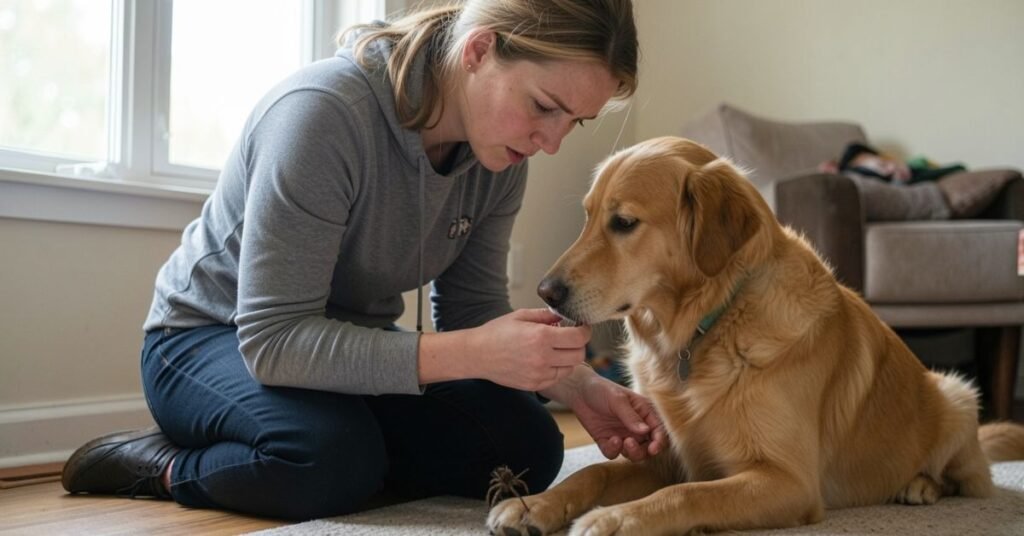
Sometimes dogs explore places they shouldn’t, like corners, bushes, or under the couch. If a spider bites, your dog might yelp or scratch at the spot. Don’t panic. Instead, gently move your dog to a quiet space. Avoid poking or pressing the bite — it can make things worse.
Notice how your dog acts. If they seem dizzy, weak, or start drooling, it’s serious. Take a photo of the bite if possible and call your vet immediately. Keep your dog calm, let them sip water, and stay close. Quick action and careful observation often make all the difference.
How Veterinarians Diagnose and Treat Spider Bites in Dogs
When a dog comes in with a spider bite, the vet starts with a careful check. They look at the bite spot, swelling, and redness. They ask about your dog’s behavior, energy, and any unusual symptoms. Sometimes, they need blood tests to see if the venom is affecting organs.
Treatment depends on the spider and the dog’s reaction. Mild bites may just need cleaning and monitoring. Serious bites can need medication, fluids, or even hospitalization. Vets also give pain relief and anti-inflammatories if needed.
| Step | What the Vet Does | Why It Matters |
| Examination | Checks bite area, swelling, and skin | Identifies severity of the bite |
| History Questions | Asks about behavior, exposure, symptoms | Helps guess type of spider |
| Blood Tests | Checks organs, clotting, and toxins | Detects dangerous effects early |
| Medication | Painkillers, antihistamines, or antivenom | Reduces pain and stops reactions |
| Fluids | IV fluids for severe cases | Keeps dog hydrated and supports organs |
| Observation | Monitors energy, breathing, and vitals | Ensures dog is recovering safely |
| Home Care Advice | Gives instructions for wound care | Prevents infection and further problems |
Treatment Options at the Veterinary Clinic

At the clinic, vets have different ways to help a dog bitten by a spider. First, they clean the bite carefully. They may give medicine to reduce pain and swelling. If the bite is serious, they use IV fluids to support the dog’s body. The vet may also give antivenom for dangerous spiders.
Other treatments depend on the dog’s symptoms. Vets watch for trouble breathing, weakness, or vomiting. They keep the dog calm and comfortable during recovery.
Common treatments at the clinic:
- Cleaning and disinfecting the bite area
- Pain relief medicine or anti-inflammatories
- Antihistamines for allergic reactions
- IV fluids for hydration and support
- Antivenom for venomous spider bites
- Monitoring vital signs and behavior
Recovery, Aftercare, and Preventing Future Spider Bites
After a spider bite, your dog needs rest and gentle care. Keep them in a quiet, safe space. Check the bite area daily for swelling, redness, or infection. Give any medications exactly as the vet instructed. Make sure your dog drinks water and eats small, easy meals.
Prevention is key to avoid future bites. Keep your home and yard clean. Shake out bedding and check dark corners. Avoid areas where spiders are common. Teaching your dog to stay away from risky spots helps too.
| Step | What to Do | Why It Helps |
| Rest & Quiet | Keep dog calm in a safe space | Helps the body heal faster |
| Daily Check | Inspect bite for swelling or pus | Detects infection early |
| Medication | Follow vet’s instructions carefully | Reduces pain and speeds recovery |
| Hydration & Food | Offer water and small meals | Keeps energy up and prevents weakness |
| Home Cleaning | Vacuum corners, shake bedding | Reduces spider hiding spots |
| Yard Safety | Trim bushes, remove debris | Limits exposure to spiders |
| Training & Awareness | Teach dog to avoid risky spots | Prevents future bites |
| Vet Follow-up | Schedule a check if needed | Ensures full recovery |
Conclusion
Taking care of a dog after a spider bite needs attention and calm. Quick action can make a big difference. Watching your dog closely helps spot any problems early. Staying calm also keeps your dog from getting more stressed.
Vets play an important role. They know how to check bites and give the right treatment. Following their advice carefully is very important. Medicine, fluids, and monitoring can help most dogs recover fully.
After the bite, care at home matters too. Rest, water, and gentle attention help healing. Checking the bite every day prevents infections. Keeping your dog safe from new bites is just as important as treating the first one.
Prevention is the best step for the future. Cleaning your home, watching risky areas, and teaching your dog to avoid trouble helps a lot. Learning about spider safety protects your dog and gives you peace of mind.
FAQs
1. How can I tell if my dog was bitten by a spider?
Look for sudden swelling, redness, or small puncture marks. Your dog may yelp, lick, or scratch the spot. Watch for unusual behavior like weakness, drooling, or vomiting.
2. Are all spider bites dangerous for dogs?
No, most spider bites are mild. Only a few spiders, like black widows or brown recluses, are serious. Still, it’s best to call your vet to be safe.
3. What should I do immediately after a spider bite?
Keep your dog calm and in a safe place. Do not squeeze the bite or apply home remedies. Call your vet right away for guidance.
4. How long does it take for a dog to recover?
Recovery depends on the spider and the dog’s health.Minor bites can get better in just a few days.Serious bites may need several days to a week or more with vet care.
5. How can I prevent future spider bites?
Keep your home and yard clean and free of clutter. Check bedding and dark corners regularly. Teach your dog to avoid risky areas like tall grass or woodpiles.
