

Introduction
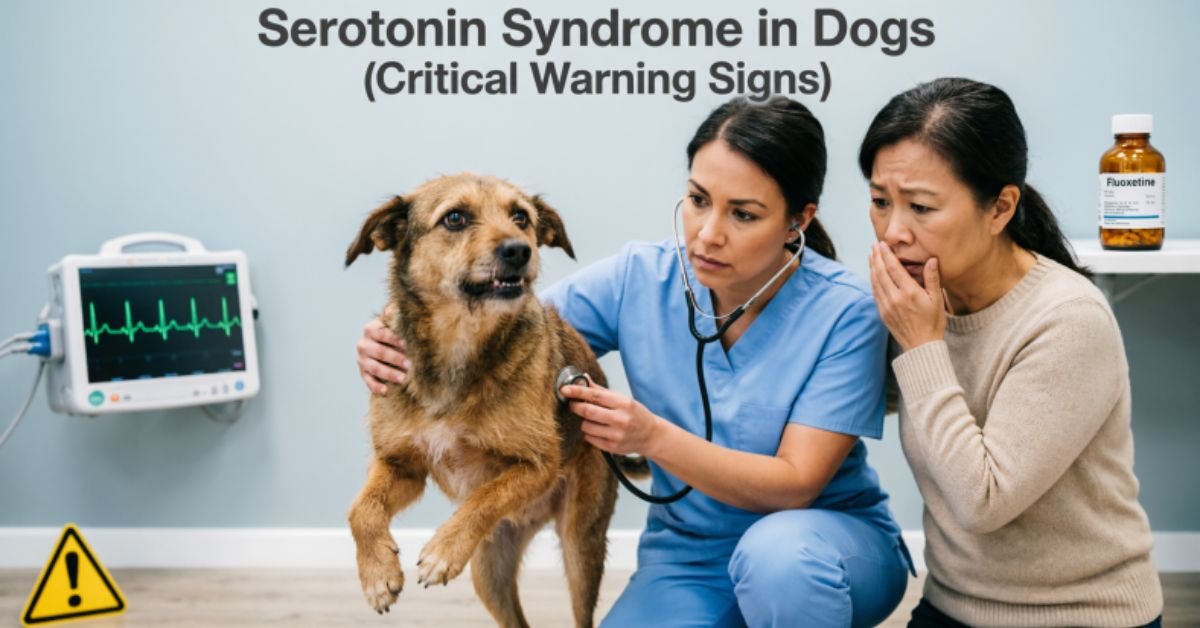
Serotonin syndrome in dogs is a serious condition caused by too much serotonin in the body. Serotonin is a natural chemical that helps control mood, pain, digestion, and body temperature. When certain medications or drug combinations raise serotonin levels too high, it can become toxic. This reaction can affect your dog’s brain and nervous system very quickly.
Many pet owners do not realize that common medications can trigger this problem. Some antidepressants, pain medicines, and even supplements may increase serotonin levels. Symptoms can start within hours. In severe cases, the condition can become life-threatening if not treated right away.
In this guide, you will learn the main causes, warning signs, and emergency treatment options for serotonin syndrome in dogs. Understanding these basics can help you act fast and protect your dog if an emergency ever happens.
What Is Serotonin Syndrome in Dogs?
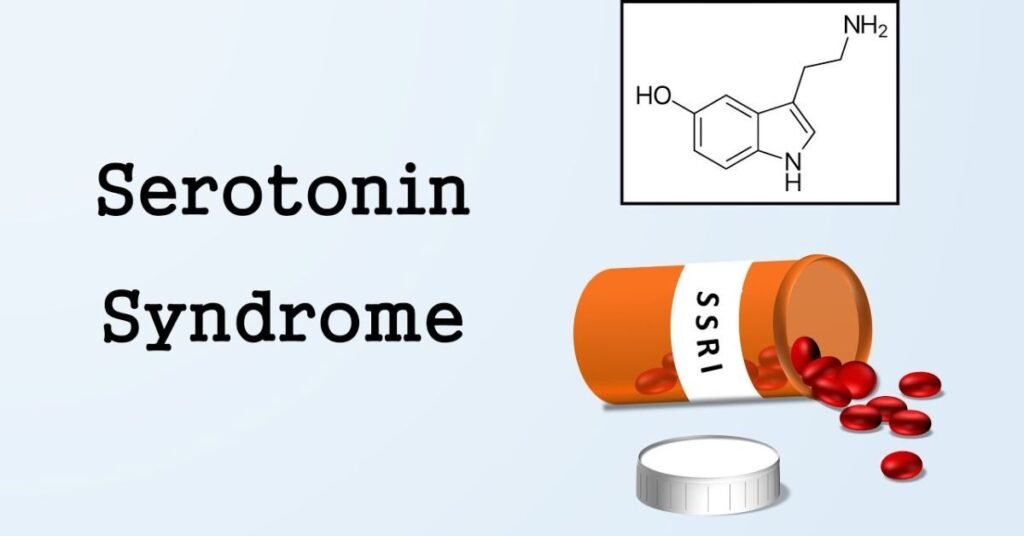
Serotonin syndrome in dogs is a toxic reaction that happens when there is too much serotonin in the body. Serotonin is a natural chemical that helps control mood, sleep, pain, digestion, and body temperature. When serotonin levels rise too high, it puts too much stress on the brain and body, causing them to react in an unhealthy way. This can quickly turn into a serious medical problem.
This condition is usually triggered by certain medications or a mix of drugs that affect serotonin levels. It can also happen if a dog accidentally swallows human antidepressants or supplements. Signs often appear within a few hours and can range from mild restlessness to severe tremors or seizures. Serotonin syndrome is considered an emergency and requires immediate veterinary care.
How Serotonin Affects a Dog’s Nervous System
Serotonin is a natural chemical that carries messages between nerve cells. It helps the brain send signals to different parts of the body. This keeps your dog’s movements, mood, and body functions working in balance. When serotonin levels are normal, the nervous system stays stable and healthy.
Serotonin supports many important functions, including:
- Keeping mood calm and balanced
- Controlling sleep patterns
- Regulating body temperature
- Supporting digestion
- Helping with muscle control
Why Serotonin Toxicity Becomes Dangerous
Serotonin toxicity becomes dangerous because it affects many vital systems at the same time. It does not just impact the brain. It can also disturb the heart, muscles, and body temperature. When serotonin levels are too high, the body cannot stay in balance. This can cause fast heart rate, heavy panting, shaking, or confusion.
The condition can worsen very quickly. Mild signs may turn severe within hours. High body temperature, seizures, and organ failure can happen in serious cases. Without fast treatment, serotonin toxicity can become life-threatening. That is why early action and emergency veterinary care are so important.
What Causes Serotonin Syndrome in Dogs?
Serotonin syndrome in dogs is usually caused by medications that raise serotonin levels too much. This can happen when a dog is given the wrong dose or when two drugs are combined without proper guidance. Sometimes, dogs accidentally swallow human medicine at home. Even a small amount can be dangerous.
Common causes include:
- Antidepressants such as SSRIs or tricyclic medications
- Pain medications that affect serotonin levels
- Certain anti-anxiety drugs
- Mixing multiple serotonin-boosting drugs
- Accidental ingestion of human prescriptions
- Some herbal supplements
Human Drugs and Accidental Exposure
Many cases of serotonin syndrome in dogs happen because of human medications. Dogs are naturally curious. They may chew pill bottles, eat dropped tablets, or lick medicine from the floor. Even one pill can be enough to cause serious harm, especially in small dogs.
Human antidepressants, pain medicines, and certain supplements are common risks. Dogs process drugs differently than people. A dose that is safe for you may be toxic for your pet. Keeping all medications stored safely can prevent a life-threatening emergency.
| Drug Type | Examples | Common Use in Humans | Why It’s Dangerous for Dogs | Risk Level |
| SSRIs (Selective Serotonin Reuptake Inhibitors) | Fluoxetine, Sertraline, Paroxetine | Depression, anxiety | Raises serotonin levels directly | High |
| SNRIs | Venlafaxine, Duloxetine | Depression, nerve pain | Increases serotonin and norepinephrine | High |
| Tricyclic Antidepressants | Amitriptyline, Clomipramine | Depression, chronic pain | Strong effect on brain chemicals | High |
| MAO Inhibitors | Phenelzine, Selegiline | Depression, Parkinson’s | Blocks serotonin breakdown | Very High |
| Certain Pain Medications | Tramadol | Moderate pain relief | Affects serotonin activity | Moderate to High |
| Migraine Medications | Sumatriptan | Migraine relief | Stimulates serotonin receptors | Moderate |
| Herbal Supplements | St. John’s Wort | Mood support | Boosts serotonin naturally | Moderate |
| Combination Cold Medicines | Dextromethorphan products | Cough relief | Can increase serotonin when mixed with other drugs | Moderate |
Drug Interactions and Overdose Risks
Serotonin syndrome in dogs often happens when two or more medications are combined. Some drugs increase serotonin levels. When they are used together, the effect becomes too strong. Even if each medicine is safe on its own, mixing them can be dangerous.
An overdose can also raise the risk. Giving the wrong dose, repeating a dose too soon, or a dog eating extra pills can quickly lead to toxicity. Small dogs are at even higher risk because their bodies are more sensitive.
Common risk situations include:
- Mixing antidepressants with pain medications
- Combining supplements with prescription drugs
- Giving medication without veterinary guidance
- Accidental double dosing
- A dog chewing into a pill bottle
Symptoms of Serotonin Syndrome in Dogs
Serotonin syndrome can show many warning signs in dogs. Symptoms often appear within a few hours after taking medication. They may start small, like mild restlessness or shivering, but can get serious very fast. Early detection of these signs can help protect your dog and get them the care they need quickly.
This condition can affect the nervous system, muscles, digestion, and other body systems. Watching your dog closely after giving any new medicine is very important.
| Body System | Symptoms | Notes |
| Nervous System | Agitation, confusion, restlessness | Dogs may seem anxious or pace around |
| Muscles | Tremors, shaking, stiffness | Can get worse and lead to seizures |
| Eyes | Dilated pupils | Often occurs with nervous signs |
| Heart & Circulation | Fast heartbeat, high blood pressure | Can be dangerous if untreated |
| Breathing | Rapid breathing, panting | Shows the dog is stressed or in trouble |
| Temperature | High fever | Overheating can be life-threatening |
| Stomach & Digestion | Vomiting, diarrhea, drooling | Often one of the first signs |
| Coordination | Loss of balance, difficulty walking | May accompany muscle tremors |
Gastrointestinal Symptoms (Vomiting, Diarrhea, Drooling)
One of the first signs of serotonin syndrome in dogs often appears in the digestive system. Dogs may vomit, have diarrhea, or drool more than usual. These symptoms can start suddenly and may be mild at first. If ignored, they can quickly become more severe and uncomfortable for your dog.
Other common digestive signs include:
- Loss of appetite or refusal to eat
- Stomach cramps or discomfort
- Nausea or gagging
- Increased thirst or frequent licking
Neurological and Behavioral Signs
Serotonin syndrome can strongly affect a dog’s brain and nervous system. Dogs may show tremors, shaking, or stiffness in their muscles. They can become restless, anxious, or unusually agitated. In severe cases, seizures may occur. These signs can appear quickly and may get worse if not treated.
Other neurological and behavioral signs include:
- Confusion or disorientation
- Rapid pacing or inability to settle
- Unusual vocalizations, like whining or barking
- Loss of coordination or stumbling
- Hyperactivity or sudden aggression
How Quickly Do Symptoms Appear?
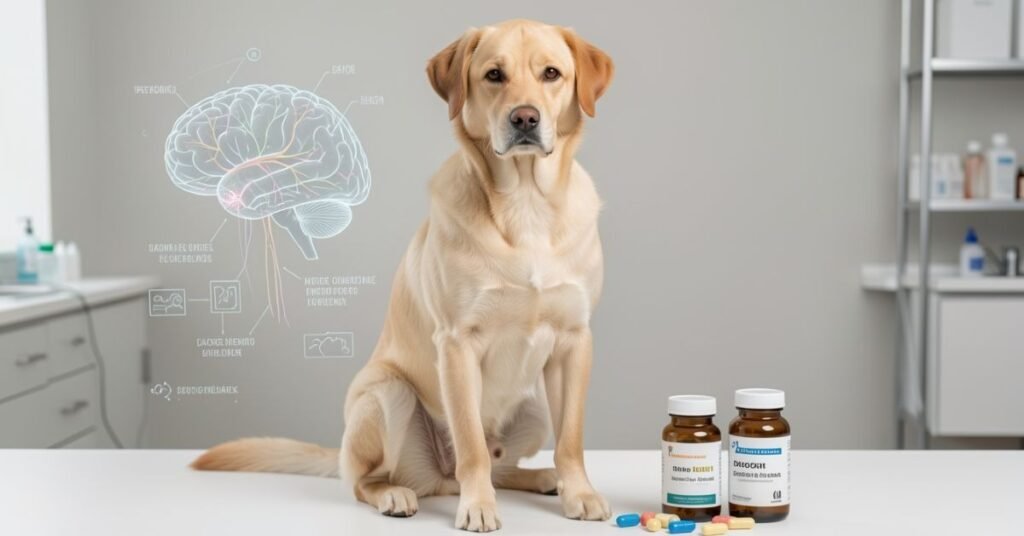
Symptoms of serotonin syndrome in dogs can appear very quickly. In many cases, signs show up within a few hours of taking a medication. Some dogs may develop symptoms in less than an hour. The speed and severity depend on the type of drug, the dose, and the dog’s size and health. Early recognition is very important because rapid treatment can prevent serious complications.
Symptoms can range from mild to severe, and they often progress fast. Watching your dog closely after giving new medications or supplements is key. Understanding how quickly each type of symptom appears can help you act fast and keep your dog safe.
| Symptom Type | Typical Onset | Notes |
| Gastrointestinal | 30 minutes – 2 hours | Vomiting, diarrhea, drooling may appear first |
| Behavioral | 30 minutes – 2 hours | Restlessness, agitation, pacing |
| Neurological | 1 – 4 hours | Tremors, stiffness, loss of coordination |
| Eyes | 1 – 4 hours | Dilated pupils often accompany nervous signs |
| Heart & Circulation | 1 – 4 hours | Rapid heartbeat, high blood pressure may develop |
| Severe Symptoms | 2 – 6 hours | Seizures, high fever, collapse in serious cases |
When Symptoms Become Life-Threatening
Serotonin syndrome can become life-threatening if it is not treated quickly. Severe cases affect the brain, heart, and other vital organs. Dogs may have very high body temperature, extreme agitation, or repeated seizures. At this stage, immediate veterinary care is crucial to prevent permanent damage or death.
Signs that indicate a life-threatening situation include:
- Continuous seizures or muscle tremors
- Very high fever (over 104°F / 40°C)
- Rapid or irregular heartbeat
- Difficulty breathing or panting heavily
- Collapse or loss of consciousness
- Severe vomiting or diarrhea causing dehydration
How Veterinarians Diagnose Serotonin Syndrome

Veterinarians figure out serotonin syndrome by looking at your dog’s symptoms and medical history. They ask about all medications, supplements, or human drugs your dog might have eaten. The timing, amount, and combination of these drugs help the vet determine if serotonin toxicity is likely.
The vet also examines your dog carefully. They check for shaking, restlessness, fast heartbeat, vomiting, or unusual behavior. Sometimes, other tests are done to rule out different conditions with similar signs. Quick and accurate diagnosis is important to start treatment and protect your dog’s health.
Physical Examination and Clinical Findings
When diagnosing serotonin syndrome, veterinarians carefully examine the dog’s body and behavior. They check vital signs like heart rate, breathing, and body temperature. The vet also looks for tremors, stiffness, or unusual movements. These observations help determine if serotonin syndrome could be the cause.
Other physical signs are noted to assess how serious the condition is. This careful examination guides the treatment plan and helps prevent complications.
| Body System | Clinical Findings | Notes |
| Nervous System | Tremors, shaking, restlessness | Can range from mild to severe |
| Muscles | Stiffness, lack of coordination | May worsen if untreated |
| Heart & Circulation | Fast or irregular heartbeat, high blood pressure | Needs close monitoring |
| Eyes | Dilated pupils | Often occurs with nervous signs |
| Respiratory | Rapid breathing, panting | Shows stress or distress |
| Temperature | High fever | Dangerous if not managed quickly |
| Gastrointestinal | Vomiting, diarrhea, excessive drooling | Often appears first |
| Behavior | Agitation, confusion, pacing | Indicates nervous system overstimulation |
Treatment for Serotonin Syndrome in Dogs
Treatment for serotonin syndrome in dogs focuses on stopping the cause and supporting the dog’s body. The first step is to remove or stop the medications causing high serotonin levels. Dogs are closely monitored for changes in heart rate, temperature, and behavior. Immediate care is very important to prevent severe complications.
Treatment may vary depending on how mild or severe the symptoms are. Mild cases may only need supportive care at home under veterinary guidance. Severe cases often require hospitalization, medications to control tremors or seizures, and fluids to prevent dehydration.
| Symptom Severity | Treatment | Notes |
| Mild | Stop medication, rest, monitor at home | Usually recovers quickly with care |
| Moderate | IV fluids, medications to calm agitation, monitor vital signs | May need a few hours to a day in the clinic |
| Severe | Hospitalization, seizure control, medications to reduce serotonin, oxygen therapy | Requires intensive care and constant monitoring |
| Gastrointestinal Symptoms | Anti-nausea medications, IV fluids | Helps prevent dehydration |
| High Temperature | Cooling methods, medications to reduce fever | Prevents organ damage |
| Heart & Circulation | Medications to stabilize heart rate and blood pressure | Important for severe cases |
| Supportive Care | Monitoring, nutrition, rest | Helps recovery and prevents relapse |
Treatment for Mild Cases
Mild cases of serotonin syndrome in dogs are easier to manage if caught early. The first step is to stop the medication or supplement causing the problem. Your veterinarian may recommend rest and close monitoring at home. Keeping your dog calm and comfortable helps their body recover.
Supportive care is often enough for mild cases. This can include fluids to prevent dehydration, small meals, and observation for any changes in behavior or symptoms. Most dogs improve within a few hours to a day when mild cases are treated quickly. Regular follow-ups with the vet ensure your dog stays safe and fully recovers.
Emergency Treatment for Severe Cases
Severe cases of serotonin syndrome in dogs are life-threatening and need immediate veterinary care. Dogs may have seizures, very high fever, or rapid heart rate. They are usually hospitalized for close monitoring. The goal is to stabilize the dog and prevent organ damage.
Emergency treatment may include:
- Intravenous (IV) fluids to prevent dehydration
- Medications to control seizures or tremors
- Cooling methods for high body temperature
- Oxygen therapy if breathing is difficult
- Heart rate and blood pressure monitoring
- Supportive care to maintain nutrition and comfort
Recovery and Prognosis
The recovery of a dog from serotonin syndrome depends on how quickly treatment starts. Mild cases usually improve within a few hours to a day. Severe cases may take several days in the hospital. Dogs often recover fully if treated promptly. Early recognition and veterinary care are key to a positive outcome.
Prognosis also depends on the dog’s overall health and size. Smaller dogs may be more sensitive to medications, while older dogs or those with other illnesses may take longer to recover. Close monitoring after treatment helps prevent relapse and ensures the dog remains healthy.
| Severity | Recovery Time | Expected Outcome | Notes |
| Mild | A few hours to 1 day | Full recovery | Usually treated at home under vet guidance |
| Moderate | 1–2 days | Full recovery with monitoring | Hospitalization may be needed for fluids and supportive care |
| Severe | 2–5 days or more | Good recovery if treated promptly | Intensive care required, risk of complications if delayed |
| Critical | Several days to a week | Recovery possible but higher risk | Continuous monitoring, aggressive treatment, and follow-up needed |
| Complications | Varies | Depends on severity | Organ damage, prolonged weakness, or relapse may occur |
Factors That Affect Survival Rate
The survival rate for dogs with serotonin syndrome depends on several important factors. Early recognition and quick treatment are the most critical. Dogs treated promptly have a much higher chance of full recovery. Delayed treatment increases the risk of serious complications or death.
Other factors also play a role in survival. The dog’s age, size, and overall health can affect how well they respond to treatment. The type and amount of medication ingested are also important.
Key factors include:
- How quickly symptoms are noticed and treated
- Severity of symptoms at the time of treatment
- Type and dose of medication causing toxicity
- Age and size of the dog
- Existing health conditions or other illnesses
- Access to emergency veterinary care
How to Prevent Serotonin Syndrome in Dogs

The best way to prevent serotonin syndrome is to be careful with medications. Always give your dog medicine exactly as the veterinarian prescribes. Never give human medicine unless your vet approves it. Keep all drugs, supplements, and vitamins out of your dog’s reach to avoid accidental ingestion.
Other prevention steps include:
- Do not mix medications that increase serotonin without veterinary advice
- Read medicine labels for any drugs that affect serotonin
- Watch your dog closely when starting a new medication
- Ask your veterinarian before giving any supplements or over-the-counter products
- Store all medicines in a safe, high, or locked place
Talking to Your Vet Before Mixing Medications
Always talk to your veterinarian before giving your dog more than one medication. Some drugs can interact and raise serotonin levels too much. Even medications that seem safe on their own can be dangerous when combined. Your vet can check for risks and suggest safe alternatives.
It’s important to give your vet a complete list of all medicines, supplements, and vitamins your dog takes. This helps them prevent harmful interactions. Never start, stop, or mix medications on your own. Clear communication with your veterinarian keeps your dog safe and healthy.
Conclusion
Serotonin syndrome in dogs is a dangerous condition that can develop quickly. It happens when there is too much serotonin in the body, usually due to medications, supplements, or accidental exposure to human drugs. Understanding the warning signs is very important for your dog’s safety.
Noticing the symptoms early can greatly improve your dog’s chances of recovery.Mild signs like restlessness, vomiting, or drooling can become severe if not treated. Severe cases may involve seizures, high fever, or collapse. Immediate veterinary care is critical in these situations.
Preventing serotonin syndrome is always the safest approach. Give medications exactly as prescribed, avoid mixing drugs without your vet’s guidance, and keep all medicines out of your dog’s reach. Observing your dog closely when starting new treatments helps reduce risks.
With prompt treatment and careful monitoring, most dogs recover completely. Following your veterinarian’s advice and staying alert to changes in your dog’s behavior ensures they stay safe and healthy. Awareness and preparation are the best ways to protect your pet.
FAQs
1. What is serotonin syndrome in dogs?
Serotonin syndrome is a condition caused by too much serotonin in a dog’s body. It usually happens due to certain medications, supplements, or accidental ingestion of human drugs. It can affect the nervous system, muscles, heart, and digestive system. Early detection is very important.
2. What are the common signs of serotonin syndrome?
Symptoms include restlessness, tremors, vomiting, diarrhea, dilated pupils, rapid heartbeat, high fever, and sometimes seizures. Mild signs can progress quickly to severe and life-threatening conditions. Monitoring your dog after giving new medications is key.
3. How quickly do symptoms appear?
Symptoms can appear within minutes to a few hours after exposure to a drug or supplement. Mild signs may show first, while severe symptoms like seizures or collapse may develop later. Early recognition and veterinary care are critical.
4. Can serotonin syndrome be treated?
Yes, it can be treated, especially if caught early. Mild cases may need stopping the medication and supportive care at home. Severe cases require hospitalization, IV fluids, medications to control tremors or seizures, and close monitoring.
5. How can I prevent serotonin syndrome in my dog?
Prevent it by giving medications exactly as prescribed, avoiding human drugs unless approved by a vet, and not mixing serotonin-affecting drugs. Keep all medicines out of reach, and consult your veterinarian before giving supplements or new medications.
