

Introduction
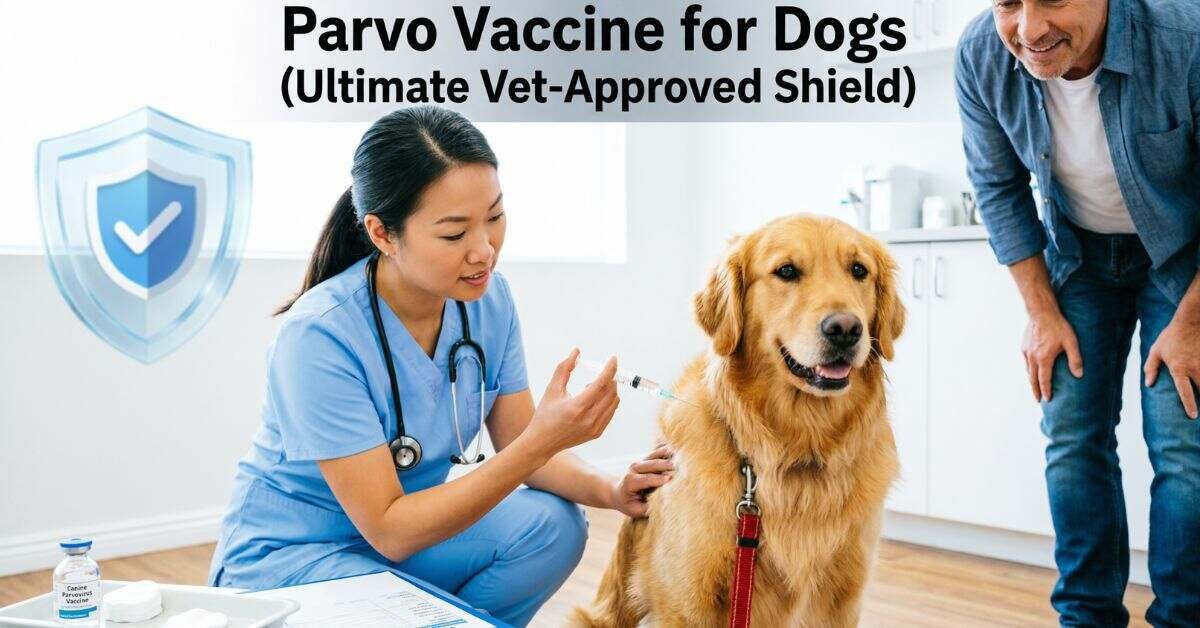
The parvo vaccine for dogs protects dogs from canine parvovirus. This virus is very contagious and spreads easily between dogs. It mainly affects puppies and young dogs. The parvovirus attacks the digestive system and weakens the immune system. In severe cases, it can become life-threatening. Vaccination is one of the most effective ways to protect dogs from this serious disease.
Many dog owners feel worried when they hear about parvo. The virus can live on surfaces like soil, shoes, and dog bowls for a long time. Puppies are at a higher risk because their immune systems are not fully developed. Even a short exposure to an infected area can spread the virus. This is why prevention through vaccination is very important.
In this guide, you will learn important information about the parvo vaccine for dogs. We will discuss how the vaccine works and when puppies and adult dogs should receive it. You will also learn about possible side effects and basic prevention tips to help keep your dog healthy.
What Is Canine Parvovirus in Dogs?
Canine parvovirus is a serious viral disease that affects dogs. It is highly contagious and spreads very quickly. The virus mainly attacks the intestines and weakens the immune system.The highest risk is posed to puppies and unvaccinated dogs. If not treated quickly, the infection can become life-threatening.
Dogs usually get parvovirus through contact with infected feces, contaminated surfaces, or other infected dogs. The virus can survive for a long time on the ground, on shoes, and on dog equipment. Common symptoms include vomiting, severe diarrhea, tiredness, and loss of appetite. Because the disease spreads easily, vaccination and early prevention are very important for protecting dogs.
Why Parvo Is Dangerous for Puppies and Adult Dogs
Parvo is very dangerous because it attacks a dog’s digestive system and immune system. The virus damages the lining of the intestines. This makes it hard for the dog to absorb nutrients and fluids. As a result, dogs can become weak and dehydrated very quickly. Puppies are at the highest risk because their immune systems are still developing.
Adult dogs can also get very sick if they are not vaccinated. The virus spreads easily and can survive in the environment for a long time. Without quick treatment, the infection can lead to serious complications or even death. Some of the main reasons parvo is so dangerous include:
- Severe vomiting and diarrhea that cause dehydration
- Weak immune system that makes it harder to fight infections
- Rapid spread among unvaccinated dogs
- High risk of complications in young puppies
How Dogs Get Parvovirus
Dogs can catch parvovirus when they come into contact with the virus in their surroundings. The virus is often present in the waste of an infected dog. A healthy dog may become infected by sniffing the ground, licking a contaminated surface, or touching objects that carry the virus. Since dogs often explore with their noses and mouths, the virus can enter the body very easily.
The virus can remain active in the environment for a long time. It may stay on soil, sidewalks, cages, dog bowls, and even on shoes or clothing. Puppies are more likely to get infected because their immune systems are still developing. Visiting areas where many dogs gather can increase the risk of exposure, which is why vaccination and proper care are very important.
Common Ways Puppies Are Exposed to Parvo
Puppies can be exposed to parvo in many everyday situations. The virus spreads easily in places where dogs spend time. Puppies are naturally curious and often sniff or lick the ground. This behavior makes it easier for the virus to enter their bodies. If a puppy has not completed its vaccination schedule, the risk becomes much higher.
Parvo can also spread through contaminated objects and surfaces. The virus can stick to shoes, clothes, food bowls, and dog toys. Puppies may get infected even without direct contact with a sick dog. Because the virus survives in the environment for a long time, it is important for owners to keep puppies away from risky areas until they are fully vaccinated.
| Exposure Source | How Puppies Get Exposed | Risk Level |
| Dog parks | Puppies sniff or lick contaminated ground where infected dogs were present | High |
| Sidewalks and streets | Walking through areas where infected dogs have passed | High |
| Pet stores | Contact with surfaces or animals that may carry the virus | Medium |
| Animal shelters | High number of dogs increases the chance of virus exposure | High |
| Shared dog bowls | Drinking from bowls used by infected dogs | Medium |
| Dog toys | Chewing toys that were used by infected dogs | Medium |
| Shoes and clothing | Owners may unknowingly bring the virus home from outside | Medium |
| Kennels or daycare centers | Close contact with many dogs in one place | High |
| Backyards visited by other dogs | Infected dogs may leave the virus in soil or grass | Medium |
| Grooming tools | Shared brushes or equipment may carry the virus | Low to Medium |
Symptoms of Parvo in Dogs
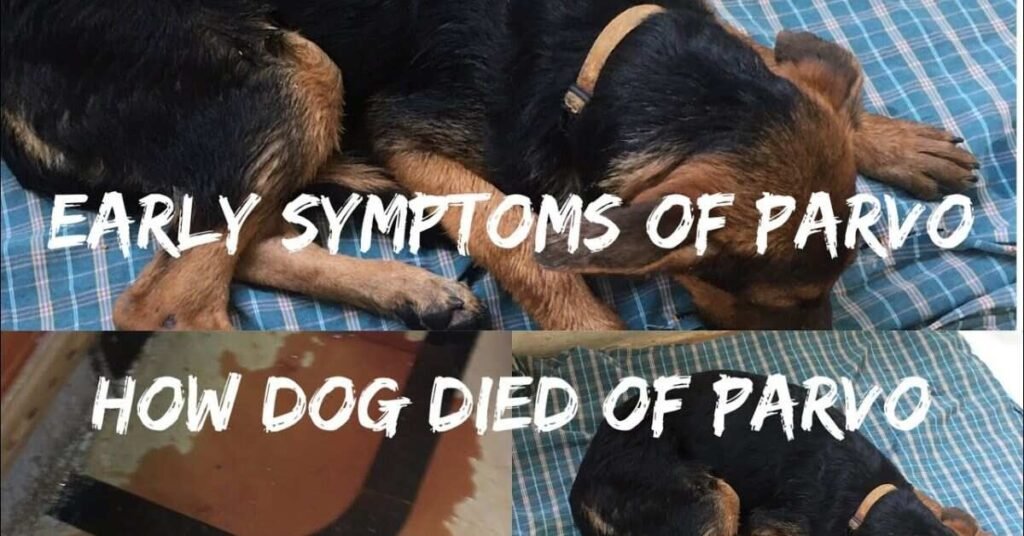
Parvo infection can appear suddenly and progress quickly. Puppies are most likely to show signs first. Adult dogs may also get sick, especially if they are not vaccinated. The virus mainly affects the digestive system, causing severe illness.A successful treatment depends on early detection.
Common symptoms of parvo in dogs include:
- Severe vomiting
- Watery or bloody diarrhea
- Loss of appetite
- Lethargy and weakness
- Fever or low body temperature
- Dehydration due to fluid loss
Early Warning Signs Every Dog Owner Should Know
Parvo can develop quickly, so spotting early signs is very important. Puppies often show subtle changes before the disease becomes severe. Adult dogs may also show mild signs at first. Recognizing these early symptoms can help you act fast and get veterinary care in time.
Some early warning signs include:
- Mild vomiting or nausea
- Reduced appetite or refusal to eat
- Low energy or unusual tiredness
- Slight diarrhea that may worsen
- Unusual behavior, such as hiding or restlessness
- Pale gums indicating dehydration
Severe Symptoms That Require Immediate Vet Care
When parvo progresses, the symptoms become severe and life-threatening. Puppies can deteriorate very fast. Immediate veterinary care is crucial to prevent serious complications. These symptoms show that the virus is attacking the digestive system and weakening the immune system. Quick treatment can save a puppy’s life.
Some severe symptoms include intense vomiting, bloody diarrhea, and extreme lethargy. Dehydration and weakness develop rapidly. High or very low body temperature is another dangerous sign. Owners should act immediately when these appear.
| Severe Symptom | What It Means | Urgency Level | Notes |
| Persistent vomiting | Loss of fluids and nutrients | Critical | Can lead to severe dehydration quickly |
| Bloody diarrhea | Intestinal damage | Critical | Needs urgent veterinary attention |
| Extreme lethargy | Weak immune response | High | Puppy may be unable to stand or move |
| Severe dehydration | Organ failure risk | Critical | Signs: dry gums, sunken eyes, low skin elasticity |
| High fever | Body fighting infection | High | Over 104°F (40°C) requires vet care |
| Low body temperature | Shock or advanced infection | Critical | Often occurs in very sick puppies |
| Rapid weight loss | Severe illness progression | High | Indicates urgent need for fluids and care |
| Collapse or unconsciousness | Life-threatening stage | Critical | Immediate emergency treatment needed |
What Is the Parvo Vaccine for Dogs?
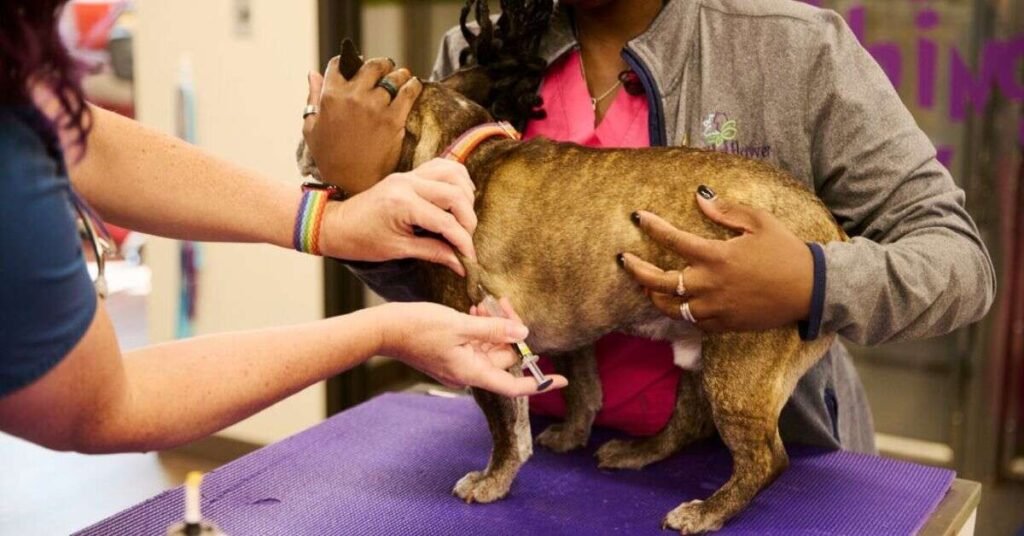
The parvo vaccine is a shot that helps protect dogs from canine parvovirus. It teaches the dog’s immune system how to fight the virus if they are exposed. Puppies and dogs that have not been vaccinated are at the highest risk of getting parvo. The vaccine does not treat the disease but prevents it from making the dog sick.
There are different forms of the parvo vaccine. Some protect only against parvovirus, while others are combined with vaccines for other illnesses like distemper or adenovirus. Puppies usually need a series of shots to build strong immunity. Following the correct vaccination schedule is important to keep dogs healthy and safe from this serious disease.
How the Parvovirus Vaccine Protects Your Dog
The parvovirus vaccine trains a dog’s body to fight the virus before it can cause illness. When a vaccinated dog encounters parvovirus, the immune system reacts quickly to stop the infection. This helps prevent serious sickness and keeps puppies and adult dogs safe. The vaccine does not treat parvo but prepares the dog’s body to defend itself.
Here is how the vaccine helps protect your dog:
- Builds immunity so the body can respond faster to the virus
- Reduces the chance of severe symptoms if the dog is exposed
- Protects young puppies during their most fragile stage
- Limits the spread of the virus to other dogs
- Provides long-lasting protection when the full series is completed
Parvo Vaccine Schedule for Puppies and Adult Dogs
Puppies need a series of parvo vaccines to build strong immunity. The first dose is usually given at 6 to 8 weeks old. Additional doses are given every 3 to 4 weeks until the puppy is about 16 weeks old. This ensures the puppy develops full protection as maternal antibodies decrease.
Adult dogs also need protection if they were never vaccinated or their immunity has weakened. Some adult dogs receive a single booster shot, while others follow a short series based on their health and vaccination history. Following the correct schedule helps keep both puppies and adult dogs safe from parvovirus.
| Dog Type | Recommended Age / Interval | Notes |
| Puppies | 6–8 weeks (first dose) | Start early to protect during high-risk period |
| Puppies | 9–12 weeks (second dose) | Strengthens immunity as maternal antibodies fade |
| Puppies | 12–16 weeks (third dose) | Ensures full protection before high-risk period |
| Puppies | 16–20 weeks (optional booster) | Some vets recommend final dose depending on risk |
| Adult Dogs | Single booster if unvaccinated | Helps build initial immunity |
| Adult Dogs | Every 1–3 years (booster) | Maintains protection against parvovirus |
| High-Risk Dogs | As advised by vet | Dogs in kennels, dog parks, or shelters may need extra boosters |
Recommended Vaccination Timeline by Veterinarians
Veterinarians suggest a clear schedule to protect dogs from parvovirus. Puppies usually start their first vaccine at 6 to 8 weeks old. They get additional doses every 3 to 4 weeks until about 16 weeks. This helps the immune system build strong protection as maternal antibodies fade. Following this schedule reduces the risk of infection during the puppy’s most vulnerable stage.
Adult dogs also need boosters to keep their immunity strong. Even fully vaccinated adult dogs may need shots every 1 to 3 years, depending on health and lifestyle. Vets may adjust the timeline for dogs in high-risk environments. Some key points of the vaccination timeline include:
- First vaccine at 6–8 weeks for puppies
- Second dose at 9–12 weeks
- Third dose at 12–16 weeks
- Optional fourth dose at 16–20 weeks if recommended
- First booster at 1 year of age
- Regular boosters every 1–3 years for adult dogs
- Extra doses for dogs in high-risk areas like kennels or dog parks
Types of Parvo Vaccines for Dogs
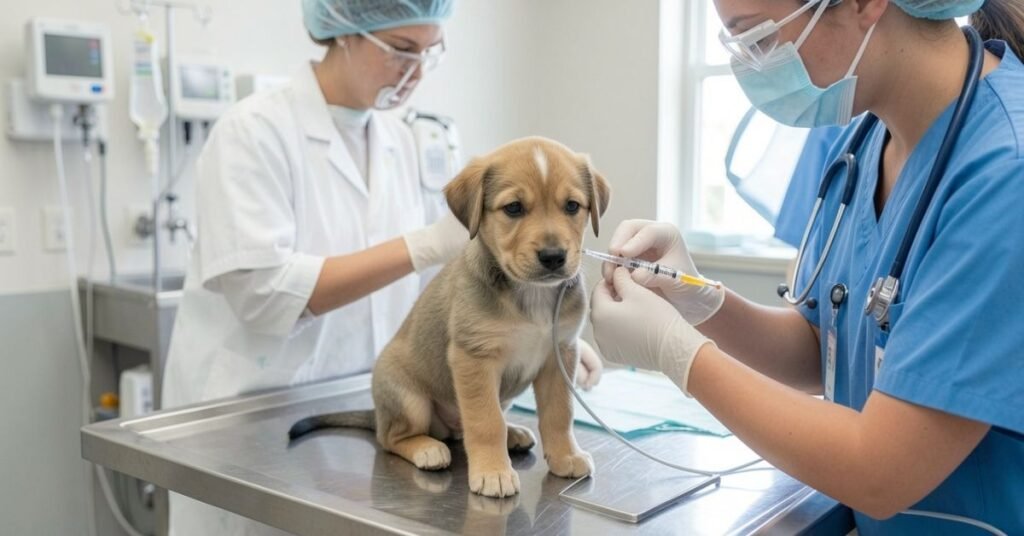
There are different types of parvo vaccines to protect dogs from infection. Some vaccines protect only against parvovirus, while others combine protection against multiple diseases. Combination vaccines often include distemper, adenovirus, and parainfluenza. Choosing the right vaccine depends on the dog’s age, health, and risk of exposure.
Each type of vaccine works slightly differently and may require a different schedule. Veterinarians decide which vaccine is best for each dog. Some puppies may need multiple doses of the combination vaccine to build full immunity. Adult dogs may receive boosters to maintain protection.
| Vaccine Type | Protects Against | Recommended For | Notes |
| Monovalent | Parvovirus only | Puppies and unvaccinated adult dogs | Focused protection, may need multiple doses |
| Combination (DHPP) | Distemper, Hepatitis, Parvovirus, Parainfluenza | Puppies and adult dogs | Convenient, protects against multiple diseases at once |
| Modified Live Vaccine (MLV) | Parvovirus | Puppies and adult dogs | Provides strong immunity, may cause mild side effects |
| Inactivated (Killed) Vaccine | Parvovirus | Dogs with weak immune systems or pregnant dogs | Safer for sensitive dogs but may need extra doses |
| Recombinant Vaccine | Parvovirus | High-risk dogs | Fast-acting, lower risk of side effects |
Core Combination Vaccines (DHPP) vs Single Parvo Vaccine
Core combination vaccines, often called DHPP, protect dogs against multiple diseases. These include distemper, hepatitis, parvovirus, and parainfluenza. Puppies usually receive DHPP to build broad immunity early in life. Adult dogs also get boosters to maintain protection.
A single parvo vaccine only protects against parvovirus. It may be recommended if a dog has already received other core vaccines or has specific health concerns. Both options are effective, but the choice depends on the dog’s age, health, and risk level.
| Vaccine Type | Diseases Covered | Best For | Notes |
| DHPP (Core Combination) | Distemper, Hepatitis, Parvovirus, Parainfluenza | Puppies and adult dogs | Provides broad protection with fewer injections |
| Single Parvo Vaccine | Parvovirus only | Dogs needing extra parvo protection or specific health cases | Focused protection, may require additional vaccines for other diseases |
| Modified Live DHPP | Same as DHPP | Healthy puppies and adults | Strong immunity, may cause mild temporary side effects |
| Inactivated DHPP | Same as DHPP | Dogs with weak immune systems or pregnant dogs | Safer but may need extra doses |
| Recombinant Parvo Vaccine | Parvovirus only | High-risk dogs | Quick immunity with minimal side effects |
Possible Side Effects of the Parvo Vaccine
The parvo vaccine is generally safe for most dogs. However, some dogs may experience mild side effects after vaccination. These effects are usually temporary and go away within a day or two. Puppies may be more sensitive, so it’s important to monitor them closely after each shot.
Some common side effects include:
- Mild fever or low energy
- Soreness or swelling at the injection site
- Slight loss of appetite
- Sneezing or mild coughing (rare)
- Mild vomiting or diarrhea (rare)
When to Contact a Veterinarian After Vaccination
Most dogs handle the parvo vaccine without problems, and any mild side effects usually go away within a day or two. Still, some dogs may show unusual reactions that need attention. It is important to watch your dog closely after vaccination, especially during the first 24 to 48 hours. Early observation helps prevent small issues from becoming serious.
You should contact a veterinarian if your dog shows concerning signs. These include trouble breathing, swelling around the face or eyes, persistent vomiting or diarrhea, very high or low body temperature, or extreme weakness. Reaching out quickly ensures your dog receives proper care and stays safe after vaccination.
How to Prevent Parvo in Dogs
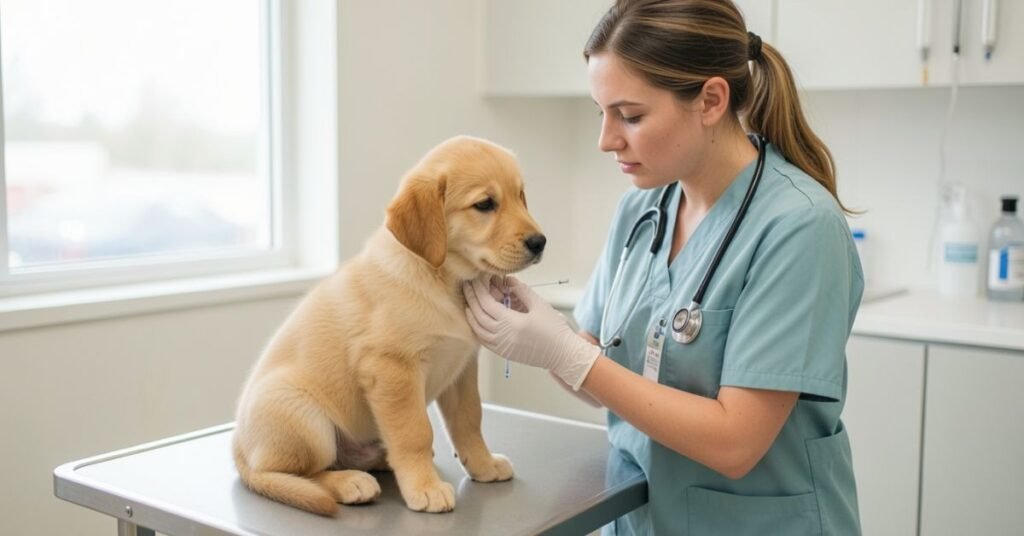
Vaccination is the most important way to protect your dog from parvo. Puppies need all their shots on time. Adult dogs also need boosters to stay protected. A complete vaccination schedule keeps your dog safe from the virus.
You can also take other steps to prevent infection. Keep puppies away from places where many dogs have been. Clean their bowls, toys, and bedding regularly. Wash your hands after touching other dogs or outdoor areas. These small habits help reduce the risk of parvovirus.
Hygiene, Vaccination, and Puppy Safety Tips
Keeping your puppy healthy requires a mix of hygiene, vaccination, and careful safety practices. Vaccines are the first step in protecting your puppy from parvo and other diseases. Clean living areas, food bowls, and toys help stop germs from spreading. Puppies are most vulnerable in their first months, so extra care is needed.
Some important tips to follow include:
- Give all vaccines on the recommended schedule
- Wash hands after handling other dogs or outdoor items
- Clean food and water bowls daily
- Avoid places where many dogs gather until the puppy is fully vaccinated
- Keep bedding and toys clean and dry
- Monitor your puppy for early signs of illness
Conclusion
Parvo is a serious disease that can harm puppies and adult dogs. It spreads quickly and can become life-threatening if not treated. The parvo vaccine for dogs is the most effective way to prevent infection and protect your pet’s health. Keeping your dog’s vaccines up to date is the most important step.
Early detection is also key. Watch your dog for signs like vomiting, diarrhea, low energy, or loss of appetite. The parvo vaccine for dogs helps reduce the risk, but acting quickly and contacting a veterinarian can still save your dog’s life if symptoms appear. Puppies are especially vulnerable, so careful monitoring is essential during their first months.
Good hygiene and safety practices also play a big role. Clean food bowls, toys, and living areas regularly. Avoid letting puppies visit places where many dogs gather until they are fully vaccinated. This makes the parvo vaccine for dogs even more effective when combined with proper care.
By following a proper vaccination schedule, monitoring your dog, and practicing good hygiene, you can keep your dog healthy and safe. Prevention is always better than treatment. With the parvo vaccine for dogs, your dog has a much higher chance of living a happy, healthy life free from parvovirus.
FAQs
1. What age should a puppy get the first parvo vaccine?
Puppies usually get their first parvo vaccine between 6 and 8 weeks old. Additional doses are given every 3 to 4 weeks until about 16 weeks. This ensures strong protection as maternal antibodies fade.
2. Can adult dogs get parvo?
Yes, adult dogs can get parvovirus if they are not fully vaccinated or their immunity has weakened. Boosters help protect adult dogs from infection and keep their immune system strong.
3. What are the common side effects of the parvo vaccine?
Most dogs only experience mild side effects like slight fever, tiredness, or soreness at the injection site. Serious reactions are rare, but contact a vet immediately if your dog shows difficulty breathing, severe swelling, or persistent vomiting.
4. How can I prevent my puppy from getting parvo?
The best prevention is following the vaccination schedule. Other steps include avoiding high-risk areas, cleaning bowls and toys regularly, and washing your hands after handling other dogs or outdoor items.
5. How fast does parvo spread among dogs?
Parvovirus spreads very quickly through contact with infected feces, surfaces, or other dogs. Puppies are most at risk. Vaccination and hygiene measures are essential to stop the spread and protect your dog.
