

Introduction
Flea dirt on dogs is the small black or dark brown specks you may see in your dog’s fur or on their skin. It is not regular dirt. Flea dirt is actually flea waste made from digested blood. When fleas feed on your dog, they leave behind these tiny particles. This is often one of the first signs that fleas are living on your pet.
Many dog owners notice these black specks but think it is just dust or normal dirt from outside. However, flea dirt can quickly turn into a bigger problem if it is ignored. It usually means fleas are already present on your dog or in your home. Spotting it early can help you stop a full flea infestation before it gets worse.
In this guide, you will learn everything about flea dirt on dogs. We will explain what it looks like, how to identify it, and why it appears on dogs. You will also discover simple ways to remove flea dirt and protect your dog from fleas in the future. Understanding these signs can help keep your dog healthy and comfortable.
What Is Flea Dirt on Dogs?
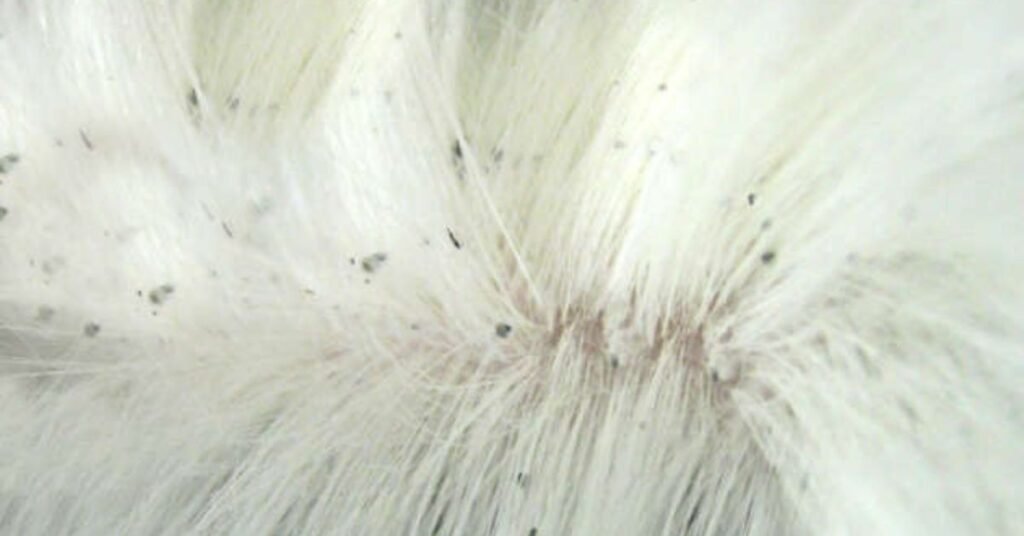
Flea dirt on dogs is the tiny black or dark brown specks you may find in your dog’s fur or on their skin. It may look like normal dirt or pepper flakes. But it is actually flea waste. Fleas feed on your dog’s blood and leave behind these small droppings. These droppings dry and appear as dark particles in the coat.
Seeing flea dirt on dogs usually means fleas are already present. It is often one of the first signs of a flea problem. If you wipe the specks with a wet tissue, they may turn reddish-brown because they contain digested blood. This simple sign helps dog owners know that fleas may be living on their pet.
Why Flea Dirt Appears on Dogs
Flea dirt appears on dogs when fleas live and feed on their skin. After feeding, they leave behind tiny droppings. These droppings dry and look like small black specks in the dog’s fur. This is what we call flea dirt.
Dogs can get fleas from many places. They may pick them up from parks, yards, other animals, or even inside the home. Once fleas get on a dog, they start feeding and laying eggs quickly. As they feed, more flea dirt builds up in the coat. This is often a clear sign that fleas are present on the dog.
What Does Flea Dirt on Dogs Look Like?
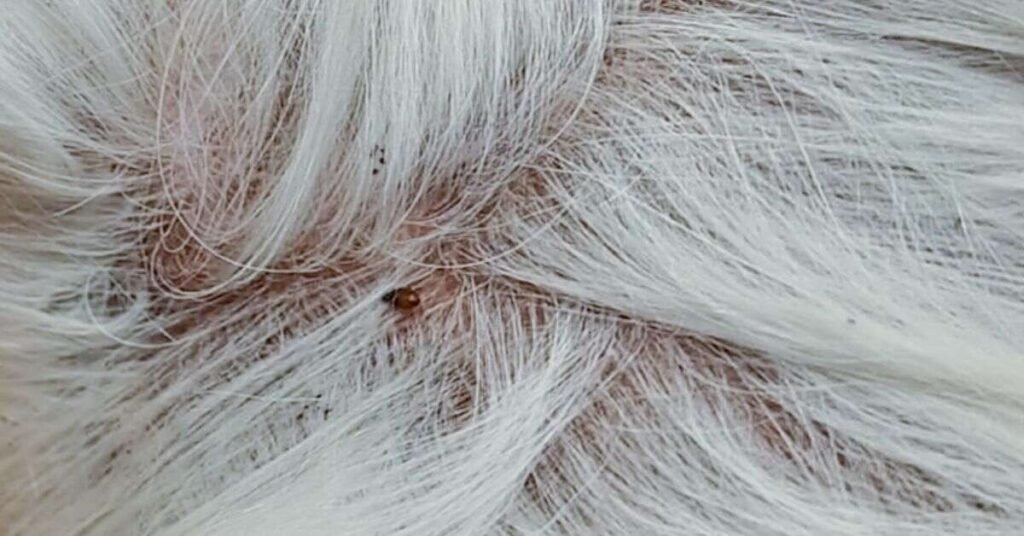
Small black or dark brown specks appear in the fur of dogs with flea dirt. It often appears like ground pepper or small grains of dirt. You may notice it on your dog’s skin, especially around the neck, back, belly, or near the tail. These spots may stick to the fur and can be hard to brush away.
Sometimes dog owners confuse flea dirt with normal dirt from outside. But flea dirt usually gathers in small clusters and stays close to the skin. If you see these tiny specks, it could mean fleas are feeding on your dog.
Common signs of flea dirt on dogs include:
- Small black or brown pepper-like specks in the fur
- Dirt that stays close to the skin
- Specks that turn reddish-brown when wiped with a wet tissue
- More dirt around the neck, belly, or tail area
- Tiny particles that fall onto bedding or where the dog sleeps
Flea Dirt vs Regular Dirt on Dogs
Flea dirt and regular dirt may look similar at first. Both can appear as small dark specks in your dog’s fur. But flea dirt comes from fleas feeding on your dog’s blood. It is actually flea waste. Regular dirt, on the other hand, comes from soil, dust, or mud when your dog plays outside.
A simple way to tell the difference is by using a wet tissue test. When flea dirt gets wet, it often turns reddish-brown because it contains digested blood. Regular dirt will not change color. Knowing this difference helps dog owners detect fleas early and protect their pets.
| Feature | Flea Dirt on Dogs | Regular Dirt on Dogs |
| Source | Flea droppings made after fleas feed on blood | Soil, dust, sand, or mud from the environment |
| Color | Dark brown or black | Brown, gray, or black depending on the soil |
| Appearance | Looks like tiny pepper flakes | Looks like normal dust or mud particles |
| Texture | Fine, grainy specks that stick to fur | Can be powdery, sandy, or clumpy |
| Location on Dog | Often near the neck, back, belly, or tail | Can appear anywhere after outdoor activity |
| Wet Tissue Test | Turns reddish-brown when wet | Stays the same color when wet |
| Removal | Often stays in fur until washed or combed out | Usually brushes off easily |
| Indicates Fleas | Yes, usually means fleas are present | No, just normal dirt from outside |
| Health Risk | Can signal flea infestation and skin problems | Usually harmless |
| Smell | No strong smell but may be linked to flea infestation | May smell like soil or mud |
How to Identify Flea Dirt on Dogs
Identifying flea dirt on dogs is easier than many owners think. Flea dirt looks like tiny black or dark brown specks in your dog’s fur. It is usually found around the neck, belly, back, and near the tail. Flea dirt may stick to the fur and can fall onto your dog’s bedding. One simple test is to place the specks on a wet white tissue. If they turn reddish-brown, it is flea dirt because it contains digested blood.
Other signs can help confirm flea dirt on your dog. Look for itching, scratching, or small red bumps on the skin. Flea dirt often comes with live fleas, so checking closely is important. Using a fine-toothed flea comb can make it easier to spot both fleas and flea dirt.
Tips to identify flea dirt on dogs:
- Check areas where fleas like to hide: neck, belly, back, and tail
- Use a fine-toothed flea comb to comb the fur
- Place suspected dirt on a wet white tissue to see if it turns reddish-brown
- Look for itching, scratching, or small red bumps on the skin
- Observe your dog’s behavior for restlessness or discomfort
The Paper Towel Test to Confirm Flea Dirt
The paper towel test is an easy way to check if your dog has flea dirt. Start by using a fine-toothed flea comb to comb through your dog’s fur. Collect any tiny black specks that appear. On a damp white paper towel, place these specks. If they turn reddish-brown, it means they are flea dirt. These color change happens because flea dirt contains digested blood from the fleas.
This test is safe and can be done at home anytime. It helps dog owners detect fleas early. You can use it on dogs of any age, even on puppies. Regular checks using this method can stop a small flea problem from becoming a big infestation. It also lets you know when it is time to start flea treatment and grooming.
What Causes Flea Dirt on Dogs
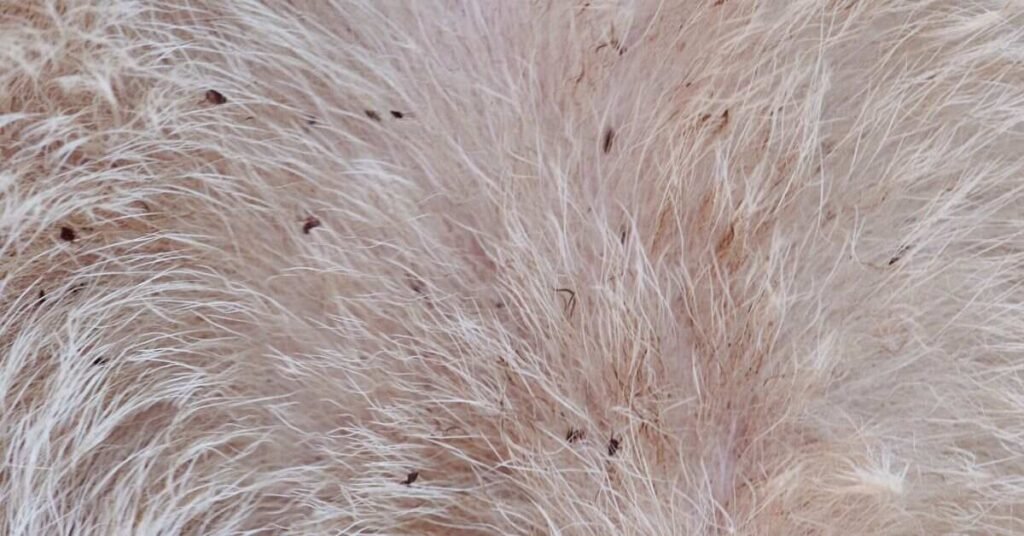
Flea dirt on dogs is caused by fleas feeding on their blood. When fleas bite, they digest the blood and leave behind tiny black or dark brown droppings. These droppings are what we call flea dirt. The more fleas on your dog, the more flea dirt you will see. Flea dirt usually appears around the neck, back, belly, and tail areas.
Dogs can pick up fleas from many places. They can get fleas from other animals, parks, yards, or even inside the house. Once fleas are on a dog, they reproduce quickly. Flea dirt is a sign that fleas are active and feeding. Early detection helps prevent larger infestations and keeps your dog healthy.
| Cause | How It Leads to Flea Dirt | Notes for Dog Owners |
| Fleas Feeding on Blood | Fleas digest blood and leave droppings | Droppings are the black specks called flea dirt |
| Contact with Other Pets | Fleas jump from infected animals to your dog | Watch for fleas when introducing new pets |
| Outdoor Environments | Parks, yards, and grassy areas may have fleas | Check your dog after outdoor play |
| Infested Bedding | Fleas lay eggs in bedding and carpets | Wash bedding regularly |
| Warm and Humid Weather | Fleas reproduce faster in warm climates | Use preventive treatments in summer |
| Lack of Regular Grooming | Fleas can stay hidden in thick or long fur | Brush and comb your dog regularly |
| Presence of Wild Animals | Squirrels, raccoons, and stray animals carry fleas | Limit contact with wildlife |
| Untreated Fleas in the Home | Fleas can live in carpets and furniture | Treat home environment along with the dog |
How Dogs Get Fleas
Dogs get fleas in many ways. Fleas can jump from other animals like dogs, cats, or wildlife. They can also come from outdoor areas such as parks, yards, or grassy fields. Once a flea lands on a dog, it starts feeding and laying eggs. These eggs can fall off and grow in your home, creating a larger infestation.
Fleas can spread quickly if not treated. Dogs with long or thick fur are easier for fleas to hide on.The vulnerability of puppies and older dogs is greater. Regular checks and preventive measures help keep fleas away.
Common ways dogs get fleas:
- Direct contact with other infected animals
- Playing or walking in grassy or outdoor areas
- Contact with wild animals like squirrels, raccoons, or stray cats
- Infested bedding, carpets, or furniture in the home
- Lack of regular flea prevention or treatment
Why Flea Dirt on Dogs Is a Sign of Flea Infestation
Flea dirt on dogs is a clear sign that fleas are living on your pet. Each speck of flea dirt is actually flea waste, which comes from fleas feeding on your dog’s blood. If you see these tiny black or dark brown specks in your dog’s fur, it usually means that fleas are present. Flea dirt often appears around the neck, belly, back, and tail areas.
Seeing flea dirt early helps you catch a flea infestation before it gets worse. Fleas reproduce quickly, and a few fleas can turn into a large problem in a short time. If flea dirt is visible, there are likely more fleas hiding in the fur or in your dog’s bedding. Taking action quickly can protect your dog’s health and prevent fleas from spreading in your home.
Common Signs Your Dog Has Fleas
Dogs with fleas often show visible signs of discomfort. They may scratch, bite, or lick their skin more than usual. Fleas can cause red bumps, irritation, or rashes, especially around the neck, belly, and tail. In some cases, dogs may become restless or have trouble sleeping due to itching.
Other signs of fleas can be spotted by checking your dog’s fur and skin closely. Using a fine-toothed flea comb can help detect fleas or flea dirt. Puppies and older dogs are more sensitive to flea bites, so early detection is important.
Common signs your dog has fleas:
- Skin scratching, biting, or licking constantly
- Red bumps or small rashes on the skin
- Tiny black or dark brown specks (flea dirt) in the fur
- Restlessness or difficulty sleeping
- Hair loss in affected areas
- Presence of live fleas moving on the skin or fur
Health Risks of Flea Dirt on Dogs
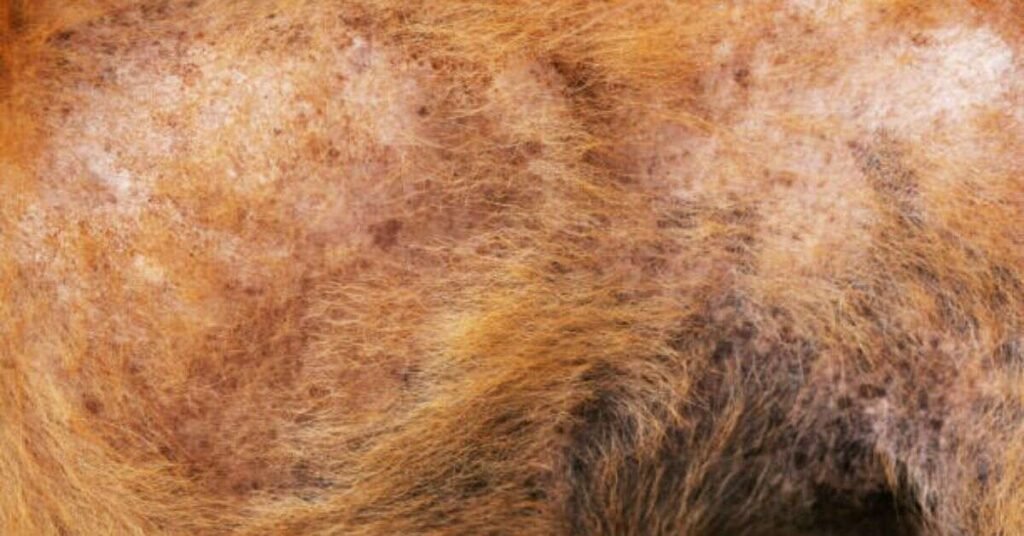
Flea dirt on dogs is more than just a mess in the fur. It is a sign that fleas are feeding on your dog’s blood. If not treated quickly, this can cause health problems. Dogs may develop skin irritation, itching, and redness. Some dogs are allergic to flea bites, which can make the reaction worse.
Fleas can also cause more serious issues. They can lead to anemia, tapeworm infection, and bacterial skin infections. Puppies, older dogs, or sick dogs are more vulnerable. Regular checks and prompt treatment help prevent these health risks.
Health Risks of Flea Dirt on Dogs:
| Health Risk | Description | Who Is Most at Risk |
| Flea Allergy Dermatitis | Severe itching and inflammation caused by flea bites | Dogs with flea allergies |
| Anemia | Blood loss from multiple flea bites | Puppies, elderly, and small dogs |
| Tapeworm Infection | Fleas can carry tapeworm larvae that infect dogs | Dogs that groom themselves frequently |
| Bacterial Skin Infections | Open wounds from scratching can get infected | Dogs with sensitive or damaged skin |
| Hair Loss | Excessive scratching and biting can cause fur loss | All dogs, especially with long or thick coats |
| Restlessness and Stress | Constant itching affects sleep and behavior | Puppies and anxious dogs |
| Secondary Skin Problems | Scratching can lead to sores and scabs | Dogs with chronic flea infestations |
| Spread to Other Pets | Fleas can move from one pet to another | Multi-pet households |
Flea Allergy Dermatitis and Skin Problems
Flea Allergy Dermatitis (FAD) is a common skin problem in dogs caused by flea bites. Some dogs are very sensitive to flea saliva. Even a few bites can trigger severe itching, redness, and rashes. Dogs may scratch, bite, or lick themselves constantly. Over time, this can lead to hair loss and sores on the skin.
Flea bites can also cause other skin problems. Open wounds from scratching can become infected. Bacterial or fungal infections may develop if the skin is damaged. Puppies, older dogs, and dogs with weak immune systems are more at risk. Early detection and treatment of fleas help prevent these skin issues.
| Skin Problem | Description | Signs to Look For | Risk Level |
| Flea Allergy Dermatitis (FAD) | Severe reaction to flea bites | Intense itching, redness, small bumps | High |
| Hair Loss | Loss of fur due to scratching | Bald patches, thinning coat | Medium |
| Hot Spots | Localized infected areas | Wet, red, and inflamed skin | High |
| Secondary Bacterial Infections | Infection from scratching wounds | Pus, swelling, foul odor | High |
| Fungal Infections | Yeast or fungal growth on irritated skin | Flaky, smelly patches | Medium |
| Scabs and Sores | Open wounds from constant licking | Crusty skin, bleeding | High |
| Skin Thickening | Chronic scratching causes thickened skin | Hard, rough patches | Medium |
| Restlessness and Stress | Constant discomfort affects behavior | Anxiety, trouble sleeping | Medium |
How to Get Rid of Flea Dirt on Dogs
Getting rid of flea dirt on dogs starts with removing the fleas themselves. Use a fine-toothed flea comb to gently comb through your dog’s fur. Focus on areas like the neck, belly, and tail. Dip the comb in soapy water to kill any fleas or flea dirt you collect. Regular combing can reduce flea dirt and stop the infestation from growing.
You can also use flea shampoos or topical treatments recommended by a vet. These treatments kill fleas and prevent more flea dirt from forming. Wash your dog’s bedding, blankets, and toys to remove fleas and their eggs. Make sure your home is thoroughly cleaned, especially the carpets and furniture. Consistent grooming and treatment are key to keeping your dog free from flea dirt.
Grooming and Cleaning Methods
Grooming and cleaning are important to get rid of flea dirt on dogs. Start by brushing your dog’s fur regularly with a fine-toothed flea comb. This helps remove fleas, eggs, and flea dirt. Bathing your dog with a flea shampoo also helps clean the coat and soothe irritated skin.
Cleaning your home is equally important. Wash your dog’s bedding, blankets, and toys in hot water. Fleas and eggs can be removed by vacuuming carpets, furniture, and floors. Treat areas your dog spends most time in with safe flea sprays if needed. Regular grooming and cleaning prevent flea dirt from coming back.
| Method | How to Do It | Frequency | Notes |
| Flea Combing | Use a fine-toothed comb, focus on neck, belly, tail | Daily during infestations | Dip comb in soapy water after each pass |
| Flea Bath | Use vet-approved flea shampoo | Once a week or as recommended | Avoid using human shampoo |
| Brushing | Brush fur to remove loose dirt and fleas | 2–3 times a week | Helps distribute natural oils and detect fleas |
| Bedding Wash | Wash dog bedding, blankets, and toys in hot water | Weekly | Use hot water to kill fleas and eggs |
| Vacuuming | Vacuum carpets, floors, and furniture | Daily during infestations | Dispose of vacuum bag or empty canister immediately |
| Home Flea Spray | Apply safe flea spray in areas dog spends time | As directed on product | Keep pets away until dry |
| Drying | Dry dog thoroughly after bath | Each bath | Wet fur can attract fleas |
| Regular Inspection | Check fur and skin for flea dirt | Weekly | Early detection prevents infestations |
Best Treatments for Fleas and Flea Dirt on Dogs

There are several effective ways to treat fleas and flea dirt on dogs. Topical treatments, oral medicines, and flea shampoos are commonly used. Topical treatments are applied to the skin and kill adult fleas quickly. Oral medicines work from the inside to prevent fleas from surviving and reproducing. Flea shampoos help remove fleas, flea dirt, and soothe irritated skin.
Along with medications, cleaning your home and grooming your dog is very important. Regular brushing with a flea comb helps remove fleas and flea dirt. Washing bedding, vacuuming carpets, and treating areas your dog spends time in reduces reinfestation. Consistent treatment and care keep your dog healthy and comfortable.
Best Treatments for Fleas and Flea Dirt on Dogs:
- Topical Flea Treatments: Applied to the skin, kills fleas fast, protects for weeks.
- Oral Flea Medicines: Pills or chewables, prevent reproduction, long-lasting.
- Flea Shampoos: Wash off fleas and flea dirt, clean and soothe skin.
- Flea Combing: Fine-toothed comb removes fleas and dirt, safe and chemical-free.
- Flea Collars: Repel and kill fleas, continuous protection for months.
- Home Cleaning: Wash bedding, vacuum carpets and furniture, prevent reinfestation.
- Regular Grooming: Brushing and checking for fleas helps detect problems early.
Flea Shampoos, Topical Treatments, and Oral Medicines
Flea shampoos, topical treatments, and oral medicines are the main ways to treat fleas and flea dirt on dogs. These shampoos help remove fleas and dirt from the fur while soothing irritated skin. Topical treatments are applied to the skin and kill fleas quickly. Oral medicines work from inside the body to stop fleas from surviving and reproducing.
Using these treatments together with regular grooming and home cleaning gives the best results. Flea shampoos clean the coat, topical treatments prevent more fleas, and oral medicines provide long-term protection. Always follow the instructions from your vet to keep your dog safe and healthy.
| Treatment Type | How It Works | Pros | Cons | Usage Frequency |
| Flea Shampoos | Washes off fleas and flea dirt from fur | Cleans coat, soothes skin, removes dirt | Only temporary, may need repeated use | Weekly or as recommended |
| Topical Treatments | Applied to skin, kills adult fleas and prevents eggs | Fast-acting, protects for weeks | Can cause mild skin irritation | Monthly |
| Oral Medicines | Pills or chewables that kill fleas internally | Long-lasting, convenient, prevents reproduction | Some dogs may have mild digestive issues | Monthly or as prescribed |
| Flea Combing | Removes fleas, eggs, and flea dirt manually | Safe, chemical-free, detects early | Time-consuming | Daily during infestations |
| Flea Collars | Slowly releases chemicals to repel and kill fleas | Continuous protection, easy to use | Less effective in severe infestations | 2–8 months depending on collar |
| Environmental Cleaning | Washing bedding, vacuuming carpets and furniture | Reduces reinfestation | Needs consistency | Weekly or as needed |
How to Prevent Flea Dirt on Dogs

Preventing flea dirt on dogs begins with regular flea control. Use treatments recommended by your veterinarian, such as topical solutions, oral medicines, or flea collars. Check your dog’s fur often with a fine-toothed flea comb to spot fleas or flea dirt early. Keeping your dog clean and well-groomed helps reduce the risk of infestation.
Maintaining a clean home is also key. Wash your dog’s bedding, blankets, and toys in hot water frequently. Vacuum carpets, furniture, and floors to remove any fleas or eggs. Avoid letting your dog have contact with stray or wild animals that may carry fleas. Following these steps consistently helps keep your dog safe from fleas and flea dirt all year round.
Long-Term Flea Prevention Tips for Dog Owners
Long-term flea prevention is important to keep your dog healthy and comfortable. Regular use of vet-approved flea treatments is key. Topical solutions, oral medicines, and flea collars help prevent fleas from returning. Groom your dog often and check for fleas and flea dirt, even if your dog seems fine. Maintaining a clean coat reduces the chances of infestations.
Keeping your home clean also helps prevent fleas. Bedding, blankets, and toys should be washed in hot water. Vacuum carpets, furniture, and floors regularly. Limit your dog’s contact with stray or wild animals. Consistent care and monitoring are essential for long-term prevention.
Long-Term Flea Prevention Tips:
- Use vet-recommended flea treatments regularly
- Groom and comb your dog often
- Check for fleas and flea dirt frequently
- Make sure bedding, blankets, and toys are washed in hot water
- Vacuum carpets, furniture, and floors consistently
- Limit exposure to stray or wild animals
- Maintain overall dog hygiene and health
- Monitor for signs of itching or scratching regularly
Conclusion
Flea dirt on dogs is more than just tiny black specks in the fur. It is a sign that fleas are feeding on your dog and can cause health problems. Early detection is important to protect your dog from skin irritation, allergies, and infections. Regular checks, grooming, and monitoring help you spot flea dirt before it becomes a bigger problem.
Treating flea dirt requires a combination of methods. Flea shampoos, topical treatments, oral medicines, and flea combing all work together to remove fleas and dirt. Cleaning your dog’s bedding and home is also necessary to stop reinfestation. Using these methods consistently keeps your dog healthy and comfortable.
Preventing flea dirt is better than treating it after an infestation. Regular flea treatments, grooming, and a clean environment help prevent fleas from returning. Limiting your dog’s exposure to other animals and outdoor areas where fleas thrive also helps. Long-term care ensures your dog stays free from fleas and flea dirt.
In short, understanding flea dirt and taking action is essential for every dog owner. With proper care, treatment, and prevention, you can keep your dog happy, healthy, and flea-free. Consistency and vigilance are key to protecting your dog from flea problems now and in the future.
FAQs
1. What is flea dirt on dogs?
Flea dirt is tiny black or dark brown specks found in your dog’s fur. It is actually the digested blood left behind by fleas. Flea dirt often appears around the neck, belly, back, and tail. Its presence usually indicates an active flea infestation.
2. What is the difference between flea dirt and regular dirt?
Flea dirt looks like tiny black specks that can turn reddish-brown on a wet white paper towel. Regular dirt does not change color when wet. Using a flea comb can help separate flea dirt from other debris in the fur.
3. Can flea dirt harm my dog?
Yes, flea dirt is a sign of fleas, which can cause itching, allergies, and skin infections. Severe infestations can lead to anemia or tapeworm infections. Finding flea dirt early and treating it quickly keeps your dog healthy.
4. How do I remove flea dirt from my dog?
Use a fine flea comb to carefully remove fleas and their dirt from your dog’s coat. Bathe your dog with a flea shampoo for deep cleaning. Regular grooming and vet-recommended treatments help prevent reinfestation.
5. How can I prevent flea dirt in the future?
Prevent flea dirt by using consistent flea treatments like topical solutions, oral medicines, or flea collars. Keep your dog and home clean by washing bedding and vacuuming regularly. Limiting contact with stray or wild animals also helps prevent fleas.
