

Introduction
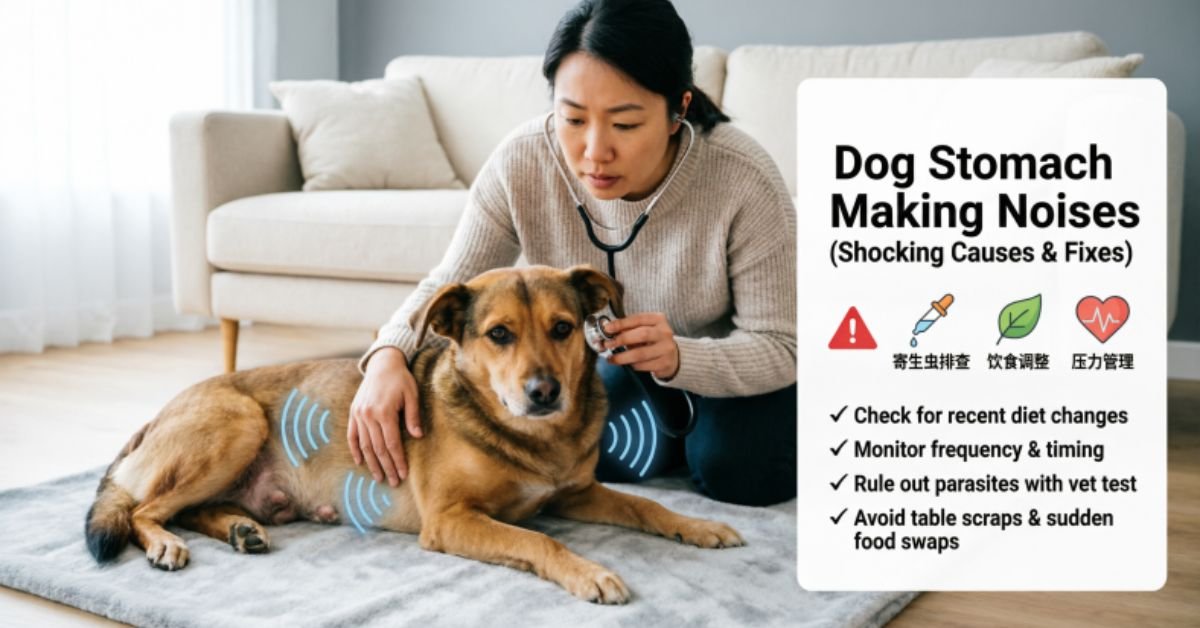
Dog stomach making noises is a common issue. These sounds happen when gas and fluids move through the intestines. The medical term is borborygmi. Sometimes the noise is normal and harmless. Other times, it can signal a digestive problem.
But how do you know when it is serious? Many dog owners feel worried when the sounds are loud or constant. It becomes more concerning if your dog also refuses food or seems tired. Ignoring warning signs can sometimes make things worse.
In this guide, you will learn the common causes and the danger signs to watch for. We will explain when home care is enough and when a vet visit is needed. Understanding these signs can help you protect your dog’s health and act quickly if needed.
Why Is My Dog’s Stomach Gurgling and Not Eating?
If your dog’s stomach is gurgling and they are not eating, it can feel alarming. These noises often happen when gas and liquid move inside the intestines. Sometimes it is just hunger or mild gas. But when your dog refuses food, it may signal an upset stomach or discomfort. Watching their behavior closely is very important.
Common reasons include eating something unusual, sudden food changes, stress, or mild infections. In more serious cases, it could be a blockage or digestive illness. Look for other signs like vomiting, diarrhea, weakness, or signs of pain. If symptoms last more than 24 hours, it is best to contact your vet.
| Possible Cause | Why It Happens | Common Symptoms | Risk Level | What You Should Do |
| Hunger | Empty stomach makes noise | Acts normal, wants food | Low | Offer regular meal |
| Gas | Air trapped in intestines | Mild bloating, passing gas | Low | Monitor and provide light meal |
| Sudden Diet Change | Stomach reacting to new food | Soft stool, refusal to eat | Medium | Switch food slowly |
| Ate Something Bad | Irritation or toxin exposure | Vomiting, diarrhea | Medium–High | Call vet if symptoms continue |
| Stress or Anxiety | Nervous system affects digestion | Hiding, pacing | Low–Medium | Reduce stress triggers |
| Mild Infection | Bacteria or virus upset | Lethargy, loose stool | Medium | Vet visit if no improvement |
| Intestinal Blockage | Object stuck in gut | Pain, vomiting, weakness | High | Emergency vet care needed |
| Bloat (GDV) | Twisted stomach (large breeds) | Swollen belly, restlessness | Emergency | Immediate vet care |
Is It Normal for a Dog’s Stomach to Make Noises?
Yes, it is normal for a dog’s stomach to make noises sometimes. These sounds happen when gas and fluids move through the digestive tract. It often occurs when your dog is hungry. Mild gurgling without other symptoms is usually not a problem.
However, the noise should not be constant or very loud. If your dog also has vomiting, diarrhea, or refuses food, it may be a concern. Watch your dog’s behavior and energy level. When in doubt, contact your vet for advice.
Common Causes of Stomach Gurgling in Dogs
Stomach gurgling in dogs often happens because of gas. Air can build up in the digestive tract after eating or drinking too fast. Hunger can also cause these sounds. An empty stomach may make more noise than usual. Mild digestive upset is another common reason.
Sometimes the cause is a sudden change in diet. New treats or table scraps can irritate the stomach. Eating something from the trash can also lead to gurgling. Stress and anxiety may affect digestion as well. In some cases, infections or parasites can be the reason. Watching for other symptoms helps you know if it is serious.
When Should I Worry About My Dog’s Stomach Gurgling?

A dog’s stomach can gurgle due to simple, everyday causes.Hunger, a little gas, or a small change in food can cause it. If your dog is playful, drinking water, and eating normally, there’s usually no need to panic. Infrequent gurgling is often a normal part of your dog’s digestion.
But sometimes, it can signal something more serious. Pay attention if your dog won’t eat, seems very tired, vomits, or has diarrhea. Loud, continuous, or unusual gurgling should not be ignored. In these cases, it’s best to call your veterinarian quickly to prevent bigger health problems.
What If My Dog Refuses Both Food and Water?
If your dog refuses both food and water, it is a serious warning sign. This behavior can indicate illness, pain, or digestive problems. Lack of water can lead to dehydration quickly. You should monitor your dog closely and act fast.
It is important to identify the cause. Sometimes mild digestive upset or stress is to blame. Other times, it could be a blockage, infection, or other health emergency. The table below shows possible causes, symptoms, risk levels, and actions to take.
| Possible Cause | Symptoms | Risk Level | What You Should Do |
| Mild Digestive Upset | Stomach gurgling, slight discomfort | Low | Offer bland food and water, monitor closely |
| Stress or Anxiety | Hiding, shaking, pacing | Low–Medium | Reduce stress, provide comfort and safe space |
| Sudden Diet Change | Refusal to eat, soft stool | Medium | Slowly reintroduce familiar food |
| Infection or Parasites | Lethargy, vomiting, diarrhea | Medium | Schedule vet visit for diagnosis |
| Intestinal Blockage | Pain, vomiting, bloated belly | High | Emergency veterinary care needed |
| Kidney or Liver Issues | Weakness, vomiting, dehydration | High | Contact vet immediately |
| Severe Dehydration | Sunken eyes, dry gums, lethargy | Emergency | Immediate vet care and fluids |
Could My Dog Have Eaten Something Harmful?
Dogs explore the world with their mouths, which can sometimes get them into trouble. They may chew on houseplants, raid the trash, or sneak human snacks they shouldn’t eat. Even a small nibble of toxic foods or sharp objects can upset their stomach—or worse, cause serious illness. Being aware of what your dog gets into is key to keeping them safe.
Watch for unusual signs that something is wrong:
- Stomach upset like vomiting or diarrhea
- Refusing both food and water
- Acting weak, tired, or unusually quiet
- Drooling, pawing at their mouth, or gagging
- A bloated, tender, or painful belly
Potential Health Problems Behind Stomach Noises
Stomach noises are usually normal. They often happen after you eat or when your stomach is empty. But sometimes, loud or frequent noises can be a sign of health issues. If you notice pain, bloating, or changes in appetite, it could mean something more serious.
Some possible causes include:
- Indigestion or gas
- Food intolerances or allergies
- Stomach infections or viruses
- Constipation or diarrhea
- Stress or anxiety
Stomach Blockage (Intestinal Obstruction)
A stomach blockage happens when something stops food from moving through the intestines. This can be very serious and needs quick attention. Dogs may show signs like vomiting, lack of appetite, or stomach pain. The belly might look swollen or feel hard.
Common causes of intestinal blockage include:
- Swallowed toys or bones
- Large pieces of food that don’t digest
- Tumors or growths
- Twisted intestines (rare but serious)
Digestive Upset or Dietary Changes
Digestive upset is common in dogs. It often happens when their diet changes too quickly. Dogs may vomit, have diarrhea, or show gas and bloating. Even small changes in food type, brand, or treats can upset their stomach.
A table can help show common causes and symptoms of digestive upset:
| Cause of Digestive Upset | Common Symptoms | Tips to Prevent or Fix |
| Sudden diet change | Vomiting, diarrhea, gas | Switch foods gradually over 7–10 days |
| Rich or fatty treats | Stomach pain, loose stool | Limit treats, avoid fried foods |
| Food intolerance or allergy | Vomiting, itching, diarrhea | Test foods slowly, consult vet |
| Overeating | Bloating, discomfort, lethargy | Feed smaller meals, monitor portions |
| Eating spoiled food or garbage | Vomiting, diarrhea, lethargy | Keep trash away, supervise outdoor eating |
Gas, Bloat, or More Serious Conditions
Dogs can have a swollen belly for many reasons. Sometimes it is just gas. Gas is usually not dangerous but can make your dog uncomfortable. Watch for burping, passing gas, or restlessness.
Bloat is more serious. “This happens when the stomach fills with gas and then flips or twists on itself.”This can be life-threatening. Other serious conditions can also cause swelling, like tumors or fluid buildup. Quick action is very important if you notice vomiting, drooling, or a hard, painful belly.
| Symptom | Possible Cause | Action Needed | Urgency |
| Mild bloating | Gas | Monitor at home | Low |
| Frequent burping | Gas | Dietary changes | Low |
| Hard, swollen belly | Bloat | Call vet immediately | High |
| Retching without vomiting | Bloat | Emergency vet visit | High |
| Painful belly when touched | Tumor/Serious | Vet checkup | Medium-High |
| Sudden, large swelling | Fluid buildup | Vet evaluation | High |
| Lethargy + bloating | Multiple causes | Vet assessment | Medium-High |
What Can I Give My Dog for a Gurgling Stomach?

A dog’s stomach can rumble for many small reasons. You can help by offering soft, bland foods. Plain boiled chicken or gentle cooked rice works well. These foods are easy on the stomach and won’t cause more discomfort. Always make sure your dog has clean water to sip.
Small amounts of plain pumpkin can also help. It supports digestion and can settle upset tummies. Avoid giving your dog human medicine unless your vet specifically says it’s safe. If the stomach gurgling keeps going, or your dog seems weak, restless, or uncomfortable, it’s best to call the vet right away.
Safe Home Remedies Before the Vet Visit
If your dog has a mild upset stomach, there are a few things you can try at home. These remedies can help ease discomfort before you get to the vet. Always watch your dog closely for any worsening signs.
Some safe home options include:
- Offer small, bland meals like boiled chicken or plain rice.
- Give a little plain pumpkin to help with digestion.
- Make sure your dog drinks fresh water often.
- Let your dog rest in a quiet, comfortable spot.
- Avoid giving human medications unless the vet approves.
Offer Small Sips of Water
When your dog’s stomach is upset, staying hydrated is key. But big drinks can make nausea worse. Give your dog tiny sips of water instead. This keeps them safe and helps the stomach settle.
Helpful tips for small water intake:
- Let your dog lick or sip a few drops at a time.
- Offer water every few minutes instead of all at once.
- Use a shallow dish to make drinking easier.
- Encourage calmly; never force it.
- Watch for vomiting, drooling, or signs of discomfort.
Avoid Introducing New Foods
When your dog has a gurgling or upset stomach, don’t give new foods. Sudden changes can make digestion worse. Stick to the usual bland diet until your dog feels better.
Even healthy treats or snacks can upset the stomach. Wait a few days before adding anything new. Keep meals simple and small. This helps your dog’s digestive system calm down and recover faster.
Helping Your Dog Before Seeing the Vet
If your dog looks uncomfortable, you don’t have to wait helplessly. Make a quiet space for them to rest, away from loud sounds or other pets. Offer very small amounts of gentle foods like soft boiled chicken or plain rice. Let them drink water little by little, so their stomach doesn’t get upset again.
Observe everything carefully. Take notes on any vomiting, diarrhea, bloating, or unusual behavior. Avoid giving human medicine unless your vet specifically allows it. These steps keep your dog calmer and give the vet clear information to treat them more effectively.
Monitor Behavior and Energy Levels
Watching your dog’s behavior is very important when they are not feeling well. Low energy, unusual restlessness, or sudden aggression can signal something is wrong. Take note of any changes in how they move, eat, or sleep. These signs can help you understand if the issue is minor or needs urgent care.
Keep track of your dog’s energy and behavior in a simple way. A table can help you notice patterns and decide when to call the vet.
| Symptom / Behavior | What It Could Mean | Action Needed | Urgency |
| Lethargy / Low energy | Mild upset stomach or illness | Monitor at home | Low |
| Sudden aggression | Pain or discomfort | Observe and limit stress | Medium |
| Restlessness or pacing | Nausea, bloating, discomfort | Monitor closely | Medium-High |
| Refusing food or water | Digestive issues or illness | Call vet if persists | High |
| Vomiting or diarrhea | Upset stomach, infection | Track frequency, call vet if severe | High |
| Hiding or unusual behavior | Stress or illness | Keep calm environment | Medium |
| Rapid breathing or panting | Pain or distress | Contact vet | High |
| Sudden collapse or weakness | Serious emergency | Immediate vet visit | Critical |
When to Call an Emergency Vet
If your dog is vomiting a lot or has bloody vomit, call the vet right away. Sudden trouble breathing or choking is also an emergency. Severe bleeding, seizures, or collapsing need immediate help. Even if your dog seems quiet but acts very weak, don’t wait.
Watch for signs like refusing all food and water for more than a day. Swollen belly, severe pain, or constant diarrhea are serious too. If your dog eats something toxic, call the vet immediately. When in doubt, it’s always safer to get professional help fast.
How to Prevent Future Stomach Gurgling Episodes
Feed your dog smaller meals more often. Avoid giving too many treats or table scraps.Always keep fresh water available for your dog.. Slow down fast eaters with a special bowl or puzzle feeder.
Keep a regular feeding schedule and avoid sudden diet changes. Watch what foods might upset your dog’s stomach.
Give your dog daily exercise, but not right after eating.
Visit the vet regularly to catch health problems early.
Maintain a Consistent Feeding Schedule
Feeding your dog on a regular daily schedule supports healthy digestion.Dogs feel more secure with a routine. It can also prevent overeating and stomach problems. Try to feed them in a quiet, calm place. Avoid changing meal times too often.
- Feed at the same time each day.
- Keep meal portions consistent.
- Use a quiet spot for meals.
- Avoid giving extra snacks right before or after meals.
- Stick to the same type of food if possible.
Avoid Unsafe Human Foods
Some human foods can be very harmful to dogs. Chocolate, onions, grapes, and alcohol are dangerous. Even small amounts can make your dog sick. Always check before sharing any food with your dog.
- Never give chocolate or candy.
- Avoid onions, garlic, and grapes.
- Keep alcohol and caffeine away.
- Watch out for foods with artificial sweeteners.
- Stick to dog-safe treats and snacks.
Manage Stress and Sudden Diet Changes
Dogs can get stressed by loud noises, new people, or moving homes. Stress can upset their stomach and affect their behavior. Try to keep a calm environment. Give your dog time to adjust to changes slowly.
Sudden changes in food can also cause digestive problems. Introduce new food gradually over several days. Mix the new food with the old food in increasing amounts. Watch your dog for signs of stomach upset or diarrhea.
| Step | How to Do It | Why It Helps |
| Reduce loud noises | Keep TV or music at low volume | Keeps dog calm |
| Slow introductions | Introduce new people or pets slowly | Reduces stress |
| Gradual food change | Mix new food with old over 7 days | Prevents digestive upset |
| Monitor behavior | Watch for whining, pacing, or hiding | Early stress detection |
| Provide comfort | Extra pets, toys, or quiet space | Helps dog feel safe |
Conclusion
Dogs’ stomach noises are usually normal. Dog stomach making noises often happens due to digestion, gas, or eating too fast. Most of the time, a few gurgles are nothing to worry about.
Pay attention to your dog’s behavior. Watch for signs like vomiting, diarrhea, or loss of appetite. These could mean a bigger problem. Acting early can prevent serious issues.
Keeping a regular feeding schedule helps a lot. Avoid unsafe human foods and sudden diet changes. Fresh water, daily exercise, and a calm environment make a big difference.
Regular vet visits are important. They help catch problems early and keep your dog healthy. With proper care, dog stomach making noises can stay mild and harmless.
FAQs
1. Why does my dog’s stomach make noise?
Dog Stomach Making Noises is usually caused by normal digestion or gas movement. It can happen if your dog eats too fast, skips meals, or tries new food. In most cases, Dog Stomach Making Noises is harmless and part of a healthy digestive process.
2. When should I worry about stomach noises?
You should be concerned about Dog Stomach Making Noises if it comes with vomiting, diarrhea, low appetite, or tiredness. Loud or constant sounds may signal a deeper issue. If Dog Stomach Making Noises continues for a long time, it’s best to visit a vet.
3. Can diet affect my dog’s stomach noises?
Yes, diet plays a big role in Dog Stomach Making Noises. Sudden food changes or feeding unsafe human foods can upset your dog’s stomach. A balanced diet helps reduce Dog Stomach Making Noises and keeps digestion smooth.
4. How can I help reduce my dog’s stomach noises?
To reduce Dog Stomach Making Noises, feed smaller meals at regular times. Always provide clean water and avoid feeding right before exercise. Keeping your dog calm also helps, as stress can increase Dog Stomach Making Noises.
5. Are stomach noises normal in puppies?
Yes, Dog Stomach Making Noises is common in puppies because their digestive system is still developing. Occasional sounds are normal, but watch for signs like vomiting or diarrhea. If Dog Stomach Making Noises becomes frequent, consult a vet.
