

Introduction
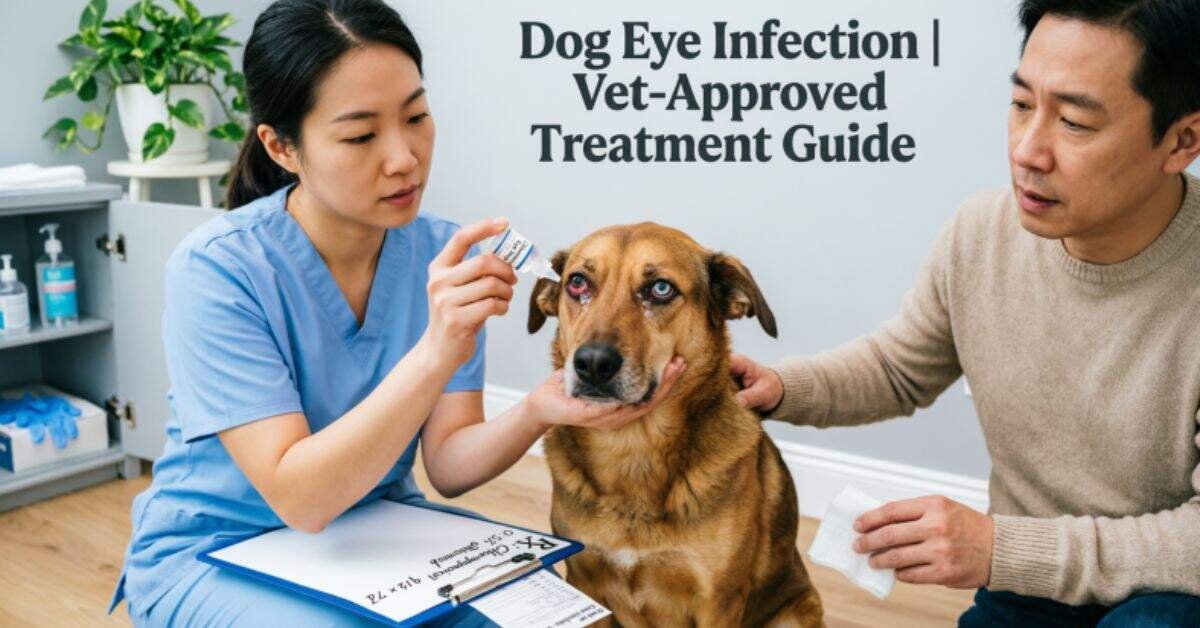
Dog Eye Infection is a common condition that affects a dog’s eyes when bacteria, viruses, allergies, or irritants cause inflammation. It may involve one or both eyes and often shows signs like redness, discharge, swelling, or frequent blinking. In some cases, dogs may rub or paw at their eyes due to discomfort.
Eye problems in dogs can be worrying because dogs cannot explain what they are feeling. A small change in the eyes can easily be overlooked, but eye infections can become painful if not treated early. Many pet owners notice the problem only after it starts affecting their dog’s behavior or vision.
Dog Eye Infection can affect dogs of any age or breed. It may develop from dust, pollen, injuries, or underlying health issues. Knowing the basics about this condition can help you recognize the signs early and take the right steps to protect your dog’s eye health.
What Is a Dog Eye Infection?
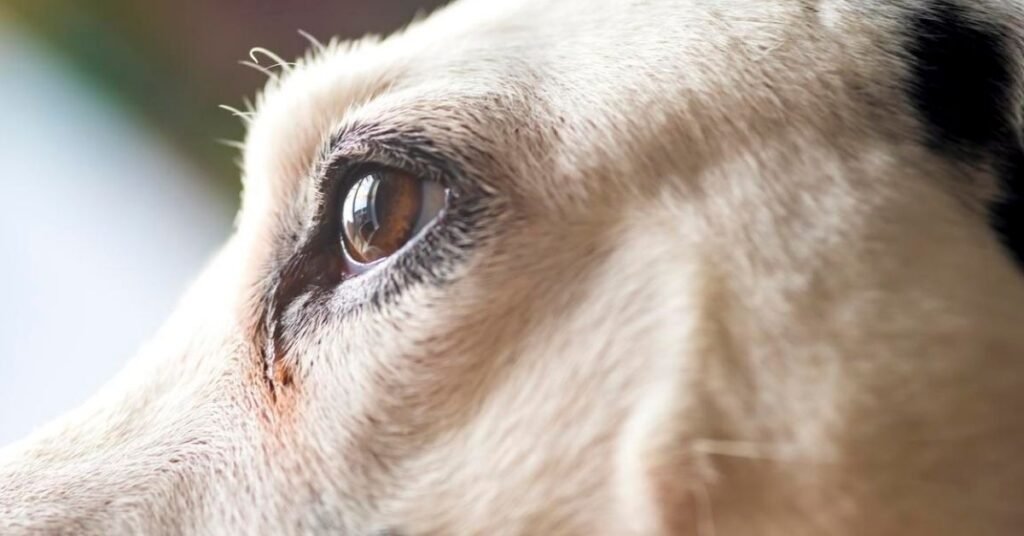
A dog eye infection happens when germs, allergies, or irritants cause swelling and irritation in a dog’s eye. It can affect one eye or both eyes at the same time. Common signs include redness, discharge, watery eyes, and frequent blinking. Some dogs may also rub their eyes because of pain or itching.
Eye infections in dogs can range from mild to serious. A small infection can get worse if it is not treated on time. Infections may be caused by bacteria, viruses, injuries, or environmental factors like dust and pollen. Early care helps prevent discomfort and protects your dog’s vision.
How Eye Infections Develop in Dogs
Eye infections in dogs often start when something irritates or damages the eye. Dust, dirt, pollen, or small scratches can allow germs to enter the eye. Bacteria or viruses then grow and cause redness, swelling, and discharge. Dogs with allergies or weak immune systems are more likely to develop infections.
Infections can also develop when tear production is low or the eye is not cleaned properly. Trapped moisture and discharge create a place for germs to grow. If the problem is not treated early, the infection can spread and become more painful. Quick attention helps stop the infection before it worsens.
Signs and Symptoms of Eye Infections in Dogs
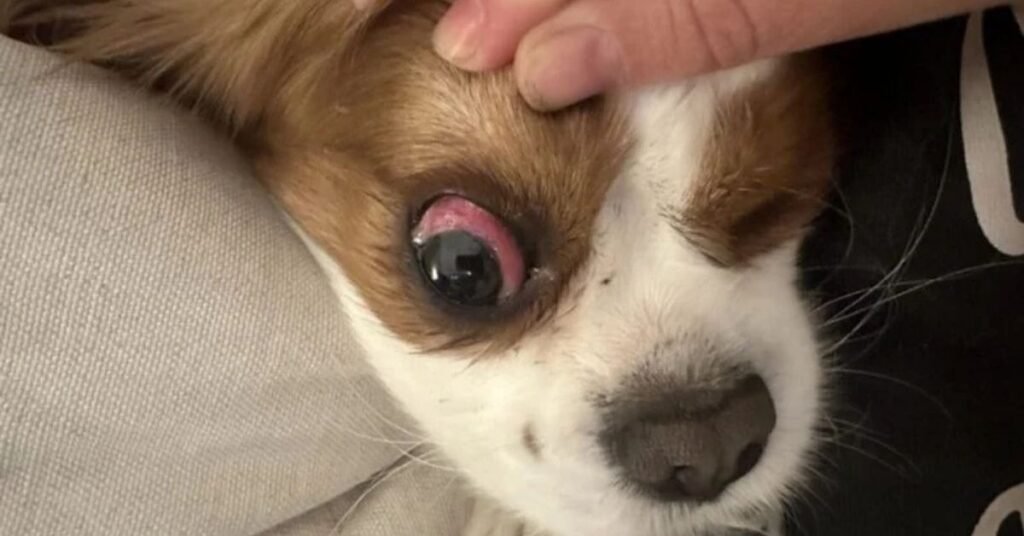
Eye infections in dogs often show clear signs that something is wrong. The eyes may look red, swollen, or watery. You might see yellow, green, or white discharge around the eyes. Some dogs blink a lot or keep one eye closed because of pain or irritation.
Changes in behavior can also be a warning sign. Dogs with eye infections may rub their eyes with their paws or against furniture. They may avoid bright light or seem less active than usual. Catching these symptoms early helps prevent serious eye damage.
| Sign or Symptom | What You May Notice | What It Can Mean |
| Redness | Pink or red color in the white of the eye | Inflammation or irritation |
| Eye discharge | Yellow, green, or thick mucus | Bacterial or viral infection |
| Watery eyes | Constant tearing or wet fur around eyes | Allergies or early infection |
| Swelling | Puffy eyelids or tissue around the eye | Infection or injury |
| Frequent blinking | Dog blinks more than normal | Eye pain or discomfort |
| Squinting | One eye partially or fully closed | Sensitivity or irritation |
| Pawing at eyes | Rubbing eyes with paws | Itching or pain |
| Light sensitivity | Avoiding bright areas | Inflammation inside the eye |
| Crusty buildup | Dried discharge around eyes | Ongoing infection |
| Behavior changes | Less playfulness or irritability | Ongoing discomfort |
Early Warning Signs Dog Owners Often Miss
Early warning signs of eye infections in dogs are often mild and easy to miss. A dog’s eye may look slightly watery or irritated at first. Some dogs blink a little more than usual, but still act normal. These small changes are often ignored because they do not seem serious.
Over time, these early signs can turn into bigger problems. Paying attention to small details can help catch an infection before it worsens. Dog owners should watch for subtle changes in the eyes or behavior, especially if they last more than a day.
Common early warning signs include:
- Slight redness in one eye
- Clear or watery discharge
- Occasional squinting or blinking
- Mild eye rubbing or face scratching
- Sensitivity to light
- Tear stains appearing suddenly
Common Types of Dog Eye Infections
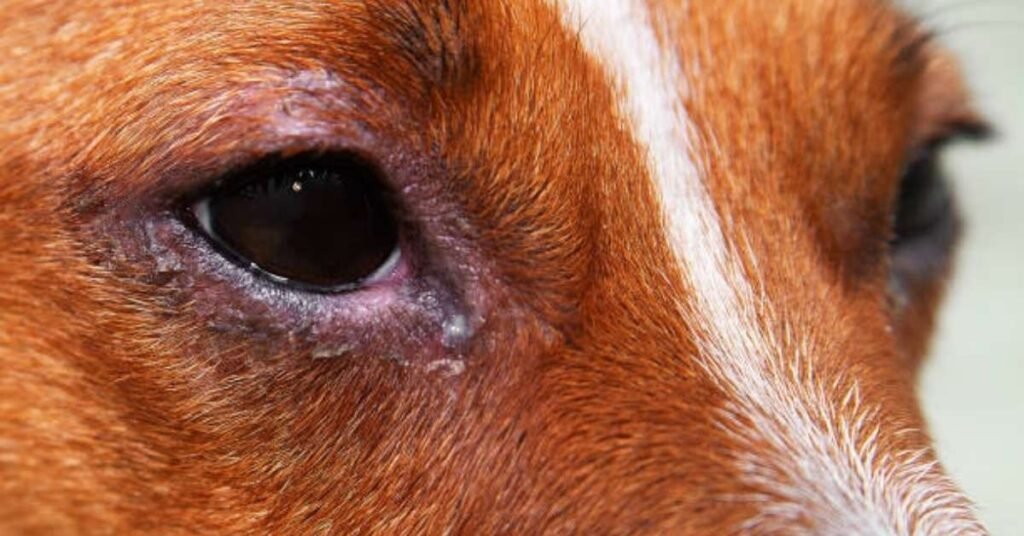
There are several types of eye infections that dogs can get. Each type affects the eyes in a different way. Some infections are caused by bacteria, while others are due to viruses, fungi, or allergies. Knowing the type of infection helps in giving the right treatment.
The most common types of dog eye infections include:
- Conjunctivitis (Pink Eye): Red, watery eyes with discharge.
- Keratitis (Corneal Inflammation): Pain, cloudy eyes, or sensitivity to light.
- Uveitis: Swelling inside the eye, often very painful.
- Blepharitis: Inflammation of the eyelids with redness and crusting.
- Dry Eye (Keratoconjunctivitis Sicca): Insufficient tears, causing irritation and discharge.
Bacterial, Viral, and Allergic Eye Infections Explained
Bacterial eye infections in dogs happen when harmful bacteria enter the eye. They often cause redness, thick yellow or green discharge, and swelling. These infections usually need antibiotics to heal properly and prevent the problem from getting worse.
Viral eye infections are caused by viruses and can spread easily to other pets. They may cause watery eyes, redness, and discomfort. Allergic eye infections are triggered by things like pollen, dust, or chemicals. Dogs with allergies often have itchy, watery eyes but usually do not have thick discharge. Identifying the cause is important for giving the right treatment and relief.
What Causes Eye Infections in Dogs?
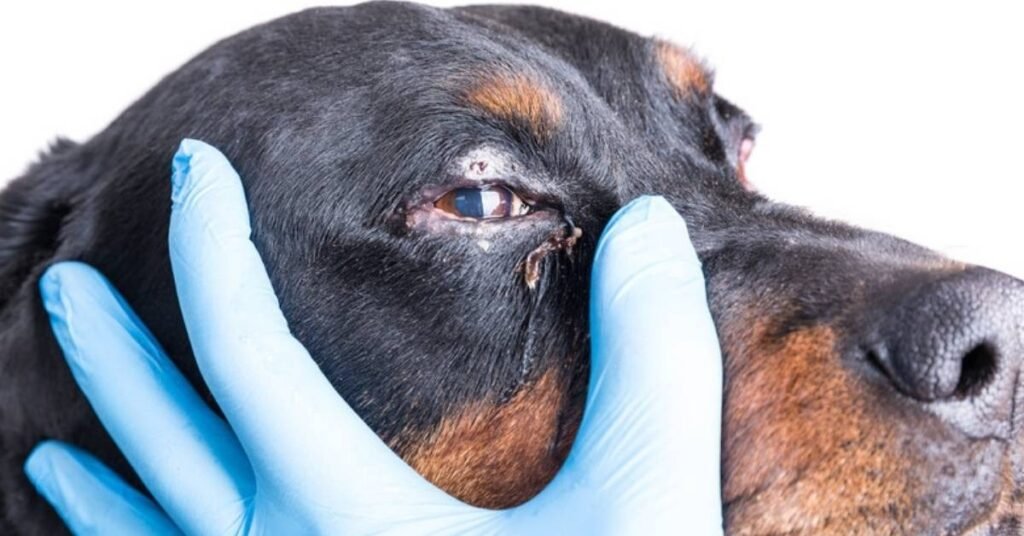
Dogs can get eye infections for different reasons. Sometimes bacteria or viruses enter the eye and cause irritation. Small scratches, injuries, or foreign objects like dust can also lead to infection. Dogs with weak immunity or other health issues are more at risk.
Other factors can trigger or worsen eye infections. Allergies, smoke, or chemicals can irritate the eyes. Problems with tear production or blocked tear ducts can make infections more likely. Common causes include:
- Bacterial or viral infections
- Allergies from pollen, dust, or food
- Scratches or eye injuries
- Foreign objects in the eye
- Dry eye or tear problems
Environmental Irritants, Injuries, and Underlying Health Issues
Dogs can develop eye infections due to environmental irritants, injuries, or other health problems. Dust, pollen, smoke, and chemicals can irritate their eyes and make them more prone to infections. Even small scratches or cuts on the eye can allow germs to enter and cause inflammation.
Underlying health issues can also increase the risk. Dogs with allergies, weak immune systems, or chronic illnesses may develop eye infections more easily. Paying attention to these factors can help prevent serious eye problems.
| Cause | How It Affects the Eye | Signs to Watch For |
| Dust and pollen | Irritates the eyes, triggers inflammation | Watery eyes, redness, itching |
| Smoke or chemicals | Burns or irritates the eye surface | Redness, squinting, rubbing eyes |
| Scratches or injuries | Creates an entry point for germs | Swelling, discharge, sensitivity |
| Foreign objects | Dust, grass, or small particles get trapped | Pawing at eyes, blinking, tearing |
| Allergies | Causes immune response and eye irritation | Itchy eyes, watery discharge, redness |
| Weak immune system | Less ability to fight off infections | Recurring infections, slow healing |
| Chronic illnesses | Can affect tear production or eye health | Dry eyes, persistent irritation |
Eye Infection vs Other Eye Problems in Dogs
Not all eye problems in dogs are infections. Some eye issues are caused by allergies, dry eye, or conditions like glaucoma and cataracts. These problems can look similar to infections, with redness, discharge, or swelling. Knowing the difference is important to give the right treatment and avoid making the condition worse.
Eye infections usually involve germs and often produce thick discharge or swelling. Other eye problems may cause dryness, cloudiness, or pain without infection. Paying attention to symptoms can help you tell the difference and seek proper veterinary care.
| Eye Problem | Key Signs | How It Differs From Infection |
| Conjunctivitis (Pink Eye) | Redness, watery or yellow discharge | Usually caused by bacteria or viruses; responds to antibiotics |
| Dry Eye (Keratoconjunctivitis Sicca) | Dry, sticky eyes, discomfort | No thick discharge; caused by low tear production |
| Allergies | Itchy, watery eyes, redness | Often seasonal; discharge is clear, not yellow/green |
| Glaucoma | Eye swelling, pain, cloudy cornea | Increased eye pressure; usually no infection |
| Cataracts | Cloudy or white lens, vision loss | Slow development; no redness or discharge |
| Corneal Ulcers | Pain, tearing, squinting | Usually caused by injury, may become infected if untreated |
| Trauma or Scratches | Swelling, tearing, redness | Can lead to infection, but injury itself is primary cause |
How to Tell the Difference From Allergies, Dry Eye, or Glaucoma
It can be hard to tell if a dog’s eye problem is an infection or something else. Allergies, dry eye, and glaucoma can look similar to infections. Each condition has its own signs and needs different care. Observing the eyes closely can help you spot the difference early.
Allergies usually cause itchy, watery eyes without thick discharge. Dry eye makes the eyes feel sticky or irritated because of low tear production. Glaucoma causes pain, swelling, and cloudy eyes due to high pressure inside the eye. Knowing the differences helps you act quickly and protect your dog’s vision.
How to Tell the Difference Between Eye Infections and Other Eye Problems in Dogs
| Condition | Key Signs | How It Differs From Infection | Treatment Approach |
| Allergies | Itchy, watery eyes, redness | Discharge is clear, no pus | Antihistamines, allergy control |
| Dry Eye (Keratoconjunctivitis Sicca) | Sticky, dry eyes, irritation | Low tear production, minimal discharge | Tear supplements, medication |
| Glaucoma | Swollen eye, cloudy cornea, pain | High eye pressure, not caused by germs | Eye pressure-lowering meds, surgery |
| Conjunctivitis (Infection) | Redness, yellow/green discharge, swelling | Caused by bacteria or viruses | Antibiotics, cleaning, vet care |
| Corneal Injury/Ulcer | Tearing, squinting, pain | Usually from trauma, may get infected | Eye drops, protective care |
| Foreign Object | Rubbing eyes, tearing | Irritation due to debris, not infection | Remove object, clean eye |
Will a Dog Eye Infection Go Away on Its Own?
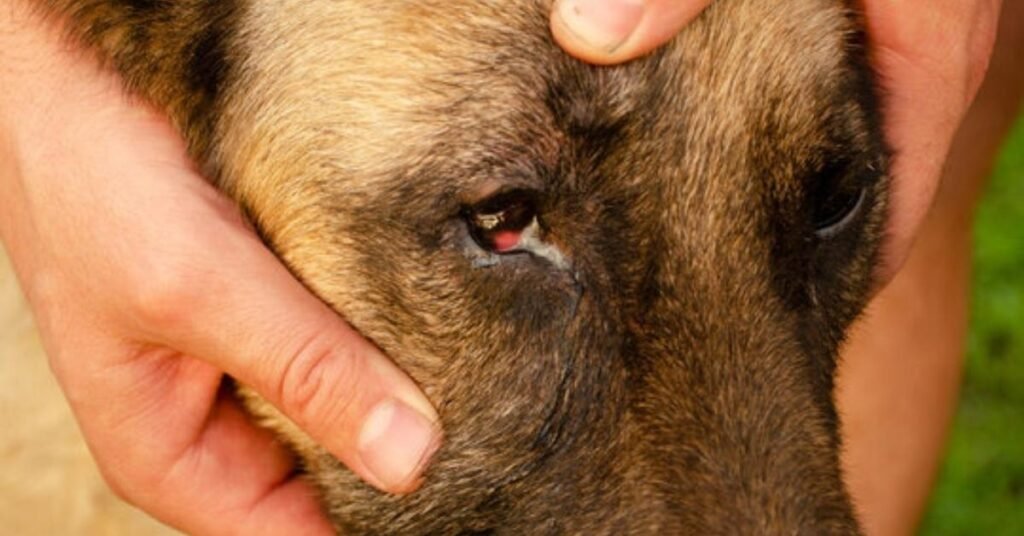
Most dog eye infections do not go away on their own. Some mild cases may improve temporarily, but the infection can return or get worse. Ignoring an infection can lead to pain, vision problems, or permanent eye damage.
Even if the symptoms seem small, it’s important to act quickly. A veterinarian can properly diagnose the problem and provide the right treatment. Early care helps your dog heal faster and prevents serious complications.
When Home Care Is Enough and When to See a Vet
Some mild eye issues in dogs can be treated at home. If your dog’s eyes are only slightly red or watery, gentle cleaning with a damp cloth may help. Keeping dust, smoke, and other irritants away can also prevent the problem from getting worse. Short-term use of vet-approved eye wipes or drops can provide relief, but you should watch your dog closely.
You should see a vet if the symptoms are severe or do not improve quickly. Some signs that need professional care include:
- Thick yellow, green, or bloody discharge
- Swelling or extreme redness
- Squinting or keeping the eye closed
- Cloudy or bluish eyes
- Constant pawing or rubbing of the eyes
- Sudden changes in vision or behavior
How Veterinarians Diagnose and Treat Dog Eye Infections
Veterinarians diagnose dog eye infections by looking closely at the eyes. They check for redness, swelling, discharge, and signs of pain. Sometimes they use special tools to examine the cornea and inner eye. They may also run tests to find out if bacteria, viruses, or allergies are causing the problem. A proper diagnosis helps the vet choose the right treatment quickly.
The type and seriousness of the infection determine the kind of treatment your dog needs. Mild infections may need only medicated eye drops or ointments. Severe infections can require oral medications or other veterinary procedures. Common treatments include:
- Antibiotic or antiviral eye drops
- Anti-inflammatory medicines to reduce swelling
- Cleaning the eyes regularly
- Treating underlying issues like dry eye or allergies
- Using an eye cone to prevent rubbing or scratching
Diagnosis Methods, Treatment Options, and Recovery Time
Veterinarians use several methods to diagnose eye infections in dogs. They examine the eyes closely for redness, swelling, discharge, or cloudiness. Sometimes, they use special tools to look inside the eye or test for bacteria, viruses, or allergies. Accurate diagnosis helps the vet decide the best treatment for your dog.
Treatment and recovery depend on the type and severity of the infection. Mild infections may heal in a few days with medicated eye drops. More serious infections can take several weeks and may need oral medications or additional care. Following the vet’s instructions carefully speeds up recovery and prevents complications.
Diagnosis, Treatment, and Recovery for Dog Eye Infections
| Step | What Happens | Typical Duration | Notes |
| Physical Exam | Vet examines eyes for redness, swelling, discharge | 10–20 minutes | Helps identify obvious signs of infection |
| Eye Tests | Staining, pressure checks, or swabs for bacteria/virus | 15–30 minutes | Determines the cause of infection |
| Mild Infection Treatment | Antibiotic or antiviral eye drops | 3–7 days | Usually resolves quickly if treated early |
| Moderate Infection Treatment | Eye drops plus oral antibiotics or anti-inflammatories | 1–2 weeks | Vet may schedule follow-up exams |
| Severe Infection Treatment | Combination therapy, possible surgery | Several weeks | Recovery depends on damage and response to treatment |
| Home Care | Cleaning eyes, preventing rubbing, using eye cone | Duration of treatment | Important for faster recovery and comfort |
| Recovery Monitoring | Regular check-ups to ensure healing | 1–4 weeks | Vet confirms infection is gone and eyes are healthy |
How to Prevent Dog Eye Infections and Protect Long-Term Eye Health
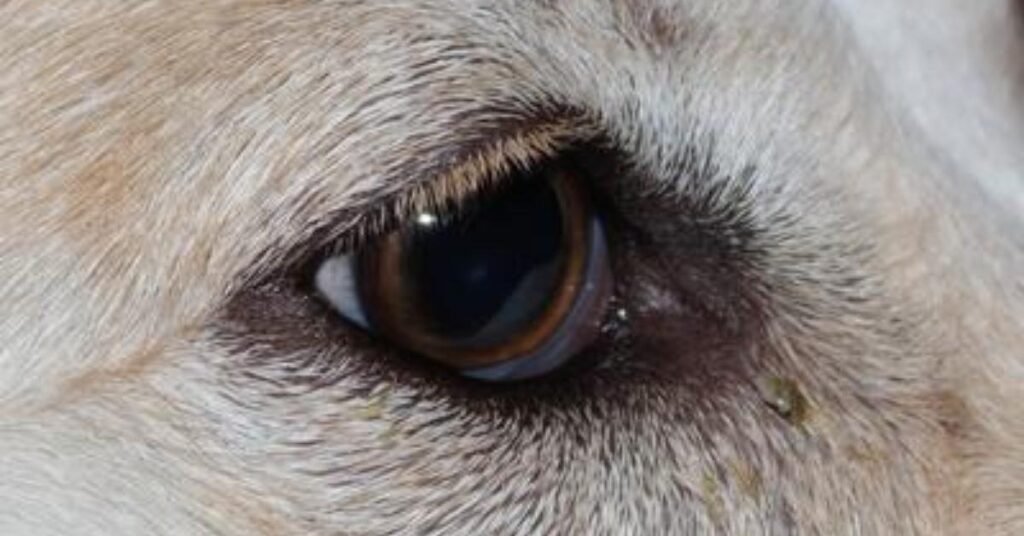
Preventing eye infections in dogs is easier than treating them. Keeping your dog’s eyes clean and free from dirt, dust, and debris is very important. Regular grooming around the eyes helps stop irritation. Avoid exposing your dog to smoke, chemicals, or strong allergens that can trigger infections.
Routine check-ups with a veterinarian also protect long-term eye health. Healthy diet and proper hydration support strong immunity. Teaching your dog not to scratch or rub its eyes can prevent injuries. Early attention to any redness, discharge, or unusual behavior can stop infections before they become serious. Regular care keeps your dog’s eyes healthy and comfortable for life.
Conclusion
Taking care of your dog’s eyes is very important. Dog eye infection is common, but most cases can be prevented or treated if noticed early. Watching for small changes like redness, watery eyes, or discharge can make a big difference in your dog’s health.
Home care may help with mild problems. However, a serious dog eye infection should always be checked by a veterinarian. Early treatment helps prevent pain, vision problems, and long-term damage. Vet-recommended eye drops, gentle cleaning, and protecting the eyes from dust or irritants can support faster healing.
Learning about the causes, types, and warning signs of dog eye infection helps you act quickly. It is also important to know the difference between infections and other eye problems such as allergies, dry eye, or glaucoma. Good hygiene, prevention, and regular vet check-ups help keep your dog’s eyes healthy.
By staying alert and providing proper care, you can keep your dog’s eyes comfortable and clear. Healthy eyes improve your dog’s quality of life and overall happiness. Regular attention and early care are the best ways to protect your dog’s vision.
FAQs
1. How can I tell if my dog has an eye infection?
Look for signs like redness, swelling, watery or thick discharge, squinting, or pawing at the eyes. Any sudden change in your dog’s eyes or behavior could indicate a problem that needs attention.
2. Can a dog recover from an eye infection without medicine?
Most eye infections need veterinary treatment to heal fully. Mild irritations might improve briefly on their own, but untreated infections can become painful or cause lasting damage.
3. What usually causes eye infections in dogs?
Eye infections can result from bacteria, viruses, allergies, injuries, or irritants like dust and smoke. Dogs with weak immune systems or other health conditions are more at risk.
4. When should I take my dog to the vet for an eye issue?
If your dog’s eyes are red, swollen, have thick discharge, or if your dog squints or rubs them often, it’s time to see a vet. Early treatment helps prevent serious complications.
5. What steps can I take to keep my dog’s eyes healthy and avoid infections?
Keep your dog’s eyes clean and free from dirt, dust, and debris. Avoid smoke and harsh chemicals, maintain regular grooming, and schedule routine veterinary check-ups to keep the eyes healthy.
