

Introduction
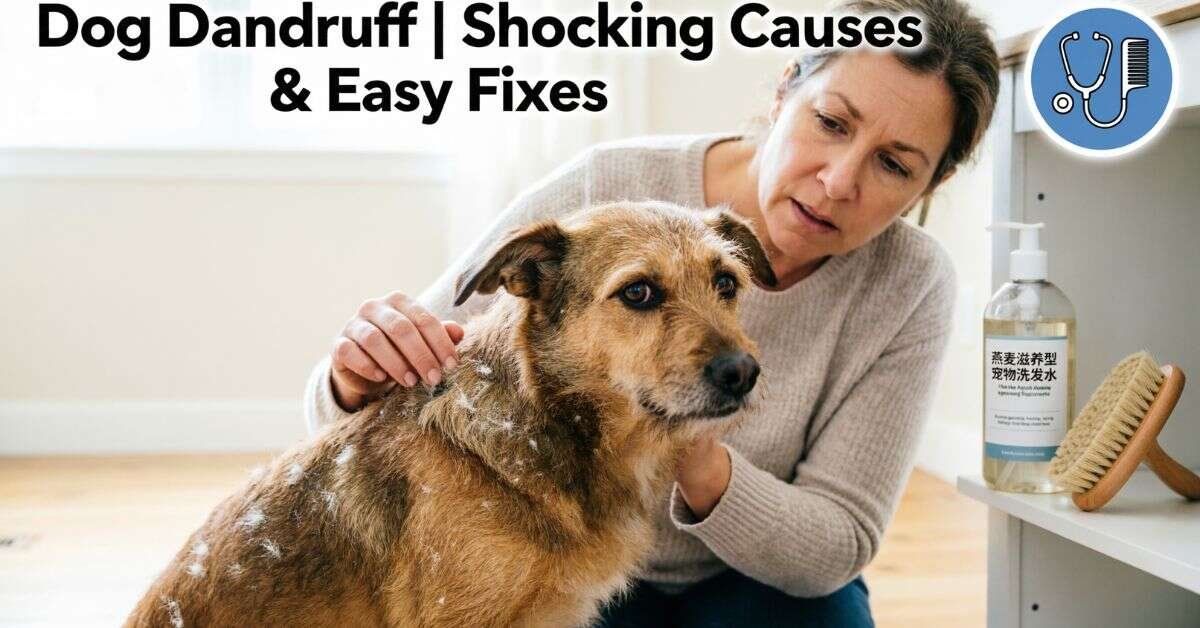
Dog dandruff is a common skin issue that causes white flakes on your dog’s coat and skin. It can be dry and powdery or oily and greasy, depending on the cause. While dandruff may look minor, it often signals that your dog’s skin is not as healthy as it should be.
If you’ve noticed flakes on your furniture or your dog scratching more than usual, you’re not alone. Many dog owners worry when they see dandruff because it can come from diet problems, dry weather, allergies, or even hidden health issues. The good news is that most cases can be managed once you understand the cause.
In this guide, you’ll learn why dogs get dandruff, what signs to watch for, and how to treat and prevent it safely. We’ll also explain when dandruff is normal and when it’s time to visit a vet, so you can keep your dog comfortable and healthy.
What Is Dog Dandruff?
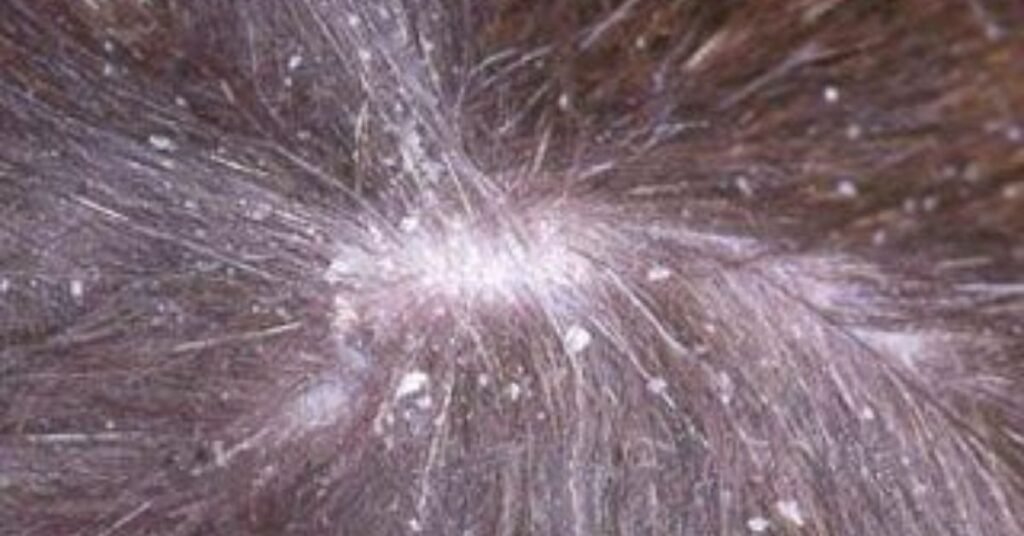
Dog dandruff is when small white or yellow flakes appear on a dog’s skin or fur. These flakes form when the skin becomes dry, irritated, or unhealthy. Dandruff can be dry and dusty or oily and sticky, depending on your dog’s skin condition.
It is often easy to notice on dark-colored fur or on your dog’s bedding. Mild dandruff may be caused by dry weather or lack of proper grooming. In other cases, it can be a sign of allergies, parasites, or underlying health issues.
Why Does My Dog Have Dandruff?
Dogs can get dandruff for many simple reasons. Dry air, poor diet, or not enough grooming can make the skin dry and flaky. Some dogs also react to certain foods, shampoos, or environmental changes.
In other cases, dandruff is linked to allergies, fleas, mites, or skin infections. Hormone problems or other health conditions can also affect the skin. If dandruff does not improve or gets worse, it may be a sign that your dog needs veterinary care.
Nutritional Deficiencies That Trigger Chronic Flaking
A poor diet is one of the most common reasons dogs develop ongoing dandruff. When a dog does not get the right nutrients, the skin becomes dry and weak. This leads to constant flaking and a dull coat.
Some key nutrients are especially important for healthy skin and fur:
- Omega-3 and Omega-6 fatty acids for skin moisture
- High-quality protein to support skin repair
- Zinc and vitamins A & E for skin strength and healing
Parasites, Allergies, and Hidden Medical Conditions
Sometimes dandruff is not just a skin issue. Fleas, mites, and ticks can irritate the skin and cause heavy flaking and itching. Allergies to food, pollen, dust, or cleaning products can also lead to dry, flaky skin that does not improve on its own.
In some dogs, dandruff is linked to hidden medical conditions. Hormone problems, immune disorders, or skin infections can affect how the skin renews itself. When dandruff comes with hair loss, redness, bad odor, or constant scratching, a vet check is important.
| Cause Type | Specific Issue | Common Signs | Why It Causes Dandruff |
| Parasites | Fleas | Scratching, biting skin | Skin irritation and inflammation |
| Parasites | Mites (Walking Dandruff) | Moving flakes, itching | Mites damage the skin surface |
| Allergies | Food allergies | Itching, ear infections | Immune reaction dries the skin |
| Allergies | Environmental allergies | Seasonal flaking, licking paws | Ongoing skin inflammation |
| Medical Conditions | Hypothyroidism | Weight gain, hair loss | Slows skin cell turnover |
| Medical Conditions | Cushing’s disease | Thin skin, hair loss | Hormone imbalance affects skin |
| Infections | Yeast or bacterial | Odor, redness, greasy flakes | Infection disrupts skin health |
Signs Your Dog’s Dandruff Is a Serious Health Warning
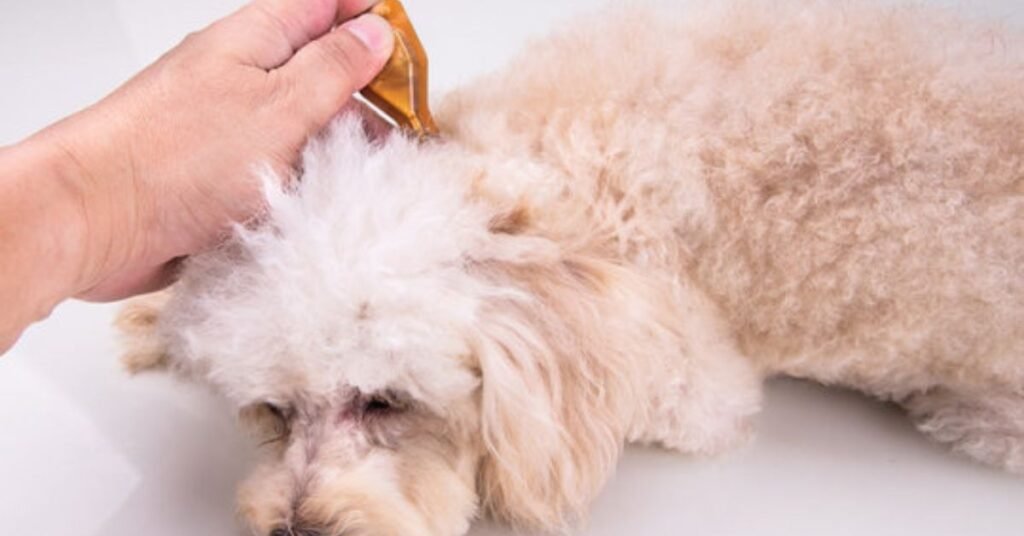
Mild dandruff is common, but some signs should not be ignored. If flakes appear suddenly or get worse over time, it may point to a deeper health issue. Dandruff that does not improve with grooming or diet changes can be a warning sign.
Watch closely if your dog shows any of these symptoms:
- Constant scratching or biting the skin
- Red, inflamed, or sore areas
- Hair loss or bald patches
- Greasy skin or strong odor
- Low energy or changes in behavior
Symptoms That Mean You Should See a Vet Immediately
Some dandruff-related symptoms need quick medical attention. These signs may mean your dog has an infection or a serious health problem. Waiting too long can make the condition worse and more painful for your dog.
Contact a veterinarian right away if you notice:
- Open sores, scabs, or bleeding skin
- Thick, yellow, or oily flakes with a bad smell
- Severe itching that won’t stop
- Sudden hair loss in large areas
- Swelling, redness, or signs of pain
When Dandruff Indicates Hormonal or Autoimmune Disease
Sometimes dandruff is more than a skin problem. Hormonal imbalances or autoimmune diseases can affect how the skin regenerates. In these cases, dandruff may be persistent and difficult to treat at home.
Other signs may include hair thinning, changes in coat texture, and unusual weight changes. Regular vet check-ups are important if you notice these patterns. Early detection helps manage the condition before it worsens.
| Condition | Common Symptoms | How It Affects Skin | Why It Causes Dandruff |
| Hypothyroidism | Weight gain, lethargy, hair loss | Skin becomes dry and flaky | Low thyroid slows skin cell renewal |
| Cushing’s Disease | Thin skin, increased thirst, hair loss | Flakes often greasy | High cortisol disrupts skin health |
| Autoimmune Skin Disorders | Red patches, sores, hair loss | Skin fails to heal normally | Immune system attacks healthy skin cells |
| Diabetes | Increased thirst, frequent urination | Skin may become dry and itchy | High blood sugar affects skin hydration |
| Addison’s Disease | Weakness, vomiting, weight loss | Flakes may appear on back and tail | Hormone deficiency alters skin balance |
How to Get Rid of Dog Dandruff at Home
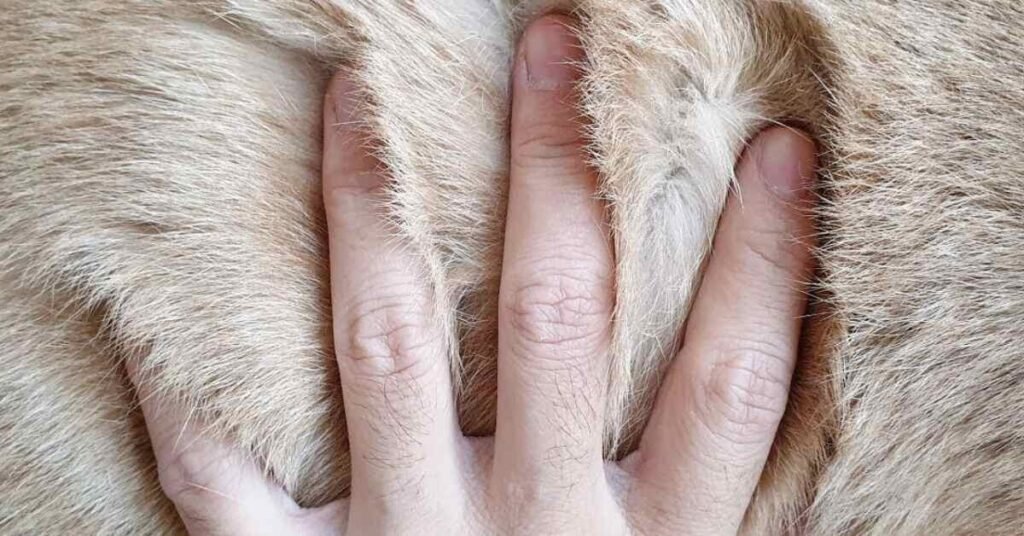
You can often reduce mild dandruff with simple home care. Regular brushing helps remove flakes and spreads natural oils across your dog’s coat. Bathing with a gentle or medicated shampoo can also improve skin health.
Feeding a balanced diet with essential fatty acids, vitamins, and minerals supports healthy skin from the inside. Keeping your home humid and preventing fleas or ticks can make a big difference. Small daily changes can help your dog’s skin stay soft and flake-free.
Diet Fixes That Improve Skin in 30–60 Days
What your dog eats plays a big role in skin health. Poor nutrition can make skin dry, itchy, and flaky. Adding the right nutrients can often improve dandruff within 30 to 60 days.
Include nutrient-rich proteins, beneficial oils, and skin-supporting vitamins in your dog’s diet. Some foods and supplements are especially helpful for improving your dog’s coat and reducing flaking.
| Nutrient | Food Sources | Benefit for Skin | Notes |
| Omega-3 Fatty Acids | Salmon, sardines, flaxseed | Reduces inflammation, keeps skin moist | Can be given as fish oil supplements |
| Omega-6 Fatty Acids | Chicken, sunflower oil, pumpkin | Supports healthy skin barrier | Balance with Omega-3 for best results |
| Protein | Lean meat, eggs, turkey | Repairs skin and coat | Avoid low-quality fillers |
| Vitamin A | Carrots, sweet potato, liver | Helps skin repair | Excess can be harmful, follow vet advice |
| Vitamin E | Spinach, broccoli, nuts | Protects skin from damage | Works well with fatty acids |
| Zinc | Beef, pumpkin seeds, whole grains | Strengthens skin and coat | Deficiency can worsen dandruff |
| Biotin | Eggs, liver, fish | Improves skin elasticity | Often included in dog supplements |
Grooming Mistakes Most Dog Owners Make
Many dog owners unknowingly make grooming mistakes that worsen dandruff. Brushing too little can let dead skin build up, while over-brushing can irritate the skin. Choosing a brush that doesn’t suit your dog’s coat can make flakes worse.
Bathing mistakes are common too. Frequent baths or harsh shampoos can strip natural oils, making skin dry. Skipping regular nail trims and ear cleaning can lead to infections that affect skin health. Proper grooming helps keep your dog’s skin healthy and reduces dandruff.
Best Shampoos & Ingredients
Choosing the right shampoo can make a big difference in reducing dog dandruff. Look for gentle formulas that clean without drying the skin. Medicated shampoos can help with flaking caused by infections or skin conditions.
Some key ingredients to look for in dog shampoos include:
- Oatmeal – Soothes dry and itchy skin
- Aloe Vera – Moisturizes and calms irritation
- Salicylic Acid – Helps remove dead skin flakes
- Tea Tree Oil – Fights bacteria and mild fungi (use in small amounts)
- Vitamin E – Supports skin healing and hydration
Natural Remedies for Dog Dandruff
You can improve your dog’s dandruff with gentle, natural remedies at home. These work well for mild cases and support a balanced diet and regular grooming. Always check with your vet before trying anything new.
Some effective natural remedies include:
- Coconut Oil – Moisturizes dry skin when applied topically or added to food
- Flaxseed Oil – Provides healthy fats that improve skin and coat
- Apple Cider Vinegar – Diluted and used as a rinse to balance skin pH
- Aloe Vera Gel – Soothes itching and irritation
- Oatmeal Baths – Reduces dryness and calms flaky skin
Safe Oils, Supplements, and Home Treatments
Some oils and supplements can help improve your dog’s skin and reduce dandruff. They add moisture, fight inflammation, and support overall skin health. Using safe home treatments can be a gentle way to manage mild dandruff.
It is important to know which oils and supplements are safe and effective. The right ones can make a big difference, while unsafe ones may cause irritation or health problems.
| Treatment | How to Use | Benefits | Notes / Safety |
| Coconut Oil | Rub on skin or add to food | Moisturizes and soothes skin | Start with small amounts; can cause digestive upset if too much |
| Flaxseed Oil | Add to dog food | Provides Omega-3 fatty acids for healthy skin | Use fresh or in capsules; store in fridge |
| Fish Oil | Add to food or give as supplement | Reduces inflammation and dryness | Check dosage with vet; can thin blood in high amounts |
| Aloe Vera Gel | Apply topically to dry areas | Soothes irritation and itching | Use pure, pet-safe gel only |
| Oatmeal Baths | Mix oatmeal in warm water | Relieves dryness and itching | Avoid hot water; rinse thoroughly |
| Vitamin E | Apply oil topically or supplement | Promotes skin healing | Avoid excessive topical use; supplements should follow vet dosage |
| Brewer’s Yeast | Sprinkle on food | Supports coat health and skin | Can cause gas; introduce gradually |
Natural Remedies That Can Make Dandruff Worse
Not all natural remedies are safe for dogs. Some can irritate the skin, cause allergies, or even be toxic. Using the wrong treatment may make dandruff worse instead of better. Always research and check with a vet before trying home remedies.
Avoid these common mistakes:
- Essential Oils – Some oils like tea tree or peppermint can burn or irritate dog skin
- Human Shampoos – Can dry out skin and strip natural oils
- Undiluted Vinegar – Too strong and can cause burns or irritation
- Over-Oiling – Excess oils can trap dirt and worsen flakes
- Unverified Supplements – Some herbal remedies may upset digestion or interact with medications
How Veterinarians Diagnose Chronic or Severe Dog Dandruff
When dandruff is persistent or severe, a veterinarian will perform a detailed examination. They check the skin, coat, and overall health of your dog. The vet looks for signs of infection, parasites, allergies, or underlying medical conditions.
Sometimes additional tests are needed. These may include skin scrapings, blood tests, or allergy panels. The goal is to find the root cause so the right treatment can begin. Early diagnosis helps prevent discomfort and more serious skin problems.
Common Tests, Skin Scrapings, and Allergy Panels
When a dog has severe or ongoing dandruff, veterinarians use tests to find the cause. Skin scrapings can reveal parasites or infections. Blood tests help check hormone levels and overall health. Allergy panels show if environmental or food allergies are triggering the flaking.
These tests give a clear picture of your dog’s skin health. Early testing can prevent serious problems and guide proper treatment.
| Test Type | Purpose | What It Detects | Notes |
| Skin Scraping | Examines skin under a microscope | Mites, parasites, fungal infections | Quick, painless, often done in-office |
| Cytology | Examines skin cells | Bacteria, yeast, inflammation | Helps identify infection type |
| Blood Test | Checks internal health | Hormonal imbalances, organ function | May require fasting |
| Allergy Panel | Tests for allergens | Pollen, dust, mold, food sensitivities | Can guide diet or environment changes |
| Skin Biopsy | Small skin sample | Chronic skin disorders, autoimmune disease | Usually done under sedation |
| Fungal Culture | Grows fungus from skin | Ringworm or yeast infections | Results may take 1–2 weeks |
How to Prevent Dog Dandruff Long-Term
Preventing dog dandruff starts with a healthy diet. Feed your dog high-quality food rich in proteins, healthy fats, and essential vitamins. Keep your dog hydrated and avoid sudden changes in food that can upset the skin.
Regular grooming is also key. Brush your dog’s coat often to remove dead skin and distribute natural oils. Use gentle or medicated shampoos when needed and keep the home environment clean. Combined with routine vet check-ups, these steps help keep your dog’s skin soft, healthy, and flake-free.
Weekly & Monthly Skin-Care Routine for Dogs
A regular skin-care routine helps prevent dandruff and keeps your dog’s coat healthy. Simple weekly and monthly steps can make a big difference. Brushing, bathing, and checking the skin for flakes or irritation should become a habit.
Following a consistent schedule ensures your dog’s skin stays moisturized and clean. Combining grooming with a balanced diet and vet-approved supplements supports long-term skin health.
| Routine | Frequency | Steps | Benefits |
| Brushing | Weekly | Use the right brush for your dog’s coat type | Removes dead skin, spreads natural oils |
| Bathing | Every 3–4 weeks or as needed | Use gentle or medicated shampoo | Cleans skin, reduces flakes, prevents infection |
| Skin Check | Weekly | Look for redness, sores, or unusual flakes | Early detection of problems |
| Nail Trimming | Monthly | Trim nails carefully | Prevents scratching injuries |
| Ear Cleaning | Monthly | Use vet-approved ear cleaner | Prevents infections that affect skin health |
| Hydration | Daily | Fresh water always available | Supports skin moisture and overall health |
| Supplements | As directed by vet | Omega-3, Omega-6, or vitamin supplements | Improves skin elasticity and coat quality |
Best Foods for Long-Term Coat & Skin Health
Feeding your dog the right foods is key to keeping skin healthy and coat shiny. High-quality proteins, healthy fats, and essential vitamins help prevent dryness and dandruff. A balanced diet strengthens the skin and reduces flaking over time.
Some of the best foods for skin and coat health include:
- Salmon and Sardines – Rich in Omega-3 fatty acids for smooth, shiny fur
- Eggs – High-quality protein and biotin for skin repair
- Pumpkin and Sweet Potatoes – Packed with vitamins and antioxidants
- Chicken and Turkey – Lean proteins that support skin cell renewal
- Spinach and Broccoli – Vitamins A and E for skin healing
- Flaxseed or Fish Oil Supplements – Adds essential fatty acids to diet
Can humans catch dandruff from dogs?
No, humans cannot catch dandruff from dogs. Dog dandruff is caused by dead skin cells, allergies, or skin problems that only affect dogs. It is not contagious and does not spread to people.
However, if your dog has a skin infection like ringworm or certain parasites, those can be passed to humans. Always wash your hands after grooming or touching your dog’s skin. Keeping your dog clean and healthy also helps protect your family.
Conclusion
Dog dandruff is a common problem that can affect dogs of all ages. It may look minor, but it can indicate skin dryness, allergies, or underlying health issues. Understanding the cause is the first step to keeping your dog healthy and comfortable.
Many cases of dandruff can be managed at home with proper grooming, a balanced diet, and safe natural remedies. Regular brushing, gentle baths, and the right shampoos help remove flakes and moisturize the skin. Healthy foods and supplements support skin from the inside.
Severe or persistent dandruff may require a veterinarian’s help. Tests like skin scrapings, blood work, and allergy panels can find hidden problems. Early diagnosis ensures proper treatment and prevents more serious issues.
Preventing dandruff is possible with a consistent routine. Weekly grooming, monthly skin checks, and a nutrient-rich diet keep skin soft and coat shiny. With the right care, your dog can stay flake-free, happy, and healthy.
FAQs
1. What causes dandruff in dogs?
Dandruff in dogs can be caused by dry skin, poor diet, allergies, parasites, or underlying medical conditions. Seasonal changes and harsh grooming products can also make flakes worse.
2. How can I tell if my dog’s dandruff is serious?
If dandruff comes with hair loss, redness, sores, or strong odor, it may indicate a serious problem. Persistent itching or sudden worsening also means a vet should check your dog.
3. Can diet help reduce dandruff in dogs?
Yes, a balanced diet rich in high-quality proteins, Omega-3 and Omega-6 fatty acids, and vitamins A, E, and biotin can improve skin health and reduce flaking. Supplements like fish oil can also help.
4. Are home remedies safe for treating dandruff?
Some natural remedies like coconut oil, aloe vera, and oatmeal baths are safe for mild cases. Avoid human shampoos, essential oils, or undiluted vinegar, as these can make dandruff worse.
5. How often should I groom my dog to prevent dandruff?
Weekly brushing and monthly baths with a gentle or medicated shampoo are recommended. Regular grooming removes dead skin, spreads natural oils, and keeps the coat healthy and flake-free.
