

Introduction
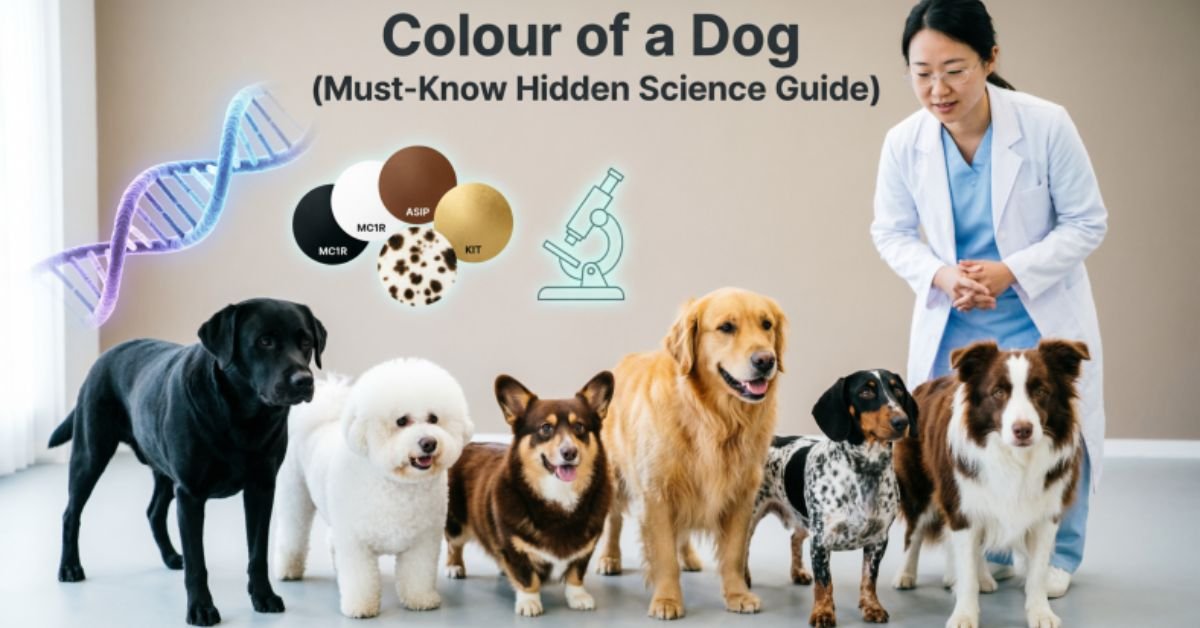
The colour of a dog is the natural shade and pattern of its coat. It can be light, dark, or a mix of many tones. Some dogs have one solid colour. Others have stripes, spots, or special markings. These colours are passed down from their parents through genes.
Many owners think coat colour is only about looks. That is not always true. A dog’s colour can slowly change as it grows older. Sun exposure, nutrition, and overall health can affect how bright or dull the coat appears. In some cases, rare colours may come with special care needs.
In this guide, you will explore the truth about dog coat colours. You will learn why some shades are common and others are rare. You will also find simple tips to keep your dog’s coat healthy and shining. Some of these facts might surprise you.
What Colors Can Dogs See?
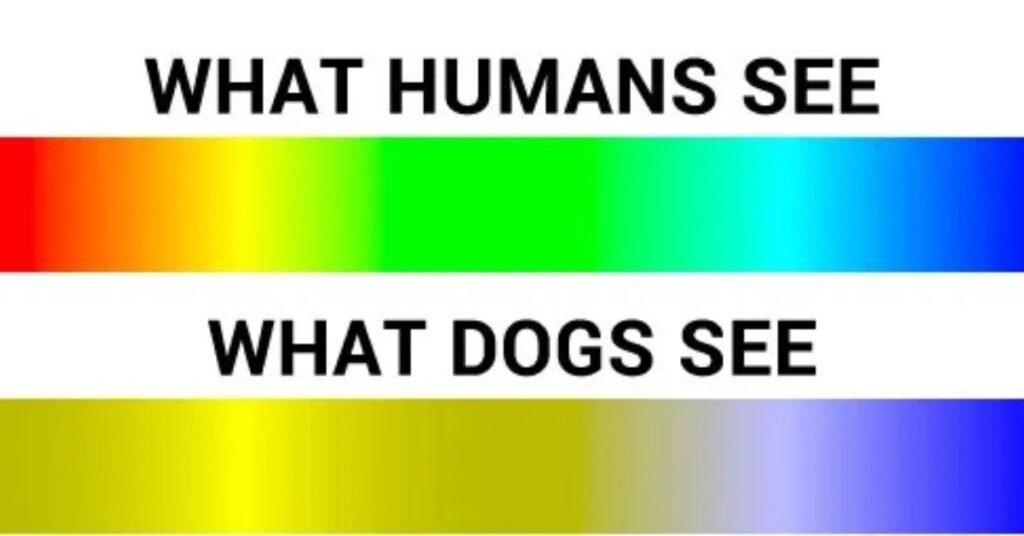
Dogs do not see as many colors as humans do. Their eyes work in a different way. They mostly see shades of blue and yellow. Colors like red and green look dull or gray to them. So, the Colour of a Dog is much more limited compared to humans.
However, this does not mean dogs see only black and white. That is a common myth. In reality, the Colour of a Dog includes some colors, but in a restricted range. Even with fewer colors, dogs are very good at spotting movement. In addition, they can see better than humans in low light.
Are Dogs Color Blind?
Dogs do not see the same rainbow of colors that we see. Therefore, the Colour of a Dog is different from human vision. They can see some colors, but not all. Blue and yellow are the clearest to them. On the other hand, red and green usually look faded or grayish, which affects the Colour of a Dog in how they perceive the world.
This happens because dogs have only two color receptors in their eyes. As a result, the Colour of a Dog is naturally less vivid than human vision. In contrast, humans have three receptors that allow a full color range. However, dogs compensate with stronger smell, hearing, and motion detection abilities.
- They notice movement very quickly.
- They can see more clearly than humans when the light is low.
- They rely more on smell than color.
- Bright blue or yellow toys are easier for them to spot.
How Does a Dog’s Vision Compare to Human Vision?
Dogs and humans do not see the world in the same way. The Colour of a Dog is much more limited compared to humans. Humans can see many bright colors. Dogs see fewer shades, mostly blue and yellow. Humans usually see sharp details from far away. Dogs may see things a little blurry at a distance. But dogs are better at seeing in low light.
The Colour of a Dog also affects how they respond to objects around them. Dogs are also very good at noticing movement. Even small motion can catch their attention quickly. Humans rely more on clear detail and color. Dogs rely more on motion and night vision. Each vision type is designed for different needs.
| Feature | Dogs | Humans |
| Color Range | Mostly blue and yellow | Full color spectrum (red, blue, green) |
| Red & Green | Appear gray or brownish | Seen clearly |
| Night Vision | Strong night vision | Weaker night vision |
| Distance Clarity | Less sharp detail | Sharper long-distance detail |
| Motion Detection | Very sensitive to movement | Less sensitive than dogs |
| Light Sensitivity | Works well in dim light | Needs more light to see clearly |
| Field of View | Wider side vision (varies by breed) | Narrower field of view |
| Focus on Detail | Moderate detail | High detail and clarity |
What Colors Can Dogs See Best?

Dogs see some colors better than others. Blue is the clearest color for them. Yellow is also easy for them to notice. These two colors stand out in their vision. Other colors may look dull or faded.
Because of this, blue and yellow objects are easier for dogs to find. A blue ball in the grass is more visible than a red one. Red and green can blend together in their eyes. That is why many dog toys are made in bright blue or yellow shades.
Which Colors Are Most Dog-Friendly for Toys?
Some toy colors are easier for dogs to see.Dogs can notice blue and yellow more easily than most other colors.These shades stand out in grass and outdoor spaces. Red and green toys can look dull or blend into the background. That makes them harder for dogs to find.
If you want your dog to spot a toy quickly, color matters. Choosing the right shade can make playtime more fun and less frustrating.
- Bright blue toys are very easy for dogs to see.
- Yellow toys also stand out clearly.
- Toys that combine blue and yellow are easy for dogs to spot outside.
- Try not to use red or green toys when playing on grass.
What Color Is Grass to Dogs?
Grass does not look green to dogs like it does to humans. To them, grass appears more like brown or dull yellow. The Colour of a Dog is limited, so their eyes cannot pick up red and green shades the way ours can. As a result, grassy areas look less bright and colorful to dogs.
Even though grass looks different, dogs can still see shapes and movement well. The Colour of a Dog helps explain why motion is more important than color for them. They notice toys, other animals, and people moving on the grass easily. In contrast, color is not as important to them as motion and contrast.
What Colors Can Dogs Not See?
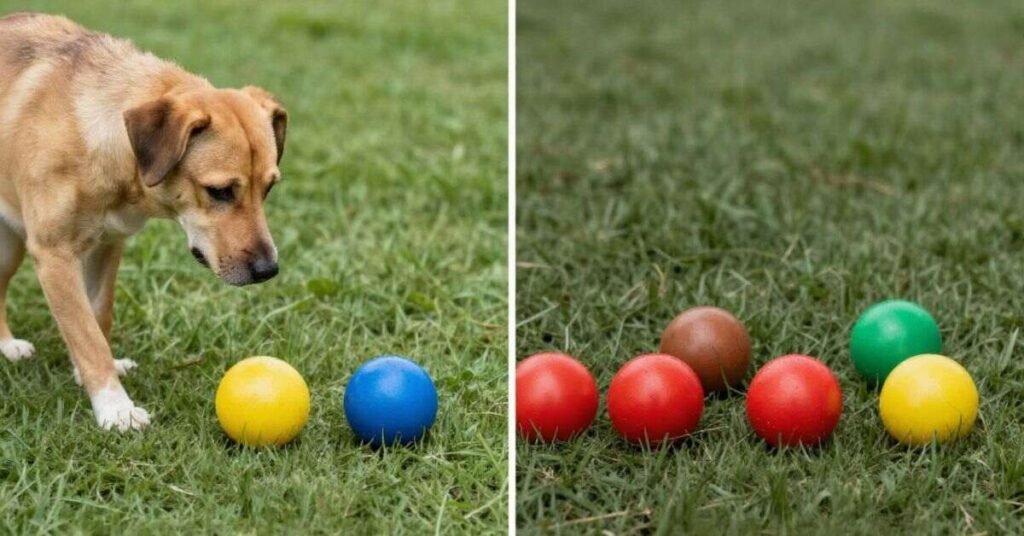
Dogs cannot see all the colors that humans can. Red and green are the hardest for them to notice. These colors often look like brown, gray, or faded shades. Bright colors like orange may also appear dull. Their eyes are not built to detect these colors clearly.
Because of this, dogs may miss certain objects that are red or green. Toys or items in these colors can blend into the background. Dogs rely more on motion, contrast, and brightness than on color. This helps them navigate the world even with limited color vision.
Why Dogs Struggle With Red and Green
Dogs have fewer color receptors in their eyes than humans. Humans have three types of cones to see colors. Dogs have only two. This limits the range of colors they can detect. Red and green fall outside their clear vision. That is why these colors look dull or gray to dogs.
Even though dogs cannot see red and green well, they rely on other senses. Motion, brightness, and contrast help them identify objects. They also use smell and hearing to understand their surroundings.
| Color | How Dogs See It | Human Comparison | Visibility Tips |
| Blue | Very clear | Blue | Easy to spot in toys and objects |
| Yellow | Clear | Yellow | Stands out well outdoors |
| Red | Looks gray or brown | Red | Avoid using for toys or training markers |
| Green | Faded or yellowish | Green | May blend into grass or trees |
| Orange | Dull brownish | Orange | Harder to notice, better in contrast with background |
| Purple | Looks like blue | Purple | Can be used but less vibrant |
| White | Bright | White | Very visible against dark backgrounds |
| Black | Dark | Black | Visible on light surfaces, blends with dark areas |
Understanding Canine Color Spectrum
Dogs see the world in a limited color range. Their vision is called dichromatic. This means they have only two types of color receptors. They can see blue and yellow clearly. Red, green, and some other colors look faded or gray to them.
Knowing this helps owners choose toys, beds, and training tools that dogs can see easily. It also explains why some objects may seem “invisible” to dogs.
- Dogs see blue and yellow best.
- Red and green appear gray or brown.
- Purple may look like blue to them.
- Bright contrast helps dogs notice objects.
- Dogs rely on movement and brightness more than color.
How Do Dogs See the World?
Dogs see the world very differently from humans. They cannot see all colors clearly. Blue and yellow stand out the most to them. Red and green look faded or gray. Their vision is less sharp, but they notice movement very well.
Dogs also see better in low light than humans. They can spot things in dim areas that we might miss. Dogs rely on their other senses too. Smell and hearing help them understand their surroundings. Their vision works together with these senses to navigate the world.
Do Dogs See in the Dark?
Yes, dogs can see better than humans in low light. Their eyes have more light-sensitive cells. These cells help them detect shapes and movement in dim areas. This is why dogs can move around easily at night.
Dogs still cannot see in complete darkness. They rely on their other senses too. Hearing and smell help them understand their surroundings when it is very dark. Their night vision is one reason dogs are great hunters and alert pets.
Other Visual Differences Between Dogs and Humans
Dogs see the world differently from humans in many ways. Their color range is limited, mostly to blue and yellow. They see less detail at a distance, but they are excellent at detecting movement. Dogs also have a wider field of view than humans, which helps them notice things on the sides.
Dogs rely on brightness, contrast, and motion more than color. Their eyes are adapted for low light and spotting moving objects. Understanding these differences helps owners choose toys, training tools, and environments that dogs can see and enjoy.
| Feature | Dogs | Humans | Notes |
| Color Vision | Blue and yellow only | Full spectrum (red, green, blue) | Dogs cannot see red or green clearly |
| Night Vision | Strong | Weak | Dogs see better in dim light |
| Distance Clarity | Moderate | High | Dogs see less detail from far away |
| Motion Detection | Very sensitive | Less sensitive | Dogs notice even small movements |
| Field of View | Wider (varies by breed) | Narrower | Helps spot objects from the sides |
| Focus on Detail | Moderate | High | Humans see finer details |
| Blink Rate | Less frequent | More frequent | Helps dogs see better in motion |
| Eye Structure | More rods, fewer cones | More cones, fewer rods | Explains better night vision for dogs |
The Most Common Dog Coat Colors
Many dogs have common coat colors that are easy to recognize. Black, white, brown, and golden are the most popular shades. Some dogs have a single solid color. Others may have two or more colors in patterns like spots or patches.
These colors are influenced by a dog’s genes. Certain breeds often have specific colors. For example, Labrador Retrievers are usually black, yellow, or chocolate. Understanding common coat colors helps owners choose the right dog and care for its coat properly.
Popular Coat Colors in Family Dog Breeds
Many family dog breeds have coat colors that are easy to spot and loved by owners. Black, brown, golden, and white are very common. Some dogs also have mixed colors or patterns like spots and patches. These colors make dogs look friendly and attractive to families.
Different breeds often have signature coat colors. Knowing these colors helps families pick the right dog. Some popular family-friendly colors include:
- Black – common in Labradors and Poodles
- Golden – often seen in Golden Retrievers
- Brown or Chocolate – seen in Labradors and Dachshunds
- White – common in Samoyeds and Bichon Frises
- Mixed or Spotted – seen in Dalmatians and Beagles
How Coat Color Affects Appearance
A dog’s coat color can change how it looks and feels to people. Dark colors like black or chocolate can make a dog look strong and bold. Light colors like white or cream can make a dog look gentle and soft. Mixed or patterned coats can give a dog a unique and playful appearance.
Coat color can also affect how noticeable a dog is. Bright or light coats are easier to see outdoors. Dark coats may blend into shadows. Some owners choose coat color to match their home style or personal preference. The right color can make a dog look even more beautiful and friendly
The Most Unique Dog Coat Colors
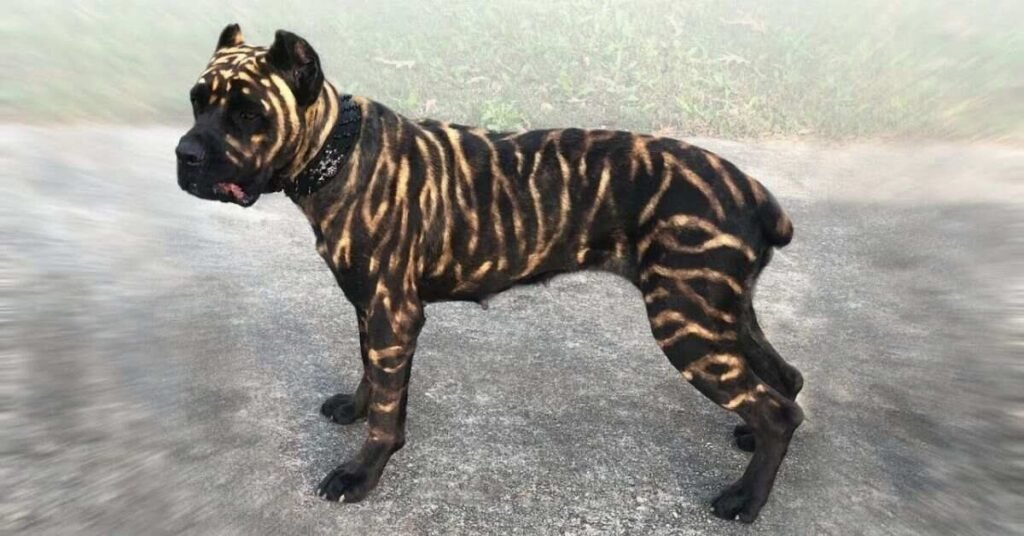
Some dogs have coat colors that are rare and special. These colors are not seen in every breed. Silver, merle, brindle, and blue-gray are examples of unique shades. Dogs with these colors often stand out and attract attention.
Unique coat colors can come with special patterns too. They may have spots, streaks, or unusual markings. These rare colors are often linked to specific breeds. Owners may need extra care to keep the coat healthy and shiny.
Rare and Unusual Dog Coat Patterns
Some dogs have coat patterns that are very rare and eye-catching. These patterns make each dog look unique. Common unusual patterns include merle, brindle, harlequin, and dapple. They often appear in specific breeds and are considered special by owners.
Rare coat patterns can also affect the dog’s overall appearance. Some patterns may require extra care to keep the coat healthy. Understanding these patterns helps owners appreciate their dog’s unique look.
| Pattern | Description | Common Breeds | Notes |
| Merle | Patchy or speckled coat with lighter and darker shades | Australian Shepherd, Border Collie | Can be linked to eye and skin variations |
| Brindle | Stripes or streaks over a base color | Boxer, Greyhound, Staffordshire Bull Terrier | Gives a tiger-like appearance |
| Harlequin | White coat with irregular black patches | Great Dane | Very rare and striking |
| Dapple | Lighter spots over a darker coat | Dachshund, Catahoula Leopard Dog | Creates a marbled look |
| Ticked | Small colored spots on a white background | Pointer, English Setter | Subtle but adds character |
| Phantom | Dark markings on a lighter base | Doberman, Rottweiler | Usually symmetrical patterns |
| Piebald | Large patches of two or more colors | Bull Terrier, Cocker Spaniel | Makes dogs look very unique |
| Sable | Tips of hairs are darker than the base | German Shepherd, Shetland Sheepdog | Creates a shaded or layered look |
.What Makes Some Coat Colors Rare?
Some dog coat colors are rare because of genetics. Certain genes are needed to produce unique shades like silver, merle, or blue-gray. If a dog does not inherit these genes, it will not have that color. That is why some colors are seen only in a few dogs or specific breeds.
Other factors can make a color rare too. Breeding history, health, and environment play a role. Some rare colors may require extra care to keep the coat healthy. Owners often value these colors for their uniqueness and beauty.
Tips for Maintaining a Dog’s Coat Color

Keeping a dog’s coat healthy helps its color stay bright and beautiful. Regular grooming removes dirt and loose hair. Brushing also spreads natural oils, which make the coat shiny. Bathing with the right shampoo protects the color and skin.
Diet and care affect coat color too. Healthy food, vitamins, and hydration keep the fur strong. Sunlight and outdoor activity can also change how the coat looks. Some simple tips include:
- Brush your dog’s coat regularly to remove tangles and dirt.
- Use a mild, color-safe shampoo for baths.
- Feed a balanced diet rich in protein and omega-3s.
- Keep your dog hydrated with fresh water.
- Protect the coat from too much sun or harsh weather.
Bathing Tips for White and Light-Colored Dogs
White and light-colored dogs need special care to keep their coats bright. Dirt and stains show easily on their fur. Regular baths help remove dirt and prevent yellowing. Using the right shampoo is very important. Gentle whitening or brightening shampoos work best.
Proper bathing also protects the dog’s skin. Bathing too often can make the coat and skin dry.Brushing before and after a bath helps remove loose hair. Here are some tips for bathing light-colored dogs:
| Tip | Description | Frequency / Notes |
| Use mild shampoo | Avoid harsh chemicals that can irritate skin | Every 4-6 weeks or as needed |
| Whitening shampoo | Helps brighten the coat | Use occasionally, not every bath |
| Warm water | Gentle on the dog’s skin | Avoid very hot or cold water |
| Brush before bath | Removes tangles and loose hair | Prevents mats during washing |
| Rinse thoroughly | Removes all soap residue | Helps prevent irritation |
| Dry gently | Pat with towel or use low heat dryer | Avoid vigorous rubbing |
| Spot clean stains | Use a damp cloth for small stains | Between baths to keep coat bright |
| Protect from sun | Avoid long sun exposure | Can prevent yellowing and fading |
Care Tips for Black and Dark-Colored Dogs
Black and dark-colored dogs need special care to keep their coats shiny and healthy. Their fur can look dull if not groomed properly. Regular brushing spreads natural oils and removes dirt. Using a gentle, color-safe shampoo helps protect the dark color. Overbathing can dry out the coat, so it should be done carefully.
Sunlight, diet, and hydration also affect dark coats. Too much sun can make the fur fade. Healthy food with protein and omega-3 helps keep the coat strong and smooth. Drinking plenty of water helps keep a dog’s skin and coat healthy.
| Tip | Description | Frequency / Notes |
| Regular brushing | Removes dirt and spreads natural oils | 2-3 times a week |
| Color-safe shampoo | Prevents fading and maintains shine | Every 4-6 weeks |
| Warm water | Gentle on skin and fur | Avoid very hot water |
| Dry properly | Pat with towel or use low heat | Avoid rubbing vigorously |
| Sun protection | Limit exposure to direct sunlight | Helps prevent fading |
| Healthy diet | Include protein, omega-3, and vitamins | Supports a strong, shiny coat |
| Hydration | Provide fresh water all day | Keeps skin and coat healthy |
| Spot cleaning | Wipe dirty areas with damp cloth | Between baths |
Amazing Facts About Dogs’ Senses

Dogs have incredible senses that help them understand the world. Their sense of smell is far stronger than humans. They can detect scents from far away and even sense changes in people’s health. Dogs also have good hearing and can hear higher frequencies than humans. Their vision is different, but they are excellent at spotting movement.
These amazing senses make dogs great helpers and companions. They can alert us to danger, find lost items, and even sense emotions. Some surprising facts about their senses include:
- Dogs are able to detect illnesses such as cancer or diabetes through their sense of smell.
- They can hear sounds we cannot detect.
- Dogs use their sense of smell to recognize people and places.
- They notice small movements very quickly.
- Dogs can sense changes in the weather or approaching storms.
Dogs Have a Powerful Sense of Smell
Dogs have one of the strongest senses of smell in the animal world.Their noses contain millions more scent receptors than a human’s nose.This allows them to detect odors that we cannot even notice. They can follow trails, find hidden objects, and even sense changes in a person’s body.
A dog’s sense of smell helps in many ways. They can find lost people, detect drugs, and alert owners to danger. Some dogs can even smell illnesses like cancer or diabetes. Their incredible noses make them excellent helpers and loyal companions.
Dogs Can Sense Illness and Weather Changes
Dogs have an amazing ability to sense changes in their environment. They can detect certain illnesses in humans. Some dogs can smell diseases like diabetes, cancer, or infections. They notice changes in body chemistry that humans cannot sense.
Dogs can also sense weather changes. They can feel storms, earthquakes, and other natural events before they happen. Their senses help keep them and their owners safe.
| Ability | How Dogs Sense It | Examples | Notes |
| Illness detection | Smell changes in body chemicals | Diabetes, cancer, infections | Used in medical alert dogs |
| Emotional changes | Smell and behavior | Stress, fear, happiness | Helps them respond to owners’ feelings |
| Weather changes | Hearing, smell, vibration | Storms, earthquakes, tornadoes | Dogs may act anxious or seek shelter |
| Environmental hazards | Smell and sight | Gas leaks, smoke | Can alert humans to danger |
| Animal detection | Smell | Other animals nearby | Useful in hunting and search tasks |
| Food detection | Smell | Spoiled or hidden food | Helps locate items efficiently |
Conclusion
Dogs see the world differently from humans. Because of this, they cannot see all colors clearly. In fact, blue and yellow are easiest for them to notice in the Colour of a Dog’s vision. On the other hand, red and green often look dull or gray. Therefore, understanding this helps owners choose better toys and provide better care for their dogs.
In addition, coat color is more than just appearance in the Colour of a Dog. Common colors like black, white, and brown are usually easy to maintain. However, rare colors and patterns like merle, brindle, or harlequin make dogs unique. As a result, these coats may need extra care to stay healthy and shiny.
Moreover, dogs have amazing senses beyond sight in the Colour of a Dog. For example, their smell, hearing, and ability to sense illness or weather changes are highly advanced. Because of this, these senses help dogs navigate the world and assist humans in many important ways.
Overall, taking care of a dog means understanding its needs and the Colour of a Dog. This includes grooming, diet, hydration, and safe play. When all of these are properly managed, dogs stay healthy, happy, and active. Ultimately, knowing about colors, patterns, and senses makes pet ownership easier and more rewarding.
FAQs
1. Can dogs see all the colors humans see?
No, dogs cannot see all colors like humans. Instead, they mostly see shades of blue and yellow. In contrast, red and green appear gray or brown to them. This is why their vision is called dichromatic.
2. Why do some dog coat colors look rare?
Rare coat colors come from special genes. For instance, colors like merle, silver, or brindle are uncommon in many breeds. Therefore, breeding history and genetics play a big role. As a result, some rare colors may need extra care.
3. How can I keep my dog’s coat shiny and healthy?
First, regular brushing and proper bathing help maintain a healthy coat in the Colour of a Dog. In addition, use gentle or color-safe shampoo. Moreover, a balanced diet and fresh water are important. Finally, protect the coat from too much sun.
4. Can dogs really smell illnesses in humans?
Yes, dogs can detect certain illnesses through smell. In fact, they can sense changes in body chemistry linked to diseases like diabetes or cancer. Because of this, some dogs are trained as medical alert pets.
5. What colors are best for dog toys?
Dogs can see blue and yellow toys more clearly than other colors. However, red and green may look dull or blend into the background. Therefore, high-contrast toys are best for better visibility and playtime enjoyment.
