

Introduction
Many dog owners wonder, can dogs have piles? Piles, also called hemorrhoids, are swollen blood vessels around the anus or rectum. In humans, they can cause pain, swelling, and bleeding. Dogs, however, have a different anatomy. Because of this, true hemorrhoids are very rare in dogs. Still, they can develop other anal or rectal problems that look similar to piles.
If you notice your dog scooting on the floor, licking its rear, or having trouble during bowel movements, it can be worrying. These signs may make owners think their dog has piles. In many cases, the problem is something else, such as anal gland issues or irritation in the anal area. Knowing the difference can help you understand what your dog might be experiencing.
In this article, we will explain whether dogs can actually have piles, the common symptoms that look like hemorrhoids, and the possible causes behind these problems. You will also learn about conditions that are often mistaken for piles and what you can do to help keep your dog healthy and comfortable.
Can Dogs Have Piles?
Many pet owners wonder if dogs can develop piles like humans. Piles, also called hemorrhoids, happen when veins in the rectal or anal area become swollen. This condition is common in people and often causes discomfort, itching, or bleeding. In dogs, however, this condition is extremely uncommon because their body structure and blood flow in that area work differently.
Even though dogs rarely get true piles, they can experience other problems that appear similar. Issues such as irritated anal glands, swelling around the anus, or rectal conditions may cause signs like scooting, licking the area, or difficulty passing stool. Because these symptoms can look like piles, many owners get confused. A proper check by a veterinarian is usually needed to find the real cause.
What Are Piles (Hemorrhoids)?
Piles, also known as hemorrhoids, are swollen and enlarged veins in the lower part of the rectum or around the anus. They can develop when there is too much pressure on these veins. This pressure can come from straining during bowel movements, long periods of sitting, or chronic constipation. When the veins swell, they may cause pain, itching, irritation, or bleeding.
Hemorrhoids can form inside the rectum or outside around the anal opening. Internal hemorrhoids are located inside the rectum and may not be easy to see. External hemorrhoids appear under the skin around the anus and can feel like small lumps. In humans, piles are quite common and usually develop due to lifestyle or digestive issues.
Do Dogs Actually Get Hemorrhoids or Piles?
Many people believe that dogs can get piles just like humans. In reality, true hemorrhoids are very rare in dogs. The veins and blood flow around a dog’s rectal area are different from those in humans. Because of this difference, dogs usually do not develop swollen veins that turn into piles.
However, dogs can still have health problems that look like hemorrhoids. Issues such as anal gland infections, rectal irritation, or other anal conditions can cause swelling and discomfort. Dogs may also scoot on the floor or lick the area often. These signs can make it seem like the dog has piles, even though the real cause may be something else.
Why Dogs Rarely Develop True Hemorrhoids
Dogs rarely develop true hemorrhoids because their body structure is different from humans. In people, hemorrhoids often form due to pressure on the veins in the rectal area. This pressure can come from long periods of sitting or straining during bowel movements. Dogs usually move around more and their blood vessels in that area are arranged differently. Because of this, swollen veins that turn into piles are not common in dogs.
Instead of hemorrhoids, dogs are more likely to develop other conditions around the anal area. These problems can cause similar symptoms like swelling, irritation, or discomfort. Many owners confuse these issues with piles, even though the cause is different.
Some reasons why dogs rarely develop true hemorrhoids include:
- Dogs have a different vein structure around the rectum
- They do not spend long periods sitting like humans
- Their body posture reduces pressure on the anal veins
- Anal gland problems are more common than hemorrhoids in dogs
Symptoms That Look Like Piles in Dogs
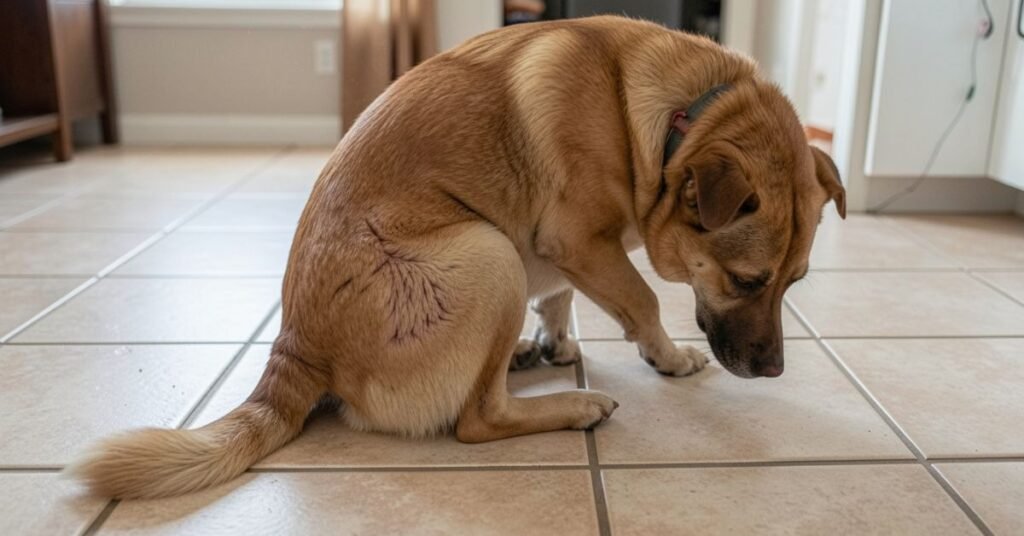
Dogs cannot clearly tell us when something feels wrong. However, their behavior can show signs of discomfort around the anal area. Some symptoms may look similar to piles, even though the real problem might be something else. Owners often notice these changes when their dog starts acting differently during or after bowel movements.
If a dog has irritation, swelling, or another issue near the anus, certain signs may appear. Watching these symptoms early can help owners take quick action and prevent the problem from getting worse.
Common symptoms that may look like piles include:
- Scooting or dragging the rear on the floor
- Frequent licking or biting around the anal area
- Swelling or redness near the anus
- Constipation difficulty or straining
- Near the stool, there are small amounts of blood
- Signs of pain or discomfort when sitting
Scooting, Swelling, and Bleeding Signs
Scooting is one of the most common signs that something is wrong around a dog’s anal area. When dogs feel irritation or discomfort, they may drag their rear across the floor to try to relieve the feeling. This behavior can happen if the anal glands are full, infected, or irritated. Many owners think this means their dog has piles, but the cause is often another anal or digestive issue.
Swelling or small amounts of bleeding near the anus can also worry dog owners. You might notice redness, a lump, or spots of blood on the stool or around the tail area. These signs can happen because of irritation, anal gland problems, or other rectal conditions. If these symptoms continue for more than a day or two, it is best to have a veterinarian check your dog.
| Symptom | What It Looks Like | Possible Cause | What Dog Owners Should Do |
| Scooting | Dog drags its rear across the floor or carpet | Anal gland irritation or blockage | Check the area and consult a vet if it continues |
| Swelling | Puffiness or a small lump around the anus | Inflammation or anal gland infection | Keep the area clean and seek veterinary advice |
| Bleeding | Small spots of blood on stool or near the tail | Irritation, infection, or injury | Monitor the dog and visit a vet if bleeding continues |
| Redness | Skin around the anus appears red or irritated | Allergies, infection, or excessive licking | Prevent licking and ask a vet for treatment |
| Straining | Dog struggles while passing stool | Constipation or digestive issues | Improve diet and ensure proper hydration |
| Frequent Licking | Dog keeps licking the rear area | Discomfort or itching in the anal region | Observe behavior and get a vet check if persistent |
Common Causes of Piles-Like Problems in Dogs
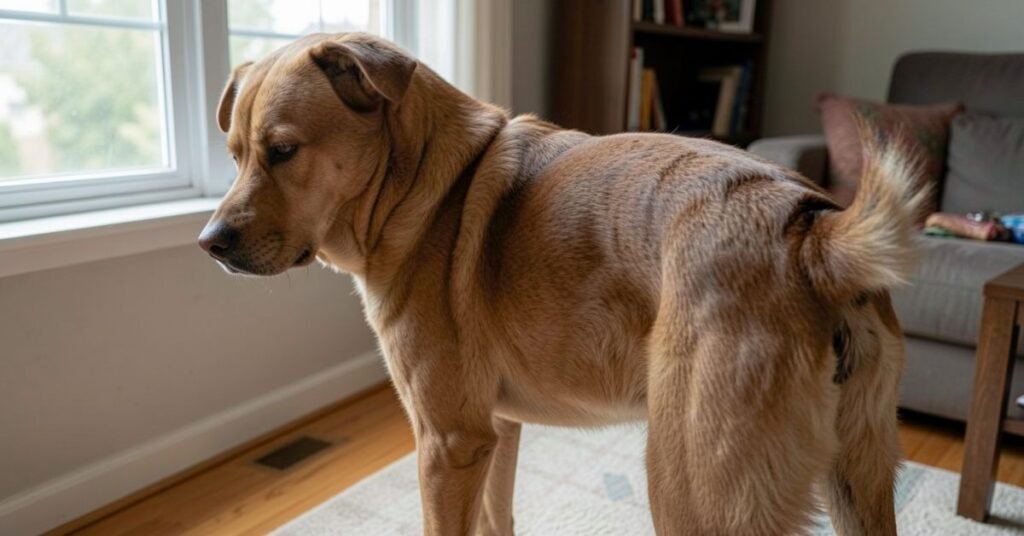
Dogs rarely develop true piles, but they can have other problems that cause similar symptoms. These issues often affect the anal glands, digestive system, or rectal area. When irritation or swelling occurs, dogs may feel pain or discomfort. This can lead to signs such as scooting, licking the area, or trouble during bowel movements.
Several factors can increase the chances of these problems. Poor diet, digestive troubles, or lack of physical activity can all play a role. Understanding these causes can help dog owners take better care of their pets and reduce the risk of anal or rectal issues.
The following are some of the most common causes:
- Low fiber in the dog’s diet
- Constipation or diarrhea for a long period of time
- Obesity or lack of regular exercise
- Anal gland blockage or infection
- Food allergies or digestive sensitivities
- Health problems associated with aging
Low-Fiber Diet and Digestive Issues
A low-fiber diet is one of the main reasons dogs can develop piles-like problems.The fiber in the stool keeps it soft and easy to pass. Without enough fiber, dogs may strain during bowel movements. Straining can irritate the anal area and cause swelling or discomfort. Over time, this can lead to issues that look like piles.
Digestive problems can also contribute to these symptoms. Constipation, diarrhea, or irregular bowel movements put extra stress on a dog’s rectal area. These issues often make dogs scoot, lick, or bite their rear. Monitoring a dog’s diet and digestion can help prevent these problems.
| Problem | What Happens | Possible Signs | What Owners Can Do |
| Low-Fiber Diet | Stool becomes hard and dry | Straining, discomfort, scooting | Add fiber-rich food or supplements |
| Constipation | Stool is difficult to pass | Straining, small or dry stools | Ensure hydration, adjust diet, consult vet |
| Diarrhea | Frequent loose stools | Irritation, redness, licking | Identify triggers, feed bland diet, vet check |
| Irregular Bowel Movements | Stool not regular | Scooting, discomfort, swelling | Maintain consistent feeding schedule |
| Poor Digestion | Nutrients not absorbed well | Gas, bloating, anal irritation | Use easily digestible food, consider probiotics |
Obesity and Lack of Exercise
Obesity can make dogs more prone to piles-like problems. Extra weight puts pressure on the rectal and anal area. This can cause discomfort, swelling, or irritation. Overweight dogs may also have trouble passing stool, which increases straining. Lack of regular exercise adds to these issues. Active dogs are less likely to develop digestive or anal problems.
Exercise helps keep a dog’s muscles and digestive system healthy. Without movement, dogs may gain weight and have weaker muscles around the anus. This can make anal gland problems or irritation worse. Maintaining a healthy weight and daily activity can prevent piles-like symptoms and improve overall health.
| Factor | What Happens | Possible Signs | How to Help |
| Obesity | Extra weight puts pressure on anal area | Scooting, difficulty passing stool, swelling | Adjust diet, portion control, vet check |
| Lack of Exercise | Muscles weaken, digestion slows | Constipation, discomfort, lethargy | Daily walks, playtime, light exercise |
| Weak Muscles | Anal area becomes more prone to issues | Straining, anal gland problems | Exercise, stretching, vet advice |
| Digestive Slowness | Stool moves slowly through the intestines | Constipation, scooting, discomfort | Fiber in diet, hydration, regular walks |
| Combined Effect | Weight + inactivity worsens anal issues | Swelling, irritation, scooting | Weight management plan, regular activity |
Chronic Constipation or Diarrhea
Chronic constipation or diarrhea can cause piles-like problems in dogs. When a dog is constipated, it has to strain to pass stool. Straining puts pressure on the anal area and can lead to irritation or swelling. On the other hand, frequent diarrhea can also irritate the skin around the anus. Both conditions may cause discomfort and unusual behaviors like scooting or licking.
It is important to monitor a dog’s bowel movements. Early detection of constipation or diarrhea can prevent more serious anal or digestive problems. Proper diet, hydration, and medical care can help maintain healthy digestion and reduce piles-like symptoms.
| Condition | What Happens | Possible Signs | How to Help |
| Constipation | Stool becomes hard and difficult to pass | Straining, scooting, small or dry stools | Increase fiber, give more water, consult vet |
| Chronic Diarrhea | Frequent loose stools | Irritation, redness, licking anal area | Feed bland diet, monitor triggers, vet check |
| Irregular Bowel Movements | Stool pattern is inconsistent | Discomfort, straining, scooting | Keep feeding schedule consistent, monitor stools |
| Straining | Excessive effort to pass stool | Swelling, anal discomfort | Improve diet, hydration, vet advice |
| Anal Area Irritation | Skin becomes red or sore | Licking, biting, swelling | Clean area gently, consult vet, check diet |
Anal Gland Problems Often Mistaken for Piles
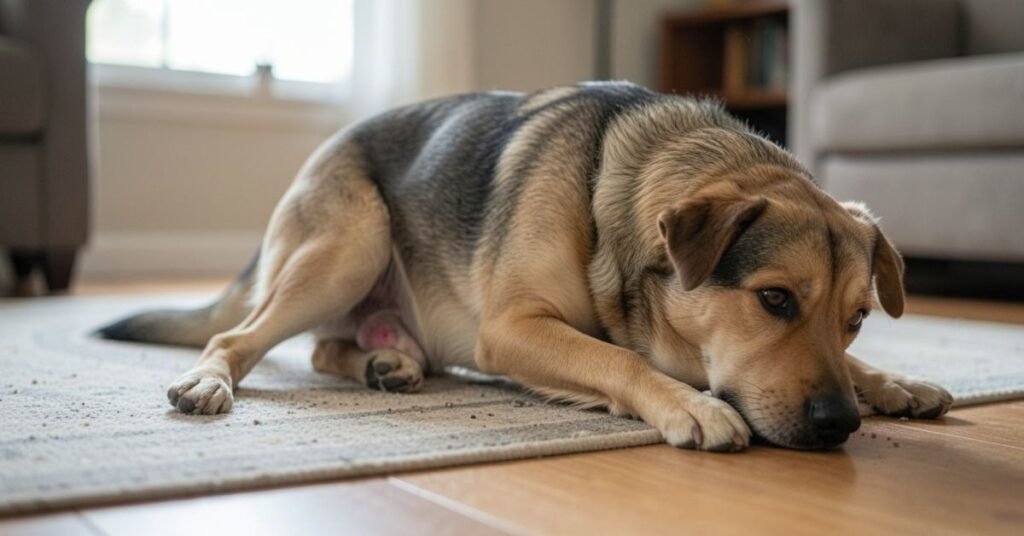
Dogs can develop anal gland problems that look like piles.The anal glands are located on either side of the dog’s anus. They produce a fluid that is normally released when a dog poops. Sometimes, these glands can become full, impacted, or infected. When this happens, dogs may show signs like scooting, licking, or swelling near the anus. Many owners confuse these symptoms with piles.
Recognizing anal gland problems early is important. If left untreated, they can become painful or lead to infection. Regular checks, proper hygiene, and veterinary care can help prevent serious issues.
Common anal gland problems include:
- Impacted anal glands: glands are full and blocked
- Infected anal glands: glands are swollen, red, or painful
- Abscessed anal glands: infection leads to pus and discomfort
- Anal sac disease: chronic inflammation or infection of the glands
- Frequent scooting or licking: signs that glands may need attention
Infected or Abscessed Anal Glands
Infected or abscessed anal glands are a common problem in dogs. When the glands become blocked, bacteria can grow inside. This causes infection, swelling, and pain. Dogs may have trouble sitting, scoot on the floor, or lick the area constantly. If left untreated, an abscess can burst, which may lead to more serious complications.
Early detection is important to prevent severe problems. Treatment usually involves cleaning the glands, antibiotics, or in serious cases, minor surgery. Understanding the signs can help dog owners act quickly and keep their pets comfortable.
| Symptom | What It Looks Like | Possible Cause | What to Do |
| Swelling near anus | Red, puffy area around anal opening | Blocked or infected anal glands | Vet evaluation, possible cleaning or medication |
| Pain when sitting | Dog avoids sitting or shifts frequently | Infection or abscess | Limit movement, consult vet |
| Scooting | Dragging rear on floor | Discomfort from glands | Check area, schedule vet visit |
| Licking or biting anal area | Frequent licking or biting | Pain, irritation, infection | Keep area clean, seek treatment |
| Discharge or pus | Yellow or bloody fluid from glands | Abscess or infection | Vet treatment, possible antibiotics |
| Foul odor | Strong smell from anal area | Bacterial growth | Clean gently, vet care recommended |
| Fever or lethargy | Dog appears tired or less active | Infection spreading | Immediate veterinary attention |
Other Conditions That Can Look Like Piles
Some health problems in dogs can look like piles but are actually different conditions. These issues often affect the anal or rectal area and cause swelling, redness, or discomfort. Because the symptoms are similar, many dog owners may think their pet has hemorrhoids. Early recognition is important to get the right treatment and avoid complications.
Other conditions that can mimic piles include:
- Rectal prolapse: part of the rectum sticks out from the anus
- Perianal fistulas: painful sores or tunnels around the anus
- Anal polyps or tumors: abnormal growths near the rectum
- Irritated anal glands: swelling or blockage that causes discomfort
- Allergic reactions or skin infections: redness, itching, or inflammation around the anal area
Rectal Prolapse
Rectal prolapse happens when a part of a dog’s rectum sticks out of the anus. This can look like a red or pink tube coming from the rear. It is not the same as piles, but it may be mistaken for hemorrhoids. Rectal prolapse can be painful and cause discomfort while sitting or passing stool.
This condition can occur due to straining from constipation, diarrhea, or other digestive problems. Young puppies or older dogs are sometimes more at risk. If you notice this sign, it is important to contact a veterinarian immediately. Early treatment can prevent further complications and help your dog recover faster.
Perianal Fistulas
Perianal fistulas are painful sores or tunnels around a dog’s anus. They can cause redness, swelling, and irritation. Dogs with fistulas may scoot, lick, or bite the area often. The condition can be chronic and may get worse over time if untreated.
Perianal fistulas are more common in certain breeds, like German Shepherds. The exact cause is not always clear, but it may be linked to immune system issues or infections. A veterinarian can diagnose the problem and recommend treatment, which may include medication, topical care, or in some cases, surgery. Early care can reduce pain and prevent further complications.
Anal Polyps or Tumors
Anal polyps or tumors are abnormal growths near a dog’s anus or rectum. They can look like small lumps or masses and may cause swelling or discomfort. Dogs with these growths may scoot, lick, or have trouble passing stool. These growths can sometimes be mistaken for piles because of their location and appearance.
Polyps are usually benign, but tumors can be cancerous. Early detection is important to prevent serious health issues. A veterinarian can examine the area, perform tests, and suggest the right treatment. Treatment may include surgical removal, medication, or monitoring depending on the type of growth. Routine veterinary exams can help detect these issues before they become serious.
Treatment Options for Piles-Like Conditions in Dogs
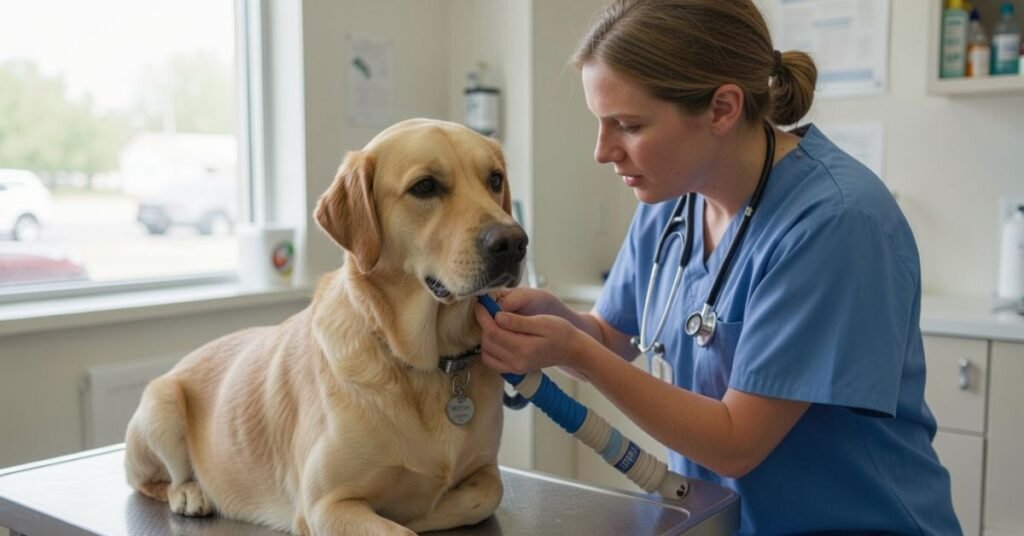
Dogs rarely get true piles, but they can have other anal or rectal problems that look similar. Treatment depends on the cause of the issue. Some conditions, like anal gland infections or irritation, can be treated at home with guidance from a veterinarian. More serious problems, like rectal prolapse or tumors, may require medical procedures or surgery.
Common treatment options include:
- Manual expression of anal glands to relieve blockage
- Medications such as antibiotics or anti-inflammatories to treat infections
- Dietary changes, including adding fiber for better digestion
- Surgery for severe cases like tumors or rectal prolapse
- Topical treatments to reduce irritation and swelling
- Regular exercise to improve bowel movements and prevent constipation
Veterinary Treatments and Home Care
When dogs show signs of piles-like problems, a veterinarian can provide the right treatment. They may clean or express the anal glands, prescribe medications, or recommend minor procedures. For serious conditions like rectal prolapse or tumors, surgery may be necessary. Early veterinary care can reduce pain and prevent complications.
Home care is also important to keep dogs comfortable. Keeping the anal area clean, feeding a high-fiber diet, and providing plenty of water can help. Regular exercise supports healthy digestion and prevents constipation. Monitoring your dog’s behavior and bowel movements at home can help catch problems early.
Conclusion
Dogs rarely get true piles like humans. Most of the problems that look like piles are related to anal glands, rectal issues, or other conditions.Knowing the difference helps provide the right care and treatment.
Early detection of symptoms can make a big difference. Watching for scooting, licking, swelling, or changes in bowel movements helps catch problems before they get worse. Consulting a veterinarian ensures your dog gets the right diagnosis and treatment.
Diet, exercise, and hygiene play a key role in prevention. Feeding fiber-rich food, keeping your dog active, and cleaning the anal area regularly can reduce the risk of piles-like conditions. These simple steps can keep your dog comfortable and healthy.
Keep a close eye on your dog’s behavior. Prompt care and regular check-ups can prevent serious issues. With proper attention, most piles-like problems can be treated successfully, helping your dog live a happy and pain-free life.
FAQs
1. Can dogs get piles like humans?
Dogs rarely develop true piles. Most swelling or irritation in the anal area is caused by anal gland problems, rectal prolapse, or other conditions. True hemorrhoids are very uncommon in dogs due to their anatomy.
2. What signs may look like piles in dogs?
Dogs may scoot, lick their rear, or show swelling near the anus. Difficulty passing stool, redness, or small amounts of blood can also occur. These signs often indicate anal gland issues or irritation, not true piles.
3. How are piles-like problems treated in dogs?
Treatment depends on the cause. Mild issues may improve with diet changes, hygiene, and exercise. Infections may need medication, while serious conditions like rectal prolapse or tumors may require surgery.
4. Can diet help prevent piles-like conditions in dogs?
Yes. Feeding a high-fiber diet keeps stool soft and reduces straining. Proper hydration and balanced nutrition also support healthy digestion and prevent anal or rectal problems.
5. When should I see a veterinarian for these symptoms?
If your dog scoots, licks excessively, has swelling, or shows blood in the stool, it is best to consult a vet. Early diagnosis and treatment prevent complications and keep your dog comfortable.
