


Introduction
Dogs can sometimes get lice, but it is not something most owners deal with often. Dog lice are very small insects that live in the coat and on the skin. They stay on the dog and survive by feeding on skin flakes or blood.
The idea of lice usually makes dog owners feel worried or uncomfortable. Many people immediately think lice spread easily from humans or other animals. This misunderstanding causes unnecessary fear and quick decisions without proper information.
In reality, lice that affect dogs are unique to dogs. Understanding how these lice spread, how to notice them early, and how they are treated can help you protect your dog in a calm and informed way.
Can Dogs Actually Get Lice?
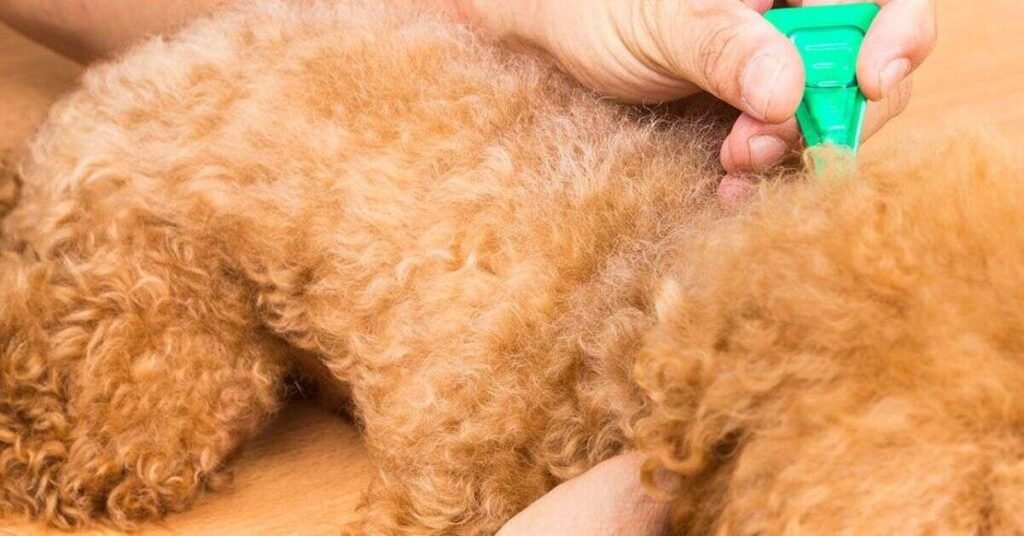
Yes, dogs can get lice, but it does not happen very often. Dog lice are tiny insects that live on a dog’s skin and fur. They stay on the dog and do not jump or fly like fleas.
Most dogs get lice through close contact with other infected dogs. This usually happens in shelters, boarding places, or homes with many dogs. Lice in dogs are different from human lice and do not spread to people.
Are Dog Lice Real or Just a Common Misunderstanding?
Dog lice are real, but many people misunderstand them. They are not the same as human head lice and do not live on people. Dog lice are small parasites that spend their entire life on a dog’s body.
The confusion usually comes from common myths and fear. Many dog owners assume all lice are the same, which is not true.
- Dog lice only live on dogs
- They cannot survive on humans
- They spread through direct dog-to-dog contact
- Poor coat care can increase the risk
Dog Lice vs Human Lice Why Cross-Transmission Almost Never Happens
Dog lice and human lice are different types of parasites. Each type is adapted to survive on a specific kind of host. The lice found on dogs are built for a dog’s skin and coat, while lice found on humans are made to survive on the human scalp and body.
Because of these differences, lice cannot switch between dogs and people. Even when there is close contact, the lice cannot survive or reproduce on the wrong host. This is why lice infections do not usually spread from dogs to humans or the other way around.
| Point of Comparison | Dog Lice | Human Lice |
| Host adaptation | Designed for canine bodies | Designed for human bodies |
| Ability to survive on humans | No | Yes |
| Ability to survive on dogs | Yes | No |
| Body temperature needed | Matches dogs | Matches humans |
| Skin and hair type | Dog skin and fur | Human skin and hair |
| How they spread | Direct contact between dogs | Direct contact between people |
| Survival on wrong host | Very short time | Very short time |
| Risk to families | Very low | Can spread among people |
| Type of treatment | Vet-approved treatments | Human lice products |
Species-Specific Lice Explained in Simple Terms
Lice are very picky parasites. Each type of lice is made to live on one kind of animal. Their bodies are shaped to match the skin, hair, and temperature of that animal. Because of this, they cannot survive on a different host for long.
This is why lice do not easily spread between species. A dog’s lice cannot live on people, and human lice cannot live on dogs. Once they leave their preferred host, they quickly die.
- Each lice type needs a specific body temperature
- They are adapted to certain hair or fur types
- They feed in a way that matches their host’s skin
- They cannot reproduce on the wrong host
Which Dogs Are Most at Risk of Lice Infestation?
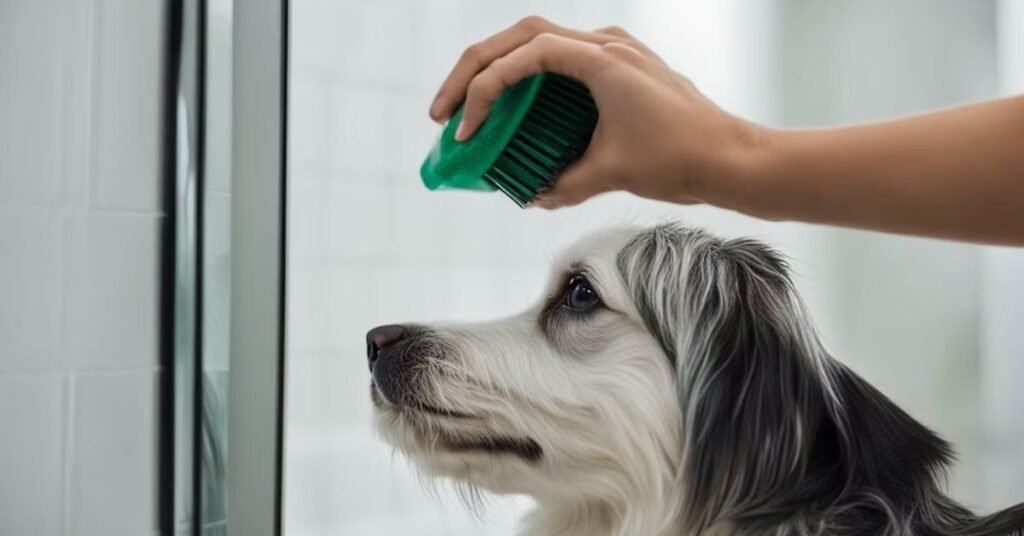
Some dogs are more likely to get lice than others. Lice usually affect dogs with weaker health or poor coat care. Dogs that live in crowded or unclean places also face a higher risk.
Lice spread through close contact with other dogs. This is why certain situations make infestation more common.
- Puppies with soft, thin coats
- Senior dogs with weaker immune systems
- Dogs kept in shelters or boarding facilities
- Stray or neglected dogs
- Dogs with matted or dirty fur
Puppies, Senior Dogs, and Neglected Coats: Risk Levels Compared
Not all dogs face the same risk of lice. Puppies are more vulnerable because their immune systems are still developing. Senior dogs can also struggle because their bodies may not fight parasites as well as they once did.
Dogs with neglected coats are at the highest risk. Dirty, matted, or unbrushed fur gives lice a perfect place to hide and multiply. Regular grooming greatly lowers the chance of infestation.
| Dog Category | Risk Level | Main Reason | Common Signs | Prevention Tips |
| Puppies | Medium | Weak immune system | Scratching, restlessness | Regular checks, gentle grooming |
| Senior dogs | Medium to high | Reduced immunity | Dry skin, hair loss | Vet visits, coat care |
| Neglected coats | High | Poor hygiene and matting | Heavy itching, visible lice | Frequent grooming, cleaning |
| Shelter dogs | High | Close contact with others | Scratching, dull coat | Quarantine and inspection |
| Well-groomed dogs | Low | Clean and healthy coat | Rare symptoms | Routine grooming |
Early Signs of Lice in Dogs Most Owners Miss
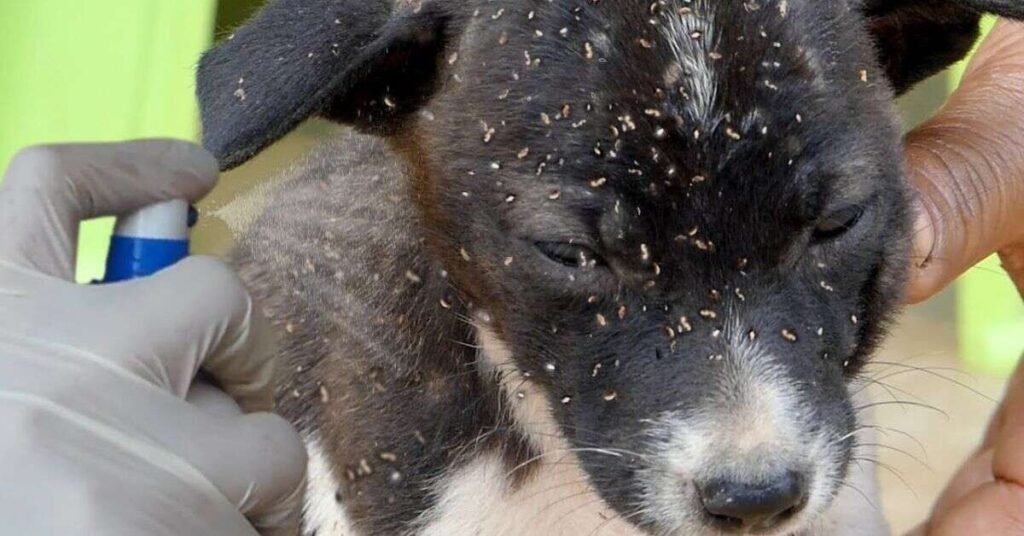
Lice problems often start quietly. A dog may scratch more than usual, but not enough to seem serious. Many owners think it is just dry skin or normal itching.
Over time, small changes appear. The coat may look rough or messy. Some dogs become restless or bite at their fur. These early signs are easy to miss but important to notice.
How Lice Symptoms Differ From Fleas, Mites, and Skin Allergies
Lice symptoms in dogs are often slower and less dramatic than other skin problems. Dogs with lice usually scratch constantly but do not jump or bite suddenly. The itching is steady, and the coat may look dull or dry over time.
Fleas, mites, and allergies behave differently. Fleas cause sudden intense itching. Mites often lead to thick skin or hair loss. Allergies usually come and go and may affect the ears or paws. Knowing these differences helps owners choose the right treatment.
| Condition | Itching Pattern | Hair Loss | Skin Changes | Visible Signs | Speed of Symptoms |
| Lice | Constant, mild to moderate | Patchy | Dry or scaly skin | White eggs or lice in fur | Slow |
| Fleas | Sudden and intense | Around tail or back | Red, irritated skin | Jumping fleas or flea dirt | Fast |
| Mites | Severe and deep | Large patches | Thickened or crusty skin | Rarely visible | Moderate |
| Skin allergies | On and off | Common | Red or inflamed skin | No parasites seen | Varies |
How Dogs Get Lice: Real Causes vs Popular Myths
Dogs usually get lice through close contact with another infected dog. Lice crawl from one dog to another during play, sleeping together, or sharing bedding. This often happens in shelters, kennels, or homes with many dogs.
Many popular beliefs about lice are not true. Lice do not come from dirty water, food, or humans. Understanding real causes helps owners avoid panic and focus on prevention.
| Situation | Real Cause or Myth | Explanation |
| Playing with an infected dog | Real cause | Lice spread through direct contact |
| Sharing dog bedding | Real cause | Lice can move through fabrics |
| Poor grooming alone | Myth | Grooming does not create lice |
| Contact with humans | Myth | Human lice cannot live on dogs |
| Dirty food or water | Myth | Lice are not spread this way |
| Shelters or kennels | Real cause | Close dog contact increases risk |
| Stray dog interaction | Real cause | Unknown health history |
Does Poor Hygiene, Boarding Kennels, or Other Dogs Play a Role?
Lice do not appear out of nowhere. Poor hygiene does not directly cause lice, but it can make the problem worse. A dirty or matted coat gives lice more places to hide and grow.
Boarding kennels and close contact with other dogs increase the risk. When many dogs stay together, lice can move easily from one dog to another.
- Close contact with infected dogs
- Shared bedding or grooming tools
- Crowded shelters or boarding facilities
- Lack of regular grooming and coat checks
Vet-Approved Treatment Options That Actually Work for Dogs
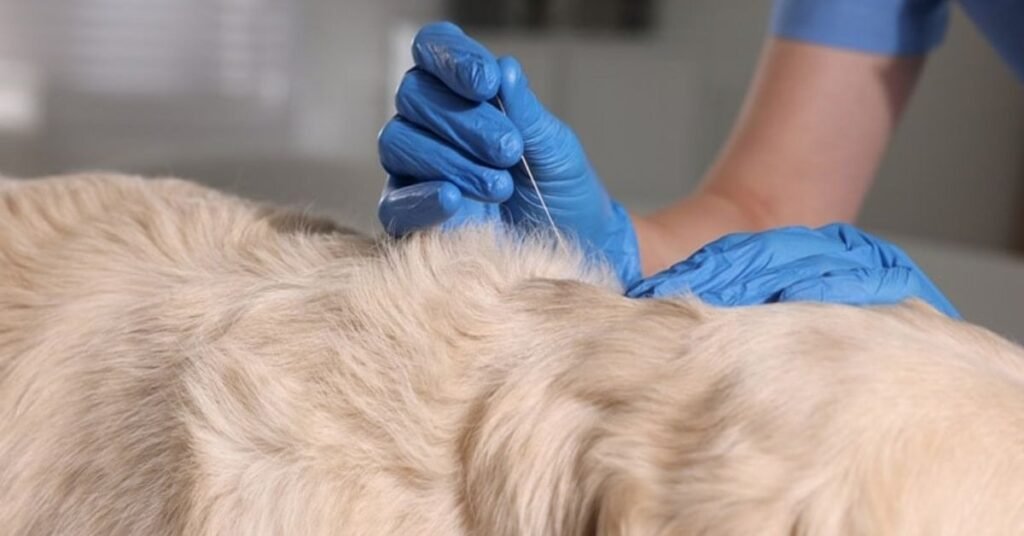
If your dog has lice, proper treatment is important. Over-the-counter human lice products should never be used on dogs. Only vet-approved treatments are safe and effective. These products kill lice and their eggs while protecting your dog’s skin and coat.
Treatment often involves cleaning the dog’s environment as well. Bedding, brushes, and toys should be washed or disinfected. Follow-up checks are also important to make sure all lice are gone.
| Treatment Type | How It Works | Application | Notes |
| Veterinary lice shampoo | Kills lice on contact | Bathing the dog | Usually repeated after 7–10 days |
| Spot-on treatments | Absorbed through skin, kills lice | Apply to neck or back | Follow vet dosage instructions |
| Oral medications | Kills lice systemically | Given by mouth | Prescription only |
| Environmental cleaning | Removes lice from bedding and toys | Wash or vacuum regularly | Helps prevent reinfestation |
| Flea and tick collars (some types) | Can repel lice | Worn around neck | Check vet recommendation |
| Grooming & combing | Physically removes lice and eggs | Use fine-toothed lice comb | Combine with chemical treatment |
Why Human Lice Treatments Can Be Dangerous for Dogs
Human lice treatments are made for people, not dogs. The chemicals in these products can be too strong for a dog’s skin. They may cause rashes, burns, or other serious health problems.
Dogs also absorb medications differently than humans. Using the wrong product can harm their liver, nervous system, or overall health. Always use vet-approved treatments to keep your dog safe.
How to Prevent Lice in Dogs Long-Term

Keeping your dog’s coat well-maintained helps prevent lice. Brushing and cleaning the fur removes dirt, dead skin, and any early signs of lice. Healthy skin and fur make it harder for lice to settle.
Limiting contact with infected dogs and keeping the home environment clean also protects your dog. Washing bedding, toys, and blankets regularly prevents lice from coming back.
- Brush and bathe your dog regularly
- Check your dog for lice after boarding or visits to dog parks
- Wash bedding, blankets, and toys often
- Avoid sharing grooming tools with other dogs
- Keep shelters and kennels clean and disinfected
Home, Grooming, and Environmental Prevention Checklist
Preventing lice in dogs requires care in several areas. Regular grooming removes dirt, loose hair, and any lice eggs. A clean home and dog supplies help stop lice from spreading or coming back.
Checking your dog often and cleaning their environment is important. Early detection and routine care make prevention much easier and safer for your dog.
| Area | Prevention Steps | Details |
| Grooming | Brush coat daily | Removes loose hair and debris |
| Grooming | Bathe regularly | Use vet-approved shampoo |
| Bedding | Wash weekly | Hot water kills lice and eggs |
| Toys | Clean or disinfect | Reduces lice hiding spots |
| Grooming tools | Do not share | Prevents spreading between dogs |
| Living area | Vacuum and clean floors | Removes fallen hair and lice |
| Dog contact | Limit contact with infected dogs | Reduces risk of lice transfer |
| Health checks | Inspect coat weekly | Early detection helps treatment |
When a Veterinary Visit for Dog Lice Is Non-Negotiable
Some lice cases need a vet’s help right away. If your dog scratches constantly or loses a lot of fur, a vet should check them. Severe itching, skin sores, or signs of infection also require professional care.
A veterinarian can recommend safe and effective treatments. They can also check for other parasites or skin problems. Early vet care helps your dog recover faster and prevents lice from coming back.
Conclusion
Lice in dogs can happen, but they are not very common. They only live on dogs and cannot spread to humans. Understanding this helps owners stay calm and avoid unnecessary worry.
Early detection is very important. Watching for scratching, dull fur, or small white specks can help catch lice before they multiply. Regular checks make treatment easier and faster.
Treating lice with the right products keeps dogs safe. Human lice treatments are dangerous, so always use vet-approved shampoos or medications. Cleaning your dog’s bedding, toys, and grooming tools also prevents reinfestation.
Prevention is the key to long-term control. Regular grooming, a clean home, and limiting contact with infected dogs can reduce the risk. With care and attention, your dog can stay healthy and comfortable.
FAQs
1. Can dogs get lice from humans?
No, dogs cannot catch lice from humans. Lice that live on dogs are different from those that live on people. They cannot survive on the wrong host.
2. What are the first signs of lice in dogs?
Early signs include constant scratching, restlessness, or a dull coat. You may also notice tiny white specks, which are lice eggs, in the fur.
3. How do dogs usually get lice?
Dogs get lice through close contact with an infected dog. Lice can spread in shelters, boarding facilities, or homes with multiple dogs.
4. Can I use human lice treatments on my dog?
No, products made for humans can harm dogs. They may irritate the skin or cause serious health problems. Always use treatments recommended by a veterinarian.
5. How can I prevent lice in my dog?
Regular grooming, cleaning bedding and toys, and checking your dog after boarding or dog parks help prevent lice. Limiting contact with infected dogs also lowers the risk.
